

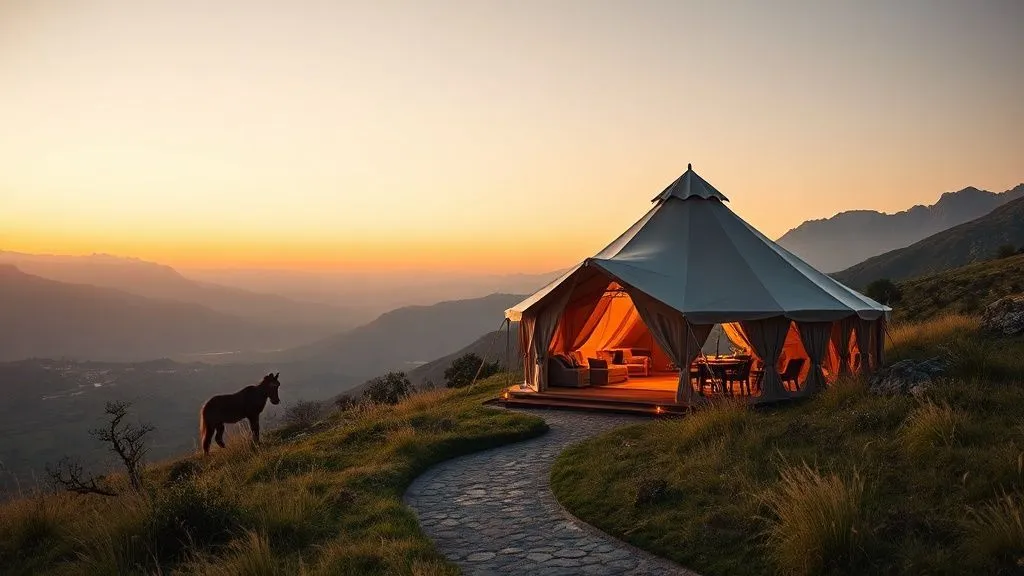
How to Design Profitable Bespoke Glamping That Scales Efficiently?
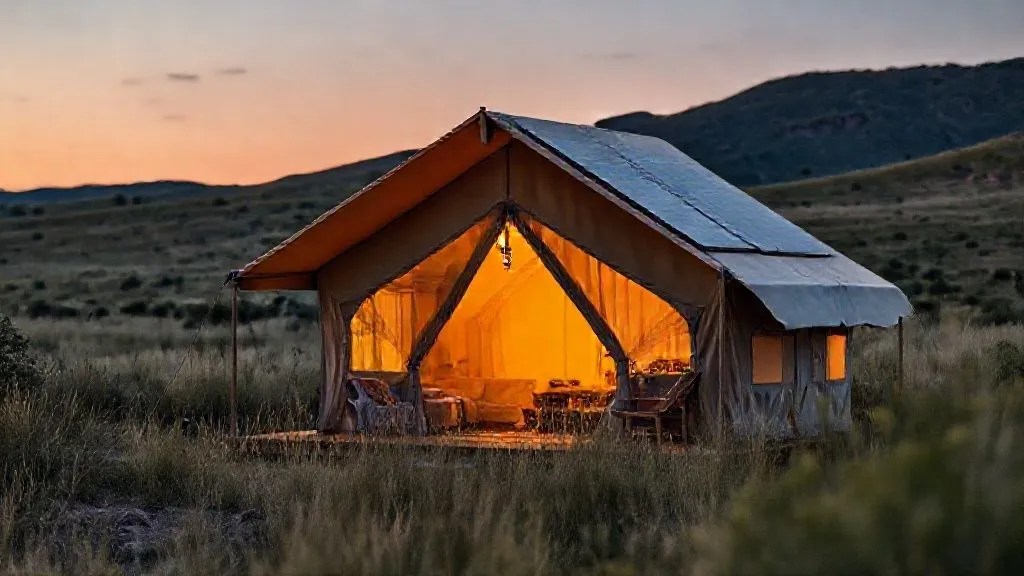
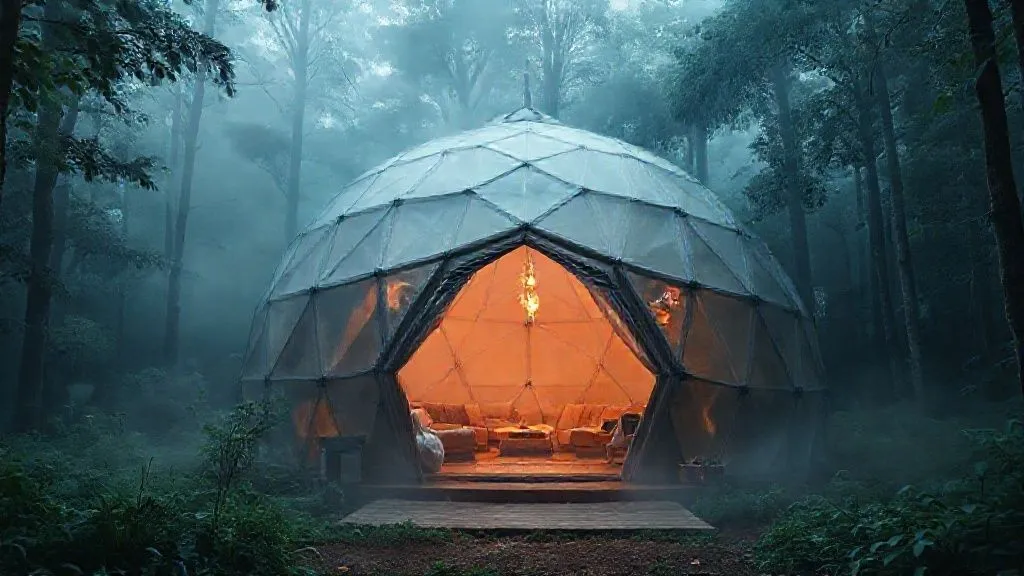
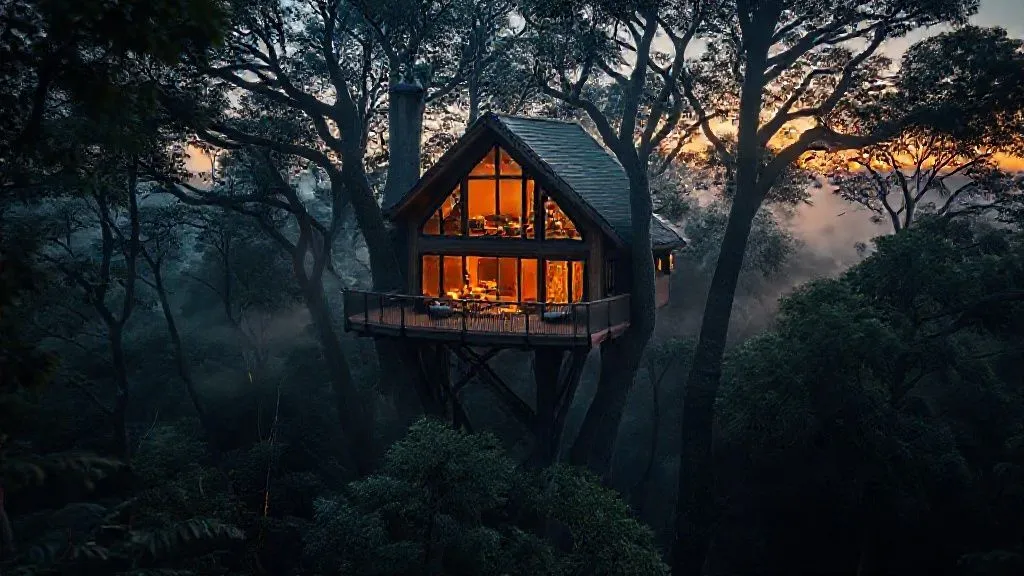
For over 15 years in the niche travel sector, specifically within bespoke glamping, I've seen countless entrepreneurs pour their heart and soul into creating truly unique experiences. The vision is often breathtaking – a secluded treehouse, a geodesic dome under the stars, or a safari tent overlooking a pristine wilderness. Yet, the harsh reality is that many struggle to move beyond a single, high-maintenance unit, trapped between their desire for uniqueness and the demands of profitability and scalable operations.
The core problem isn't a lack of creativity; it's often a disconnect between the bespoke design process and a robust, scalable business model. How do you maintain the magic of a one-of-a-kind experience while implementing systems that allow for growth without diluting your brand or exhausting your resources? This paradox can lead to burnout, limited expansion, and ultimately, missed revenue opportunities.
In this definitive guide, I will share the critical frameworks and insights I've gathered from years of experience to show you exactly how to design profitable bespoke glamping that scales efficiently. We'll delve into the five essential pillars that bridge the gap between unique vision and sustainable growth, offering actionable strategies, real-world analogies, and expert advice to transform your glamping dream into a thriving, expanding enterprise.
Pillar 1: Architecting the Bespoke Vision with Scalability in Mind
The foundation of any successful bespoke glamping venture lies in its initial concept. However, for true scalability, that concept must be built with an inherent understanding of future expansion, not as an afterthought.
Defining Your Niche & Target Demographic
Before you even sketch your first tent, you must meticulously define your niche and understand your ideal guest. Are you targeting eco-conscious adventurers, luxury-seeking couples, families, or digital nomads? Your target audience dictates everything from design aesthetics to pricing strategy and marketing channels.
- Eco-Luxury Seekers: Focus on sustainable materials, off-grid amenities, and immersive nature experiences with high-end comforts.
- Romantic Getaways: Emphasize privacy, unique architectural features, and curated couple's packages.
- Family Adventures: Consider larger units, child-friendly activities, and robust safety features.
Understanding these specifics allows you to design bespoke elements that resonate deeply, rather than broadly, making your offering more valuable and less susceptible to commoditization.
Modular Design & Standardized Luxury Components
This is where the 'bespoke' meets 'scalable.' While each unit might feel unique, its underlying components can and should be standardized. Think of it like a luxury car manufacturer; each model is distinct, but they share common high-quality engines, chassis, and infotainment systems.
"True scalability in bespoke glamping doesn't mean mass production; it means intelligent modularity. Design bespoke experiences using repeatable, high-quality building blocks that can be efficiently replicated, maintained, and even interchanged across different site locations."
This approach allows for economies of scale in procurement, faster construction times, and simplified maintenance. Imagine a custom-designed interior fixture that, while unique to your brand, can be manufactured in batches and installed consistently across multiple units or sites. This significantly reduces the cost and complexity of expansion.
Strategic Site Selection and Zoning
The location of your glamping site is paramount. Beyond scenic beauty, consider accessibility, local regulations, and potential for phased expansion. Zoning laws can be incredibly complex and restrictive for non-traditional accommodation. I've seen projects stall for years due to overlooking this crucial step.
Research local council regulations thoroughly, and consider sites that offer natural barriers or existing infrastructure that can reduce development costs. A site that allows for the addition of 5-10 units over time, rather than being capped at one or two, is inherently more scalable.
Pillar 2: Crafting a Premium, Differentiated Guest Experience
The 'bespoke' aspect truly shines here. Scalability doesn't mean sacrificing the unique guest journey; it means having a framework to consistently deliver that magic, even as you grow.
Immersive Storytelling & Thematic Cohesion
Your glamping site isn't just a place to stay; it's a story waiting to be told. From the name of your units to the curated local amenities, every detail should reinforce a consistent theme. This creates an emotional connection with guests, fostering loyalty and word-of-mouth marketing.
Case Study: The Wilderness Retreat
"The Wilderness Retreat," a fictional bespoke glamping site in the Pacific Northwest, faced the challenge of differentiating itself in a saturated market. Instead of just offering 'luxury tents,' they crafted a narrative around 'reconnecting with primal nature in sophisticated comfort.' Each of their initial five units was named after a local endangered species, and their interior design subtly echoed elements of that animal's habitat. Guests received a personalized welcome pack detailing the conservation efforts for 'their' species and were offered guided foraging tours led by local naturalists. This immersive storytelling created a powerful brand identity, leading to a 95% occupancy rate and a 30% increase in average booking value within its first year, paving the way for a successful expansion to a second site.
Integrating Local Culture & Sustainability
Guests seeking bespoke experiences often value authenticity and responsible tourism. Integrating local culture through partnerships with artisans, chefs, and guides enriches the guest experience and supports the local economy. Similarly, demonstrating a genuine commitment to sustainability – from solar power and water conservation to waste reduction – resonates deeply with your target demographic and can command a premium.
As the UNWTO highlights, sustainable tourism isn't just an ethical choice; it's a growing market demand. By embedding these values into your brand, you build a resilient and attractive offering.
Technology for Seamless, Personalized Stays
Technology is your ally in scaling personalized experiences. A robust Property Management System (PMS) can handle bookings, guest communications, and even pre-arrival preferences, freeing up staff to focus on high-touch interactions. Smart home technology within units (e.g., smart lighting, climate control, digital concierge services) can enhance comfort and convenience without requiring constant staff intervention.
Investing in a user-friendly booking platform and a CRM (Customer Relationship Management) system allows you to collect valuable guest data, personalize future offers, and automate communications, ensuring that even as you grow, each guest feels uniquely valued. According to Harvard Business Review, a superior customer experience is a key differentiator in competitive markets.
Pillar 3: Optimizing Revenue Streams Beyond the Stay
For bespoke glamping to be truly profitable and scalable, you cannot rely solely on nightly rates. Diversifying your revenue streams is crucial for financial resilience and growth.
Ancillary Services & Curated Activities
Think beyond the bed. What experiences can you offer that complement your glamping theme and generate additional income? These should be high-margin and align with your brand's luxury and bespoke ethos.
- Gourmet Meal Kits: Offer locally sourced breakfast baskets, BBQ packs, or fine dining meal kits for guests to prepare.
- Wellness Packages: Partner with local yoga instructors, masseuses, or meditation guides for on-site or nearby sessions.
- Adventure Excursions: Guided hikes, kayaking tours, stargazing experiences, or wildlife photography workshops.
- Retail Offerings: Branded merchandise, local artisan crafts, or sustainable products guests can take home.
Dynamic Pricing & Seasonal Adjustments
Don't leave money on the table. Implement a dynamic pricing strategy that adjusts rates based on demand, seasonality, local events, and competitor pricing. Tools exist that can automate this, ensuring you maximize revenue during peak periods and attract guests during off-peak times with strategic discounts or packages.
Consider minimum stay requirements during high season and offer extended-stay discounts during slower periods to optimize occupancy and average daily rate (ADR).
Strategic Partnerships & Collaborations
Leverage the expertise and customer base of other local businesses. This not only enhances your guest offerings but also provides cross-promotional opportunities. Partner with local vineyards, restaurants, adventure companies, or even luxury product brands.
A well-chosen partnership can elevate your brand and provide unique experiences without requiring you to build everything in-house. For example, a partnership with a renowned local chef for a pop-up dining experience can generate significant buzz and revenue. The power of strategic partnerships cannot be overstated for brand reach and new revenue.
| Revenue Stream | Contribution to Profit | Scalability Potential |
|---|---|---|
| Nightly Stays | Core, high-volume | Directly tied to unit count |
| Curated Experiences | High-margin, value-add | Can scale with external partners, less capital intensive |
| F&B (Meal Kits) | Consistent, moderate margin | Scales with guest count, manageable inventory |
| Retail/Merchandise | Low volume, high margin | Online store, dropshipping options |
| Event Hosting (small) | High revenue, infrequent | Limited by site capacity, high operational overhead |
Pillar 4: Operational Efficiency: The Engine of Scalability
A beautiful design and compelling experience are meaningless if your operations are a chaotic mess. Efficiency is the backbone of profitability and the key to scaling without succumbing to overwhelm.
Streamlining Booking & Guest Management Systems
Automate as much of the guest journey as possible, from initial inquiry to post-stay feedback. A robust PMS integrated with your website and various Online Travel Agencies (OTAs) can manage bookings, payments, and even automated pre-arrival communications. This reduces administrative burden and minimizes human error.
Look for systems that offer mobile check-in/check-out, digital guest guides, and quick communication channels. The less time your team spends on routine tasks, the more they can focus on delivering exceptional, personal service where it truly matters.
Standardized Maintenance & Housekeeping Protocols
Consistency is crucial for luxury. Develop detailed, repeatable protocols for cleaning, maintenance, and inventory management. This ensures that every unit, regardless of its bespoke design, meets the same high standards every time.
- Create Detailed Checklists: For every cleaning and maintenance task, specify steps, required materials, and expected outcomes.
- Implement a Preventative Maintenance Schedule: Regularly inspect and service all units and communal areas to catch issues before they become major problems.
- Centralize Inventory: Use a system to track supplies, linens, and amenities across all units, ensuring efficient restocking and reducing waste.
- Utilize Digital Tools: Employ apps for maintenance requests, task assignment, and progress tracking, providing real-time oversight.
Staff Training & Empowerment for Consistency
Your staff are the frontline of your brand. Invest in comprehensive training that not only covers operational procedures but also instills your brand's values and commitment to bespoke service. Empower your team to make decisions within defined parameters, fostering a sense of ownership and improving responsiveness to guest needs.
Cross-training staff across different roles can also enhance flexibility and resilience, especially as you scale. A well-trained, motivated team is far more efficient and capable of delivering consistent, high-quality experiences, which is paramount for growth.
Pillar 5: Financial Acumen & Strategic Investment
Profitability and scalability are ultimately driven by sound financial management. Without a clear understanding of your numbers, even the most beautiful glamping site will struggle.
Robust Financial Modeling & ROI Projections
Before any significant investment, create detailed financial models. Project your startup costs, operational expenses, revenue streams, and potential profitability. Understand your break-even points and calculate the Return on Investment (ROI) for each unit or site expansion.
"Never scale blindly. Every expansion, every new unit, every significant investment must have a clear, data-driven path to profitability. If you can't articulate the ROI, you're gambling, not growing."
Consider different scenarios – best-case, worst-case, and most likely – to prepare for various market conditions. This foresight is crucial for securing funding and making informed growth decisions. Resources like Investopedia's guide on ROI can be helpful here.
Phased Expansion & Capital Allocation
Rather than attempting a massive, all-at-once expansion, adopt a phased approach. Start with a manageable number of units, prove your concept's profitability, and then use those earnings (or proven track record) to fund subsequent phases. This mitigates risk and allows for continuous learning and optimization.
Carefully allocate capital to areas that offer the highest leverage for profitability and guest satisfaction. Sometimes, investing in a top-tier booking system or staff training provides a better ROI than adding another unit prematurely.
Performance Metrics & Continuous Optimization
Regularly track key performance indicators (KPIs) to monitor the health and efficiency of your glamping business. These metrics provide objective data for decision-making and highlight areas for improvement.
| Metric | Definition | Target |
|---|---|---|
| Occupancy Rate | Percentage of units booked | 70-85% |
| Average Daily Rate (ADR) | Average revenue per occupied unit | Maximize based on market |
| Revenue Per Available Unit (RevPAR) | Total revenue divided by total available units | Key profitability indicator |
| Guest Satisfaction Score (GSS) | Average rating from guest feedback | 90%+ or 4.5/5 stars |
| Operating Expense Ratio | Operating expenses as % of revenue | Minimize, typically < 40% |
Regularly review these metrics and be prepared to adjust your strategies. Continuous optimization, whether it's tweaking pricing, refining operational protocols, or enhancing marketing efforts, is essential for sustained profitability and efficient scaling.
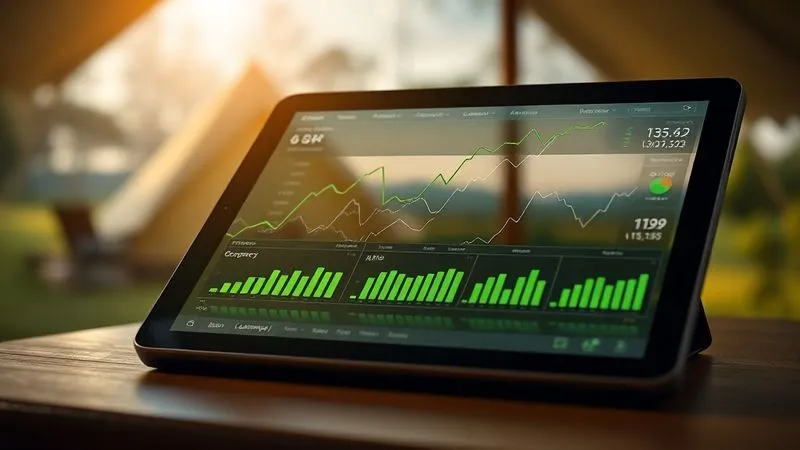
Beyond the Pillars: Marketing Your Bespoke Glamping Empire
Even with a perfectly designed and efficiently run glamping site, you need to attract your ideal guests. Marketing for bespoke glamping requires a nuanced approach that emphasizes storytelling and visual appeal.
Digital Storytelling & Visual Content
Your unique glamping experience is inherently visual. Invest in professional photography and videography that captures the essence of your brand, the beauty of your location, and the luxury of your units. Use these assets across all digital channels – your website, social media, and online travel agencies.
Craft compelling narratives that transport potential guests to your site before they even book. Highlight the bespoke elements, the connection to nature, and the unique experiences you offer. Instagram, Pinterest, and YouTube are invaluable platforms for this.
Influencer Collaborations & PR
Leverage the reach of travel influencers and lifestyle bloggers whose audience aligns with your target demographic. Offer complimentary stays in exchange for authentic content and reviews. A single, well-placed feature can generate significant bookings and brand awareness. Similarly, cultivate relationships with travel journalists and PR agencies to secure media coverage in high-authority publications.
Building a Community & Loyalty Programs
Foster a sense of community around your brand. Engage with guests on social media, encourage user-generated content, and create exclusive offers for returning visitors. A well-executed loyalty program can significantly increase repeat bookings and turn guests into brand advocates, a powerful and cost-effective marketing channel.
Common Pitfalls to Avoid in Bespoke Glamping Scaling
While the path to profitable, scalable bespoke glamping is clear, there are common missteps I've observed that can derail even the most promising ventures:
- Over-customization without standardization: Making every single unit completely unique makes maintenance and replication a nightmare.
- Underestimating operational complexity: Thinking a 'simple' glamping site requires minimal management leads to burnout and poor guest experiences.
- Ignoring financial modeling: Expanding without clear ROI projections is a recipe for financial strain.
- Neglecting staff training: Inconsistent service dilutes the luxury experience, regardless of the physical accommodations.
- Poor site selection: Ignoring zoning, accessibility, or expansion potential from the outset can cripple growth.
- Inadequate marketing for a niche product: Assuming 'build it and they will come' for a bespoke offering is a costly mistake.
Frequently Asked Questions (FAQ)
Question: How do I balance bespoke uniqueness with operational standardization for scalability? The key is to standardize the 'unseen' and customize the 'seen.' Standardize your core infrastructure (plumbing, electrical, foundational structures, booking systems, cleaning protocols) and procure luxury components in batches. Then, infuse uniqueness through interior design, curated amenities, thematic storytelling, and personalized guest experiences that can be delivered consistently through well-trained staff and smart tech. Think of it as a custom-built car on a reliable, mass-produced chassis.
Question: What are the biggest initial investment areas for a scalable bespoke glamping business? Beyond land acquisition, significant investments typically go into site infrastructure (utilities, access roads, leveling), high-quality, durable glamping structures, and robust technology systems (PMS, CRM, smart unit tech). Don't skimp on professional design and branding in the initial phase, as these set the tone for your premium offering. Also, legal and permitting costs can be substantial and often underestimated.
Question: How can I ensure sustainability without compromising the luxury experience? Sustainability and luxury are not mutually exclusive; in fact, they often enhance each other in the bespoke glamping market. Focus on 'invisible luxury' – high-performance insulation, efficient appliances, local and organic produce, ethically sourced amenities, and design that harmonizes with nature. Guests appreciate knowing their luxury experience doesn't come at the expense of the environment. Transparent communication about your sustainability efforts also adds to your brand's appeal and trustworthiness.
Question: What role does technology play in efficiently scaling a bespoke glamping operation? Technology is absolutely critical. It automates repetitive tasks (bookings, check-ins, communications), provides data for informed decision-making (KPIs, guest preferences), enhances guest experience (smart controls, digital concierge), and streamlines operations (maintenance requests, inventory). A well-integrated tech stack allows you to manage more units and guests with fewer resources, maintaining the personalized touch without manual overload.
Question: How do I effectively market a highly niche, bespoke glamping offering? Focus on visual storytelling and targeted marketing. Utilize high-quality photography and videography on platforms like Instagram, Pinterest, and YouTube. Engage with travel influencers and niche media publications that cater to your specific demographic (e.g., luxury travel, eco-tourism, adventure travel blogs). Leverage SEO for long-tail keywords related to your unique offering, and consider paid social media campaigns hyper-targeted to specific interests and demographics. Emphasize the unique experience and emotional benefits, not just the features.
Key Takeaways and Final Thoughts
Designing profitable bespoke glamping that scales efficiently is a sophisticated dance between creativity and calculated strategy. It demands a holistic approach, where every unique design element is considered through the lens of operational efficiency and financial viability. My experience has shown me that the truly successful ventures are those that master this balance.
- Start with Scalability: Integrate modular design and efficient systems from the very first concept phase.
- Prioritize Guest Experience: Differentiate through immersive storytelling, local integration, and seamless tech-enhanced stays.
- Diversify Revenue: Explore ancillary services and dynamic pricing to maximize profitability beyond nightly rates.
- Optimize Operations: Implement robust systems and empower staff for consistent, high-quality service.
- Master Your Finances: Base all expansion decisions on solid financial modeling and continuous performance monitoring.
Your vision for bespoke glamping is valuable, and with the right strategic framework, it can be incredibly profitable and scalable. By embracing these pillars, you're not just building beautiful places to stay; you're constructing a resilient, expanding business that delivers unparalleled experiences while securing your financial future. The journey will have its challenges, but with these insights, you're well-equipped to navigate them and build your glamping empire with confidence and efficiency.
Recommended Reading
- Solo Female Travel Safety: 10 Ways to Prevent & Respond to Harassment
- International Train Changes? 7 Urgent Fixes for Last-Minute Itineraries
- Master Solo Business Trips: 7 Ways to Reduce Travel Stress
- The Ultimate Guide: How Much Does a Night in a Space Hotel Cost?
- Beyond Basics: 7 Ways to Elevate Luxury Cruise Activities & Boost Retention

Your email address will not be published. Required fields are marked *