

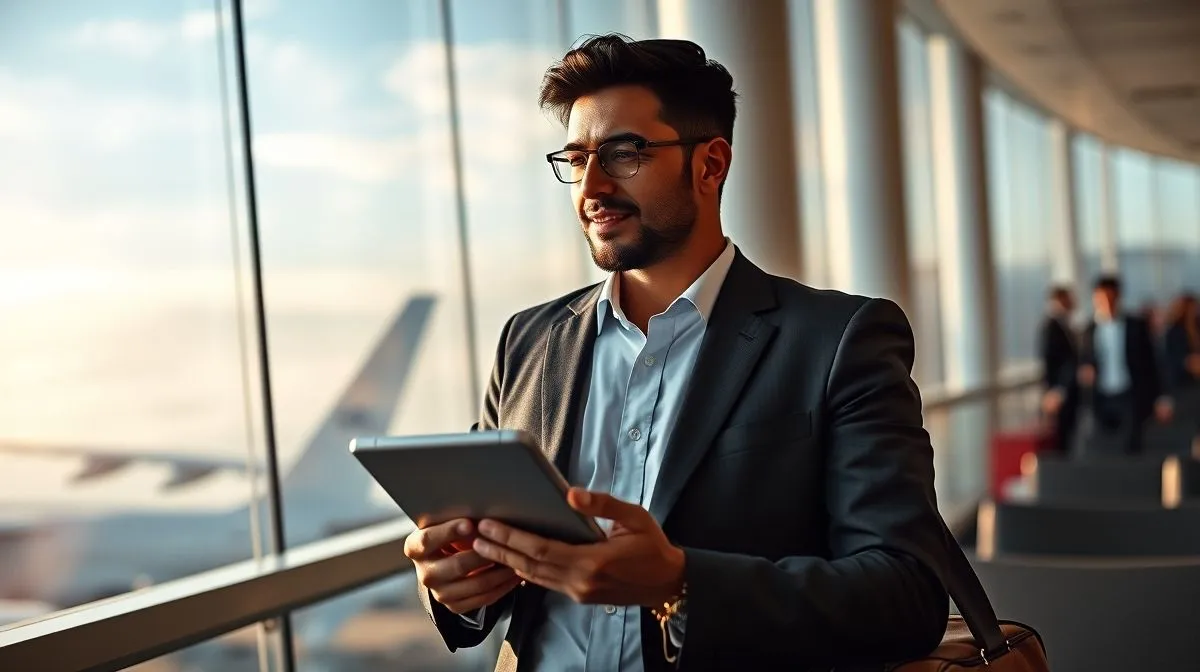
How to efficiently navigate solo business trips to reduce stress?
For over two decades in the corporate travel landscape, I've observed a profound irony: the very trips designed to foster growth and opportunity often become sources of immense stress and burnout for solo travelers. What begins as an exciting assignment can quickly devolve into a grueling marathon of logistics, isolation, and unrelenting pressure.
The unique challenges of solo business travel — from navigating unfamiliar cities alone to managing demanding schedules without a colleague to lean on — can take a significant toll on one's mental and physical well-being. It’s a common scenario I've witnessed countless times: a highly capable professional returning from a trip more exhausted than invigorated, their productivity hampered by the sheer weight of the journey.
But it doesn't have to be this way. In this definitive guide, I will share the distilled wisdom from my years of experience, providing you with a robust framework and actionable strategies on how to efficiently navigate solo business trips to reduce stress. You'll learn to transform your solo ventures from energy drains into opportunities for focused work, personal growth, and even genuine enjoyment.
The Pre-Trip Blueprint: Setting Yourself Up for Success
The foundation of a stress-free solo business trip isn't laid in the airport lounge; it's built weeks, sometimes even months, before you depart. As a seasoned traveler, I've learned that meticulous pre-trip planning isn't just about booking flights and hotels; it's about anticipating challenges and proactively creating solutions.
Meticulous Planning: Beyond the Itinerary
Your itinerary is merely the skeleton; you need to add the muscle and sinew. This means thinking through every potential friction point and preparing for it. It's about empowering yourself with knowledge and resources before you're in the thick of it.
- Document Digitization & Backup: Scan your passport, visa, flight confirmations, hotel reservations, and critical contact numbers. Save them in a secure cloud service and email copies to yourself. A lost wallet or phone can become a minor inconvenience rather than a major crisis if you have digital backups.
- Tech Prep & Power Management: Ensure all your devices are fully charged and packed with necessary adapters and portable power banks. Download offline maps, entertainment, and work documents. Nothing adds stress faster than a dead battery when you need to navigate or communicate.
- Health & Wellness Kit: Pack a small kit with essential medications (prescribed and over-the-counter for common ailments like headaches or indigestion), a basic first-aid supply, and any personal comfort items like a favorite tea or a sleep mask. Proactive health management is key to sustained energy.
- Wardrobe & Packing Strategy: Plan your outfits meticulously, aiming for versatility and wrinkle-resistant fabrics. Learn to pack light but efficiently. A heavy, disorganized suitcase is a constant source of friction. Consider a capsule wardrobe approach to minimize luggage while maximizing options.
Crafting a Realistic Schedule
One of the biggest mistakes I see solo business travelers make is over-scheduling. They pack their days so tightly that there's no room for delays, unforeseen circumstances, or crucially, self-care.
- Build in Buffer Time: Always allocate extra time between meetings, for travel to and from airports, and for unexpected delays. A 30-minute buffer can mean the difference between calm and chaos when a taxi is late or a meeting runs over.
- Prioritize & Delegate: Before you leave, clearly identify your absolute must-do tasks for the trip. Communicate these to your team and delegate anything that doesn't strictly require your physical presence.
- Schedule Personal Downtime: This is non-negotiable. Whether it's an hour for a walk, time for a meal away from your laptop, or simply unwinding with a book, schedule it just as you would a business meeting. This prevents burnout and recharges your mental batteries.
Case Study: Sarah's Seamless Start
Sarah, a marketing consultant, used to dread solo trips. Her pre-trip routine involved last-minute packing and a scramble for documents. After adopting a comprehensive pre-trip blueprint, her experience transformed. On a recent trip to London, her flight was unexpectedly delayed by three hours. Instead of panic, Sarah calmly accessed her digital documents, used her pre-downloaded offline map to re-route her airport transfer, and even caught up on emails using her fully charged power bank. She arrived at her hotel slightly later but completely unfazed, ready for her first meeting. This proactive preparation reduced her stress levels dramatically, allowing her to focus on her objectives rather than logistical nightmares.
Mastering the Journey: On the Road and In the Air
Once you've meticulously planned, the next phase is mastering the actual travel itself. This is where the rubber meets the road, or more accurately, the tarmac. My approach here is about minimizing friction and maximizing comfort.
The Art of Airport Navigation
Airports can be sensory overload, but with a few strategies, they can become manageable spaces.
- Expedited Security: Invest in services like TSA PreCheck or Global Entry (for US travelers) or similar programs in your region. The time saved and stress avoided in security lines is invaluable.
- Lounge Access: If your company allows or you travel frequently, airport lounge access is a game-changer. It provides a quiet, comfortable space with Wi-Fi, snacks, and often showers, transforming layovers from purgatory to productive breaks.
- Strategic Seating: When booking flights, consider your preferences. Aisle seats offer easy access for stretching or restroom breaks, while window seats provide a quieter, more private space for work or rest.
- Carry-on Only (When Possible): Checking bags adds time, stress, and the risk of lost luggage. Mastering the art of carry-on packing for shorter trips is a significant stress reducer.
In-Flight Sanity Savers
Long flights can be draining, but they can also be opportunities for focused work or much-needed rest.
- Noise-Canceling Headphones: These are your best friends on a plane. They block out engine hum, crying babies, and chatter, creating a personal oasis for concentration or sleep.
- Hydration is Key: Air travel is dehydrating. Drink plenty of water before, during, and after your flight. Avoid excessive caffeine and alcohol, which can exacerbate dehydration and jet lag.
- Movement Matters: Get up and stretch or walk the aisle every hour or two on longer flights to maintain circulation and reduce stiffness.
- Work-Rest Balance: Decide if you'll work or rest before the flight. If working, set a clear goal. If resting, disconnect completely. Don't try to do both poorly.
“The amateur waits for inspiration. The professional goes to work.” – Steven Pressfield. This applies perfectly to travel; don't wait for comfort, actively create it.
Optimizing Productivity at Your Destination
Arriving at your destination is only half the battle. To truly reduce stress and maximize your impact, you need to establish an efficient workflow and manage your energy effectively in a new environment.
Establishing Your Mobile Office
Your hotel room or temporary workspace needs to be functional and comfortable.
- Ergonomics First: Even a hotel desk can be optimized. Elevate your laptop with a few books if possible, and ensure your chair provides adequate support. Regular stretching breaks are vital.
- Connectivity Confidence: Confirm reliable Wi-Fi. If the hotel Wi-Fi is spotty, consider a portable hotspot or a local SIM card. A strong, stable internet connection is paramount for seamless work.
- Minimize Distractions: Turn off TV, silence phone notifications during focused work blocks, and politely decline non-essential interruptions. Use a 'Do Not Disturb' sign when necessary.
- Consistent Routine: Try to maintain aspects of your home routine. If you usually start your day with exercise or a specific type of breakfast, try to replicate it. This provides a sense of normalcy and control.
Time Zone Taming
Jet lag is a significant stressor. Proactive management can mitigate its impact.
- Gradual Adjustment: If possible, start adjusting your sleep schedule a few days before departure, shifting towards your destination's time zone.
- Immediate Immersion: Upon arrival, immediately switch to the local time. Eat meals at local times, and try to stay awake until the local bedtime, even if you're tired.
- Sunlight Exposure: Maximize exposure to natural light during the day and minimize it in the evening. Sunlight helps reset your body's internal clock.
- Strategic Naps: If you must nap, keep it short (20-30 minutes) and early in the day to avoid disrupting nighttime sleep.
When you’re a solo traveler, every decision you make impacts your well-being. Treat your energy as a finite resource and manage it judiciously.
Nurturing Your Well-being: The Non-Negotiables
It's easy to let self-care slide when you're on a solo business trip, but this is precisely when it's most critical. Neglecting your physical and mental health is a direct pathway to stress and burnout. This is an area where I’ve personally learned the hard way that cutting corners costs more in the long run.
The Power of Movement and Nutrition
Your body is your vehicle; fuel it and move it.
- Hotel Gym or Local Walks: Even 20-30 minutes of physical activity can significantly boost your mood and energy. Many hotels have gyms, or you can explore the local area on foot. A brisk walk can also serve as an excellent way to clear your head.
- Healthy Eating Choices: Resist the urge to rely on greasy room service or fast food. Seek out grocery stores for healthy snacks, or choose restaurants with fresh, balanced options. Prioritize vegetables, lean protein, and complex carbohydrates.
- Stay Hydrated: Carry a reusable water bottle and refill it frequently. Dehydration can mimic fatigue and hunger, leading to poor choices and reduced cognitive function.
Prioritizing Mental and Emotional Health
Solo travel can be isolating. Proactive mental wellness strategies are crucial.
- Mindfulness and Meditation: Even 10 minutes of mindfulness or meditation can help ground you. Apps like Calm or Headspace can guide you. This helps manage the mental clutter that often accompanies intense travel.
- Connect with Loved Ones: Schedule regular video calls with family and friends. Seeing familiar faces and hearing familiar voices can combat feelings of loneliness and keep you connected to your support system.
- Downtime and Disconnection: Don't feel guilty about taking time off from work during your trip. Explore a local museum, read a book, or simply relax in your hotel room. This dedicated downtime is essential for mental recovery.
A study published by the Journal of Occupational Health Psychology indicates that high-frequency business travel can lead to increased stress, anxiety, and even symptoms of depression if not managed proactively. Prioritizing well-being isn't a luxury; it's a necessity for sustained performance.
Strategic Networking and Social Engagement (Without Overwhelm)
Solo business trips often involve networking, but for many, the idea of engaging with strangers after a long day of work adds to the stress. My approach is to make networking purposeful and to actively combat isolation.
Quality Over Quantity
You don't need to attend every happy hour or industry event. Be selective.
- Targeted Engagement: Identify 2-3 key people or organizations you want to connect with before you arrive. Focus your energy on meaningful interactions rather than simply collecting business cards.
- Prepare Conversation Starters: Have a few open-ended questions ready about their work, industry trends, or local insights. This reduces the pressure of spontaneous conversation.
- Follow Up Thoughtfully: A quick, personalized email after a meeting reinforces the connection and shows professionalism.
Combating Isolation: Local Connections
While on a solo trip, you are your own primary companion. However, there are ways to safely and effectively combat the loneliness that can creep in.
- Dine Out Strategically: Instead of always ordering room service, venture out to a local restaurant. Choose places with a lively atmosphere or bar seating where you might strike up a casual conversation.
- Explore Safely: Dedicate an hour or two to explore a local park, museum, or landmark. This provides a mental break and a sense of connection to the place you're visiting.
- Join Local Meetups (if applicable): If you have a specific hobby or interest, check for local groups or events on platforms like Meetup.com. This can be a low-pressure way to connect with like-minded individuals.
As marketing guru Seth Godin often says, "People don't buy what you do; they buy why you do it." This applies to networking too. Focus on genuine connection and understanding, not just transactions.
Leveraging Technology for Stress Reduction
In the digital age, technology can be a double-edged sword. It can enable unprecedented connectivity and efficiency, but also contribute to digital overload. The key is to use it as a tool for stress reduction, not an additional burden.
Essential Apps for the Solo Traveler
Your smartphone can be your most powerful ally if loaded with the right tools.
- Navigation Apps (Google Maps, Citymapper): Essential for getting around, especially with public transport options. Download offline maps for areas with spotty service.
- Communication Apps (WhatsApp, Zoom): Stay connected with family, friends, and colleagues. Video calls are especially important for solo travelers to maintain personal connections.
- Expense Tracking Apps (Expensify, Zoho Expense): Digitize receipts immediately. This saves hours of post-trip reconciliation and reduces the anxiety of lost paper receipts.
- Travel Management Apps (TripIt, Google Trips): Consolidate all your travel details into one master itinerary, with real-time updates for flights and gate changes.
- Wellness Apps (Calm, Headspace, Sleep Cycle): Support your mental and physical health by guiding meditations or tracking sleep patterns.
Digital Detox Moments
While technology is helpful, continuous connectivity can be draining. Schedule periods where you intentionally disconnect.
- Scheduled Screen Breaks: Set alarms to remind you to step away from your devices. Even 5-10 minutes of staring out a window or stretching can make a difference.
- No-Phone Zones: Designate certain times or places (e.g., during meals, before bed) as phone-free. This allows your mind to truly rest and process.
- Notifications Management: Turn off non-essential notifications. Only allow critical alerts to ping your phone, reducing constant interruptions.
The Post-Trip Debrief: Sustaining Success
The journey doesn't end when you walk through your front door. The post-trip phase is crucial for cementing lessons learned, streamlining administrative tasks, and ensuring a smooth reintegration into your home routine. Overlooking this phase can negate many of the stress-reduction efforts made during the trip itself.
Streamlining Expense Reporting
This is often the most dreaded part of any business trip. Procrastination here only amplifies stress.
- Immediate Digitization: As soon as you incur an expense, snap a photo of the receipt and upload it to your expense tracking app. Do this daily, not at the end of the trip.
- Categorize on the Go: If your app allows, categorize expenses as you go. This saves significant time later.
- Set a Deadline: Within 24-48 hours of returning, dedicate a specific block of time to finalize and submit your expense report. Get it off your plate immediately.
Rest and Reintegration
Jumping straight from a demanding solo trip back into your full routine is a recipe for burnout. Give yourself space to recover.
- Buffer Days: If possible, schedule a buffer day or two between your return and your first day back at the office. This allows for laundry, grocery shopping, unpacking, and simply decompressing.
- Prioritize Sleep: Focus on getting quality sleep. Re-establish your regular sleep schedule as quickly as possible.
- Reconnect with Home: Spend quality time with family, friends, or pets. Re-engage with your personal hobbies or routines. This helps you transition mentally from 'road warrior' back to 'home base' self.
Case Study: Mark's Post-Trip Protocol
Mark, a sales director, used to return from trips overwhelmed, with a mountain of receipts and a severe case of 're-entry shock.' He implemented a strict post-trip protocol: all receipts scanned and submitted by noon the day after returning, and a full day dedicated to personal errands and family time before checking work emails. This simple shift reduced his post-trip stress by 80%, allowing him to feel refreshed and ready for his next challenge, rather than drained.
Frequently Asked Questions (FAQ)
Question? How do I handle unexpected delays or cancellations when traveling solo?
Detailed answer: The key is proactive preparation and calm response. Always have digital copies of all bookings and contact numbers for airlines/hotels. If a delay occurs, immediately check your airline's app for rebooking options, or call their customer service. For extended delays, consider using airport lounges (if you have access) for comfort and connectivity. Have a 'go bag' of essentials in your carry-on (toothbrush, change of clothes, charger). Remember that these situations are often outside your control; focus on what you *can* control, like your attitude and next steps.
Question? What are the best strategies for staying connected with my team and family while traveling solo?
Detailed answer: Communication is vital for mitigating isolation and ensuring work continuity. For your team, establish clear communication protocols before you leave: preferred channels (Slack, email), check-in times, and expectations for responsiveness. For family, schedule regular video calls – seeing faces makes a huge difference. Use apps like WhatsApp for quick text updates. Be mindful of time zone differences to avoid late-night calls. If connectivity is an issue, inform them in advance.
Question? How can I ensure my safety as a solo business traveler, especially in unfamiliar locations?
Detailed answer: Safety is paramount. Always research your destination's local customs and safe areas before you go. Share your itinerary with a trusted contact. Opt for reputable hotels in well-lit, central locations. Avoid walking alone at night in unfamiliar areas. Use licensed taxis or reputable ride-sharing services. Be aware of your surroundings, avoid displaying expensive electronics or jewelry, and trust your instincts. Local emergency numbers should be pre-programmed into your phone.
Question? What's the most effective way to manage different time zones to minimize jet lag and maximize productivity?
Detailed answer: Begin adjusting your sleep schedule a few days before departure by gradually shifting towards your destination's time zone. Upon arrival, immediately switch to local time for meals and sleep. Maximize natural light exposure during local daylight hours and minimize it at night, as light is a powerful circadian rhythm regulator. Stay hydrated and avoid heavy meals, excessive caffeine, and alcohol, especially on travel days. Short, strategic power naps (20-30 minutes) can help, but avoid long naps that might disrupt nighttime sleep.
Question? Are there any specific packing hacks for solo business trips to keep luggage light and organized?
Detailed answer: Absolutely. The key is versatility and multi-purpose items. Adopt a capsule wardrobe approach with interchangeable pieces in neutral colors. Use packing cubes to compress clothes and organize by outfit or category. Roll clothes tightly to save space and reduce wrinkles. Wear your heaviest shoes and jacket on the plane. Pack travel-sized toiletries or decant products into smaller containers. Consider a compact, foldable duffel bag for any souvenirs or extra purchases. The less you carry, the less stress you'll experience navigating airports and hotels.
Recommended Reading
- Eco-Friendly Travel: How It Impacts Local Communities Positively
- Dog Sledding Gear: Conquer Sub-Zero Temps Like a Pro!
- The Savvy Traveler's Guide: What to Look For When Booking a Budget Hostel?
- Unlock Hotel Accessibility: Best Ways to Confirm Features Before You Go
- Unlock the Secrets: How to Stay Safe During River Crossings on Adventure Treks
Key Takeaways and Final Thoughts
Navigating solo business trips efficiently and with reduced stress is not about luck; it's about adopting a strategic, proactive mindset. As I've seen throughout my career, the professionals who thrive on the road are those who treat their well-being and logistical planning with the same rigor they apply to their core business objectives.
- Preparation is Paramount: Your success hinges on meticulous pre-trip planning, from digital documents to health kits.
- Optimize the Journey: Leverage tools and strategies to make airports and flights less stressful and more productive.
- Prioritize Well-being: Non-negotiable self-care – movement, nutrition, and mental health – fuels your performance.
- Strategic Engagement: Network purposefully and combat isolation actively, but don't overcommit.
- Leverage Technology Wisely: Use apps to your advantage, but also schedule digital detox moments.
- Master the Debrief: Streamline post-trip tasks and allow for proper reintegration and rest.
Remember, every solo business trip is an opportunity – not just for professional advancement, but for personal resilience and growth. By implementing these expert-level strategies, you'll not only reduce stress but transform your travel experience, ensuring you return home energized, accomplished, and ready for your next challenge. Travel smart, stay well, and lead with purpose, wherever the road takes you.




Your email address will not be published. Required fields are marked *