

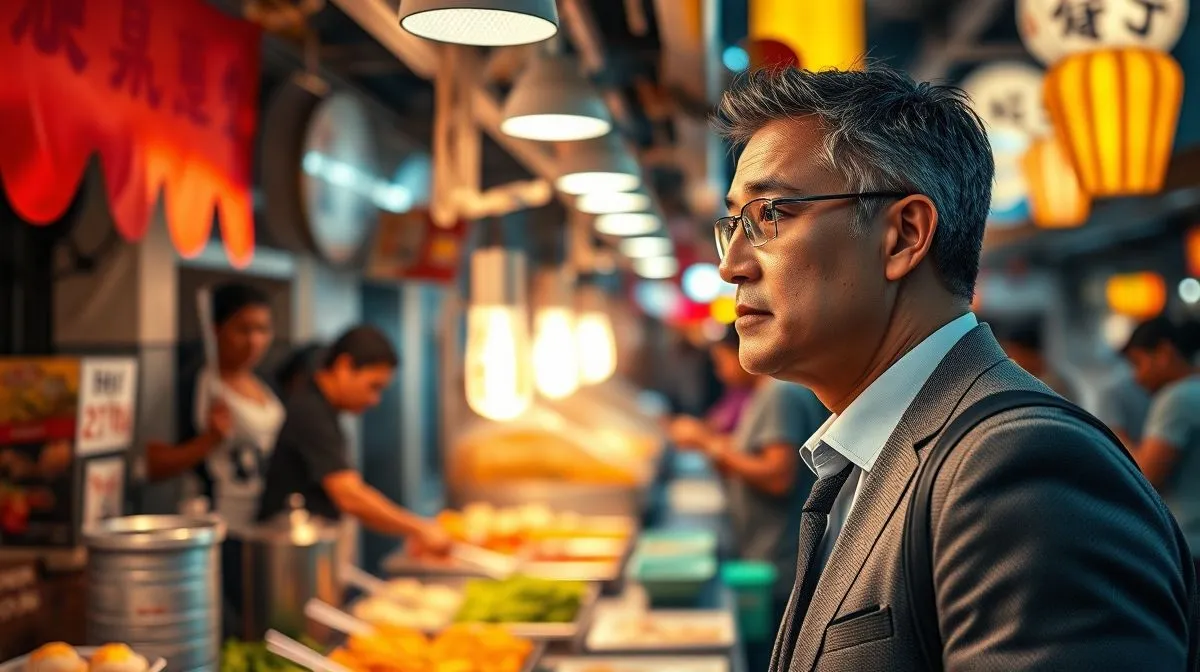
How to eat local street food safely during a business trip?
For over two decades, as a seasoned industry expert navigating the globe for business, I've seen countless colleagues, and indeed, myself in my early career, fall victim to the allure and the pitfalls of local street food. The vibrant smells, the sizzling sounds, the promise of an authentic culinary experience – it’s a powerful magnet. Yet, the fear of an upset stomach, or worse, a full-blown foodborne illness, often relegates many business travelers to the confines of their hotel restaurants, missing out on the very essence of the destination.
The problem is clear: how do you reconcile the desire for cultural immersion through food with the absolute necessity of staying healthy and productive on a tight business schedule? A single day lost to food poisoning can derail critical meetings, impact deals, and leave a lasting negative impression on your professional journey. This isn't just about comfort; it's about safeguarding your career and maximizing your travel investment.
That’s precisely why I’ve developed a robust, actionable framework designed to empower you. This guide isn't just a list of dos and don'ts; it’s a comprehensive strategy, forged from years of real-world experience and meticulous observation, to teach you how to eat local street food safely during a business trip. You’ll learn to identify safe vendors, make smart food choices, and mitigate risks, ensuring your next business trip is as culinarily enriching as it is professionally successful.
The "Scout, Source, Savor" Framework: My Guiding Principle
In my extensive travels, I've refined a simple yet profoundly effective three-pillar framework: Scout, Source, and Savor. This isn't just a catchy phrase; it's a systematic approach to evaluating and enjoying street food. It emphasizes proactive risk assessment and mindful consumption, allowing you to engage with local cuisine confidently, rather than reactively.
- Scout: This initial phase is all about observation and research. Before you even approach a stall, you’re looking for tell-tale signs of hygiene, popularity, and operational standards. It’s like doing your due diligence before a major investment.
- Source: Once you’ve identified potential vendors, this phase focuses on the specific food choices. What ingredients are being used? How is the food prepared? Are there inherent risks with certain types of dishes? This is where your knowledge of food safety principles comes into play.
- Savor: The final, and most enjoyable, step. This is about consuming your chosen meal mindfully, practicing personal hygiene, and understanding how your body reacts. It’s about enjoying the experience without letting your guard down entirely.
Mastering these three pillars will transform your street food experience from a risky gamble into a calculated, delightful adventure.
Scout Like a Pro: Identifying Safe Havens
Before you even think about ordering, your eyes are your most powerful tools. This is where the 'Scout' phase begins. I've walked past hundreds of stalls, and within seconds, my brain makes a series of rapid assessments. Here’s what I look for:
Look for the Crowd (Local vs. Tourist)
This is often my first and most reliable indicator. A street food stall with a long queue of locals, especially during peak meal times, is almost always a good sign. Locals know where the good, and more importantly, safe food is. They are discerning customers who won't tolerate poor quality or hygiene. Conversely, if a stall is empty while others are bustling, or if it caters exclusively to tourists, proceed with extreme caution. High turnover means fresh ingredients.
Observe Hygiene Practices
This is non-negotiable. Watch the vendor. Are they handling raw and cooked food with separate utensils or, ideally, separate hands or gloves? Is there a designated area for preparing raw ingredients? Are the surfaces clean? Are flies buzzing around openly? A good vendor will often have a visible commitment to cleanliness, even in a busy environment. Pay attention to the water source for washing dishes and hands – is it running water, or a stagnant bucket? Running water is always preferred.
Trust Your Senses (Smell, Sight)
Your nose and eyes are critical. Does the food smell fresh and appealing, or is there an odd, slightly off odor? Does the food look vibrant and recently prepared, or has it been sitting out for hours? Freshly chopped vegetables, glistening sauces, and sizzling meats are good indicators. If something looks dull, discolored, or has an unnatural sheen, your intuition is probably right – walk away.
The "Cook-to-Order" Advantage
The safest street food is almost always prepared fresh, right in front of you. Dishes that are cooked at high temperatures and served immediately are significantly less likely to harbor harmful bacteria. Think stir-fries, grilled skewers, or freshly fried items. Be wary of large vats of stew or curries that have been sitting out for extended periods at ambient temperatures, as this is a prime breeding ground for bacteria.
Expert Insight: "The true mark of a reliable street food vendor isn't their fancy sign, but the constant movement of their hands and the steam rising from their wok. Freshness is your ultimate shield."
Source Smart: What to Eat and What to Avoid
Once you've scouted a promising vendor, it's time to make your selection. This is the 'Source' phase, where specific food choices can make all the difference in your quest to know how to eat local street food safely during a business trip.
Hot is Gold: Prioritize Cooked-to-Order Dishes
This is my cardinal rule. Heat kills bacteria. If it’s cooked right in front of you and served piping hot, the risk diminishes dramatically.
- Look for Visible Cooking: Can you see the food being fried, grilled, boiled, or steamed right before it's served? This is ideal.
- Ensure It's Piping Hot: The food should be steaming hot when it reaches you, not just warm. If it cools down quickly, it means it wasn't hot enough to begin with or has been sitting.
- Avoid Reheated Dishes: Be wary of dishes that appear to be reheated or kept warm on a low flame for extended periods, as this temperature range is ideal for bacterial growth.
Peel It, Boil It, Cook It, or Forget It: The Golden Rule
This age-old traveler's adage holds immense truth. When in doubt, apply this principle:
- Peel It: Fruits that you can peel yourself (like bananas, oranges, mangoes) are generally safe. Avoid pre-cut fruits that have been sitting out.
- Boil It: Water and beverages that have been boiled (like tea or coffee) are safe.
- Cook It: As mentioned, thoroughly cooked food is your best bet.
- Forget It: If it doesn't fit the above criteria, or if you have any doubt, simply don't eat it. This includes:
- Salads and Uncooked Vegetables: Unless you're absolutely sure they've been washed with purified water, these are high-risk.
- Raw Seafood/Meat: Ceviche, sushi, or raw meat dishes are best avoided unless you are in a highly reputable, established restaurant that specializes in such items and adheres to international food safety standards.
- Unpasteurized Dairy: Milk, yogurt, or ice cream from unverified sources can be risky.
Water and Beverages: The Hidden Traps
It's not just about the food. Contaminated water and ice are frequent culprits for traveler's diarrhea.
- Stick to Bottled Water: Always buy reputable, sealed bottled water. Check the seal for tampering.
- Avoid Ice: Unless you are certain the ice is made from purified water, politely decline it in your drinks. This is particularly tricky in tropical climates.
- Hot Beverages are Safer: Tea and coffee are generally safe because the water has been boiled.
- Canned or Bottled Sodas/Beers: These are usually safe, but wipe the rim before drinking.
According to the World Health Organization (WHO), unsafe food containing harmful bacteria, viruses, parasites or chemical substances causes more than 200 diseases, from diarrhea to cancers. This underscores the importance of being vigilant with both food and beverages.
Savor Safely: Enjoying the Experience Responsibly
You’ve scouted smart and sourced well. Now comes the best part: enjoying the meal. But even at this stage, mindful practices are key to ensuring you know how to eat local street food safely during a business trip without regret.
Start Small, Diversify Later
If it's your first time trying street food in a new location, don't overindulge immediately. Try a small portion of one or two items. Give your body a chance to adjust. If you feel fine after a few hours, you can be a bit more adventurous the next day. This strategy minimizes the impact if something does go wrong.
Hand Hygiene: Your First Line of Defense
This cannot be overstated. Even if the food is perfectly safe, your hands can easily transfer germs from money, door handles, or public surfaces to your mouth. Always carry a small bottle of alcohol-based hand sanitizer (at least 60% alcohol). Use it religiously before eating, especially if there's no access to soap and running water. Better yet, wash your hands thoroughly whenever possible.
Listen to Your Body
You know your body best. If something tastes off, or if you start to feel even slightly unwell, stop eating. Don't try to power through it. Early detection and cessation can often prevent a minor upset from becoming a major issue.
The Power of Probiotics (Before and During)
Many experienced travelers swear by probiotics. Taking a daily probiotic supplement a few days before and throughout your trip can help bolster your gut flora, making your digestive system more resilient to unfamiliar bacteria. While not a foolproof solution, it can provide an extra layer of defense. A study published in the Journal of Travel Medicine highlights the potential benefits of probiotics in preventing traveler's diarrhea, though more research is ongoing.
Beyond the Plate: Environmental Factors & Preparation
Food safety isn't just about the food itself; it's about the ecosystem around it. My experience has taught me that overlooking these broader factors can undermine even the best scouting and sourcing efforts.
Vendor Vetting: More Than Just Food
Beyond observing the immediate cooking area, take a moment to assess the vendor's overall operation. Do they seem organized? Is the waste disposal handled properly? Are there proper refrigeration units for perishable items? A well-managed stall often indicates a vendor who takes pride in their business and, by extension, their food safety.
Case Study: How 'Global Flavors Inc.' Empowered Their Travelers
Acme Corp, a mid-sized tech firm with frequent international business travel, faced a persistent issue: their employees were often hesitant to engage with local cuisine, leading to missed cultural opportunities and sometimes, bland meals. After a few instances of minor foodborne illnesses, their HR department reached out to me for a solution. I implemented a comprehensive 'Safe Savor' training program, focusing heavily on educating their traveling staff on how to eat local street food safely during a business trip. The program included a pre-trip webinar on the 'Scout, Source, Savor' framework, a curated list of trusted local food tour operators for each major destination, and crucially, an adjustment to their per diem policy to allow for slightly higher-priced, but vetted, food options if street food was deemed too risky. Within six months, they reported a 70% increase in positive employee feedback regarding culinary experiences abroad and a 50% decrease in reported travel-related digestive issues. This resulted in not just healthier employees, but also more culturally integrated and satisfied team members who felt empowered to explore.
Understanding Local Food Culture & Regulations
Some countries have stricter food safety regulations and inspection regimes than others. While you won't be able to research every local health code, a general awareness of the region's overall public health standards can be helpful. For instance, in some cultures, food is left out for longer periods due to climate or tradition. Knowing this can help you adjust your risk assessment accordingly. Resources like the CDC's Traveler's Health pages offer region-specific health advice, including food and water safety.
The Role of Acclimatization
Your digestive system needs time to adjust to new environments, different bacteria, and even new spices. Don't bombard it on day one. Ease into new foods, especially if you're traveling from a region with vastly different culinary norms. This acclimatization period is crucial and often overlooked by eager business travelers.
My Essential Toolkit for the Savvy Business Traveler
Preparation isn't just about knowledge; it's about having the right tools. Over the years, I've curated a small, indispensable kit that accompanies me on every business trip, helping me practice how to eat local street food safely during a business trip.
- Travel-Sized Hand Sanitizer: As mentioned, non-negotiable.
- Anti-Diarrhea Medication (e.g., Loperamide): For emergencies. While I always advocate for prevention, having a backup plan is smart.
- Oral Rehydration Salts (ORS): If you do get an upset stomach, staying hydrated is paramount. ORS packets are lifesavers.
- Water Purification Bottle/Tablets: For situations where bottled water isn't available or reliable. Brands like LifeStraw or SteriPEN are excellent investments.
- Probiotic Supplements: Start taking them a few days before your trip.
- Basic Pain Reliever/Fever Reducer: For general discomfort.
What If Things Go Wrong? A Contingency Plan
Despite all precautions, sometimes things still go awry. Even the most seasoned travelers occasionally face a minor digestive upset. The key is to be prepared, not panic.
Early Warning Signs
Pay attention to your body. Nausea, mild cramps, or unusual fatigue could be early indicators. If you notice these, stop eating immediately and switch to bland foods and plenty of sealed bottled water.
When to Seek Medical Attention
Don't hesitate to seek medical help if symptoms are severe or persist. This includes high fever, severe abdominal pain, bloody stools, persistent vomiting, or signs of dehydration (e.g., reduced urination, extreme thirst, dizziness). Your hotel concierge can often provide reliable medical contacts.
Travel Insurance: Non-Negotiable
This is a critical safety net. Ensure your business travel insurance policy covers medical emergencies, including doctor visits, prescription medications, and, in severe cases, medical evacuation. Review your policy before you leave. Websites like Forbes Advisor often provide comprehensive guides to choosing the right travel insurance.
My Personal Mantra: "Prevention is always better than cure, especially when your professional reputation and well-being are on the line. But smart preparation includes a robust contingency plan."
Frequently Asked Questions (FAQ)
Is it always safer to eat in restaurants than street food? Not necessarily. While restaurants often have more controlled environments, a poorly run restaurant can be just as risky, if not more so, than a well-run street food stall. The 'Scout, Source, Savor' principles apply universally. A busy, clean street food stall with high turnover can often be safer than an empty, unkempt restaurant. Focus on specific hygiene and freshness indicators, not just the establishment type.
Should I bring my own cutlery? While not strictly necessary for most street food, carrying a personal travel spork or set of chopsticks made from bamboo or metal can be an extra precaution, especially if you're particularly concerned about the cleanliness of communal utensils. However, most reputable street food vendors will use disposable or freshly washed cutlery. Focus more on the food itself and hand hygiene.
What about bottled water? How can I be sure it's sealed? When buying bottled water, always check the cap. It should be securely sealed, and you should hear a distinct crack or pop when you break the seal for the first time. Avoid bottles with broken seals, cloudy water, or any suspicious particles. In some regions, counterfeit bottled water is a concern, so purchasing from reputable stores or hotels is advisable over small, unverified street vendors.
Are food tours a safe way to experience street food? Yes, absolutely! Food tours, especially those run by reputable local companies, can be an excellent way to safely experience street food. Tour guides often have insider knowledge of the safest and most delicious vendors. They've done the 'scouting' for you and can provide context and advice, significantly reducing your risk. This is a highly recommended option for your first foray into a new city's street food scene.
What's the biggest mistake business travelers make regarding food safety? The biggest mistake is either being too fearful and missing out entirely, or being too complacent and throwing caution to the wind. The sweet spot is informed caution – understanding the risks, knowing how to mitigate them, and being prepared for contingencies, while still embracing the incredible culinary opportunities that business travel offers. Trusting your gut (literally and figuratively) and applying a systematic approach are key.
Recommended Reading
- Unlock the Secret: How to Create a Rustic Elegant Glamping Experience
- Wide Feet? The Best Rock Climbing Shoes for Beginners Revealed!
- The Ultimate Guide: How to Choose Responsible Volunteer Travel Programs?
- Unlock Your Wanderlust: The Ultimate Guide to Cheaper Long-Term Travel
- Unlock Your Impact: Ultimate Guide to Environmental Volunteering Prep
Key Takeaways and Final Thoughts
Navigating the vibrant world of local street food during a business trip doesn't have to be a gamble. By adopting a strategic, informed approach, you can transform a potential health hazard into one of the most rewarding aspects of your professional journeys. Remember these critical takeaways:
- Apply the "Scout, Source, Savor" framework: Observe, choose wisely, and enjoy mindfully.
- Prioritize freshness and heat: Cooked-to-order, piping hot food is your safest bet.
- Be vigilant with water: Stick to sealed bottled water and avoid unverified ice.
- Master hand hygiene: Carry and use hand sanitizer religiously.
- Pack a contingency kit: Be prepared for minor upsets with essential medications.
- Embrace informed caution: Balance adventure with acute awareness of hygiene and risk.
Your business trips are more than just meetings and presentations; they're opportunities for cultural immersion and personal growth. By confidently mastering how to eat local street food safely during a business trip, you're not just protecting your health; you're enriching your travel experience, expanding your palate, and ultimately, making your time abroad more memorable and fulfilling. So, go forth, explore, and savor the world, one safe, delicious bite at a time.




Your email address will not be published. Required fields are marked *