

How to Ensure Personal Safety at Large Music Festivals?
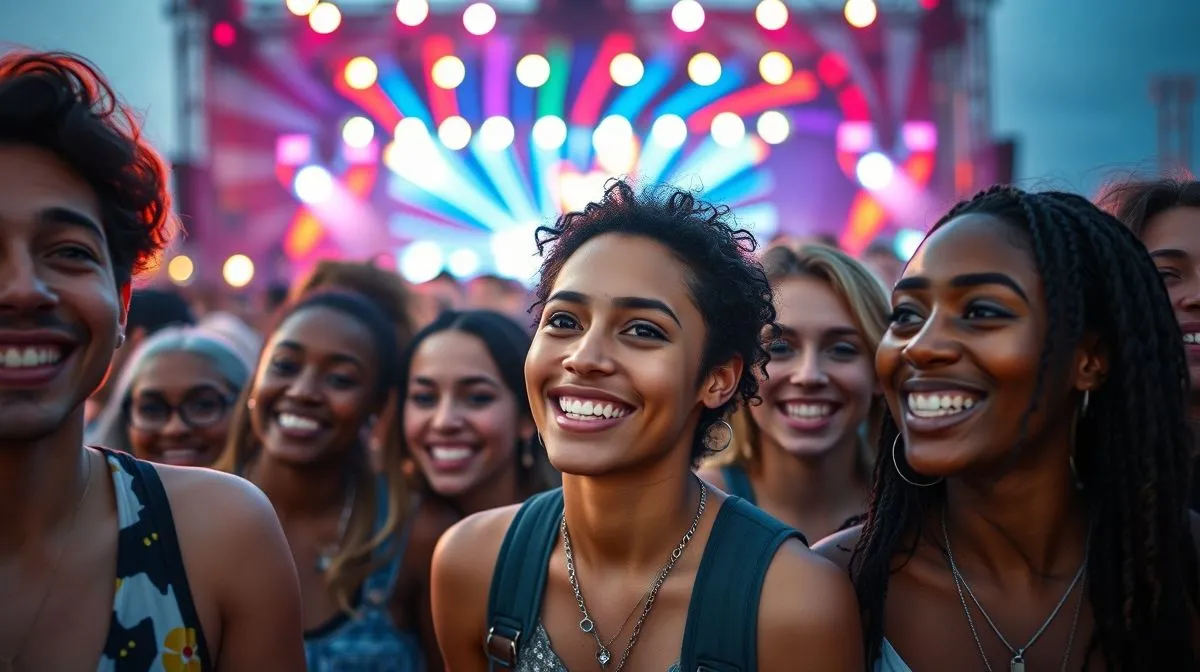
Imagine the electric hum of thousands of voices, the pulsating rhythm of bass vibrating through your chest, and a sky ablaze with pyrotechnics. Music festivals are more than just concerts; they are immersive experiences, vibrant communities that gather to celebrate sound and connection. Yet, beneath the euphoria lies a critical question: how do you navigate these sprawling, energetic environments while keeping yourself and your friends safe?
The sheer scale of large music festivals, with tens or even hundreds of thousands of attendees, presents unique challenges. From navigating dense crowds to managing personal belongings, and from staying hydrated in the sun to knowing what to do in an unexpected emergency, the potential for mishap can dampen even the most anticipated experience. The problem isn't the festival itself, but rather the lack of proactive strategies to mitigate these inherent risks.
This comprehensive guide will equip you with the knowledge and actionable strategies you need to master personal safety at large music festivals. You’ll learn how to prepare effectively, navigate the festival grounds with confidence, address potential health and security concerns, and ultimately, ensure your experience is memorable for all the right reasons – not the wrong ones. By the end of this reading, you'll feel empowered to embrace the festival spirit safely and responsibly.
The Pre-Festival Preparedness Playbook
The foundation of a safe festival experience is laid long before you step onto the grounds. Thorough preparation can significantly reduce risks and enhance your enjoyment.
Researching Your Festival and Venue
- Understand the Layout: Before you arrive, study the festival map. Locate stages, medical tents, water stations, restrooms, and emergency exits. Knowing the layout will save you time and provide peace of mind.
- Review Rules and Regulations: Every festival has specific rules regarding what you can and cannot bring, re-entry policies, and prohibited items. Adhering to these rules prevents unnecessary hassle and ensures a smoother experience.
- Check Weather Forecasts: Festivals often span multiple days and can be subject to unpredictable weather. Pack accordingly for sun, rain, or cooler evenings.
Packing Essentials for Safety and Comfort
What you bring can make all the difference. Prioritize items that contribute to your safety and well-being.
- Identification and Important Documents: Always carry a valid ID. Consider bringing a photocopy or digital copy of your ID and insurance card, stored securely.
- Medications: If you require prescription medication, ensure you have enough for the duration of the festival and that it's clearly labeled in its original container. Carry a doctor's note if necessary.
- Portable Charger/Power Bank: Your phone is your lifeline for communication and emergencies. A fully charged power bank is non-negotiable.
- Appropriate Clothing and Footwear: Comfortable, broken-in shoes are essential for hours of walking and standing. Dress in layers to adapt to temperature changes.
- Hydration Pack or Reusable Water Bottle: Staying hydrated is paramount. Many festivals offer water refill stations.
- Basic First-Aid Kit: Include band-aids, antiseptic wipes, pain relievers, blister treatment, and any personal necessities.
- Sun Protection: Sunscreen (reapply often!), hats, and sunglasses are vital to prevent sunburn and heat exhaustion.
Establishing a Communication and Meet-Up Plan
Even with the best intentions, groups can get separated. A solid plan minimizes stress.
- Designate a Buddy System: Always attend with at least one friend and agree to look out for each other.
- Establish Meeting Points: Choose 2-3 specific, easy-to-find locations within the festival grounds (e.g., specific art installation, main entrance gate, medical tent) as emergency meeting points if you get separated.
- Share Schedules and Contacts: Share your daily schedule with your group. Ensure everyone has each other's phone numbers and emergency contacts written down or stored where they can be accessed even if phones die.
- Consider Walkie-Talkies: In areas with poor cell service, simple walkie-talkies can be a reliable backup for group communication.
Navigating the Crowds: On-Site Strategies
Once you're inside the festival, proactive strategies become even more crucial for maintaining your safety and enjoying the experience.
Staying Hydrated and Nourished
Dehydration and low blood sugar are common culprits for festival-goers feeling unwell. The combination of heat, dancing, and alcohol can quickly lead to problems.
- Drink Water Constantly: Make regular trips to water refill stations, even if you don't feel thirsty. Aim for at least one liter of water per hour of activity, more if it's hot.
- Eat Regularly: Don't skip meals. Fuel your body with nutritious food to maintain energy levels and prevent lightheadedness.
- Limit Alcohol and Sugary Drinks: While tempting, alcohol and sugary beverages can dehydrate you faster. Alternate alcoholic drinks with water.
Understanding Your Surroundings and Exits
Situational awareness is key to avoiding dangerous situations, especially in dense crowds.
- Scan Your Environment: Upon entering a new area, quickly identify exits, security personnel, and potential hazards.
- Avoid Overly Dense Crowds: If a crowd feels too packed, move to the periphery or a less congested area. Avoid getting pushed against barriers.
- Know Emergency Procedures: Familiarize yourself with announced emergency procedures or evacuation routes specific to the festival.
- Maintain Personal Space: While difficult in a crowd, try to maintain enough space to move freely and avoid feeling trapped.
Managing Personal Belongings and Valuables
Festivals can be targets for petty theft. Protecting your valuables is essential.
- Minimize Valuables: Only bring what you absolutely need. Leave expensive jewelry or irreplaceable items at home.
- Use Secure Bags: Consider a fanny pack worn in front, a crossbody bag, or a backpack with anti-theft features. Avoid keeping wallets or phones in back pockets.
- Utilize Lockers: Many festivals offer lockers for rent. These are excellent for securing larger items, extra layers, or valuables you won't need immediately.
- Be Aware of Pickpockets: In crowded areas, pickpockets thrive. Be extra vigilant when moving through dense groups or near exits.
Addressing Health & Well-being Challenges
Beyond the immediate physical environment, managing your health and well-being is paramount for a positive festival experience.
Recognizing and Responding to Dehydration and Heatstroke
These are common, yet serious, risks at outdoor festivals, especially in warm climates. Understanding the symptoms is critical.
- Dehydration Symptoms: Thirst, dry mouth, infrequent urination, fatigue, dizziness, headache.
- Heat Exhaustion Symptoms: Heavy sweating, clammy skin, nausea, vomiting, muscle cramps, weakness, headache, dizziness.
- Heatstroke Symptoms (Emergency!): High body temperature (103°F or higher), hot, red, dry or damp skin, rapid, strong pulse, confusion, slurred speech, seizures, unconsciousness.
- Action: If you or a friend experience these symptoms, immediately move to a cooler, shaded area. Drink water slowly. If symptoms are severe or worsen, seek immediate medical attention. The Centers for Disease Control and Prevention (CDC) provides extensive resources on preventing heat-related illnesses.
Responsible Substance Use and Peer Pressure
The festival environment can sometimes lead to peer pressure regarding substance use. Informed decisions are vital.
- Know Your Limits: Understand how alcohol and other substances affect you. Stick to your personal limits.
- Never Accept Drinks from Strangers: Drink spiking is a serious concern. Only accept drinks you've seen poured.
- Avoid Unknown Substances: The risks associated with unregulated substances are immense and unpredictable. Many substances are mislabeled or cut with dangerous additives. Organizations like the National Institute on Drug Abuse (NIDA) highlight the severe health risks associated with illicit drug use.
- Stay with Your Group: If you choose to consume substances, do so with trusted friends who can look out for you.
Seeking Medical Assistance When Needed
Don't hesitate to seek help. Festival medical staff are there to assist without judgment.
- Locate Medical Tents: Know where they are on the map and look for clear signage.
- Don't Be Afraid to Ask: If you or a friend feel unwell, dizzy, or notice concerning symptoms, approach a medical tent, security guard, or festival staff member.
- Be Honest: Provide accurate information about symptoms and any substances consumed to help medical professionals provide the best care.
Dealing with Unexpected Situations
Even with the best preparation, unforeseen circumstances can arise. Knowing how to react calmly and effectively is crucial.
What to Do If Separated from Your Group
It happens to almost everyone at some point. Don't panic.
- Revert to Your Plan: Head to your pre-arranged meeting point. Wait there for a reasonable amount of time.
- Use Your Phone (If Possible): Try calling or texting. If service is spotty, try sending a brief text that might go through later.
- Stay Put or Move to a Safe, Visible Area: If you can't reach your group, don't wander aimlessly. Move to a well-lit, visible area near a landmark or security personnel.
- Communicate with Staff: Festival staff, security, and information booths can often help locate lost individuals.
Handling Aggressive or Intoxicated Individuals
While most festival-goers are friendly, you might encounter individuals who are disruptive or aggressive.
- De-escalate and Disengage: If someone is being aggressive, try to avoid eye contact and calmly walk away. Do not engage in arguments.
- Seek Security: If you feel threatened or witness a concerning situation, immediately alert festival security or police. Provide a clear description of the individual and location.
- Trust Your Gut: If a situation feels unsafe, remove yourself from it. Your safety is paramount.
Responding to Large-Scale Emergencies
While rare, understanding basic emergency protocols can save lives in a large-scale incident.
- Stay Calm and Assess: In an emergency, panic can be contagious and dangerous. Take a moment to assess the situation.
- Listen for Instructions: Pay attention to announcements from festival organizers, security, or emergency services. They will provide guidance on evacuation routes or shelter-in-place orders.
- Move Methodically: If an evacuation is ordered, move calmly and quickly towards designated exits. Avoid pushing or running. The principles of crowd management, as explored on Wikipedia's page on Crowd Control, emphasize the importance of orderly movement.
- Help Others: If it's safe to do so, assist those who may need help, but prioritize your own safety.
- Have an Emergency Plan: Discuss with your group what you would do if a large-scale emergency occurred. Resources like Ready.gov offer excellent guidelines for personal emergency preparedness.
Building a Network of Support
You don't have to navigate the festival alone. Leveraging your personal network and festival resources can significantly boost your safety.
Buddy System: The Power of Proximity
The simplest and most effective safety measure is the buddy system.
- Never Go Alone: Always attend with at least one trusted friend. There's safety in numbers.
- Look Out for Each Other: Make it a point to regularly check in on your friends. Are they hydrated? Do they seem overwhelmed? Are they safe?
- Agree on a 'Check-In' Signal: A quick text or a specific hand signal can confirm everyone is okay, especially in loud environments.
Engaging with Festival Staff and Security
These individuals are your allies on the ground. They are trained to help.
- Identify Staff: Look for clearly marked uniforms or lanyards.
- Don't Hesitate to Report Concerns: Whether it's a lost item, a medical issue, or a suspicious person, report it immediately.
- Follow Instructions: If staff or security give instructions, follow them promptly. They have a broader view of the situation and are acting for the safety of all attendees.
Leveraging Technology for Safety
Smartphones, despite their battery limitations, offer valuable safety tools.
- Location Sharing: Use apps like 'Find My Friends' or similar built-in phone features to share your location with your trusted group.
- Emergency Contacts: Set up 'ICE' (In Case of Emergency) contacts on your phone's lock screen.
- Festival Apps: Many festivals have official apps that provide real-time maps, schedules, and emergency updates. Enable notifications.
- Pre-download Maps: Download offline maps of the festival area in case data service is unreliable.
Post-Festival Reflections for Future Safety
The learning doesn't stop when the music fades. Reflecting on your experience can inform future festival attendance.
Debriefing Your Experience
Take some time to think about what went well and what could have been better regarding safety.
- What Worked: Did your communication plan succeed? Was your packing list adequate?
- What Didn't: Were there moments of discomfort or concern? How could they be avoided next time?
- Lessons Learned: Every festival is a learning experience. Jot down notes for your next adventure.
Sharing Knowledge with Others
Your experiences can help others. Share your insights with friends planning their own festival trips.
- Spread Awareness: Encourage friends to prioritize safety and preparedness.
- Be a Resource: Share this guide or your personal tips to help build a safer festival community.
Frequently Asked Questions (FAQ)
What's the most crucial item to bring for safety? A reusable water bottle or hydration pack is arguably the most crucial item, as dehydration is a leading cause of medical issues at festivals. Staying hydrated directly impacts your energy levels, cognitive function, and overall well-being in a high-energy environment.
How can I prevent my phone from dying at a festival? The best way is to bring a fully charged portable power bank (or two!) and a charging cable. Conserve battery by turning off unnecessary apps, using airplane mode in areas with poor service, and lowering screen brightness. Consider a physical meeting plan as a backup.
What if I feel unwell or see someone in distress? Immediately seek out festival staff, security, or locate the nearest medical tent. Do not hesitate. Be honest about symptoms or observations to help medical professionals provide the best care. Your prompt action could save a life.
Is it safer to attend a festival alone or with a group? It is significantly safer to attend a festival with a group of trusted friends. The 'buddy system' provides mutual support, an extra set of eyes, and immediate assistance in case of separation, medical needs, or other emergencies.
How do I protect my valuables from theft? Minimize what you bring. Use secure, hard-to-access bags like a fanny pack worn in front or a crossbody bag. Consider using festival lockers for larger items. Be extra vigilant in dense crowds and avoid keeping wallets or phones in back pockets.
Recommended Reading
- Space Tourism for All? The Future of Affordable Space Travel
- Ultimate Guide: Best Luxury Hotel Amenities for Total Relaxation
- Unlock Ancient Worlds: How to Truly Immerse in History at Cultural Sites?
- Never Run Out of Power: How to Choose an Ideal Campervan Solar Setup
- Travel Dialysis for Seniors: Top Tips for Safe & Worry-Free Trips
Conclusion
Large music festivals offer an unparalleled fusion of music, art, and community, creating memories that last a lifetime. However, embracing this vibrant experience fully requires a proactive approach to personal safety. By diligently preparing before you go, practicing situational awareness on-site, understanding how to manage health challenges, and knowing how to respond to unexpected situations, you significantly enhance your ability to enjoy every moment without undue worry. Remember, the goal is not to fear the festival, but to empower yourself with the knowledge and tools to navigate it confidently. So, plan smart, stay vigilant, and immerse yourself in the magic, knowing you've taken every step to ensure personal safety at large music festivals.



Your email address will not be published. Required fields are marked *