


How to Evacuate an Injured Client from a Remote High-Altitude Wilderness?
For over two decades navigating the world's most formidable high-altitude environments, I've witnessed firsthand the thin line between a memorable adventure and a life-threatening crisis. The call, the sudden silence, the realization that a client is injured and miles from any road, any medical facility – it’s a moment that tests every fiber of your training and leadership. It’s a scenario I’ve unfortunately encountered more times than I care to count, etching invaluable lessons into my experience.
The challenge of evacuating an injured client from a remote high-altitude wilderness is unlike any other. It combines extreme environmental hazards with complex medical considerations, logistical nightmares, and immense psychological pressure. The air is thin, the weather is unpredictable, and every decision carries profound weight, impacting not just the injured party but the entire rescue team. This isn't just about first aid; it's about strategic planning, resourcefulness, and unwavering resilience in the face of daunting odds.
This definitive guide distills my extensive experience into an actionable, step-by-step framework designed to equip you with the knowledge and confidence to manage such a critical incident. We'll delve into everything from meticulous pre-expedition planning and initial stabilization to complex evacuation strategies and post-incident review, ensuring you have the expert insights necessary to navigate the most challenging of circumstances and bring your client home safely. You will learn not just the 'what' but the 'how' to effectively manage an injured client from a remote high-altitude wilderness.
The Pre-Expedition Imperative: Planning for the Unthinkable
Before your boots even touch the trail, the most critical phase of any potential evacuation begins: meticulous planning. In the high-altitude wilderness, proactive preparation isn't just advisable; it's non-negotiable for client safety and successful outcomes. A robust emergency plan is your first line of defense.
Risk Assessment & Route Planning
Every expedition, regardless of its perceived difficulty, harbors inherent risks. A thorough risk assessment must identify potential hazards specific to your chosen route and altitude. Consider geological instability, weather patterns, potential for rockfall or avalanche, river crossings, and areas prone to high-altitude sickness. Map out alternative routes, potential safe havens, and strategic points for communication or extraction. Understanding the terrain intimately can save precious time during an emergency.
Team Composition & Training
Your team is your most valuable asset. Ensure every member possesses the appropriate skills and certifications for the environment. This includes advanced wilderness first aid (WFR or WEMT), navigation, rope skills, and communication protocols. Conduct regular drills simulating emergency scenarios, focusing on clear roles and responsibilities. A well-drilled team operates with efficiency and reduced panic when a real crisis strikes.
| Role | Key Skills | Experience Level |
|---|---|---|
| Lead Guide | Expedition Leadership, Advanced WFR, Navigation, Communication, Risk Assessment | Veteran |
| Assistant Guide | WFR, Rope Skills, Group Management, Environmental Awareness | Experienced |
| Medic/WFR | Advanced Medical Care, Trauma Management, Patient Monitoring, Altitude Sickness Management | Specialist |
| Logistics Support | Gear Management, Camp Setup, Satellite Comms, Emergency Signaling | Competent |
Communication Systems & Protocols
Reliable communication is the lifeline of any remote operation. Carry multiple forms of communication: satellite phones, personal locator beacons (PLBs), satellite messengers (e.g., inReach, SPOT), and two-way radios. Establish clear protocols for checking in, reporting incidents, and initiating emergency calls. Ensure all devices are charged, tested, and accessible. In my experience, a redundant communication strategy is paramount; never rely on a single device.
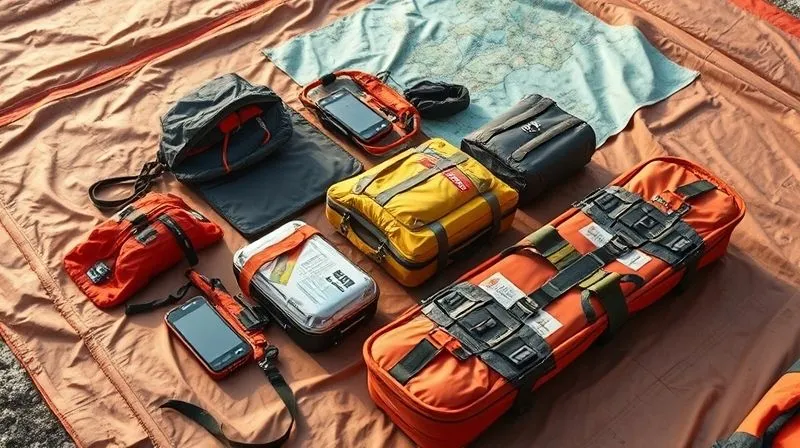
Medical Kits & Specialized Gear
Your medical kit must be tailored to the specific risks of high-altitude wilderness travel. Beyond standard first aid, include medications for altitude sickness (Dexamethasone, Nifedipine), pain management, antibiotics, and trauma supplies sufficient for prolonged care. Don't forget specialized evacuation gear like lightweight stretchers (e.g., Skedco, Talon), splints, bivvy sacks, and insulation. Every item should be organized, easily accessible, and its use understood by the team.
Initial Response: Stabilize, Assess, Communicate
When an injury occurs, the initial moments are critical. A calm, methodical approach can prevent further harm and lay the groundwork for a successful evacuation of an injured client from a remote high-altitude wilderness.
Scene Safety & Patient Stabilization
Before approaching the patient, assess the scene for any ongoing dangers (e.g., rockfall, unstable snow, collapsing terrain). Your safety and the safety of the rest of the group are paramount. Once the scene is secure, prioritize immediate life threats using the "ABCDE" assessment (Airway, Breathing, Circulation, Disability, Exposure). Control severe bleeding, stabilize fractures, and protect the patient from the elements – hypothermia is a constant threat at altitude.
- Secure the Scene: Ensure no further hazards exist for the patient or rescuers.
- Primary Assessment (ABCDE): Check Airway, Breathing, Circulation, Disability (neurological status), and Exposure (environmental protection).
- Control Hemorrhage: Apply direct pressure to any significant bleeding.
- Spinal Immobilization (if suspected): Maintain C-spine precautions if a spinal injury is possible.
- Environmental Protection: Insulate the patient from cold, wind, and moisture immediately.
- Administer Oxygen: If available and indicated, especially for altitude-related issues.
Comprehensive Patient Assessment (SOAP, SAMPLE)
Following initial stabilization, conduct a more thorough patient assessment. The SOAP (Subjective, Objective, Assessment, Plan) and SAMPLE (Signs/Symptoms, Allergies, Medications, Past medical history, Last oral intake, Events leading to injury) mnemonics are invaluable. Document everything: vital signs, injury details, patient's complaints, and any treatments administered. This detailed information is crucial for communicating with external rescue teams and for ongoing patient management. Remember, at altitude, seemingly minor injuries can rapidly escalate due to physiological stress.
Establishing Communication & Alerting Authorities
Once the patient is stable and assessed, the next priority is to establish communication with the outside world. Use your satellite phone or messenger to contact your pre-designated emergency contact, relaying precise GPS coordinates, patient condition, nature of injury, and resources required. Be prepared for slow communication or signal dropouts. Patience and persistence are key. Provide clear, concise updates as requested.

Crafting the Evacuation Strategy: Ground vs. Air
With the patient stabilized and communication established, the most complex decision arises: how to evacuate an injured client from a remote high-altitude wilderness. This involves weighing the pros and cons of ground versus air evacuation, a choice heavily influenced by numerous dynamic factors.
Factors Influencing Decision: Terrain, Weather, Injury Severity
The choice between ground and air evacuation is rarely straightforward. Consider: Terrain (is it traversable for a stretcher team? Are there suitable landing zones?), Weather (visibility for helicopters, ground conditions for rescuers), Injury Severity (is rapid evacuation critical for survival?), Patient Stability (can they tolerate a prolonged ground journey?), and Available Resources (is a helicopter even an option? How long will a ground team take to reach you?). A patient with a severe head injury might necessitate air evacuation, whereas a lower leg fracture might be manageable via ground transport if conditions allow.
Ground Evacuation Techniques & Resources
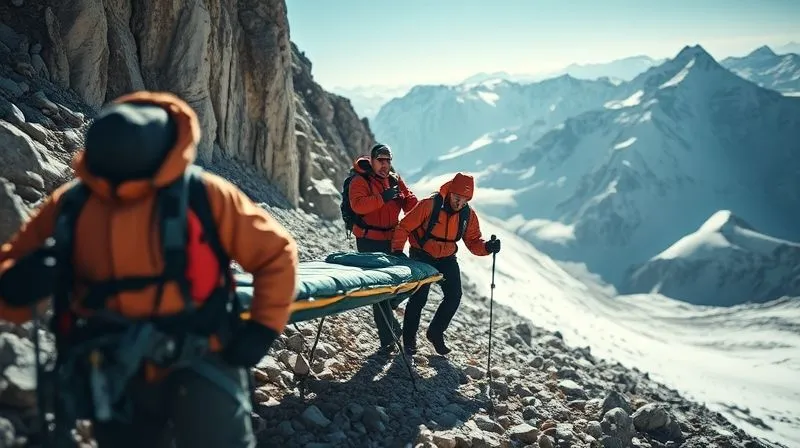
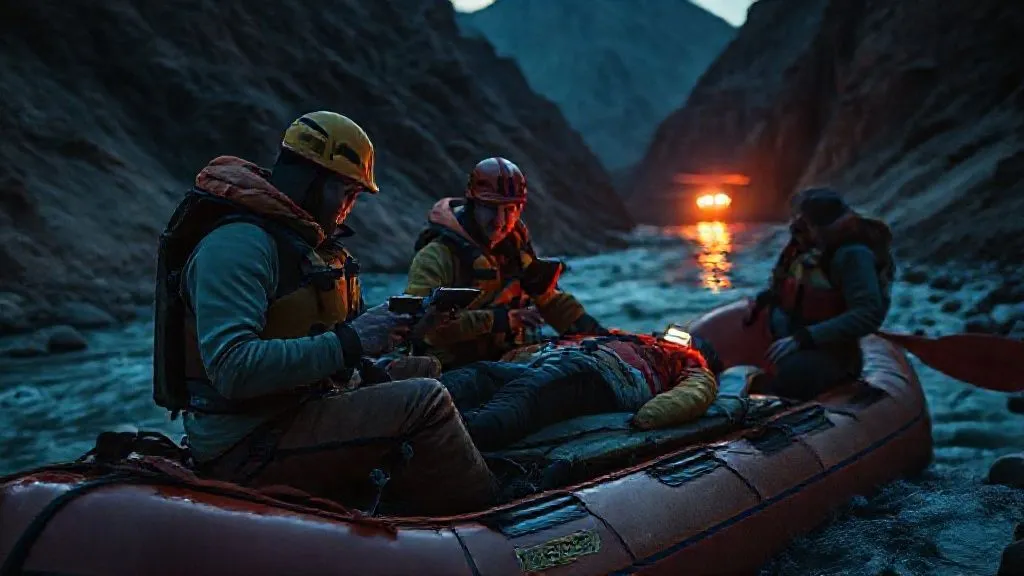
Ground evacuation, while often slower, is sometimes the only option due to weather, terrain, or resource limitations. It requires immense physical effort and specialized techniques. A lightweight, rigid stretcher is essential, along with a well-trained team for carrying, lowering, and raising the patient over varied terrain. Rope systems are often indispensable for steep sections. Remember, every step of ground evacuation is slow, arduous, and carries its own risks for the rescuers. Training in wilderness stretcher carries and technical rope rescue is vital.
- Stretcher Preparation: Secure the patient firmly in a rigid stretcher, padded and insulated.
- Team Organization: Assign clear roles (e.g., front carriers, rear carriers, spotters, rope tenders).
- Lifting & Carrying Techniques: Use proper body mechanics to prevent rescuer injury. Rotate positions frequently.
- Rope Systems: Implement safe and efficient systems for lowering (e.g., Z-rig, tandem prusik belay) and raising over obstacles.
- Navigation: Continuously monitor the route, looking for the path of least resistance and safest passage.
For more detailed protocols on ground evacuation, consult resources from organizations like the Mountain Rescue Association (MRA).
Air Evacuation (Helicopter) Considerations
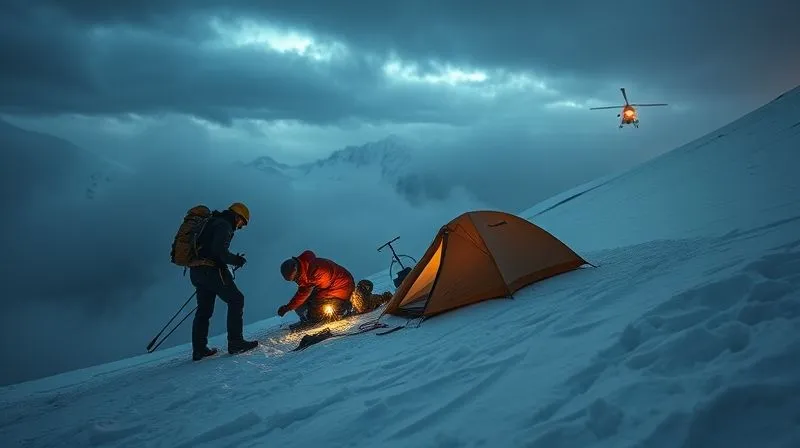
Helicopter evacuation offers speed and can bypass impassable terrain, but it's fraught with its own challenges at high altitude. Helicopters operate less efficiently in thin air, have reduced lift capacity, and are highly dependent on good weather and visibility. Identifying and preparing a safe landing zone (LZ) is paramount. This involves clearing debris, marking the LZ clearly, and understanding wind direction. Communication with the pilot is critical, often via radio or visual signals. Never approach a helicopter without explicit instruction from the pilot or crew.
"In high-altitude helicopter operations, the air is your enemy and your friend. It limits your power but offers escape. Precision in landing zone selection and communication is not just good practice; it's survival." – An experienced SAR pilot's insight.
Executing the Evacuation: Precision and Perseverance
Once the strategy is set, execution becomes a test of endurance, skill, and unwavering commitment. Every decision, every movement, must be precise and coordinated to ensure the safety of the patient and the rescue team.
Team Roles & Coordination
A successful evacuation hinges on clear leadership and well-defined roles. The incident commander (often the lead guide) oversees the entire operation, making critical decisions. Other roles might include patient care medic, logistics coordinator, communication specialist, and rope systems manager. Regular check-ins and situational awareness briefings are essential to maintain cohesion and adapt to changing conditions. Leadership under pressure is what truly defines a successful outcome.
Managing Environmental Challenges
The high-altitude wilderness is unforgiving. Rescuers must contend with extreme cold, high winds, precipitation, and rapidly changing weather. Hypothermia and frostbite are constant threats for both the patient and the rescuers. Manage team energy levels, ensure adequate hydration and nutrition, and enforce regular breaks. Avalanche danger, crevasse falls, and rockfall remain significant hazards during any movement. Constant vigilance and dynamic risk assessment are paramount.
Patient Care During Transport
Patient care doesn't stop once transport begins; it intensifies. Continuous monitoring of vital signs, pain management, and protection from the elements are crucial. Be prepared to reassess and treat any changes in the patient's condition, especially for altitude-related illnesses that can worsen during descent or prolonged exposure. Maintain verbal contact with the patient, providing reassurance and psychological support throughout the arduous journey. As the Wilderness Medical Society (WMS) emphasizes, prolonged field care requires adaptable medical protocols.
| Parameter | Frequency | Notes |
|---|---|---|
| Consciousness Level (AVPU) | Every 15-30 mins | Look for changes, GCS if possible, especially with head trauma |
| Vital Signs (HR, RR, SpO2, Temp) | Every 30-60 mins | Trend changes, especially SpO2 at altitude; watch for signs of shock |
| Pain Level (1-10) | Every 60 mins or as needed | Administer analgesia as per protocol; monitor effectiveness |
| Hydration/Nutrition | As tolerated, ongoing | Encourage fluids, easy-to-digest food to prevent dehydration/hypoglycemia |
| Injury Site Reassessment | Every few hours or if change | Check bandages, splints, circulation; watch for swelling or numbness |
| Mental State/Psychological Support | Ongoing observation & interaction | Watch for hypothermia, AMS, psychological distress; offer reassurance |
Post-Evacuation: Debriefing and Learning
The evacuation of an injured client from a remote high-altitude wilderness doesn't end when the patient reaches definitive care. The period immediately following is crucial for medical handover, team well-being, and refining future protocols.
Medical Handover & Follow-up
A clear, concise medical handover to higher-level medical professionals (paramedics, doctors) is vital. Provide all documented information: patient's history, injury details, vital signs trends, treatments administered, and any observed changes. Follow up with the medical facility to understand the patient's prognosis and recovery path. This closure can be important for the team and the patient's family.
Team Debriefing & Psychological Support
Every critical incident takes a toll on the rescue team. Conduct a formal debriefing as soon as feasible. This allows team members to share their experiences, discuss challenges, and process the emotional impact. Recognize signs of critical incident stress and provide access to psychological support if needed. Acknowledging the stress and offering support builds a stronger, more resilient team for future challenges.
Incident Review & Protocol Refinement
A detailed incident review is essential for continuous improvement. Analyze what went well, what could have been done better, and any unexpected challenges encountered. Update your pre-expedition plans, medical protocols, and communication strategies based on these lessons. As institutions like the National Outdoor Leadership School (NOLS) emphasize, learning from incidents is key to enhancing safety and effectiveness. This iterative process ensures that each experience contributes to a safer future for all involved in wilderness exploration.
Case Study: The Aconcagua Avalanche Incident
How a Coordinated Response Saved a Climber
In 2018, during a guided expedition on Aconcagua, a climber suffered a fractured femur and severe hypothermia after being caught in a small, localized avalanche at 5,500 meters (18,000 feet). The team, led by an experienced guide, immediately initiated their emergency protocols. The initial response focused on scene safety and patient stabilization. The guide, a WEMT, quickly assessed the climber, splinted the leg, and initiated active rewarming using a chemical heat pack and emergency bivvy. Communication was established via satellite phone to base camp, relaying precise GPS coordinates and the patient's critical condition.
Given the altitude and severity of the injury, an immediate air evacuation was requested. However, deteriorating weather prevented helicopter access for 12 hours. The team executed a challenging ground descent over technical terrain, utilizing a lightweight Skedco stretcher and a multi-person carry system, rotating team members frequently. They managed patient pain with field-administered analgesics and continuously monitored vitals, especially SpO2 levels. When a weather window finally opened, a helicopter was able to reach a pre-identified, prepared landing zone at 4,800 meters. The climber was successfully transferred and airlifted to Mendoza for definitive care. This incident underscored the critical importance of a well-trained team, redundant communication, and the ability to pivot between ground and air evacuation strategies.
Legal and Ethical Considerations in Wilderness Evacuation
Beyond the immediate medical and logistical challenges, managing an injured client in the wilderness carries significant legal and ethical dimensions that every guide and expedition leader must understand.
Duty of Care vs. Rescuer Risk
As a guide, you have a professional and moral duty of care to your clients. This means taking all reasonable steps to ensure their safety and well-being. However, this duty must be balanced against the inherent risks to rescuers. There's a point where attempting a rescue might put the lives of others in unacceptable jeopardy. This is a difficult ethical dilemma, often requiring judgment calls in extreme conditions. Your pre-expedition planning should include discussions on acceptable risk thresholds for rescue operations.
Consent and Refusal of Care
In a wilderness setting, obtaining informed consent for medical treatment and evacuation is crucial, especially for conscious, adult clients. If a client is lucid and refuses care or evacuation, you must document this thoroughly. However, if the client's judgment is impaired by injury, illness (e.g., severe hypothermia, cerebral edema), or altered mental status, you may need to act on implied consent to save their life. This is a complex area, and understanding local laws and your organization's policies is vital. For more context on these ethical frameworks, organizations like the American Alpine Club (AAC) provide valuable resources.
Insurance and Liability
Ensure both your clients and your operation have adequate insurance coverage. This includes medical evacuation insurance for clients, which can be prohibitively expensive without proper coverage, and liability insurance for your guiding service. Clearly communicate the limits and requirements of insurance to clients before the trip. Understanding the legal landscape of wilderness guiding, particularly concerning negligence and liability, is essential for protecting yourself and your business.
Frequently Asked Questions (FAQ)
What if primary communication systems fail in a high-altitude emergency? This is why redundancy is critical. If satellite phones fail, move to secondary devices like PLBs or satellite messengers. If all electronic means fail, traditional methods like signal mirrors, whistles, or building large ground-to-air signals (e.g., an 'X' with rocks or tarps) become vital. Ensure your team knows how to use these. Always have a pre-arranged 'missed check-in' protocol with your base contact to trigger external search and rescue.
How do you manage altitude sickness during an evacuation? Managing altitude sickness during evacuation, especially descent, requires careful monitoring. For Acute Mountain Sickness (AMS), descent is the primary treatment. For High Altitude Cerebral Edema (HACE) or High Altitude Pulmonary Edema (HAPE), immediate descent is life-saving, often requiring Dexamethasone (for HACE) or Nifedipine/Sildenafil (for HAPE) if medical oxygen and descent are delayed. Keep the patient warm, hydrated, and monitor their mental status and breathing closely.
What's the most common mistake expedition leaders make in high-altitude evacuations? In my experience, the most common mistake is inadequate pre-planning or underestimating the logistical complexities. This includes insufficient medical training, a lack of redundant communication, an ill-equipped medical kit, or failing to conduct realistic emergency drills. Another critical error is allowing panic to dictate decisions, leading to rushed or unsafe actions. A calm, methodical approach, even in chaos, is paramount.
How do you effectively prepare clients for potential emergencies before a trip? Preparation starts with clear, upfront communication. Provide clients with a detailed itinerary, a packing list that includes emergency essentials, and a comprehensive pre-trip briefing that covers potential risks and your emergency protocols. Discuss the importance of medical evacuation insurance. Encourage them to be open about any pre-existing medical conditions. A well-informed client is a more prepared and safer client.
What is the role of local guides and porters in a high-altitude wilderness evacuation? Local guides and porters are invaluable assets. They possess intimate knowledge of the terrain, local weather patterns, cultural nuances, and often have established relationships with local rescue services. They are often vital for ground evacuations, providing manpower and expertise in navigating difficult trails. Integrating them into your emergency plan, respecting their knowledge, and clearly communicating roles is crucial for a cohesive and effective rescue effort.
Key Takeaways and Final Thoughts
Successfully managing an injured client from a remote high-altitude wilderness is one of the most demanding tasks an expedition leader can face. It's a crucible where preparation meets reality, and leadership is truly tested. While the challenges are immense, they are not insurmountable with the right mindset, training, and resources.
- Prioritize Planning: A robust pre-expedition emergency plan is your most powerful tool.
- Stabilize First: Secure the scene and stabilize the patient before attempting communication or transport.
- Communicate Relentlessly: Redundant communication systems are non-negotiable for external support.
- Adapt and Overcome: Be prepared to pivot between ground and air evacuation strategies based on dynamic conditions.
- Support Your Team: The psychological and physical well-being of your rescuers is as important as the patient's.
- Learn Continuously: Every incident, regardless of outcome, offers invaluable lessons for future preparedness.
The wilderness demands respect, and high-altitude wilderness commands an even deeper level of preparedness. By embracing these principles, you not only enhance the safety of your clients but also cultivate a reputation as a trustworthy and highly capable leader. Stay vigilant, train hard, and remember that every life is precious, especially when the stakes are at their highest.
Recommended Reading
- 7 Pillars: Differentiating Luxury Yurt Glamping in Saturated Markets
- Boost Resort Child Program Profits: 7 Proven Strategies for Success
- Unlock Safe Fun: What Water Sports Are Perfect for Kids on Beach Holidays?
- 5 Critical Steps: Solo Business Trip Safety Emergency Plan
- Business Travel Finds: How To Snag Rare Luxury Goods (Expert Tips)


Your email address will not be published. Required fields are marked *