

How to Extend Safari Tent Lifespan in Extreme Weather?
For over two decades in the glamping industry, I've witnessed the profound impact of nature's fury on even the most robust safari tents. I've seen magnificent structures crumble prematurely under relentless sun, incessant winds, and torrential rains, often due to overlooked preventative measures or a lack of understanding of material vulnerabilities. Conversely, I’ve marveled at tents that have stood strong for years, defying the elements, thanks to meticulous planning and dedicated care.
The challenge is undeniable: extreme weather conditions – from scorching UV radiation and gale-force winds to heavy snowfall and persistent humidity – are relentless adversaries to your glamping investment. These forces don't just cause aesthetic damage; they degrade fabrics, weaken structural integrity, and ultimately lead to costly replacements, disrupting your operations and diminishing guest experience. The pain point for many operators is the constant battle against these elements, coupled with the desire to maximize their return on investment and maintain a pristine, safe environment for their guests.
In this definitive guide, I will share my accumulated wisdom and practical, actionable strategies gleaned from years on the ground. You won't just learn theoretical concepts; you'll gain a comprehensive framework, complete with expert insights, a real-world case study, and step-by-step instructions on how to fortify your safari tents. My goal is to empower you to not only extend your safari tent lifespan in extreme weather but also to transform your glamping site into a bastion of resilience and enduring quality.
Understanding the Enemy: The Forces of Extreme Weather
Before we can defend, we must understand the nature of the attack. Extreme weather isn't just a single event; it's a multi-pronged assault that systematically degrades your safari tent's components.
UV Radiation: The Silent Killer
Ultraviolet (UV) radiation from the sun is arguably the most pervasive and insidious threat. It doesn't cause immediate, dramatic damage like a storm, but its constant bombardment slowly breaks down the molecular structure of tent fabrics, particularly canvas and synthetic blends. This degradation leads to fading, embrittlement, and a significant loss of tensile strength, making the fabric prone to tearing.
Beyond the fabric itself, UV rays also compromise stitching threads, often made from polyester or nylon, and can degrade waterproofing coatings, turning your once impermeable shelter into a sieve. I've seen countless tents that look fine from a distance but are severely compromised structurally due to years of unmitigated sun exposure.
Relentless Wind: Structural Integrity Under Siege
Wind is a dynamic force, capable of both sudden, catastrophic damage and gradual wear. High winds exert immense pressure on all surfaces of a tent, stressing poles, guy lines, and anchoring points. The constant flapping and buffeting can lead to fabric abrasion against the frame or other tent components, creating weak spots and eventually tears.
Furthermore, strong gusts can bend or snap poles, pull out pegs, and even lift entire structures if not properly secured. It's not just about the peak wind speed; it's about sustained wind exposure and the fatigue it induces in materials over time.
Heavy Rainfall & Snowfall: Moisture and Weight Hazards
Water, in its various forms, poses significant challenges. Heavy rainfall can overwhelm waterproofing, leading to leaks, especially at seams. Persistent dampness creates the ideal breeding ground for mold and mildew, which not only stain and smell but also actively degrade tent fabrics, weakening them from within.
Snowfall adds the critical dimension of weight. Even seemingly light snow can accumulate rapidly, exerting enormous pressure on the tent roof and frame. If not managed, this load can cause structural collapse, leading to irreversible damage and potential safety hazards. The freeze-thaw cycle in colder climates also exacerbates material fatigue.
Temperature Extremes: Cycles of Expansion and Contraction
From scorching desert days to freezing mountain nights, extreme temperature fluctuations cause materials to expand and contract. This constant thermal cycling puts stress on all components – fabric, stitching, and frame connections – leading to fatigue and premature failure. Over time, these micro-movements can loosen fasteners, weaken seams, and create microscopic cracks in materials, accelerating their demise.
Foundational Fortification: Choosing the Right Tent and Site
The journey to extending your safari tent's lifespan begins long before the first guest arrives. It starts with informed decisions about the tent itself and its placement.
Material Selection: The First Line of Defense
Not all safari tents are created equal, especially when it comes to material resilience. When I consult with new glamping operators, I always emphasize that material selection is paramount. For the main canvas, look for heavy-duty, breathable polycotton canvas (often 400-600gsm) that has been pre-treated for UV resistance, waterproofing, and ideally, rot/mildew resistance. Ripstop weaves offer additional tear strength. Some manufacturers are now incorporating advanced synthetic blends designed for extreme environments, offering superior UV stability and lighter weight, but often at a higher cost.
The frame material is equally critical. Galvanized steel offers excellent strength and corrosion resistance, essential in humid or coastal areas. Aluminum frames are lighter and corrosion-resistant but may require thicker gauges for comparable strength. Always check the gauge and connection points; robust, well-engineered joints are vital.
Expert Insight: "Investing in a high-quality safari tent from a reputable manufacturer isn't an expense; it's an investment in your glamping business's long-term sustainability and guest satisfaction. Cheap materials will cost you more in the long run through constant repairs and premature replacement."
Strategic Site Selection and Preparation
Even the best tent can fail in a poorly chosen location. Site selection is a critical, often underestimated, factor in how to extend safari tent lifespan in extreme weather. Consider:
- Drainage: Choose elevated spots or prepare the ground with proper grading and French drains to ensure water flows away from the tent base, preventing pooling and dampness.
- Windbreaks: Utilize natural windbreaks like hills, dense tree lines, or even constructed barriers to shield tents from prevailing winds. This significantly reduces wind load and fabric stress.
- Sun Exposure: Orient tents to minimize direct, prolonged exposure to the harshest midday sun, especially on vulnerable sides. Natural shade from trees can be a blessing, but ensure it doesn't lead to excessive dampness or falling debris.
- Ground Stability: Ensure the ground is stable and firm enough to hold pegs and anchor points securely, especially in areas prone to heavy rain or high winds.
As Forbes often highlights in discussions on sustainable development, strategic site planning is not just environmentally responsible but also economically savvy, protecting your assets from environmental wear.
Proactive Protection: Shielding Your Tent from the Elements
Once your tent is up, the real work of proactive protection begins. This isn't about waiting for damage; it's about preventing it.
UV Protection Strategies
To combat the relentless sun, regular application of UV protectant sprays specifically designed for outdoor fabrics is crucial. These products create a sacrificial layer that absorbs or reflects UV rays, significantly slowing down fabric degradation. Furthermore, consider adding external flysheets or shade cloths, especially over the roof, during peak sun seasons. These not only offer an extra layer of UV protection but also reduce internal tent temperatures, enhancing guest comfort.
- Clean Surface: Ensure the tent fabric is clean and dry before application for optimal adhesion.
- Even Application: Apply UV protectant spray evenly, following the manufacturer's instructions, typically requiring two light coats.
- Focus on Peak Exposure: Pay extra attention to the roof and sun-facing walls, as these areas receive the most direct UV radiation.
- Reapply Regularly: Depending on sun intensity and product, reapply every 6-12 months.
Enhancing Wind Resistance
To truly extend safari tent lifespan in extreme weather, especially against wind, you need to go beyond standard setup. I always recommend upgrading and augmenting your tent's anchoring system. Install additional guy lines, especially on larger tents, distributing the load across more points. Invest in heavy-duty storm straps that wrap over the tent's roof and secure directly to ground anchors, acting as a secondary reinforcement for the frame.
Ground anchors are critical; standard pegs are often insufficient for sustained high winds. Opt for screw-in anchors or 'deadman' anchors buried in the ground. Regularly check the tension of all guy lines and straps, tightening them as needed, especially after heavy winds.
| Upgrade | Benefit | Cost (Est.) | Impact on Lifespan |
|---|---|---|---|
| Additional Guy Lines | Distributes wind load, reduces fabric stress | Low | High |
| Heavy-Duty Storm Straps | Secures roof, prevents lifting | Medium | High |
| Screw-In Ground Anchors | Superior holding power in soft ground | Medium | High |
| Reinforced Corner Patches | Prevents tearing at stress points | Low to Medium | Medium |
Mastering Moisture Management
Preventing moisture ingress and accumulation is vital. Regularly inspect and re-seal all seams on your tent, especially around windows, doors, and rooflines. Products like seam sealers or waterproof tapes can be applied directly. For older tents, a complete re-waterproofing treatment using a brush-on or spray-on solution can restore its protective barrier.
Crucially, ensure adequate ventilation within the tent. This prevents condensation buildup, which can lead to mold and mildew even in dry climates. Keep windows and vents open when possible, or consider installing small, solar-powered exhaust fans. In snowy regions, a dedicated team for prompt snow removal from the tent roof is non-negotiable. Use soft brushes or brooms to gently push snow off, avoiding sharp objects that could damage the fabric. For more insights on tent care, this REI guide on tent maintenance offers excellent general principles.
Structural Integrity: Reinforcement and Regular Inspections
A tent is only as strong as its weakest point. Diligent, routine inspections and timely interventions are key to maintaining structural integrity.
Frame and Pole Maintenance
Conduct quarterly inspections of all frame components. Look for signs of rust, especially at joints and welds on steel frames. Treat any rust spots immediately with rust converters and protective coatings. Check aluminum poles for bends, cracks, or fatigue. Lubricate moving parts and ensure all fasteners, bolts, and pins are secure and not corroded. Replace any compromised components without delay. A bent pole can quickly lead to a collapsed tent in a storm.
Fabric and Seam Vigilance
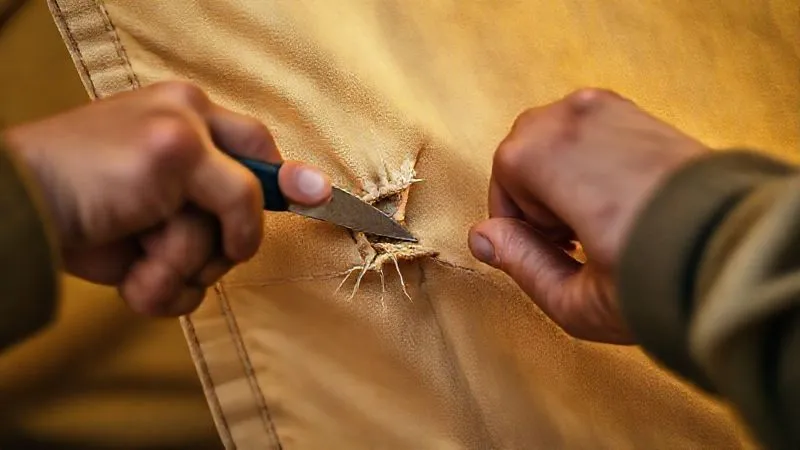
Daily or weekly visual inspections of the tent fabric are paramount. Small tears or abrasions, if caught early, can be easily repaired with fabric patches and adhesives, preventing them from escalating into major damage. Pay close attention to high-stress areas like corners, guy line attachment points, and around zippers and windows. Inspect all stitching for fraying or loose threads; these are often the first points of failure in severe weather.
Expert Insight: "A stitch in time saves nine, and in glamping, it can save you thousands. Don't procrastinate on small repairs; they are the silent killers of tent longevity."
Guy Lines and Pegs: The Unsung Heroes
These seemingly minor components bear immense loads during windy conditions. Regularly check guy lines for fraying, stretching, or UV degradation. Replace them proactively if they show signs of wear. Ensure pegs are fully driven into the ground and are appropriate for your soil type and expected wind loads. Consider upgrading to longer, thicker, or specialized pegs (e.g., screw-in or rock pegs) where conditions demand. Always have spare guy lines and pegs on hand.
Case Study: "The Monsoon Master" Glamping Site
Acme Glamping Retreat, located in a region notorious for its intense monsoon seasons, faced recurring issues with tent damage, particularly roof collapses and leaks, leading to significant downtime and negative reviews. Their initial safari tents, while aesthetically pleasing, weren't adequately fortified for the relentless rainfall and occasional high winds. After experiencing a 40% damage rate in one particularly bad season, they sought my advice on how to extend safari tent lifespan in extreme weather.
We implemented a three-pronged strategy: First, they upgraded their tent frames to heavy-duty galvanized steel and installed additional, permanent storm straps over each tent, anchored to concrete footings. Second, a strict daily inspection protocol was established, with dedicated staff trained to identify and immediately repair minor tears and re-tension guy lines. Third, a proactive re-waterproofing schedule was implemented every 9 months, combined with improved ventilation systems to combat humidity and mold. The impact was transformative. Over the next two monsoon seasons, their damage rate plummeted to less than 5%, and guest satisfaction scores for tent durability soared. This resulted in a significant increase in operational days and a stronger reputation for resilience, as detailed in reports on business resilience in challenging environments.
Seasonal Care and Long-Term Storage
The care you provide when your tents aren't in active use is just as important as daily maintenance.
End-of-Season Deep Cleaning
Before storing or preparing for a dormant period, a thorough deep clean is essential. Remove all dirt, dust, sap, bird droppings, and any other organic matter. Use mild, non-abrasive cleaners specifically designed for tent fabrics. Avoid harsh detergents or bleach, as these can strip waterproofing and damage fabric fibers. Pay particular attention to areas prone to mildew, like the base of walls and around windows. A clean tent is a happy, long-lasting tent.
- Vacuum/Brush Dry: Remove loose dirt and debris from inside and outside.
- Spot Clean Stains: Use a soft brush and mild soap (e.g., Nikwax Tent & Gear SolarProof Wash) for stubborn spots.
- Full Wash (if needed): For very dirty tents, a gentle hose-down with specialized tent cleaner can be done, ensuring thorough rinsing.
- Inspect and Repair: Use this opportunity for a final, detailed inspection and perform any necessary repairs or re-sealing.
Proper Drying and Storage
This is perhaps the most critical step for long-term preservation. A safari tent MUST be absolutely, 100% dry before packing away. Even a hint of dampness can lead to catastrophic mold and mildew growth during storage, rendering the tent unusable. Lay it out in the sun, or in a well-ventilated indoor space, until you are certain it is bone dry. Once dry, fold or roll it loosely to prevent creasing and store it in a cool, dry, dark place, away from direct sunlight and pests. Using breathable storage bags rather than airtight containers is often recommended to allow for some air circulation.
Expert Insight: "The 'clean and dry' mantra is your tent's best friend. Neglect it, and you'll face a costly, smelly nightmare when you next unpack your safari tent."
Advanced Strategies and Innovations
The glamping industry is continuously evolving, and so are the solutions for tent longevity.
Smart Monitoring Systems
For high-value safari tents or sites in particularly volatile climates, consider investing in smart monitoring systems. These can include localized wind speed sensors that alert you to impending gusts, allowing staff to perform pre-storm checks. Humidity sensors inside tents can signal when ventilation needs to be increased to prevent condensation and mold. While an upfront investment, these systems provide real-time data and allow for proactive intervention, significantly contributing to how to extend safari tent lifespan in extreme weather.
Material Science Advances
Keep an eye on emerging material technologies. We're seeing developments in self-cleaning fabrics, advanced ceramic-infused coatings that offer superior UV and abrasion resistance, and even fabrics with integrated sensors. While some of these are still in early stages or niche applications, they represent the future of extreme weather tent durability. As highlighted by research in material science journals, innovation in polymers and composites continues to push the boundaries of outdoor fabric performance.

Frequently Asked Questions (FAQ)
Q: How often should I re-waterproof my safari tent? A: This depends heavily on your climate, sun exposure, and the tent's original quality. In areas with intense sun or heavy rainfall, I recommend inspecting and potentially re-waterproofing annually or every 18 months. For less extreme climates or well-shaded tents, every 2-3 years might suffice. Always look for signs of water seeping through or fabric darkening when wet as indicators.
Q: Can I leave my safari tent up year-round in all extreme conditions? A: While many safari tents are designed for year-round use, it's crucial to differentiate between "designed for" and "optimized for longevity." In truly extreme, prolonged conditions (e.g., months of heavy snow, continuous gale-force winds, or relentless tropical sun), even the best tents will experience accelerated wear. If possible, consider seasonal takedowns or additional protective measures like custom-fit storm covers for specific periods to significantly how to extend safari tent lifespan in extreme weather.
Q: What are the best materials for safari tents in snowy climates? A: For snowy climates, prioritize a robust, steep-pitched roof design to shed snow effectively. Heavy-duty polycotton canvas with excellent waterproofing and a very strong, galvanized steel frame are essential. Consider double-layered roofs for insulation and additional strength. Some specialized fabrics are engineered for low-temperature flexibility and snow load resistance.
Q: How do I repair a major tear in my safari tent canvas? A: For major tears (more than a few inches), I strongly recommend professional repair by a canvas or sailmaker. They have the right heavy-duty sewing machines, matching fabrics, and expertise to create a durable, waterproof patch that maintains the tent's structural integrity. DIY solutions for large tears are often temporary and can fail in extreme weather, compromising how to extend safari tent lifespan in extreme weather.
Q: Is it worth investing in custom-made storm covers? A: Absolutely, in many cases. For sites in hurricane zones, areas with severe winter storms, or prolonged intense sun, custom-made, heavy-duty storm covers (often made from reinforced PVC or specialized industrial fabrics) can provide an invaluable extra layer of protection. They distribute wind loads more evenly, offer superior UV blocking, and prevent snow accumulation, making them a wise investment to significantly how to extend safari tent lifespan in extreme weather.
Key Takeaways and Final Thoughts
Extending the lifespan of your safari tent in extreme weather is not a one-time fix; it's an ongoing commitment to vigilance, proactive maintenance, and smart decision-making. My experience has shown that those who embrace this philosophy not only protect their assets but also enhance their guests' experience and the overall reputation of their glamping venture.
- Invest Wisely: Start with high-quality tents and strategic site selection.
- Protect Proactively: Regularly apply UV protectants, enhance wind resistance, and master moisture management.
- Inspect Diligently: Implement routine checks of frames, fabric, seams, and guy lines, addressing issues immediately.
- Clean and Dry: Ensure thorough cleaning and absolute dryness for seasonal storage.
- Innovate and Adapt: Consider smart monitoring and stay abreast of new material technologies.
By integrating these strategies into your glamping operation, you're not just performing maintenance; you're building resilience. You're ensuring your safari tents stand as enduring symbols of comfort and safety, capable of weathering any storm. This commitment will yield dividends for years to come, preserving your investment and allowing your guests to create unforgettable memories, regardless of what Mother Nature brings.
Recommended Reading
- Unraveling India's Culinary Tapestry: How Regional Indian Curries Differ by State
- 7 Ethical Steps: How to Assess Volunteer Program Impact on Communities
- Critical Art Damaged in Transit? 7 Steps to Festival Recovery
- Mastering Complex Crevasse Rescue: A Ski Patrol Training Framework
- 5 Ways Solo Travel Crushes Imposter Syndrome in Senior Leadership

Your email address will not be published. Required fields are marked *