

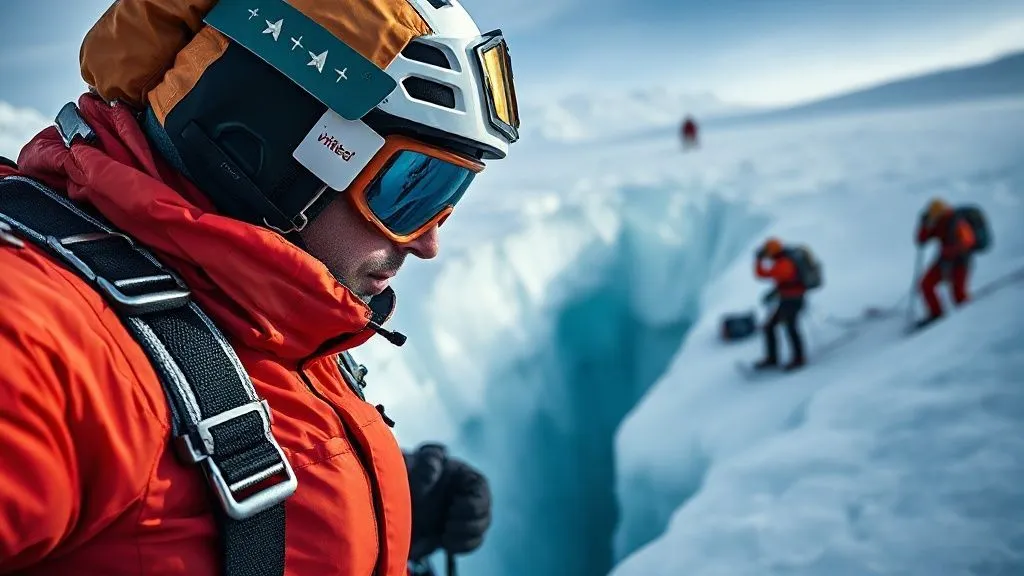
How to Train Ski Patrol for Complex Crevasse Rescue Operations?
After two decades navigating the world's most challenging glaciated terrains and working closely with mountain safety teams, I’ve witnessed firsthand the profound difference that truly exceptional training makes. The mountains, in their magnificent indifference, don't forgive complacency. When a ski patrol team is called to a crevasse incident, it's not just another rescue; it's a high-stakes operation demanding precision, advanced technical skills, and unwavering composure.
The unique perils of a crevasse rescue – the hidden nature of the hazard, the extreme cold, the potential for victim injury, and the intricate rope work required – present a formidable challenge far beyond conventional search and rescue. It's a scenario where inadequate preparation isn't just inefficient; it can be catastrophic, jeopardizing both the victim and the rescue team. Many patrols, while competent in general rescue, struggle with the specific, multi-layered complexities that a crevasse incident demands.
This article will lay out a comprehensive, multi-faceted training framework designed to elevate ski patrol capabilities for complex crevasse rescue operations. We’ll delve into everything from understanding glacier dynamics to mastering advanced hauling systems, fostering critical team dynamics, and integrating cutting-edge technology, ensuring your team isn't just prepared, but truly proficient, when the call comes.
Understanding the Crevasse Environment: Beyond the Visible Threat
Before any rope is deployed or anchor set, a deep understanding of the crevasse environment itself is paramount. It’s not enough to know what a crevasse is; rescue personnel must grasp why and how they form, and critically, how they behave. This foundational knowledge informs risk assessment, prevention strategies, and ultimately, the efficacy of a rescue operation.
Glacier Dynamics and Formation
Glaciers are not static ice sheets; they are dynamic rivers of ice, constantly flowing and deforming under their own immense weight. Crevasses are essentially fractures in this moving ice, occurring where the glacier experiences differential stress – typically in areas of increased slope, around bends, or where the ice flows over an uneven bed. Understanding these stress points allows patrols to predict crevasse locations and high-risk zones, even under fresh snowfall.
I always emphasize that a crevasse is a three-dimensional hazard. It’s not just a crack on the surface; it’s a complex void that can extend hundreds of feet deep, with unpredictable shapes and internal structures like ice bridges, seracs, and hidden ledges. This complexity dictates the types of rescue techniques required and the potential challenges in victim access and extraction.
Identifying High-Risk Zones
Effective training includes extensive field time dedicated to identifying high-risk zones. This goes beyond simply spotting visible crevasses. It involves learning to read the subtle undulations of the snow surface, recognizing the tell-tale signs of underlying ice fractures, and understanding the seasonal variations that affect crevasse visibility and stability. Patrollers must be adept at using probes and, where appropriate, ground-penetrating radar to identify hidden dangers.
In my experience, the most dangerous crevasse is the one you don't know is there. Training must instill a deep respect for the glacier's deceptive beauty and an unwavering commitment to proactive hazard assessment.
Foundational Skills: The Bedrock of Crevasse Rescue
No advanced technique can compensate for a lack of fundamental proficiency. For crevasse rescue, the bedrock lies in impeccable rope work and anchor building. These aren't just skills; they are the language of safety in vertical environments. Every patroller involved must be fluent, instinctive, and precise.
Advanced Rope Systems and Knots
Proficiency with a wide array of knots, hitches, and bends is non-negotiable. Beyond the basic figure-eight, patrollers must master knots essential for building complex hauling systems, securing patients, and creating redundancy. More importantly, they must understand the strengths, weaknesses, and appropriate applications for each.
- Munter Hitch: For belaying and lowering with friction.
- Prusik Knot: Essential for ascending ropes, creating mechanical advantage, and safety backups.
- Klemheist Knot: A versatile friction hitch, often preferred over the Prusik in certain situations.
- Figure-Eight On A Bight/Follow-Through: For creating strong, reliable loops and tie-ins.
- Butterfly Knot: For creating a secure, load-bearing loop in the middle of a rope.
- Garda Hitch: For creating a progress-capture device in hauling systems.
Training must involve repetitive practice under stress, ensuring that these knots can be tied correctly and efficiently even with cold hands or in low visibility. Speed without accuracy is a liability.
Anchor Building in Snow and Ice
The integrity of any crevasse rescue hinges on robust, reliable anchors. Unlike rock climbing, where fixed points are often available, crevasse rescues frequently require anchors built from scratch in snow or ice – materials that are inherently less predictable. Patrollers must be expert in assessing snowpack, understanding ice quality, and constructing bombproof anchors using a variety of techniques.
This includes proficiency with snow pickets, ice screws, deadman anchors (like a T-slot), and even natural features when available. Redundancy and equalization are critical principles that must be deeply ingrained. A single point of failure in an anchor system can lead to catastrophic consequences. The table below illustrates common anchor types and their typical holding power in ideal conditions:
| Anchor Type | Typical Holding Power (kN) | Best Use |
|---|---|---|
| Snow Picket (Vertical) | 5-10 | Soft-to-medium snowpack |
| Snow Picket (T-Slot Deadman) | 10-20+ | Medium-to-firm snowpack |
| Ice Screw (Long) | 15-25+ | Solid glacier ice |
| Ice Axe Deadman | 5-10 | Emergency, medium snow |
| Bolted Anchor (Ice) | 20-30+ | Permanent/semi-permanent, solid ice |
Simulated Realism: Bridging Training and Reality
Classroom theory and backyard practice are essential, but they are insufficient for the psychological and physical demands of a real crevasse rescue. Training must bridge this gap by creating environments that closely mimic the chaos, urgency, and physical exertion of an actual incident. This is where simulated realism becomes invaluable.
Creating Realistic Training Scenarios
The goal is to replicate the stressors of a real crevasse fall. This means training in adverse weather conditions – blizzards, high winds, freezing temperatures. It involves simulating injuries, often using realistic mannequins or even live volunteers with simulated wounds, requiring medical assessment and packaging under pressure. The scenarios should evolve, presenting unexpected challenges like rope entanglement, anchor failure, or secondary hazards.
I advocate for multi-day field exercises where teams camp on the glacier, experiencing the full spectrum of environmental challenges. These exercises should be conducted at night, with limited visibility, forcing reliance on communication and tactile skills. The more discomfort and unexpected turns introduced in training, the better prepared a team will be for the unpredictable nature of a real emergency.
Integrating Medical Protocols
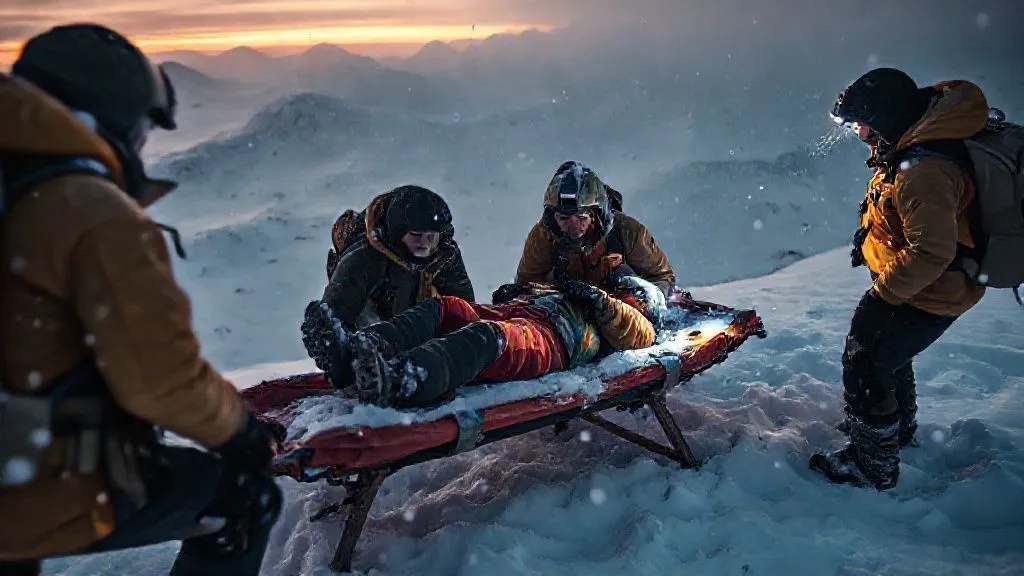
A crevasse rescue is not just a technical operation; it's a medical emergency. The victim is likely hypothermic, potentially injured from the fall, and suffering from exposure. Training must seamlessly integrate advanced wilderness medicine protocols into every rescue scenario. This includes rapid assessment, stabilization, packaging for extraction, and continuous monitoring throughout the entire process.
Patrollers should be certified in advanced wilderness first aid or as Wilderness EMTs. They must practice administering care in confined spaces, at awkward angles, and while suspended. The ability to manage a patient's airway, control bleeding, and prevent further hypothermia while simultaneously executing complex rope work is a hallmark of a truly proficient crevasse rescue team.
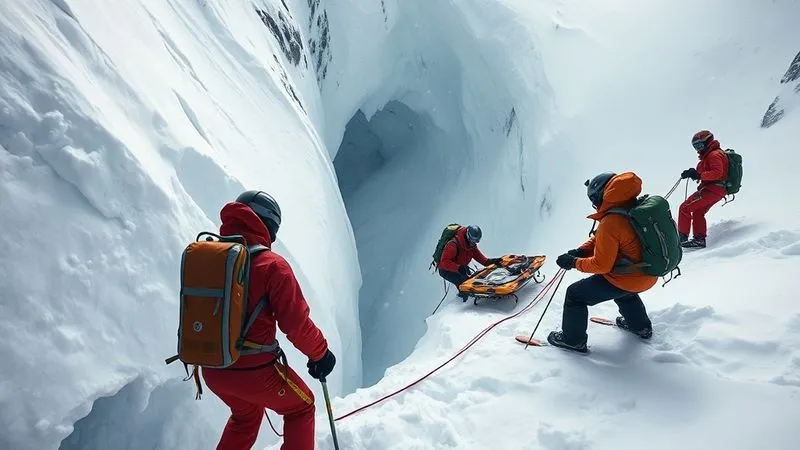
Advanced Rescue Techniques: Mastering the Vertical World
Once the foundations are solid and the environment understood, the focus shifts to the specialized techniques that enable efficient and safe victim recovery. These are the tools of the trade, requiring meticulous practice and a deep understanding of mechanical advantage.
Hauling Systems: From 3:1 to Complex Z-Drags
Extracting a person, especially an injured one, from a crevasse often requires mechanical advantage. Patrollers must be proficient in setting up and operating various hauling systems, understanding the principles of force multiplication and friction management. The 3:1 Z-drag is a fundamental system, but training must extend to more complex configurations like 6:1 or even 9:1 systems for heavier loads or challenging angles.
Here's a simplified overview of setting up a Z-drag, a cornerstone of crevasse rescue:
- Establish a Bombproof Anchor: Crucial for the safety of the entire system.
- Attach a Progress Capture Device (PCD): A Prusik or Garda hitch on the main rope, attached to the anchor, prevents the load from slipping back.
- Create the Z-Configuration: A second Prusik is attached to the main rope, further down towards the victim. A pulley is clipped to this Prusik, and another pulley is clipped to the main anchor.
- Run the Haul Rope: The haul rope runs from the anchor pulley, through the Prusik pulley, back to the anchor pulley, and then to the hauling team. This creates a 3:1 mechanical advantage.
- Execute the Haul: The team pulls the haul rope, steadily lifting the victim. The PCD at the anchor holds the progress.
Beyond theoretical knowledge, practical application under duress is vital. This means practicing with live weights, simulating stuck ropes, and managing system jams. The goal is fluid, intuitive operation.
Lowering Systems and Patient Packaging
Sometimes, a victim may need to be lowered deeper into a crevasse to access a stable ledge or to clear an obstruction, or a rescuer might be lowered to the victim. Patrollers must be expert in controlled lowering systems, often using belay devices or specialized lowering racks. Patient packaging is equally critical, ensuring the victim is secured in a litter or harness in a way that protects them from further injury and maintains their body temperature during the ascent.
The efficiency of a rescue operation is often measured by the seamless transition between hauling and lowering, and the speed with which a patient can be safely packaged. Every second counts when hypothermia is a factor.
Team Dynamics and Leadership in High-Stress Environments
Even with the most skilled individuals, a rescue operation can fail without effective team dynamics and clear leadership. A crevasse rescue is a symphony of coordinated effort, where communication, trust, and defined roles are paramount. As research from institutions like Google on team effectiveness suggests, psychological safety and clear roles are critical.
Communication Protocols and Command Structure
Chaos is the enemy of rescue. Training must establish clear communication protocols, including standardized terminology, hand signals, and radio procedures. Every team member needs to know their role – lead rescuer, anchor tender, rope manager, medical lead, safety officer – and understand the command structure. This eliminates ambiguity and ensures that decisions are made efficiently and effectively, even when under extreme pressure.
Regular debriefs after training scenarios are crucial for refining these protocols and ensuring continuous improvement. I've seen situations where a lack of clear communication led to dangerous misunderstandings, slowing down the rescue and increasing risk.
Psychological Preparedness and Debriefing
The mental toll of a crevasse rescue, especially if the outcome is tragic, can be immense. Training should address psychological preparedness, including stress inoculation techniques and mental resilience strategies. Post-incident debriefing, both operational and psychological, is vital. This allows the team to process the event, learn from mistakes, and support each other's mental well-being. It's not a sign of weakness to acknowledge the emotional impact; it's a sign of a healthy, professional team.
Case Study: Glacier Point Ski Patrol's Rapid Response
The Glacier Point Ski Patrol, operating in a region prone to small, active glaciers, faced a critical incident when a backcountry skier fell into a hidden crevasse during an unexpected whiteout. Their previous training, which heavily emphasized realistic simulation and clear command protocols, proved invaluable. Team Leader Sarah Chen immediately established a command post, delegating roles for anchor building, rope deployment, and medical assessment. Within minutes, a two-person team was preparing to descend. Their rigorous practice of the 6:1 hauling system, specifically for deep extractions, allowed them to retrieve the hypothermic skier, who also suffered a broken leg, in just under 45 minutes from the initial report. The subsequent debrief highlighted the importance of their regular 'blind' crevasse drills, where teams practiced under simulated zero visibility, reinforcing the need for verbal communication and tactile proficiency.
Specialized Equipment and Technology Integration
The right tools can significantly enhance the speed and safety of a crevasse rescue. Training must cover not just the operation of this equipment, but also its maintenance, limitations, and strategic deployment.
Essential Gear for Crevasse Rescue
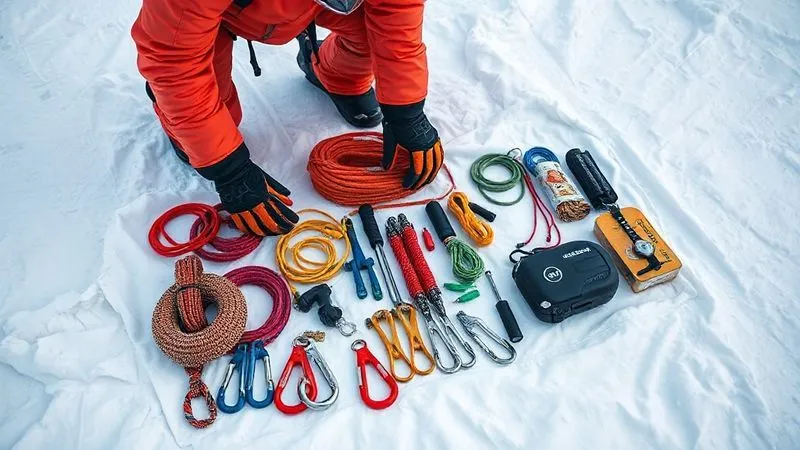
A comprehensive crevasse rescue kit is non-negotiable. Patrollers must be intimately familiar with every item, from its function to its care. Key items include:
- Specialized Ropes: Static ropes for hauling and lowering, dynamic ropes for fall arrest.
- Pulleys: High-efficiency pulleys to minimize friction in hauling systems.
- Carabiners and Locking Devices: A variety of shapes and sizes, all locking.
- Ice Screws and Snow Pickets: For anchor building in various snow and ice conditions.
- Ascenders and Descenders: For rope access and control.
- Litters and Patient Packaging Systems: Designed for vertical and confined space extraction.
- Probes and Crevasse Rescue Kits: Essential for initial assessment and self-rescue.
Regular gear checks, cleaning, and replacement schedules are vital. A piece of equipment that fails in a rescue is worse than no equipment at all.
Remote Sensing and Communication Tools
Modern technology offers powerful aids. Ground-penetrating radar (GPR) can help locate hidden crevasses and even victims. Drones equipped with thermal cameras can assist in initial search patterns, though their utility in deep, dark crevasses is limited. Advanced radio systems with robust range and clear audio are critical for maintaining communication across a complex rescue site. Training should include practice with these tools, understanding their capabilities and, more importantly, their limitations in mountain environments.
Continuous Improvement: The Cycle of Training and Evaluation
The learning never stops in mountain safety. Glaciers change, techniques evolve, and new equipment emerges. A truly expert ski patrol understands that training is an ongoing, cyclical process of learning, practicing, evaluating, and refining.
Regular Drills and Refresher Courses
Annual or bi-annual refresher courses are the minimum. Ideally, ski patrols in glaciated terrain should conduct monthly or bi-monthly drills focused specifically on crevasse rescue. These drills should vary in complexity and conditions, ensuring that skills remain sharp and adaptable. Organizations like NOLS emphasize the importance of repetitive, realistic practice to build muscle memory and decision-making under stress.
It's also beneficial to rotate team members through different roles during these drills, ensuring that everyone gains experience in leadership, rope management, and patient care. This fosters a more versatile and resilient team.
Post-Operation Analysis and Learning
Every real-world incident, and every training drill, is an opportunity to learn. A thorough post-operation analysis (POA) should be conducted, reviewing what went well, what could be improved, and identifying any systemic issues. This feedback loop is essential for refining protocols, updating training curricula, and preventing future mistakes. Learning from incidents and near misses is a cornerstone of high-reliability organizations, a principle equally applicable to mountain rescue.
Legal and Ethical Considerations in Crevasse Rescue
Beyond the technical and operational aspects, ski patrol teams must also navigate a complex landscape of legal and ethical responsibilities. These considerations often dictate the scope of operations and the decision-making process.
Duty of Care and Liability
Ski patrols, particularly those operating on commercial ski areas, typically have a high duty of care to their patrons. This extends to providing reasonable rescue services. Understanding the legal framework surrounding rescue operations – including Good Samaritan laws, liability waivers, and the potential for negligence claims – is crucial. Training should include education on these legal aspects, ensuring patrollers understand their responsibilities and limitations. Consulting with legal experts specializing in outdoor recreation liability, as discussed by the American Bar Association, is highly recommended.
Risk Assessment and Mitigation Strategies
Every rescue operation involves inherent risks. Patrollers must be trained in dynamic risk assessment, continuously evaluating the hazards to the victim, the rescue team, and the environment. This includes making difficult decisions about when a rescue is feasible and when it poses an unacceptable risk to rescuers. Mitigation strategies, such as setting up safe zones, establishing escape routes, and having contingency plans, are vital components of this training.
Frequently Asked Questions (FAQ)
How often should advanced crevasse rescue training occur? For ski patrols operating in glaciated terrain, I recommend a minimum of an annual multi-day, immersive field exercise. Ideally, this should be supplemented with monthly or bi-monthly shorter drills focused on specific skills like anchor building, hauling systems, or patient packaging. Continuous practice is key to maintaining proficiency in such complex, high-stakes operations.
What's the most common mistake made during a crevasse rescue? In my experience, the most common mistake is a breakdown in communication and a lack of clear command structure under pressure. This can lead to inefficient rope management, delayed patient care, or even dangerous errors in anchor setup. Another frequent issue is underestimating the psychological and physical toll, leading to fatigue and poor decision-making.
Can a single person perform a crevasse rescue? While a single person can perform a self-rescue from a crevasse, a solo rescue of another person from a complex crevasse is extremely difficult and highly discouraged due to the immense technical challenge, physical exertion, and inherent risks. Proper crevasse rescue is fundamentally a team operation, requiring multiple individuals for safety, mechanical advantage, and specialized roles.
What specific medical training is crucial for crevasse rescue personnel? Beyond standard first aid, personnel should ideally be certified in Advanced Wilderness First Aid (AWFA) or as Wilderness Emergency Medical Technicians (WEMT). This training covers prolonged patient care in remote, austere environments, management of hypothermia, trauma assessment, and improvisation of medical solutions using limited resources, all critical in a crevasse scenario.
How do weather conditions impact crevasse rescue operations and training? Weather profoundly impacts crevasse rescue. Whiteout conditions reduce visibility, making navigation and hazard identification difficult. High winds complicate rope handling and increase the risk of hypothermia for both victim and rescuers. Heavy snowfall can obscure crevasse openings, while warming temperatures can destabilize snow bridges and increase avalanche risk. Training must incorporate these variables to prepare teams for real-world challenges.
Key Takeaways and Final Thoughts
Training ski patrol for complex crevasse rescue operations is not a checkbox exercise; it's a profound commitment to safety, professionalism, and the well-being of those who venture into glaciated terrain. It demands a holistic approach that integrates technical mastery with deep environmental understanding, robust team dynamics, and continuous learning.
- Master the Environment: Understand glacier dynamics and identify high-risk zones proactively.
- Build Foundational Skills: Flawless rope work and bombproof anchor systems are non-negotiable.
- Embrace Realistic Simulation: Train under pressure, in adverse conditions, and integrate medical protocols seamlessly.
- Develop Advanced Techniques: Proficiently operate hauling and lowering systems for efficient extraction.
- Foster Strong Team Dynamics: Clear communication, defined roles, and psychological preparedness are critical.
- Leverage Technology Wisely: Utilize specialized gear and remote sensing tools, understanding their capabilities and limits.
- Commit to Continuous Improvement: Regular drills, refresher courses, and post-operation analysis drive excellence.
The challenges of glaciated environments are immense, but with a dedicated, systematic approach to training, your ski patrol team can rise to meet them. By investing in comprehensive, realistic, and ongoing education, you equip your personnel not just with skills, but with the confidence and expertise to perform under the most extreme circumstances, ensuring that when the worst happens, they are ready to deliver their best.
Recommended Reading
- How Can Historical Reenactments Boost Employee Engagement? 7 Proven Paths
- Airline Damaged Your Custom Scooter? 7 Steps to Claim & Repair
- Unveiling the Secrets: What Truly Affects Ocean View Quality?
- 7 Ways Yoga Retreats Halt Burnout: Your Long-Term Career Shield
- Avoid Festival Fines: Your Guide to Preventing Health Code Violations

Your email address will not be published. Required fields are marked *