

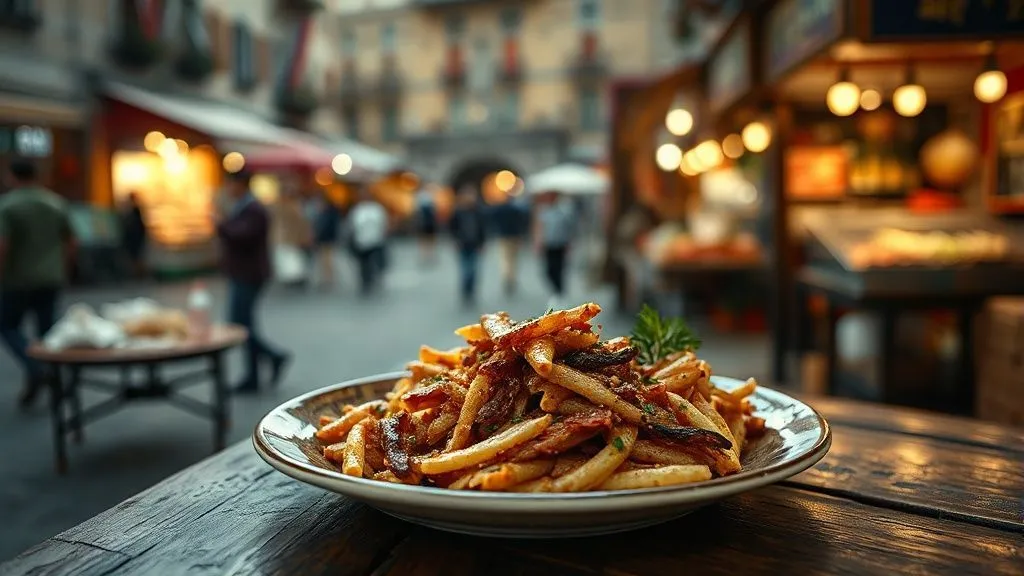
How to find authentic culinary gems on a brief city break?
For over two decades in the travel industry, specializing in city breaks, I've witnessed countless travelers return home, satisfied with their sightseeing, yet lamenting a missed opportunity: truly connecting with the local culinary scene. They often fall into the trap of convenience, ending up in generic eateries rather than discovering the soul of a city through its food.
The problem is pervasive and understandable: with limited time, often just a weekend, the pressure to maximize sightseeing leaves little room for extensive food research. The sheer volume of options, coupled with the fear of a bad meal or, worse, a tourist trap, can be paralyzing. Many simply default to what's familiar or what's overtly advertised, missing out on the vibrant, authentic flavors that define a destination.
But what if I told you there's a systematic, yet flexible, approach to ensure you consistently unearth those elusive, authentic culinary gems, even on the shortest of city breaks? In this definitive guide, I'll share my time-tested frameworks, actionable strategies, and insider insights, empowering you to transform your brief visits into unforgettable gastronomic adventures, ensuring you know exactly how to find authentic culinary gems on a brief city break.
The Pre-Trip Reconnaissance: Laying the Groundwork for Gastronomy
The journey to an authentic meal often begins long before you even pack your suitcase. In my experience, haphazardly searching for food upon arrival is a recipe for disappointment. Strategic pre-trip reconnaissance is the cornerstone of successful culinary exploration, especially when time is of the essence.
Beyond Google: Tapping into Niche Communities
While a quick Google search is a starting point, true authenticity lies deeper. I always advise my clients to delve into more specialized platforms. Think beyond general travel blogs and look for dedicated food forums, local expat groups on social media, or even specific subreddits for your destination. These communities are goldmines for recommendations from people who live and breathe the local food scene, offering insights far beyond what mainstream review sites provide.
For instance, if you're heading to Naples, searching for 'best pizza Naples local forum' or 'Naples food recommendations Reddit' will often yield highly specific, passionate discussions about hidden pizzerias or family-run trattorias that have been serving generations. This level of detail is invaluable.
Mapping Your Culinary Hotspots and Micro-Neighborhoods
Once you have a list of potential eateries, don't just pin them randomly. Instead, overlay them onto your sightseeing itinerary. Identify specific neighborhoods or districts that are known for particular types of cuisine or have a high concentration of highly-rated local spots. This strategic mapping allows you to integrate your culinary pursuits seamlessly into your day, minimizing travel time between attractions and meals.
I've seen travelers waste precious hours crisscrossing a city for a meal that could have been enjoyed within a 10-minute walk of their museum visit. Efficiency is key on a brief city break. Look for areas slightly off the main tourist drag but still easily accessible, as these often house the most authentic establishments.
- Identify Key Neighborhoods: Research areas known for local life and fewer tourists.
- Consult Local Blogs & Forums: Seek out recommendations from residents, not just visitors.
- Cross-Reference: Use 2-3 independent sources to confirm a spot's reputation.
- Map & Cluster: Group potential eateries near your planned activities.
- Check Opening Hours: Verify days and times, as many authentic spots have irregular schedules.
On the Ground: Navigating the Urban Foodscape Like a Local
No amount of pre-planning can replace the magic of on-the-ground discovery. Once you've arrived, your senses become your most powerful tools. This is where your ability to observe, listen, and engage with your surroundings truly pays off in finding those culinary treasures.
The Art of Observation and Local Interaction
My cardinal rule for finding authentic food is simple: observe where the locals eat. If a restaurant is packed with families, office workers, or elderly residents speaking the local language, it's usually a strong indicator of quality and authenticity. Avoid places with laminated menus in six languages or aggressive touts trying to lure you in – these are almost always tourist traps.
Beyond observation, don't be afraid to ask! Engage with hotel staff, shopkeepers, or even your taxi driver. A simple, 'Where do YOU eat when you want a really good, traditional meal?' can unlock incredible recommendations. I recall a trip to Lisbon where a friendly bookseller pointed me to a tiny, unassuming tasca that served the most incredible bacalhau à brás I've ever tasted, a place I never would have found online.
Trusting Your Instincts (and Your Nose!)
Sometimes, the best guide is your own intuition. Walk down side streets, explore alleys, and let your nose lead the way. The aroma of freshly baked bread, sizzling garlic, or exotic spices wafting from an open doorway can be an irresistible invitation to an authentic experience. Look for bustling markets – they are often the heart of a city's culinary scene, offering not just fresh produce but also incredible street food and small, family-run stalls.
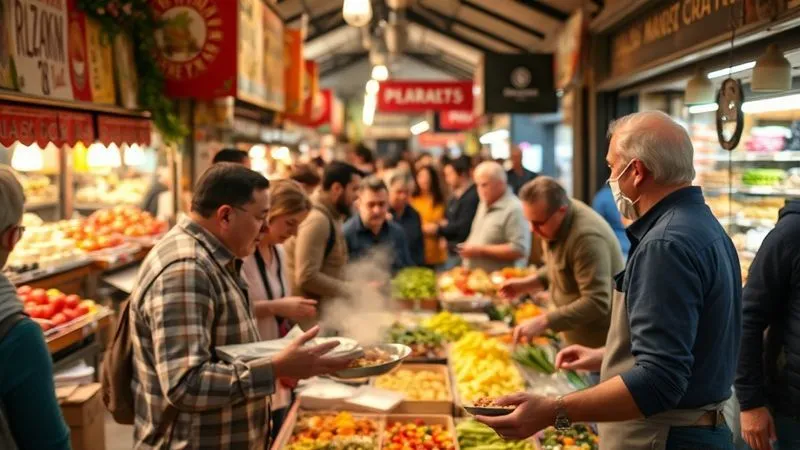
Don't be afraid to step outside your comfort zone. A slightly worn exterior, a short menu, or a bustling, noisy atmosphere are often signs of a beloved local institution, not a place to be avoided. Embrace the chaos, the unfamiliarity, and the sheer joy of discovery.
Decoding Menus and Unearthing Hidden Specials
Once you've found a promising spot, the menu itself can be a treasure map. Understanding how to navigate it, especially when language is a barrier, is crucial for uncovering truly authentic dishes.
Language Barriers as Opportunities
A menu solely in the local language, perhaps handwritten, is often a very good sign. Instead of seeing it as an obstacle, view it as an opportunity. Use a translation app, but more importantly, engage with the staff. Point to dishes, ask for recommendations, and don't be shy about asking 'What's popular?' or 'What's truly local?' Many servers are delighted to guide an interested visitor through their culinary heritage.
This interaction often leads to discovering dishes that might not be on the main menu or are seasonal specialties. It also creates a more memorable experience, fostering a genuine connection with the people behind the food.
The Power of the "Daily Special"
In many authentic establishments, the real magic happens off the main menu. The 'plato del día' in Spain, 'plat du jour' in France, or simply the daily specials board, often represent the freshest, most seasonal, and most traditional offerings. These are dishes prepared with ingredients sourced that very morning, reflecting the true culinary rhythm of the region.
Always ask about the specials. They are typically what the locals are ordering and are often excellent value. They embody the chef's current inspiration and the availability of the best local produce, ensuring you get a taste of the most current and authentic flavors.
Case Study: Maria's Mezze Bar in Marrakech
Maria, a solo traveler on a 48-hour city break in Marrakech, felt overwhelmed by the hawkers in Djemaa el-Fna. Instead of dining in the main square, she followed my advice to explore the souks' quieter alleys during the late afternoon. She noticed a small, unmarked doorway with a queue of elderly Moroccan women and men. Intrigued, she peeked inside to find a bustling, unpretentious eatery with no English menu, just a chalkboard in Arabic.
Using a translation app and hand gestures, she asked the server for 'the best local dish.' She was served a fragrant lamb tagine with prunes and almonds, a specialty not found in the tourist restaurants. The atmosphere was vibrant, the food exquisite, and the experience deeply authentic. Maria spent less than half of what she would have in a tourist trap and left with a genuine taste of Moroccan hospitality and cuisine. This demonstrates the power of observation and engagement in finding those hidden gems.
Strategic Sampling: Maximizing Flavor in Limited Time
A brief city break means you can't eat every meal at a sit-down restaurant. Strategic sampling is about maximizing your exposure to diverse flavors and experiences without overcommitting your time or stomach space.
The Taster's Itinerary: Small Bites, Big Impact
Embrace the concept of tapas, pintxos, meze, or street food. These small-plate cultures are perfect for city breaks. Instead of one large meal, plan to visit 2-3 different establishments for smaller portions. This allows you to sample a wider variety of local dishes, compare flavors, and get a broader understanding of the local culinary landscape. For example, in San Sebastian, I often dedicate an evening to a 'pintxos crawl,' hopping between bars, trying just one or two specialties at each. This is how you truly experience the breadth of a city's offerings. According to a study published in the Journal of Tourism Research, travelers who engage in diverse food experiences report higher satisfaction with their overall trip.
Learn more about tourism research.Market Exploration: A Feast for All Senses
Local markets are indispensable for strategic sampling. Beyond fresh produce, many markets feature food stalls, bakeries, and delis offering ready-to-eat local specialties. These are often inexpensive, incredibly fresh, and provide a fantastic snapshot of the local palate. From fresh oysters in a French market to handmade pasta in an Italian mercat, markets are sensory feasts that offer immediate gratification.
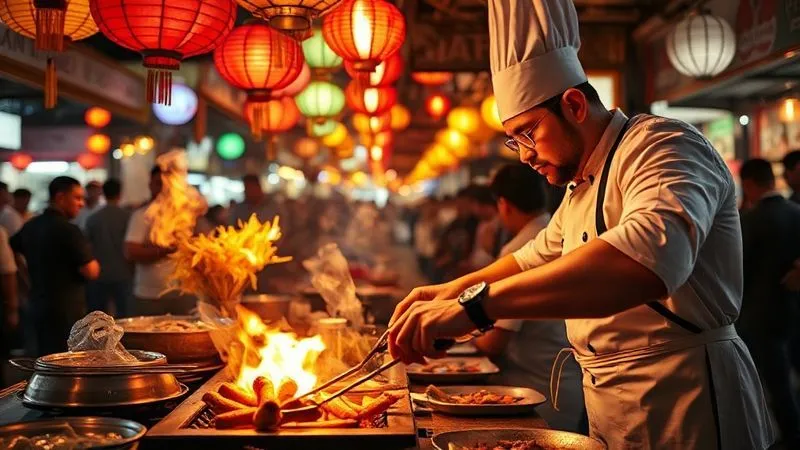
I always make time for at least one market visit on any city break. It's not just about the food; it's about the atmosphere, the sounds, the smells, and the interactions with local vendors. It’s an immersive cultural experience that deepens your understanding of the city's culinary heart.
Avoiding the Culinary Tourist Traps
Understanding how to find authentic culinary gems on a brief city break also means knowing what to avoid. Tourist traps are designed to catch the unwary, offering convenience over quality.
Red Flags to Watch For
There are several tell-tale signs that a restaurant caters primarily to tourists:
- Laminated, Multi-language Menus: Especially if they feature photos of every dish.
- Aggressive Touts: Staff standing outside trying to pull you in.
- Prime, High-Traffic Locations: Right on the main square or directly opposite a major attraction.
- Empty Dining Rooms During Peak Hours: If locals aren't there, neither should you be.
- Generic International Cuisine: Offering pizza, pasta, and burgers in a city known for its unique local dishes.
- Exorbitant Prices: Significantly higher than similar dishes elsewhere.
The "Authenticity Checklist"
To counteract these traps, I recommend a quick mental 'authenticity checklist' before committing to a restaurant:
| Criterion | Authentic Sign | Tourist Trap Sign |
|---|---|---|
| Local Patronage | Packed with locals, minimal tourists | Mostly tourists, empty during local meal times |
| Menu Style | Handwritten, local language, few items | Laminated, multi-language, extensive generic menu |
| Location | Side street, residential area, slightly off-center | Right on major square/attraction, high foot traffic |
| Ambiance | Bustling, sometimes noisy, unpretentious | Overly polished, quiet, generic background music |
| Price Point | Reasonable for local standards | Significantly higher than average |
This checklist, developed over years of personal travel, serves as a rapid assessment tool. It's not foolproof, but it significantly increases your chances of a genuine culinary experience. As food critic Anthony Bourdain often emphasized, the best food is rarely found in the places that try too hard to impress.
Leveraging Technology Thoughtfully
In our interconnected world, technology can be a powerful ally in your quest for authentic food, but it must be used discerningly. Blind reliance on popular apps can sometimes lead you astray.
Apps for Local Recommendations (with caution)
Apps like Yelp, TripAdvisor, or Google Maps can be useful for initial searches, but I urge caution. They often favor places with high review volume, which frequently means tourist-heavy establishments. Instead, look for apps that focus on local recommendations or have strong user bases within the specific country you're visiting. For instance, in Italy, apps like The Fork (Quandoo) might offer better local insights than global platforms. Always filter reviews by 'local language' if possible, or look for reviews that specifically mention locals eating there.
My advice is to use these apps to *identify potential areas* or *cross-reference* places you've already heard about, rather than as your sole source of truth. Think of them as a starting point for further investigation, not the final word. According to a study by Cornell University, online reviews significantly influence dining choices, but the authenticity of those reviews is often questionable for truly local experiences. Read more about online review influence.
Geo-tagging and Social Media for Real-Time Discoveries
Social media, particularly platforms like Instagram or TikTok, can be surprisingly effective for real-time culinary discoveries. Search for local hashtags (e.g., #ParisFood, #RomeEats, #LisbonGastronomy) or geo-tags for specific neighborhoods. Look for posts from local food bloggers, chefs, or residents. Their content often highlights new, trendy, or deeply traditional spots that haven't yet made it into mainstream guides.
The visual nature of these platforms also helps you quickly assess the presentation and style of the food. Just be mindful of sponsored content and prioritize accounts that consistently showcase genuine local experiences over glossy, commercialized promotions. It's about finding the authentic voices in the digital noise.
Embracing the Unexpected: Serendipity in the City
While planning is crucial, a rigid itinerary can sometimes stifle the very spontaneity that leads to the most memorable culinary discoveries. Leave room for a little bit of magic.
The Role of Spontaneity
Some of my most cherished food memories have come from unplanned detours. A sudden downpour leading me into a cozy, unlisted cafe, or a wrong turn down a charming street revealing a tiny, bustling eatery. On a brief city break, it's tempting to schedule every moment, but I encourage you to allocate a few hours for aimless wandering. Let curiosity be your guide.
This doesn't mean abandoning your research entirely, but rather complementing it with an open mind. If you stumble upon a place that feels right, that smells incredible, or that is filled with happy locals, don't hesitate. Trust your gut and step inside. These often become the stories you tell for years.
Learning from the Locals, Even When Lost
Sometimes, getting a little lost can be the best thing for your culinary journey. If you find yourself in an unfamiliar neighborhood, observe. Look for small bakeries, family-run delis, or busy street food vendors. These are often the lifeblood of a local community.
Don't be afraid to ask for directions, and then subtly pivot the conversation to food. 'Excuse me, could you point me to the nearest metro? And by the way, is there a good local spot around here for a quick bite?' You'd be surprised how often this leads to truly authentic recommendations that no guide book could offer. As National Geographic often highlights, true travel is about connecting with local culture, and food is a universal language. Explore more travel insights from National Geographic.
Frequently Asked Questions (FAQ)
How can I be sure a place is truly authentic and not just 'local-looking' for tourists? The most reliable indicator is the clientele. If the vast majority of people dining or shopping are speaking the local language, dressed like locals, and seem comfortable and familiar with the establishment, it's a strong sign. Also, look for a small, focused menu, often handwritten, and an absence of aggressive tourist marketing. Price points significantly lower than those in prime tourist areas are also a good sign.
What if I have dietary restrictions? Does this make finding authentic food harder? It can present challenges, but it's not impossible. My advice is to research common dietary phrases in the local language beforehand (e.g., 'no meat,' 'gluten-free'). When asking for recommendations, clearly state your restrictions. Many authentic places are small and may not have extensive allergy menus, but the staff are often willing to adapt or guide you to safe options if you communicate clearly and respectfully. Consider translating a small card with your restrictions to show staff.
Is it better to eat at peak local dining times or off-peak? For truly authentic experiences, I recommend trying to align with local dining times as much as possible. This is when the establishment is most vibrant with local life and often when the freshest food is being prepared. If you arrive too early or too late, you might find a different atmosphere or a more limited menu. However, if you're looking for a quick, less crowded bite, off-peak can work, but you might miss some of the local buzz.
How do I handle language barriers when ordering? Don't be intimidated. Most people appreciate the effort. Use translation apps for specific words, but also rely on pointing, smiling, and asking for recommendations ('What's popular?' or 'What do you recommend?'). Often, showing genuine interest will encourage staff to help you navigate the menu. Remember, a picture of a dish you saw online can also be a great communication tool!
Should I tip in authentic local eateries, and how much? Tipping customs vary wildly by country. In some places, a service charge is included, while in others, a small gratuity for good service is appreciated. Research local tipping etiquette for your specific destination before you go. Generally, for excellent service in an authentic, local spot, a small, polite tip (often just rounding up the bill or 5-10%) is a kind gesture that shows appreciation, even if not strictly required.
Key Takeaways and Final Thoughts
Mastering how to find authentic culinary gems on a brief city break is not about luck; it's a blend of strategic planning, keen observation, and an open mind. As an industry veteran, I've seen firsthand the transformative power of a truly authentic meal on a travel experience. It's not just about satisfying hunger; it's about connecting with the culture, the people, and the very soul of a place.
- Prioritize Pre-Trip Research: Go beyond mainstream reviews and tap into local communities.
- Observe and Engage Locally: Watch where locals eat, and don't be afraid to ask for recommendations.
- Decipher Menus & Specials: Look for daily offerings and use language barriers as opportunities for interaction.
- Embrace Strategic Sampling: Opt for small bites and market explorations to maximize variety.
- Be Wary of Tourist Traps: Learn the red flags and use an authenticity checklist.
- Use Tech Thoughtfully: Leverage social media and local apps with critical discernment.
- Allow for Serendipity: Leave room for unplanned discoveries and trust your instincts.
Your next city break should be a feast for all senses. By applying these actionable strategies, you'll move beyond the generic and discover the delicious, authentic heart of any city you visit. Go forth, explore, and savor every genuine bite!
Recommended Reading
- 7 Steps: Guaranteeing Authenticity for Overseas Luxury Watch Buys
- 7 Pro Strategies: How to Minimize Hidden Charges on Luxury Cruises
- Epic Road Trip for $500/Week? Your 7-Day Budget Planner Revealed!
- 10 Proven Ways to Get Free Accommodation & Food While Backpacking Globally
- Unlock Ancient Tastes: How to Experience Spice Route Flavors at Home





Your email address will not be published. Required fields are marked *