

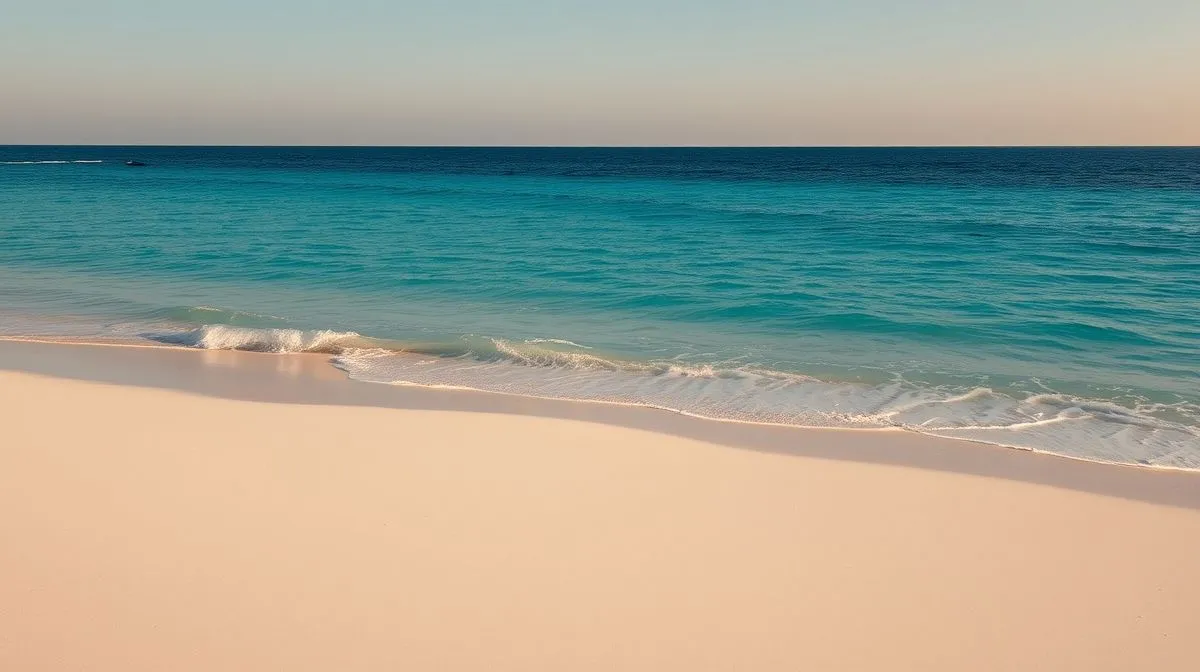
How to Find the Whitest Sand Beaches for a Serene Getaway?
Imagine a canvas of pure white, stretching endlessly towards a horizon where the sky meets water in an impossible shade of turquoise. The gentle lapping of waves is the only sound, and the fine, cool grains of sand sift through your toes like powdered sugar. This isn't just a dream; it's the reality of the world's whitest sand beaches, places of unparalleled beauty and profound serenity that beckon the weary soul.
But how do you discern the truly pristine from the merely 'light-colored' in a world full of stunning coastlines? The quest for the perfect, serene escape can be daunting, often leading to disappointment when reality doesn't quite match the idyllic images seen online. Many travelers seek that elusive, picture-perfect white sand beach, only to find themselves on crowded shores with sand that’s more off-white than pearlescent.
This comprehensive guide will equip you with the knowledge and tools to identify, locate, and experience the world's most breathtaking white sand beaches, ensuring your next getaway is nothing short of transcendent. We'll delve into the science, the secrets of identification, and the best practices for visiting these natural wonders, empowering you to discover how to find the whitest sand beaches for a serene getaway.
The Science Behind Pure White Sands
What Makes Sand White?
The dazzling whiteness of certain beaches isn't merely a trick of the light; it's a fascinating geological and biological phenomenon. Most white sand beaches owe their brilliance to a high concentration of calcium carbonate, primarily derived from crushed coral, shells, and the skeletal remains of marine organisms. Unlike the quartz-rich sands common in many parts of the world, these beaches are living testaments to vibrant marine ecosystems.
A significant contributor to this pristine whiteness is the breakdown of coral by various marine life. For instance, the humble parrotfish plays a crucial role. These fish graze on algae that grow on coral, ingesting bits of coral in the process. The indigestible calcium carbonate is then excreted as fine, white sand. Over millennia, this continuous process accumulates the vast, brilliant stretches of sand we admire today.
While quartz-dominant sands can also appear light, they often have a more yellow or brown hue due to mineral impurities. True white sand, often referred to as "sugar sand" due to its fine texture and brilliant color, is a hallmark of healthy, biodiverse tropical and subtropical waters. The purer the calcium carbonate content, the whiter the sand will appear.
The Role of Marine Ecosystems in Sand Formation
The health and vibrancy of marine ecosystems are intrinsically linked to the formation and maintenance of white sand beaches. Coral reefs, in particular, are the primary architects of these natural wonders. These underwater cities provide the raw material for the sand, and their continued health is paramount to the existence of these pristine shores.
Beyond parrotfish, other organisms like bivalves, foraminifera, and various algae contribute their calcium carbonate skeletons and shells to the mix. Ocean currents and wave action then play their part, grinding these fragments into the fine, powdery consistency characteristic of the whitest sands. A thriving reef system indicates a continuous supply of these materials, ensuring the beach remains replenished and dazzlingly white.
Conversely, damaged or dying coral reefs can lead to a reduction in white sand production, and even the erosion or discoloration of existing beaches. This highlights the critical importance of marine conservation efforts. Protecting these delicate ecosystems is not just about preserving biodiversity; it's also about safeguarding the very landscapes that draw us to these serene getaways.
Identifying Truly White Sand Beaches: Beyond the Brochure
Visual Cues and Indicators
When seeking out the whitest sand beaches, don't just rely on heavily filtered social media photos. Learn to look for specific visual cues that indicate genuine purity. The sand should appear almost blindingly white under direct sunlight, often creating a stark, beautiful contrast with the vibrant turquoise of the ocean. It should not have a yellow, beige, or grey undertone.
Another key indicator is the texture. Truly white sand is often incredibly fine, almost like flour or powdered sugar. When you walk on it, it might even "squeak" underfoot due to its unique granular structure and lack of impurities. Examine the sand closely: are there dark specks of minerals or shell fragments? While some natural variation is expected, the whitest sands will have minimal dark inclusions, presenting a uniform, pristine appearance.
The clarity of the water is also a strong clue. Beaches with the whitest sands often boast remarkably clear, calm waters, allowing sunlight to penetrate deeply and reflect off the light-colored bottom, enhancing the overall luminescence of the scene. This synergy between the sand and water creates that iconic, breathtaking tropical aesthetic.
Researching Authenticity and Hidden Gems
Diligent research is your best friend in the quest for the whitest sands. Start by cross-referencing information from multiple sources. Utilize satellite imagery tools like Google Earth to get an unfiltered, bird's-eye view of potential beach destinations. Look for areas where the sand appears uniformly bright and expansive, indicating a high concentration of the desired materials.
Beyond mainstream travel sites, delve into geological surveys, academic papers, and specialized forums dedicated to beach enthusiasts or marine biology. These sources often provide scientific insights into sand composition and the health of local ecosystems. For instance, some studies classify beaches based on their mineral content, giving you a more objective measure of "whiteness." A great resource for understanding sand composition can be found on Wikipedia's page on Sand.
Don't shy away from seeking out "hidden gems" or less-trafficked areas. While famous beaches like Whitehaven in Australia or Grace Bay in Turks & Caicos are undeniably stunning, smaller, more secluded coves might offer an even purer and more serene experience. Use local travel blogs or niche guidebooks to uncover these less-advertised treasures.
Top Global Destinations Renowned for Their White Sands
Caribbean Gems
The Caribbean is synonymous with white sand, and for good reason. Islands like Turks & Caicos boast some of the world's most consistently pristine shores. Grace Bay Beach on Providenciales is frequently ranked among the best, offering miles of powdery white sand and incredibly clear, calm waters protected by an offshore barrier reef. Its consistent beauty makes it a top choice for a serene getaway.
Another standout is Shoal Bay East in Anguilla. This crescent-shaped beach is famed for its impossibly fine, white sand and vibrant turquoise sea. Its relatively undeveloped coastline offers a tranquil escape, perfect for those seeking quiet relaxation away from the bustling crowds. The soft sand and gentle slope into the water make it ideal for leisurely strolls and swimming.
The Bahamas also offer numerous contenders, particularly in the Out Islands. While some are known for pink sand, others, like those found in the Exumas, feature dazzling white stretches. These islands often require a bit more effort to reach, but the reward is unparalleled seclusion and breathtaking natural beauty.
Pacific Paradises
Across the globe, the Pacific Ocean cradles some of the most iconic white sand beaches. Australia's Whitehaven Beach in the Whitsunday Islands is legendary, renowned for its silica sand composition (98% pure silica), which gives it an almost luminous quality and keeps it cool even on the hottest days. The swirling sands of Hill Inlet are a photographer's dream, showcasing the dynamic interplay of sand and tide.
In Southeast Asia, the Philippines' Boracay Island, particularly its White Beach, has long been celebrated for its fine, talcum-powder-like sand. After a period of rehabilitation to address over-tourism, Boracay has re-emerged as a shining example of sustainable tourism, allowing its natural beauty, including its incredibly white sand, to truly flourish once more.
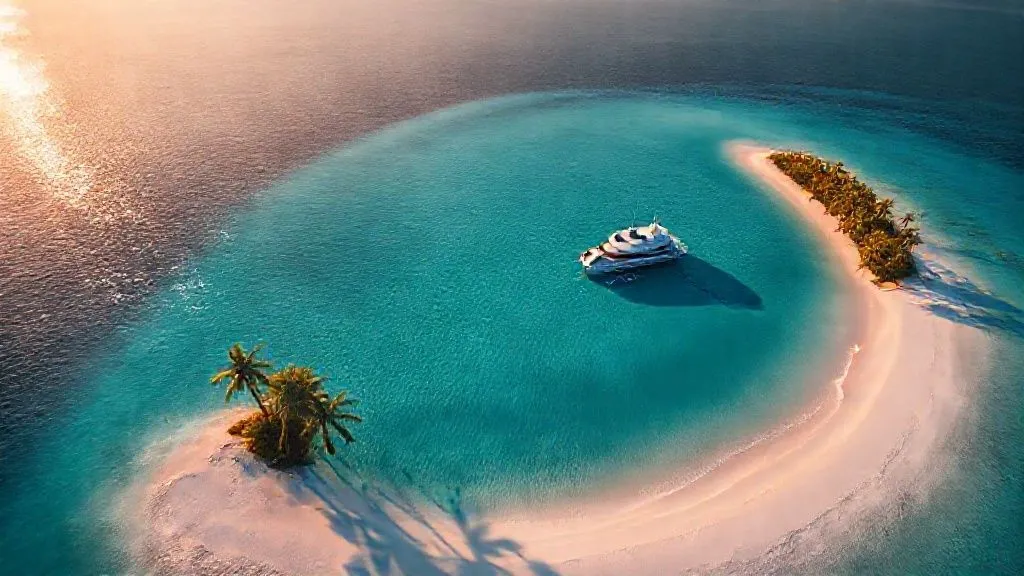
Further afield, the remote atolls of the Maldives offer countless private islands with pristine white sand beaches that are literally the foundation of the islands themselves. Here, the sand is entirely biogenic, formed from the breakdown of coral and marine life, creating an idyllic setting for ultimate serenity and luxury.
Planning Your Serene Escape: Logistics for Pristine Shores
Best Time to Visit for Optimal Serenity
Timing is everything when planning a serene getaway to a white sand beach. To avoid crowds and maximize tranquility, consider traveling during the shoulder seasons (just before or after peak tourist times) or the low season, provided the weather is still favorable. For many Caribbean destinations, this means late spring (April-May) or early fall (September-October), avoiding hurricane season.
Research local weather patterns meticulously. While the low season might offer cheaper flights and fewer people, it could also coincide with rainy seasons or higher chances of sargassum seaweed influxes, which can temporarily mar the pristine appearance of some beaches. Always check recent traveler reviews and local tourism board updates for current conditions before booking.
For destinations like Australia's Whitehaven Beach, the dry season (winter in the Southern Hemisphere, roughly May to October) offers cooler temperatures, clear skies, and fewer chances of tropical storms, ensuring the sand retains its brilliant luster without interruption. Aim for a balance between good weather and minimal crowds to truly experience the serenity.
Sustainable Travel Practices on White Sand Beaches
Visiting these delicate ecosystems comes with a profound responsibility. Adopting sustainable travel practices is crucial to preserve the beauty of white sand beaches for future generations. Always adhere to "Leave No Trace" principles: pack out everything you pack in, including all trash, and avoid taking sand, shells, or coral fragments as souvenirs. These natural elements are vital to the beach's ecosystem.
Choose reef-safe sunscreens that do not contain oxybenzone and octinoxate, as these chemicals are harmful to coral reefs and marine life. Support local businesses that demonstrate a commitment to environmental stewardship and community well-being. Opt for eco-friendly accommodations that prioritize water conservation, waste reduction, and energy efficiency.
When engaging in water activities like snorkeling or diving, be mindful of your surroundings. Avoid touching coral or marine animals, and maintain a respectful distance. According to the National Oceanic and Atmospheric Administration (NOAA), healthy coral reefs are essential for coastal protection and marine biodiversity, directly impacting the quality of the sand. Your actions can significantly contribute to the preservation of these fragile paradises.
Enhancing Your White Sand Beach Experience
Activities that Complement Serenity
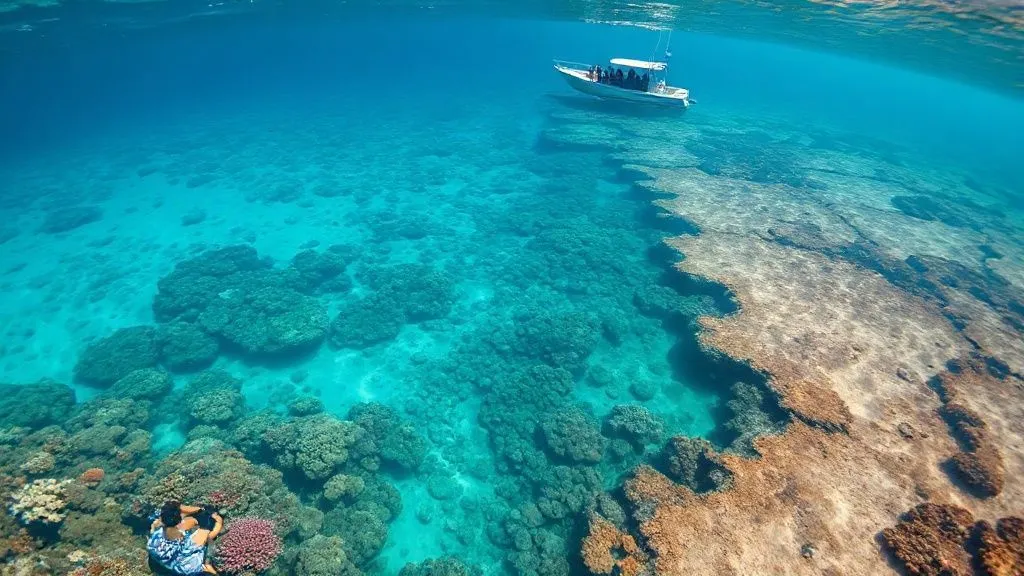
The unparalleled beauty of white sand beaches naturally lends itself to activities that promote relaxation and mindfulness. Instead of high-octane water sports, consider gentle pursuits that allow you to fully immerse yourself in the tranquil environment. Snorkeling or freediving in the crystal-clear waters allows you to explore the vibrant marine life that contributes to the sand's formation, offering a deeper appreciation for the ecosystem.
Other ideal activities include peaceful paddleboarding or kayaking across the calm, shallow lagoons, providing a unique perspective of the shoreline. Photography, meditation, or simply reading a book under the shade of a palm tree are perfect ways to soak in the serenity. The visual purity of these beaches makes them incredibly conducive to quiet contemplation and disconnecting from daily stresses.
Even a simple walk along the shore at sunrise or sunset can be a profoundly moving experience. The soft, cool sand underfoot and the breathtaking colors painting the sky create moments of pure bliss. Embrace the quiet; let the natural rhythm of the waves be your soundtrack, allowing the peaceful ambiance to wash over you.
Essential Gear for White Sand Beaches
To fully enjoy your white sand beach escape, packing the right gear is essential. Due to the reflective nature of white sand, the sun's rays can be intensified. Therefore, high-SPF, broad-spectrum, reef-safe sunscreen is non-negotiable. Reapply frequently, especially after swimming, to protect your skin from intense UV exposure.
Polarized sunglasses are crucial for reducing glare off the sand and water, allowing you to see the vibrant colors of the ocean more clearly and protecting your eyes. A wide-brimmed hat and lightweight, UPF-rated clothing will provide additional sun protection. A good quality, quick-drying beach towel is also a must-have.
Consider bringing a waterproof dry bag to protect your electronics and valuables from sand and water. A reusable water bottle is vital for staying hydrated in warm climates and helps reduce plastic waste. For those who love to explore underwater, a snorkel set and perhaps some water shoes (to protect against potential sharp coral fragments, even on white sand) will enhance your experience.
Common Pitfalls to Avoid When Seeking White Sand
Misleading Photography and Marketing
One of the biggest challenges in finding truly white sand beaches is the pervasive use of misleading photography and marketing. Travel brochures and social media feeds are often filled with heavily edited images, saturated colors, and wide-angle lenses that can distort the reality of a beach. A beach that appears dazzlingly white online might, in person, be merely light beige or even have a yellowish tint.
To avoid disappointment, exercise skepticism. Look for unedited photos from multiple sources, including traveler reviews that feature user-generated content. Pay attention to details like the actual color of the water, the texture of the sand (if visible), and the presence of any debris or crowds. If a beach looks too perfect, it might be. Always cross-reference with objective data or scientific descriptions of sand composition if available.
Some destinations are masters of marketing, creating an illusion of pristine conditions that don't always hold up. While many popular beaches are indeed beautiful, their "whiteness" might be exaggerated. The key is to look beyond the glossy advertisements and dig deeper into authentic, unbiased information to ensure your expectations align with reality.
Overlooking Environmental Factors
Even the whitest sand beach can be temporarily or seasonally affected by environmental factors. One common issue is the influx of sargassum seaweed, particularly prevalent in the Caribbean and Gulf of Mexico during warmer months. While natural, large amounts of sargassum can cover the sand, emit an odor, and make swimming less appealing. Researching current sargassum forecasts for your chosen destination is essential.
Algae blooms, tidal patterns, and even recent storms can also impact the clarity of the water and the cleanliness of the sand. A beach known for its whiteness might have a temporary issue due to natural occurrences. It's wise to check recent traveler reviews or local news sources for real-time conditions just before your trip.
Furthermore, human impact, such as inadequate waste management or coastal development, can diminish the natural beauty of even the most pristine beaches. Look for destinations that have strong environmental protection policies and a demonstrated commitment to conservation. Choosing such locations not only guarantees a better experience but also supports responsible tourism and helps preserve these natural treasures.
Frequently Asked Questions (FAQ)
Is all white sand the same? No, while most white sand is primarily calcium carbonate, its exact composition (e.g., crushed coral, shells, or specific minerals like gypsum) and particle size can vary, leading to subtle differences in texture and brilliance.
What is the whitest beach in the world? While subjective, Hyams Beach in Australia is often cited in the Guinness Book of Records for having the "whitest sand." However, beaches like Whitehaven in Australia and Grace Bay in Turks & Caicos are also consistently ranked among the top for their exceptional whiteness and purity.
How do I protect white sand beaches? Practice responsible tourism by not taking sand or shells, using reef-safe sunscreen, disposing of all waste properly, staying on marked paths, and supporting local eco-friendly initiatives. Your actions directly contribute to their preservation.
Can white sand get hot? Surprisingly, no. Unlike darker sands that absorb heat, white sand, particularly that composed of silica (like Whitehaven Beach), reflects sunlight, keeping it remarkably cool underfoot even on scorching hot days.
Are white sand beaches safe for swimming? Generally, yes. White sand beaches are often found in areas with calm, clear, and shallow waters, making them ideal for swimming. However, always check local conditions for currents, marine life advisories, or specific warnings before entering the water.
Recommended Reading
- Travel Dialysis for Seniors: Top Tips for Safe & Worry-Free Trips
- Unlock the Magic: Discover Kid-Friendly Destinations That Offer Educational Fun
- Tuscany's Best Pasta Class for Beginners: The Secret to Authentic Flavors
- Rail Pass or Not? Europe Backpacking: Are Rail Passes Worth It?
- Modern Marvels: Your Guide to the Best Architecture City Breaks Europe
Conclusion
The quest for the whitest sand beaches for a serene getaway is more than just finding a pretty spot on a map; it's about understanding the delicate interplay of geology, marine biology, and responsible tourism. By understanding the unique geology and ecology that create these pristine environments, and by applying diligent research and sustainable practices, you are now well-equipped to discover how to find the whitest sand beaches for a serene getaway.
These breathtaking natural wonders offer a profound escape, a chance to reconnect with nature's purest forms, and an opportunity for deep relaxation. Armed with this knowledge, you can move beyond superficial searches and embark on a journey to truly experience the unparalleled beauty and tranquility that only the world's most pristine white sand beaches can offer. May your next escape be filled with the dazzling brilliance and serene calm you deserve.



Your email address will not be published. Required fields are marked *