

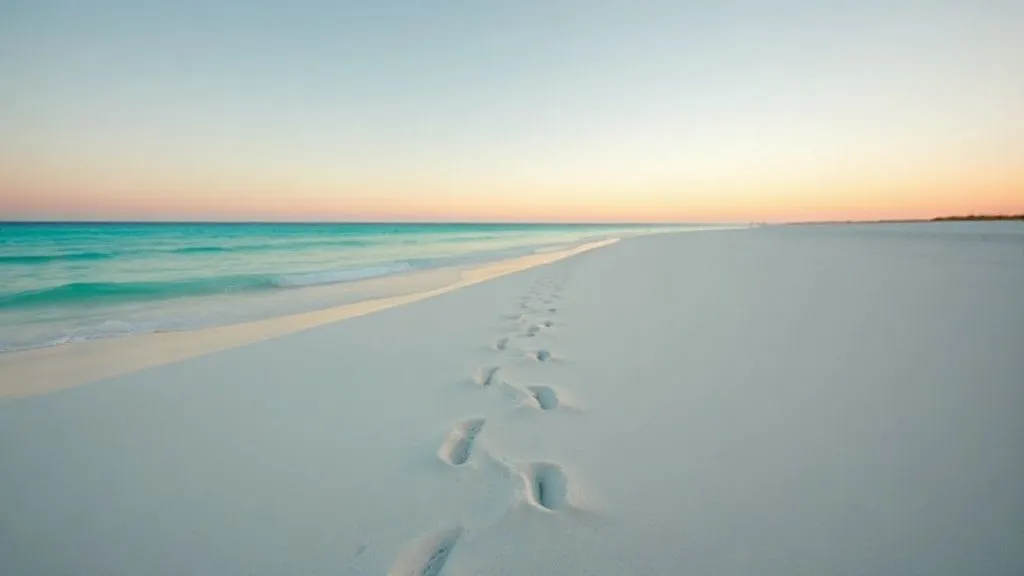
How to Find Uncrowded White Sand Beaches During Peak Season?
For over 15 years immersed in the world of beach travel, I've witnessed the evolving quest for that elusive slice of paradise: a pristine, uncrowded white sand beach. It's a dream many travelers cherish, especially when the desire for tranquility clashes head-on with the reality of peak season crowds. I've seen countless vacationers return disappointed, having spent their precious time battling for towel space rather than basking in serenity.
The allure of white sand beaches during peak season is undeniable – perfect weather, vibrant energy, and often, stunning natural beauty. However, this very appeal transforms sought-after destinations into bustling hubs, turning what should be a peaceful escape into a frustrating exercise in crowd navigation. The pristine beauty can be overshadowed by umbrellas packed shoulder-to-shoulder, noisy jet skis, and queues for every amenity. This problem isn't just about personal preference; it impacts the quality of your relaxation, connection with nature, and overall vacation satisfaction.
But what if I told you that finding that idyllic, uncrowded white sand beach during peak season isn't just a fantasy? It requires a blend of strategic planning, insider knowledge, and a willingness to explore beyond the obvious. In this definitive guide, I will share my expert frameworks, practical tips, and real-world insights, empowering you to uncover those hidden coastal gems. You'll learn how to leverage timing, technology, and local wisdom to transform your peak season beach dream into a serene reality, ensuring your next trip is defined by breathtaking tranquility, not overwhelming crowds.
Strategic Timing: Beyond the Obvious Dates
When most people think of peak season, they envision specific weeks or months when schools are out and holidays converge. While these periods certainly draw the largest crowds, there's a nuanced approach to timing that can still yield incredible results. It's about understanding the micro-seasons within the peak.
The Power of Shoulder Season Micro-Timing
I've always advised my clients to look at the very edges of peak season. Instead of the second week of July, consider the last week of June or the first week of September. These 'shoulder-of-the-peak' periods often offer the same fantastic weather but with significantly fewer tourists. The infrastructure is still fully operational, but the frenetic energy has either not yet begun or has already started to wane.
Early Bird Gets the Beach (or Sunset Seeker)
Beyond the calendar, consider the time of day. Most vacationers are creatures of habit. They wake up, have breakfast, and head to the beach mid-morning. This creates a predictable window of opportunity. To truly find uncrowded white sand beaches during peak season, you need to break this mold.
- Sunrise Serenity: Arrive at your chosen beach just as the sun is rising. The light is magical, the air is cool, and you'll often have the entire stretch of sand to yourself for at least an hour or two. This is when I capture my favorite travel photos.
- Late Afternoon Escape: Similarly, many families and day-trippers start packing up around 3-4 PM. Head to the beach around this time and stay until sunset. You'll experience the beautiful golden hour and a rapidly diminishing crowd.
- Weekday Advantage: If your travel plans allow for flexibility, always choose weekdays over weekends, even during peak season. Local crowds swell on Saturdays and Sundays, adding another layer of congestion to popular spots.
Unearthing Hidden Gems: Research Beyond the Guidebooks
The internet is a vast resource, but relying solely on top-10 lists from major travel sites is a recipe for disappointment when seeking solitude. These lists, while helpful, often highlight the most accessible and therefore, most crowded, destinations. True hidden gems require a deeper dive.
Leveraging Local Knowledge & Niche Forums
In my experience, the best sources of information are often the most overlooked. Think like an anthropologist, not just a tourist. Seek out local expat forums, regional travel blogs, and even Facebook groups dedicated to specific areas. Pose your question directly: 'What are the quietest white sand beaches near X during peak season?' You'll be amazed at the insights shared by residents who know the area intimately and often prefer the less-trodden paths themselves.
Satellite Imagery & Topographical Maps: Your Digital Scout
This is a technique I’ve used for years, and it's incredibly effective. Before you even book a flight, spend time on Google Maps or other satellite imagery services. Look for coastal areas with white sandy stretches that aren't directly adjacent to major resorts, bustling towns, or large parking lots. Often, beaches that require a short hike, a boat ride, or have limited access roads remain blissfully uncrowded. Pay attention to the density of development, the presence of walking trails, and the type of terrain surrounding the beach.
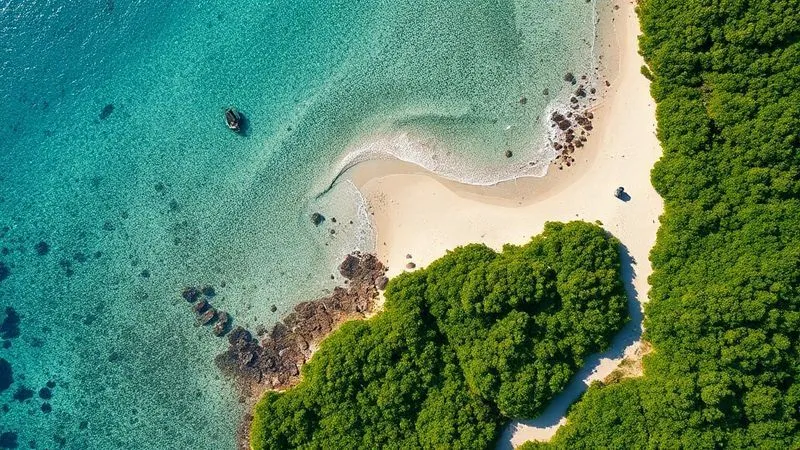
- Zoom In on Coastlines: Systematically scan coastlines in your target region. Look for lighter, sandy patches contrasting with darker rocky shores.
- Assess Accessibility: Identify roads, trails, or lack thereof. Beaches without direct road access often deter casual visitors.
- Check for Infrastructure: Are there hotels, restaurants, or large parking lots? If so, it's likely a popular spot. Look for areas devoid of these.
- Read Reviews Critically: When you find a potential spot, search for specific reviews. Look for mentions of 'secluded,' 'quiet,' 'hard to reach,' or 'local favorite.'
"The most beautiful beaches aren't always the most advertised. Often, the extra effort required to reach them is the very thing that preserves their magic and keeps the crowds at bay."
The Art of Proximity: Why Nearby Alternatives Shine
Many travelers fixate on iconic destinations – Maya Bay, Boracay, Tulum's main strip. While these are undeniably beautiful, their fame guarantees crowds, especially during peak season. The secret to finding uncrowded white sand beaches during peak season often lies in looking just a little further afield, to their lesser-known neighbors.
Case Study: The Lesser-Known Gem of Koh Lanta
Consider the Andaman Coast of Thailand. Most tourists flock to Phuket or Krabi. However, just a short ferry ride from Krabi lies Koh Lanta. While not entirely 'undiscovered,' its southern beaches, like Kantiang Bay or Nui Beach, offer stunning white sands and turquoise waters with a fraction of the crowds found on Phi Phi or Railay. I once spent an entire morning at Nui Beach with only a handful of other people, while Maya Bay was literally overflowing. It’s about being willing to trade 'famous' for 'fabulous and peaceful.'
This principle applies globally. If everyone is going to a specific island, look at the next island over. If a particular town's beach is packed, drive 20 minutes down the coast. Often, the difference in natural beauty is negligible, but the difference in crowd density is monumental.
| Destination Type | Crowd Level (Peak Season) | Accessibility | Atmosphere | Price Point |
|---|---|---|---|---|
| Popular Mainstream Beach | Very High | Easy (direct roads, tours) | Lively, sometimes chaotic | Higher (demand-driven) |
| Lesser-Known Nearby Alternative | Moderate to Low | Requires more effort (hike, boat, local transport) | Relaxed, serene, authentic | Often more affordable |
Exploring Islands and Remote Coastal Stretches
Islands, especially those requiring multiple transfers or smaller vessels, inherently filter out many tourists. Likewise, coastal regions with vast, undeveloped stretches often have pockets of pristine beach that are simply too far from the main tourist hubs to attract large numbers. This requires a bit more logistical planning, but the reward is unparalleled solitude.
Smart Logistics: Weekdays, Early Mornings, and Late Afternoons
I've already touched on this, but it bears reiterating with more emphasis on execution. The predictable rhythm of peak season tourism is your greatest ally if you're willing to march to a different beat. Most people are on vacation to relax, which often means sleeping in and enjoying a leisurely start to their day. This creates a golden window for the strategic beachgoer.
The Weekday Advantage
If your itinerary allows, plan your beach days for Tuesdays, Wednesdays, or Thursdays. Local residents, who contribute significantly to peak season crowds, are typically at work. Many tour operators also have fewer bookings on these days, meaning fewer large groups arriving at popular spots. This simple shift in timing can dramatically alter your experience of how to find uncrowded white sand beaches during peak season.
Sunrise vs. Sunset: A Strategic Approach
Imagine the difference: at 10 AM, a popular beach might have hundreds of people. At 6 AM, it might have five. At 5 PM, as families leave for dinner, it might have twenty. These are not merely 'less crowded' times; they are often genuinely uncrowded. Pack a breakfast picnic for sunrise or a sunset snack with a bottle of wine for the evening. You're not just avoiding crowds; you're enhancing your experience with the most beautiful light of the day.

Embracing the Journey: Off-Roading to Seclusion
Sometimes, the only way to escape the crowds is to go where the crowds simply can't, or won't, go. This often involves a bit more adventure and a willingness to step outside your comfort zone. But for those truly seeking solitude on white sand, the reward is immeasurable.
Renting a 4x4 or Hiring a Local Guide
Many of the most pristine and uncrowded white sand beaches are not accessible by paved roads. They might require a 4x4 vehicle to navigate sandy tracks, rocky paths, or river crossings. If you're comfortable driving off-road, this can be an exhilarating way to discover truly hidden gems. If not, consider hiring a local guide with an appropriate vehicle. They'll not only get you there safely but can also share invaluable insights about the area, its ecology, and culture. I've often found that the best guides are those who cherish these secluded spots themselves.
The Reward of Effort: Reaching Truly Pristine Shores
Think of it as an investment. The extra effort – be it a long hike, a bumpy ride, or a boat trip – acts as a natural filter. Most people won't bother. This means that when you do arrive, you're likely to be greeted by a scene of untouched beauty, often with only a handful of other like-minded adventurers. These are the moments that truly define a memorable beach vacation, offering a profound sense of peace and connection with nature.
- Research Road Conditions: Before attempting any off-road journey, inquire about the current road conditions, especially after heavy rains.
- Pack Essentials: Always carry plenty of water, snacks, sunscreen, a first-aid kit, and a fully charged phone. Cell service can be spotty in remote areas.
- Inform Someone: Let your hotel or a friend know your plans and estimated return time.
- Respect the Environment: Drive carefully, stick to existing tracks, and adhere to 'Leave No Trace' principles.
Leveraging Technology: Apps and Real-Time Data
In our digital age, technology isn't just for booking flights; it can be a powerful tool in your quest for how to find uncrowded white sand beaches during peak season. From crowd-sourcing apps to predictive analytics, smart travelers can gain an edge.
Crowd-Sourcing Apps and Social Media Intelligence
Apps like Google Maps often have a 'Popular Times' feature for businesses and attractions, which can sometimes extend to beaches. While not always perfect, it gives a general idea of crowd levels. More niche apps, or even specific local Facebook groups, can offer real-time updates. Search hashtags like #QuietBeach [Destination] or #HiddenGem [Destination] on Instagram or Twitter for recent posts that might reveal current conditions or less-known spots. Always cross-reference, as a single post might not tell the whole story.
Predictive Tools for Beach Traffic
Some regions, particularly in more developed tourist areas, have local tourism boards or webcams that provide live feeds of popular beaches. While this doesn't directly tell you where the *uncrowded* spots are, it can help you avoid the most congested ones. Observing patterns over a few days can give you an excellent sense of peak hours and days. As Forbes often highlights in travel hacks, leveraging such data can save you time and frustration.
Budgeting for Seclusion: The Cost of Peace
It's important to acknowledge that finding true seclusion, especially during peak season, sometimes comes with a slightly higher price tag. This isn't always about expensive resorts, but rather the costs associated with getting off the beaten path.
Understanding the Premium for Privacy
Less accessible locations might mean higher costs for specialized transport (4x4 rentals, private boat charters), or accommodation in boutique, remote eco-lodges that cater to fewer guests. However, this premium often translates directly into a more exclusive and serene experience. It's a trade-off many seasoned travelers are willing to make to avoid the mass tourism experience.
Smart Budgeting for Less-Traveled Paths
Conversely, some truly uncrowded white sand beaches during peak season might be in developing regions where the overall cost of living and travel is lower. The 'premium' here might simply be the cost of an extra domestic flight or a longer, less comfortable local bus journey. My advice is to factor in these 'seclusion costs' when planning your budget. Don't just budget for the flight and hotel; allocate funds for the specific transport or guide services that will unlock these hidden havens. According to Lonely Planet's budget travel advice, smart planning is key to maximizing unique experiences.
| Expense Category | Example Cost (Peak) | Impact on Crowds |
|---|---|---|
| Transportation to Popular Beach | $50 (direct taxi/bus) | High concentration of tourists |
| Transportation to Secluded Beach | $150 (4x4 rental/private boat) | Significantly fewer tourists |
| Accommodation (Popular) | $200/night (standard resort) | Shared amenities, busy atmosphere |
| Accommodation (Secluded) | $250/night (boutique eco-lodge) | Exclusive, tranquil environment |
Respectful Exploration: Preserving Your Pristine Paradise
Finding these uncrowded white sand beaches during peak season is a privilege, and it comes with a responsibility. The very act of seeking out these untouched places means we must actively work to keep them that way. Sustainable travel isn't just a buzzword; it's a critical mindset for preserving the beauty we cherish.
Leave No Trace Principles
This is paramount. Whatever you bring to a secluded beach, take it back with you. This includes all trash, food scraps, and even organic waste that might not naturally decompose in the marine environment. Avoid disturbing wildlife, collecting shells or coral, and walking on sensitive dune vegetation. Your goal is to leave the beach exactly as you found it, or even better. As the National Geographic emphasizes, responsible tourism is vital for future generations.
Supporting Local, Sustainable Tourism
When you do find a local guide or a small, locally-owned guesthouse near a secluded beach, support them. Your tourism dollars can directly benefit the communities that are often the best custodians of these natural wonders. Ask about their environmental practices, choose tour operators who prioritize small groups and ethical interactions with wildlife, and be mindful of your water and energy consumption. This conscious approach ensures that your quest for solitude doesn't inadvertently harm the very places you seek to enjoy.
Frequently Asked Questions (FAQ)
Q: Is it really possible to find an uncrowded white sand beach during peak season, or is it just wishful thinking? A: Absolutely, it's possible! While it requires more effort and strategic planning than simply showing up, my experience has shown that with the right approach – leveraging micro-timing, deep research, and a willingness to explore alternatives – you can indeed discover truly serene white sand beaches even when the rest of the world is on vacation. It's about being smarter, not just luckier.
Q: What are some common mistakes travelers make when trying to find quiet beaches during busy times? A: The biggest mistake is relying solely on mainstream travel guides and popular online lists, which inevitably direct you to the most well-known (and thus, crowded) spots. Another common error is sticking to conventional beach hours (mid-morning to mid-afternoon) and not considering weekdays over weekends. Lastly, many travelers are unwilling to put in the extra logistical effort required to reach truly secluded locations.
Q: How much extra budget should I allocate for seeking out these secluded spots? A: This varies greatly by destination. In some places, it might just be the cost of a local bus ticket to a less-known village, or a slightly higher rental fee for a 4x4. In others, it could involve a private boat charter or staying at a boutique eco-lodge. As a general rule, I'd suggest allocating an additional 10-20% of your total activity/transport budget specifically for 'seclusion logistics.' This ensures you have the flexibility to pursue those harder-to-reach havens.
Q: Are there any specific regions or types of destinations that are generally better for finding uncrowded white sand beaches during peak season? A: Yes. Look for destinations with a vast coastline, numerous smaller islands, or less developed infrastructure. Countries with many smaller archipelagos (like the Philippines, Indonesia, Greece, or parts of Central America) often have countless hidden coves and beaches. Regions that require a bit more 'adventure travel' to access, rather than direct flights to large resorts, also tend to yield better results.
Q: What's the single most important piece of advice you'd give to someone desperate for a quiet beach escape during peak season? A: My single most important piece of advice is to be flexible and curious. Don't be rigidly fixated on one specific, famous beach. Be open to exploring alternatives, embracing slightly longer journeys, and adjusting your schedule to avoid peak times. The spirit of discovery is your best tool for uncovering that perfect, uncrowded slice of white sand paradise.
Key Takeaways and Final Thoughts
- Strategic Timing is Key: Utilize shoulder-of-the-peak season dates, and prioritize early mornings or late afternoons, especially on weekdays.
- Research Beyond the Obvious: Dive into local forums, use satellite imagery, and seek out niche information to find truly hidden gems.
- Embrace Proximity: Look for lesser-known alternatives just a short distance from popular, crowded destinations.
- Be Adventurous: Don't shy away from off-road access, hikes, or boat trips; the effort often guarantees solitude.
- Leverage Technology & Budget Smart: Use apps for crowd intelligence and allocate resources for the logistics of reaching secluded spots.
- Travel Responsibly: Always adhere to 'Leave No Trace' principles and support local, sustainable tourism to preserve these beautiful places.
Finding uncrowded white sand beaches during peak season isn't about luck; it's about strategy, insight, and a willingness to venture beyond the well-trodden path. I've seen the sheer joy on travelers' faces when they discover their own piece of paradise, untouched by the masses. Apply these expert strategies, and you too can transform your peak season beach dream into a serene, unforgettable reality. Your tranquil escape awaits – go find it.
Recommended Reading
- Tuscany's Best Pasta Class for Beginners: The Secret to Authentic Flavors
- Critically Injured Client: 3-Day Remote Extraction Management Blueprint
- Unlock the Secrets: Your Ultimate Guide to Respectful Participation in Religious Festivals
- 7 Proven Strategies: How to Stop Overtourism Harming National Park Ecosystems
- How to Balance Cultural Authenticity & Festival Commercial Viability?



Your email address will not be published. Required fields are marked *