

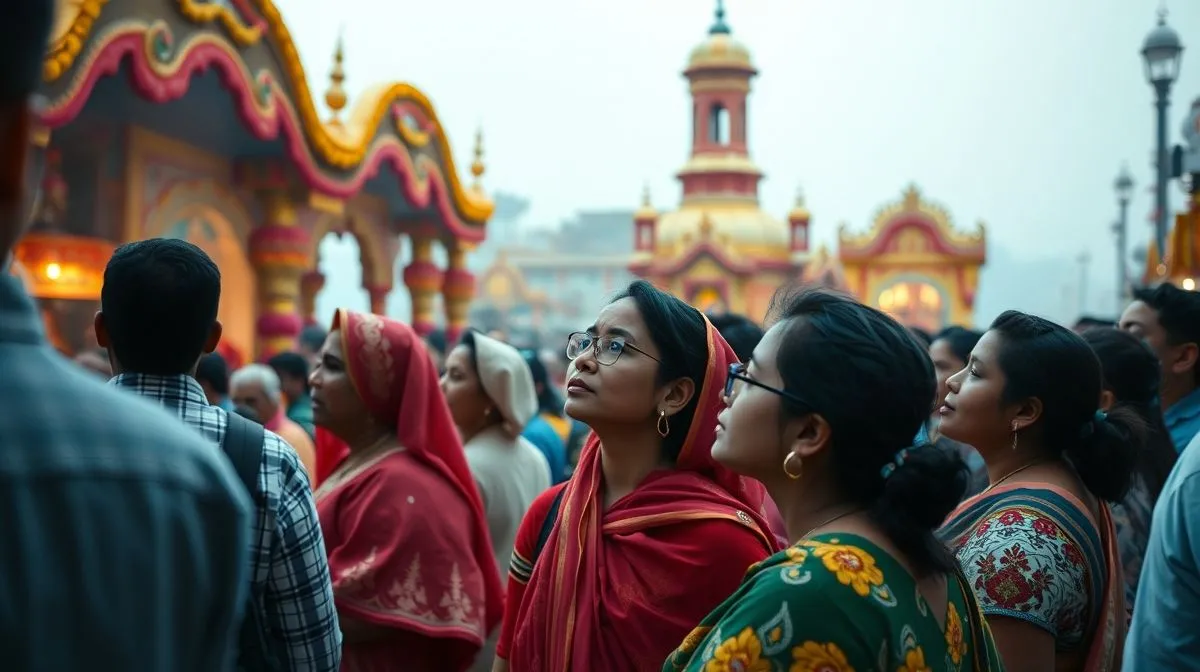
Tips for Respectful Participation in Religious Festivals
Imagine standing on the vibrant streets of Kyoto during the Gion Matsuri, feeling the rhythmic pulse of ancient traditions, or witnessing the kaleidoscope of colors at Diwali in India. These moments are not just spectacles; they are profound expressions of faith, history, and community. Yet, how many of us, in our eagerness to experience these wonders, pause to consider the invisible threads of respect and understanding that connect us to these sacred events?
The challenge for travelers and observers often lies in navigating the delicate balance between genuine curiosity and unintentional disrespect. Without proper guidance, one might inadvertently disrupt a sacred ritual, offend local participants, or simply miss the deeper meaning behind the festivities. This isn't about imposing rigid rules, but about fostering an environment where cultural exchange can thrive respectfully.
This comprehensive guide offers practical tips for respectful participation in religious festivals, equipping you with the knowledge and sensitivity needed to engage meaningfully. By the end of this reading, you will understand how to prepare, observe, and interact in a way that honors both the traditions and the people who hold them dear, transforming your experience from mere tourism into genuine cultural immersion.
Understanding the Sacred: The Foundation of Respect
Before stepping into the heart of any religious festival, it's crucial to grasp its inherent sanctity. These are not merely public holidays or cultural performances; they are often deeply spiritual events, rooted in millennia of tradition and belief.
What Makes a Festival Sacred?
Religious festivals are often cyclical celebrations commemorating pivotal moments in a faith's history, honoring deities, or marking significant transitions in the spiritual calendar. They serve as powerful affirmations of collective identity and belief. For participants, these events are opportunities for spiritual renewal, communal bonding, and a direct connection to their heritage. Understanding this intrinsic value is the first step towards genuine respect.
For example, the Hajj pilgrimage in Islam is not just a journey; it's a profound spiritual obligation that culminates in acts of worship at sacred sites. Similarly, Easter for Christians is a solemn remembrance and joyous celebration of resurrection. Approaching such events with an awareness of their sacred dimension shifts one's perspective from a passive observer to a mindful guest.
The Role of Tradition and Community
Every gesture, every chant, every piece of attire at a religious festival is often imbued with centuries of meaning. These traditions are meticulously passed down through generations, forming the bedrock of a community's cultural and spiritual identity. Disrupting these traditions, even unknowingly, can be deeply disrespectful.
Communities invest immense effort and devotion into organizing these festivals. They are expressions of their collective soul. Recognizing the community's ownership and dedication to these events fosters a sense of humility and appreciation in the visitor. It's about acknowledging that you are entering a space that holds profound significance for others.
Empathy as a Starting Point
At its core, respectful participation begins with empathy. Put yourself in the shoes of a devout participant. How would you want an outsider to behave during your most sacred moments? This simple act of perspective-taking can guide your actions and ensure you approach the festival with the sensitivity it deserves. Empathy helps bridge cultural divides and transforms potential misunderstandings into opportunities for genuine connection.
Before You Go: Essential Preparation
The key to a respectful and enriching festival experience often lies in thorough preparation. A little research goes a long way in preventing missteps and enhancing your enjoyment.
Research the Festival's Specifics
No two religious festivals are exactly alike. Before you even pack your bags, dedicate time to researching the specific festival you plan to attend. Look for information on:
- Purpose and Significance: What is the festival celebrating? What are its historical or spiritual roots?
- Key Rituals and Timings: Are there specific ceremonies or processions? When and where do they take place? Knowing this helps you plan your visit without disrupting crucial moments.
- Dress Code: Many religious sites and festivals have strict dress codes, often requiring modest attire.
- Photography Rules: Is photography permitted? Are there specific areas where it's forbidden? Is flash allowed?
- Gender Segregation: In some cultures, certain areas or activities may be segregated by gender.
- Food and Drink Customs: Are there dietary restrictions during the festival? Is alcohol permitted or forbidden in public spaces?
Reliable sources for this information include official tourism boards, reputable cultural organizations, academic websites, and well-established travel blogs with a focus on cultural immersion. For instance, a quick search for information on the Holi festival in India would immediately reveal the significance of colors and the joyous, often boisterous, nature of the celebration, along with advice on protecting your belongings and eyes.
Learn Basic Phrases and Greetings
Making an effort to learn a few basic phrases in the local language can significantly enhance your experience and demonstrate respect. Simple greetings like 'hello,' 'thank you,' 'please,' and 'excuse me' can open doors to friendly interactions. Even a slight attempt shows that you value their culture and are not merely there for observation.
Consider learning specific phrases related to the festival, if applicable, such as 'Happy Diwali' or 'Eid Mubarak.' These small gestures can foster goodwill and make local participants feel more comfortable engaging with you.
Pack Appropriately
Your packing list should be dictated by your research. Generally, for religious festivals, modest clothing is advisable. This often means covering shoulders and knees, and avoiding overly revealing attire. For women, a head covering might be necessary for entry into certain sacred spaces. Comfortable, easy-to-remove shoes are also practical, as you may be required to take them off before entering temples or homes.
Consider bringing a lightweight shawl or scarf that can double as a head covering or shoulder wrap. This offers flexibility and ensures you are always prepared to meet local dress code expectations.
During the Festival: Etiquette in Action
Once you're at the festival, your behavior becomes your primary way of showing respect. Active observation and mindful participation are key.
Dress Modestly and Respectfully
This cannot be overstated. Your clothing choices communicate your respect for the sacredness of the event. Even if you see some locals dressed less conservatively, it's always best to err on the side of caution and modesty. For women, this typically means covering shoulders, cleavage, and knees. For men, long pants and shirts with sleeves are usually appropriate. In many Asian countries, for example, shorts are generally considered disrespectful in religious contexts.
When in doubt, observe what local participants are wearing and try to emulate their level of modesty. This isn't about conforming entirely, but about showing deference to cultural norms.
Observe and Follow Local Customs
Pay close attention to what locals are doing. Do they remove their shoes before entering a specific area? Do they bow or make certain gestures? Are there designated areas for worshippers only? Following these unwritten rules is paramount.
- Removing Shoes: Common in many temples, mosques, and homes. Look for shoe racks or piles of shoes outside entrances.
- Sitting Posture: Avoid pointing your feet towards religious symbols or people, especially in Buddhist and Hindu traditions. Cross-legged or kneeling is often preferred.
- Hand Gestures: In some cultures, the left hand is considered unclean. Use your right hand for greetings, giving, or receiving.
- Silence and Reverence: During sacred rituals, maintain silence and avoid disruptive behavior.
These small actions demonstrate a profound understanding and respect for the cultural context, far more than any verbal apology could after a mistake has been made.
Photography Guidelines: When and How to Capture Moments
Photography can be a contentious issue. While capturing memories is natural, doing so disrespectfully can be highly offensive. Always prioritize the experience over the photo opportunity.
- Ask Permission: Never photograph individuals, especially children, without explicit permission. A simple gesture or asking 'photo?' can go a long way. Respect a 'no.'
- Avoid Disrupting Rituals: Do not use flash during ceremonies or push your way through crowds to get a shot. Your presence should be unobtrusive.
- Respect Sacred Spaces: Some areas within a temple or festival ground may be off-limits for photography. Look for signs or observe local behavior.
- Be Mindful of Equipment: Large cameras and lenses can be intimidating and intrusive. Sometimes, a phone camera is less obtrusive.
Remember, the goal is to witness and appreciate, not to turn sacred moments into a personal photo shoot. Sometimes, the most meaningful memories are those captured in your mind, not on your camera roll.
Engaging with Participants: Asking for Permission
Interacting with local participants can be a highlight of your experience, but always approach with courtesy and respect. If you wish to ask questions or join in an activity, do so humbly and politely.
- Be Patient: Locals may be busy with their observances. Wait for an appropriate moment to engage.
- Be Polite: Use your learned basic phrases. A smile and a polite tone are universally understood.
- Accept Rejection Gracefully: If someone declines to speak or interact, do not press the issue.
- Avoid Interrupting: Do not interrupt prayers, chants, or conversations.
Many participants are happy to share their culture and traditions with respectful outsiders, but it's their prerogative to do so.
Managing Your Presence: Being Mindful of Space
Festivals can be crowded. Be aware of your physical presence and avoid being an obstacle. Do not stand in doorways, block pathways, or push through crowds unnecessarily. If a procession is taking place, find a designated viewing area and stay out of the way of participants. Your goal is to be an appreciative observer, not a disruptive force. Maintaining a respectful distance from active rituals and private family gatherings is also crucial.
Common Pitfalls to Avoid
Even with the best intentions, mistakes can happen. Being aware of common pitfalls can help you navigate these events with greater sensitivity.
Disrupting Rituals or Ceremonies
This is perhaps the most significant error. Talking loudly during a silent prayer, walking in front of a procession, or placing a camera directly in someone's face during a sacred act are highly disruptive and disrespectful. Always observe from a distance, maintain silence, and ensure your presence does not interfere with the flow of the ceremony. If you're unsure, hang back and watch what others are doing.
Treating the Festival as a Tourist Attraction Only
While festivals are often vibrant and visually appealing, reducing them solely to a tourist spectacle strips away their profound meaning. This mindset often leads to superficial engagement and a lack of respect for the spiritual and cultural depth. Remember, you are a guest in a sacred space, not just a consumer of entertainment. According to a study by the World Tourism Organization, sustainable tourism emphasizes cultural respect and authentic engagement over purely commercial interests.
Ignoring Dress Codes or Behavioral Norms
This is a direct sign of disrespect. Arriving in revealing clothing at a temple that requires modesty, or consuming alcohol openly in a community that forbids it during a religious observance, demonstrates a blatant disregard for local customs. Adhering to these norms is a simple yet powerful way to show you care about the local culture and its values.
Consuming Alcohol or Forbidden Foods Inappropriately
Many religious festivals are accompanied by specific dietary restrictions or prohibitions, particularly regarding alcohol. Even if alcohol is permitted in certain public areas, consuming it near a religious site or during a sacred procession can be highly offensive. Research these restrictions beforehand and always err on the side of caution. For example, during Ramadan, eating, drinking, or smoking in public during fasting hours is considered disrespectful in many Muslim-majority countries.
Beyond the Surface: Deepening Your Experience
Respectful participation isn't just about avoiding mistakes; it's also about actively seeking to understand and connect with the experience on a deeper level.
Engage with Local Guides or Elders
Consider hiring a knowledgeable local guide who can offer insights into the festival's significance, explain rituals, and help you navigate cultural nuances. If the opportunity arises, respectfully engage with elders or community leaders. Their wisdom can provide invaluable context and personal stories that enrich your understanding far beyond what any guidebook can offer. Always approach them with humility and a genuine desire to learn.
Participate Respectfully When Invited
Sometimes, you might be invited to participate in a symbolic act, share a meal, or join a dance. If you feel comfortable and the invitation is extended genuinely, accept it gracefully. This is a profound opportunity for cultural exchange. However, ensure your participation is respectful and follows any instructions given. Do not force participation if you are not invited or if you feel you cannot engage authentically.
For instance, at some harvest festivals, visitors might be invited to help with symbolic tasks. Engaging in such moments, even briefly, can forge a memorable and respectful connection with the local community.
Reflect on the Spiritual Significance
Take moments to pause and reflect on the spiritual and communal significance of what you are witnessing. Rather than just seeing a spectacle, try to understand the devotion, history, and belief that underpin the festival. This internal reflection can transform your experience into something truly profound and personal, fostering a deeper appreciation for the diversity of human spirituality. The UNESCO website highlights the importance of respecting intangible cultural heritage, which includes many religious festivals, emphasizing that their value lies in their meaning to the communities who practice them.
The Positive Impact of Mindful Engagement
Adhering to these tips for respectful participation in religious festivals does more than just prevent offense; it creates a ripple effect of positive outcomes.
Building Bridges of Understanding
When you approach a festival with respect and an open mind, you become an ambassador for cross-cultural understanding. Your mindful behavior can break down stereotypes and foster goodwill between visitors and host communities. It demonstrates that cultural exchange can be a two-way street, built on mutual respect and appreciation, rather than just observation. This kind of interaction contributes to a more peaceful and understanding global community.
Enriching Your Personal Worldview
Engaging respectfully with diverse religious and cultural practices broadens your own perspective. It challenges preconceived notions, introduces you to new ways of thinking, and deepens your appreciation for the richness of human experience. These immersive encounters often lead to profound personal growth and a more nuanced understanding of the world.
Preserving Cultural Heritage
By demonstrating respect for local traditions, you contribute to the preservation of cultural heritage. Communities are more likely to welcome visitors and share their customs when they feel their practices are valued and honored, rather than exploited or trivialized. This mindful approach helps ensure that these vibrant traditions continue to thrive for future generations. For further reading on the ethics of cultural tourism, an article from the Journal of Tourism Planning and Development discusses the importance of visitor behavior in cultural preservation.
Frequently Asked Questions (FAQ)
Q: Is it always necessary to wear traditional clothing at a religious festival? A: While not always strictly necessary, dressing modestly and respectfully in line with local customs is always recommended. Sometimes, wearing traditional attire if invited or offered can be a wonderful sign of respect, but it's more important to be respectful in your behavior and general attire.
Q: What if I accidentally commit a cultural faux pas? A: If you realize you've made a mistake, a sincere and humble apology (even with gestures if there's a language barrier) goes a long way. Most locals appreciate the effort to understand and forgive unintentional errors. Learn from it and move on.
Q: Can I participate in rituals if I'm not of that faith? A: Generally, it's best to observe unless explicitly invited to participate. If invited, ensure your participation is respectful and you follow any instructions given. For highly sacred rituals, it's usually best to remain an observer.
Q: How can I find out about specific rules for a festival? A: Begin by researching official tourism websites, cultural institution sites, or reputable travel guides. Local cultural centers or consulates in your home country might also offer information. Once there, don't hesitate to ask hotel staff or local guides.
Recommended Reading
- Rome on a Budget: Best Free Attractions for First-Time Visitors!
- All Aboard! The Best Railway Museums for Kids in the UK Revealed
- Ready for Orbit? Essential Physical Training for Space Tourism Revealed
- The Ultimate Guide: How to Determine If a Frozen Lake is Safe?
- The Ultimate Guide: How to Stay Safe at Multi-Day Dance Festivals
Conclusion
Participating in religious festivals is an extraordinary privilege, offering a window into the soul of a culture and its people. By embracing these tips for respectful participation in religious festivals, you move beyond the role of a mere tourist to become a thoughtful guest. Your preparation, mindful observation, and empathetic engagement not only enrich your own journey but also contribute positively to the communities you visit. Let your presence be a testament to understanding, a bridge between worlds, and a celebration of our shared human tapestry. Embrace these opportunities with an open heart and a respectful spirit, and you will unlock experiences far more profound than you could ever imagine.



Your email address will not be published. Required fields are marked *