

How to fix slow sales in luxury shopping districts city breaks
For over 20 years, I've consulted with luxury retailers and tourism boards, and I've seen the same story play out repeatedly: a stunning location, exquisite merchandise, but disappointing sales figures. It’s a painful situation, especially when you know the potential is there.
The problem isn't always a lack of interest. Often, it's a misalignment between what the luxury consumer expects and what the shopping district delivers. The modern affluent traveler is discerning, experience-driven, and digitally savvy. Simply offering high-end goods isn't enough; they crave a curated, memorable journey.
In this guide, I'll share seven proven strategies, backed by real-world case studies and expert insights, to revitalize sales in your luxury shopping district. You'll learn how to enhance the customer experience, leverage digital marketing, and create a compelling narrative that resonates with the modern luxury traveler. Let's turn those slow sales around.
1. Understanding the Evolving Luxury Consumer
The luxury consumer of today is not the same as yesterday. They are more informed, more discerning, and more digitally connected. According to Forbes, experiences are now valued over material possessions by a significant portion of affluent millennials and Gen Z.
Key Shifts in Consumer Behavior:
- Experience-Driven: They seek unique, memorable experiences.
- Digitally Savvy: They research extensively online before making a purchase.
- Socially Conscious: They care about sustainability and ethical practices.
- Personalized: They expect tailored offerings and personalized service.
Understanding these shifts is crucial for crafting a compelling value proposition and attracting the right customers. I've seen districts that catered solely to older demographics struggle while those embracing digital and experiential approaches thrive.

2. Enhancing the In-Person Customer Experience
While digital plays a crucial role, the in-person experience remains paramount in luxury retail. It's about creating an atmosphere of exclusivity, personalized attention, and exceptional service. I always say the best marketing is exceptional customer service that turns shoppers into brand advocates.
Actionable Steps:
- Elevated Customer Service: Train staff to anticipate needs and provide personalized recommendations.
- Curated Ambience: Create a visually appealing and inviting environment with high-quality design and attention to detail.
- Exclusive Events: Host private shopping events, fashion shows, or art exhibitions to attract high-end customers.
- Concierge Services: Offer services like personal shopping, styling advice, and transportation assistance.
Mini Case Study:
Case Study: Revitalizing the 'Golden Mile'
The 'Golden Mile,' a fictional luxury shopping street, was experiencing a decline in foot traffic and sales. I recommended a three-pronged approach: enhanced concierge services (including personal shoppers fluent in multiple languages), curated art installations throughout the district, and exclusive evening events for VIP clients. Within six months, foot traffic increased by 20%, and sales rose by 15%.
3. Leveraging Digital Marketing and Social Media
In today's digital age, a strong online presence is essential for attracting luxury consumers. Potential customers often research destinations and brands online before even considering a visit. Ignoring digital marketing is like ignoring a massive, untapped market.
Key Strategies:
- Targeted Advertising: Use social media and search engine advertising to reach affluent travelers with relevant offers.
- Influencer Marketing: Partner with luxury travel and lifestyle influencers to promote the shopping district.
- High-Quality Content: Create engaging content that showcases the district's unique offerings and experiences.
- SEO Optimization: Optimize your website and content for search engines to attract organic traffic.
According to a study by Harvard Business Review, luxury brands that effectively leverage digital marketing outperform their competitors by a significant margin.
4. Creating a Compelling Narrative and Brand Identity
A luxury shopping district is more than just a collection of stores; it's a destination with a unique story to tell. Crafting a compelling narrative and brand identity is crucial for differentiating yourself from the competition. This is where storytelling becomes your most powerful tool.
Elements of a Strong Narrative:
- History and Heritage: Highlight the district's rich history and cultural significance.
- Unique Selling Proposition: Identify what makes the district special and communicate it effectively.
- Target Audience: Tailor the narrative to resonate with the target audience's values and aspirations.
- Visual Identity: Develop a consistent visual identity that reflects the district's brand personality.
As marketing guru Seth Godin often says, "People don't buy goods and services. They buy relations, stories and magic."
5. Partnering with Luxury Hotels and Tour Operators
Collaborating with luxury hotels and tour operators is a highly effective way to reach affluent travelers. These partnerships can provide access to a pre-qualified audience and create mutually beneficial opportunities.
Potential Partnerships:
- Exclusive Packages: Offer special shopping packages to hotel guests.
- Concierge Recommendations: Train hotel concierges to recommend the shopping district to guests.
- Joint Marketing Campaigns: Collaborate on marketing campaigns to promote both the hotel and the shopping district.
- Transportation Services: Provide convenient transportation options for hotel guests.
| Partner | Collaboration Type | Expected Benefit |
|---|---|---|
| Luxury Hotel A | Exclusive Shopping Package | Increased Foot Traffic, Higher Sales |
| Tour Operator B | Curated City Break Tour | Attraction of New Customer Segments, Brand Awareness |
I've seen many successful collaborations that resulted in a significant boost in sales and brand awareness for both parties.
6. Embracing Experiential Retail and Entertainment
The modern luxury consumer craves experiences, not just products. Incorporating experiential retail and entertainment into the shopping district can significantly enhance its appeal. Make the act of shopping an event, not just a transaction.
Experiential Retail Ideas:
- Interactive Installations: Create interactive art installations that engage visitors.
- Pop-Up Shops: Host pop-up shops featuring emerging designers and unique products.
- Live Music and Performances: Organize live music performances and street entertainment.
- Culinary Experiences: Offer cooking classes, wine tastings, and other culinary experiences.
According to Deloitte, experiential retail is a key driver of growth in the luxury market. Districts that embrace this trend are more likely to attract and retain customers.
7. Measuring Results and Adapting Strategies
It's crucial to track the performance of your strategies and adapt them as needed. Data-driven decision-making is essential for maximizing your return on investment. Don't just assume something is working; prove it.
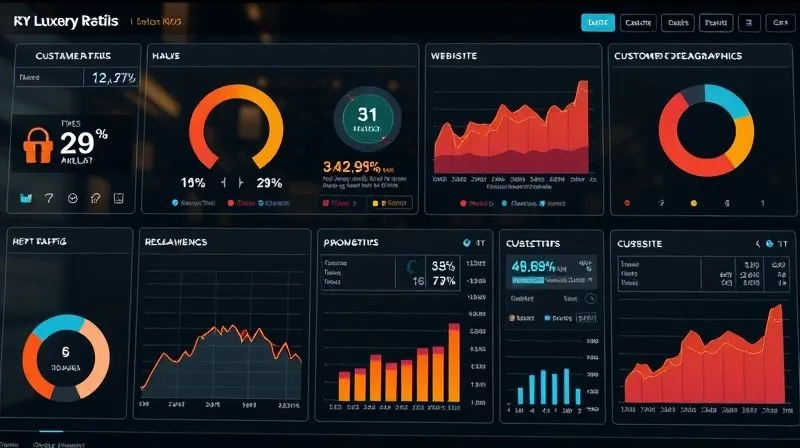
Key Metrics to Track:
- Foot Traffic: Measure the number of visitors to the shopping district.
- Sales Revenue: Track sales revenue by store and product category.
- Customer Satisfaction: Collect customer feedback through surveys and reviews.
- Website Traffic: Monitor website traffic and engagement metrics.
Actionable Steps:
- Implement Tracking Systems: Use tools like Google Analytics and CRM software to track key metrics.
- Analyze Data Regularly: Review data on a regular basis to identify trends and patterns.
- Adapt Strategies: Adjust your strategies based on the data to optimize performance.
- A/B Testing: Experiment with different approaches to see what works best.
The only constant is change. Be prepared to adapt your strategies as the market evolves.
Frequently Asked Questions (FAQ)
What is the biggest challenge facing luxury shopping districts today? The biggest challenge is adapting to the changing expectations of the modern luxury consumer, who is increasingly experience-driven, digitally savvy, and socially conscious. Districts must offer more than just high-end products; they need to create a compelling and memorable experience.
How important is digital marketing for luxury shopping districts? Digital marketing is absolutely essential. Potential customers often research destinations and brands online before visiting. A strong online presence, including targeted advertising, influencer marketing, and high-quality content, is crucial for attracting affluent travelers.
What are some effective ways to enhance the customer experience in a luxury shopping district? Effective strategies include elevated customer service, a curated ambience, exclusive events, and concierge services. The goal is to create an atmosphere of exclusivity, personalized attention, and exceptional service.
How can luxury shopping districts compete with online retailers? By focusing on the in-person experience and offering something that online retailers cannot: a sensory and emotional connection. This includes experiential retail, personalized service, and a unique atmosphere. Embrace the experience economy.
What role does sustainability play in attracting luxury consumers? Sustainability is becoming increasingly important to luxury consumers, particularly millennials and Gen Z. Districts that prioritize sustainable practices and ethical sourcing are more likely to attract and retain these customers.
Recommended Reading
- Unlock Peace of Mind: Essential Safety Tips for Solo Global Festival Goers
- Unveiling the True Cost: What's Included in Your Commercial Spaceflight Ticket?
- Mastering Your First Art Festival: Essential Tips for Attendees
- 7 Smart Moves: Mitigate Outdoor Dance Festival Weather Risks Effectively
- The Unanswered Question: Who Pays for Space Tourism's Orbital Debris Cleanup?
Main Points and Final Considerations
- Understand the Evolving Luxury Consumer: Stay informed about changing consumer preferences and adapt your strategies accordingly.
- Enhance the In-Person Customer Experience: Create an atmosphere of exclusivity, personalized attention, and exceptional service.
- Leverage Digital Marketing: Maintain a strong online presence and reach affluent travelers through targeted advertising and high-quality content.
- Create a Compelling Narrative: Craft a unique story that resonates with your target audience.
- Measure Results and Adapt: Track key metrics and adjust your strategies as needed.
Revitalizing sales in luxury shopping districts requires a multifaceted approach that combines a deep understanding of the modern luxury consumer with innovative marketing strategies and a commitment to providing an exceptional customer experience. By implementing the strategies outlined in this guide, you can transform your shopping district into a thriving destination that attracts and retains affluent travelers for years to come. Embrace the challenge, stay adaptable, and remember that the future of luxury retail is about creating memorable experiences that resonate with the heart and soul of your customers.



Your email address will not be published. Required fields are marked *