


How to Fully Disconnect from Urgent Work on a Luxury Beach Holiday?
For over 15 years in the luxury travel industry, I've witnessed a recurring, heartbreaking scenario: executives, entrepreneurs, and high-achievers booking opulent beach holidays, only to spend them tethered to their laptops and smartphones. They're physically present in paradise, but mentally, they're still in the boardroom, checking emails, taking calls, and battling the relentless tide of 'urgent' notifications. It’s a tragic waste of an investment, not just of money, but of precious time and the opportunity for true rejuvenation.
This pervasive inability to truly unplug isn't just a minor inconvenience; it's a significant drain on mental health, relationships, and ultimately, long-term productivity. The promise of a luxury beach holiday is escape, relaxation, and a reset. Yet, for many, the fear of missing out, the weight of responsibility, or simply poor pre-planning turns that dream into a 'work-cation' – a frustrating limbo where neither work nor leisure is fully enjoyed. You deserve better than to trade your hard-earned relaxation for anxiety-inducing screen time.
This isn't just about turning off your phone; it's about a strategic, multi-faceted approach to reclaiming your holiday. In this definitive guide, I will share the exact frameworks, expert insights, and actionable steps I've developed and seen successfully implemented by countless discerning travelers. You'll learn how to master pre-holiday preparation, set impenetrable digital boundaries, cultivate a truly present mindset, and return not just rested, but genuinely revitalized and ready to conquer new challenges.
The Pre-Holiday Digital Detox & Delegation Blueprint
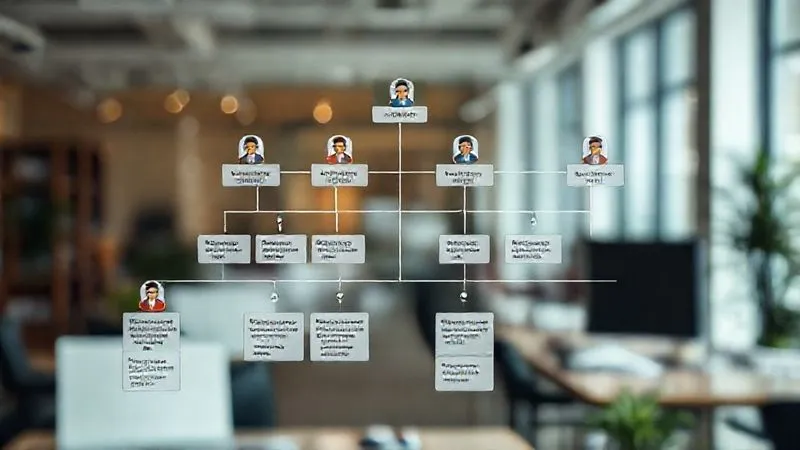
True disconnection begins long before you feel the sand between your toes. It requires a meticulous, proactive strategy to ensure your professional responsibilities are either handled or paused without creating chaos. This isn't just about clearing your desk; it’s about building a resilient system that functions seamlessly in your absence.
Strategic Delegation: Empowering Your Team
One of the biggest hurdles to disconnecting is the belief that 'only I can do it.' This is rarely true and often stems from a lack of effective delegation. Empowering your team isn't just about offloading tasks; it's about fostering growth and building trust within your organization.
- Identify Key Responsibilities: List all tasks and decisions that typically require your immediate input. Categorize them by urgency and criticality.
- Assign Primary and Secondary Delegates: For each critical task, identify a primary team member who can handle it and a secondary backup. Ensure they have the necessary training, access, and authority.
- Document Processes Thoroughly: Don't just tell them; show them. Create clear, concise Standard Operating Procedures (SOPs) for recurring tasks. Use tools like Loom for video explanations or shared documents for step-by-step guides.
- Conduct Dry Runs: Before your holiday, give your delegates opportunities to handle tasks they'll be responsible for. Provide feedback and build their confidence.
- Set Clear Decision-Making Authority: Define the scope of decisions your delegates can make independently versus those that require escalation to a higher authority (not you, unless it's a true, pre-defined emergency).
Communication Protocol: Setting Expectations
Transparency is key. Your team, clients, and partners need to know your availability status well in advance. This prevents last-minute scrambles and manages expectations effectively.
- Announce Your Holiday Early: Inform relevant parties at least 2-4 weeks in advance. This allows time for urgent matters to be addressed before you leave.
- Define 'Urgent' Explicitly: Work with your team to establish what truly constitutes an 'urgent' matter that might warrant an interruption. My rule of thumb: 'Is the business literally going to burn down if I don't respond within 24 hours?' If not, it can wait.
- Provide Emergency Contacts (Carefully): Designate one or two trusted team members as the primary point of contact for genuine emergencies. Provide their contact information sparingly and only to those who absolutely need it. Emphasize that *you* are not to be contacted unless it's a catastrophic, business-critical event that your delegates cannot handle.
- Prepare Your Out-of-Office Message: Craft a professional and informative auto-responder that clearly states your absence, return date, and who to contact for urgent matters (your delegate, not you).
Crafting an Ironclad "Out-of-Office" Strategy
Your out-of-office message and emergency contact plan are your digital fortress. They are your first line of defense against work intrusions and a crucial component of how to fully disconnect from urgent work on a luxury beach holiday. Many people simply write 'I'm out of office,' which is inadequate. You need a strategy that actively diverts inquiries and manages expectations.
The Art of the Auto-Responder: More Than Just a Message
A well-crafted auto-responder does more than just inform; it guides. It prevents unnecessary follow-ups and directs senders to the right place. It should be polite, professional, and firm.
- Start with Gratitude and Information: "Thank you for your email. I am currently out of the office enjoying a much-needed luxury beach holiday and will return on [Date]."
- Set Clear Expectations for Response: "I will have limited to no access to email during this time and will respond to your message upon my return."
- Direct Urgent Inquiries: "For urgent matters that cannot wait until my return, please contact [Delegate Name] at [Delegate Email/Phone]."
- Specify Non-Urgent Handling: "For all other inquiries, please expect a response after [Return Date]."
- Keep it concise: Aim for 3-5 sentences.
Emergency-Only Contact: Defining True Urgency
This is where many fail. They provide a mobile number "for emergencies" without defining what an emergency is. This is an open invitation for every minor issue to become an "emergency." You must be explicit.
In my experience, a true business emergency is something that will cause immediate, irreparable financial damage or legal repercussions if not addressed within hours. Most other things can wait. Here’s a framework I advise clients to use:
| Urgency Level | Action | Response Time |
|---|---|---|
| Critical (Business Impact > $X/hour) | Call designated backup | Immediate |
| High (Requires attention within 24h) | Email designated backup | Within 4 hours |
| Medium (Can wait 1-3 days) | Standard email, will respond after holiday | Post-holiday |
| Low (Informational) | Standard email, will respond after holiday | Post-holiday |
"Setting firm boundaries around your holiday isn't selfish; it's a strategic investment in your long-term productivity and well-being. A truly rested leader is a more effective leader." - Expert Insight
The Mindset Shift: From Always-On to Present & Relaxed
Even with the best pre-planning, the biggest battle is often internal. The ingrained habit of being 'always-on' can be incredibly difficult to break. This section focuses on cultivating the mental discipline required to truly embrace your luxury beach holiday.
Embracing the "Slow Travel" Philosophy
Luxury beach holidays often imply indulgence and immediate gratification. However, to truly disconnect, I encourage clients to adopt elements of the 'slow travel' philosophy. This isn't about moving slowly, but about experiencing deeply. It means savoring moments, rather than rushing through them.
- Mindful Moments: Take time to simply sit and observe the ocean, feel the sand, or listen to the sounds of nature. Engage your senses fully.
- Unscheduled Time: Resist the urge to over-schedule every minute. Allow for spontaneous exploration and relaxation.
- Local Immersion: Engage with the local culture, cuisine, and people. This helps shift your focus away from your usual routine and into the present environment.
Digital Sunset: Establishing Device-Free Zones
Your luxury resort likely offers breathtaking views and unparalleled amenities. Don't let your phone obstruct them. Establishing clear 'digital sunset' rules is paramount.
- Designate Device-Free Hours: For example, no phones at breakfast, during dinner, or after a certain evening hour.
- Create Device-Free Zones: The bedroom, the dining table, the spa, or even a specific part of the beach should be sacred, no-phone zones.
- Utilize the Hotel Safe: This might sound extreme, but placing your phone in the hotel safe for several hours, or even a full day, can be incredibly liberating. It removes the temptation entirely.
- Consider a 'Dumb Phone' for Emergencies: If you absolutely must have a way to be reached for dire emergencies (as per your pre-defined protocol), consider a basic feature phone that only allows calls and texts, leaving your smartphone locked away.
Leveraging Technology for Disconnection, Not Connection
It sounds counterintuitive, but technology can actually aid your disconnection efforts if used strategically. The goal isn't to demonize devices, but to master them, turning them into tools for peace rather than portals to perpetual work.
Smart Notifications & App Management
Most modern smartphones offer sophisticated notification controls. Use them to your advantage.
- Prioritize Apps: Keep only essential travel apps (maps, local transport, hotel info) easily accessible. Hide or uninstall work-related apps like email, Slack, Teams, or CRM tools.
- Customize Notifications: Turn off all non-essential notifications. For work-related apps you *must* keep (e.g., for monitoring a critical system), only allow notifications from specific, pre-approved individuals or for truly critical alerts.
- Use Focus Modes: iOS and Android offer 'Focus' or 'Do Not Disturb' modes that can be customized to allow calls only from specific contacts or block all interruptions during certain hours. Set these up *before* you leave.
The Power of "Do Not Disturb" and Airplane Mode
These are your best friends on a luxury beach holiday. They are powerful, built-in tools designed for exactly this purpose.
- Activate 'Do Not Disturb' (DND): Set DND to automatically activate during your designated device-free hours or continuously throughout your holiday. Configure it to allow calls only from your pre-approved emergency contacts if absolutely necessary.
- Embrace Airplane Mode: For ultimate disconnection, airplane mode is unparalleled. It cuts off all cellular, Wi-Fi, and Bluetooth connections, effectively turning your smartphone into a camera or an e-reader. Use it during meals, while swimming, or during any activity where you want zero interruptions.
- Wi-Fi Discipline: If you need Wi-Fi for personal use (e.g., streaming music, video calls with family), connect only when absolutely necessary and for a pre-determined, short duration. Avoid connecting to the resort's Wi-Fi if it also means receiving work alerts.
"To truly leverage technology for peace, you must become its master, not its servant. Configure it to serve your relaxation goals, not the demands of your inbox." For more tips on digital wellness, read this Forbes article on digital detox strategies.
Engaging with Your Environment: Immersive Beach Experiences
A luxury beach holiday offers a sensory feast. To fully disconnect from urgent work on a luxury beach holiday, you must actively engage with these experiences. Passive observation won't cut it. You need to immerse yourself to truly shift your focus from professional pressures to personal pleasure.
Beyond the Sun Lounger: Activities That Re-Engage Your Senses
While relaxing by the pool or on the beach is essential, structured activities that demand your full attention can be incredibly effective in breaking the 'work loop' in your mind. They force you to be present.
- Snorkeling or Scuba Diving: The underwater world demands your focus entirely. The vibrant marine life, the gentle currents – it's an immersive experience that leaves no room for work thoughts.
- Sailing or Kayaking: Being out on the open water, feeling the breeze, and navigating the waves requires concentration and provides a profound sense of freedom.
- Local Culinary Experiences: Participate in a cooking class focusing on local cuisine, or explore vibrant local markets. The smells, tastes, and interactions are a powerful distraction from daily work.
- Spa and Wellness Treatments: Indulge in massages, yoga, or meditation sessions. These are specifically designed to relax your mind and body, making it harder for work thoughts to intrude.
- Exploration and Excursions: Visit historical sites, nature reserves, or cultural landmarks. The novelty of new sights and sounds is excellent for mental reset.
The Benefits of Nature Immersion for Stress Reduction
The very environment of a luxury beach holiday – the ocean, the sand, the sky – is a powerful therapeutic tool. Research consistently shows the profound benefits of spending time in nature.
According to a study published in the journal Environmental Health Perspectives, spending time in green spaces and near blue spaces (like the ocean) can significantly reduce stress, improve mood, and even lower blood pressure. The rhythmic sounds of waves, the vastness of the horizon, and the warmth of the sun all contribute to a state of profound relaxation that is antithetical to work-related stress.
"The ocean has a remarkable way of washing away worries. Allow yourself to be fully present in its embrace; it's the ultimate antidote to the always-on corporate world." - Industry Veteran Advice
Case Study: Sarah's Journey to True Vacation Freedom
Let me share a real-world (though anonymized) example of how these strategies transformed a client's holiday experience. Sarah, a CEO of a rapidly growing tech startup, was notorious for her 'working vacations.' She'd bring her laptop everywhere, often taking calls from poolside cabanas, feeling guilty and exhausted upon her return.
The Problem: A CEO Tethered to Her Laptop
Sarah's company was her baby, and she felt an almost pathological need to be involved in every decision. Her previous 'luxury beach holidays' had been marred by late-night emails, early-morning conference calls, and the constant hum of anxiety about what she might be missing. Her team was also suffering, never quite knowing when she was truly off-limits.
The Solution: Implementing the 5-Step Disconnection Plan
Before her next two-week trip to the Maldives, I worked closely with Sarah to implement a comprehensive disconnection strategy:
- Aggressive Delegation: We identified a capable COO as her primary delegate and a Head of Product as backup. Detailed SOPs were created, and they had a two-week 'shadowing' period before her departure.
- Ironclad OOO: Her auto-responder was clear, directing all inquiries to her COO with a strict definition of 'urgent.' Her personal phone number was removed from all public-facing contacts.
- Mindset Shift: We discussed the importance of trusting her team and the benefits of a truly rested leader. She committed to leaving her laptop at home and only bringing her phone for personal photos, kept on airplane mode mostly.
- Tech Control: All work apps were uninstalled from her phone. Only pre-approved emergency contacts could reach her personal phone via call, and only if they called twice within a minute (a secret code for true urgency).
- Immersive Engagement: Her itinerary included daily snorkeling, a local cooking class, and a commitment to morning meditation by the ocean, completely device-free.
The Outcome: A Rejuvenated Leader and Thriving Business
Sarah returned from her Maldives trip a different person. For the first time in years, she felt genuinely rested, creatively inspired, and mentally sharp. The business had not only survived but thrived in her absence. Her COO stepped up, making confident decisions, and the team felt empowered. Sarah realized that her constant presence was actually stifling growth. Her ability to fully disconnect from urgent work on a luxury beach holiday proved to be a powerful catalyst for both her personal well-being and her company's autonomy. She now takes a minimum of two fully disconnected holidays a year.
Post-Holiday Re-Entry: Avoiding the "Work-Backlash"
The joy of a truly disconnected luxury beach holiday can quickly dissipate if you return to a chaotic inbox and an overwhelming workload. A successful disconnection strategy extends to your return, ensuring a smooth transition back to professional life without losing the benefits of your rest.
Phased Re-Engagement: Don't Dive Headfirst
Resist the urge to immediately jump back into the fray. A phased re-entry prevents burnout and allows you to maintain some of that vacation calm.
- Schedule a Buffer Day: If possible, return home a day before you're scheduled to start work. Use this day to unpack, grocery shop, and gently ease back into your home routine, not to check work emails.
- Block Your First Morning: Dedicate your first morning back to clearing your inbox strategically, not responding to every email. Prioritize, delete, and delegate.
- Review with Delegates: Schedule a meeting with your primary delegate to get a comprehensive overview of what happened in your absence. This is more efficient than sifting through hundreds of emails.
- Set Realistic Expectations: Understand that you won't clear your entire backlog on day one. Be patient with yourself.
Sustaining the Disconnect Mindset
The lessons learned on your luxury beach holiday shouldn't vanish the moment you step back into the office. How to fully disconnect from urgent work on a luxury beach holiday is a skill you can carry forward.
- Maintain Boundaries: Continue to set clear boundaries for work hours, digital device usage, and personal time.
- Incorporate Micro-Breaks: Take short, intentional breaks throughout your workday to step away from your screen, stretch, or practice mindfulness.
- Schedule Regular 'Digital Sunsets': Even at home, implement device-free evenings or weekends.
- Plan Your Next Escape: Having another holiday to look forward to can be a powerful motivator to maintain a healthy work-life balance.
Here’s a quick guide to managing your time around your holiday:
| Day | Action |
|---|---|
| Pre-Holiday | Delegate, set OOO, clear desk, inform stakeholders |
| Holiday Day 1-2 | Full digital detox, immerse in environment, activate DND |
| Mid-Holiday | Mindful presence, enjoy activities, no work checks |
| Last Holiday Day | Brief review of OOO, no active work, prepare for re-entry |
| Post-Holiday Day 1 | Buffer day (no work), unpack, personal reset |
| Post-Holiday Day 2 | Prioritize, respond to critical items only, delegate non-urgent |
| Post-Holiday Day 3+ | Gradual re-engagement, maintain boundaries, review delegation success |
For further insights on making your return to work less stressful, Harvard Business Review offers scientific strategies.
Frequently Asked Questions (FAQ)
Question: What if my job truly requires constant availability, like a surgeon or emergency responder? Detailed answer: For roles with genuine life-or-death implications, full disconnection is indeed challenging. In such cases, the strategy shifts. It's about minimizing, not eliminating, contact. This involves hyper-specific emergency protocols, having a highly trained and empowered deputy who can act with full authority in your stead, and potentially planning shorter, more frequent 'micro-breaks' rather than extended holidays. It also means defining 'emergency' with extreme precision and ensuring only a handful of individuals have access to you for those specific scenarios. Even then, you must fight for periods of true, albeit shorter, disconnection for your mental well-being.
Question: How do I manage client expectations without offending them or losing business? Detailed answer: Transparency and proactive communication are paramount. Inform key clients well in advance of your holiday, explaining your absence and introducing your delegate as a capable point of contact. Frame it positively: "To ensure seamless service even during my absence, [Delegate Name] will be your primary contact for the next two weeks. They are fully briefed on your account and ready to assist." This shows you value their business enough to plan for continuity, rather than just disappearing. A well-managed transition builds trust, it doesn't erode it.
Question: Is it okay to check emails just once a day, perhaps in the evening? Detailed answer: While better than constant checking, even a once-a-day check can be a slippery slope. It keeps you mentally tethered and introduces the potential for stress and the urge to 'just quickly respond.' In my experience, for true disconnection, a complete digital detox from work communications is ideal. If you absolutely must, limit it to a very specific, short window (e.g., 15 minutes), and do it at a time when you can mentally compartmentalize – perhaps right before dinner, but never first thing in the morning, which can hijack your entire day. The goal is to avoid any work-related thoughts bleeding into your relaxation time.
Question: What's the biggest mistake people make when trying to disconnect? Detailed answer: The single biggest mistake is inadequate pre-planning and a lack of trust in their team. Many assume they can 'wing it' or that their absence will cause insurmountable problems. This leads to a frantic pre-holiday rush, followed by guilt-driven checking during the holiday. Without clear delegation, defined emergency protocols, and the mental fortitude to trust your systems and your team, true disconnection is impossible. It's not about being indispensable; it's about building a robust system that thrives without your constant presence.
Question: How can I convince my boss/team that this level of disconnection is beneficial? Detailed answer: Frame it in terms of improved productivity, reduced burnout, and enhanced decision-making upon your return. Present it as a strategic move for long-term effectiveness, not just a personal indulgence. Cite studies (like those from Harvard Business Review or Deloitte) that demonstrate the positive impact of proper rest on creativity, focus, and leadership. Highlight the opportunity for team members to step up and grow. A truly rested employee is a valuable asset, and demonstrating this through a successful, fully disconnected holiday can be a powerful example.
Key Takeaways and Final Thoughts
- Proactive Planning is Paramount: True disconnection begins weeks, not days, before your holiday. Delegate strategically, document processes, and set clear expectations.
- Build Your Digital Fortress: Craft an ironclad out-of-office message and define 'urgent' meticulously. Use technology to block distractions, not enable them.
- Cultivate a Present Mindset: Embrace slow travel, establish device-free zones, and actively engage with your environment to shift your focus.
- Trust Your Team and Systems: Empower your colleagues and believe in the resilience of your organization to function effectively in your absence.
- Plan for Re-Entry: A phased return to work preserves the benefits of your holiday and prevents immediate burnout.
Your luxury beach holiday is more than just a trip; it's an investment in your well-being, creativity, and long-term success. The ability to fully disconnect from urgent work on a luxury beach holiday is a skill, a discipline, and ultimately, a gift you give yourself. By implementing these expert strategies, you're not just taking a vacation; you're reclaiming your peace, revitalizing your mind, and returning as a more effective, inspired leader. Go forth, trust the process, and truly savor the paradise you've earned. For more on the profound benefits of taking a break, this Forbes article offers compelling insights.
Recommended Reading
- Uncover Your True Self: The Power of Solo Mindful Trips for Deepening Self-Awareness
- Igloo Stays for Winter Sports Fans: The Ultimate Guide to Your Snowy Adventure
- Tube Smart: Essential Safety Rules for Snow Tubing Hills You MUST Know
- Unexpected Human Remains at Digs: 7 Urgent Protocols to Follow
- Universal Design Hotels: Booking Tips for Wheelchair Users





Your email address will not be published. Required fields are marked *