

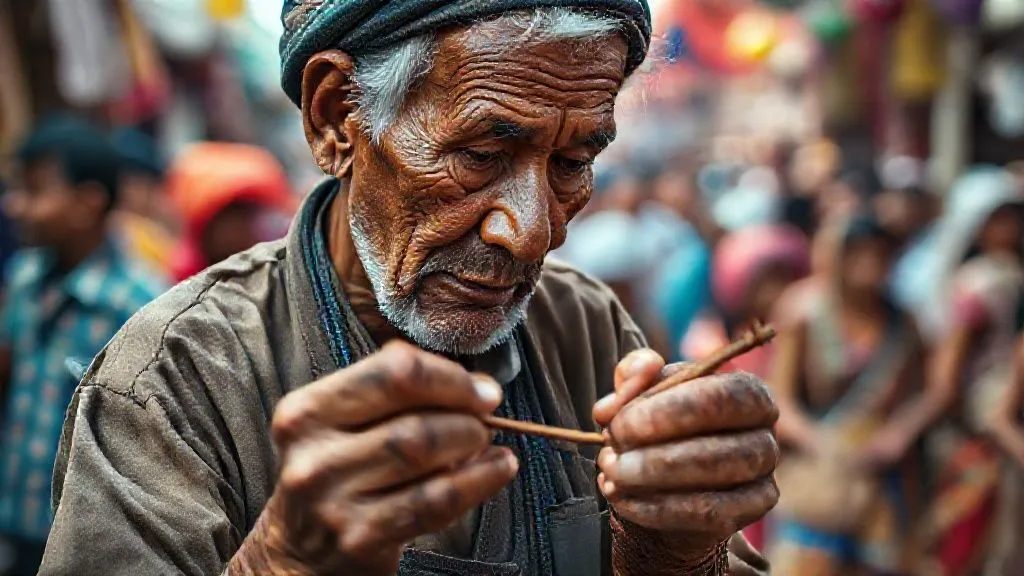
How to Guarantee Authentic Cultural Immersion at Chaotic Festivals?
For over two decades in the cultural travel niche, I've observed countless travelers seeking that elusive 'authentic' experience at vibrant, often overwhelming, festivals. They arrive with open hearts, eager to connect, but often leave feeling like they've merely skimmed the surface, caught in a whirlwind of commercialism and tourist crowds. I've seen this mistake play out at everything from Rio Carnival to the Pushkar Camel Fair: good intentions lost in translation, or simply drowned out by the sheer magnitude of the event.
The challenge is real: how do you truly connect with the heart and soul of a tradition when surrounded by thousands of fellow visitors, amplified music, and the general cacophony that defines many grand celebrations? It's easy to get swept up in the spectacle without ever truly understanding its deeper meaning or forging genuine connections with the local community. The very chaos that draws us in can also act as a formidable barrier to authentic engagement, leaving many to wonder if true immersion is even possible.
But I'm here to tell you that it absolutely is. This definitive guide will equip you with battle-tested strategies, frameworks, and expert insights that I've honed over years of navigating these cultural maelstroms. We'll move beyond superficial observation to provide actionable steps on how to guarantee authentic cultural immersion at chaotic festivals, ensuring your next festival journey is not just memorable, but profoundly transformative.
Beyond the Brochure: The Power of Pre-Festival Research
True immersion doesn't begin when you land; it starts long before, in the quiet moments of preparation. In my experience, the most profound connections are forged by those who arrive with a foundational understanding of what they are witnessing. This isn't just about knowing the festival dates, but delving into its historical, spiritual, and social significance.
Think of it as laying the groundwork for a meaningful conversation. Without context, even the most spectacular rituals can appear as mere performance. I've seen travelers dismiss profoundly spiritual acts as 'just dancing' because they hadn't taken the time to understand the centuries of tradition behind them. This is where pre-festival research becomes your most powerful tool.
How to Conduct Meaningful Pre-Festival Research:
- Explore Historical Roots: Understand when and why the festival originated. Is it tied to a harvest, a religious event, a historical victory, or a seasonal change?
- Delve into Cultural Significance: What does this festival mean to the local community today? How does it reflect their values, beliefs, and way of life? Look for local academic papers, documentaries, or even historical fiction.
- Understand Key Rituals and Symbols: Identify the main events, their sequence, and the meaning behind any specific costumes, colors, foods, or objects. Knowing a basic gesture or the significance of a particular chant can open doors.
- Investigate Local Etiquette: Learn about appropriate dress codes, photography rules, respectful behavior in sacred spaces, and basic social customs. This prevents unintentional offense and shows respect.
"Knowledge is the bridge to understanding. Without a foundation of context, even the most vibrant cultural spectacle can remain an undecipherable enigma." - Cultural Travel Specialist's Mantra
By investing this time upfront, you transform from a passive observer into an informed participant, ready to engage with respect and genuine curiosity. This groundwork is the first, crucial step in answering the question of how to guarantee authentic cultural immersion at chaotic festivals.

Mastering the Art of Local Connection: Engaging with Intent
The true heart of any cultural festival lies not in its grand parades or dazzling displays, but in the people who bring it to life. Connecting with locals is paramount for authentic immersion, yet it's often the hardest part amidst the chaos. It requires intentionality, humility, and a willingness to step outside your comfort zone.
I've learned that a simple smile and a few words in the local language can dissolve barriers instantly. It's not about fluency; it's about making an effort. Locals appreciate the gesture, and it often opens the door to deeper, more meaningful interactions than any tour guide could provide. Remember, you are a guest in their celebration.
Case Study: Maria's Market Discovery at the Oaxaca Guelaguetza
Maria, a solo traveler from Canada, arrived at the vibrant Guelaguetza festival in Oaxaca, Mexico, feeling overwhelmed by the crowds. Instead of sticking to the main performance, she ventured into a smaller, adjacent artisan market. Using basic Spanish phrases she'd practiced, she struck up a conversation with an elderly woman selling intricately woven baskets. Maria genuinely admired the craftsmanship and asked about the weaving process, not just the price. The woman, pleased by Maria's sincere interest, not only shared stories of her family's weaving traditions but also invited Maria to join her for a simple, homemade lunch of tlayudas. This unplanned interaction, born from genuine curiosity and a willingness to connect, became the highlight of Maria's entire trip, offering an intimate glimpse into local life far beyond the main festival stage. This demonstrates how intentional engagement can lead to profound experiences.
- Learn Basic Phrases: 'Hello,' 'Thank you,' 'Please,' 'Excuse me,' and 'Beautiful' in the local language are invaluable icebreakers.
- Be Present and Observe: Before rushing in, take time to simply observe the flow, the interactions, and the nuances of local behavior.
- Ask Open-Ended Questions: Instead of 'What is this?', try 'Can you tell me more about the story behind this tradition?'
- Share a Bit About Yourself: Reciprocity builds trust. Share a small detail about where you're from or why you're interested.
- Support Local Artisans and Vendors: Purchasing directly from local craftspeople and food vendors is a direct way to support the community and often leads to friendly exchanges.
- Accept Invitations (with caution): If offered tea or a shared meal, politely accept if you feel safe and comfortable. These moments are goldmines for cultural exchange.
These small, deliberate actions are fundamental to truly answering how to guarantee authentic cultural immersion at chaotic festivals. They shift your experience from observation to participation, from visitor to welcomed guest.
Embrace the Unplanned: Navigating Chaos with an Open Mind
Many travelers arrive at festivals with rigid itineraries, meticulously planned down to the hour. While some planning is essential, especially for logistical reasons, true cultural immersion often flourishes in the unplanned, the spontaneous, and the unexpected. Chaotic festivals, by their very nature, defy strict schedules.
I've learned that the most magical moments often occur when you allow yourself to drift, to follow a compelling sound, or to simply sit and watch the world unfold. It's about letting go of the need for control and embracing the beautiful unpredictability of the moment. This open-mindedness is a superpower in a chaotic environment.
"The most authentic discoveries are rarely found on a map. They are found in the willingness to wander, to observe, and to surrender to the rhythm of the moment." - Seasoned Traveler's Wisdom
It means being comfortable with discomfort, accepting that things might not go according to plan, and finding joy in the detours. This flexibility allows you to stumble upon local gatherings, impromptu performances, or quiet corners that offer a more genuine glimpse into the festival's soul, far from the main tourist hubs.
The Ethical Traveler's Toolkit: Respecting Culture and Community
Authentic cultural immersion is inextricably linked with ethical travel. To truly connect with a culture, you must first respect it and ensure your presence contributes positively, not negatively, to the host community. This means being mindful of your impact – environmental, social, and economic.
My years of observing festivals have shown me that a lack of ethical awareness can quickly turn an enriching experience into an exploitative one, even unintentionally. It's about being a responsible guest, understanding that these are living traditions, not just spectacles for consumption. The United Nations World Tourism Organization (UNWTO) provides excellent frameworks for sustainable tourism, which are highly relevant here.
- Support the Local Economy: Prioritize local businesses for food, accommodation, souvenirs, and transportation. This ensures your money directly benefits the community hosting the festival.
- Minimize Your Environmental Footprint: Reduce waste, avoid single-use plastics, dispose of trash properly, and respect natural environments around the festival site.
- Ask Before Photographing: Always seek permission before taking photos of individuals, especially children or those engaged in sacred rituals. A respectful nod or gesture can go a long way.
- Dress Appropriately: Research and adhere to local dress codes, particularly when visiting temples, churches, or other sacred sites within the festival grounds.
- Engage Responsibly: Avoid behaviors that might disrupt rituals, mock traditions, or contribute to over-tourism's negative effects.
- Be Mindful of Bargaining: While haggling might be customary in some markets, do so respectfully and understand the value of the goods to the local vendor. Don't drive prices down to the point where it harms their livelihood.
Embracing these ethical principles is not just about being a 'good' tourist; it's a foundational element of how to guarantee authentic cultural immersion at chaotic festivals. It fosters trust, opens doors to genuine interaction, and ensures the longevity of the traditions you've come to experience.
Sensory Immersion: Engaging All Your Senses
Cultural immersion isn't just about what you see; it's about what you hear, smell, taste, and feel. Chaotic festivals are a symphony of sensory input, and to truly immerse yourself, you must consciously engage all your senses. This holistic approach deepens your understanding and makes the experience far more vivid and memorable.
I often advise travelers to consciously slow down and take mental notes of the sensory landscape. What are the dominant aromas? What specific instruments are creating the music? How does the texture of a traditional fabric feel against your skin? These details weave together to form a rich tapestry of the cultural experience.
Steps for Deeper Sensory Engagement:
- Taste the Local Flavors: Seek out authentic street food and traditional dishes. Don't be afraid to try something new, and observe how locals eat and share meals.
- Listen Actively: Beyond the main music, listen for local dialects, specific chants, the rhythm of daily life, and the unique soundscape of the festival.
- Feel the Textures: Engage with local crafts. Touch the fabrics, feel the carvings, notice the materials used in clothing and decorations.
- Inhale the Aromas: Pay attention to the scents – spices from food stalls, incense from temples, fresh flowers, or even the earthy smell of a bustling market.
- Observe with Soft Eyes: Let your gaze linger. Notice details in costumes, decorations, facial expressions, and the subtle interactions between people.
By consciously engaging each sense, you move beyond mere observation to a much richer, more embodied understanding of the festival's culture. This multi-sensory approach is key to achieving a profound answer to how to guarantee authentic cultural immersion at chaotic festivals.
Here's a simple checklist to help you engage your senses:
| Sensory Input | Immersion Action | Goal |
|---|---|---|
| Taste | Try three local street foods, eat where locals eat. | Understand culinary traditions. |
| Sound | Identify 2-3 unique instruments, listen to local conversations. | Appreciate auditory culture. |
| Sight | Focus on details of costumes/decor, people's expressions. | Observe cultural aesthetics. |
| Smell | Note dominant festival aromas (food, incense, flowers). | Connect with olfactory landscape. |
| Touch | Feel local fabrics/crafts, interact with textures. | Experience material culture. |
Beyond the Main Stage: Discovering Hidden Gems
Chaotic festivals, by definition, have a magnetic center – the main stage, the grand parade route, the most famous temple. While these are certainly worth experiencing, true cultural immersion often lies in the periphery, in the quieter corners where local life continues, largely untouched by the tourist gaze.
I've found that the most genuine insights come from stepping away from the primary attractions. It's in the side alleys, the small family-run eateries, the neighborhood shrines, or the impromptu gatherings where the unfiltered essence of the festival truly resides. These are the 'hidden gems' that offer a more intimate and authentic perspective.
Expert Insight: The Power of Peripheral Vision
"Don't just look where everyone else is looking. Train your peripheral vision, and your mind, to notice the quiet moments, the unspoken interactions, and the subtle expressions of culture happening on the fringes. That's where the real stories are told." - Dr. Anya Sharma, Cultural Anthropologist.
This strategy requires a degree of courage and curiosity. It means being willing to explore unfamiliar streets, to engage with smaller vendors, or to simply sit and observe in a less crowded area. These moments of quiet observation can often be more revealing than the loudest performances.
- Wander into Side Streets: Many festivals spill into adjacent neighborhoods. Explore these areas for local markets, smaller family celebrations, or community events.
- Visit Local Eateries: Avoid the tourist-trap restaurants near main attractions. Ask locals for recommendations for their favorite, unassuming eateries.
- Attend Smaller, Local Events: Research if there are any smaller, parallel events or gatherings happening in local neighborhoods that are part of the broader festival.
- Seek Out Artisans at Work: Look for workshops or studios where craftspeople are creating goods, rather than just selling them. Observing their process offers deep insight.
- Utilize Local Transport: Taking public transport (buses, local trains) can offer a glimpse into daily life and lead you to less-traveled areas.
Reflect and Integrate: The Post-Festival Cultural Deep Dive
The journey of cultural immersion doesn't end when you leave the festival grounds; it continues long after. The most valuable experiences are those we process, reflect upon, and integrate into our understanding of the world. Without this crucial step, even the most profound festival experience can fade into a collection of vivid but disjointed memories.
I've found that the act of reflection solidifies learning and allows for a deeper appreciation of what was witnessed. It's about taking the time to connect the dots, to understand how your observations fit into the broader cultural context you researched beforehand, and to challenge any preconceived notions you might have had. According to insights from Smithsonian Magazine's cultural travel section, such reflective practices are key to transforming travel into genuine learning.
- Journal Your Experiences: Write down what you saw, heard, smelled, tasted, and felt. Document your interactions and any surprising observations.
- Research Further: If something piqued your interest (a specific ritual, a type of music, a historical figure), delve deeper into it once you have reliable internet access.
- Share Your Stories: Discuss your experiences with others. Articulating what you learned can help solidify your understanding and offer new perspectives.
- Connect with Other Travelers/Locals: If you exchanged contact information, follow up. Continue the conversation and learn from their insights.
- Create a Photo/Video Narrative: Organize your media not just as random shots, but as a story that reflects your journey and discoveries.
This post-festival deep dive is an often-overlooked, yet critical, component of how to guarantee authentic cultural immersion at chaotic festivals. It transforms raw experiences into lasting insights and personal growth.
Practical Logistics: Preparing for the Unpredictable
While the focus is on cultural immersion, neglecting practical logistics can quickly derail even the best intentions. Chaotic festivals, by their very nature, present unique challenges related to safety, health, and basic comfort. As a veteran traveler, I've learned that being well-prepared on the practical front frees your mind to focus on the cultural experience.
Think of it as creating a stable base camp from which to explore the vibrant, unpredictable terrain of the festival. When you know you have water, snacks, a charged phone, and a plan for emergencies, you can truly relax and open yourself up to spontaneous encounters without underlying anxiety.
- Essential Documents & Copies: Keep passports, visas, insurance, and emergency contacts secure and have digital/physical copies stored separately.
- Health & Safety Kit: Pack basic first aid, any necessary prescriptions, hand sanitizer, sun protection, and insect repellent. Know local emergency numbers.
- Stay Hydrated & Nourished: Carry a reusable water bottle and healthy snacks. The heat and constant movement can be draining.
- Secure Your Valuables: Use a money belt or secure bag. Be mindful of pickpockets in crowded areas. Avoid flashing expensive items.
- Communication Plan: Ensure your phone is charged, consider a local SIM card or eSIM for data, and have a designated meeting point if traveling with others.
- Comfortable Footwear: You'll be doing a lot of walking and standing. Prioritize comfort over fashion.
- Local Currency: Have small denominations of local currency for street vendors and small purchases. ATMs can be scarce or have long lines.
Mastering these practicalities might seem mundane, but they are the silent enablers of deep cultural engagement. Without them, even the most dedicated cultural explorer will find their journey hampered by preventable issues. For further practical advice, sources like Lonely Planet's safety guides often provide valuable insights.
| Category | Key Item | Benefit |
|---|---|---|
| Personal Safety | Money belt/secure bag | Protects valuables in crowds. |
| Health & Wellness | Reusable water bottle | Stay hydrated, reduce plastic waste. |
| Navigation | Local SIM/eSIM | Reliable communication and maps. |
| Comfort | Comfortable shoes | Enables prolonged exploration. |
| Emergency Prep | Copies of documents | Quick recovery in case of loss. |
Frequently Asked Questions (FAQ)
Is authentic cultural immersion possible for introverts at chaotic festivals? Absolutely. While extroverts might thrive on constant interaction, introverts can find profound immersion through observation, reflective journaling, and seeking out quieter moments. Focus on deep, one-on-one interactions rather than large group engagement. Your strength lies in thoughtful observation and genuine curiosity, which can often lead to more meaningful connections than superficial chatter. Prepare by identifying potential quiet zones or less crowded times.
How do I deal with language barriers when trying to connect with locals? Language barriers are often more psychological than practical. Start with a smile and basic local phrases. Use gestures, pointing, and even drawing. Many locals, especially younger generations, might know some English. Translation apps can be helpful, but use them sparingly to avoid creating a barrier with your phone. The effort to communicate, even imperfectly, is often more important than perfect fluency. Patience and a good-humored attitude go a long way.
What if I feel overwhelmed by the chaos and crowds? How can I regain focus? It's completely normal to feel overwhelmed. When this happens, find a quiet spot away from the main action. This could be a nearby cafe, a park bench, or even just a less crowded side street. Take a few deep breaths, hydrate, and re-center yourself. Remind yourself of your purpose – to connect with the culture. Sometimes, taking a short break and returning with fresh eyes is all you need. Don't feel guilty about needing a moment of solitude.
How can I avoid being culturally disrespectful accidentally? The best defense against accidental disrespect is thorough pre-festival research on local customs and etiquette. Pay close attention to how locals behave, especially in sacred spaces or during rituals, and mirror their actions. When in doubt, err on the side of caution and conservative behavior. If you make a mistake, a sincere apology (even non-verbally) is usually well-received. Humility and a genuine desire to learn are your best guides.
Is solo travel recommended for achieving authentic cultural immersion at chaotic festivals? Solo travel can be incredibly conducive to authentic cultural immersion. Without the distractions or pre-set agendas of travel companions, you are often more open to spontaneous interactions and observations. You're more likely to engage with locals and follow your own interests. However, solo travel at chaotic festivals requires heightened awareness of personal safety and clear communication plans. Trust your instincts and always prioritize your well-being.
Key Takeaways and Final Thoughts
- Preparation is Paramount: Deep pre-festival research into history, meaning, and etiquette transforms observation into understanding.
- Intentional Engagement: Actively seek out local connections with humility, basic language skills, and genuine curiosity.
- Embrace the Unpredictable: Let go of rigid itineraries and allow for spontaneous discoveries; the most authentic moments are often unplanned.
- Ethical Responsibility: Be a respectful guest, support local economies, and minimize your impact to foster trust and positive exchange.
- Holistic Sensory Immersion: Engage all five senses to create a rich, multi-dimensional understanding of the festival's culture.
- Seek the Periphery: Venture beyond main attractions to discover quieter, more authentic local experiences and hidden gems.
- Reflect and Integrate: Process your experiences through journaling and further research to transform memories into lasting insights.
- Master Logistics: Practical preparation for safety, health, and comfort frees your mind to focus on cultural engagement.
Navigating the vibrant, often overwhelming, landscape of chaotic festivals to achieve genuine cultural immersion is a skill honed over time, requiring a blend of preparation, open-mindedness, and respect. It's not about ticking off boxes, but about opening your heart and mind to the profound beauty of human tradition. By applying these strategies, you're not just attending a festival; you're becoming part of its living story, forging connections that will enrich your life long after the music fades and the crowds disperse. Go forth, explore with purpose, and let the magic of authentic cultural immersion transform your travels.
Recommended Reading
- 7 Proven Strategies: Boost Family Glamping Guest Satisfaction & Reviews
- Unlock Hotel Accessibility: Best Ways to Confirm Features Before You Go
- 5 Proven Strategies: Mitigating Wildlife Habituation from Eco-Tourism Visits
- 7 Strategies: Securing Elite Panoramic Train Views for High-End Clients
- Master Your First White Water Rafting Trip: Essential Prep Guide





Your email address will not be published. Required fields are marked *