

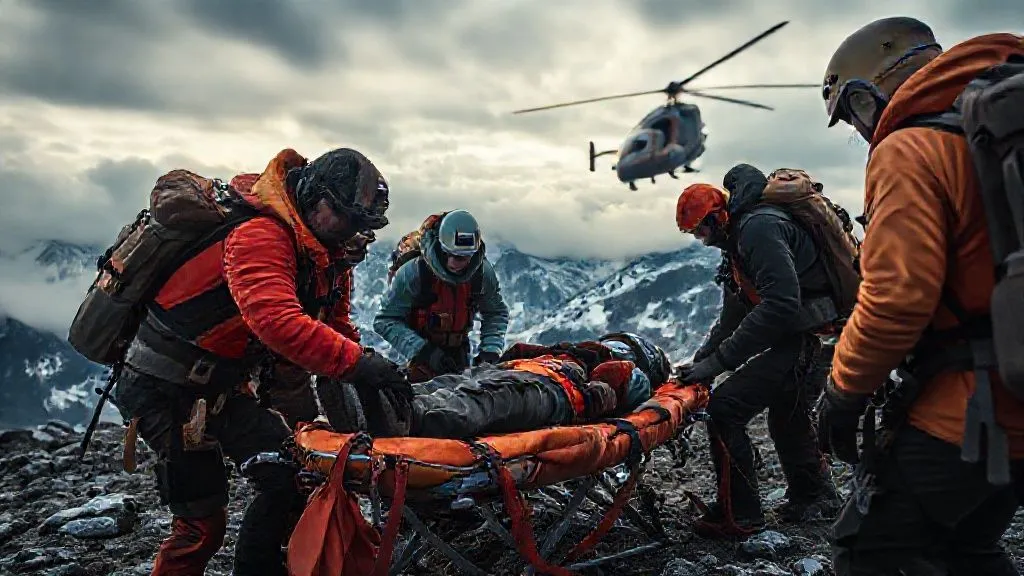
Mastering Emergency Client Evacuation During Remote Adventure Trips
For over 15 years in the high-stakes world of adventure travel, particularly extreme sports expeditions, I've witnessed firsthand the thin line between a successful trip and a catastrophic failure. One particular incident, a client developing acute appendicitis deep in the Patagonian wilderness, taught me the invaluable lesson that preparedness isn't just a best practice; it's the bedrock of survival and reputation.
The unique allure of remote adventure lies in its untouched beauty and untamed challenges. However, this very remoteness amplifies every potential crisis, transforming a minor injury into a life-threatening emergency and a logistical hiccup into a full-blown disaster. The stakes are incredibly high: client lives, your company's reputation, and the financial viability of your operation hang in the balance when an unexpected evacuation becomes necessary.
This comprehensive guide will equip you with a robust framework, drawing from my extensive experience, to confidently navigate and effectively handle emergency client evacuation during remote adventure trips. We'll delve into actionable strategies, essential protocols, and critical decision-making processes that will empower you to safeguard your clients and your business, turning potential chaos into controlled, professional response.
The Unseen Dangers: Why Remote Evacuation Demands Expertise
Operating in remote, extreme environments presents a distinct set of challenges that traditional emergency services simply cannot address. We're talking about locations where cell service is non-existent, roads are a distant memory, and the nearest medical facility might be days away by conventional means. This isolation creates a vacuum where every minute counts, and self-reliance, backed by expert planning, becomes paramount.
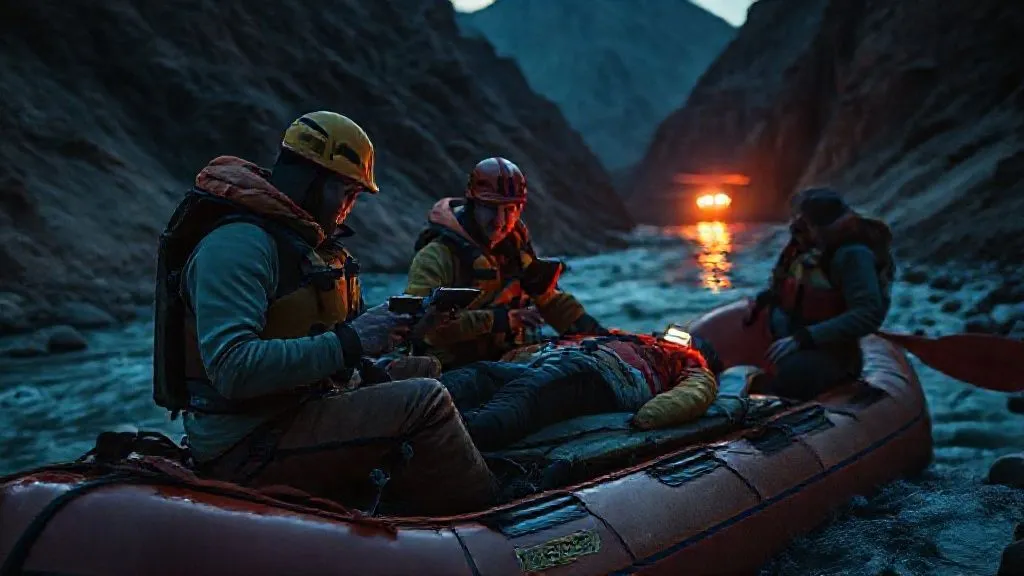
The environmental factors alone – extreme weather, treacherous terrain, altitude sickness – can complicate even the simplest medical issue. Add to this the inherent risks of extreme sports, from climbing accidents to whitewater mishaps, and you have a complex scenario demanding specialized knowledge and rapid, decisive action. Failing to acknowledge and proactively plan for these unique dangers is a recipe for disaster.
“In remote adventure, preparedness isn't just a strategy; it's the ultimate insurance policy. The moment you step into the wild, your emergency plan is already in motion.”
Key challenges include:
- Communication Blackouts: Reliance on satellite systems, which can fail or have delays.
- Logistical Hurdles: Accessing injured clients, securing transport (helicopters, specialized vehicles).
- Environmental Extremes: Weather, terrain, and altitude impacting rescue efforts and patient stability.
- Limited Medical Resources: Far from advanced medical care, requiring highly trained wilderness medics.
- Cross-Border Complexities: Navigating different regulations, languages, and bureaucracy.
Pre-Trip Protocols: Your First Line of Defense
Effective emergency evacuation begins long before your clients even pack their bags. It’s embedded in meticulous pre-trip planning and the establishment of stringent protocols. This foundational work dramatically reduces risks and streamlines response when an incident occurs.
Comprehensive Risk Assessment & Mitigation
Before any expedition, I insist on a granular risk assessment. This isn't a generic checklist; it's a deep dive into every potential hazard specific to the route, activity, and client demographics. We identify potential injury points, environmental threats, and logistical weak spots, then develop concrete mitigation strategies for each.
Crucially, this includes thorough client medical pre-screening. Understanding pre-existing conditions, allergies, and physical limitations allows us to tailor itineraries, carry appropriate medications, and alert our medical staff to potential vulnerabilities. According to a study published in the Wilderness & Environmental Medicine journal, robust pre-screening significantly reduces in-field medical incidents.
| Risk Category | Potential Hazard | Likelihood | Impact | Mitigation Strategy |
|---|---|---|---|---|
| Environmental | Flash Flood | Medium | High | Daily weather monitoring, alternative routes, designated high ground. |
| Medical | Acute Appendicitis | Low | Very High | Thorough medical pre-screening, WEMT on staff, satellite comms for medical consult. |
| Activity-Specific | Climbing Fall | Medium | High | Certified guides, safety briefings, redundant belay systems, emergency rope rescue training. |
Robust Communication & Satellite Systems
Communication is the lifeline of any remote operation. My teams always carry multiple redundant communication devices. This includes satellite phones for voice calls, satellite messengers (like Garmin InReach or Spot devices) for text and tracking, and often a high-frequency (HF) radio for long-range, independent communication. Regular check-ins are non-negotiable.
Beyond the hardware, establishing clear communication protocols is vital. Who contacts whom? What information is relayed? How often? These details are drilled repeatedly. You can't afford ambiguity when lives are on the line.

Insurance: More Than Just a Policy
Client and company insurance policies must be meticulously reviewed to ensure they cover emergency medical evacuation, especially from remote regions, and repatriation. Many standard travel insurance policies have exclusions for extreme sports or specific geographical areas. I always recommend clients purchase specialized adventure travel insurance, and our company policy covers our staff and operations comprehensively.
Work with reputable providers like Global Rescue or World Nomads, and ensure their policies explicitly cover helicopter evacuation, medical transport, and the specific activities you offer. This isn't just a legal safeguard; it's a critical operational asset that can literally save lives and immense financial burden. For more insights on choosing the right coverage, I often refer to expert resources like Global Rescue.
Building an Elite Emergency Response Team (ERT)
Even the best plans are only as good as the people executing them. A highly trained, cohesive Emergency Response Team (ERT) is your most valuable asset when facing a remote emergency. These are the individuals who will make split-second decisions and perform under immense pressure.
Training & Certification Standards
Every member of my field team, especially those in leadership roles, holds advanced wilderness medical certifications. Wilderness First Responder (WFR) is the absolute minimum; Wilderness EMT (WEMT) or higher is preferred for lead guides. These certifications go beyond standard first aid, focusing on prolonged patient care in austere environments, improvisation, and evacuation decision-making.
Beyond medical training, proficiency in technical rescue (rope rescue, swiftwater rescue, avalanche safety) relevant to your specific activities is non-negotiable. Regular drills and scenario-based training keep skills sharp and ensure seamless team coordination. As Seth Godin often says, "The practice is the point."
- Wilderness First Responder (WFR): Essential for all field staff.
- Wilderness EMT (WEMT): Highly recommended for lead guides and medical leads.
- Advanced First Aid & CPR: Basic requirement for all support staff.
- Technical Rescue Certifications: Specific to activity (e.g., Swiftwater Rescue Technician, Avalanche Level 2).
- Incident Command System (ICS): For managing complex emergencies.
Defining Roles and Chain of Command
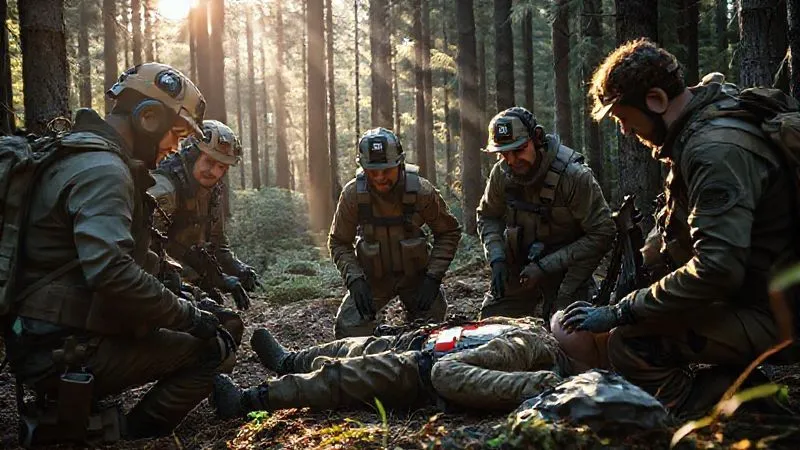
In an emergency, ambiguity is deadly. Every team member must know their exact role and who they report to. I implement a clear, hierarchical chain of command, with a designated Incident Commander (IC) who has ultimate authority for critical decisions. Support roles – medical lead, communications officer, logistics coordinator – are also clearly defined.
“Under pressure, people revert to their training. If their training includes a clear chain of command, chaos is averted.”
This structure prevents confusion, ensures efficient resource allocation, and allows for rapid, coordinated action. Regular debriefs and cross-training ensure that if one member is incapacitated, another can step into their role seamlessly.
Real-Time Incident Management: When Crisis Strikes
Despite the most rigorous planning, incidents happen. The true test of your preparedness comes in the crucial moments immediately following an emergency. This is where your ERT's training and your established protocols prove their worth.
Initial Assessment & Stabilization (The Golden Hour)
The first hour after an injury or illness is often referred to as the 'golden hour' – a critical window for intervention. My teams are trained to follow a systematic approach:
- Scene Safety: Prioritize the safety of the rescuer and other clients. Is the environment stable? Are there ongoing hazards?
- Primary Survey (ABCDEs): Assess Airway, Breathing, Circulation, Disability (neurological), and Exposure (environmental protection). Address immediate life threats.
- Stabilize the Patient: Provide immediate medical care based on assessment. Control bleeding, immobilize fractures, manage shock, protect from environmental extremes.
- Secondary Survey: Conduct a more detailed head-to-toe assessment, gather patient history (AMPLE: Allergies, Medications, Past medical history, Last oral intake, Events leading to injury).
- Monitor & Document: Continuously monitor vital signs and document all findings and interventions meticulously. This data is crucial for incoming medical personnel.
Communication Protocols: Internal & External
Once the patient is stabilized, communication becomes paramount. Internally, the Incident Commander must be immediately updated. Externally, the base camp or emergency contact must be notified. This initial communication includes:
- Location (GPS coordinates).
- Nature of the incident and patient's condition (SOAP: Subjective, Objective, Assessment, Plan).
- Resources needed (medical supplies, evacuation type).
- Weather conditions at the incident site.
- Estimated time of arrival for external help.
It's vital to maintain calm, concise communication, avoiding speculation. A well-structured crisis communication plan, as outlined by experts like those at Harvard Business Review, is invaluable here, ensuring stakeholders and families are informed appropriately without causing undue panic.
Decision-Making Under Pressure
This is often the hardest part: deciding whether to self-evacuate, wait for external rescue, or initiate a full-scale air evacuation. Factors influencing this decision include:
- Patient's medical stability and prognosis for transport.
- Terrain and environmental conditions.
- Team's capabilities and resources (manpower, medical supplies, time).
- Proximity and availability of external rescue assets (helicopters, ground teams).
- Risk to the rescue team vs. benefit to the patient.
This decision is rarely black and white and often requires a medical consultation via satellite phone with a remote doctor. Trust your team's assessment, but always prioritize the patient's well-being and the safety of the entire group.
Executing the Evacuation: Logistics & Resources
Once the decision to evacuate is made, the logistical challenges become the primary focus. Coordinating resources in a remote environment requires precision and adaptability.
Ground Evacuation Strategies
For less critical injuries or when air support is unavailable, ground evacuation is the only option. This can involve:
- Stretcher Carries: Utilizing purpose-built wilderness stretchers, often with specialized wheels or skis, requiring significant manpower and careful coordination, especially over difficult terrain.
- Improvised Litters: When specialized equipment isn't available, improvising a stretcher from tarps, poles, or backpacks.
- Local Support: Engaging local communities or porters who possess invaluable knowledge of the terrain and often have traditional methods of transport.
- Off-Road Vehicles: If accessible, 4x4 vehicles or ATVs can significantly speed up the process once a suitable track is reached.
Each method has its own challenges and requires specific training to execute safely and efficiently, minimizing further injury to the patient and exhaustion for the team.
Air Evacuation: Helicopters & Fixed-Wing Assets
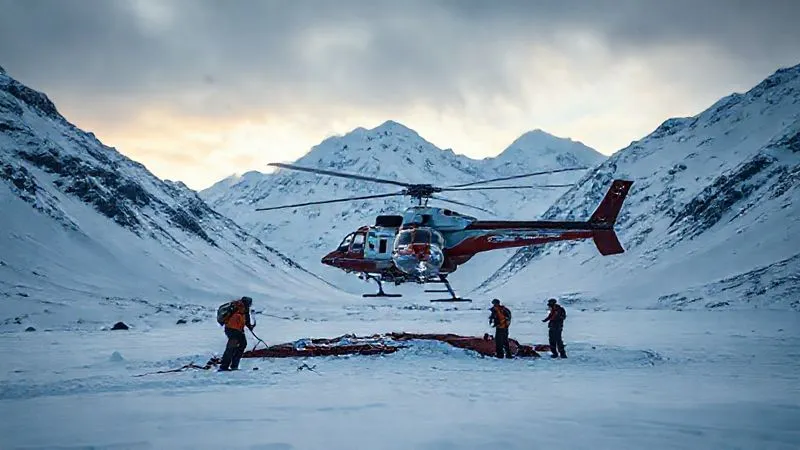
When speed and advanced medical care are critical, air evacuation is usually the preferred method. This involves contacting specialized air ambulance services or local military/government rescue organizations. Key considerations:
- Landing Zone (LZ) Selection: Identifying and preparing a safe, clear landing zone for helicopters, free from obstacles, with appropriate wind indicators.
- Communication with Air Crew: Clear, concise radio communication with the pilot, providing location, patient status, and LZ details.
- Medical Personnel Onboard: Ensuring the air asset has appropriate medical personnel and equipment for in-flight patient care.
- Weather Limitations: Helicopters are highly susceptible to adverse weather, which can delay or prevent evacuation.
Establishing relationships with air ambulance providers in your operational areas beforehand is crucial. Services like AirMed International provide critical global reach for such emergencies. Understanding their capabilities, response times, and costs is part of robust pre-planning.
Cross-Border Evacuations & Legalities
Operating in international territories adds layers of complexity. Cross-border evacuations require navigating different legal systems, customs regulations, and potentially diplomatic channels. This is where your insurance provider and a dedicated crisis management firm can be invaluable.
Pre-arranging memorandums of understanding (MOUs) with local authorities or having a local agent who understands the bureaucracy can significantly expedite the process. Understanding visa requirements for medical personnel or the injured client is also critical. This is a niche area where expert consultation is often required to avoid delays that could prove fatal.
Post-Evacuation Procedures & Learning
The evacuation of the client is not the end of the incident. The post-evacuation phase is crucial for ensuring comprehensive care, supporting your team, and refining your protocols for future expeditions.
Medical Handover & Follow-Up Care
A smooth medical handover to higher-level care facilities is essential. All patient documentation, including vital signs, interventions, and medical history, must be clearly communicated to the receiving medical team. My guides stay with the client until they are safely transferred to a hospital or their family, ensuring continuity of care and acting as an advocate if needed.
Follow-up communication with the client and their family is also critical. Offering support, checking on their recovery, and being available to answer questions demonstrates empathy and professionalism, which can significantly mitigate potential legal issues and maintain your reputation.
Debriefing & Critical Incident Stress Management (CISM)
An emergency evacuation, especially in extreme conditions, is intensely stressful for everyone involved. A thorough debriefing for the entire team is mandatory. This is not about blame, but about process improvement and psychological support.
Each team member should have the opportunity to share their experience, identify what worked well, and pinpoint areas for improvement. Furthermore, providing access to Critical Incident Stress Management (CISM) or psychological support services is vital. Ignoring the mental toll on your team can lead to burnout, trauma, and a loss of valuable staff. Resources like those offered by the National Center for PTSD provide excellent frameworks for supporting individuals after traumatic events.
Case Study: The Patagonia Glacier Incident
How Swift Action Saved a Mountaineer
In 2021, our team was leading a mountaineering expedition on a remote Patagonian glacier when a client, 'Sarah,' experienced a severe rockfall injury to her leg, resulting in an open fracture. Initial assessment by our WEMT-certified lead guide, 'Mark,' confirmed a critical injury requiring immediate evacuation.
Initial Response: Mark immediately secured the scene, stabilized Sarah's leg with an improvised splint, and managed her pain and shock. Simultaneously, the communications officer, 'Lena,' established satellite phone contact with our base camp, relaying Sarah's precise GPS coordinates, medical status, and the urgent need for air evacuation. Base camp, already pre-briefed on our route and emergency plan, immediately contacted our pre-arranged air ambulance service.
Evacuation Execution: Despite rapidly deteriorating weather, Lena maintained continuous communication with the incoming helicopter pilot, guiding them to a pre-identified, albeit challenging, landing zone. The ground team, following established protocols, cleared the LZ, set up wind indicators, and prepared Sarah for rapid transfer. Within two hours of the incident, Sarah was safely loaded onto the helicopter with an onboard paramedic providing advanced care.
Lessons Learned: The incident highlighted the critical importance of regular LZ practice, redundant communication checks, and the team's ability to maintain calm under extreme pressure. Our post-incident debrief led to refining our pre-trip medical history review process for specific high-risk activities and strengthening our satellite communication battery protocols. Sarah made a full recovery, largely due to the rapid, professional response, a testament to our continuous training and preparedness.
Incident Review & Protocol Refinement
Every incident, regardless of outcome, is a learning opportunity. A structured incident review should be conducted, analyzing every phase from prevention to post-evacuation. This includes:
- Reviewing communication logs.
- Assessing the effectiveness of medical interventions.
- Evaluating logistical decisions.
- Identifying gaps in training or equipment.
- Updating standard operating procedures (SOPs) based on new insights.
This continuous feedback loop ensures that your emergency response protocols are not static documents but living, evolving systems that improve with every experience, making your operations safer and more resilient.
Frequently Asked Questions (FAQ)
What's the most common mistake adventure operators make in remote evacuations? In my experience, the single most common mistake is underestimating the complexity of communication and overestimating the speed of external rescue. Many operators rely too heavily on a single communication device or fail to establish clear, redundant communication protocols, leading to critical delays. Also, not conducting realistic, scenario-based drills means teams aren't truly prepared for the stress of a real-world incident.
How do I choose the right satellite communication device for my specific trips? The 'right' device depends on your trip's remoteness, duration, and communication needs. For basic tracking and emergency SOS, a satellite messenger like Garmin InReach is great. For voice calls and more detailed medical consultations, a satellite phone (e.g., Iridium or Thuraya) is essential. Consider battery life, global coverage, data capabilities, and ease of use under stress. Often, a combination of devices provides the best redundancy.
What's the role of local communities in remote rescues, and how should we engage them? Local communities are invaluable assets. They possess unparalleled knowledge of the terrain, local weather patterns, and often have traditional methods of transport or communication that can be critical. Engage them respectfully and proactively during your pre-trip planning. Building relationships, employing local guides, and understanding cultural protocols not only enhances safety but also fosters goodwill and sustainable tourism.
How often should we drill emergency procedures for client evacuation? You should conduct full-scale emergency drills at least once a year, preferably before your peak season. Beyond that, scenario-based tabletop exercises and partial drills (e.g., practicing communication protocols, patient packaging) should be done quarterly or before each major expedition. Regular refresher training for medical and technical skills is also vital, ideally every 1-2 years depending on certification requirements.
What if a client refuses evacuation despite medical necessity? This is a challenging ethical and legal dilemma. As the operator, your primary duty of care is to ensure client safety. Your pre-trip waivers and agreements should clearly state your authority to make medical and evacuation decisions in emergencies. In the field, calmly explain the medical necessity and risks of refusal. If they still refuse and are deemed competent to make that decision, document everything meticulously, including their refusal and the potential consequences. However, if their refusal puts others at risk or if they are not competent (e.g., due to head injury, severe hypothermia), you may have a legal and moral obligation to proceed with evacuation against their will, using reasonable force if necessary. Consult your legal counsel for specific guidance in your operational regions.
Key Takeaways and Final Thoughts
Navigating the complexities of emergency client evacuation during remote adventure trips is a daunting but absolutely essential aspect of responsible extreme sports tourism. It demands a holistic approach, where preparedness, professionalism, and a profound commitment to client safety are paramount.
- Proactive Planning is Non-Negotiable: Invest heavily in detailed risk assessments, robust communication systems, and comprehensive insurance.
- Build an Expert Team: Your Emergency Response Team must be highly trained, certified, and clear on their roles and responsibilities.
- Master Real-Time Response: Practice initial assessment, stabilization, and communication protocols rigorously to act decisively when crisis strikes.
- Optimize Logistics: Understand and prepare for both ground and air evacuation strategies, including cross-border complexities.
- Learn and Evolve: Every incident is a learning opportunity. Implement post-evacuation debriefs, provide CISM, and continuously refine your protocols.
The wilderness will always present unpredictable challenges, but with a meticulously planned and expertly executed emergency evacuation strategy, you transform potential tragedy into a testament to your professionalism. Embrace continuous improvement, empower your team, and uphold the highest standards of safety. Your clients' lives, and your reputation, depend on it.
Recommended Reading
- 7 Steps: Ethically Sourcing Unique Coffee Beans from Your Travels
- The Ultimate Guide: Stress-Free Travel Tips for Non-Verbal Autistic Teens
- 7 Reasons Your Baking Class Bookings Are Low & How to Fix Them Now
- 7 Proven Strategies: Optimize Your Multi-Stop Road Trip for Unforgettable Value
- 7 Steps: Crafting Bespoke Après Ski for Corporate Winter Retreats



Your email address will not be published. Required fields are marked *