

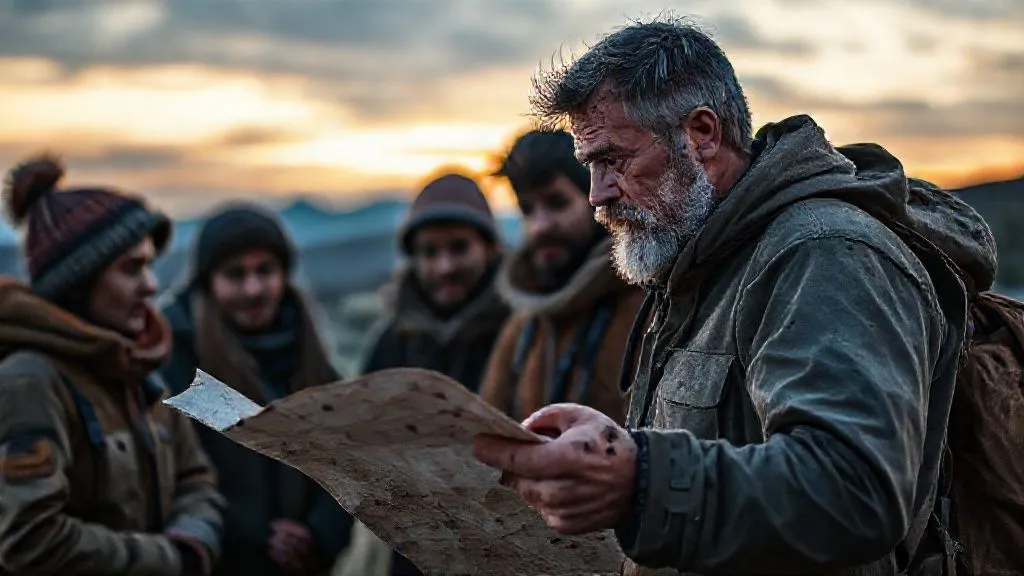
How to lead a stranded team after total comms failure?
For over two decades navigating some of the planet's most unforgiving terrains, from the high Himalayas to the dense Amazon, I've witnessed firsthand how quickly a routine expedition can unravel. I remember a particularly harrowing incident in Patagonia where a sudden, violent storm knocked out all our satellite equipment, leaving us completely isolated, miles from the nearest outpost, with a nervous, inexperienced team.
The unique terror of that moment, the sudden silence when your comms go dead, is profound. The weight of a team's survival, their physical safety, and their psychological well-being, falls squarely on your shoulders. It's not just a technical failure; it's a leadership vacuum waiting to happen, where fear can quickly override reason and turn a challenging situation into a catastrophic one.
This isn't about hoping for the best; it's about a systematic approach to leadership in the face of absolute uncertainty. I'm going to share the frameworks, the psychological tools, and the actionable steps I've developed and refined over years of hands-on experience to ensure that when the unexpected strikes, you're not just reacting – you're leading with purpose and competence, guiding your team through the silence to safety.
Immediate Action: Securing the Scene & Assessing the Situation
When comms go dark, the very first instinct is often panic. Your primary role as a leader is to immediately counteract that impulse, both in yourself and your team. The initial moments are critical for establishing control and preventing further deterioration of the situation.
Stop, Think, Act is a mantra I live by. Before any rash decisions are made, you must secure the immediate environment and gather crucial information. This isn't just about physical safety; it's about creating a mental space for rational thought.
- Halt All Movement: If your team is moving, stop them. A stationary team is easier to manage and less prone to further accidents.
- Ensure Immediate Safety: Assess for immediate hazards like unstable terrain, approaching weather, or dangerous wildlife. Move the team to the safest possible location nearby.
- Conduct a Quick Headcount: Confirm everyone is present and accounted for. This simple act can be incredibly reassuring and immediately identifies any missing persons.
- Initial Status Check: Ask each team member about their immediate condition – any injuries, level of fatigue, emotional state. This helps you gauge the overall team capacity.
- Verify Comms Failure: Exhaust all possibilities. Check backup devices, try different frequencies, ensure batteries are charged. Sometimes, it’s a localized issue, not a total system failure.
“In a crisis, the absence of communication is not an excuse for the absence of leadership. It’s a call to improvise, to become the primary conduit of information, reassurance, and direction.”
Once you've confirmed the comms failure and ensured immediate safety, you have a baseline. Now, you can begin to think strategically about your next steps, moving from reactive to proactive leadership.
Establishing Improvised Command & Control
Without the luxury of established protocols or external guidance, you must rapidly create a functional command structure. This doesn't mean becoming a dictator; it means clearly defining roles, responsibilities, and decision-making processes to maintain cohesion and purpose.
My experience has taught me that even in the most dire circumstances, people crave direction. Clarity trumps charisma when survival is on the line. Start by openly acknowledging the situation, stating facts without embellishment, and then immediately pivot to what you *can* do.
Key steps to establish improvised command:
- Declare Your Leadership: Don't assume. Clearly state that you are taking charge. "As the most experienced, I am now leading this team. We will get through this together."
- Assess Skills & Delegate: Quickly identify who has what skills – medical training, navigation experience, mechanical aptitude, even just strong morale. Delegate specific, tangible tasks to empower individuals and distribute the workload. For instance, if someone is a natural organizer, put them in charge of inventory.
- Appoint a Second-in-Command: Crucial for continuity. If you become incapacitated, someone must be ready to step up. This person should be competent, calm, and trusted by the team.
- Hold a 'Situation Brief': Gather the team. Explain the confirmed situation (comms failure), what you know, what you don't know, and your immediate plan. Be transparent but firm. This is where you answer the critical question: 'How to lead a stranded team after total comms failure?'
- Establish Communication Protocols: Even without technology, communication is vital. Implement clear verbal commands, hand signals, or a 'buddy system' for accountability. Ensure everyone knows how and when to report information.

This structured approach, even when improvised, provides a vital sense of order in a chaotic environment. It turns a group of individuals into a functioning unit, ready to face the challenges ahead with a shared understanding and purpose.
Prioritizing Needs: The Survival Hierarchy
Once command is established, your next critical task is to prioritize the team's immediate and ongoing needs. I often refer to this as the 'Survival Hierarchy,' a pragmatic adaptation of Maslow's hierarchy, focused squarely on maintaining life and increasing rescue chances. This framework helps prevent resources from being wasted on non-essential tasks.
The Survival Hierarchy:
- Shelter & Protection: First and foremost, protect the team from the elements. Hypothermia, hyperthermia, and exposure can kill faster than hunger or thirst. If you don't have adequate natural shelter, prioritize building one.
- Water: Dehydration severely impairs cognitive function and physical endurance. Identifying and securing a potable water source is paramount. Rationing existing water must be implemented immediately.
- First Aid & Medical Needs: Attend to any injuries or existing medical conditions. A small cut can become a life-threatening infection, and a pre-existing condition can quickly escalate without proper care.
- Fire (for warmth, signaling, cooking): A fire provides warmth, a means to purify water, cook food, and a powerful signal for rescue. It also offers immense psychological comfort.
- Food: While humans can survive weeks without food, sustained physical activity requires calories. Prioritize existing rations, then focus on safe foraging or hunting if necessary and feasible.
- Signaling & Rescue: Once the immediate survival needs are met, dedicate resources to making your presence known to potential rescuers. This is an ongoing task, not a one-time effort.
This hierarchy guides every decision you make regarding resource allocation and task delegation. Deviating from it without a compelling reason can have severe consequences. For instance, spending hours looking for food when the team is exposed to freezing temperatures is a critical error.
Constantly revisit this hierarchy as conditions change. What was a low priority yesterday might become the most critical need today due to weather shifts or new injuries.
Maintaining Morale & Psychological Resilience
Physical survival is only half the battle; psychological resilience is equally, if not more, important when you need to know how to lead a stranded team after total comms failure. Fear, despair, and hopelessness can quickly erode a team's will to survive, leading to irrational decisions and internal conflict. As a leader, you are the primary source of hope and stability.
I've seen teams with ample resources collapse because their spirit broke. Conversely, I've witnessed groups with minimal supplies endure incredible hardships because their leaders fostered an unbreakable bond and a shared sense of purpose. This is where your empathetic leadership truly shines.
Case Study: The High Peaks Expedition
In 2017, the 'High Peaks Expedition' in the Canadian Rockies faced a sudden whiteout and satellite phone failure. Stranded for five days, their leader, Sarah, a seasoned mountaineer, knew the biggest threat wasn't the cold, but the creeping despair. She immediately implemented a 'Daily Debrief & Tasking' ritual. Each morning, she'd assign clear, achievable tasks – collecting snow for melting, reinforcing the tent, checking the perimeter. Each evening, they'd gather, share a small portion of hot water, and recount their 'wins' for the day, no matter how small. Sarah also encouraged personal stories and jokes around their small stove. By fostering a sense of routine, purpose, and shared humanity, she kept morale high. When rescue finally arrived, the team was exhausted but cohesive, having avoided the psychological breakdown that often accompanies such isolation.
Strategies for maintaining morale:
- Active Listening: Give team members a chance to voice their fears and concerns. Acknowledge their feelings without letting them fester into overwhelming negativity.
- Small, Achievable Goals: Break down large, daunting tasks into smaller, manageable steps. Celebrate every small victory – finding water, fixing a torn tent, making a good fire. Success breeds confidence.
- Maintain Routine: Even without a clock, try to establish a semblance of daily routine for tasks, rest, and meals. Predictability reduces anxiety.
- Encourage Social Interaction: Foster conversation, share stories, or even lead simple games if appropriate. Laughter and connection are powerful antidotes to fear and loneliness.
- Be Honest, but Optimistic: Don't sugarcoat the situation, but always frame challenges within the context of your team's capability to overcome them. Emphasize collective strength.
According to resilience expert Dr. Lucy Hone, focusing on what you *can* control and finding meaning in adversity are key to psychological well-being during crises. Your role is to help your team find that focus and meaning.
Resource Management & Foraging Strategies
With comms down, every resource becomes precious. Effective management is critical to extending your team's self-sufficiency and improving your chances of rescue. This involves meticulous inventory, careful rationing, and a strategic approach to finding new resources.
My rule of thumb is: "Conserve, Innovate, Replenish." Don't assume anything is expendable, and always look for creative solutions. This is where detailed pre-trip planning, including a comprehensive manifest of all gear and supplies, pays off immensely.
- Conduct a Full Inventory: Immediately after the comms failure, gather every item the team possesses. Create a detailed list of food, water, medical supplies, tools, spare parts, and personal gear. Know exactly what you have.
- Implement Strict Rationing: Based on your inventory and the expected duration of being stranded (your best guess), establish strict rationing for food and water. Communicate the rationale clearly to the team to prevent hoarding or dissent.
- Identify Potential Local Resources: What does your immediate environment offer? Are there natural water sources? Edible plants (only if you have an expert or definitive guide)? Firewood? Shelter materials?
- Prioritize Multi-Use Items: A tarp can be a shelter, a water collector, or a signal. A knife is essential for countless tasks. Understand the versatility of your gear.
- Foraging (with Extreme Caution): Only attempt foraging for food if you have an expert on your team who can positively identify edible and non-poisonous plants. Misidentification can be fatal. Fishing or small-game trapping might be options if you have the necessary skills and tools.
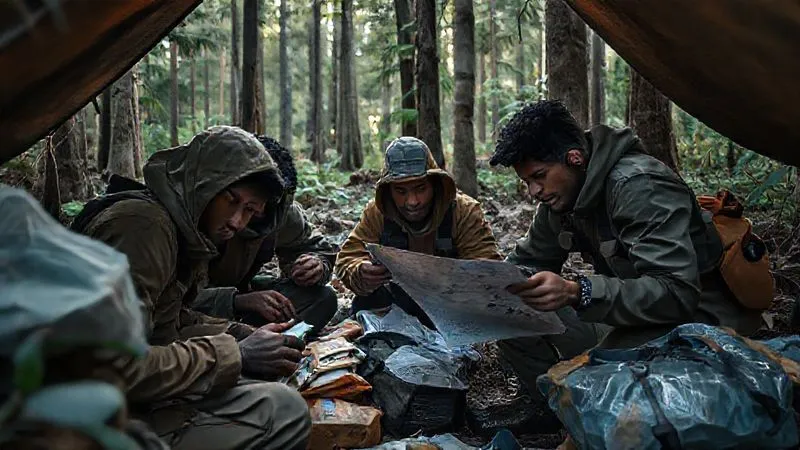
Remember, every decision about resource use has long-term implications. A small mistake in rationing early on can lead to severe shortages later, especially when you are grappling with how to lead a stranded team after total comms failure.
Navigating & Signalling for Rescue
Once your immediate survival needs are stable, the focus shifts to actively facilitating rescue. This involves two main components: making yourself visible and, if safe and feasible, attempting to move towards civilization or a more favorable location for rescue.
Your team's location might be known to search and rescue (SAR) if you filed a detailed trip plan. However, without comms, they won't know your current status or any deviations. Therefore, you must assume they are looking and give them every advantage to find you.
Effective Signaling Strategies:
- Ground-to-Air Signals: Create large, clear symbols on the ground that are visible from the air. A classic is the 'SOS' signal (three large letters, 10-15 feet long, made from rocks, logs, or contrasting fabric). Other signals include a large 'X' (medical assistance needed) or a single straight line (proceed in this direction).
- Signal Fires: Three fires in a triangle (the international distress signal) are highly effective at night. During the day, add green vegetation to create thick, white smoke. Position fires in an open area, away from flammable materials.
- Reflective Signals: Use mirrors, shiny metal, or even polished plastic to reflect sunlight. Aim the reflection at any aircraft or distant points where people might be. The flash can be seen for miles.
- Auditory Signals: If you have a whistle, use it. Three short blasts, three long blasts, three short blasts (SOS) repeated every few minutes. Shouting or banging on metal can also work if you hear a distant noise.
Navigating (if necessary and safe):
Deciding to move is a high-stakes decision. It should only be undertaken if you have a clear destination (e.g., a known trail, river, or road), reliable navigation skills (map and compass proficiency), and your team is physically capable. If you're unsure of your location or direction, staying put and signaling is often the safer option.
When moving:
- Leave Clues: Mark your path with cairns, broken branches, or other visible signs to indicate your direction of travel.
- Travel as a Unit: Never split the team. Maintain visual and auditory contact at all times.
- Pace Yourselves: Conserve energy. Travel slowly and steadily, taking frequent breaks.
As the National Outdoor Leadership School (NOLS) emphasizes, self-reliance and the ability to make sound decisions under pressure are paramount. Your navigation and signaling efforts are direct manifestations of that self-reliance.
Long-Term Contingency & Decision-Making Under Duress
While the immediate focus is survival and rescue, a responsible leader must also consider long-term contingencies. What if rescue doesn't come for days, or even weeks? This requires a shift in mindset from short-term crisis management to sustained survival planning. Knowing how to lead a stranded team after total comms failure demands foresight.
This phase is characterized by iterative decision-making, constant re-evaluation of resources, and a renewed emphasis on psychological endurance. The initial adrenaline rush will have faded, replaced by fatigue and the grind of sustained hardship.
Key aspects of long-term contingency planning:
- Re-evaluate & Adapt: Regularly reassess your situation. Is the shelter still adequate? Is your water source reliable? Are new injuries or illnesses emerging? Be prepared to adapt your plans based on changing conditions.
- Maintain Morale Drills: Double down on morale-boosting activities. Introduce storytelling, simple riddles, or even 'mental exercises' to keep minds active and engaged. Boredom can be as dangerous as despair.
- Energy Conservation: Implement stricter energy conservation measures. Reduce non-essential tasks, optimize movement, and ensure adequate rest periods.
- Skill Development: If you have time and resources, use this period to teach basic survival skills to team members – knot tying, fire starting, basic first aid. This empowers them and provides a sense of purpose.
- Escalation of Signaling: If no rescue has occurred after a significant period (e.g., 72 hours), consider escalating your signaling efforts or, if conditions allow, attempting a more aggressive self-rescue plan (e.g., moving to a more prominent location).
“Leadership in prolonged isolation is less about grand gestures and more about consistent, small acts of foresight, empathy, and unwavering resolve. It's the daily grind of keeping the flame of hope alive.”
Decision-making under duress over extended periods requires immense mental fortitude. As renowned explorer Sir Ranulph Fiennes often states, a calm mind is your most valuable asset. Practice 'pre-mortems' – imagine worst-case scenarios and brainstorm solutions beforehand. This mental preparation can be invaluable.
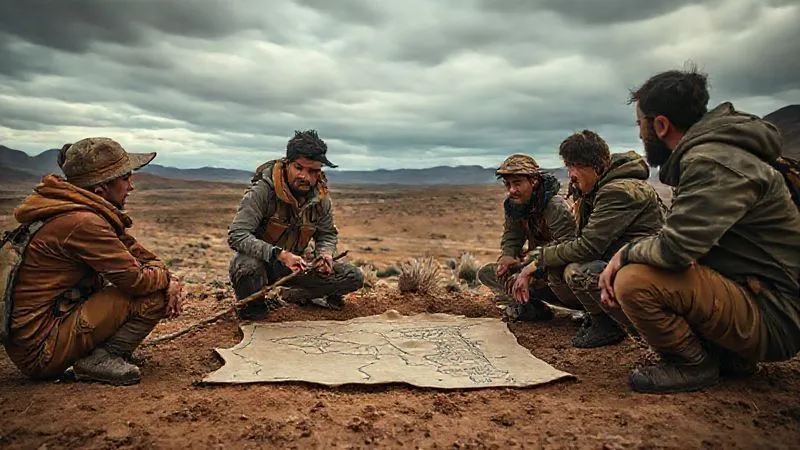
Training & Preparation: The Ultimate Prevention
While this article focuses on how to lead a stranded team after total comms failure, the most effective strategy is always prevention and preparedness. My years in adventure travel have taught me that success in a crisis is often a direct result of the groundwork laid long before the crisis even began. You cannot improvise competence.
Key pillars of effective preparation:
- Comprehensive Trip Planning: File a detailed trip plan with trusted contacts and local authorities, including your route, expected timeline, team manifest, and emergency contacts. This provides SAR with crucial information if you go missing.
- Skill Acquisition: Ensure you and your team possess fundamental survival skills: navigation (map and compass, not just GPS), fire starting, basic first aid (including wilderness first responder certification if possible), shelter building, and water purification.
- Redundant Communication Systems: Never rely on a single communication device. Carry multiple forms: satellite phone, personal locator beacon (PLB), two-way satellite messenger (like an InReach), and a good old-fashioned whistle. Ensure all are charged and tested.
- Emergency Kit (Go-Bag): Each team member should have a personal emergency kit with essentials: extra layers, headlamp, fire starter, knife, basic first aid, and emergency rations.
- Leadership & Team Training: Conduct drills for various emergency scenarios. Practice decision-making under simulated stress. Assign roles and responsibilities beforehand. A cohesive team that understands its roles performs better under pressure.
- Mental Fortitude Training: Discuss potential challenges openly. Encourage mental resilience exercises. Understanding the psychological impact of isolation and fear can help mitigate its effects.
| Category | Item | Quantity | Check |
|---|---|---|---|
| Communication | Satellite Phone | 1-2 | Charged, tested, international plan |
| Communication | PLB/Satellite Messenger | 1 | Registered, fresh batteries |
| Navigation | Map (Waterproof) | 1-2 | Correct scale, recent update |
| Navigation | Compass (Baseplate) | 1 | Calibrated, team members know how to use |
| First Aid | Comprehensive Kit | 1 | Up-to-date, WFR certified team member |
| Shelter | Emergency Tarp/Bivy | 1 per 2 people | Lightweight, durable |
| Fire | Waterproof Matches/Lighter | 2-3 | Stored dry, backups |
| Water | Filter/Purification Tablets | 1 per person | Functional, sufficient quantity |
| Food | Emergency Rations (3 days) | 1 per person | High-calorie, non-perishable |
| Tools | Multi-tool/Knife | 1 per person | Sharp, functional |
As Harvard Business Review often highlights, true leadership isn't just about leading in good times, but about building the systems and capabilities that allow a team to thrive even when everything goes wrong. Invest in your preparedness; it's the best insurance you can buy.
Frequently Asked Questions (FAQ)
Question? What if a team member panics uncontrollably after comms failure?
Answer: Immediate isolation (if safe) and calm, direct communication are key. Assign a trusted, calm team member to stay with them. Don't dismiss their fear, but gently redirect their focus to simple, immediate tasks. Remind them of the team's collective strength and your leadership. If panic escalates to hysteria, consider mild sedatives from your medical kit if you have a trained medic and it's absolutely necessary. Psychological first aid focuses on listening, protecting from further harm, and connecting them to support (even if that support is just you and the team).
Question? How do I handle dissent or challenges to my authority without formal power?
Answer: Your authority in a survival situation stems from competence, decisiveness, and the team's trust. Address dissent directly but calmly. Reiterate the facts of the situation and the rationale behind your decisions. If possible, involve the dissenting member in the problem-solving process to gain their buy-in, but ultimately, a clear decision must be made. If dissent becomes disruptive, reiterate the need for unity for survival. Sometimes, a direct, private conversation emphasizing shared goals and the stakes involved is necessary.
Question? What are the absolute essentials to carry specifically for comms failure in a remote environment?
Answer: Beyond standard survival gear, for comms failure specifically, prioritize: a Personal Locator Beacon (PLB) or satellite messenger with a 'SOS' function, a physical map and compass (and the skills to use them), a signal mirror, a whistle, and redundant fire-starting tools. These are your lifelines when electronic communication fails.
Question? How do I keep myself motivated and avoid burnout as a leader in a prolonged stranded situation?
Answer: This is incredibly challenging. You must consciously schedule moments for self-care, however brief. Delegate tasks to share the burden. Find small moments of personal solace – a quiet moment to reflect, a deep breath, or a brief conversation with your second-in-command. Remember your 'why' – your responsibility to your team. Acknowledging your own stress and managing it is crucial; you can't pour from an empty cup.
Question? What's the most common mistake leaders make when suddenly stranded without comms?
Answer: The most common and dangerous mistake is inaction or analysis paralysis. The 'deer in headlights' phenomenon. When comms fail, the clock starts ticking. Delaying immediate safety measures, failing to establish clear leadership, or not prioritizing basic survival needs can quickly turn a bad situation into a fatal one. Decisive, even if imperfect, action is almost always better than no action at all.
Key Takeaways and Final Thoughts
- Act Decisively: Stop, Think, Act. Your immediate actions set the tone for the entire team.
- Establish Clear Command: Improvise a leadership structure and delegate tasks to maintain order and purpose.
- Prioritize Survival Needs: Follow the Survival Hierarchy – Shelter, Water, First Aid, Fire, Food, Signaling.
- Foster Resilience: Nurture morale through small wins, routines, and empathetic communication.
- Manage Resources Wisely: Inventory, ration, and cautiously seek new resources to extend self-sufficiency.
- Signal Aggressively: Make your presence known through ground signals, fires, and reflective tools.
- Prepare Relentlessly: The best crisis response is built on comprehensive pre-trip planning, skill acquisition, and redundant systems.
The silence of comms failure is not the end; it's the ultimate test of leadership. It strips away technology and leaves you with the raw elements of human resilience, ingenuity, and the power of collective will. By understanding how to lead a stranded team after total comms failure, you transform from a victim of circumstance into the architect of your team's survival. Trust in your training, trust in your team, and most importantly, trust in your own capacity to lead when it matters most. As leadership experts at Forbes often remind us, true leadership emerges in adversity.
Recommended Reading
- The Ultimate Guide: How to Rent Accessible Vans for Disabled Travel
- 7 Proven Ways to Get Reliable Internet on Your Cross-Country Road Trip
- Unlock Serenity: The Secret to Finding Quiet Festival Camping Spots
- Unlock Festival Fun: Your Ultimate Guide to Avoiding Heat Exhaustion This Summer
- The Ultimate Guide: How to Plan a National Park Trip with Toddlers Successfully



Your email address will not be published. Required fields are marked *