


How to Maintain a Toddler's Critical Routine During International Travel?
In my two decades navigating the intricate world of family travel, I've witnessed countless families embark on international adventures with their little ones, brimming with excitement. Yet, I've also seen the silent dread that often accompanies the thought of disrupting a meticulously crafted toddler routine – the cornerstone of sanity for parents and predictability for children. I recall a client, Sarah, who once told me, "Our first international trip with Leo was a blur of meltdowns and missed naps, simply because we underestimated the power of his routine."
The challenge is real: international travel throws a wrench into the delicate gears of a toddler's daily life. Time zone shifts, unfamiliar environments, different foods, and broken sleep patterns can quickly transform a dream vacation into a stressful ordeal, leaving both parents and children exhausted and irritable. The fear of endless tantrums, disrupted sleep, and the constant battle over meals is a very legitimate concern for any parent planning a global journey.
But what if I told you it doesn't have to be a chaotic gamble? This definitive guide will equip you with a robust framework, actionable strategies, and expert insights drawn from years of experience to not just survive, but truly thrive while traveling internationally with your toddler. We'll explore everything from pre-trip preparations to on-the-go adaptations, ensuring you understand precisely how to maintain a toddler's critical routine during international travel, turning potential pitfalls into seamless transitions.
Understanding the 'Why' Behind Your Toddler's Routine
Before we dive into the 'how,' it's crucial to grasp the profound 'why' behind a toddler's need for routine. It's not just about convenience for parents; it's a fundamental developmental requirement. For a toddler, routine provides a sense of security, predictability, and control in a world that is constantly new and often overwhelming.
The Biological Imperative for Predictability
Toddlers thrive on predictability. Their brains are rapidly developing, and consistent schedules, particularly around sleep, meals, and play, help regulate their internal biological clocks. Disruptions can lead to elevated cortisol levels, increased anxiety, and, inevitably, more challenging behavior. As Dr. Harvey Karp, author of "The Happiest Toddler on the Block," emphasizes, children need clear boundaries and predictable responses to feel safe and understood.
Routines are anchors in a sea of new experiences. When a toddler knows what to expect next – snack time after playtime, bath before bed – it reduces uncertainty and builds confidence. This foundation becomes even more vital when you introduce the inherent unpredictability of international travel. Without this anchor, the smallest change can feel monumental.
"A toddler's routine is not a rigid schedule to be strictly enforced, but a predictable rhythm that offers comfort and control in their rapidly expanding world. During international travel, it becomes their emotional safety net."
Pre-Trip Preparations: Laying the Groundwork for Routine Stability
The success of maintaining your toddler's routine during international travel often hinges on the preparations you make weeks, or even months, before departure. This isn't about eliminating spontaneity, but about building resilience into your child's schedule.
Gradual Schedule Adjustments: The Time Zone Hack
When crossing multiple time zones, a sudden shift can be brutal for a toddler. I've found that a gradual adjustment is far more effective than a cold-turkey approach. Begin a few days or even a week before your trip, depending on the time difference.
- Calculate the Shift: Determine the time difference between your home and destination.
- Daily Increments: Start shifting your toddler's sleep and meal times by 15-30 minutes each day towards the new time zone. If you're going east (earlier), try to put them to bed earlier and wake them earlier. If going west (later), shift later.
- Consistency is Key: Maintain this new schedule rigorously during the adjustment period. Even small shifts can make a big difference in reducing jet lag upon arrival.
- Daylight Exposure: Maximize natural light exposure during the day and dim lights in the evening to help reset their circadian rhythm.
This pre-emptive strike significantly minimizes the shock to their system. According to a study published in the Journal of Clinical Sleep Medicine, gradual light exposure and timing of meals are crucial for circadian rhythm adaptation.

Packing Smart: Your Portable Routine Toolkit
Your luggage isn't just about clothes; it's about packing elements of your home routine that provide familiarity and comfort. This is where strategic packing becomes your secret weapon in how to maintain a toddler's critical routine during international travel.
Essential Sleep Aids and Comfort Items
These items serve as powerful cues for sleep, regardless of where you are in the world. They signal to your toddler that it's time to wind down, even in an unfamiliar hotel room.
- Familiar Sleep Sack/Pajamas: The smell and feel of home.
- Favorite Stuffed Animal/Blanket: A powerful comfort object.
- Portable White Noise Machine: Essential for blocking out unfamiliar hotel noises.
- Blackout Curtains (travel-sized): Crucial for controlling light in new environments, especially with early sunrises or late sunsets.
- Storybooks: Maintain the bedtime story ritual.
Mealtime Must-Haves
Keeping mealtimes consistent can be challenging with new cuisines. Having familiar tools and snacks can bridge the gap.
| Category | Items to Pack |
|---|---|
| Snacks | Non-perishable fruit pouches, whole-grain crackers, dried fruit, mini rice cakes, small containers of formula/milk powder |
| Utensils | Favorite sippy cup/bottle, child-friendly spoon/fork set, travel bibs |
| Preparation | Small, collapsible bowl, bottle brush, travel-sized dish soap (if self-catering) |
| Comfort | A familiar placemat or small towel for mealtime setup |
Having a few familiar snacks on hand can prevent hunger-induced meltdowns, especially during travel days or when local food options are limited or unfamiliar to your toddler's palate.
Navigating Travel Days: Airport, Flights, and Transfers
Travel days are inherently disruptive, but strategic planning can minimize their impact on your toddler's routine. Think of these as 'routine maintenance' days rather than 'routine abandonment' days.
Strategic Scheduling: Flight Times and Naps
Whenever possible, try to book flights that align with your toddler's natural sleep patterns. Overnight flights can be ideal for longer journeys, as they encourage sleep, though success varies wildly between children. For shorter flights, aim for times that coincide with a nap.
"The goal isn't perfection, but rather maximizing opportunities for rest and comfort. A well-rested toddler is a happy traveler, and a happy traveler means happier parents."
In-Flight Routine Adaptations
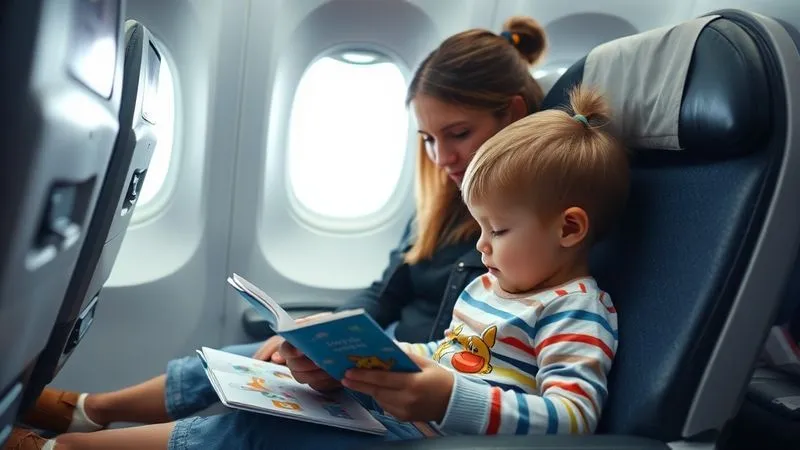
On the plane, replicate elements of your home routine as much as possible. If they usually have a snack, then play, then a story before nap, try to follow that sequence. Use your portable sleep aids, lower the window shade, and create a cozy environment. Don't forget their favorite comfort object.
For meals, use the familiar snacks you packed. If the airline meal isn't suitable, you have a backup. A study by the World Health Organization (WHO) highlights the importance of consistent nutrition for young children's cognitive and physical development, even during travel stress.
Arrival and Adaptation: Re-establishing the Routine
Once you arrive at your destination, the immediate priority is to re-establish a sense of routine. This isn't about forcing it, but gently guiding your toddler back into their familiar rhythm.
The First 24-48 Hours: Gentle Immersion
Upon arrival, prioritize sleep and familiar activities. Avoid over-scheduling or late nights initially. Aim for an early bedtime, even if it feels "too early" for the local time zone. Maximizing daylight exposure during waking hours will also help reset their internal clock.
- Prioritize Sleep: Get to your accommodation, set up the sleep space with familiar items, and aim for a nap or early bedtime as soon as feasible.
- Hydrate: Offer water frequently to combat dehydration, which can exacerbate jet lag.
- Outdoor Time: Spend time outdoors in natural light during the day to help regulate circadian rhythms.
- Familiar Meals: For the first day or two, stick to familiar foods you've packed or easily sourced options before introducing new cuisines.
Case Study: The Patel Family's Paris Adventure
The Patel family, with their 2-year-old Anya, faced a 6-hour time difference traveling from New York to Paris. Instead of immediately forcing Anya onto Paris time, they implemented a gradual shift starting 5 days before their trip, moving her bedtime and wake-up time by 45 minutes each day. Upon arrival, they immediately went to their apartment, set up her travel crib with her familiar blanket and white noise machine, and allowed her a short nap. For the first two days, they kept their activities localized and low-key, ensuring Anya was exposed to natural light during the day and had an early, consistent bedtime. They stuck to familiar breakfast items and packed snacks for lunch, introducing local French pastries only for afternoon tea. By day three, Anya had seamlessly adjusted to the Parisian schedule, enjoying the city's sights with minimal fuss. This resulted in a joyous, stress-free family vacation, proving that proactive routine management pays dividends.
Mealtime Mastery: Keeping Hunger Pangs at Bay
Food is a significant part of a toddler's routine, and disrupted mealtimes can quickly lead to irritability. Maintaining consistency, even with new surroundings, is crucial.
Local Foods vs. Familiar Favorites
While it's exciting to introduce your toddler to new culinary experiences, balance is key. Don't throw out all familiarity. I always advise a "mix and match" approach.
- Start with Familiar: For the first few days, rely on foods you know your toddler will eat (packed snacks, simple hotel breakfast items).
- Introduce Gradually: Offer small tastes of local, child-friendly foods alongside their familiar options.
- Observe and Adapt: Pay attention to what they enjoy and what they reject. Don't force new foods.
- Portable Snacks: Always have an emergency stash of familiar, beloved snacks.
| Country/Region | Toddler-Friendly Options |
|---|---|
| Italy | Plain pasta (pasta al burro), pizza margherita (plain cheese), fresh fruit, breadsticks |
| Mexico | Plain tortillas, rice, beans, avocado, cooked chicken (shredded), mild fruit salsas |
| Southeast Asia | Plain rice, steamed vegetables, mild grilled fish/chicken, mild grilled fish/chicken, fresh tropical fruit |
| France | Baguette, plain yogurt, cheese, crepes (plain), simple chicken dishes, fresh fruit |
Remember that a toddler's appetite can fluctuate with travel. Focus on providing nutritious options and maintaining regular meal and snack times, even if the portions are smaller than usual. Hydration, as always, is paramount.

Sleep Strategies: Conquering Jet Lag and New Environments
Sleep is arguably the most critical aspect of a toddler's routine that gets disrupted during international travel. Mastering sleep strategies is central to knowing how to maintain a toddler's critical routine during international travel.
Light Exposure and Melatonin Management
Light is the most powerful cue for our internal clocks. Maximize morning and daytime light exposure to help reset your toddler's circadian rhythm to the new time zone. Conversely, ensure their sleep environment is as dark as possible at night.
While over-the-counter melatonin can be tempting, its use in toddlers is a topic of ongoing discussion among pediatricians. As the American Academy of Pediatrics (AAP) advises, behavioral interventions should always be the first line of defense. Consult your pediatrician before considering any supplements for your child.
Creating a Portable Sleep Sanctuary
Even if the hotel room is unfamiliar, you can make your toddler's sleep space feel like home. This is where your packed sleep aids come into play.
- Blackout: Use travel blackout curtains or even taped trash bags over windows to create darkness.
- White Noise: Set up the portable white noise machine to block out unfamiliar sounds.
- Familiar Scents: Bring a small, unwashed item of clothing from home (like a t-shirt you've worn) to place near the crib/bed for a comforting, familiar scent.
- Consistent Bedtime Routine: Stick to the exact same sequence of events – bath, pajamas, story, song – that you would at home. This powerful ritual signals to their brain that sleep is coming, regardless of the location.
"Consistency in the bedtime ritual, more than the clock time itself, is your most potent tool for guiding your toddler to sleep in a new environment. It's a psychological anchor."
Flexibility is Key: When to Deviate and How to Recover
Despite all best efforts, international travel with a toddler will inevitably throw curveballs. The true mark of an experienced family traveler isn't rigid adherence, but knowing when to be flexible and how to recover gracefully.
The 80/20 Rule of Travel Routines
I advocate for the 80/20 rule: aim to stick to your toddler's routine 80% of the time, allowing for 20% flexibility. This gives you breathing room for unexpected delays, spontaneous adventures, or simply a day when your toddler is just "off."
- Unexpected Delays: A flight delay or a long queue at a museum might mean a missed nap. Accept it and adjust your next sleep opportunity.
- Cultural Experiences: A late dinner with local friends might push bedtime. Enjoy the moment, knowing you can get back on track the next day.
- Toddler's Mood: Sometimes, despite all efforts, your toddler is simply overtired or overstimulated. Prioritize their comfort and rest over sticking to a schedule for an hour.
The key is to always have a plan to get back on track. If a nap is missed, aim for an earlier bedtime. If a meal is off, ensure the next one is nutritious and familiar. Resilience in recovery is more important than perfect adherence.

Frequently Asked Questions (FAQ)
Q: My toddler is refusing to eat anything at our destination. What should I do? A: This is common! First, ensure they're well-hydrated. Offer familiar snacks you've packed. Then, try simple, plain options from local cuisine like bread, plain rice, cooked pasta, or fresh fruit. Don't force it; focus on offering healthy choices at regular meal times. Their appetite will return as they adjust. If worried, consult a local pharmacy or doctor.
Q: How do I manage multiple naps for a younger toddler during travel? A: Prioritize the most critical nap (often the afternoon one). Try to schedule travel segments around these naps if possible. For other naps, embrace flexibility – stroller naps, carrier naps, or even car naps are perfectly acceptable. The goal is rest, not always a perfect crib nap. Maintain the pre-sleep rituals for any nap opportunity.
Q: My toddler is still experiencing significant jet lag after several days. What else can I try? A: Beyond light exposure and gradual shifts, consistency is paramount. Ensure all sleep cues (dark room, white noise, comfort object) are in place. Stick to the new time zone's feeding schedule rigidly. Consider more active play during the day to tire them out, and avoid screen time close to bedtime. If symptoms persist and are severe, consult your pediatrician, especially regarding hydration and general well-being.
Q: What if our accommodation doesn't have a separate room for the toddler? How do we maintain a routine? A: This is a common challenge. Create a "room within a room" using portable blackout curtains, a travel crib, and a white noise machine. If space allows, use a room divider or even hang a blanket to create a visual barrier. Maintain your bedtime routine consistently. Once your toddler is asleep, you can enjoy the rest of the room quietly. Consider a hotel suite with a separate living area next time.
Q: Is it okay to use screens more than usual during travel days to keep my toddler calm? A: While screens can be a lifesaver in a pinch (e.g., during a long flight or unexpected delay), try to use them judiciously. Excessive screen time can interfere with sleep and brain development. Balance screen use with quiet activities like books, sticker pads, small toys, and engaging conversations. Reserve screens for moments of true need rather than continuous entertainment.
Key Takeaways and Final Thoughts
Successfully navigating international travel with a toddler while preserving their crucial routine is not an impossible feat; it's an art refined through preparation, consistency, and a healthy dose of flexibility. As an industry specialist, I've seen firsthand that the families who thrive are those who embrace a proactive, empathetic approach to their child's needs.
- Preparation is Paramount: Gradual time zone adjustments and smart packing are your first lines of defense.
- Familiarity is Comfort: Bring elements of home – sleep aids, comfort items, familiar snacks – to create a sense of security.
- Consistency, Not Rigidity: Strive for consistency in rituals (bedtime, meals) rather than strict clock adherence.
- Embrace Flexibility: Understand that deviations will happen, and develop strategies for graceful recovery.
- Prioritize Sleep and Hydration: These are the foundations of a happy, well-adjusted toddler abroad.
Remember, this journey is about creating cherished family memories, not about achieving perfect adherence to a schedule. By implementing these expert-backed strategies, you're not just managing a routine; you're fostering resilience, ensuring comfort, and setting the stage for a truly enriching international adventure for your entire family. Go forth, explore, and trust in your ability to adapt and thrive!
Recommended Reading
- 5 Steps to Unearth Untapped Foodie Regions for Bespoke Tours
- 5 Crucial Steps: Selecting a Spa Retreat for Executive Burnout Recovery
- Unveiling the Health Effects of Lunar Tourism: Are You Ready for Space?
- Slash Multi-State Fuel Bills: 9 Expert Strategies for Travel Assignments
- Uncover the True Cost of Animal Welfare Volunteering Abroad: Is It Worth It?





Your email address will not be published. Required fields are marked *