

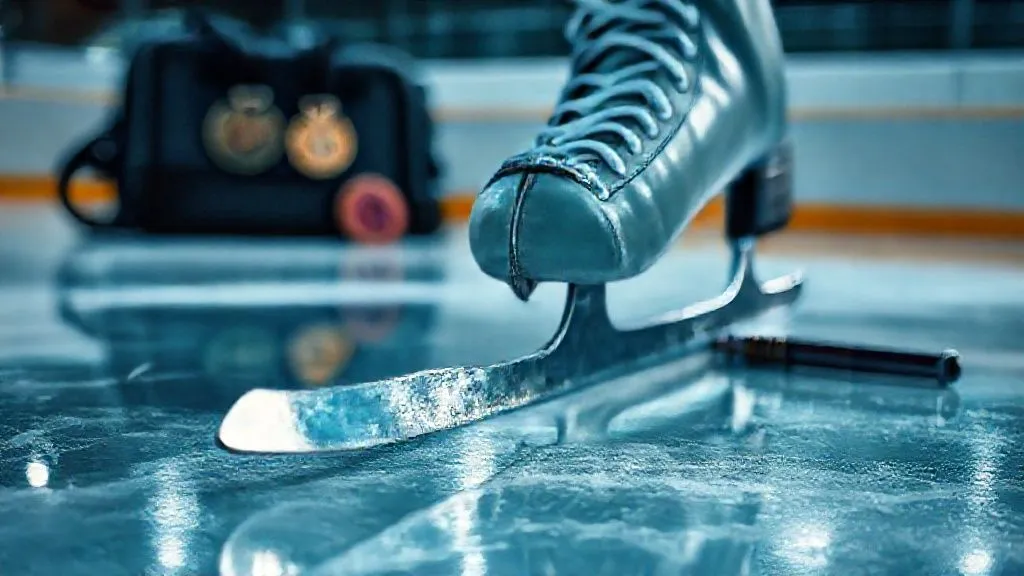
How to maintain elite ice skate blade sharpness during long competition trips?
For over two decades in the demanding world of competitive ice skating, I've witnessed countless athletes, from promising juniors to seasoned Olympians, stumble not due to lack of skill, but because of a seemingly minor oversight: a dull blade. I recall a pivotal national championship where a skater, a favorite for gold, lost her edge – quite literally – mid-program, costing her crucial points. The culprit? Inadequate blade maintenance during a grueling three-week travel schedule.
The problem is universal for anyone serious about ice sports: the unique challenges of maintaining that razor-sharp, performance-critical edge when you're far from your trusted home pro shop. Travel vibrations, fluctuating humidity, accidental knocks, and simply the sheer volume of ice time can conspire to degrade your blades, turning precision instruments into frustrating liabilities. This isn't just about a minor inconvenience; it's about compromised jumps, unstable spins, slower glides, and ultimately, jeopardized performance and safety.
This comprehensive guide isn't just a list of tips; it's an expert-level framework, forged from years of experience on the road with top athletes. I'll walk you through the actionable strategies, essential tools, and critical mindset shifts required to ensure your blades remain in peak condition, no matter how long or far your competition takes you. You'll learn how to anticipate problems, implement proactive solutions, and execute precise mid-trip maintenance that keeps your edge elite, giving you the confidence to perform at your absolute best.
Understanding the Enemy: What Degrades Blade Sharpness on the Road?
Before we can effectively combat blade degradation, we must understand its origins. On the road, your blades face a gauntlet of threats far more intense than those at your home rink. First, there's the relentless travel vibration, whether by plane, train, or bus, which can subtly micro-fracture edges or loosen mounts. Then comes the issue of improper blade protection; flimsy guards or leaving blades exposed invites nicks and burrs from contact with bags or other equipment.
Environmental factors play a massive role too. Fluctuating temperatures and humidity, especially in different climates, can accelerate rust formation – the silent killer of blade integrity. Accidental impacts, often unavoidable in busy arenas or travel hubs, can cause significant damage. Finally, inadequate post-skate care, like failing to properly dry and store blades, compounds all these issues, leading to rapid dulling and corrosion.
It's also crucial to remember that different blade materials and profiles react differently. Carbon steel blades, while offering excellent glide, are more prone to rust than stainless or bimetal options. Understanding your specific blade's metallurgy and geometry is the first step in tailoring your maintenance approach. Neglecting these factors is like trying to win a race with an untuned engine; you're setting yourself up for disappointment before you even hit the ice.
The Non-Negotiable Foundation: Pre-Trip Blade Preparation
The success of your blade maintenance during a long competition trip hinges significantly on the preparation you undertake before you even leave home. This isn't just about getting a fresh sharpen; it's about a meticulous inspection and strategic planning.
Pre-Departure Checklist for Peak Blade Performance:
- Professional Sharpening: Always start with a fresh, expertly executed sharpen from your most trusted technician. Discuss your travel plans and ice conditions you expect to encounter.
- Blade Inspection (Visual & Tactile): Examine every millimeter of your blade edges under good light. Run a fingernail gently along the edge to detect any nicks, burrs, or irregularities. Check the radius of hollow (ROH) and ensure consistency.
- Mounting Security: Verify that all screws holding your blades to your boots are tight and secure. Loose screws can lead to instability and uneven wear. Carry a small screwdriver for adjustments.
- Rust Prevention Application: For blades susceptible to rust, consider applying a thin layer of specialized blade oil or silicone spray. Wipe off excess thoroughly before placing guards.
- Guard Integrity Check: Ensure your hard guards are clean, free of debris, and fit snugly. Replace any worn or damaged guards immediately.
"A competition is won or lost long before you step onto the ice. It begins with the meticulous preparation of your equipment. Starting a trip with anything less than perfectly prepped blades is a gamble you cannot afford to take."
This foundational work ensures that you begin your journey with blades in optimal condition, minimizing potential issues down the line. It's an investment in your performance and peace of mind.
Travel Safely: Guards, Bags, and Environmental Control
The journey itself is often the most perilous part for your blades. Protecting them from physical damage and environmental factors is paramount. This requires a multi-layered approach to protection.
Essential Blade Protection Strategies for Travel:
- Hard Guards Are Non-Negotiable: Always, and I mean always, use hard guards when your skates are off the ice. These plastic or rubber covers absorb impacts and prevent nicks from hard surfaces or other items in your bag. Ensure they fit snugly and cover the entire blade.
- Soft Soakers for Moisture Absorption: Immediately after removing hard guards, slip on soft soakers. These absorbent fabric covers wick away residual moisture from your blades, preventing rust. They also provide a gentle layer of protection against minor scuffs within your bag.
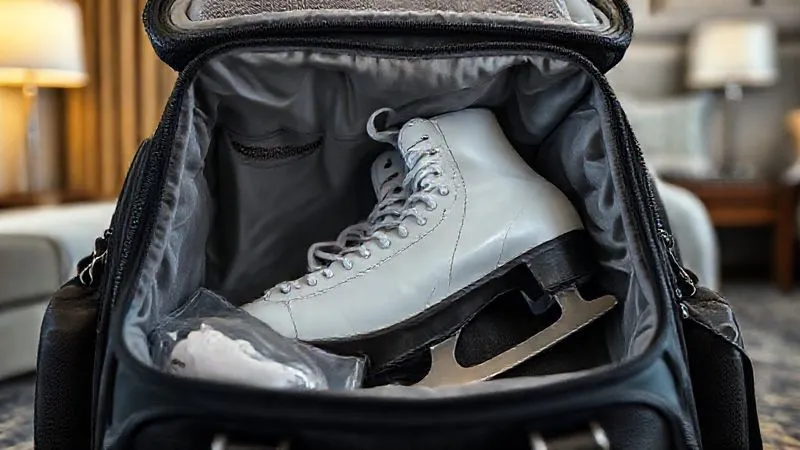
- Specialized Skate Bags: Invest in a high-quality skate bag with dedicated, padded compartments for your skates. Look for bags with ventilation features to prevent moisture buildup. Avoid tossing skates loosely into general luggage where they can bang against other items.
- Environmental Control: Extreme temperatures and humidity are blade enemies. Avoid leaving your skates in hot cars, direct sunlight, or damp environments. If traveling to a high-humidity region, consider adding silica gel packets to your skate bag for extra moisture absorption.
Think of your skate bag as a specialized carrying case for precision instruments, not just a casual tote. Proper compartmentalization and padding are crucial. I've seen too many promising careers derailed by a blade nicked by a rogue water bottle or a pair of keys inside a loosely packed bag. This level of diligence ensures your blades arrive at your destination in the same pristine condition they left home.
On-Location Edge Management: Sharpening Strategies Away From Home
Even with the best preparation, long trips necessitate some form of edge management on location. You have two primary options: finding a local professional or utilizing portable sharpening devices. Both have their merits and drawbacks.
Navigating On-Trip Sharpening Options:
- Seeking Local Pro Shops: If time and location permit, finding a reputable local pro shop is often the best option for maintaining consistent sharpness. However, this requires research. Ask fellow skaters, coaches, or local rink staff for recommendations. Always communicate your specific preferences (ROH, blade type) clearly. Be aware that a new sharpener might have a slightly different touch than your regular technician.
- Portable Sharpening Devices: These tools have come a long way and can be lifesavers for minor touch-ups or emergencies. They range from simple hand-held honing tools to more sophisticated battery-powered sharpeners. They are excellent for restoring a lost edge quickly but generally cannot replicate the precision of a professional machine sharpen.
Case Study: How Anya Maintained Her Edge in Europe
Anya, a competitive figure skater, was on a two-month European tour, competing in several Grand Prix events. Her usual pro shop was thousands of miles away. After her first event, she felt her blades losing their crispness. Instead of risking a new local sharpener, she relied on her trusted EdgeMaster Pro portable sharpener. She performed light, consistent passes after every 2-3 ice sessions, focusing on maintaining her existing hollow. This allowed her to keep her edges sharp enough for peak performance without altering her ROH, until she could return home for a full professional sharpen. Her meticulous approach allowed her to secure a bronze medal in her final event, a testament to effective on-location maintenance.
Here's a comparison of common portable sharpening options:
| Type | Pros | Cons | Best Use |
|---|---|---|---|
| Hand Honing Stone | Portable, inexpensive, precise for touch-ups, great for deburring | Requires skill, won't restore hollow, slow | Micro-maintenance, burr removal |
| Hand-Held V-Sharpeners | Easy to use, quick edge restoration | Can alter hollow, less precise, aggressive | Emergency sharpening, quick fixes |
| Battery-Powered Portable Sharpeners | Faster, more consistent than V-sharpeners, good for general purpose | Expensive, heavier, still not pro-level hollow setting | Regular touch-ups, maintaining existing hollow |
The key is to understand the limitations of portable tools. They are for maintenance and emergency, not for completely reshaping your blade's hollow. For that, you'll still need a skilled technician.
Mastering Mid-Trip Micro-Maintenance: Honing and Deburring
Even if you find a local sharpener or use a portable device, daily micro-maintenance is crucial. This is where honing and deburring come into play – the unsung heroes of blade longevity and consistent performance.
The Art of Honing and Deburring:
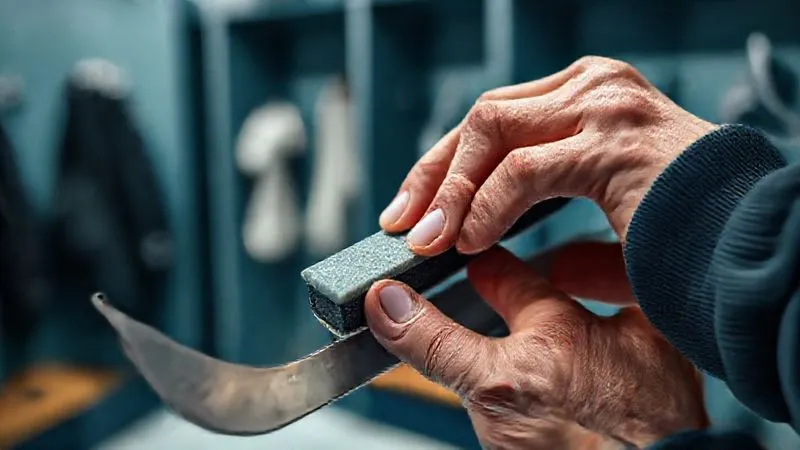
- Honing Stones: A fine-grit honing stone (often ceramic or Arkansas stone) is your best friend on the road. After each ice session, or certainly after every second, gently run the honing stone along the flat sides of your blade edges. The goal is not to sharpen, but to remove any minuscule burrs (tiny bits of metal pushed outwards during skating) that compromise glide and edge bite. Use light, even pressure, moving from heel to toe.
- Deburring Tools: Some skaters prefer dedicated deburring tools, which are designed to precisely remove burrs from the sides of the blade without affecting the hollow. These are particularly useful if you've hit something on the ice or had a hard fall.
- The Fingernail Test: After honing, always perform the fingernail test. Gently run your fingernail across the edge. If it catches smoothly and doesn't feel rough, your edge is clean. If it feels like it's grabbing or has a tiny bump, you still have a burr.
- Frequency: The frequency depends on your ice time and conditions. On a competition trip with multiple daily sessions, you might hone after every session. For lighter training, every other session might suffice. Consistency is key.
This micro-maintenance process takes only a minute or two but makes a world of difference. It preserves the integrity of your professional sharpen for longer, meaning fewer trips to the pro shop and more consistent performance. Ignoring small burrs allows them to grow into larger issues that eventually necessitate a full resharpen.
The Critical Role of Moisture Control and Rust Prevention
Rust is the silent, insidious enemy of ice skate blades, especially when traveling through varying climates. A single drop of moisture, left unattended, can begin the corrosion process, rapidly degrading your blade's integrity and sharpness. This isn't just an aesthetic issue; rust pits can permanently compromise the blade's performance and even lead to structural weaknesses.
Comprehensive Rust Prevention Strategy:
- Immediate Drying: The absolute golden rule: as soon as you step off the ice, remove your hard guards and meticulously wipe down your blades with a clean, dry cloth or specialized blade towel. Pay extra attention to the edges and the mounting hardware.
- Avoid Re-Sheathing Wet Blades: Never, under any circumstances, put wet blades back into hard guards or soft soakers for extended periods. The enclosed environment traps moisture and creates a perfect breeding ground for rust.
- Use Soft Soakers for Absorption: Once thoroughly dry, then put on your soft soakers. These are designed to absorb any residual moisture and prevent light contact damage, but they are not for drying wet blades.
- Desiccants in Your Bag: For added protection, especially in humid climates, place silica gel packets or other moisture-absorbing desiccants in your skate bag. Replace them periodically as they lose effectiveness.
- Consider Blade Treatment: Some skaters apply a very thin layer of silicone spray or specialized blade oil (e.g., camellia oil) to their blades for extra rust protection, especially during extended storage or travel. Ensure it's a non-residue formula and wipe off excess before skating.
"Leaving your ice skate blades wet, even for a short time, is like inviting rust to a party it will never leave. Meticulous drying is not a suggestion; it's a fundamental requirement for elite blade maintenance."
Understanding the science behind corrosion can further motivate this vigilance. Rust, or iron oxide, forms when iron (the primary component of most skate blades) reacts with oxygen and water. This electrochemical process can start surprisingly quickly. For more details on metal corrosion, you can refer to resources like NACE International (The Worldwide Corrosion Authority).
By making immediate and thorough drying a non-negotiable part of your post-skate routine, you drastically reduce the risk of rust and extend the life and sharpness of your blades.
Building Your Elite Travel Sharpening Kit: Tools of the Trade
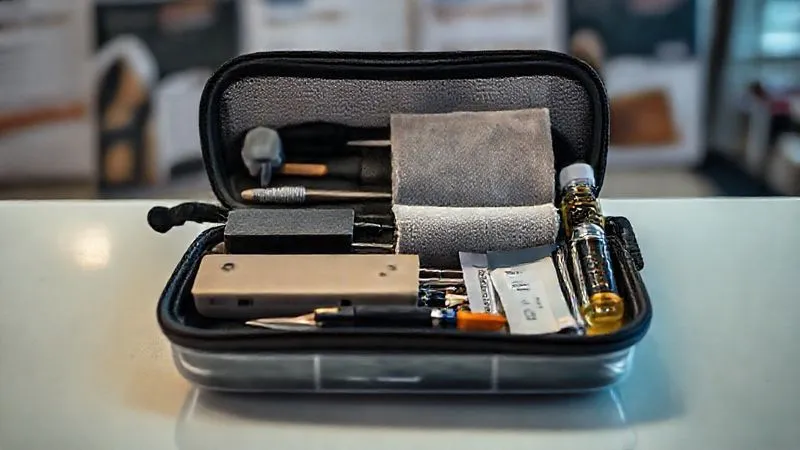
A well-stocked, compact travel sharpening kit is an essential companion for any serious competitive skater. This isn't about carrying an entire pro shop, but rather a selection of precise tools that empower you to perform effective micro-maintenance and handle minor emergencies.
Components of an Expert Travel Maintenance Kit:
- High-Quality Honing Stone: A dual-grit stone (e.g., fine and extra-fine) is ideal, allowing for both initial burr removal and final polishing. Ceramic or Arkansas stones are popular choices for their effectiveness and durability.
- Deburring Tool: While a honing stone can deburr, a dedicated deburring tool offers more precision and is excellent for those stubborn burrs that form on the side of the blade.
- Clean, Absorbent Blade Towels: Pack several small, lint-free microfiber towels specifically for drying blades. Designate one for initial drying and another for polishing.
- Silica Gel Packets: Crucial for moisture absorption, especially in humid environments. Pack several and replace them when they feel saturated.
- Small Screwdriver Set: A multi-bit screwdriver or a dedicated skate-tool is essential for tightening loose blade screws. Loose blades compromise stability and can lead to uneven wear.
- Spare Hard Guards & Soakers: Accidents happen. Having a spare set means you're never caught without adequate protection.
- Small, Clear, Durable Container: To keep all your tools organized, protected, and easily accessible within your skate bag.
- Optional: Blade Oil/Silicone Spray: If you travel to very humid areas or for extended periods, a small, leak-proof bottle of specialized blade oil can offer extra rust protection.
Think of this kit as your portable arsenal against dull blades. Each item serves a specific purpose, contributing to the overall goal of maintaining elite sharpness. Sourcing high-quality tools is a worthwhile investment; cheap alternatives often do more harm than good. For reliable skate accessories and maintenance tools, I often recommend checking out reputable manufacturers and suppliers such as SkatePro or similar specialized sports equipment retailers.
Post-Competition Care: Ensuring Longevity for the Next Trip
The final whistle has blown, the medals awarded, but your blade maintenance isn't over. The period immediately following a competition, and the subsequent journey home, are critical for ensuring your blades are ready for the next challenge.
Actions for Post-Competition Blade Longevity:
- Immediate Thorough Cleaning: After your final skate, take extra time to meticulously clean your blades. Remove all ice residue, dirt, and any accumulated debris. Use your blade towel and, if necessary, a slightly damp cloth followed by immediate and thorough drying.
- Deep Inspection: Perform a comprehensive visual and tactile inspection of your blades. Look for any new nicks, burrs, or signs of rust that might have developed during the intense competition period. This is the time to identify any damage that requires professional attention upon your return.
- Re-Apply Protection: If you use a blade oil or silicone spray for rust prevention, re-apply a fresh, thin layer before placing your hard guards and soakers for the journey home.
- Optimal Storage for Return Travel: Pack your skates back into their dedicated, padded compartments. Ensure silica gel packets are fresh. The goal is to replicate the careful packing you did on the way out.
- Professional Assessment Upon Return: As soon as you're back home, take your skates to your trusted pro sharpener. Explain the duration and intensity of your trip. They can assess the blade wear, re-establish the hollow, and address any subtle issues that developed on the road. This ensures your blades are fully restored for your next training block.
This final phase of care is about resetting your blades to their optimal state. It’s a proactive step that prevents cumulative damage from long trips and ensures that your equipment is always ready to support your highest level of performance. Neglecting this post-trip ritual can lead to accelerated blade wear and the need for earlier blade replacement.
Frequently Asked Questions (FAQ)
How often should I sharpen my skates during a long competition trip? The frequency depends heavily on ice time, ice quality, and your personal preference. Generally, for elite skaters, a full professional sharpen might be needed every 1-2 weeks of heavy training/competing. However, with diligent micro-maintenance (honing/deburring) after every 1-2 sessions, you can extend the life of a professional sharpen significantly. Listen to your blades and your body; if you feel your edge slipping, it's time for a touch-up or sharpen.
Are portable sharpeners as good as professional machines? No, portable sharpeners are generally not as precise or capable as professional sharpening machines operated by skilled technicians. Professional machines can accurately re-establish your blade's radius of hollow (ROH) and create a perfectly consistent edge. Portable tools are excellent for emergency fixes, maintaining an existing edge, and removing minor burrs, but they should not replace regular professional sharpening. Think of them as essential first-aid, not a full surgical procedure.
How do I know if my blade needs sharpening? There are several indicators. The most obvious is a noticeable loss of grip on the ice, especially during turns, stops, or take-offs for jumps. Visually, a dull blade might appear rounded at the edge, rather than sharp. You can also perform a fingernail test: gently run your fingernail perpendicular to the blade's edge. A sharp blade will lightly 'shave' or catch your nail, while a dull one will slide smoothly across. Consistent performance is often the best indicator; if you're working harder for the same edge control, it's likely dull.
What's the best way to prevent rust in humid climates? In humid climates, aggressive moisture control is crucial. Always wipe your blades thoroughly immediately after stepping off the ice. Use soft soakers only after blades are completely dry. Pack multiple silica gel packets in your skate bag and replace them frequently. Consider applying a very thin layer of specialized blade oil or silicone spray for extra protection, ensuring it's wiped almost completely off before skating to avoid leaving residue on the ice. Avoid storing skates in damp areas like locker rooms or bathrooms for extended periods.
Can I travel with my sharpening tools on an airplane? Generally, small hand-held honing stones and deburring tools are permitted in both carry-on and checked luggage by most airlines and security agencies (like TSA). However, it's always wise to check the specific regulations of your airline and the security authority of your departure and arrival countries, as rules can vary. To avoid any issues, I recommend packing all sharpening tools in your checked luggage, if possible, to prevent any questions at security checkpoints.
Key Takeaways and Final Thoughts
Maintaining elite ice skate blade sharpness during long competition trips is not a luxury; it's a fundamental pillar of peak performance and skater safety. It requires a blend of meticulous preparation, diligent on-the-road care, and a proactive mindset. By embracing these strategies, you empower yourself to conquer the challenges of travel and ensure your equipment is always an asset, never a liability.
- Start Sharp, Stay Sharp: Begin every trip with a fresh, professional sharpen and a thorough blade inspection.
- Protect Religiously: Utilize hard guards for impact protection and soft soakers for moisture absorption, always drying blades completely first.
- Master Micro-Maintenance: Regularly hone and deburr your blades to extend the life of your sharpen and maintain edge integrity.
- Combat Rust: Immediate and thorough drying, coupled with desiccants, is your best defense against corrosion.
- Equip Wisely: Assemble a compact, high-quality travel sharpening kit with essential tools for on-the-go care.
- Post-Trip Reset: Always follow up with a professional assessment and sharpen upon returning home.
Remember, your blades are an extension of your skill and dedication. Treat them with the respect and care they deserve, and they will consistently deliver the precision and performance you need to excel. Go forth, compete with confidence, and let your sharp edges carve your path to victory!
Recommended Reading
- 5 Adventure Spiritual Journeys: Combat Professional Burnout Effectively?
- 5 Steps: How to Prevent Greenwashing Allegations in Eco-Tourism Marketing?
- 7 Steps: Verify Zip Line Safety for Your Luxury Adventure Clients
- Cruise Meetings: 5 Amenities for Secure, Productive Executive Sessions
- 7 Pro Tips: How to Find Genuine Street Art on a Tight City Trip




Your email address will not be published. Required fields are marked *