

How to Manage Severe Hypothermia During a Remote White Water Rafting Trip?
For over two decades, I've navigated some of the world's most challenging rivers, from the icy torrents of Patagonia to the formidable rapids of the Grand Canyon. In this arena, where raw nature dictates the terms, I've witnessed firsthand the silent, insidious threat that can turn an exhilarating adventure into a life-or-death struggle: severe hypothermia. It’s a threat that demands respect, immediate action, and a deep understanding.
The problem isn't just the cold water itself, but the isolation inherent in remote white water rafting. When you're days from the nearest road, hours from any rescue, and a medical facility is a distant dream, managing a severe hypothermic incident becomes an intensely personal and critical responsibility. The margin for error shrinks to almost nothing, and every decision carries profound weight.
This guide isn't just a collection of facts; it's a distillation of hard-earned experience and proven wilderness medicine principles. I'll provide you with an actionable framework, step-by-step protocols, and expert insights that equip you to confidently and effectively manage severe hypothermia during a remote white water rafting trip. My goal is to empower you with the knowledge to protect yourself and your crew when it matters most.
Understanding the Enemy: What Severe Hypothermia Looks Like
Before we can manage severe hypothermia, we must first recognize its insidious progression. Hypothermia occurs when your body loses heat faster than it can produce it, leading to a dangerously low core body temperature. In a remote rafting scenario, this can happen rapidly due to cold water immersion, exposure to wind, and inadequate insulation.
Stages of Hypothermia: Mild, Moderate, Severe
Recognizing the stage is paramount, as it dictates your immediate response.
- Mild Hypothermia (90-95°F / 32-35°C): Shivering, numbness, confusion, impaired judgment, slurred speech, clumsy movements. The victim is usually still coherent and able to assist.
- Moderate Hypothermia (82-90°F / 28-32°C): Violent shivering may stop, replaced by muscle rigidity. Apathy, profound confusion, irrationality, and impaired coordination are common. Pulse and respiration slow, and the victim may appear unconscious.
- Severe Hypothermia (Below 82°F / 28°C): This is the critical stage. The victim will be unconscious, unresponsive, and may appear dead. Breathing and pulse can be extremely slow, faint, or seemingly absent. Pupils may be dilated and fixed. This is a medical emergency requiring immediate, expert intervention.
The core truth is that hypothermia is a spectrum. What starts as a shiver can quickly escalate to a life-threatening crisis in the unforgiving environment of a remote river. Early recognition and intervention are your most powerful tools.
In my experience, many people underestimate how quickly conditions can deteriorate. A seemingly minor dunk in cold water, coupled with wind chill and fatigue, can push someone from mild discomfort to moderate hypothermia in a surprisingly short time. This is why constant vigilance and proactive assessment of your team are non-negotiable.

Immediate Actions: The Golden Hour Protocol
When dealing with severe hypothermia in a remote setting, the first hour after recognition is absolutely critical. I call this the 'Golden Hour Protocol' because your actions during this window will largely determine the outcome. There's no time for hesitation or indecision.
Step 1: Get Them Out of the Water & Shelter
Your absolute first priority is to stop further heat loss. This means removing the victim from the source of cold and protecting them from the elements.
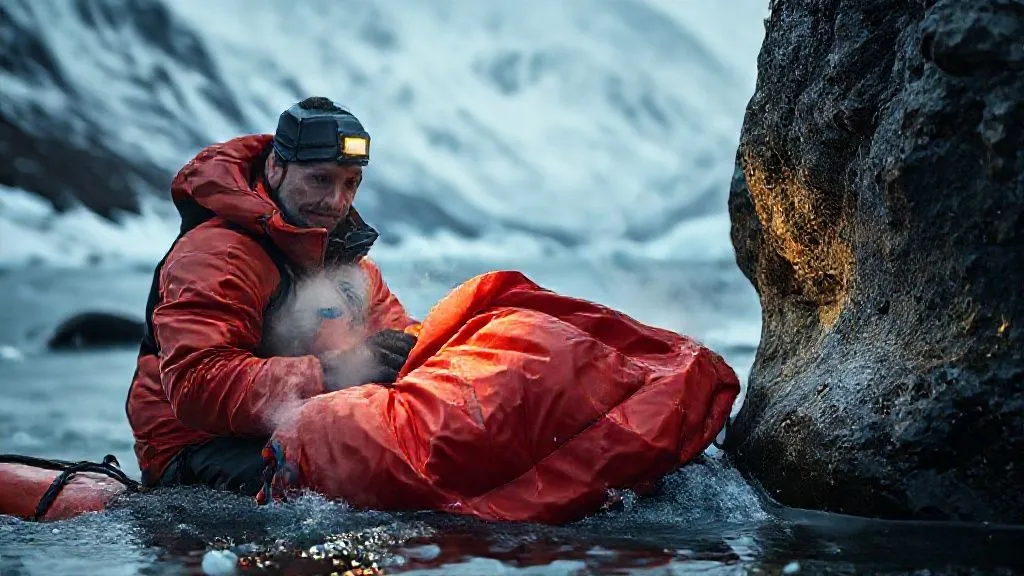
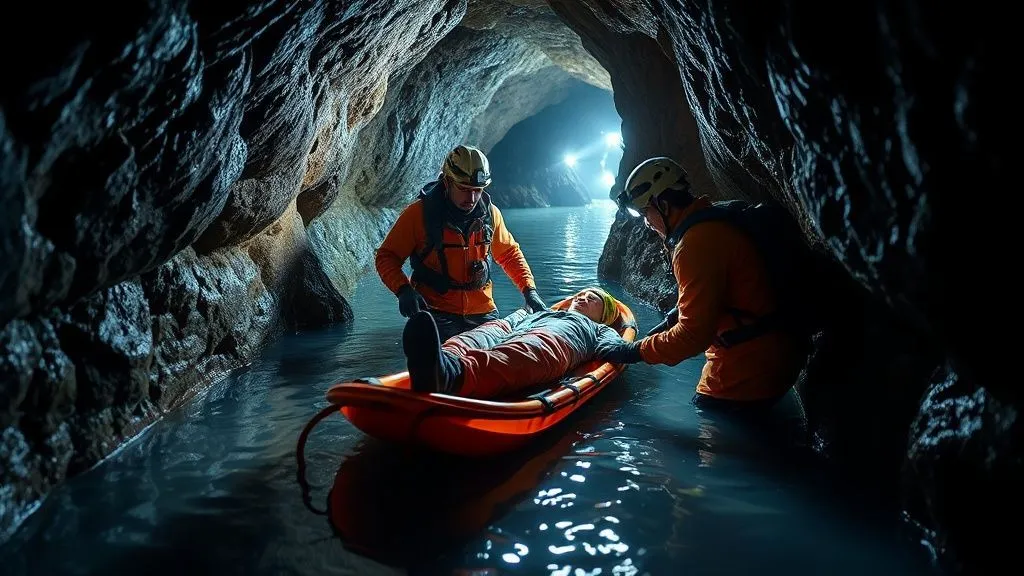
- Rapid, Gentle Rescue: If the person is in the water, get them out as quickly and gently as possible. Avoid rough handling, as jostling a severely hypothermic person can trigger ventricular fibrillation, a fatal heart rhythm.
- Find Dry, Sheltered Ground: Move them to the driest, most sheltered spot available. This might be inside a tent, under a tarp, or even behind a large rock face. The goal is to create a microclimate.
- Establish a Wind Break: Wind is a major contributor to heat loss. Use rafts, tarps, or natural features to create an effective wind barrier around the victim.
Step 2: Remove Wet Clothing & Insulate
Wet clothing conducts heat away from the body 25 times faster than dry clothing. This step is non-negotiable, even if it feels counterintuitive to expose them to the cold for a moment.
- Cut, Don't Strip: If clothing is difficult to remove, cut it off. Minimize movement.
- Layer with Dry Insulation: Immediately replace wet clothing with multiple layers of dry, insulating material. Wool, fleece, and synthetic puffy jackets are ideal. Focus on the core (torso, head, neck, groin).
- Create a Vapor Barrier: Once insulated, wrap the victim in a waterproof/windproof outer layer or an emergency space blanket. This prevents evaporative and convective heat loss and traps radiant heat.
Step 3: Monitor Vitals & Assess Consciousness
With severe hypothermia, vital signs can be incredibly difficult to detect. Don't assume the worst too quickly.
- Check Pulse (Carotid): Feel for a pulse in the carotid artery (neck) for at least 60 seconds. A severely hypothermic heart rate can be as low as 2-3 beats per minute.
- Check Breathing: Observe for chest rise and fall for at least 60 seconds. Breathing can be extremely shallow and infrequent.
- Assess Mental Status: Even if unconscious, try a verbal stimulus (call their name) or a gentle pain stimulus (sternal rub) to gauge responsiveness.
| Severity | Core Temp | Key Symptoms | Immediate Actions |
|---|---|---|---|
| Mild | 90-95°F (32-35°C) | Shivering, minor confusion | Dry clothes, warm drinks, moderate activity |
| Moderate | 82-90°F (28-32°C) | No shivering, apathy, unconsciousness possible | Gentle handling, full insulation, passive rewarming |
| Severe | <82°F (<28°C) | Unconscious, rigid, no detectable pulse/breathing | Gentle handling, full insulation, active rewarming, prepare for CPR/evacuation |
Rewarming Strategies in the Wilderness
Once the immediate threats are addressed, the focus shifts to rewarming. In a remote setting, you won't have access to hospital-grade equipment, so you must rely on effective wilderness techniques.
Passive External Rewarming (Mild to Moderate)
This is the safest method and is generally suitable for conscious individuals with mild to moderate hypothermia who are still able to shiver.
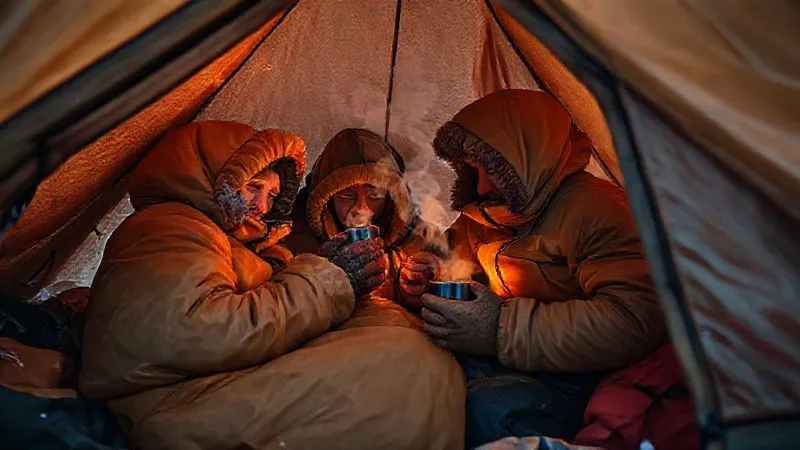
- Shared Body Heat: The most effective method is to get the hypothermic person into a sleeping bag (preferably a warm one) with a warm, non-hypothermic person (skin-to-skin contact is ideal). This transfers core body heat directly.
- Warm Sleeping Bag System: Utilize multiple sleeping bags, liners, and emergency blankets. Create a 'burrito' wrap to maximize insulation.
- Heated Fluids (Carefully): If available and the person is conscious and able to swallow, offer warm, sweet, non-alcoholic, non-caffeinated drinks. This provides both warmth and energy.
Active External Rewarming (Moderate to Severe - Cautious Approach)
For individuals with moderate to severe hypothermia, active external rewarming may be considered, but it must be done with extreme caution to avoid 'afterdrop'. Afterdrop occurs when cold blood from the extremities returns to the core, causing a further drop in core temperature and potentially triggering cardiac arrest.
- Apply Warm Packs to Core Areas: Focus on the neck, armpits, and groin. These areas have large blood vessels close to the surface. Use warm (not hot!) water bottles, chemical heat packs, or warm compresses. Ensure there's a layer of cloth between the heat source and skin to prevent burns.
- Avoid Extremity Warming: Do NOT massage or rub the limbs. Do NOT apply heat directly to hands or feet. This can cause afterdrop. Keep the extremities insulated but do not actively warm them.
- Monitor Closely: Watch for any signs of deterioration or cardiac distress.
Case Study: The Grand Canyon Rescue
During a challenging late-season Grand Canyon rafting trip, a sudden swim in frigid rapids left one of our team, Sarah, severely hypothermic. She was pulled from the water unconscious, shivering violently, and her movements were uncoordinated. Following the Golden Hour Protocol, we immediately pulled her onto a sandbar, behind a large rock for wind protection. We quickly cut off her wet clothes, replacing them with dry wool base layers, a puffy jacket, and two sleeping bags, wrapped tightly in a tarp. Two team members, both warm and dry, entered the sleeping bag with her, providing crucial skin-to-skin contact. We carefully placed warm water bottles (insulated with socks) under her armpits and groin. Within two hours, her shivering returned, and she began to respond to verbal commands. This rapid, coordinated response, focusing on core rewarming and preventing afterdrop, was instrumental in her recovery before eventual evacuation.
The Role of Nutrition and Hydration (If Conscious)
For a conscious hypothermic individual, providing appropriate nutrition and hydration is a vital component of the rewarming process. The body expends a tremendous amount of energy trying to generate heat, and these stores need replenishment.
- Warm, Sugary Drinks: Offer warm liquids like hot cocoa, sweetened tea, or broth. The warmth provides comfort, and the sugars provide readily available energy.
- High-Calorie Snacks: Provide easily digestible, high-calorie foods such as energy bars, trail mix, or chocolate. These fuel the metabolic processes required for heat production.
- Maintain Hydration: Dehydration can exacerbate hypothermia. Encourage sips of water or warm drinks to maintain hydration.
Crucial Warning: Absolutely avoid alcohol and caffeine. Alcohol causes vasodilation, which makes you feel warmer but actually increases heat loss. Caffeine can contribute to dehydration and may increase the risk of cardiac arrhythmias in a compromised system.
Evacuation and Communication Protocols
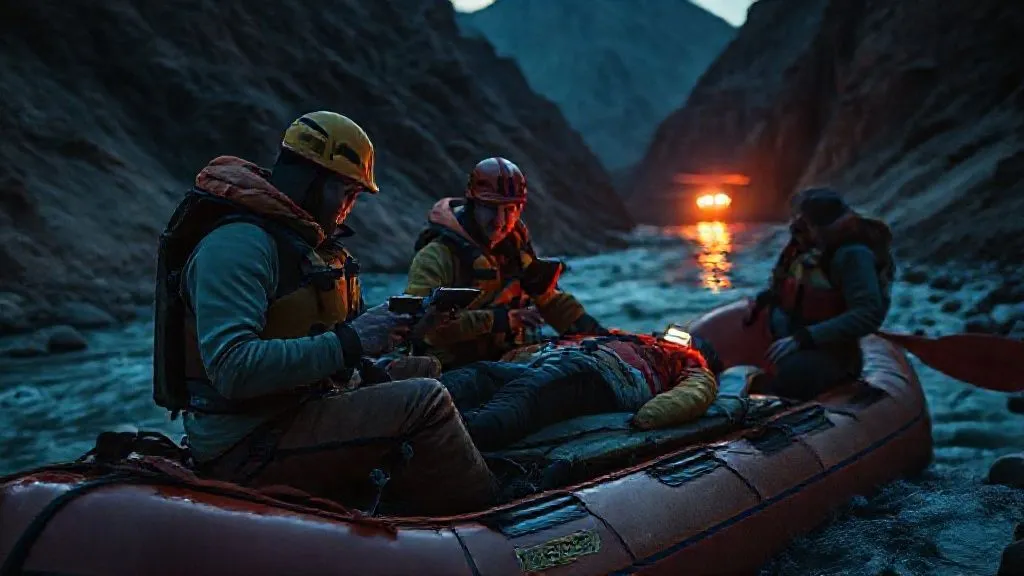
Knowing when and how to call for help is a critical aspect of managing severe hypothermia in a remote environment. While you are the immediate first responder, professional medical evacuation is often necessary for severe cases, especially those with altered mental status or loss of consciousness.
Satellite Communication Devices
Modern technology has revolutionized wilderness communication. These devices are non-negotiable for remote trips.
- Satellite Phone: Provides two-way voice communication, allowing you to speak directly with emergency services.
- Satellite Messenger (e.g., Garmin InReach): Offers two-way text messaging and GPS tracking. You can communicate your situation and location to rescuers.
- EPIRB/PLB (Emergency Position-Indicating Radio Beacon/Personal Locator Beacon): These devices send a distress signal with your location to a global search and rescue network. They are for critical, life-threatening emergencies.
Before your trip, ensure your chosen device is fully charged, tested, and you understand its operation. Have a clear emergency protocol in place, including who to contact and what information to relay.
Preparing for Evacuation
Once you've initiated an emergency call, prepare the scene for the arrival of rescuers, which is most often a helicopter in remote river environments.
- Clear a Landing Zone: Identify and clear a flat, open area free of obstructions (trees, high rocks) for a helicopter landing, if possible. Mark it clearly.
- Signal Rescuers: Use bright tarps, signal mirrors, or a strobe light to attract attention. If communicating verbally, provide clear landmarks.
- Prepare Medical Information: Have a concise summary of the patient's condition, estimated core temperature, vital signs, and interventions already administered.
Never underestimate the time it takes for rescue to arrive in truly remote locations. Your ability to stabilize the patient and communicate effectively is paramount in bridging that gap.
According to the Wilderness Medical Society, effective communication of patient status and environmental conditions significantly improves rescue outcomes. It allows rescue teams to mobilize with the appropriate resources and expertise, saving precious time.

Advanced Considerations: CPR and Defibrillation
When dealing with severe hypothermia, particularly when a person appears unconscious and without a pulse or breathing, a critical principle in wilderness medicine comes into play: "No one is dead until they are warm and dead."
- Continuous CPR: If a severely hypothermic individual is unresponsive and has no detectable pulse or breathing after a thorough 60-second check, initiate CPR immediately. Continue CPR until professional medical help arrives or you are physically unable to continue. The cold protects the brain and other organs, meaning resuscitation can be successful even after prolonged periods without vital signs.
- AED Use (If Available and Trained): If you have an Automated External Defibrillator (AED) and are trained in its use, apply it. However, be aware that the heart of a severely hypothermic person may not respond to defibrillation until their core temperature has risen. Follow the AED's prompts, but prioritize rewarming.
The decision to initiate or continue CPR in a remote setting is incredibly difficult, both physically and emotionally. It requires immense mental fortitude and commitment. However, I've seen miracles happen on the river, and the chance of survival, however slim, warrants the effort in these extreme cases.
For more detailed guidelines on resuscitation in hypothermia, I highly recommend consulting resources from organizations like the National Outdoor Leadership School (NOLS) or the American Heart Association, which often incorporate wilderness medical principles into their advanced first aid training.
Prevention: The Best Cure on the River
As with most wilderness emergencies, prevention is always superior to treatment. Proactive measures can drastically reduce your risk of encountering severe hypothermia on a remote white water rafting trip. I've always preached that the best gear is the gear you never have to use for an emergency, but is there when you need it.
Gear Check: Dry Suits, Wetsuits, Layers
Your clothing system is your primary defense against the cold.
- Dry Suits: For cold water (below 60°F/15°C) and cold air temperatures, a dry suit is the gold standard. It keeps you completely dry underneath, allowing your insulation layers to work effectively.
- Wetsuits: For moderately cold water (60-70°F/15-21°C), a wetsuit provides excellent insulation by trapping a thin layer of water against your skin, which your body warms.
- Layering Strategy: Regardless of your outer shell, always wear multiple layers of synthetic or wool clothing underneath. Avoid cotton, which loses its insulating properties when wet. Think wicking base layers, insulating mid-layers, and a waterproof/windproof outer layer.
- Head and Hand Protection: A significant amount of heat is lost through the head and extremities. Always wear a warm hat (wool or fleece) and neoprene gloves or mitts.
Nutrition & Hydration Throughout the Trip
Maintaining your body's internal furnace requires consistent fuel and fluid intake.
- Consistent Calorie Intake: Eat regularly and ensure your meals and snacks are high in calories. Your body burns more calories in cold environments.
- Stay Hydrated: Drink plenty of water throughout the day, even if you don't feel thirsty. Dehydration impairs your body's ability to regulate temperature.
Team Preparedness & Training
A well-prepared team is an effective team.
- Wilderness First Aid (WFA) / Wilderness First Responder (WFR): Ensure at least one, preferably multiple, members of your crew have advanced wilderness medical training. These courses specifically address hypothermia management in remote settings.
- Practice Rescue Skills: Regularly practice 'man overboard' drills and cold water rescue techniques. The more fluid and efficient your team is, the faster you can get a hypothermic person out of the water.
- Pre-Trip Briefings: Discuss potential hazards, emergency protocols, and individual responsibilities before you even launch.
| Item | Importance | Notes |
|---|---|---|
| Dry Suit / Wetsuit | Critical | Matched to water temp, quality construction |
| Synthetic/Wool Base Layers | Critical | No cotton; multiple layers |
| Insulating Mid-Layers | High | Fleece or puffy synthetic jacket |
| Waterproof/Windproof Outer Shell | High | For camp and emergencies |
| Warm Hat & Gloves/Mitts | Critical | Neoprene for on-water, wool/fleece for camp |
| Emergency Space Blankets | Critical | Multiple per person |
| Expedition-Grade Sleeping Bags | High | Rated for colder than expected temps |
| Closed-Cell Foam Pad | High | Insulation from cold ground |
| Hot Water Bottles / Chemical Warmers | Medium | For active rewarming (caution) |
| Satellite Communication Device | Critical | Tested, charged, with emergency contacts |
| High-Calorie Snacks & Warm Drinks | High | Accessible and plentiful |
Frequently Asked Questions (FAQ)
Question? Can I give a severely hypothermic person alcohol to warm them up?
Answer: Absolutely not. This is a dangerous myth. Alcohol causes vasodilation, which means blood vessels near the skin surface open up, making you *feel* warmer. However, this actually increases heat loss from the body's core, exacerbating hypothermia and potentially leading to a more rapid decline in core temperature. It also impairs judgment and coordination, which are already compromised.
Question? What is "afterdrop" and how do I prevent it?
Answer: Afterdrop is a phenomenon where the core body temperature continues to drop even after the hypothermic person has been removed from the cold environment and rewarming efforts have begun. This occurs when cold blood from the extremities (limbs) returns to the warmer core, causing a further decrease in core temperature. To prevent it, focus rewarming efforts on the core (neck, armpits, groin) and avoid actively warming the limbs. Handle the patient gently to minimize blood circulation.
Question? How long can someone survive severe hypothermia?
Answer: There are documented cases of individuals surviving for many hours, sometimes even days, in severe hypothermia, particularly in cold water immersion incidents. The cold acts as a protective mechanism, slowing down metabolic processes and reducing the oxygen demand of organs like the brain. This is why the principle "not dead until warm and dead" is so important. Continuous CPR and rewarming are critical, as resuscitation can be successful even after prolonged periods without vital signs.
Question? Should I rub limbs to warm them up?
Answer: No, you should never rub or vigorously massage the limbs of a severely hypothermic person. This can force cold, acidic blood from the extremities back into the core circulation, potentially triggering afterdrop and precipitating a fatal cardiac arrhythmia. Gentle handling and focusing heat on the core are the correct approaches.
Question? What's the single most important item for preventing hypothermia on a rafting trip?
Answer: While many items are crucial, I would argue that a high-quality, properly fitted dry suit (for cold water) or wetsuit (for moderately cold water) combined with appropriate layering is the single most important piece of personal gear for preventing hypothermia during the active rafting portion of a trip. It directly addresses the primary cause of rapid heat loss: wetness and exposure to cold water/wind. However, a well-trained and prepared team is arguably the most important 'asset' overall.
Key Takeaways and Final Thoughts
Managing severe hypothermia during a remote white water rafting trip is a daunting challenge, but it's one you can face with confidence if you're adequately prepared. This isn't just about knowing facts; it's about developing the instincts, skills, and preparedness to act decisively when lives hang in the balance.
- Recognize Early: Understand the stages of hypothermia and watch for subtle signs in yourself and your team.
- Act Swiftly: The Golden Hour Protocol—get them out of the cold, dry them, insulate them, and protect them from elements—is your immediate roadmap.
- Rewarm Smart: Prioritize passive rewarming for milder cases and exercise extreme caution with active rewarming to prevent afterdrop.
- Communicate & Evacuate: Master your communication devices and protocols to summon professional help when necessary.
- Prevent Relentlessly: Invest in proper gear, maintain nutrition, and train your team in wilderness first aid and rescue techniques.
The river is a demanding teacher, and its lessons are often unforgiving. By internalizing these principles, practicing your skills, and fostering a culture of preparedness within your rafting crew, you not only enhance the safety of your adventures but also gain the profound confidence that comes from knowing you can rise to meet its greatest challenges. Stay warm, stay safe, and may your paddles always find the flow.
Recommended Reading
- Unlock Europe: The Ultimate Guide to Interrail Travel Days Explained
- 5 Steps: What to Do When Hotel Construction Blocks Your Ocean View
- Unlock Seamless Travel: How to Prepare for an Overnight Train Journey
- Space Tourism for All? The Future of Affordable Space Travel
- 5 Proven Ways to Verify Farm-to-Table Authenticity for Food Travel


Your email address will not be published. Required fields are marked *