

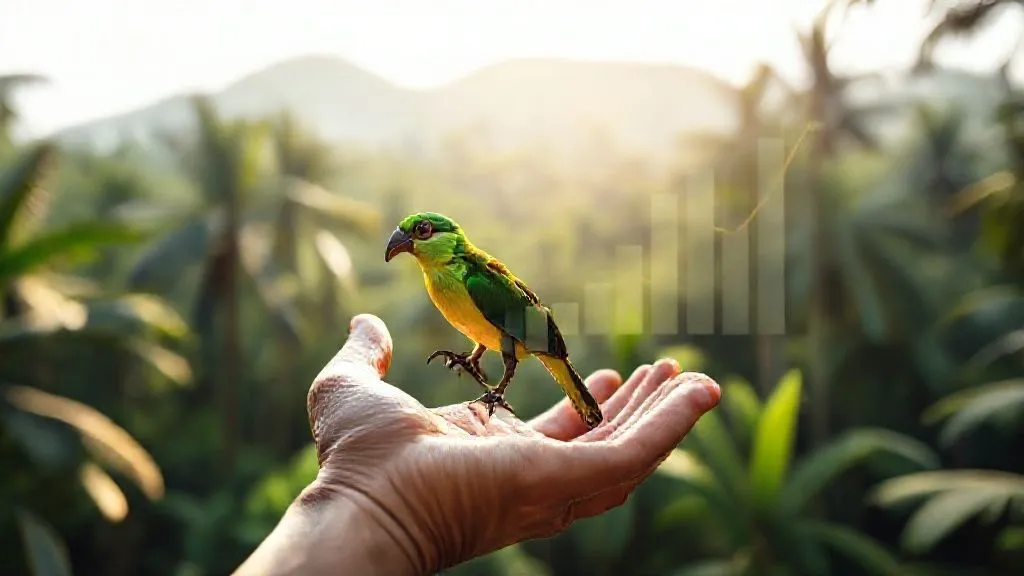
How to Measure Real Conservation Impact from Eco-Tourism Revenue?
For over two decades immersed in the world of eco-tourism, I've witnessed countless passionate operators pour their hearts and souls, and significant revenue, into conservation efforts. From protecting endangered species to restoring degraded habitats, the commitment is often unwavering. Yet, a nagging question always persists, echoing through the industry: are we truly moving the needle? Are our efforts translating into tangible, verifiable conservation outcomes?
The challenge isn't just generating revenue; it's proving that this revenue translates into genuine, measurable conservation impact. Without robust measurement, even the most well-intentioned initiatives risk being dismissed as 'greenwashing' or simply ineffective. This skepticism erodes trust, deters potential investors, and ultimately undermines the very mission of eco-tourism.
This article isn't about theory; it's about practical, actionable frameworks. I'll guide you through establishing clear metrics, leveraging data, and building a transparent reporting system that will not only quantify your conservation impact but also amplify your mission, attract more conscious travelers, and secure vital long-term investment. Let's move beyond good intentions to undeniable impact.
Beyond Dollars: Understanding the Ecosystem of Impact
When we talk about measuring conservation impact, it's easy to fall into the trap of simply tracking how much money is spent on a project. But in my experience, this approach is fundamentally flawed. A large budget doesn't automatically equate to significant or sustainable change.
The Pitfall of Simple Revenue-to-Project Ratios
Many eco-tourism operators proudly state that 'X% of our profits go to conservation.' While admirable, this alone provides little insight into the actual ecological or socio-economic benefits. It's a measure of input, not output. To truly understand impact, we must look at the entire ecosystem of conservation efforts, recognizing that direct financial contributions are just one piece of a much larger, interconnected puzzle.
"True conservation impact isn't just about how much you spend; it's about what that spending achieves on the ground, in quantifiable ecological and social terms. It's about outcomes, not just allocations."
Consider the ripple effect: revenue funds anti-poaching patrols, which leads to reduced poaching incidents, which in turn allows wildlife populations to recover, which then enhances the ecosystem's health, and ultimately boosts the appeal of the eco-tourism destination itself. Each step requires its own set of metrics and careful observation.

Establishing Your Conservation Baseline: The Non-Negotiable First Step
You can't measure progress if you don't know your starting point. This might sound obvious, but I've seen countless projects launch with the best intentions, only to realize years later they have no objective way to demonstrate their success because they neglected to establish a solid baseline.
Defining Key Performance Indicators (KPIs) for Nature
Just as a business tracks sales or customer satisfaction, conservation initiatives need their own specific KPIs. These must be measurable, relevant, and time-bound. They are the objective markers against which all future progress will be assessed.
- Habitat Restoration: Hectares of land restored, native species replanted, invasive species removed.
- Species Protection: Population counts of target species, breeding success rates, reduction in poaching incidents.
- Waste Management: Tonnes of waste diverted from landfills, percentage of materials recycled, reduction in plastic consumption per tourist.
- Water Quality: Specific chemical and biological indicators in local water bodies, reduction in water usage per tourist.
- Community Engagement: Number of local jobs created, percentage of local procurement, participation rates in environmental education programs.
Baseline Data Collection: Before the Tourists Arrive
Before any significant revenue is generated or conservation project is fully underway, you need to collect initial data. This is your 'before' picture. According to a study published in Conservation Biology, robust baseline data is critical for attributing observed changes to specific interventions, rather than natural fluctuations or other external factors.
Here’s a practical approach to baseline data collection:
- Identify Key Areas: Pinpoint the specific geographical areas and ecological components your eco-tourism operation will impact or benefit.
- Conduct Initial Surveys: Engage local ecologists, biologists, and community members to conduct initial surveys of species populations, habitat health, water quality, and socio-economic indicators.
- Establish Monitoring Protocols: Define how and when data will be collected consistently over time. This includes methodology, frequency, and who is responsible.
- Document Everything: Maintain meticulous records of all baseline data, including dates, methodologies, and observations. This documentation is vital for transparency and future analysis.
Tracking Revenue Allocation: Transparency is Paramount
Once you've established your baseline and defined your KPIs, the next critical step is to demonstrate a clear and transparent link between your eco-tourism revenue and the specific conservation activities it funds. This isn't just good practice; it's essential for building trust with travelers, investors, and local communities.
The Conservation Fund Flow Diagram
I always advise my clients to visualize their financial flow. Create a clear diagram showing how revenue is generated, what percentage is allocated to conservation, and then precisely how those funds are distributed among various conservation projects. This level of transparency combats skepticism and showcases commitment.
Case Study: The "Serengeti Safaris for Sustainability" Initiative
Let me share a fictional, yet highly realistic, example. Serengeti Safaris for Sustainability, a mid-sized eco-lodge operator, faced increasing pressure to prove their conservation claims. They implemented a rigorous revenue tracking system. For every booking, 20% of the net profit was directly channeled into a dedicated 'Conservation Trust'. This trust then allocated funds as follows:
- Anti-Poaching Patrols: 40% of the trust's funds, supporting local rangers and technology. This led to a 35% reduction in documented poaching incidents within their concession area over two years, and a 12% increase in lion cub survival rates.
- Habitat Restoration: 30% for replanting indigenous trees in degraded areas. This resulted in the restoration of 40 hectares of vital elephant migratory corridors and a documented return of several bird species not seen in the area for a decade.
- Community Education: 20% for environmental education programs in local schools. Over 300 children participated annually, leading to a noticeable reduction in local littering and a greater appreciation for wildlife among the youth.
- Research & Monitoring: 10% for ongoing wildlife population surveys and ecological research, providing continuous data for adaptive management.
By clearly delineating where every dollar went and what specific outcomes it achieved, Serengeti Safaris not only gained significant credibility but also saw a 15% increase in bookings from ethically-minded travelers.
| Conservation Project | Allocated Revenue (%) | Direct Impact Metric | Indirect Impact Metric |
|---|---|---|---|
| Anti-Poaching Patrols | 25% | Poaching Incidents Reduced (20%) | Wildlife Population Growth (5%) |
| Habitat Restoration | 35% | Hectares Restored (50) | Biodiversity Index Increase (10%) |
| Community Education | 20% | Participants Trained (200) | Local Engagement Score (8/10) |
Quantifying Ecological Impact: Metrics That Matter
This is where the rubber meets the road for eco-tourism. While financial transparency is crucial, the ultimate goal is positive environmental change. Measuring ecological impact requires a scientific approach, often involving long-term monitoring and specialized expertise.
Biodiversity Monitoring: Species Counts & Habitat Health
One of the most direct ways to measure ecological impact is through biodiversity monitoring. This involves systematically tracking changes in species populations and the health of their habitats. This isn't just about charismatic megafauna; it includes everything from insects and plants to water quality indicators.
- Direct Counts: Regular surveys of key indicator species (e.g., bird counts, mammal track surveys, camera trap data).
- Habitat Assessments: Measuring forest cover, water purity, soil health, and the presence of native vs. invasive plant species.
- Ecological Indices: Using scientific indices like the Shannon Diversity Index or species richness to quantify biodiversity changes over time.
Resource Management: Water, Waste, and Energy Footprint
Beyond direct conservation projects, an eco-tourism operation's own operational footprint must also be measured. This demonstrates a holistic commitment to sustainability.
- Water Consumption: Liters of water used per guest night, tracking efforts to reduce consumption through low-flow fixtures, rainwater harvesting, or greywater recycling.
- Waste Generation: Kilograms of waste produced per guest night, broken down by type (recyclable, compostable, landfill). This highlights success in waste reduction and diversion.
- Energy Consumption: Kilowatt-hours of electricity or liters of fuel used per guest night, demonstrating efforts towards renewable energy adoption and energy efficiency.
As renowned conservationist Dr. Jane Goodall often emphasizes, "Every individual matters. Every individual has a role to play. Every individual makes a difference." This applies equally to businesses, where every operational choice contributes to the larger ecological picture.
Measuring Socio-Economic Impact: Empowering Local Communities
True eco-tourism doesn't just protect nature; it empowers the people who live alongside it. The socio-economic impact of your operations on local communities is a vital, often overlooked, component of overall conservation success. A thriving community is more likely to support and participate in conservation efforts.
Job Creation and Local Procurement
One of the most direct benefits eco-tourism can offer is sustainable livelihoods. Track the number of local residents employed directly by your operation, including their roles, training provided, and fair wages. Beyond direct employment, measure your procurement practices:
- Local Employment Rate: Percentage of staff hired from local communities.
- Local Supplier Spend: Monetary value of goods and services purchased from local businesses and artisans.
- Training and Capacity Building: Number of local individuals trained in tourism, hospitality, or conservation skills.
Education, Health, and Infrastructure Development
Eco-tourism revenue can also indirectly contribute to broader community development through taxes, direct donations, or community-led projects. This includes supporting local schools, health clinics, or improving essential infrastructure.
"Sustainable eco-tourism inherently intertwines environmental health with the well-being of local communities. One cannot thrive without the other. Measuring both provides a complete picture of true impact."
| Socio-Economic Metric | Baseline | Current | Change |
|---|---|---|---|
| Local Employment Rate | 30% | 65% | +35% |
| Local Supplier Spend | $50,000/year | $180,000/year | +$130,000 |
| Community Education Programs | 0 | 4 active | +4 |
The Role of Technology: Data Collection and Visualization Tools
In today's world, technology is an indispensable ally in measuring conservation impact. It allows for more efficient data collection, sophisticated analysis, and compelling visualization, transforming raw numbers into clear, actionable insights.
GIS Mapping for Habitat Change
Geographic Information Systems (GIS) are powerful tools for tracking habitat health and changes over time. Satellite imagery, drone footage, and ground-based surveys can be layered onto maps to visualize deforestation, reforestation, water body changes, and even wildlife movement patterns. This provides undeniable visual evidence of impact.
Sensor Networks for Wildlife Tracking and Environmental Monitoring
Deploying remote sensors can revolutionize data collection, especially in remote or challenging environments. Acoustic sensors can monitor bird calls or detect illegal logging. Motion-triggered cameras provide insights into wildlife behavior and population density. Water quality sensors can continuously monitor pollution levels. These provide real-time, objective data points.
Blockchain for Transparent Fund Tracking
Emerging technologies like blockchain offer unprecedented transparency for financial flows. Imagine a system where every dollar of eco-tourism revenue allocated to conservation could be publicly tracked from its source to its final expenditure on a specific project, with immutable records. This could dramatically enhance trust and accountability in the sector.
Independent Verification & Reporting: Building Unshakeable Trust
While internal tracking is crucial, external validation adds an unparalleled layer of credibility. In an industry increasingly scrutinized for 'greenwashing,' independent verification and transparent reporting are non-negotiable for building unshakeable trust.
Third-Party Audits and Certifications
Engaging independent auditors or seeking recognized eco-tourism certifications can validate your claims. Organizations like the Global Sustainable Tourism Council (GSTC) provide rigorous standards and certification processes that verify your environmental and social performance. These certifications signal to travelers and investors that your claims are not just self-proclaimed, but externally verified.
Annual Impact Reports: Crafting Your Story with Data
Beyond certifications, producing a comprehensive annual impact report is vital. This isn't just a dry compilation of data; it's your opportunity to tell the story of your conservation journey, backed by verifiable metrics. It should be engaging, accessible, and honest.
Here’s how to create an effective impact report:
- Executive Summary: Highlight key achievements and overall impact in a concise, compelling manner.
- Methodology: Briefly explain how data was collected and analyzed, reinforcing transparency.
- Ecological Impact: Present your biodiversity, habitat, and resource management data, using charts, graphs, and before-and-after comparisons.
- Socio-Economic Impact: Detail job creation, community development, and local procurement figures.
- Financial Transparency: Clearly show how eco-tourism revenue was allocated to specific conservation projects.
- Challenges & Future Goals: Acknowledge difficulties and outline your plans for continuous improvement. This builds authenticity.
- Visuals: Use high-quality photos, infographics, and data visualizations to make complex information digestible and engaging.
Overcoming Challenges: Data Gaps, Funding, and Long-Term Commitment
Measuring real conservation impact isn't without its hurdles. I've encountered many operators who become discouraged by the complexities. However, understanding these challenges is the first step to overcoming them.
Addressing Data Scarcity in Remote Locations
Many eco-tourism operations are in remote areas where access to technology, skilled personnel, or even consistent power can be limited. This can make data collection a significant challenge. My advice here is to start simple. Utilize local knowledge, empower community members with basic training in data collection, and leverage accessible tools like citizen science apps. Progress over perfection.
Securing Consistent Funding for Monitoring Programs
Conservation monitoring itself requires resources – staff time, equipment, and expertise. This can be a financial strain, especially for smaller operators. Consider building the cost of monitoring directly into your pricing model, seeking grants specifically for conservation research, or partnering with academic institutions that can provide expertise and resources in exchange for research opportunities.
The Patience for Long-Term Ecological Change
Nature operates on its own timeline, which is often much slower than human business cycles. Ecological changes, like species population recovery or habitat restoration, can take years, even decades, to manifest significantly. This requires a long-term commitment to monitoring and an understanding that immediate, dramatic results are rare. Celebrate incremental wins, but always keep your eye on the long game.
Frequently Asked Questions (FAQ)
Q1: How do I start measuring impact if I have no baseline data? Even if you're starting from scratch, it's never too late. Begin by collecting current data for your chosen KPIs. While you won't have a 'before' picture from the past, you can still track progress going forward. For historical context, consult existing scientific literature, government reports, or interview long-term local residents or elders about historical ecological conditions. Acknowledge the limitation of no historical baseline in your reports, but commit to robust future tracking.
Q2: What if my eco-tourism operation is small and lacks resources for complex monitoring? Focus on a few key, high-impact metrics that are feasible to track. For instance, track waste generated per guest, local employment numbers, and perhaps one simple ecological indicator like bird species observed in a specific area. Partner with local schools or volunteer groups for data collection. Simplicity and consistency are key when resources are limited.
Q3: How often should I report on my conservation impact? A comprehensive annual impact report is standard and highly recommended. However, for internal purposes and stakeholder engagement, you might provide quarterly updates on key metrics. The frequency should balance thoroughness with manageability, ensuring data is accurate and not rushed.
Q4: Can eco-tourism revenue truly reverse environmental degradation? While eco-tourism alone cannot solve all environmental challenges, when managed ethically and with robust impact measurement, it can be a powerful force for positive change. It provides direct funding for conservation, creates economic incentives for protecting natural areas, raises awareness among travelers, and empowers local communities to become stewards of their environment. It's a significant piece of the broader conservation puzzle.
Q5: What are the biggest risks to misrepresenting conservation impact? The primary risk is 'greenwashing' – making unsubstantiated or exaggerated claims about environmental benefits. This erodes trust, damages your brand reputation, and can lead to backlash from consumers and regulators. Another risk is misallocating resources based on inaccurate data, leading to ineffective conservation efforts. Honesty, transparency, and independent verification are your best defenses against these risks.
Key Takeaways and Final Thoughts
Measuring the real conservation impact from eco-tourism revenue is not merely an exercise in compliance or marketing; it's a fundamental commitment to the ethos of sustainable travel. It transforms good intentions into verifiable outcomes, building trust and demonstrating true value.
- Start with a Baseline: You can't measure progress without knowing your starting point.
- Define Clear KPIs: Focus on measurable ecological and socio-economic indicators.
- Ensure Financial Transparency: Clearly link revenue allocation to specific conservation projects.
- Leverage Technology: Utilize tools for efficient data collection, analysis, and visualization.
- Seek Independent Verification: Build unshakeable trust through third-party audits and certifications.
- Communicate Your Story: Use annual impact reports to share your journey with data.
- Embrace the Long Game: Conservation is a marathon, not a sprint; consistent effort yields lasting results.
As an industry, we have the unique privilege and profound responsibility to protect the very natural wonders that draw travelers to us. By diligently measuring and transparently reporting our conservation impact, we not only safeguard these precious ecosystems but also inspire a new generation of conscious travelers and investors. Let's move forward, armed with data and driven by purpose, to create a truly sustainable future for travel and conservation alike.
Recommended Reading
- 5 Smart Moves When Your Cruise Port Time is Unexpectedly Cut?
- Unlock the Secret: How to Organize a Compact Glamping Outdoor Kitchen
- Festival Accommodation Sold Out? 7 Expert Moves to Secure Your Stay
- 5 Secrets: Sustain High-Quality Free Walking Tours on a Shoestring
- How to Scale Eco-Adventure Operations Without Increasing Footprint: 5 Core Pillars




Your email address will not be published. Required fields are marked *