


How to Scale Eco-Adventure Operations Without Increasing Footprint?
For over two decades in the adventure travel sector, I've witnessed a profound shift. What began as a niche pursuit for the intrepid has blossomed into a global phenomenon. Yet, with this growth comes an inherent tension: the desire to expand operations and meet demand, juxtaposed with the fundamental ethos of eco-adventure – to protect the very environments that draw us in. I've seen countless promising ventures falter, not from lack of passion, but from a failure to navigate this delicate balance, inadvertently compromising the natural assets they sought to showcase.
The problem is stark: traditional business growth models often equate scaling with expanding physical infrastructure, increasing visitor numbers beyond carrying capacity, or simply consuming more resources. For eco-adventure operators, this path is a dead end, leading to environmental degradation, community displacement, and ultimately, the erosion of their unique selling proposition. The paradox is that while demand for authentic, low-impact experiences is surging, the blueprint for scaling these operations without escalating their ecological footprint remains elusive for many.
This article isn't just a discussion; it's a strategic roadmap. Based on years of hands-on experience and insights from leading sustainability experts, I will break down the actionable frameworks, innovative technologies, and community-centric approaches that allow eco-adventure businesses to thrive and expand their reach without leaving a heavier mark on our planet. You'll gain a clear understanding of how to scale eco-adventure operations without increasing footprint, bolster your brand's integrity, and secure a resilient future for your operations.
The Core Challenge: Balancing Growth with Conservation
Before we dive into solutions, let's candidly address the elephant in the room. Scaling an eco-adventure business isn't just about more bookings or higher revenue; it's about managing impact. Every decision, from a new trail to an expanded fleet of kayaks, has a ripple effect. The core challenge lies in understanding these impacts and proactively mitigating them while still achieving commercial viability. It requires a fundamental shift in mindset from traditional growth paradigms.
In my experience, many operators start with good intentions but lack the strategic framework to assess and manage their environmental and social footprint as they grow. They might focus on one aspect, like waste reduction, but overlook the cumulative impact of increased visitor traffic or supply chain emissions. This oversight can quickly erode the very 'eco' credentials that attract their discerning clientele.
"Sustainable scaling isn't about doing less; it's about doing more with less impact, intelligently and intentionally."
To truly scale sustainably, operators must embrace a holistic view, considering:
- Ecological Carrying Capacity: Understanding the maximum number of people or activities an area can sustain without irreversible degradation.
- Socio-Cultural Preservation: Ensuring that growth benefits local communities and respects indigenous traditions, rather than displacing or commodifying them.
- Economic Viability: Creating a business model that is profitable enough to reinvest in conservation and community development, not just shareholder returns.
According to a report by the World Tourism Organization (UNWTO), sustainable tourism is defined by its ability to take full account of its current and future economic, social and environmental impacts, addressing the needs of visitors, the industry, the environment and host communities. This underscores the multi-faceted nature of the challenge. Learn more about UNWTO's sustainable development goals in tourism.
The key is to integrate sustainability principles into the very DNA of your business model, moving beyond mere compliance to genuine innovation.
Leveraging Technology for Low-Impact Expansion
Technology, often seen as a driver of consumption, can be a powerful ally in achieving low-impact growth. It allows us to optimize, connect, and even simulate experiences without physical expansion. I've personally seen how a smart application of tech can dramatically reduce operational footprint while enhancing guest experience and expanding reach.
Digitalization for Efficiency and Reduced Waste
One of the most immediate impacts comes from digitizing operations. Moving away from paper-based systems for bookings, waivers, and information packs isn't just convenient; it saves trees and reduces waste. Consider a seamless online booking system that also provides pre-trip briefings, safety videos, and local cultural etiquette guides, all accessible via a mobile device.
Smart Logistics and Route Optimization
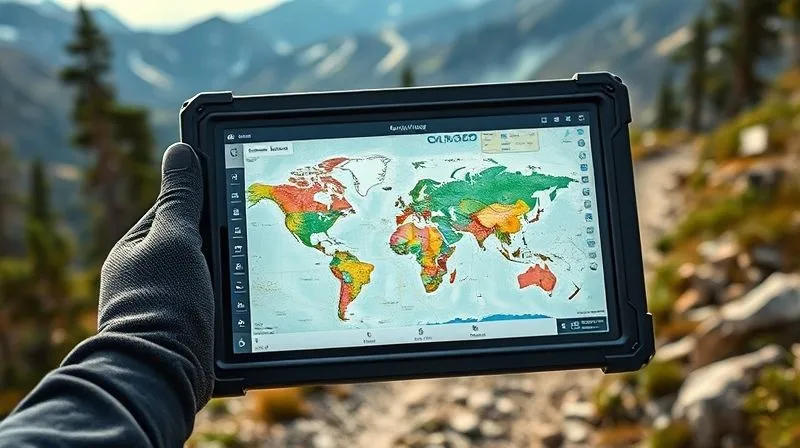
GPS tracking and data analytics can revolutionize how you manage tours. By analyzing traffic patterns, ecological sensitivities, and seasonal variations, you can optimize routes to minimize erosion, reduce fuel consumption for transport, and disperse visitors more effectively, preventing overcrowding at sensitive sites. This means fewer vehicles, less disturbance, and a better experience for everyone.
For instance, implementing a dynamic scheduling system that groups guests by location or interest can significantly reduce the number of separate transport trips. This not only cuts down on emissions but also streamlines operations, leading to cost savings that can be reinvested into conservation efforts.
Virtual and Augmented Reality for Pre-Experience & Education
Imagine offering a virtual reality (VR) preview of a challenging trek or a delicate coral reef. This doesn't replace the real experience but enhances it. It can serve as a powerful educational tool, preparing guests for what to expect, teaching them about local flora and fauna, and emphasizing responsible behavior before they even set foot on site. VR can also offer access to highly sensitive or restricted areas without causing any physical disturbance, serving as a 'virtual visit' for those unable to travel.
Augmented reality (AR) apps can enrich on-site experiences by providing information about landmarks, wildlife, or cultural sites in real-time without the need for physical signage or printed materials, further reducing visual pollution and waste.
Case Study: Eco-Connect Adventures' Digital Transformation
Eco-Connect Adventures, a small guiding company operating in Patagonia, faced the challenge of growing demand outpacing their physical capacity without wanting to build new infrastructure. By implementing a comprehensive digital strategy, they achieved remarkable results. They developed a custom app for pre-trip education and digital waivers, used GPS-enabled tracking for guides to optimize routes and monitor ecological impact in real-time, and even offered a premium VR experience of their most remote treks for educational purposes. This allowed them to increase their booking capacity by 25% by optimizing existing resources, reduce paper waste by 90%, and significantly enhance visitor preparedness and satisfaction, all while keeping their physical footprint unchanged.
The initial investment in technology paid off quickly through increased efficiency, reduced operational costs, and an enhanced brand image as an innovative, truly sustainable operator.
Optimizing Existing Resources: The Efficiency Imperative
One of the most overlooked aspects of scaling without increasing footprint is the rigorous optimization of your current assets. This isn't just about being 'green'; it's about shrewd business management. By maximizing the lifespan and utility of everything you already have, you defer the need for new purchases and expansions, directly translating to reduced environmental impact and often, significant cost savings.
Extended Lifespan and Maintenance Protocols
From vehicles to kayaks, tents to safety equipment, proactive maintenance can double or triple the operational life of your assets. This means less manufacturing demand, fewer resources consumed, and less waste generated. I've always advocated for a 'repair, don't replace' philosophy, coupled with investing in high-quality, durable goods from the outset.
- Implement a Scheduled Maintenance Program: Beyond basic checks, establish a detailed schedule for deep cleaning, lubrication, part replacement, and structural inspections for all equipment.
- Train Staff in Basic Repairs: Empower your team to perform minor repairs on-site, reducing downtime and the need for external services or premature replacements.
- Source Durable, Repairable Equipment: Prioritize suppliers known for robust products and readily available spare parts, even if the initial cost is slightly higher.
Efficient Route Management and Visitor Flow
As mentioned in the technology section, smart routing is crucial. But beyond digital tools, it's about thoughtful planning. This includes:
- Staggered Start Times: Avoid bottlenecks at popular trailheads or activity sites by staggering guest arrival and departure times.
- Designated Pathways: Clearly mark and maintain trails to prevent visitors from straying and impacting sensitive ecosystems. Rotate access to certain areas if needed for regeneration.
- Small Group Sizes: Adhere strictly to small group policies. This not only minimizes ecological impact but also enhances the intimacy and quality of the adventure experience.
A study published in the Journal of Sustainable Tourism highlights that managing visitor flows effectively can significantly reduce environmental degradation in protected areas, demonstrating the tangible benefits of careful planning. Explore research in the Journal of Sustainable Tourism.
Local Sourcing and Circular Economy Principles
Your supply chain is a significant part of your footprint. By prioritizing local suppliers for food, equipment, and even souvenirs, you reduce transportation emissions and support the local economy. Furthermore, embracing circular economy principles – where waste is minimized and resources are reused – is paramount. This could involve:
- Composting organic waste from meals.
- Recycling or upcycling old equipment and materials.
- Using refillable water bottles and bulk supplies instead of single-use plastics.
| Resource Category | Optimization Strategy | Impact Reduction |
|---|---|---|
| Transportation | Route planning, vehicle sharing, electric vehicles | Fuel consumption, emissions, noise pollution |
| Equipment | Proactive maintenance, durable sourcing, repair & reuse | Manufacturing demand, waste generation, raw material extraction |
| Food & Supplies | Local sourcing, bulk purchases, waste composting | Food miles, packaging waste, landfill burden |
| Water & Energy | Rainwater harvesting, solar power, efficient appliances | Resource depletion, carbon footprint, utility costs |
By focusing on these efficiency measures, you're not just scaling sustainably; you're building a more resilient, cost-effective, and ethically sound operation. The answer to 'How to scale eco-adventure operations without increasing footprint?' often starts with looking inward at what you already have.
Empowering Local Communities: The Heart of Sustainable Scaling
True eco-adventure isn't just about nature; it's about people. The local communities living in and around your operational areas are not merely hosts; they are custodians of the environment and culture that define your offering. Scaling sustainably means ensuring that growth directly benefits them, fostering a symbiotic relationship that protects both the natural world and the human heritage.
Prioritizing Local Employment and Fair Wages
The most direct way to empower communities is through equitable employment. This goes beyond hiring a few local guides. It involves:
- Training and Capacity Building: Invest in training programs that equip local residents with the skills needed for various roles, from guiding and logistics to hospitality and management.
- Fair Wage Policies: Ensure that wages are not just competitive but also reflect the local cost of living and provide a dignified livelihood.
- Leadership Opportunities: Create clear pathways for local staff to advance into leadership and decision-making roles within your organization.
When locals have a vested interest in your operation, their commitment to protecting the environment and ensuring positive visitor experiences naturally strengthens. They become active partners in conservation, not just passive beneficiaries.
Supporting Local Businesses and Supply Chains
Beyond employment, actively seek out and support local enterprises. This means:
- Purchasing food and supplies from local farmers and markets.
- Partnering with local artisans for souvenirs that reflect authentic cultural heritage.
- Utilizing local transportation services and accommodation providers.
This approach keeps economic benefits circulating within the community, fostering local entrepreneurship and reducing the need for imported goods, which often have a higher carbon footprint. It strengthens the local economy, making it more resilient and less dependent on external fluctuations.

Cultural Exchange and Preservation
Scaling responsibly also means protecting and celebrating local cultures. This requires:
- Authentic Cultural Experiences: Offer genuine cultural interactions, not curated performances. Encourage guests to learn about local traditions, history, and daily life.
- Respectful Visitor Guidelines: Educate visitors on appropriate cultural etiquette and behavior to avoid misunderstandings or unintended disrespect.
- Support for Cultural Preservation Projects: Contribute a portion of profits or actively participate in initiatives aimed at preserving local languages, traditional crafts, or historical sites.
"An eco-adventure operation that doesn't uplift its host community is simply tourism with a green veneer."
By embedding community empowerment into your growth strategy, you're not just scaling your business; you're building a network of advocates and guardians for the very places you operate in. This approach directly supports sustainable growth by ensuring social sustainability is as important as environmental sustainability.
Innovative Funding Models: Investing in Green Growth
Traditional funding often prioritizes quick returns, which can sometimes conflict with the long-term, patient capital required for genuinely sustainable growth. To scale eco-adventure operations responsibly, we need to explore and embrace funding models that align with our core values and support low-impact expansion. This is where innovation in finance becomes crucial.
Impact Investing and Green Bonds
Impact investing is gaining significant traction. These are investments made with the intention to generate positive, measurable social and environmental impact alongside a financial return. For eco-adventure businesses, this means seeking out investors who are specifically looking to support ventures that protect nature, empower communities, and promote sustainable practices.
- Seek Impact Investors: Pitch your business to funds and individuals whose mandate includes environmental conservation and community development. Highlight your measurable impact metrics (e.g., hectares protected, local jobs created, carbon offset).
- Explore Green Bonds: While often for larger projects, smaller, aggregated green bond initiatives are emerging. These bonds are specifically designed to finance environmentally friendly projects.
The Global Impact Investing Network (GIIN) reports a growing market for impact investments, indicating a strong appetite for businesses that can demonstrate both profit and purpose. Discover more about impact investing at the GIIN.
Grants and Conservation Partnerships
Don't overlook non-dilutive funding. Many governmental bodies, NGOs, and philanthropic organizations offer grants specifically for conservation, sustainable tourism, or community development projects. Partnering with these organizations can provide capital, expertise, and credibility.
- Research Grant Opportunities: Identify grants from environmental foundations, tourism boards, and international development agencies that align with your mission.
- Form Strategic Partnerships: Collaborate with conservation NGOs. They might offer project funding, scientific expertise, or even co-marketing opportunities in exchange for your support in their conservation efforts.
- Crowdfunding with a Cause: Engage your customer base directly. Platforms like Kickstarter or Indiegogo can be used to fund specific low-impact expansion projects, such as electric vehicle fleets or community education centers, by appealing to your audience's shared values.
Carbon Offsets and Regenerative Tourism Funds
While the primary goal is to minimize footprint, some impact is inevitable. Carbon offsetting, when done transparently and ethically, can be part of a broader strategy. More importantly, consider establishing a 'Regenerative Tourism Fund' where a small percentage of each booking goes directly into local conservation projects or community initiatives.
"Smart capital isn't just about money; it's about aligning your financial strategy with your ecological mission to create a virtuous cycle of growth and conservation."
By diversifying your funding sources and intentionally seeking 'green capital', you can secure the resources needed to scale your eco-adventure operations without compromising your environmental integrity, proving that profitability and planetary stewardship can go hand-in-hand.
Measuring What Matters: Robust Impact Assessment and Reporting
You cannot manage what you don't measure. For eco-adventure operators striving to scale without increasing footprint, rigorous impact assessment and transparent reporting are not optional—they are foundational. This isn't just about PR; it's about genuine accountability, continuous improvement, and demonstrating your commitment to stakeholders, from investors to guests.
Defining Key Performance Indicators (KPIs) for Sustainability
Beyond financial metrics, you need to establish clear, measurable KPIs for your environmental and social performance. These should be specific to your operations and the ecosystems you work within. Examples include:
- Resource Consumption: Liters of fuel per guest-day, kWh of electricity per guest-night, cubic meters of water used.
- Waste Generation: Kilograms of non-recyclable waste per guest-day, percentage of waste diverted from landfill.
- Carbon Footprint: Total CO2e emissions from operations (transport, energy, food procurement).
- Biodiversity Impact: Number of threatened species sightings, hectares of habitat protected/restored, compliance with protected area regulations.
- Community Benefit: Percentage of local staff, total wages paid to local community, investment in local projects, guest satisfaction with cultural interactions.
- Visitor Impact: Number of visitors per trail/site, visitor satisfaction with low-impact practices, incidents of rule violations.
Tools and Technologies for Data Collection
Collecting this data doesn't have to be arduous. Technology can streamline the process:
- Sensors and IoT: Deploy sensors to monitor water usage, energy consumption, or even wildlife presence in certain areas.
- Digital Checklists and Forms: Use tablets or smartphones for guides to log observations, waste collected, or guest feedback on impact.
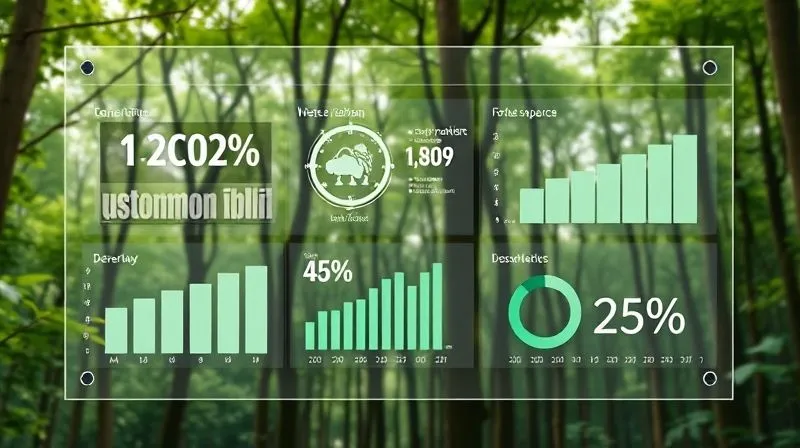
- Custom Dashboards: Aggregate data into an easy-to-understand dashboard that visually tracks your progress against KPIs.
This systematic approach allows you to identify areas for improvement and demonstrate tangible progress to your stakeholders.
Transparent Reporting and Certifications
Once you have the data, share it. Transparency builds trust and accountability. Consider:
- Annual Sustainability Reports: Publish a concise report detailing your environmental and social performance, including both successes and challenges.
- Third-Party Certifications: Pursue recognized certifications like GSTC (Global Sustainable Tourism Council), Green Globe, or specific eco-labels relevant to your region. These provide external validation of your claims.
- Public Disclosure: Share your key sustainability metrics on your website, in marketing materials, and through social media.
| Metric Category | Examples | Measurement Tools |
|---|---|---|
| Environmental | CO2e emissions, Water usage, Waste diversion rate, Habitat restoration | Smart meters, GPS tracking, Waste audits, Ecological surveys |
| Social & Cultural | Local employment rate, Community investment, Guest cultural awareness, Staff training hours | Payroll data, Project budgets, Guest surveys, HR records |
| Economic | Local supplier spend, Profit reinvested in sustainability, Revenue per guest | Accounting software, Supplier invoices, Financial statements |
By adopting robust measurement and reporting practices, you not only demonstrate a commitment to sustainable expansion with data-backed evidence but also position your brand as a leader in responsible tourism, attracting like-minded guests and investors.
Diversifying Offerings Mindfully: Quality Over Quantity
Scaling doesn't always mean reaching more people with the same product. It can also mean deepening the experience for existing audiences or reaching new, aligned audiences with carefully curated, low-impact offerings. The key is mindful diversification – expanding your portfolio without expanding your footprint.
Niche Specialization and Premium Experiences
Instead of trying to be everything to everyone, focus on developing highly specialized, premium experiences. These often command higher prices, allowing you to generate more revenue per guest, reducing the pressure to increase visitor volume. Think about:
- Advanced Skill-Based Adventures: Offer specialized climbing, diving, or survival courses that require expert guidance and attract dedicated enthusiasts.
- Themed Expeditions: Curate trips around specific interests like birdwatching, astrophotography, or indigenous cultural immersion, attracting a passionate and respectful clientele.
- Multi-Day Immersive Journeys: Design longer, more profound experiences that delve deeper into a region's ecology and culture, fostering a stronger connection and encouraging responsible behavior.
These niche markets often appreciate the value of conservation and are willing to pay a premium for experiences that align with their values, further supporting your sustainable mission.
Educational and Regenerative Tourism Programs
Integrate education and active conservation into your offerings. This not only adds immense value but can also be a powerful way to scale impact without scaling footprint. Consider:
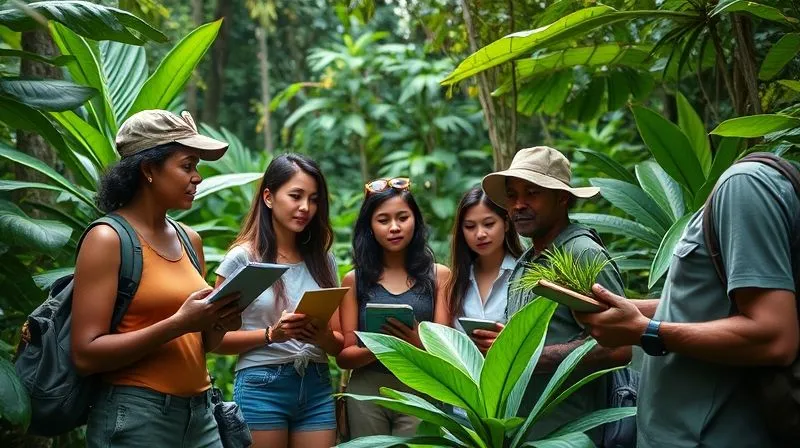
- Citizen Science Expeditions: Partner with research institutions to offer trips where guests actively contribute to scientific data collection (e.g., wildlife monitoring, plastic cleanups).
- "Leave No Trace" Workshops: Incorporate formal training on responsible outdoor ethics into your pre-trip briefings or as part of the adventure itself.
- Regenerative Travel Programs: Offer experiences where guests actively participate in reforestation, habitat restoration, or community development projects, leaving the destination better than they found it.
"True growth in eco-adventure isn't measured by how many people you bring in, but by how deeply you connect them to the place and inspire them to protect it."
This approach transforms your guests from passive consumers into active participants in conservation, creating a powerful ripple effect that extends far beyond their visit. It's a scalable model for positive impact.
Strategic Partnerships for Broader Reach
Instead of physically expanding, expand your reach through strategic collaborations. Partner with:
- Other Eco-Operators: Create joint packages that offer a wider range of experiences without either company needing to invest in new infrastructure.
- Educational Institutions: Develop programs for students or researchers, leveraging your expertise and access to unique environments.
- Responsible Travel Agencies: Work with agencies that specialize in sustainable tourism and share your values, gaining access to a pre-qualified audience.
By diversifying mindfully and focusing on quality, education, and strategic partnerships, you effectively address the challenge of growing operations without increasing footprint, scaling your influence and impact, rather than just your physical presence.
Building a Resilient Brand: Education and Advocacy
In the competitive landscape of adventure travel, a strong, resilient brand is your most valuable asset. For eco-adventure operators, this resilience is intrinsically linked to your authenticity, your unwavering commitment to sustainability, and your ability to educate and inspire your audience. Scaling your brand's influence can be far more impactful and less resource-intensive than scaling physical operations.
Authentic Storytelling and Transparency
Your brand story is your most powerful tool. Share your journey, your challenges, your successes, and your deep commitment to the environment and local communities. Be transparent about your impacts and your efforts to mitigate them. This builds trust and resonates deeply with the conscious traveler.
- Highlight Your 'Why': Clearly articulate the mission and values that drive your business.
- Show, Don't Just Tell: Use captivating photography, video, and personal narratives to illustrate your sustainable practices and community engagement.
- Admit Imperfections: Be honest about areas where you're still striving for improvement. This authenticity is far more powerful than claiming perfection.
According to a study by Nielsen, 66% of global consumers are willing to pay more for sustainable brands. This demonstrates the market demand for genuine eco-friendly businesses. Authenticity is key to capturing this market. Read Nielsen's report on consumer sustainability preferences.
Guest Education and Engagement
Your guests are your greatest advocates and potential partners in conservation. Empower them with knowledge and tools to be responsible travelers:
- Pre-Trip Briefings: Provide comprehensive information on local culture, environmental etiquette, and 'Leave No Trace' principles.
- On-Site Learning: Incorporate educational moments during your adventures, explaining the ecology, conservation challenges, and cultural significance of the places you visit.
- Post-Trip Engagement: Keep the conversation going. Share updates on conservation projects your guests contributed to, or tips for sustainable living back home.
By transforming your guests into informed environmental stewards, you amplify your message and extend your impact far beyond your direct operations. This is a scalable model for positive influence.
Advocacy and Policy Influence
As an experienced operator, your voice carries weight. Engage in advocacy efforts to influence broader policy changes that support sustainable tourism and conservation. This could involve:
- Joining industry associations focused on responsible tourism.
- Lobbying local or national governments for stronger environmental protections.
- Participating in public awareness campaigns about critical ecological issues.
"Your brand's true scale is not just in your revenue, but in the positive change you inspire and the collective action you catalyze."
Building a resilient brand through education and advocacy is a powerful strategy for achieving growth while minimizing ecological impact. It allows you to expand your sphere of influence, drive industry-wide change, and secure a more sustainable future for the entire adventure travel sector.
Frequently Asked Questions (FAQ)
Q: How can small eco-adventure businesses compete with larger, more established operators when scaling sustainably? A: Small operators actually have a unique advantage: agility and authenticity. Focus on niche, high-value, deeply immersive experiences that larger companies struggle to replicate. Leverage local partnerships and personalized service. Your ability to connect directly with guests and communities, and to adapt quickly to sustainable innovations, can be a powerful differentiator. Think 'boutique' rather than 'mass market' expansion.
Q: Is it genuinely possible to scale revenue without increasing visitor numbers? A: Absolutely. This is a core principle of sustainable scaling. It's achieved through strategies like offering premium, higher-priced experiences, diversifying into educational programs (e.g., workshops, certifications), increasing the length of stay, enhancing per-guest spending through locally sourced add-ons, and optimizing operational efficiency to reduce costs. The goal is higher revenue per visitor, rather than just more visitors.
Q: What are the biggest regulatory hurdles to sustainable eco-adventure expansion? A: Regulatory hurdles often include complex permitting processes for operating in protected areas, varying environmental protection laws across jurisdictions, and sometimes, a lack of clear guidelines for sustainable tourism development. Navigating these requires proactive engagement with local authorities, clear communication of your conservation goals, and seeking out legal counsel specializing in environmental and tourism law. Building strong local relationships can also help streamline processes.
Q: How do I measure the 'footprint' of my operations accurately? A: Measuring your footprint requires a systematic approach. Start with key metrics like carbon emissions (from transport, energy), water consumption, and waste generation. Use tools like carbon calculators specific to tourism, implement smart meters for utilities, and conduct regular waste audits. For ecological impact, track visitor numbers in sensitive areas, observe wildlife disturbance, and monitor trail erosion. Third-party certifications often provide frameworks and tools for robust measurement and reporting.
Q: How can I ensure my supply chain is truly sustainable as I grow? A: This is critical. Start by conducting an audit of your current suppliers. Prioritize local sourcing whenever possible to reduce transportation emissions. For international suppliers, demand transparency regarding their environmental and labor practices. Look for certifications (e.g., Fair Trade, organic). Consider forming a 'green procurement' policy that outlines your sustainability requirements for all suppliers. Regular communication and site visits (where feasible) can help verify claims.
Key Takeaways and Final Thoughts
The challenge of scaling eco-adventure operations without increasing their ecological footprint is no longer a theoretical debate; it's an urgent business imperative. As I've outlined, the path to sustainable growth is multifaceted, requiring a blend of technological innovation, meticulous resource optimization, deep community engagement, smart financial strategies, rigorous measurement, mindful diversification, and powerful brand advocacy.
Here are the critical takeaways to guide your journey:
- Integrate Sustainability Holistically: Weave environmental and social considerations into every aspect of your business model, from planning to operations and marketing.
- Embrace Technology as an Enabler: Use digital tools for efficiency, optimization, and enhanced guest education, reducing physical impact.
- Prioritize Efficiency and Longevity: Maximize the utility of existing resources and invest in durable, repairable equipment.
- Empower Local Communities: Ensure that growth directly benefits and uplifts the people and cultures in your operational areas.
- Seek Aligned Capital: Explore impact investing and grants that support your mission, rather than just traditional profit-driven funding.
- Measure and Report Transparently: Establish clear sustainability KPIs and openly share your progress to build trust and accountability.
- Diversify with Purpose: Focus on high-value, educational, and regenerative experiences, expanding impact and influence rather than just visitor numbers.
- Build a Resilient Brand: Leverage authentic storytelling, guest education, and advocacy to amplify your positive message and drive broader change.
The future of adventure travel is undeniably green. By thoughtfully applying these strategies, you're not just building a successful business; you're becoming a steward of our planet's most precious places, demonstrating that prosperity and preservation are not mutually exclusive. The challenge is significant, but the opportunity to lead the way in responsible growth is even greater. Step forward with purpose, and let your operations be a testament to what's possible when profit meets profound respect for our world.
Recommended Reading
- 5 Steps: How to Recover from a Luxury Safari Client's Negative Experience
- Reclaim Your Edge: 7 Solo Travel Strategies to Beat Executive Burnout
- Elevate Luxury: 7 Ways to Integrate Railway Museums into High-End Train Tours
- Wheelchair Friendly Museums Near Me? Your Ultimate Accessibility Guide
- Eco-Friendly Travel: How It Impacts Local Communities Positively


Your email address will not be published. Required fields are marked *