


How to Minimize Tourist Injuries from Dangerous Marine Life?
For over two decades, I've had the privilege of exploring some of the world's most breathtaking coastlines, from the vibrant coral reefs of the Red Sea to the pristine sands of the Caribbean. In my travels, I've seen firsthand the sheer joy and wonder that the ocean inspires, but I've also witnessed the avoidable mishaps that can turn a dream vacation into a painful memory: injuries from marine life.
It's a common misconception that dangerous marine encounters are rare or only happen to reckless adventurers. The truth is, many incidents occur simply due to a lack of awareness, a misunderstanding of local ecosystems, or inadequate preparation. Tourists, eager to immerse themselves in the beauty of the sea, often inadvertently put themselves at risk, leading to stings, punctures, and sometimes more serious complications.
That's why I've dedicated my career to promoting responsible and safe beach travel. In this definitive guide, I'll share my expert insights and actionable strategies on how to minimize tourist injuries from dangerous marine life, empowering you to enjoy the ocean's wonders safely and confidently. We'll cover everything from pre-trip planning to immediate response, ensuring you're equipped with the knowledge to protect yourself and your loved ones.
Understanding the Ocean's Hidden Dangers: A Proactive Approach
Before we delve into prevention, it's crucial to understand who the main players are in the underwater world that might pose a risk. Most marine life is harmless and beautiful, but a few species possess defense mechanisms that can cause injury if disturbed or accidentally encountered. Knowing these creatures and their habits is your first, best line of defense.
Common Culprits: What You Need to Know
While the ocean is vast and full of life, a handful of species account for the majority of tourist-related injuries:
- Jellyfish: These gelatinous creatures are notorious for their stinging tentacles, which release nematocysts containing venom. Stings range from mild irritation to severe pain, depending on the species (e.g., Box Jellyfish, Portuguese Man o' War).
- Stingrays: Often camouflaged in sandy shallows, stingrays have a venomous barb at the base of their tail. Stepping on one can result in a painful puncture wound and venom injection.
- Stonefish and Scorpionfish: Masters of disguise, these fish blend perfectly with rocky or coral seabeds. Their dorsal fins contain potent venom that can cause excruciating pain and serious health issues if stepped upon.
- Sea Urchins: Found in rocky areas and coral reefs, sea urchins are covered in sharp, brittle spines. Stepping on or touching them can embed spines deep into the skin, causing pain and potential infection.
- Fire Coral: Despite its name, fire coral is actually a hydrozoan, not a true coral. Contact with its fine, hair-like polyps causes a burning sensation and rash.
- Sharks: While shark attacks are incredibly rare compared to other marine incidents, they do occur. Understanding shark behavior and avoiding situations that might attract them is prudent.
“The ocean is not a swimming pool; it is a complex ecosystem with its own rules. Respecting its inhabitants and understanding their natural behaviors is the cornerstone of safe marine encounters.”
Pre-Trip Preparation: Your First Line of Defense
Effective prevention begins long before you even dip a toe in the water. As an industry veteran, I've seen countless times how a little research and preparation can make all the difference between a memorable vacation and a medical emergency. This proactive mindset is key to minimizing tourist injuries from dangerous marine life.
Research Your Destination's Marine Hazards
Every beach and coastal region has its unique marine ecosystem. Before you travel, take the time to research the specific marine life prevalent in your chosen destination. Are box jellyfish common during certain seasons? Are stingrays known to frequent the shallow lagoons? Websites like the NOAA National Ocean Service offer valuable information on regional marine life and safety advisories.
Understanding seasonal patterns, such as jellyfish blooms or breeding seasons for certain species, can help you plan your activities accordingly. Local tourism boards or dive shops are also excellent resources for up-to-date information.
Check Official Advisories and Local Warnings
Upon arrival, always look for posted signs, flags, or speak with local lifeguards or hotel staff. Many beaches use flag systems to warn about marine dangers (e.g., purple flag for dangerous marine life). Ignoring these warnings is a common mistake I've observed, often leading to preventable incidents.
Pack Appropriate Protective Gear
Just as you wouldn't hike without proper shoes, you shouldn't enter certain marine environments without protective gear. This doesn't mean you need a full wetsuit for every swim, but consider these items:
- Water Shoes/Booties: Essential for walking on rocky shorelines or wading in shallow, sandy areas where stingrays or stonefish might be camouflaged. They also protect against sharp shells and sea urchins.
- Rash Guards/Wetsuits: Offer protection against sun exposure and minor stings from jellyfish or fire coral, especially if you plan extended periods in the water for snorkeling or surfing.
- Gloves: For divers or snorkelers exploring reefs, thin gloves can offer a layer of protection against accidental contact with sharp coral or stinging organisms.
| Gear Type | Primary Protection | Recommended Activity |
|---|---|---|
| Water Shoes | Stingrays, Stonefish, Sea Urchins, Sharp Shells | Wading, Beachcombing, Reef Walking |
| Rash Guard / Wetsuit | Jellyfish Stings, Fire Coral, Sunburn | Swimming, Snorkeling, Surfing |
| Snorkeling/Dive Gloves | Coral Abrasion, Minor Stings | Snorkeling, Diving (with caution) |
On-Site Vigilance: Observe, Identify, Avoid
Once you're at the beach, your vigilance becomes your most important tool. The ocean is dynamic, and conditions can change rapidly. My advice is always to approach marine environments with a sense of respectful awareness, rather than blissful ignorance.
Learn Local Warnings and Flags
Always pay attention to beach flags. A purple flag often indicates dangerous marine life. If you see signs warning about specific creatures, take them seriously. A quick chat with a local lifeguard can provide invaluable, up-to-the-minute information about recent sightings or conditions.
The "Shuffle Step" for Stingrays
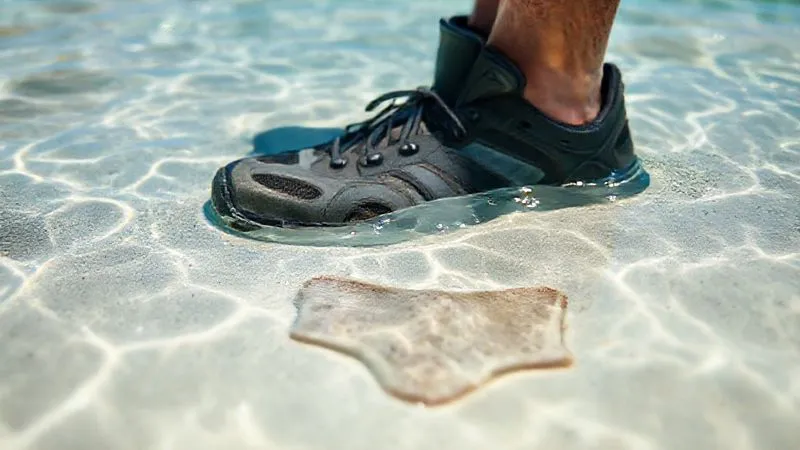
This is one of the most crucial pieces of advice I give to anyone wading in sandy, shallow waters where stingrays might be present. Stingrays often bury themselves in the sand, making them nearly invisible. If you step directly on one, its natural defense mechanism is to lash out with its venomous barb.
- Wade, Don't Stomp: Instead of lifting your feet high, shuffle them along the bottom.
- Displace, Don't Surprise: This shuffling motion creates vibrations and disturbs the sand, giving any hidden stingray a chance to swim away before you step on it.
- Be Consistent: Practice the shuffle step every time you enter shallow, murky, or sandy waters.
Spotting Camouflaged Dangers
Creatures like stonefish and scorpionfish are masters of camouflage. They often resemble rocks or coral fragments, making them incredibly difficult to spot. This is why water shoes are so important. Always look where you're putting your feet and hands, especially in rocky areas or near reefs.
Respecting Coral and Reef Ecosystems
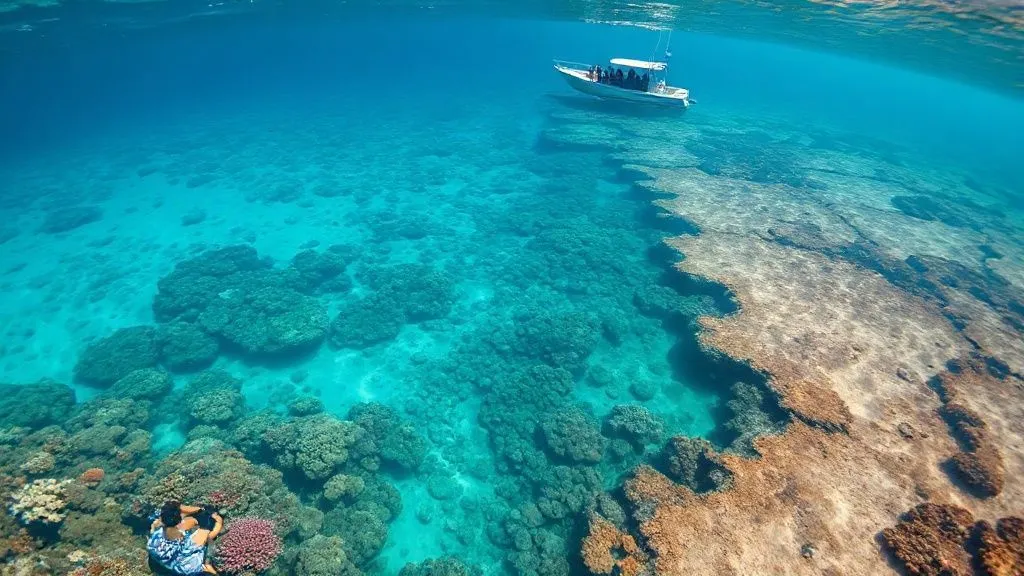
Coral reefs are not only incredibly beautiful but also fragile ecosystems. Many dangerous marine animals, like sea urchins and moray eels, live within these structures. Touching coral can not only damage it but also expose you to sharp edges, stinging polyps, or hidden creatures. Always maintain a safe distance and observe from above or from a respectful distance while snorkeling or diving. Learn more about reef etiquette from organizations like the World Wildlife Fund.
Safe Interaction: When Curiosity Meets Caution
The allure of marine life is undeniable, and many travelers dream of close encounters. However, there's a critical difference between observing and interacting. My golden rule, honed over years of guiding, is simple: admire from a distance. This philosophy is paramount to minimizing tourist injuries from dangerous marine life.
Never Touch or Provoke Marine Animals
This rule is non-negotiable. Whether it's a seemingly docile sea turtle, a vibrant fish, or a curious octopus, never attempt to touch, grab, or corner any marine creature. Even seemingly harmless animals can bite, sting, or scratch if they feel threatened. Their defense mechanisms are instinctual and can be powerful.
Maintain a Safe Distance
Give marine animals their space. If you're snorkeling or diving and encounter a shark, ray, or even a large school of fish, maintain a respectful distance. This not only protects you but also prevents stress to the animals and disruption to their natural behavior. A good rule of thumb: if an animal changes its behavior because of your presence, you're too close.
Avoid Feeding Wildlife
While it might seem like a fun interaction, feeding marine wildlife is highly discouraged. It habituates animals to human presence, making them less wary and more aggressive in seeking food. This can lead to bites, scratches, and also disrupts their natural foraging behaviors and diets.
“The ocean is a wild place, not an aquarium. Every creature has a role, and our role as visitors is to observe with respect, not to interfere.”
Immediate Response: What to Do If an Injury Occurs
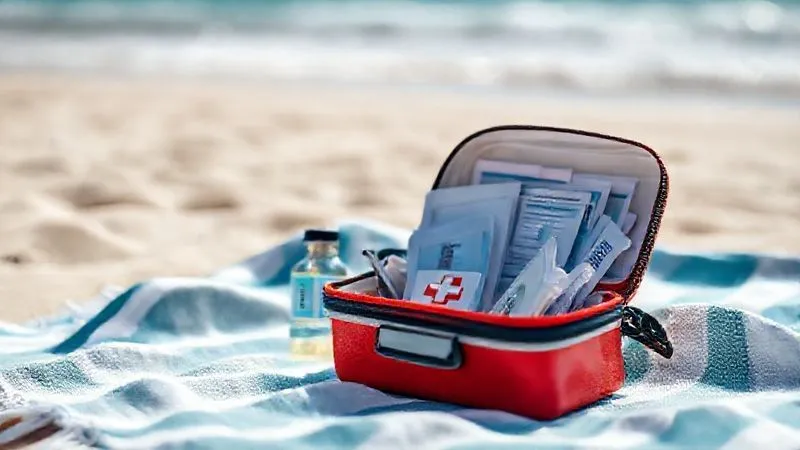
Even with the best precautions, accidents can happen. Knowing how to respond quickly and correctly can significantly reduce the severity of a marine life injury. Always carry a basic first-aid kit when visiting beaches or engaging in water activities. This is a critical component of how to minimize tourist injuries from dangerous marine life, even after an incident.
Jellyfish Stings
- Rinse Immediately: Use seawater to rinse the affected area, *not* fresh water, which can cause remaining stinging cells to fire.
- Remove Tentacles: Carefully remove any visible tentacles using tweezers or a gloved hand. Avoid bare hands.
- Apply Heat: Immerse the affected area in hot water (as hot as tolerable, around 110-113°F or 43-45°C) for 20-45 minutes. This helps denature the venom. If hot water isn't available, a hot pack will do.
- Pain Relief: Over-the-counter pain relievers and antihistamines can help manage pain and itching.
- Seek Medical Attention: For severe pain, extensive rash, difficulty breathing, or signs of allergic reaction, seek immediate medical help.
Stingray Punctures
- Control Bleeding: Apply direct pressure to the wound to stop bleeding.
- Immerse in Hot Water: Soak the injured limb in hot water (as hot as tolerable, 110-113°F or 43-45°C) for 30-90 minutes. This helps neutralize the venom and alleviate pain.
- Clean the Wound: Gently clean the wound with soap and fresh water once bleeding is controlled and pain subsides.
- Remove Debris: Carefully inspect for any remaining barb fragments or debris. Do *not* try to remove a deeply embedded barb; this should be done by a medical professional.
- Seek Medical Attention: All stingray injuries should be evaluated by a doctor due to the risk of infection and retained barb fragments. Tetanus shot may be needed.
Sea Urchin Spines
- Remove Spines: If spines are superficial, try to remove them with tweezers. For deeply embedded or numerous spines, do not attempt to dig them out yourself.
- Apply Vinegar or Hot Compress: Soaking the area in vinegar or applying a hot compress can sometimes help dissolve or soften spines, making them easier to remove.
- Seek Medical Attention: If spines are deep, painful, or causing joint issues, a doctor can safely remove them. Infection is a common complication.
When to Seek Medical Attention
Always err on the side of caution. Seek immediate medical help if you experience:
- Severe pain that doesn't subside.
- Extensive swelling, redness, or signs of infection (pus, fever).
- Difficulty breathing, chest pain, dizziness, or fainting.
- Nausea, vomiting, or muscle cramps.
- Any injury to the face, eyes, or genitals.
- Any deep puncture wound, especially from a stingray.
For more detailed first aid guidelines, consult reliable sources like the Mayo Clinic.
Case Study: The Miller Family's Maldives Mishap
How a Minor Encounter Taught Lifelong Vigilance
The Miller family, like many, dreamed of a perfect beach vacation in the Maldives. On their first day, eager to explore the crystal-clear shallows, young 10-year-old Lily waded into the water without water shoes. Despite warnings, the excitement got the better of them. Within minutes, she let out a yelp, having stepped on a buried stingray. Fortunately, it was a minor puncture, but the pain was immediate and intense.
Her parents, having read up on basic first aid, quickly applied the hot water treatment, which significantly reduced the pain. They then took her to the resort's medical clinic for a professional assessment. The doctor confirmed it was a superficial wound, cleaned it thoroughly, and prescribed antibiotics to prevent infection. No barb fragments were retained, a huge relief.
This incident, though minor, was a powerful learning experience for the Millers. From that moment on, the entire family religiously wore water shoes, practiced the 'shuffle step,' and paid closer attention to local advisories. What could have been a vacation-ruining event became a lesson in vigilance and preparation, highlighting that even in paradise, awareness is paramount to safety.
Empowering Your Journey: Building a Culture of Ocean Safety
My goal isn't to instill fear, but to empower you with knowledge. The ocean is a source of immense beauty and recreation, and with the right approach, you can enjoy it safely. Building a culture of ocean safety means taking personal responsibility, educating ourselves, and acting as stewards of these incredible environments.
Remember that every interaction we have with nature carries a degree of risk, but informed decisions drastically reduce that risk. Encourage your travel companions, especially children, to understand and respect marine life. Teach them the 'look, don't touch' principle from a young age. By doing so, we not only protect ourselves but also contribute to the preservation of marine ecosystems for future generations.
| Action Category | Description | Benefit |
|---|---|---|
| Do's | Research your destination's marine life and hazards. | Proactive prevention of common injuries. |
| Do's | Wear appropriate protective gear like water shoes. | Physical barrier against punctures and stings. |
| Do's | Practice the 'shuffle step' in sandy shallows. | Prevents accidental encounters with stingrays. |
| Do's | Observe marine life from a respectful distance. | Minimizes stress to animals and avoids defensive actions. |
| Don'ts | Never touch, provoke, or feed marine animals. | Prevents bites, stings, and habituation of wildlife. |
| Don'ts | Ignore local warnings, flags, or lifeguard advice. | Avoids known dangers and high-risk areas. |
| Don'ts | Wade or swim in murky waters without caution. | Reduces the chance of unseen encounters. |
| Don'ts | Attempt to remove deeply embedded barbs or spines yourself. | Prevents further injury, infection, or complications. |
Frequently Asked Questions (FAQ)
Q: Are all jellyfish dangerous, or just certain types? A: Not all jellyfish are equally dangerous, but almost all can sting. The severity varies greatly. Many common species cause mild, localized irritation, while others, like the Box Jellyfish or Portuguese Man o' War, can inflict excruciating pain, systemic reactions, and in rare cases, be life-threatening. It's always best to avoid contact with any jellyfish.
Q: What's the absolute best way to treat a stingray wound immediately? A: The most critical immediate step for a stingray puncture is to immerse the affected area in hot water (as hot as tolerable, typically 110-113°F or 43-45°C) for 30-90 minutes. This helps denature the venom and significantly reduces pain. After this, control any bleeding, clean the wound thoroughly, and seek medical attention to check for retained barb fragments and prevent infection.
Q: Can wearing water shoes really prevent injuries from creatures like stonefish and sea urchins? A: Absolutely, yes. Water shoes are incredibly effective. They provide a physical barrier that protects your feet from sharp objects like shells, coral fragments, and, most importantly, the spines of sea urchins and the venomous dorsal fins of stonefish or scorpionfish. While not foolproof against every single threat, they drastically reduce the risk of common puncture injuries in shallow, rocky, or sandy areas.
Q: How can I tell if a fish is venomous just by looking at it? A: It's very difficult to identify venomous fish reliably by sight alone, especially for an untrained eye, as many blend seamlessly with their environment. A general rule of thumb is to assume that any bottom-dwelling fish that is camouflaged or has prominent spines (like lionfish, stonefish, or scorpionfish) could be venomous. The safest approach is to never touch any marine life and maintain a respectful distance from all fish.
Q: What should I do if I see a shark while swimming or snorkeling? A: If you encounter a shark, remain calm. Avoid sudden, erratic movements. Maintain eye contact if possible, as sharks are less likely to approach if they feel observed. Slowly and smoothly swim away towards the shore or your boat, keeping the shark in sight. Do not splash or try to provoke it. If diving, ascend slowly and deliberately. Most sharks are not interested in humans, but caution is always warranted.
Key Takeaways and Final Thoughts
Navigating the beautiful yet wild world of marine environments requires a blend of excitement and informed caution. My experience has taught me that preventing injuries from dangerous marine life isn't about avoiding the ocean, but about respecting it. By integrating these expert strategies into your travel plans, you're not just protecting yourself; you're enhancing your entire experience.
- Prioritize Research: Understand your destination's specific marine hazards.
- Gear Up Wisely: Always use appropriate protective equipment like water shoes.
- Practice Vigilance: Observe your surroundings, heed warnings, and use techniques like the 'shuffle step.'
- Maintain Distance: Never touch, provoke, or feed marine animals. Observe from afar.
- Be Prepared: Know basic first aid for common marine injuries and when to seek professional medical help.
The ocean offers unparalleled beauty and adventure. By adopting these responsible practices, you can ensure your beach vacations are filled with wonder, not worry. Go forth, explore, and swim safely, knowing you're well-equipped to enjoy the marine world responsibly.
Recommended Reading
- Airport Wheelchair Fails? 7 Critical Steps When Assistance Disappears
- 5 Steps to Seamless Solo Travel: Work-Life Balance On The Go?
- Unlock Europe: Saving Money on Food While Backpacking – The Ultimate Guide
- 7 Proven Steps to Mitigate Child Safety Risks at Family Glamping Sites
- 5 Steps: Verify Service Animal Legitimacy Legally & Ethically (ADA-Compliant)




Your email address will not be published. Required fields are marked *