

Mastering the Art of Saving Money on Food While Backpacking Europe
Imagine this: You're standing before a majestic European landmark, the scent of fresh pastries wafting through the air, your heart brimming with the joy of travel. Then, reality hits – that delicious pastry, plus a coffee, plus lunch, plus dinner... suddenly, your carefully planned budget starts to look like a distant memory. Food expenses are often the stealthy budget-busters for backpackers, silently chipping away at funds that could be used for unique experiences or extending your adventure.
The common misconception is that experiencing Europe means splurging on every meal, or conversely, sacrificing culinary enjoyment for the sake of savings. Many travelers grapple with the dilemma of wanting to savor local flavors without emptying their wallets, often feeling overwhelmed by the perceived high cost of living in popular European destinations.
This comprehensive guide is your definitive resource for saving money on food while backpacking Europe. We'll equip you with practical strategies, insider tips, and a shift in mindset that will allow you to eat well, experience authentic local cuisine, and still adhere to your budget, ensuring your European adventure is both delicious and financially sustainable.
Your Kitchen Away from Home: Embracing Self-Catering
One of the most impactful ways to control your food budget is to take charge of your own meals. Embracing self-catering isn't just about saving money; it's about flexibility, healthier eating, and often, a deeper dive into local culture.
The Supermarket Strategy: Smart Shopping Saves Big
Supermarkets are your best friends when it comes to budget travel. They offer a vast array of affordable ingredients, from fresh produce to ready-to-eat meals. Forget the tiny convenience stores; seek out larger supermarkets like Lidl, Aldi, Carrefour, or local equivalents. These stores often have incredible deals and a wider selection.
- Shop Like a Local: Observe what locals buy. Often, the best deals are on seasonal produce and staple items.
- Bulk Up (Sensibly): If you're traveling with friends, consider buying larger packs of essentials like pasta, rice, or condiments to split the cost.
- Look for Discounts: Many European supermarkets have daily or weekly specials. Keep an eye out for yellow tags or 'Promo' signs.
- Understand Local Products: Familiarize yourself with local cheeses, cured meats, and breads. These are often cheaper and more authentic than imported equivalents.
Essential Gear for the Budget Backpacker Chef
You don't need a full kitchen, but a few key items can make a world of difference in your ability to prepare meals on the go. These are lightweight and won't take up much space in your pack:
- Reusable Water Bottle: Absolutely crucial. Tap water is safe to drink in most of Western Europe, saving you euros daily.
- Spork/Utensil Set: A simple fork-spoon combo or a lightweight travel cutlery set.
- Small Tupperware/Container: Perfect for packing leftovers or a picnic lunch.
- Reusable Shopping Bag: Many European countries charge for plastic bags.
- Travel Knife (Check airline rules!): A small, sharp knife can be incredibly useful for preparing fruits, vegetables, or cheese.
- Collapsible Cup/Bowl: For instant noodles, oatmeal, or even a quick soup.
Simple & Satisfying Hostel Kitchen Recipes
Hostel kitchens are goldmines for backpackers. They provide the space and basic equipment (pots, pans, stovetops) to cook full meals. Be respectful, clean up after yourself, and perhaps even share ingredients or recipes with fellow travelers.
Simple recipes that require minimal ingredients and time:
- Pasta with Pesto/Tomato Sauce: A classic for a reason. Add some canned tuna or fresh vegetables for extra protein and nutrients.
- Oatmeal/Cereal for Breakfast: Much cheaper than buying breakfast out every day. Bring small packets of instant coffee or tea bags.
- Egg Scramble/Omelet: Eggs are cheap, versatile, and packed with protein.
- Sandwiches/Wraps: Fresh bread, cheese, deli meat, and some salad greens make for an easy, portable lunch.
- Couscous or Instant Noodles with Veggies: Quick to prepare, just add boiling water and any fresh ingredients you have.
Dive into Local Culture: Markets, Street Food, and Picnics
While self-catering is king for savings, experiencing local food is a huge part of travel. The trick is to do it smartly.
Harnessing the Power of Local Markets
Beyond supermarkets, local farmers' markets or flea markets (often with food sections) are fantastic for cheap, fresh produce and often prepared foods. These are also vibrant cultural hubs. A great resource for exploring markets is often found on local tourism websites or reputable travel guides like Lonely Planet.
- Go Late: Towards closing time, vendors might offer discounts on perishable items.
- Bargain (Respectfully): In some markets, a little friendly haggling is expected, especially if buying in bulk.
- Sample and Explore: Many vendors offer samples, allowing you to try before you buy.
Unlocking the Delights of European Street Food
Europe is a treasure trove of incredible street food, from Belgian fries to German currywurst, Italian arancini, and Spanish churros. Street food is typically much cheaper than restaurant meals and offers an authentic taste of local cuisine.
- Look for Queues: A long line of locals is usually a good sign of quality and value.
- Avoid Tourist Traps: If it's directly in front of a major landmark and has menus in five languages, it's probably overpriced. Venture a few blocks away.
- Embrace Simplicity: Often the best street food is simple, focused on one or two items done exceptionally well.
The Art of the Budget-Friendly Picnic
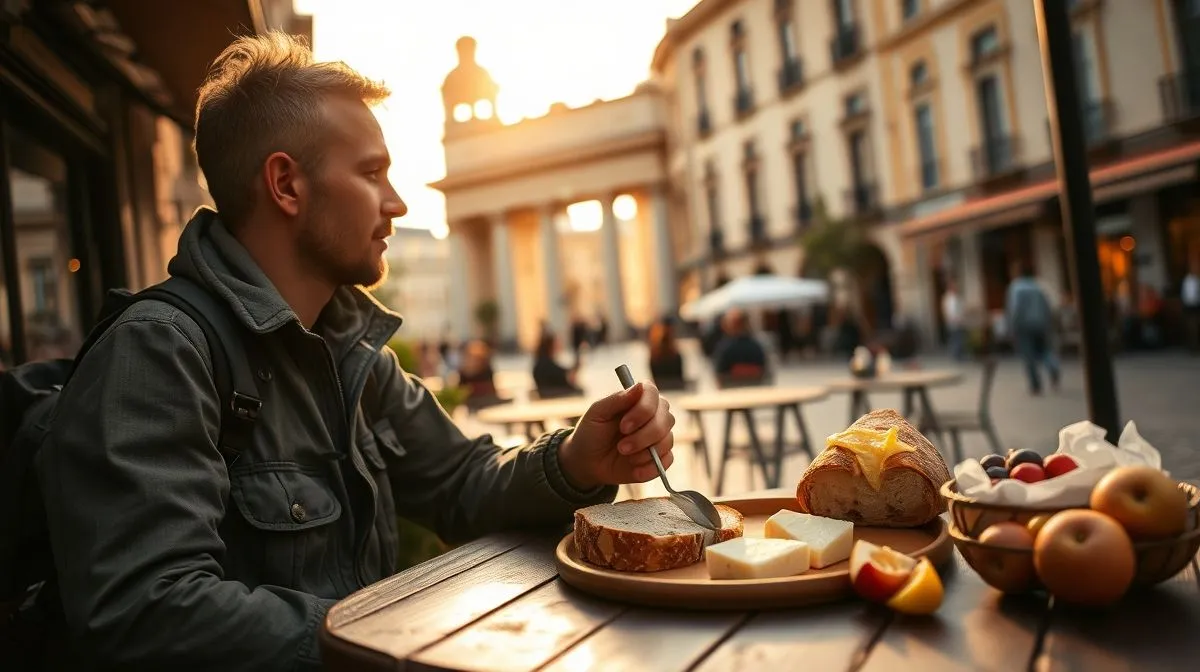
Picnics are a quintessential European experience and an excellent way to save money on food. Grab some fresh bread, cheese, cured meats, olives, and fruit from a local market or supermarket, find a scenic park or square, and enjoy. This allows you to eat well without the restaurant markup, providing a serene and memorable experience.
Strategic Dining: When to Eat Out and How to Do It Cheaply
You can't go to Europe without enjoying some restaurant meals. The key is to be strategic about when and where you dine.
Lunch Deals and Daily Specials: Your Best Bet
Many European restaurants offer 'menu del día' (Spain), 'plat du jour' (France), or similar fixed-price lunch menus. These are often significantly cheaper than dinner menus and typically include multiple courses, offering incredible value. This is a prime strategy for saving money on food while backpacking Europe.
Avoiding Tourist Traps and Finding Local Gems
- Venture Off the Main Drag: Restaurants just a street or two away from major tourist attractions are often cheaper and more authentic.
- Look for Local Language Menus: If the menu is only in the local language (or has a small, discreet English translation), it's a good sign it caters to locals.
- Check Online Reviews: Use apps like Google Maps or TripAdvisor to find highly-rated local eateries, but prioritize places with many reviews from locals or those highlighting 'good value'.
- Ask Locals: Your hostel staff, a shopkeeper, or a friendly local can provide invaluable recommendations for hidden gems.
Drinks, Water, and Tipping Etiquette
Drinks can quickly inflate a bill. Stick to tap water if available, or order one drink and make it last. In many European countries, still water is often served automatically at restaurants. Tipping customs vary widely; research local norms to avoid over-tipping or under-tipping. In some countries, a service charge is already included.
Smart Snacking and Hydration: Small Wins, Big Impact
The cumulative cost of small purchases throughout the day can be surprisingly high. Being mindful of snacks and hydration is crucial for a tight budget.
DIY Snacks vs. Convenience Store Rip-offs
Avoid buying snacks from small convenience stores or kiosks near tourist sites. Their prices are inflated. Instead, buy a bag of fruit, nuts, or biscuits from a supermarket and carry them with you. This is a simple yet effective tactic for saving money on food while backpacking Europe.
- Energy Bars: Bring a few from home or buy in bulk at a supermarket.
- Fruit: Apples, bananas, and oranges are portable, healthy, and cheap.
- Nuts & Seeds: Great for sustained energy.
- Dry Cereal/Granola: Can be eaten dry or with milk for a quick breakfast or snack.
The Indispensable Reusable Water Bottle
This cannot be stressed enough. Buying bottled water daily is a significant expense and terrible for the environment. Invest in a good quality reusable water bottle. Most hostels have filtered water, and many European cities have public drinking fountains. Websites like Refill.org.uk (though UK-focused, similar initiatives exist across Europe) can help you find free water refilling points.
Leveraging Technology and Community for Food Savings
The digital age offers innovative ways to save on food, and the backpacking community itself is a rich source of information.
Food Waste Apps and Flash Sales
Apps like 'Too Good To Go' allow restaurants and bakeries to sell surplus food at a discounted price at the end of the day. This is an excellent way to get quality meals or baked goods for a fraction of the cost, contributing to sustainability at the same time. Other apps might offer flash sales or discounts for specific times of day.
Connecting with Locals for Authentic, Affordable Eats
Beyond asking for recommendations, consider platforms that connect travelers with locals for home-cooked meals or culinary tours. While some might have a cost, they often provide an unparalleled cultural experience and a delicious, authentic meal that might be more affordable than a tourist-trap restaurant. Couchsurfing, for example, often has community events that involve shared meals.
The Mindset of a Budget Food Backpacker: Planning and Flexibility
Successful food budgeting isn't just about tactics; it's about adopting the right mindset.
Setting a Realistic Daily Food Budget
Before you even leave, research average food costs for your destinations. Set a realistic daily food budget and try to stick to it. For example, aiming for €20-€30 per day for food in Western Europe (including groceries and occasional cheap meals out) is a common target for budget travelers. In Eastern Europe, this could be significantly lower.
Tracking Expenses and Adapting on the Fly
Use a simple budgeting app or a notebook to track your food spending daily. This helps you see where your money is going and adjust. If you splurge on a nice dinner one night, compensate by cooking more meals in the hostel kitchen for the next few days. Flexibility is key; don't beat yourself up for occasional deviations, but always aim to return to your budget plan.
According to seasoned backpackers and travel experts, a balanced approach combining self-catering with strategic dining out is the most effective way to manage food expenses. This ensures you enjoy both the savings and the local culinary delights without compromise.
Frequently Asked Questions (FAQ)
Is it really possible to eat well on a tight budget in expensive European cities like Paris or Zurich? Absolutely! While these cities are notorious for high prices, focusing on supermarket purchases, picnic lunches, street food, and lunch deals (rather than expensive dinners) makes eating well on a budget entirely feasible. It requires planning and a willingness to explore beyond the main tourist areas.
What are the absolute essentials for a backpacking kitchen kit? A reusable water bottle, a spork or travel utensil set, a small collapsible container for leftovers, and a reusable shopping bag are your core essentials. A travel knife (check airline restrictions!) and a small cutting board can also be very useful.
Are food waste apps like 'Too Good To Go' reliable for finding cheap meals? Yes, generally they are very reliable. They partner with legitimate businesses and offer genuine discounts. The key is to check the pick-up times and locations carefully, as they are often at the end of the day. It's a fantastic way to get quality food for less while helping reduce food waste.
How much should I budget daily for food in Europe? For Western Europe, a realistic daily food budget for a backpacker committed to saving is often between €20-€30. This typically covers breakfast and dinner from supermarkets/hostel cooking, and a cheap lunch (e.g., street food or a supermarket sandwich). In Eastern Europe, you can often get by with €10-€20 per day.
What are some common food-related mistakes backpackers make? The biggest mistakes include eating out for every meal, buying bottled water constantly, relying on convenience stores, and not taking advantage of hostel kitchens or local markets. Overlooking lunch deals and not researching local, affordable eateries are also common pitfalls.
Recommended Reading
- Unlock Winter Fun: Your Guide to Non-Skiing Destinations
- Baggage Fees on Budget Airlines in Europe: How to Fly Cheap!
- Cozy Cabin Glamping: Your Ultimate Cold Weather Escape Guide
- Wide Feet? The Best Rock Climbing Shoes for Beginners Revealed!
- Romantic Escape: Best Designer Hotels for Unforgettable Getaways
Conclusion
Saving money on food while backpacking Europe is not just about cutting costs; it's about smart planning, embracing local culture, and making informed choices that enhance your travel experience. By mastering self-catering, strategically utilizing markets and street food, and being mindful of your dining out habits, you can enjoy Europe's incredible culinary landscape without financial stress. Remember, every euro saved on food is a euro that can go towards an unforgettable experience, an extra day of travel, or simply peace of mind. Adopt these strategies, and your European adventure will be as delicious as it is affordable.



Your email address will not be published. Required fields are marked *