


How to mitigate legal risks when planning extreme themed road trips?
For over 15 years in the adventure travel and road tripping industry, I've seen countless incredible journeys unfold. But I've also witnessed the devastating fallout when passion for adventure overshadows prudent legal planning. It's a common mistake: focusing solely on the thrill of the theme – be it a historical reenactment drive, an off-grid survival challenge, or a culinary quest across remote regions – while neglecting the intricate web of regulations, liabilities, and unforeseen circumstances that can quickly turn a dream trip into a legal nightmare.
The allure of an extreme themed road trip is undeniable. It promises unique experiences, unparalleled freedom, and stories to last a lifetime. However, this very uniqueness and 'extremity' often push adventurers into grey legal areas, unfamiliar jurisdictions, and situations with heightened personal and financial risk. Without a robust understanding of how to mitigate legal risks when planning extreme themed road trips, you're essentially driving blindfolded, hoping for the best but utterly unprepared for the worst.
This guide isn't just a collection of facts; it’s a distillation of my experience, designed to equip you with actionable frameworks, real-world insights, and a proactive mindset. By the end, you’ll have a clear roadmap for navigating the legal complexities, ensuring your themed road trip is not only epic but also legally sound and safe for everyone involved.
Understanding the Landscape: Why Extreme Themed Road Trips Are a Legal Minefield
The Allure vs. The Exposure
The very elements that make an extreme themed road trip so appealing – the remote locations, the challenging activities, the deviation from standard tourist paths – are precisely what amplify the legal exposure. Standard travel insurance policies and general liability waivers often fall short in these niche scenarios. You're not just driving; you might be participating in organized events, crossing private lands, engaging in potentially hazardous activities, or even operating specialized vehicles, each with its own set of legal obligations and potential pitfalls.
Defining "Extreme" and "Themed" from a Legal Standpoint
From a legal perspective, an "extreme" road trip typically involves activities or environments that carry a higher inherent risk than conventional travel. This could include off-roading, wilderness camping, high-speed driving events, or navigating areas with limited infrastructure. A "themed" trip adds another layer, often involving specific group activities, costumes, props, or routes dictated by the theme, which can introduce unique permitting, copyright, or public safety considerations. Understanding these definitions is the first step in assessing your risk profile.

The Foundation: Comprehensive Research and Route Planning
Before you even think about packing, your most crucial piece of gear is thorough research. Every jurisdiction – state, province, county, or country – has its own unique legal framework. What's permissible in one area might be strictly forbidden or require special permits in another. This is where most people make their first, and often costliest, mistake.
Jurisdiction-Specific Laws and Regulations
It's not enough to know the general traffic laws. You need to delve into regulations concerning environmental protection, public land use, noise ordinances, fire safety (especially for camping or cooking), drone usage, and even local cultural sensitivities. For instance, some indigenous lands have very strict rules about access and activities, and ignorance is rarely an acceptable defense.
Permits, Licenses, and Special Permissions
Many extreme themed activities require specific permits. Think about: event permits for group gatherings, filming permits if you're documenting extensively, special vehicle permits for oversized or modified vehicles, or even permits for carrying certain types of equipment (e.g., firearms, specialized tools). Always assume you need a permit until proven otherwise.
- Identify Every Jurisdiction: Map out your entire route, noting every state, county, and country you'll pass through or operate within.
- Research Local Regulations: For each jurisdiction, visit official government websites (parks, transportation, local municipalities) to identify relevant laws.
- Consult Legal Databases: Utilize resources like LexisNexis or specialized legal counsel for complex or ambiguous regulations.
- Contact Local Authorities: When in doubt, call or email park rangers, local police departments, or tourism boards for clarification. Document all communications.
- Secure Necessary Permits: Apply for all identified permits well in advance, understanding that processing times can vary significantly.
Bulletproofing Your Journey: Contracts, Waivers, and Consent Forms
If your extreme themed road trip involves multiple participants, vendors, or specific activities, robust legal documentation is non-negotiable. This is your first line of defense against potential liability claims and misunderstandings.
Drafting Effective Liability Waivers
A liability waiver is a document signed by participants, acknowledging the inherent risks of an activity and agreeing not to hold the organizer (you) liable for injuries or damages that may occur. However, not all waivers are created equal. A poorly drafted waiver can be easily challenged in court. It must be clear, specific, and unambiguous, detailing all potential risks, including those unique to your extreme themed trip. It should also be compliant with the laws of the jurisdiction where it will be enforced.
Participant Agreements and Codes of Conduct
Beyond waivers, consider a comprehensive participant agreement. This document can outline expectations regarding behavior, responsibilities (e.g., sharing driving duties, equipment care), emergency procedures, and even financial contributions. A code of conduct is particularly useful for themed trips, ensuring participants understand rules related to costumes, character portrayal, or interaction with the public, helping to prevent incidents that could lead to legal issues or public relations nightmares.
Expert Insight: "Never rely on a generic waiver downloaded from the internet for an extreme themed road trip. The unique risks of your adventure demand a tailored document, ideally reviewed by a legal professional specializing in adventure tourism or tort law. It's an investment that pays dividends in peace of mind."
Case Study: How Wild Trails Expeditions Dodged a Bullet with Robust Waivers
Wild Trails Expeditions organized a 10-day "Post-Apocalyptic Survival Run" road trip through the remote deserts of Nevada. Participants signed a comprehensive waiver detailing risks like extreme heat, vehicle breakdowns, navigation challenges, and encounters with wildlife. During the trip, one participant, despite explicit warnings, veered off the designated path and suffered a minor injury when their vehicle hit an unmarked ditch. Thanks to the meticulously drafted waiver, which clearly stated the participant's responsibility to stay on designated routes and acknowledged the risks of deviation, Wild Trails Expeditions was able to successfully defend against a subsequent liability claim. The waiver served as undeniable proof of informed consent and risk assumption.
| Waiver Type | Applicability | Sufficiency for Extreme Trips |
|---|---|---|
| General Liability Waiver | Basic acknowledgement of general risks | Insufficient on its own |
| Activity-Specific Waiver | Details risks of specific activities (e.g., off-roading, climbing) | Essential, but needs to be comprehensive |
| Assumption of Risk Agreement | Participant acknowledges and assumes specific, unusual risks | Crucial for truly extreme elements |
| Indemnification Agreement | Participant agrees to hold organizer harmless against claims from third parties | Highly recommended for group leaders |
The Safety Net: Insurance – Your Unsung Hero
Insurance isn't just a good idea; for extreme themed road trips, it's an absolute necessity. It's the financial backstop that protects you, your participants, and your assets when things inevitably go wrong, despite the best planning.
Specialized Adventure Travel Insurance
Standard travel insurance policies often have exclusions for "extreme sports" or "hazardous activities." For a themed road trip involving anything beyond leisurely sightseeing, you'll need specialized adventure travel insurance. These policies are designed to cover activities like off-roading, wilderness trekking, or even specific competitive events. Ensure your policy covers emergency medical evacuation, repatriation, and search and rescue operations, especially if you're venturing into remote areas. For more details on what to look for, I often refer people to resources like InsureMyTrip to compare specialized plans.
Vehicle, Health, and Liability Coverage
- Vehicle Insurance: Confirm your existing auto insurance policy covers the type of vehicle you'll be using, the terrain you'll be traversing, and all named drivers. If you're renting, understand the rental company's insurance offerings and your personal policy's coverage.
- Health Insurance: Verify your health insurance is valid in all regions you'll visit, particularly internationally. Consider supplemental travel health insurance for comprehensive coverage abroad.
- General Liability Insurance: If you're organizing the trip for others, even informally, consider a general liability policy. This protects you against claims of bodily injury or property damage to third parties arising from your activities. This is distinct from personal liability and crucial for group leaders.
Building Your Legal Dream Team: Counsel and Local Contacts
You don't have to navigate the entire legal landscape alone. Knowing when and how to leverage legal expertise and local knowledge can be a game-changer.
When to Engage Legal Counsel
I always advise consulting with a lawyer specializing in adventure tourism, sports law, or contract law if your trip involves:
- International travel with complex visa or vehicle import requirements.
- Activities with significant inherent risk (e.g., operating heavy machinery, high-speed events).
- Organizing a trip for paying participants, even if it's just to cover costs.
- Crossing private lands or protected areas.
- Any situation where you're unsure about local regulations or liability.
A lawyer can help draft robust waivers, review contracts with vendors, and advise on jurisdiction-specific laws, significantly helping to mitigate legal risks when planning extreme themed road trips.
The Value of Local Fixers and Guides
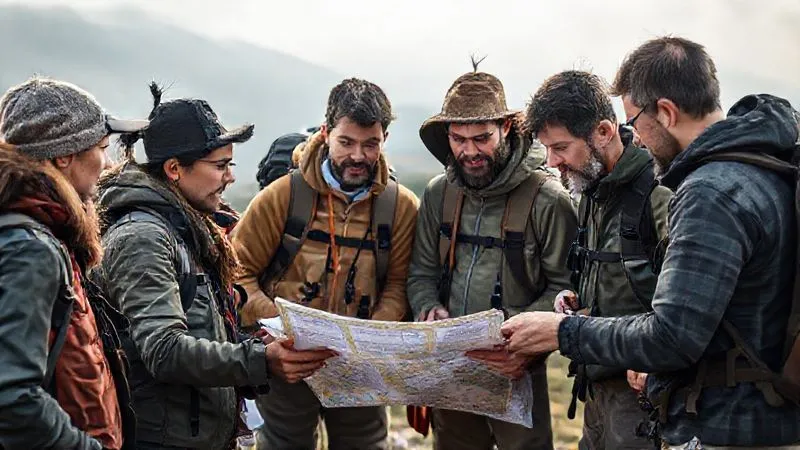
In many remote or culturally distinct regions, a local "fixer" or experienced guide is invaluable. They possess intimate knowledge of local customs, unwritten rules, bureaucratic processes, and emergency resources. They can help secure local permissions that might be difficult for outsiders, navigate language barriers, and provide crucial on-the-ground support that can prevent minor issues from escalating into legal problems. Their local authority and understanding can often smooth over situations that would otherwise become contentious.
Communication and Transparency: Setting Expectations Legally
Clear, upfront communication with all participants, partners, and even local communities is a powerful tool for preventing legal disputes. Misunderstandings often lead to grievances.
Pre-Trip Briefings and Disclosures
Before the trip begins, conduct a mandatory briefing. This isn't just for logistics; it's a critical legal step. Reiterate the risks involved, review the signed waivers, and explain the code of conduct. Discuss emergency protocols, communication plans, and any specific rules related to the themed elements of the trip (e.g., how to interact with the public while in costume). Document that these briefings occurred and that participants acknowledged understanding. Transparency builds trust and can serve as evidence of informed consent if a dispute arises. For best practices in disclosures, review guidelines from organizations like the FTC, even if not directly applicable, the principles of clear communication are universal.
Emergency Protocols and Communication Plans
A well-defined emergency plan is a legal necessity. It demonstrates due diligence and can mitigate liability in the event of an incident. Your plan should include:
- Designated emergency contacts for each participant.
- Access to first aid and medical supplies.
- Clear instructions for reporting incidents (accidents, injuries, property damage).
- Communication methods for remote areas (satellite phones, GPS trackers, emergency beacons).
- Protocols for contacting local authorities and emergency services.
- A plan for vehicle recovery or repair in remote locations.
Ensure everyone understands their role and the steps to take in various emergency scenarios.
Documentation is Your Defense: Record-Keeping Best Practices
In any legal dispute, evidence is king. Meticulous record-keeping isn't just good practice; it's your most robust defense.
Digital Footprints and Physical Records
Maintain a comprehensive file for your extreme themed road trip. This should include:
- Copies of all signed waivers and participant agreements.
- All permits, licenses, and official correspondence.
- Detailed trip itineraries, including planned routes and alternative routes.
- Insurance policies and contact information.
- Vehicle maintenance records and pre-trip inspection checklists.
- Participant medical information (with consent and privacy considerations).
- Photographic or video evidence of pre-trip conditions, safety briefings, and any potential hazards encountered.
Keep both digital backups and physical copies, especially for documents that might be needed in areas without internet access.
Incident Reporting and Evidence Collection
If an incident occurs, immediate and thorough documentation is crucial. Create a standardized incident report form that includes:
- Date, time, and exact location of the incident.
- Names of all involved parties and witnesses.
- A detailed factual description of what happened.
- Nature and extent of any injuries or damages.
- Actions taken immediately after the incident (first aid, contacting authorities).
- Photographs or videos of the scene, injuries, and damages.
- Statements from witnesses.
This objective record can be invaluable in defending against claims or assisting with insurance claims.
| Document Type | Purpose | Retention |
|---|---|---|
| Participant Waivers | Proof of informed consent & risk assumption | 7 years post-trip |
| Permits & Licenses | Proof of legal authorization | 3 years post-expiration |
| Insurance Policies | Coverage details & claim history | Permanently for policy, 7 years for claims |
| Incident Reports | Factual record for legal defense & insurance | Permanently if legal action taken, otherwise 10 years |
| Communication Logs | Proof of briefings & disclosures | 5 years post-trip |

Navigating Ethical Dilemmas and Environmental Regulations
Extreme themed road trips often venture into sensitive areas, making ethical and environmental considerations paramount, not just for reputation but for legal compliance.
Respecting Local Customs and Laws
The "themed" aspect of your trip, while fun, must always yield to local customs and laws. What might be acceptable attire or behavior in one culture could be deeply offensive or even illegal in another. Research local cultural norms, dress codes, and social etiquette. Ignoring these can lead to fines, arrests, or hostile encounters, which can escalate into significant legal and safety issues. Always err on the side of caution and respect.
Environmental Impact Assessments and Permits
Many extreme road trips traverse ecologically sensitive areas. Know and adhere to all environmental regulations concerning waste disposal, fire restrictions, wildlife interaction, and off-road driving limits. Some areas require specific environmental impact permits for group activities or certain vehicle types. The "Leave No Trace" principles are not just ethical guidelines; they are often legally enforceable. Violations can result in hefty fines, vehicle impoundment, or even criminal charges. For environmental regulations specific to regions, it's always wise to consult official government environment agencies, such as the U.S. Environmental Protection Agency or equivalent bodies in other countries.
Remember, the goal is to enjoy the adventure without leaving a negative footprint, either legally or environmentally. Proactive engagement with these issues will significantly help to mitigate legal risks when planning extreme themed road trips.
Frequently Asked Questions (FAQ)
Can I use a generic waiver I found online for my extreme themed road trip? Absolutely not. As an expert in adventure travel, I've seen generic waivers fail repeatedly in court. Extreme themed road trips present unique and heightened risks that generic forms simply do not cover adequately. You need a waiver specifically tailored to your trip's activities, locations, and participant profiles, ideally drafted or reviewed by a lawyer specializing in adventure liability.
What if I'm traveling internationally with my extreme themed road trip? Are the legal risks different? Yes, international travel significantly amplifies legal complexities. You must contend with different legal systems, varying insurance requirements, customs regulations for vehicles and gear, and potentially complex visa and permit processes. Always research the specific laws of each country, consider international driving permits, and consult with legal counsel experienced in international travel law.
How much adventure travel insurance is enough for an extreme trip? "Enough" is subjective, but for extreme trips, you should prioritize policies with high limits for emergency medical evacuation (at least $250,000, preferably more), comprehensive medical coverage, and robust search and rescue provisions. Consider additional coverage for specialized equipment and trip interruption/cancellation. Always read the fine print regarding exclusions for specific activities you plan to undertake.
What's the biggest mistake people make when trying to mitigate legal risks for these trips? The biggest mistake is underestimating the power of proactive planning and assuming that 'common sense' will suffice. Legal risks aren't always intuitive. Neglecting to consult legal professionals, relying on inadequate insurance, or failing to secure proper permits are all common pitfalls that can unravel an entire adventure and lead to significant financial and legal repercussions.
Do I really need to hire a lawyer for every extreme themed road trip I plan? Not necessarily for *every* trip, especially if it's a personal, small-scale adventure. However, if your trip involves multiple participants, commercial aspects (even cost-sharing), significant inherent dangers, or international travel to complex jurisdictions, then engaging a lawyer is a wise investment. They can provide invaluable guidance on waivers, contracts, and regulatory compliance, ensuring you're protected.
Key Takeaways and Final Thoughts
Planning an extreme themed road trip is an exhilarating endeavor, but it demands an equal measure of diligence and foresight, especially when it comes to legal preparedness. As an industry veteran, I can tell you that the most successful and memorable adventures are those that are not only thrilling but also meticulously planned and legally sound.
- Research is Paramount: Understand every local, national, and international regulation relevant to your route and activities.
- Documentation is Your Shield: Craft robust, tailored waivers and participant agreements. Keep meticulous records of everything.
- Insurance is Non-Negotiable: Invest in specialized adventure travel insurance that truly covers the 'extreme' elements of your journey.
- Leverage Expertise: Don't hesitate to consult legal counsel and utilize local guides or fixers when navigating complex territories.
- Communicate Clearly: Transparent briefings and well-defined emergency plans are crucial for managing expectations and mitigating disputes.
- Be Responsible: Adhere to ethical guidelines and environmental regulations to protect yourself and the places you visit.
By embracing these principles, you're not stifling the spirit of adventure; you're safeguarding it. You're building a foundation of responsibility that allows for true freedom and enjoyment, knowing that you've done everything in your power to mitigate legal risks when planning extreme themed road trips. Go forth, explore, and create those unforgettable memories – but do it with your eyes wide open and your legal ducks in a row.
Recommended Reading
- 7 Ways to Find Unique, High-Value Client Gifts on City Breaks?
- Uncover the Overlooked Essentials You Need for Your Next Road Trip Adventure
- Tube Smart: Essential Safety Rules for Snow Tubing Hills You MUST Know
- 7 Critical Strategies: How to Prevent Lead Ice Screw Pull-Outs in Brittle Mixed Ice
- Unlock the Secrets: What to Wear for Formal Dining at Luxury Resorts



Your email address will not be published. Required fields are marked *