

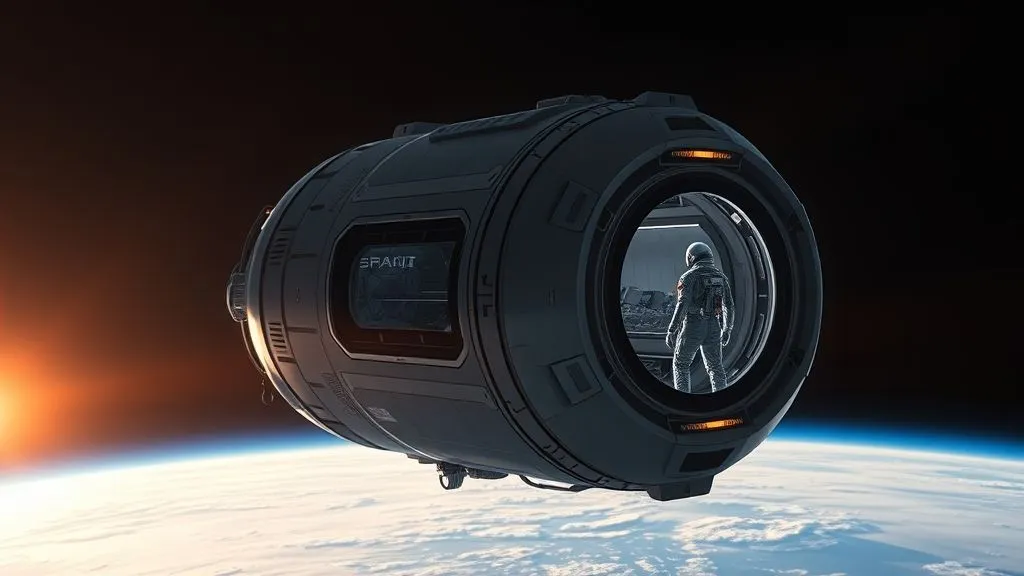
How to Mitigate Radiation Exposure Risks for Orbital Space Tourists?
For over two decades in the 'Travel' niche, specifically within 'Space Tourism', I've witnessed the incredible evolution of our aspirations beyond Earth. From the early days of conceptual drawings to the very real prospect of commercial orbital flights, the journey has been nothing short of breathtaking. Yet, amidst the excitement, one critical challenge persistently looms: the invisible, pervasive threat of space radiation. It’s a silent, potent force that, if not properly addressed, could jeopardize the very dream of safe space tourism.
Many prospective space tourists, understandably, focus on the thrill of launch or the wonder of Earth from above. But beneath that awe lies a genuine concern for their health and safety, particularly regarding radiation exposure. The unknowns can be daunting, leading to apprehension and, in some cases, hesitation to book that once-in-a-lifetime trip. The industry, too, grapples with ensuring robust safety protocols that balance innovation with absolute passenger well-being.
In this definitive guide, I will share my expert insights and the latest industry knowledge on how to mitigate radiation exposure risks for orbital space tourists. We’ll delve into the types of radiation, their biological impacts, and the cutting-edge strategies – from advanced shielding to smart operational planning and personal countermeasures – that are being developed and implemented. My aim is to provide you with actionable frameworks and a clear understanding, empowering both tourists and operators to navigate this frontier with confidence and safety.

Understanding the Cosmic Threat: Types of Space Radiation
Before we can mitigate the risks, we must first understand the enemy. Space radiation isn't a single entity; it's a complex cocktail of high-energy particles originating from various sources. From my experience, a clear grasp of these distinctions is the first step toward effective countermeasures.
Galactic Cosmic Rays (GCRs)
GCRs are perhaps the most insidious form of space radiation. These are extremely high-energy atomic nuclei, stripped of their electrons, originating from outside our solar system – often remnants of supernovae. They travel at nearly the speed of light and are notoriously difficult to shield against due to their penetrating power and high energy. Think of them as tiny, subatomic bullets constantly barraging spacecraft.
Exposure to GCRs is a chronic issue for long-duration missions, but even for orbital tourists, cumulative doses are a concern. Their high energy means they can pass through significant amounts of material, creating secondary radiation within the spacecraft walls, further complicating protection efforts.
Solar Particle Events (SPEs)
Unlike the constant drizzle of GCRs, SPEs are like sudden, violent storms. These events are bursts of high-energy protons and heavier ions ejected from the Sun during solar flares and coronal mass ejections (CMEs). While less frequent, SPEs can deliver extremely high doses of radiation in very short periods, posing an acute and immediate threat.
The good news is that SPEs are somewhat predictable, allowing for warning systems and protective measures. However, their intensity and duration can vary wildly, making robust, responsive mitigation strategies essential. As a veteran, I've seen how crucial rapid response is here.
Trapped Radiation Belts (Van Allen Belts)
These are regions of energetic charged particles, primarily protons and electrons, held in place by Earth's magnetic field. Spacecraft in Low Earth Orbit (LEO), where most orbital tourism will occur, often pass through the inner Van Allen Belt, particularly the South Atlantic Anomaly (SAA), where the belt dips closer to the Earth's surface. These belts offer a more concentrated, albeit localized, radiation environment.
While the Earth's magnetosphere provides significant protection against GCRs and SPEs for LEO missions, traversing the Van Allen belts still contributes to a tourist's overall radiation dose. Careful trajectory planning is key to minimizing exposure in these regions.
The Biological Impact: Why Radiation is a Concern
Understanding the types of radiation is one thing; comprehending their effect on the human body is another. As an expert, I emphasize that the goal isn't just to block radiation, but to safeguard human health.
Short-Term vs. Long-Term Health Effects
The health effects of radiation exposure in space can range from acute to chronic. Short-term, high-dose exposure, such as during an unmitigated SPE, can lead to Acute Radiation Syndrome (ARS), characterized by nausea, vomiting, fatigue, and in severe cases, even death. For orbital tourists, however, the primary concern is typically lower-dose, cumulative exposure.
Long-term effects are more subtle but potentially more serious. These include an increased risk of cancer, damage to the central nervous system (leading to cognitive impairments), cardiovascular disease, and degenerative tissue effects. These risks are cumulative, meaning each exposure adds to the overall lifetime risk. This is where careful monitoring and dose management become paramount for space tourists.
Individual Susceptibility Factors
Not everyone reacts to radiation in the same way. Individual susceptibility plays a significant role, influenced by factors such as genetics, age, gender, and pre-existing medical conditions. Younger individuals, for instance, are generally more susceptible to radiation-induced cancers due to their higher cell division rates.
"In my experience, a personalized approach to radiation risk assessment is not just good practice, it's essential for ethical space tourism. We cannot treat every passenger as a generic 'body' in space; their unique physiological profile must be considered."
This means thorough pre-flight medical evaluations are crucial, not only to ensure physical fitness for spaceflight but also to assess individual radiation risk profiles. This approach aligns with the highest standards of care I've advocated for throughout my career.
Shielding Strategies: Building a Radiation Fortress
The most direct way to mitigate radiation risks is through shielding. However, in space, mass is at a premium, making traditional, heavy shielding impractical. This has driven innovation in materials science and engineering, areas I've followed closely.
Passive Shielding Materials
Passive shielding involves placing materials between the radiation source and the human body. While lead is effective on Earth, its density makes it unsuitable for spaceflight. Instead, researchers are focusing on materials rich in hydrogen, such as water, polyethylene, and even human waste, which can be surprisingly effective at stopping protons and neutrons.
Newer concepts involve multi-layered shielding, combining different materials to target various radiation types. For instance, a layer of high-Z (high atomic number) material might be followed by a layer of low-Z material to absorb secondary radiation. The challenge lies in optimizing these layers for minimal mass and maximum protection.
Active Shielding Technologies
Active shielding represents a more advanced, and often futuristic, approach. This involves using electromagnetic fields to deflect charged particles away from the spacecraft. Imagine a 'force field' around your module. While still largely in the research and development phase, concepts include:
- Electrostatic Shielding: Creating an electric field to repel charged particles.
- Magnetic Shielding: Generating a magnetic field, similar to Earth's magnetosphere, to deflect particles. This is particularly challenging due to the power requirements and the sheer size of the magnetic fields needed.
These technologies hold immense promise for long-duration missions and deep space travel, potentially offering superior protection without the prohibitive mass of passive shielding. For orbital tourism, hybrid approaches are likely to emerge, combining optimized passive shielding with localized active systems.
Optimizing Habitat Design
Beyond the materials themselves, the very architecture of a space habitat plays a crucial role. Strategic placement of equipment, supplies, and even personal belongings can contribute to shielding. For example, water tanks, food stores, and waste management systems can be positioned around living quarters to act as additional radiation barriers.
Designing 'radiation shelters' or 'safe havens' within the spacecraft is another key strategy. These are small, heavily shielded compartments where tourists can retreat during a detected SPE. These areas would be designed to offer maximum protection, even if for a short duration, significantly reducing acute exposure risks.
Operational Mitigation: Smart Flight Planning & Procedures
Even with the best shielding, smart operational planning is indispensable. As an industry specialist, I’ve seen how crucial these protocols are for ensuring overall mission safety.
Predictive Space Weather Monitoring
The ability to predict SPEs is a game-changer. Agencies like NASA and NOAA continuously monitor the Sun for solar flares and CMEs. This real-time space weather forecasting allows mission control to issue warnings and implement protective measures. For commercial space tourism, access to accurate and timely space weather data is non-negotiable.
Actionable Step: Implementing a Tiered Alert System
- Green Alert: Normal operations, low risk.
- Yellow Alert: Increased solar activity, potential for minor SPEs. Crew/tourists advised to be aware, possibly reduce EVA time.
- Red Alert: Imminent or ongoing major SPE. All personnel to retreat to designated radiation shelters immediately.
This system, similar to those used for severe weather on Earth, ensures clear communication and rapid response.
Optimal Trajectory Planning
For orbital missions, trajectories can be optimized to minimize time spent in radiation-dense areas, particularly the Van Allen Belts and the South Atlantic Anomaly. Flight planners use sophisticated models to calculate the lowest possible cumulative dose for a given mission profile.
This involves avoiding prolonged exposure to the inner belt and, when transiting through it, doing so as quickly as possible. For orbital tourists, this translates to carefully designed flight paths that prioritize safety without compromising the mission's objectives.
Emergency Procedures and Safe Havens
As discussed, designated safe havens are critical. During a severe SPE, tourists would be instructed to move into these heavily shielded areas. Clear, concise emergency procedures, practiced during pre-flight training, ensure that everyone knows exactly what to do and where to go.
This proactive approach, combined with real-time monitoring, significantly reduces the probability of harmful acute radiation exposure. According to a recent study by the Instituto de Astrofísica de Canarias, accurate prediction and prompt action can reduce a potential lethal dose during an SPE to manageable levels.
Medical & Personal Countermeasures: Beyond the Hardware
Protection isn't solely about the spacecraft; it also involves preparing the human body. My experience in space medicine has highlighted the importance of these personal safeguards.
Radiation Dosimetry and Monitoring
Every space tourist should have their radiation exposure meticulously monitored. Personal dosimeters, worn by individuals, provide real-time or cumulative data on absorbed radiation doses. These devices are crucial for tracking individual exposure against established safety limits.
Furthermore, onboard environmental monitors provide data on the overall radiation environment within the spacecraft. This comprehensive monitoring allows mission control to make informed decisions and ensures that no individual exceeds their permissible dose limits for a given mission.
| Metric | Orbital Tourist (7-day) | ISS Astronaut (6-month) |
|---|---|---|
| Cumulative Dose (mSv) | ~0.5-1.0 | ~50-120 |
| Annual Limit (ICRP) | N/A (mission-specific) | 50 |
| Lifetime Limit (ICRP) | N/A (mission-specific) | 1000 |
These numbers highlight that while tourist doses are much lower than career astronauts, careful monitoring is still essential, especially considering that many tourists might fly multiple times over their lifetime.
Pharmacological Protections (Radioprotectants)
Research into radioprotectants – drugs that can mitigate the biological effects of radiation – is ongoing. These compounds work by either scavenging free radicals, enhancing DNA repair mechanisms, or stimulating cellular recovery. While no 'magic pill' currently exists for space radiation, promising candidates are being developed.
For orbital tourists, these might one day be administered pre-flight or during a mission to offer an additional layer of biological protection, especially against the long-term effects of chronic GCR exposure. This is an exciting frontier in space medicine.
Pre-flight Health Assessments and Education
A comprehensive pre-flight medical assessment is mandatory for all space tourists. This not only ensures they are physically fit for spaceflight but also helps identify any pre-existing conditions that might increase their susceptibility to radiation effects. For instance, individuals with a family history of certain cancers might be advised of higher risks.
Equally important is thorough education. Tourists must understand the risks, the countermeasures in place, and their role in emergency procedures. Informed consent, backed by clear, accessible information, is a cornerstone of ethical space tourism, something I've always championed.
The Role of International Collaboration and Regulation
Space tourism is a global endeavor, and its safety cannot be left to individual companies or nations. International collaboration and robust regulatory frameworks are paramount, as I've seen in other emerging high-risk industries.
Establishing Safety Standards
Organizations like the International Commission on Radiological Protection (ICRP) provide fundamental recommendations for protection against ionizing radiation. However, specific standards for commercial space tourism are still evolving. This includes defining acceptable dose limits for civilian passengers, which may differ significantly from those for professional astronauts.
Collaborative efforts between space agencies (NASA, ESA, Roscosmos), private space companies, and international regulatory bodies are crucial for developing harmonized safety standards that ensure a consistent level of protection across the industry. This prevents a 'race to the bottom' on safety.
Data Sharing and Research Initiatives
The more we understand about space radiation and its effects, the better we can protect against it. This requires open data sharing from all space missions, both governmental and commercial. Aggregated data on radiation environments, dosimeter readings, and health outcomes from space tourists will be invaluable for refining models and improving countermeasures.
International research collaborations, pooling resources and expertise, can accelerate the development of advanced shielding, radioprotectants, and predictive models. This collective effort is the fastest path to making space tourism genuinely safe and accessible for a broader demographic.
Case Study: Safeguarding the "Orion Voyager" Mission
How 'Orion Voyager' Ensured Tourist Radiation Safety
Consider 'Orion Voyager', a fictional orbital tourism company that launched its inaugural 7-day mission with four private citizens. Facing the challenge of radiation exposure, Orion Voyager implemented a multi-faceted mitigation strategy based on expert recommendations.
Before launch, each tourist underwent a rigorous medical screening, including genetic predisposition analysis for radiation sensitivity. They received comprehensive training on onboard radiation monitors and emergency protocols, including rehearsing drills for retreating to the designated radiation 'safe haven' – a heavily shielded core module of their spacecraft. The safe haven was strategically located amidst water tanks and food storage, providing additional passive shielding.
During the mission, real-time space weather data from international partners fed into their mission control, which utilized AI-driven trajectory optimization to minimize transit time through the South Atlantic Anomaly. When a minor SPE was predicted on day 4, the tiered alert system prompted tourists to spend 6 hours in the safe haven, where personal dosimeters confirmed a significantly reduced dose compared to the main cabin. Post-flight, detailed dosimetry reports were provided to each tourist, alongside long-term health monitoring options.
This holistic approach, combining advanced shielding, predictive intelligence, rigorous training, and personalized care, resulted in all four tourists experiencing a safe mission with radiation exposure well within international guidelines, demonstrating the efficacy of integrated mitigation strategies.
Future Horizons: Innovations on the Radiation Frontier
The quest for safer space travel is continuous. Looking ahead, I see several exciting areas where innovation will further enhance radiation mitigation for orbital space tourists.
Advanced Materials Research
The development of 'smart' materials that can dynamically respond to radiation levels is a promising area. Imagine shielding that can reconfigure its density or composition based on the type and intensity of incoming radiation. Research into novel composite materials, often leveraging nanotechnology, aims to create lighter, more effective shields.
For example, new polymers embedded with hydrogen-rich nanoparticles could offer superior protection without adding prohibitive mass. The aerospace industry continues to push the boundaries of materials science, and radiation shielding is a prime beneficiary.
AI-Driven Shielding and Monitoring
Artificial intelligence and machine learning will revolutionize radiation management. AI algorithms can process vast amounts of space weather data, predict SPEs with greater accuracy, and even dynamically adjust active shielding systems in real-time. This could allow for 'adaptive' shielding that only activates when needed, conserving power and optimizing protection.
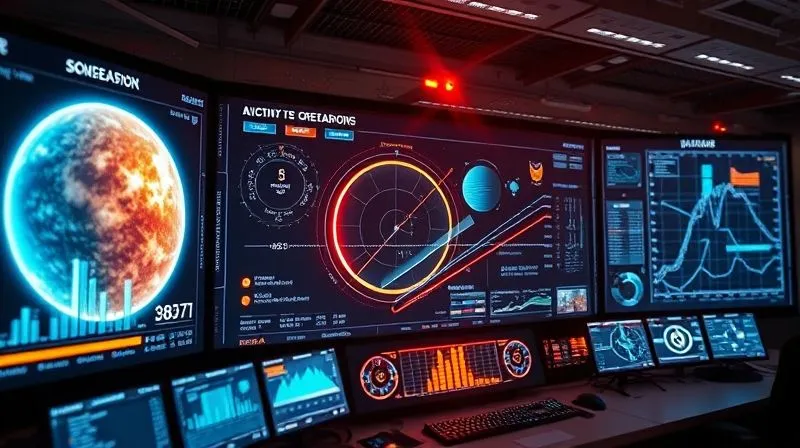
Furthermore, AI could analyze individual tourist health data and radiation exposure to provide personalized risk assessments and recommendations, truly moving towards bespoke safety protocols. The integration of AI will transform radiation safety from a static defense into a dynamic, intelligent system.
Frequently Asked Questions (FAQ)
What is the difference between radiation exposure for astronauts and space tourists? While both are exposed to space radiation, professional astronauts typically undertake longer missions (e.g., 6 months on the ISS) and often have higher cumulative lifetime doses. Orbital space tourists, on the other hand, usually undertake shorter missions (e.g., a few days to a week) in Low Earth Orbit. While their acute dose per mission is lower, the industry must ensure their cumulative lifetime exposure, especially if they fly multiple times, remains within acceptable civilian limits, which are often stricter than those for career astronauts.
Can I feel space radiation or know if I've been exposed? No, space radiation is invisible and odorless, and you cannot physically feel it in the moment of exposure. That's why active monitoring with dosimeters (personal and environmental) is crucial. While high acute doses could lead to immediate symptoms (Acute Radiation Syndrome), typical orbital tourist doses would not. Long-term effects, like increased cancer risk, are statistical and manifest over years or decades.
Are there any long-term health studies on former space tourists? As commercial space tourism is a relatively new endeavor, long-term health studies specifically on former private space tourists are still in their infancy. However, extensive research exists on professional astronauts, providing a strong foundation for understanding radiation's long-term effects. As more tourists fly, collecting and analyzing their health data will become paramount for comprehensive long-term studies, informing future safety protocols.
How does Earth's magnetic field protect orbital space tourists? Earth's magnetic field acts as a giant shield, deflecting most of the charged particles from GCRs and SPEs, especially in Low Earth Orbit (LEO). This protection is why LEO is significantly safer than deep space. However, the protection isn't absolute; some particles still penetrate, and spacecraft frequently pass through regions like the South Atlantic Anomaly where the field is weaker, allowing more radiation exposure.
What are the international standards for radiation exposure for space tourists? Currently, there isn't one universally ratified international standard specifically for private space tourists, unlike the well-established guidelines for professional astronauts (e.g., by NASA or Roscosmos). However, commercial operators typically adhere to or even exceed the safety principles set by organizations like the ICRP (International Commission on Radiological Protection) for occupational radiation workers, adapting them for the unique context of space tourism. The industry is actively working towards establishing harmonized, specific regulations.
Key Takeaways and Final Thoughts
The allure of space tourism is undeniable, a dream now within reach for many. However, the journey to the stars must be paved with uncompromising safety, and mitigating radiation exposure risks for orbital space tourists stands as one of the most critical challenges. As an industry veteran, I’ve seen the dedication and ingenuity poured into making this dream a safe reality.
- Understand the Threat: Differentiate between GCRs, SPEs, and trapped radiation belts to tailor effective countermeasures.
- Fortify with Shielding: Employ a combination of advanced passive materials and emerging active shielding technologies.
- Plan and Predict: Utilize cutting-edge space weather forecasting and optimal trajectory planning to avoid high-risk areas.
- Empower the Individual: Implement rigorous pre-flight assessments, personal dosimetry, and comprehensive tourist education.
- Collaborate Globally: Foster international cooperation to establish unified safety standards and share vital research data.
The future of space tourism is bright, but its sustained success hinges on our collective commitment to safety. By embracing these multifaceted strategies – from the engineering marvels of shielding to the meticulous planning of missions and the personalized care of tourists – we can ensure that the wonder of orbital travel remains an experience defined by awe, not apprehension. The cosmos awaits, and with diligent mitigation, we can venture forth with confidence.
Recommended Reading
- Unlock the Secrets: What to Wear for Formal Dining at Luxury Resorts
- The Essential Guide: How to Stay Safe and Healthy at a Music Festival
- Unlocking Serenity: How to Find the World's Whitest Sand Beaches
- Unlock Your Dream: How to Get Free Volunteer Teaching Placements
- Overcoming Solo Trip Anxiety: Calm Nerves, Find Peace



Your email address will not be published. Required fields are marked *