

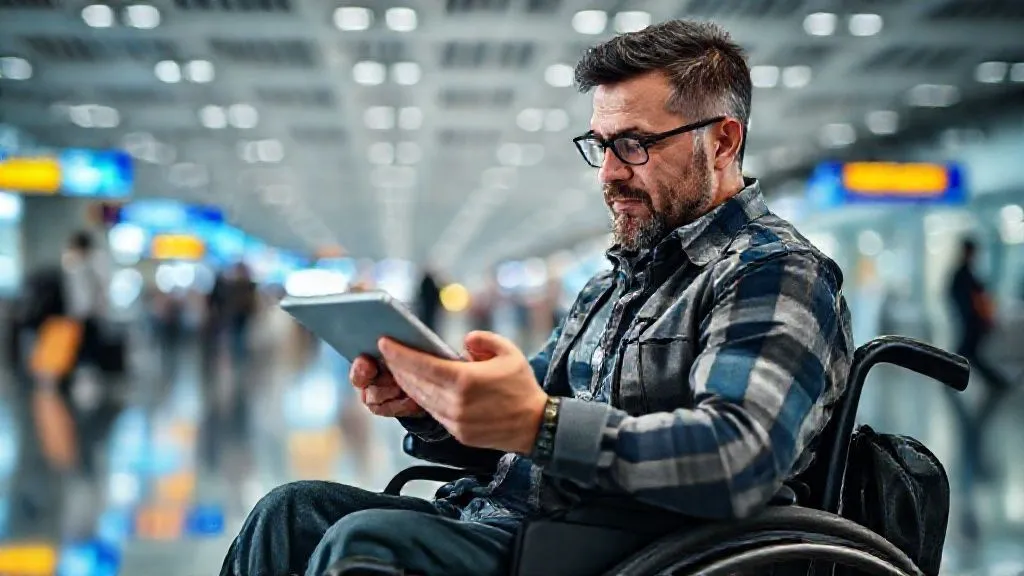
How to Mitigate Sudden Access Failures for Wheelchair Travelers?
For over two decades in the accessible travel sector, I've witnessed firsthand the profound impact a sudden access failure can have on a wheelchair traveler's journey. It's not just an inconvenience; it can transform a long-anticipated adventure into a nightmare of stress, frustration, and even isolation. I've heard countless stories, some heartbreaking, about meticulously planned trips derailed by a single, unforeseen accessibility oversight.
The pain point is acutely real: unexpected inaccessible bathrooms, non-functional lifts, damaged mobility aids during transit, or simply a lack of understanding from service providers. These aren't minor hiccups; they strike at the core of a traveler's independence and safety, often leading to wasted time, money, and emotional exhaustion. The fear of these 'what ifs' can, unfortunately, deter many from even attempting to explore the world.
But it doesn't have to be this way. In this definitive guide, I'll share expert-level, actionable frameworks, real-world case studies, and insights honed from years of experience. My goal is to equip you with the knowledge and tools to proactively mitigate sudden access failures for wheelchair travelers, ensuring your adventures are not just possible, but truly enjoyable and stress-free.
The Unseen Hurdles: Understanding Common Access Failure Points
Before we can mitigate, we must understand. In my experience, many access failures stem from a lack of comprehensive understanding of the potential pitfalls. It's often the 'invisible' barriers that catch travelers off guard, not the obvious ones.
Identifying Key Vulnerabilities in Accessible Travel
Common access failure points are diverse and can emerge at any stage of a journey. These often include:
- Transportation Challenges: Non-functional lifts on accessible vehicles, damaged mobility aids during airline baggage handling, or unavailable accessible taxis/ride-shares.
- Accommodation Discrepancies: Hotels misrepresenting their accessible rooms, essential features (roll-in showers, grab bars) being broken or missing, or inaccessible common areas.
- Attraction & Activity Barriers: Unexpected steps, lack of ramp access, inaccessible restrooms, or staff untrained in assisting wheelchair users at museums, parks, or event venues.
- Infrastructure Gaps: Uneven sidewalks, lack of curb cuts, or inaccessible public transportation stops in destinations.
- Equipment Malfunctions: Personal wheelchair breakdowns due to wear and tear, or damage from rough handling, far from repair services.
"The true expert in accessible travel doesn't just know where the ramps are; they anticipate where the ramps *aren't* and plan accordingly. Proactive vulnerability assessment is your strongest shield."
Recognizing these potential points of failure is the critical first step. It allows us to move from reactive problem-solving to proactive prevention, building resilience into every facet of our travel plans.
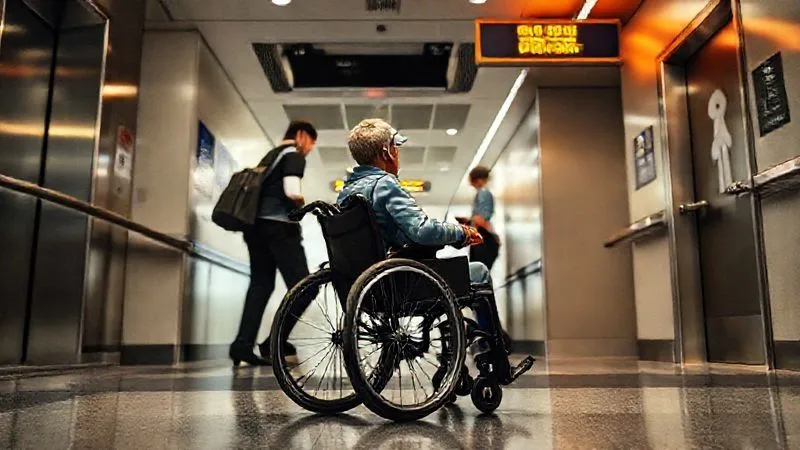
Pre-Trip Vetting: Your First Line of Defense Against Disruption
My golden rule for accessible travel is simple: never assume. What a website calls 'accessible' can often be a far cry from what a wheelchair traveler truly needs. This is why meticulous pre-trip vetting isn't just a suggestion; it's an absolute necessity.
Thorough Research and Verification Protocols for Accessibility
Here’s my proven step-by-step approach to ensure your chosen services meet genuine accessibility standards:
- Deep-Dive Website Analysis: Go beyond the 'accessibility' page. Look for detailed photos of accessible rooms, bathrooms, and common areas. Scrutinize floor plans if available. Are there specific dimensions for doorways or shower clearances?
- Direct Communication is Key: Do not rely solely on email. Call the hotel, airline, or tour operator directly. Speak to a manager or a dedicated accessibility coordinator. Ask very specific, open-ended questions like: "Can you describe the roll-in shower, including the lip height and grab bar placement?" or "What is the exact width of the narrowest doorway in the accessible room?"
- Leverage User Reviews and Forums: Seek out reviews from other wheelchair travelers on platforms like TripAdvisor, Google Maps, or specialized accessible travel forums. These provide invaluable, unfiltered insights into real-world accessibility. Websites like Wheelchair Accessible Travel often compile such user-generated data.
- Request Visual Confirmation: Don't hesitate to ask for current, unedited photos or even a short video of the specific accessible room or feature you are booking. Many reputable establishments are happy to provide this.
- Confirm and Reconfirm: A week before departure, call again to reconfirm all accessibility arrangements. Get names and direct contact numbers if possible. Document everything.
This rigorous vetting process, while time-consuming, significantly reduces the likelihood of encountering unexpected barriers. It shifts the burden of proof from your arrival to your planning phase.
Building a Robust Contingency Plan: The 'What If' Scenarios
No matter how meticulously you plan, unforeseen circumstances can arise. This is where a robust contingency plan becomes your safety net. As I always tell my clients, 'Hope for the best, but plan for every possible worst-case scenario.'
Developing a Multi-Layered Backup Strategy for Accessible Travel
Your contingency plan should address potential failures across transportation, accommodation, and personal equipment:
- Alternative Transportation Routes: Identify backup accessible taxi services, private transfer companies, or public transit options at your destination. Have their contact information readily available.
- Emergency Repair & Maintenance: Research local wheelchair repair shops or medical equipment rental companies at your destination. Know where to get spare parts or a temporary replacement if your mobility aid is damaged.
- Accommodation Backup: Have a list of 2-3 alternative accessible hotels in your target area that you've pre-vetted, just in case your primary booking falls through or is misrepresented.
- Personal Assistance & Communication: Carry a written card with key medical information, emergency contacts, and a brief description of your accessibility needs in the local language (if traveling internationally). Ensure your phone is charged and has international roaming or a local SIM.
- Travel Insurance Review: Invest in comprehensive travel insurance that specifically covers mobility aids against loss, damage, or theft. Understand the claims process BEFORE you travel. According to a Forbes Advisor analysis, specific policies offer better coverage for medical equipment.
| Category | Resource | Contact Details |
|---|---|---|
| Emergency Contacts | Local Accessible Taxi | +XX-XXX-XXXX |
| Emergency Contacts | Wheelchair Repair Shop | [Shop Name, Address, Phone] |
| Emergency Contacts | Accessible Hotel Backup 1 | [Hotel Name, Address, Phone] |
| Equipment Spares | Tire Repair Kit | Patch kit, pump, Allen wrenches |
| Documentation | Medical Info Card | Key info, allergies, medications |
"A well-crafted contingency plan isn't about expecting things to go wrong; it's about empowering yourself with the confidence that no matter what happens, you have a clear path forward."
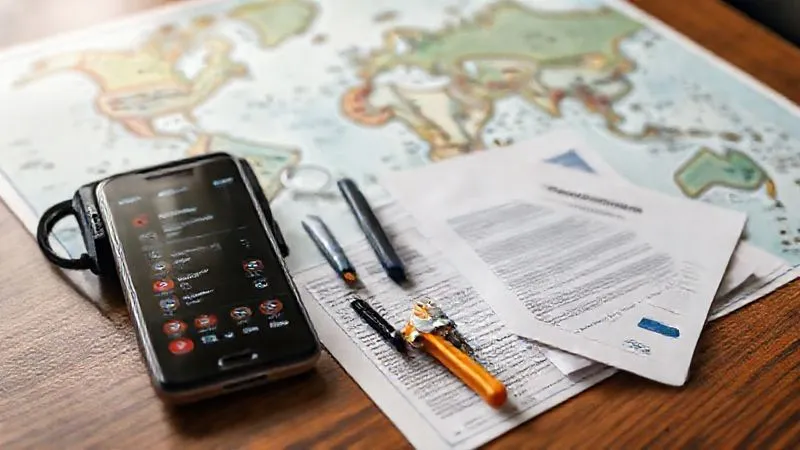
Case Study: How Maya Navigated a Last-Minute Accommodation Failure
Maya, a power wheelchair user, meticulously planned a trip to Rome. Despite her thorough pre-vetting, upon arrival, her 'accessible' hotel room had a shower with a 4-inch lip and a bed too high for her transfer system. Instead of panicking, Maya calmly executed her contingency plan. She immediately called her pre-researched backup hotel, confirmed their roll-in shower and adjustable bed, and had the original hotel arrange and pay for her transfer, citing their misrepresentation. This resulted in a seamless transition and a stress-free start to her vacation, proving the invaluable return on proactive planning.
The Power of Communication: Advocating for Your Needs
In my years, I've seen that the biggest barrier is often not physical, but a lack of effective communication. Your ability to clearly articulate your needs and advocate for your rights is a powerful tool in mitigating access failures.
Effective Dialogue with Service Providers and Local Authorities
Here’s how to master the art of communication:
- Be Specific and Detailed: Avoid vague terms like 'accessible.' Instead, describe your needs precisely: "I require a roll-in shower with grab bars and a shower chair," or "My power wheelchair weighs 350 lbs and requires a ramp with a minimum 30-inch width."
- Document Everything: Keep a log of who you spoke to, when, and what was promised. Emails are excellent for this. If a phone call, follow up with an email summarizing the conversation.
- Know Your Rights: Familiarize yourself with local disability laws and regulations for travel in your destination country. This knowledge empowers you to advocate confidently. Organizations like the Americans with Disabilities Act (ADA) website offer extensive resources on rights for travelers.
- Maintain Composure: Even when frustrated, a calm, assertive demeanor is far more effective than anger. Clearly state the problem, what solution you expect, and reference prior agreements.
- Seek Escalation: If frontline staff cannot resolve an issue, politely ask to speak with a manager or supervisor. If still unresolved, know the appropriate regulatory bodies to contact (e.g., airport customer relations, local tourism board).
"Your voice is your most potent advocate. Learn to wield it with precision, clarity, and an unwavering understanding of your needs and rights."
Essential Gear and On-the-Go Solutions
Beyond meticulous planning, having the right tools and knowing how to use them can be a game-changer when faced with unexpected access challenges. Think of it as your personal 'travel resilience kit.'
Packing Smart: Tools for Immediate Problem Solving on the Road
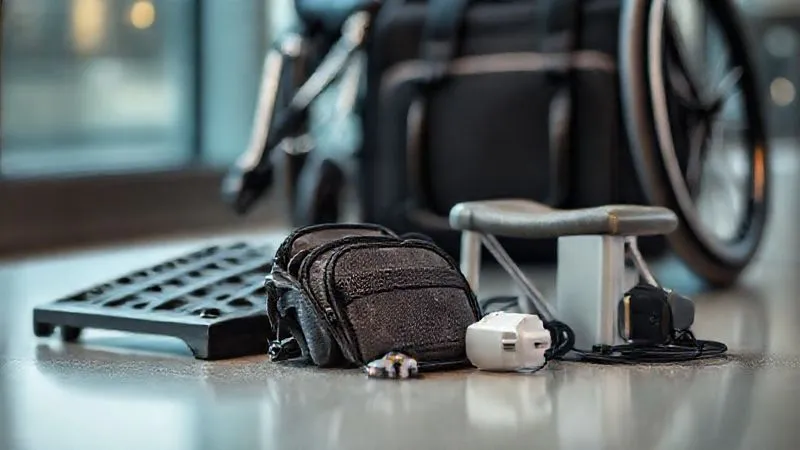
I always advise my clients to consider these essential items for their accessible travel toolkit:
- Basic Wheelchair Repair Kit: Small toolkit including Allen wrenches, tire patch kit, small pump, extra screws, and zip ties. Many minor issues can be fixed on the spot.
- Portable Ramp: A lightweight, foldable ramp can overcome unexpected single steps or high thresholds, making many previously inaccessible areas reachable.
- Portable Shower Chair/Commode: If a roll-in shower isn't truly accessible or available, a compact portable option can restore independence.
- Universal Charger & Adapters: Ensure all your electronic mobility aids and communication devices stay powered.
- Communication Aids: A fully charged power bank, a satellite phone (for remote areas), or a translation app can be crucial for unexpected situations.
- Medical Kit: Beyond standard first aid, include any specific medications, wound care, or specialized supplies you might need.
These items empower you to address common access failures directly, reducing reliance on external assistance and keeping your journey on track.
Navigating Transportation: Airports, Trains, and Local Transit
Transportation is often the most complex aspect of accessible travel, prone to sudden access failures due to logistical complexities and varied infrastructure. Strategic planning here is paramount.
Specific Strategies for Various Modes of Travel
- Air Travel:
- Pre-notify Airlines: Always inform the airline of your specific needs (type of wheelchair, dimensions, weight, battery type) at least 48-72 hours in advance.
- Confirm Assistance: Reconfirm special assistance (e.g., gate-to-aircraft transfer, aisle chair) upon check-in and again at the gate.
- Wheelchair Handling: Request your wheelchair be stowed in the cabin if possible (manual, foldable). If not, ensure it's labeled fragile and ask for a visual inspection upon arrival before leaving the gate area.
- Battery Safety: Understand airline rules for power wheelchair batteries (e.g., dry cell, gel cell, lithium-ion).
- Train Travel:
- Booking Accessible Seats: Book accessible seating well in advance, as these are often limited.
- Platform Access: Confirm ramp or lift access at both departure and arrival stations.
- Onboard Facilities: Verify accessible restrooms and dining car access if relevant.
- Local Transit & Taxis:
- Research Local Options: Identify accessible public buses, trams, or subway lines. Use apps that show real-time accessible routes.
- Pre-book Accessible Taxis: In many cities, accessible taxis must be pre-booked and can be scarce. Have several companies' numbers.
- Ride-Share Accessibility: Check if services like Uber or Lyft offer accessible vehicle options in your destination, and understand how to request them.
As marketing guru Seth Godin often says, "The market always wins." In accessible travel, the market demands clarity and reliability. By being an informed consumer and a proactive communicator, you can significantly influence your travel experience.
Leveraging Technology and Community Support
In the digital age, technology and community networks offer powerful new ways to mitigate access failures. These resources can provide real-time information and invaluable peer support.
Apps, Forums, and Local Networks for Real-Time Accessibility Insights
I highly recommend integrating these tools into your travel strategy:
- Accessible Travel Apps: Apps like Wheelmap, AccessNow, or AXS Map rely on crowdsourced data to pinpoint accessible locations, restrooms, and routes worldwide. They provide invaluable on-the-ground intelligence.
- Online Forums & Social Media Groups: Join Facebook groups, Reddit communities (e.g., r/wheelchairs, r/AccessibleTravel), or specialized forums dedicated to accessible travel. These communities are treasure troves of advice, personal experiences, and real-time problem-solving.
- Local Disability Organizations: Before traveling, research local disability advocacy groups or centers in your destination. They can often provide up-to-date information on local accessibility, resources, and even emergency contacts.
- Translation Apps: For international travel, a robust translation app can bridge communication gaps in an emergency or when seeking assistance.
The collective wisdom of the accessible travel community is immense. Don't hesitate to tap into it. A quick post in a relevant group can often yield solutions to challenges you thought were insurmountable.

Post-Incident Review and Continuous Improvement
Every journey, especially one involving an access failure, is an opportunity for learning and growth. My final piece of advice is to always conduct a post-incident review.
Learning from Every Journey to Enhance Future Travel
After each trip, take time to reflect:
- Document What Went Wrong: Keep a travel journal or digital log. Note specific access failures, how they were handled, and what could have been done differently.
- Update Your Contingency Plan: Based on new experiences, refine your emergency contacts, backup options, and essential gear list.
- Provide Feedback: Share your experiences (positive and negative) with service providers, online review platforms, and accessible travel communities. Your feedback helps improve accessibility for everyone.
- Refine Your Vetting Process: Did you miss anything in your pre-trip research? Adjust your questions and verification protocols for future trips.
"Challenges are not failures; they are data points. Analyze them, learn from them, and integrate those lessons into a stronger, more resilient travel strategy."
This continuous improvement loop ensures that each journey makes you a more knowledgeable and prepared accessible traveler.
Frequently Asked Questions (FAQ)
What if my airline assistance fails at the last minute, leaving me stranded at the gate? This is a common and distressing scenario. Immediately notify the gate agent and ask to speak with a supervisor. Clearly state that you require assistance as per your pre-booked arrangements. If no immediate solution is offered, politely but firmly request alternative arrangements, such as a different flight with guaranteed assistance, or a comparable service at the airline's expense. Document everything, including names and times. Having the airline's customer service number handy for a direct call can also be beneficial.
How do I find truly accessible hotels, beyond their website claims? Beyond calling and asking for photos (as discussed), consider using specialized accessible travel agencies or consultants who personally vet properties. You can also cross-reference hotel claims with user-generated content on accessible travel apps and forums. Look for hotels that are certified by reputable accessibility organizations, as these often undergo stricter auditing. Don't just ask if it's 'accessible'; ask for specific measurements and features like 'clearance under the bed for a hoist' or 'height of the toilet from the floor.'
Are there specific travel insurance policies for mobility aid damage or failure? Yes, absolutely. Standard travel insurance often has limitations on coverage for medical equipment. Look for specialized policies or add-ons that explicitly cover your mobility aid (e.g., power wheelchair, scooter) against damage, loss, or theft, including during transit. Verify the coverage limits, deductible, and the process for filing a claim while abroad. Some policies may also cover emergency repairs or rental of a replacement mobility aid.
What's the best way to handle an unexpected inaccessible toilet facility in a public place? This requires quick thinking and resourcefulness. First, check nearby establishments (restaurants, cafes, shopping centers) – they often have more robust accessibility. If that fails, consider using a portable urinal/commode if you carry one. In an emergency, locate a pharmacy or medical center, as they usually have accessible facilities. Always carry a 'Can't Wait' card in the local language explaining your urgent need.
How can I ensure my power wheelchair battery lasts for long journeys without access to charging? Battery management is crucial. Start with a full charge. If possible, carry a spare, fully charged battery (ensuring it complies with airline/transport regulations). Minimize unnecessary battery drain by turning off non-essential functions. For very long journeys, consider portable charging solutions or research charging points along your route (e.g., in airports, train stations, accessible cafes). Some power wheelchairs also have manual override options for short distances if the battery depletes.
Key Takeaways and Final Thoughts
Navigating the world as a wheelchair traveler comes with its unique set of challenges, but with the right preparation and mindset, these challenges can be effectively mitigated. My two decades in this field have taught me that empowerment comes from knowledge, foresight, and a well-practiced strategy.
- Proactive Vetting is Non-Negotiable: Never assume accessibility; verify every detail before you depart.
- Build a Multi-Layered Contingency Plan: Prepare for 'what ifs' across all aspects of your journey.
- Master the Art of Communication: Advocate clearly and confidently for your specific needs.
- Equip Yourself with Essential Tools: Carry a travel resilience kit for on-the-go solutions.
- Leverage Community and Technology: Tap into the collective wisdom of accessible travel networks.
Remember, accessible travel is a journey of continuous learning. Each trip, regardless of minor setbacks, refines your expertise and builds your confidence. Embrace the adventure, plan intelligently, and know that with these strategies, you are well-equipped to mitigate sudden access failures and experience the world on your terms. Happy travels!
Recommended Reading
- Solo Female Safety: 7 Smart Ways to Navigate Cultural Gender Norms
- Unveiling the Truth: How Safe Are Private Space Tourism Rocket Launches?
- 7 Proven Strategies: Maximize Your Luxury Glamping Investment Returns
- Busy Executive? Master Pro Solo Travel Photos in 5 Smart Steps
- How to Ensure Food Safety on International Cultural Culinary Tours: 7 Expert Tips




Your email address will not be published. Required fields are marked *