

How to Mitigate Unforeseen Hazards on Remote Scenic Drive Tours?
For over two decades navigating the most breathtaking and often unforgiving landscapes, I've witnessed firsthand the sheer joy a remote scenic drive can bring. But I've also seen the stark reality when unprepared adventurers encounter the unexpected – a sudden rockfall, a flash flood, a mechanical failure hundreds of miles from the nearest tow truck. The allure of the open road, the promise of untouched beauty, often overshadows the critical need for meticulous planning and preparedness.
The problem is simple: the romanticized image of a spontaneous road trip often clashes violently with the harsh, unpredictable realities of remote wilderness. Cell service vanishes, weather turns on a dime, and what was a quaint dirt track becomes a formidable obstacle course. Many travelers embark on these journeys with a false sense of security, assuming modern vehicles and GPS will solve all problems, only to find themselves in genuinely dangerous predicaments.
This guide isn't about fear-mongering; it's about empowerment. It's about equipping you with the knowledge, strategies, and mindset to transform potential disasters into minor inconveniences. I'll share actionable frameworks, real-world insights, and expert advice to ensure your next remote scenic drive is not just memorable for its beauty, but also for your unwavering safety and confidence. Let's learn how to mitigate unforeseen hazards on remote scenic drive tours, together.
The Unseen Dangers: Why Remote Drives Demand More
The very essence of a remote scenic drive – its isolation and untouched beauty – also harbors its greatest risks. Unlike urban commuting or even well-traveled highways, these routes operate under a different set of rules, or often, no rules at all.
Isolation & Limited Resources
The most significant challenge is the sheer isolation. I've been in situations where the nearest human habitation was a day's hike away, and cell service was a distant memory. This means no quick call to roadside assistance, no convenient gas station, and certainly no immediate medical help. Every decision, every resource you carry, becomes amplified in importance.
Imagine running out of fuel in Death Valley, or suffering a breakdown on a remote stretch of the Alaska Highway. These aren't just inconveniences; they can quickly become life-threatening scenarios without proper planning and backup.
Environmental Volatility
Remote areas, particularly those with dramatic scenery, are often susceptible to rapid and extreme weather changes. A clear blue sky can turn into a torrential downpour, a blizzard, or a dust storm within hours. I've personally seen gravel roads transform into impassable mud pits, and mountain passes become treacherous with black ice, all within a single afternoon.
Beyond weather, the terrain itself presents hazards: unexpected rockfalls, washouts from previous storms, or even shifting sand dunes can appear without warning, making navigation difficult and dangerous.
Wildlife Encounters
Part of the charm of remote drives is the opportunity to see wildlife in its natural habitat. However, these encounters can also pose significant risks. Collisions with large animals like deer, elk, moose, or even bears are a genuine concern, especially at dawn, dusk, or night.
Beyond direct collisions, knowing how to react if you encounter wildlife on foot, or if an animal blocks your path, is crucial. Respecting their space and understanding their behavior can prevent dangerous confrontations.
Expert Insight: "The greatest hazard on a remote scenic drive isn't the road itself, but the traveler's underestimation of its demands and their overestimation of their own readiness."
Pre-Trip Reconnaissance: Your First Line of Defense
Before the tires even hit the road, the most critical phase of mitigating hazards begins: meticulous planning. I've always preached that a truly successful adventure is 90% preparation and 10% execution.
Thorough Route Planning & Research
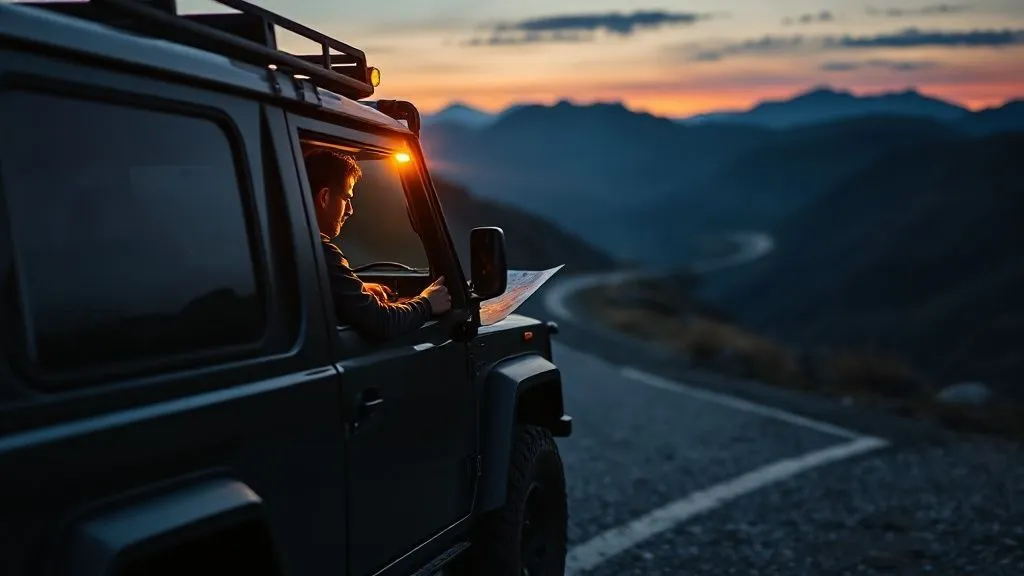
Don't just plug a destination into your GPS. Remote roads often don't appear accurately, or their conditions change rapidly. This is where old-school map reading and modern data gathering converge.
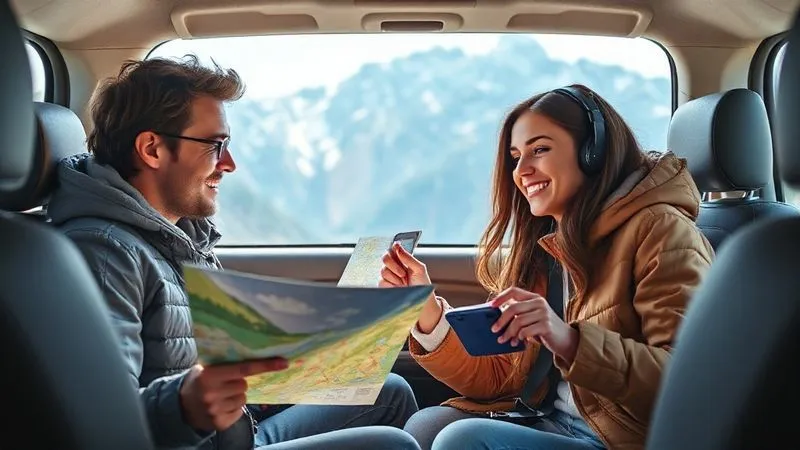
- Consult Multiple Map Types: Use detailed topographical maps (e.g., USGS quads) alongside digital maps (Google Maps, Gaia GPS) to understand terrain, elevation changes, and potential alternative routes.
- Check Local Advisories: Reach out to local ranger stations, tourism boards, or even online forums dedicated to the specific area. They often have real-time information on road closures, wildfire risks, and recent weather events.
- Assess Road Conditions: Understand if the route is paved, gravel, dirt, or requires 4x4. Don't assume. A road marked on a map might be impassable for your vehicle type.
- Study Weather Patterns: Research historical weather for your travel period and monitor forecasts relentlessly. Use reliable sources like NOAA's National Weather Service for accurate, localized data.
Vehicle Inspection & Maintenance
Your vehicle is your lifeline. A breakdown in a remote area isn't just an inconvenience; it's a potential survival situation. A comprehensive pre-trip inspection is non-negotiable.
- Tires: Check tread depth, pressure (including spare), and look for any sidewall damage. Consider airing down for specific terrains if you have the knowledge and equipment.
- Fluids: Ensure all fluids (oil, coolant, brake fluid, power steering fluid, windshield washer) are topped off and in good condition.
- Brakes: Listen for unusual noises, check pedal feel, and inspect pads if possible.
- Battery: Check terminals for corrosion and ensure it's holding a charge.
- Belts & Hoses: Inspect for cracks, fraying, or leaks.
- Lights: Test all exterior and interior lights.
- Spares & Tools: Confirm you have a functional spare tire, jack, lug wrench, and basic toolkit.
Expert Tip: "If you have any doubts about your vehicle's readiness, invest in a professional pre-trip inspection from a trusted mechanic. It's a small cost for immense peace of mind."
Case Study: The Desert Detour Disaster Averted
Acme Corp's Preparedness Pays Off
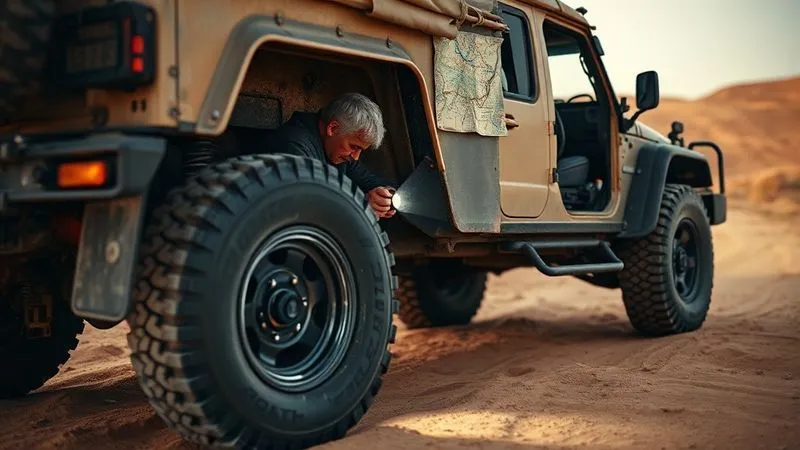
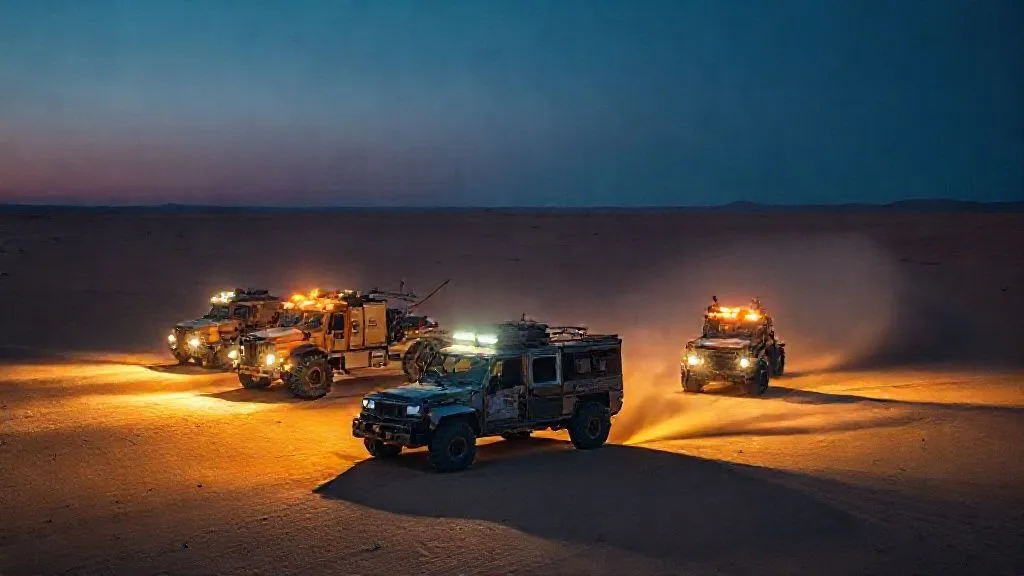
A small team from 'Acme Corp Outdoor Adventures' was planning a photography expedition through a remote section of the Anza-Borrego Desert. Their lead, an experienced overlander, insisted on a meticulous pre-trip checklist. Days before departure, during a routine tire inspection, they discovered a slow leak in one of their all-terrain tires that had gone unnoticed. Furthermore, their route research revealed that a section of their planned path had been recently washed out by flash floods, making it impassable for a standard 4x4.
By addressing the tire issue proactively and rerouting based on updated information, they avoided a potentially serious breakdown in scorching temperatures and a dangerous encounter with impassable terrain. This resulted in a safe, successful expedition, proving that vigilance and thorough preparation are the cornerstones of remote travel safety.
Essential Gear: Equipping for the Unexpected
Once your route is planned and your vehicle is prepped, the next step is ensuring you have the right gear to handle anything. This isn't about luxury; it's about necessity.
Communication Devices
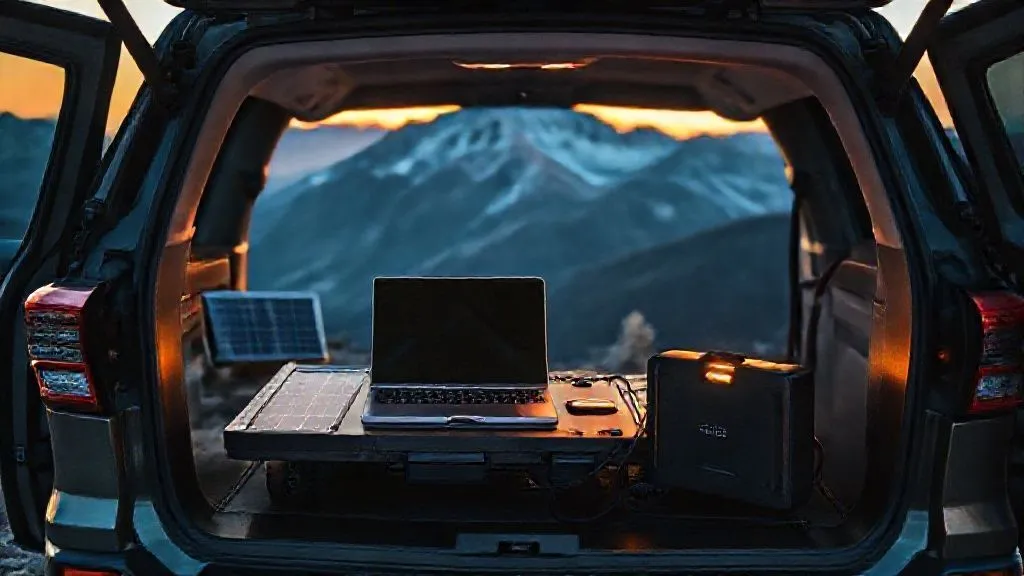
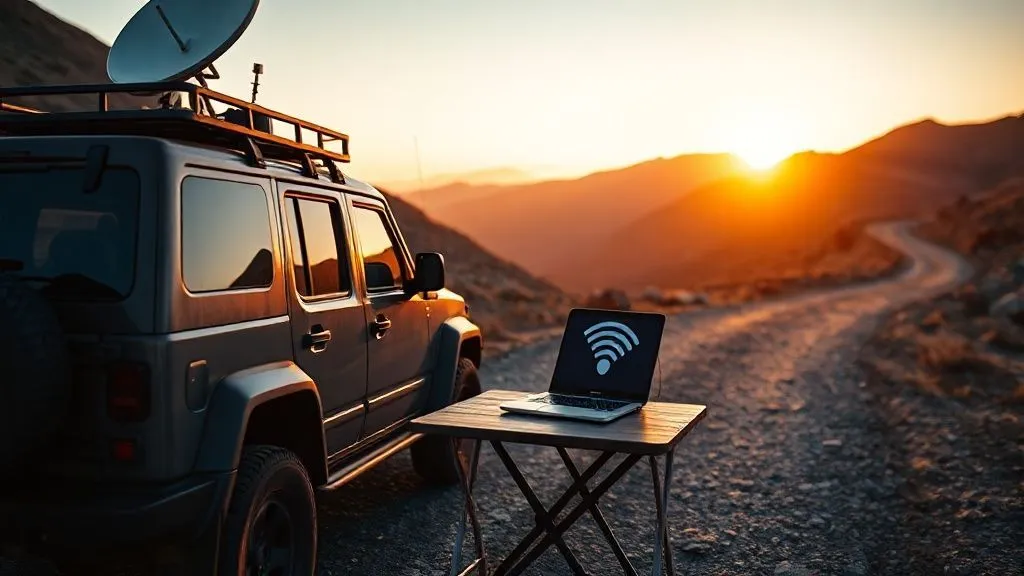
In areas without cell service, traditional phones are useless. You need alternative means to call for help or notify loved ones.
- Satellite Phone: The most reliable option for two-way communication anywhere on Earth. Essential for extended, deep wilderness trips.
- Personal Locator Beacon (PLB) or Satellite Messenger: Devices like Garmin inReach or Zoleo allow for two-way texting via satellite and have an SOS button to alert emergency services with your exact location. PLBs are solely for SOS.
- Two-Way Radios (VHF/UHF): Useful for communicating with other vehicles in your convoy or with local services if you know their frequencies, but range is limited.
Emergency Supplies & Survival Kit
Think beyond just a first-aid kit. You need to be self-sufficient for at least 72 hours, potentially longer.
- Comprehensive First-Aid Kit: Stocked with medications, wound care, pain relievers, and any personal prescriptions.
- Food & Water: Carry at least 1 gallon of water per person per day, plus an extra 2-3 days' supply. Non-perishable, high-energy food (nuts, energy bars, dried fruit).
- Shelter & Warmth: Emergency blankets, sleeping bag, tarp, or a small tent. Even in warm climates, desert nights can be freezing.
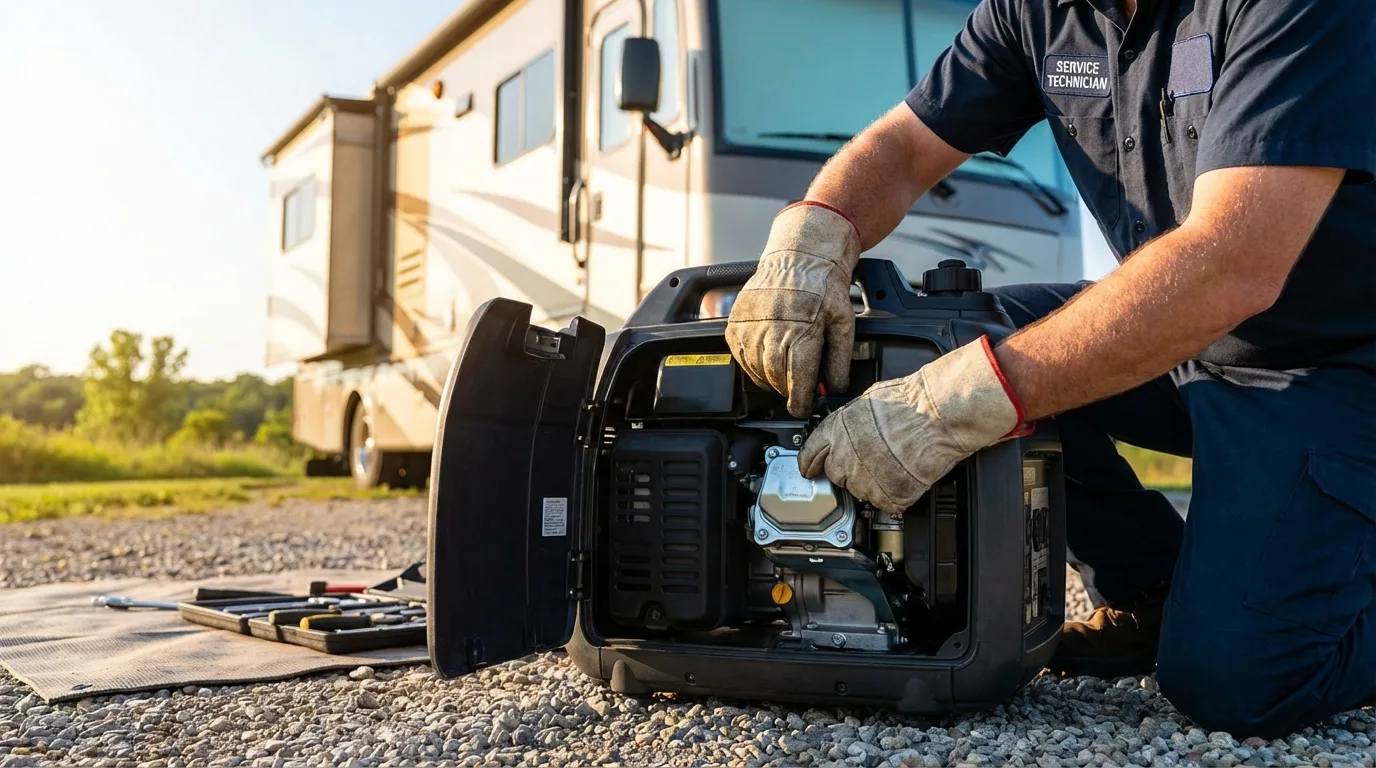
- Tools & Repair Kit: Multi-tool, duct tape, zip ties, tire repair kit, jumper cables, basic wrenches, spare fuses.
- Fire Starter: Waterproof matches, lighter, ferro rod.
- Headlamp/Flashlight: With extra batteries.
Navigation & Recovery Tools
Getting stuck or lost is a real possibility. These tools can make the difference between a minor delay and a dire situation.
- Physical Maps & Compass: Always carry paper maps of your route and surroundings, and know how to use a compass. Batteries die, screens break.
- Shovel: Essential for digging out tires from sand or mud.
- Tow Strap/Recovery Rope: For self-recovery or being pulled out by another vehicle.
- Portable Air Compressor: For airing up tires after airing down for rough terrain, or after a tire repair.
- Traction Boards: (e.g., Maxtrax) Invaluable for getting unstuck from sand, mud, or snow.
| Item Category | Essential Gear | Purpose |
|---|---|---|
| Communication | Satellite Phone/Messenger | Emergency SOS, Remote Contact |
| Survival | 72-Hour Food & Water Supply | Sustenance in Isolation |
| Vehicle Recovery | Tow Strap & Traction Boards | Self-extrication from Stucks |
| Navigation | Paper Maps & Compass | Backup for Digital Failures |
| Medical | Comprehensive First-Aid Kit | Injury/Illness Management |
Mastering Defensive Driving in Remote Terrain
Even with the best preparation, the actual act of driving in remote areas demands a heightened level of skill and awareness. It's not just about getting from A to B; it's about anticipating and reacting to dynamic conditions.
Adapting to Varied Road Surfaces
Remote scenic drives rarely offer consistently smooth pavement. You'll likely encounter a mix of gravel, dirt, sand, and potentially rocky tracks. Each surface requires a different approach.
- Gravel/Dirt: Reduce speed, avoid sudden braking or steering inputs. Be aware of loose shoulders.
- Sand: Lower tire pressure slightly for increased traction (and reinflate afterward). Maintain momentum but don't over-rev. Avoid sharp turns.
- Uneven/Rocky: Drive slowly, pick your lines carefully, and avoid scraping the undercarriage. Utilize 4-wheel drive low range if available.
Navigating Adverse Weather Conditions
Sudden storms, fog, or even intense sun glare can dramatically reduce visibility and traction. Your ability to adapt quickly is paramount.
- Rain/Mud: Slow down significantly. Hydroplaning is a serious risk. Mud can be deceptively deep; test depth if unsure.
- Snow/Ice: Reduce speed to a crawl. Gentle inputs on steering, braking, and acceleration. Consider tire chains if conditions are severe and you're equipped.
- Fog/Dust: Use low beams, not high beams, to avoid reflection. Drive slowly, increase following distance.
Expert Principle: "When in doubt, slow down. Speed is the enemy of control, especially on unfamiliar and unpredictable surfaces."
Wildlife Awareness & Avoidance
Remote areas are habitats for countless animals. Your vigilance can prevent dangerous collisions.
- Scan Constantly: Look not just at the road ahead, but also the shoulders and beyond. Animals can dart out quickly.
- Dawn & Dusk: These are prime times for wildlife activity. Be extra cautious during these hours.
- Know Local Wildlife: Research what animals are common in the area you're driving through. Knowing their habits (e.g., deer often travel in groups) can inform your awareness.
- React Safely: If an animal appears, brake firmly but avoid swerving violently, especially at high speeds or on loose surfaces, which can lead to losing control.
Communication & Contingency Planning
Beyond your personal gear, having a robust communication plan and understanding emergency protocols is a crucial layer of safety.
Creating a Detailed Itinerary & Share Plan
This is one of the simplest yet most effective safety measures. It ensures that if something goes wrong, someone knows where to start looking for you.
- Outline Your Route: Provide specific roads, turn-offs, and approximate mileage for each segment.
- Estimate Timelines: Give realistic departure and arrival times for key waypoints.
- Designate Check-in Points: Identify specific locations or times when you will contact your designated emergency contact (e.g., a friend, family member, or even a park ranger).
- Share Vehicle Details: Provide your vehicle's make, model, color, and license plate number.
- Share Contact Info: Include your satellite phone number or satellite messenger identifier.
Understanding Local Emergency Protocols
Emergency services vary by region. Knowing who to call and what information to provide can save precious time.
- 911 vs. Local Numbers: While 911 is universal in the US, in truly remote areas, direct contact with local sheriff's departments, park rangers, or search and rescue teams might be more efficient. Research these numbers beforehand.
- Be Specific: When reporting an emergency, provide your exact GPS coordinates (from your satellite device), the nature of the emergency, number of people involved, and any injuries.
Data-Backed Insight: The Power of Preparedness
According to a study by the National Association for Search and Rescue (NASAR), travelers who shared a detailed itinerary and maintained regular check-ins were located an average of 40% faster in emergency situations compared to those who had no such plan. This dramatically increases the chances of a positive outcome in critical scenarios.
Mental Fortitude and Problem-Solving on the Road
Even with all the gear and planning, unexpected challenges will arise. Your mindset and ability to calmly troubleshoot are your final, most critical tools.
Maintaining Composure in Crisis
Panic is the enemy of good decision-making. I've learned that the first few moments after an incident are crucial. Take a deep breath, assess the situation, and remember your training and preparations.
- STOP Principle: Stop, Think, Observe, Plan. This simple framework can guide you through initial shock and help you formulate a rational response.
- Prioritize Safety: Your safety and the safety of your passengers always come first.
Basic Vehicle Troubleshooting
You don't need to be a mechanic, but knowing some basics can get you out of minor jams.
- Changing a Tire: Practice this at home, especially if your vehicle has an unfamiliar jack or lug nut configuration.
- Checking Fluids: Understand where your oil, coolant, and brake fluid reservoirs are and how to check their levels.
- Jump-Starting: Know how to safely jump-start your vehicle or assist another.
- Fuses: Locate your fuse box and carry spare fuses for critical systems like lights or wipers.
Decision-Making Under Pressure
Remote travel often presents dilemmas with no clear-cut answers. Should you push on? Turn back? Wait for help?
- Risk Assessment: Objectively weigh the risks and rewards of each option. Consider available resources, weather, time of day, and your physical condition.
- Consult Resources: Refer to your maps, emergency guides, or even a vehicle manual.
- Trust Your Gut: If a situation feels unsafe, it probably is. Don't be afraid to turn back or wait it out. For more insights on wilderness decision-making, consider resources like NOLS (National Outdoor Leadership School).
My Personal Mantra: "The most prepared traveler isn't the one who avoids all problems, but the one who has the tools – both physical and mental – to overcome them."
Post-Hazard Protocol & Learning from Experience
Even with the best preparation, unforeseen hazards can still occur. How you react immediately after an incident and what you learn from it are crucial for future safety.
Immediate Actions After an Incident
Should you find yourself in a mishap, a clear, calm sequence of actions can prevent a bad situation from becoming worse.
- Ensure Safety First: If possible, move to a safe location away from traffic or immediate environmental dangers. Turn on your hazard lights.
- Assess Injuries: Check yourself and any passengers for injuries. Administer first aid as needed.
- Assess Vehicle Damage: Quickly evaluate the extent of damage to your vehicle. Is it drivable? Is it safe to remain inside?
- Communicate for Help: If you have a satellite device, activate your SOS or send a message to your emergency contact with your exact location and the nature of the problem.
- Set Up Warning Signals: If you're on a road, use reflective triangles or flares to warn oncoming traffic.
Documenting & Reporting
Even if it's a minor incident, documentation can be important for insurance, future repairs, or simply for your own records.
- Take Photos: Capture images of vehicle damage, road conditions, and the surrounding environment.
- Note Details: Write down the time, date, specific location (GPS coordinates if possible), and a brief description of what happened.
- Inform Authorities: Depending on the severity, contact local law enforcement or park rangers.
Reflecting for Future Journeys
Every incident, no matter how small, is a learning opportunity. I always take time after a challenging trip to reflect.
- What Went Well? Identify the preparations or decisions that proved effective.
- What Could Be Improved? Pinpoint areas where your planning or gear might have been insufficient. Did you forget a crucial tool? Misjudge a road condition?
- Update Your Kit/Plan: Use these lessons to refine your emergency kit, update your checklists, and adjust your future travel strategies.
Frequently Asked Questions (FAQ)
What's the most common unforeseen hazard on remote scenic drives? In my experience, the most common unforeseen hazard isn't a dramatic accident, but rather mechanical failure (flat tires, overheating) combined with a lack of communication. Travelers often underestimate the strain remote roads put on a vehicle and overestimate cell coverage. Sudden weather changes, especially flash floods in arid regions or rapid snowfalls in mountains, also frequently catch people off guard.
How reliable are satellite phones or messengers in deep wilderness? Satellite phones and messengers (like Garmin inReach or Zoleo) are highly reliable for communication in deep wilderness, as they don't rely on terrestrial cell towers. Their coverage is global or near-global, depending on the satellite constellation they use. However, they do require a clear line of sight to the sky, and dense tree cover or deep canyons can occasionally obstruct the signal. Always test your device before departing and understand its limitations.
Should I travel alone on remote scenic drives? Traveling alone on remote scenic drives is possible and often deeply rewarding, but it significantly amplifies risks. If you choose to travel solo, your preparedness must be absolutely impeccable. This means carrying redundant communication devices, being highly self-reliant, having an extremely detailed itinerary shared with multiple reliable contacts, and possessing advanced vehicle recovery and first-aid skills. In general, traveling with at least one other vehicle or person is safer.
What's the minimum amount of water I should carry for a multi-day remote trip? A good rule of thumb is a minimum of 1 gallon (approximately 3.8 liters) of water per person per day for drinking, plus additional water for cooking and hygiene. For remote, hot, or strenuous conditions, I recommend carrying at least 1.5 to 2 gallons per person per day, plus an extra 2-3 days' supply as a buffer against unexpected delays. Water is your most critical resource.
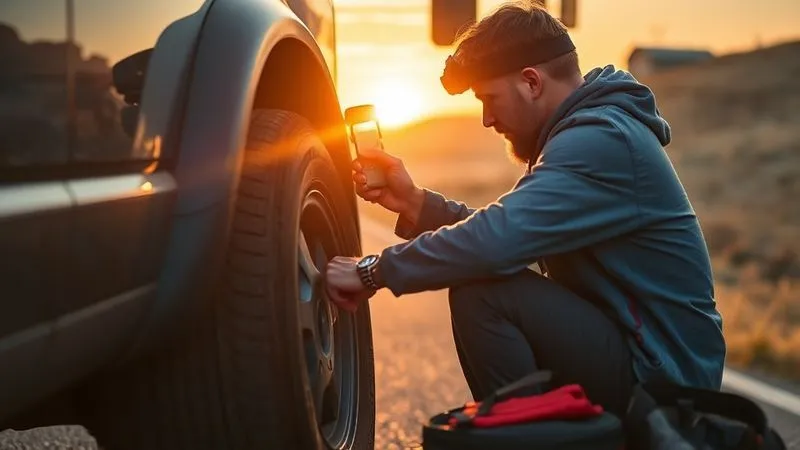
How do I handle a flat tire with no cell service and no one around? First, safely pull over. If you have a spare and the tools, change the tire yourself. This is why practicing at home is vital. If you don't have a spare, or if the situation is more complex (e.g., multiple flats, damaged rim), you'll need to assess. Can you use a tire repair kit for a temporary fix? If not, and you're truly isolated, your satellite communication device is paramount for calling for help. If no communication is possible, you may need to consider walking to the nearest known point of civilization with your emergency kit, leaving a clear note on your vehicle. This is a last resort and underscores why communication and multiple spares are so important.
Key Takeaways and Final Thoughts
Navigating remote scenic drives is an unparalleled experience, a true communion with nature and the open road. But this privilege comes with a responsibility: the responsibility to be prepared, to be vigilant, and to be self-reliant. Mitigating unforeseen hazards isn't about eliminating all risk – that's impossible in the wilderness – but about dramatically reducing your vulnerability and empowering you to handle whatever comes your way.
- Plan Meticulously: Your journey's success begins long before you start the engine, with thorough research and vehicle preparation.
- Equip Wisely: Carry essential communication, survival, and recovery gear, understanding that in remote areas, you are your own first responder.
- Drive Defensively: Adapt your driving style to the terrain and weather, always prioritizing safety over speed.
- Communicate & Contingency Plan: Share your itinerary and know how to call for help when traditional methods fail.
- Cultivate Mental Fortitude: Stay calm, think clearly, and trust your problem-solving skills when challenges arise.
Remember, the wilderness is beautiful precisely because it is untamed. Respect it, prepare for it, and you will unlock adventures that others only dream of. Go forth, explore, and drive safely. The road less traveled awaits, and now you're ready for it.
Recommended Reading
- 5 Pillars: Design Profitable, Scalable Bespoke Glamping
- Solo Abroad & Incapacitated: 7 Steps to Ensure Your Rescue
- 7 Critical Strategies: Safeguarding Clients on Extreme Remote Wildlife Safaris
- Unlock Safe Fun: What Water Sports Are Perfect for Kids on Beach Holidays?
- Your Ultimate Guide: How to Navigate City Public Transport Easily

Your email address will not be published. Required fields are marked *