


How to Navigate Family Cruise Ship Medical Emergencies?
For over 15 years, I've guided countless families through the intricacies of cruise holidays, and one topic that consistently causes anxiety, yet is often overlooked, is medical emergencies at sea. Many families embark, believing 'it won't happen to us,' only to find themselves unprepared when a child spikes a fever or an unexpected injury occurs. I've seen firsthand how a lack of preparation can turn a dream vacation into a stressful ordeal.
The unique environment of a cruise ship presents distinct challenges when it comes to health. You're far from land-based hospitals, and while ships are equipped with medical facilities, they are not full-service hospitals. Add the complexities of children's health – their rapid onset of symptoms and specific needs – and the situation can feel overwhelming. This isn't meant to scare you, but to empower you with knowledge.
In this definitive guide, I'll walk you through a comprehensive 5-step safety plan, drawing on my expertise and real-world scenarios. You'll learn not just what to do, but how to proactively prepare, understand onboard capabilities, and navigate the sometimes-complex protocols for how to navigate family cruise ship medical emergencies. My goal is to equip you with actionable frameworks and expert insights, ensuring your family's safety and your peace of mind.
Understanding Onboard Medical Facilities and Staff
The first step in any robust safety plan is understanding the resources at your disposal. Every major cruise ship is mandated to have a medical center, often referred to as an infirmary. These facilities are designed to handle common illnesses, minor injuries, and stabilize more serious conditions until further care can be arranged ashore.
What to Expect from the Cruise Infirmary
Typically, a ship's medical center is staffed by at least one doctor and several nurses, available 24/7 for emergencies. The equipment is generally sufficient for basic diagnostics and treatments, including X-ray machines, lab testing capabilities for blood work, and sometimes even a small intensive care unit. They carry a range of prescription medications, from antibiotics to pain relievers, and can administer IV fluids.
- Qualified Personnel: Doctors are typically board-certified in emergency medicine or general practice.
- Basic Diagnostics: Onboard labs can test for common infections and blood abnormalities.
- Emergency Equipment: Defibrillators, oxygen, and basic resuscitation tools are standard.
- Pharmacy: A limited stock of essential medications for various ailments.
Limitations of Shipboard Medical Care
It's crucial to understand that a cruise ship infirmary is not a hospital. They are equipped for stabilization, not for complex surgeries or long-term critical care. For severe conditions like heart attacks, strokes, or major trauma, their primary role is to provide immediate life support and facilitate an evacuation to a land-based hospital. This distinction is vital for setting realistic expectations and understanding the importance of travel insurance.
In my experience, many first-time cruisers overestimate the capabilities of onboard medical staff. While highly competent, their focus is on acute care and transfer, not comprehensive treatment for severe, ongoing conditions.
Pre-Cruise Preparation: Your Proactive Health Checklist
Preparation is your strongest ally against unexpected medical issues. A little foresight can save significant stress and time when an emergency strikes. I always advise families to treat their cruise health plan with the same diligence as packing their passports.
Essential Documents and Medications
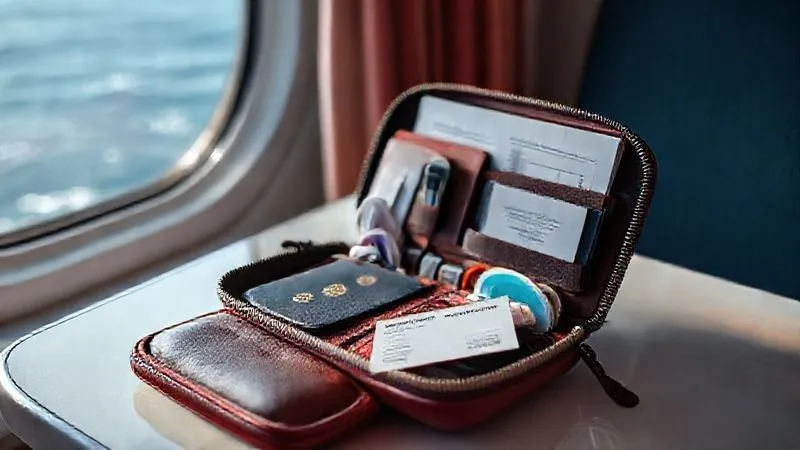
Before you even step foot on the ship, organize your family's health information. This includes creating a digital and physical 'health packet' that is easily accessible.
- Medication List: Compile a list of all prescription and over-the-counter medications your family members take, including dosages and frequency.
- Medical History Summaries: Brief summaries of any chronic conditions, allergies, past surgeries, or significant health events for each family member, especially children.
- Insurance Information: Copies of your health insurance cards, travel insurance policy details, and emergency contact numbers.
- Doctor's Contact Information: Your family physician's name and contact details.
- Prescription Copies: Carry physical copies of prescriptions for any controlled substances or essential medications, especially if traveling internationally.
Discussing Health Needs with Your Doctor
A pre-cruise check-up is invaluable, particularly for children or family members with pre-existing conditions. Discuss your travel plans with your doctor, ensuring everyone is 'fit to travel.' Ask about recommended vaccinations for your destination, and any specific precautions for your family's health profile.
For children, ask about motion sickness prevention and what to do for common cruise ailments like ear infections or stomach bugs. Your doctor can also advise on necessary refills for medications that might run out during your trip.
Crucial Role of Travel Insurance: Don't Sail Without It
If there's one piece of advice I can't emphasize enough, it's this: get comprehensive travel insurance for your family cruise. This isn't an optional extra; it's a non-negotiable safety net. Your domestic health insurance is highly unlikely to cover you adequately once you leave home waters, and certainly not for emergency medical evacuation.
Understanding Medical Evacuation Coverage
The cost of a medical evacuation from a cruise ship can be astronomical, potentially running into tens or even hundreds of thousands of dollars, depending on your location and the method of transport (e.g., helicopter, air ambulance). Travel insurance with robust medical evacuation coverage is your shield against this financial catastrophe. It ensures you can get to the appropriate medical facility without bankrupting your family.
Comparing Policies for Family Cruises
When choosing a policy, look beyond the cheapest option. Focus on coverage limits, especially for medical expenses and evacuation. Ensure it covers pre-existing conditions if applicable, and consider 'cancel for any reason' policies for added flexibility. I always recommend comparing several providers to find the best fit for your family's specific needs.
| Feature | Basic Policy | Recommended Policy |
|---|---|---|
| Medical Expenses | Up to $25,000 | Up to $250,000+ |
| Emergency Evacuation | Limited/Not Included | Up to $500,000+ |
| Pre-Existing Conditions | Often Excluded | Waiver Available (if purchased early) |
| Trip Interruption/Cancellation | Basic Coverage | Enhanced Coverage, 'Cancel For Any Reason' option |
| Baggage/Personal Items | Limited | Higher Limits |
For a detailed guide on what to look for in a travel insurance policy, especially for cruises, I recommend consulting resources from reputable consumer travel sites or insurance comparison platforms. Understanding Cruise Travel Insurance can be an excellent starting point to compare policies and understand specific terms.
Onboard First Aid and Immediate Response Protocols
Despite all the preparations, an incident can still occur. Knowing how to react calmly and efficiently is paramount. This involves knowing when to handle things yourself and when to immediately call for professional medical help.
When to Use Your Personal First Aid Kit vs. Calling the Doctor
Your personal first aid kit is for minor scrapes, headaches, or upset stomachs. Think bandages, antiseptic wipes, pain relievers, and anti-diarrhea medication. For anything beyond these minor ailments – persistent fever, severe pain, breathing difficulties, or any injury involving a child that seems more than superficial – do not hesitate. Call the ship's medical center immediately.
How to Alert Crew and Seek Medical Assistance
Every cabin will have a phone with direct access to guest services or an emergency number. Don't waste time trying to find the medical center yourself, especially in an urgent situation. Here's a quick protocol:
- Stay Calm: Your calm demeanor will help keep your child and other family members calm.
- Call Immediately: Use your cabin phone to dial the emergency number (usually listed prominently, often '911' or '0' for operator).
- Clearly State the Emergency: Explain what happened, who is affected, and the symptoms observed.
- Provide Your Cabin Number: This is crucial for medical staff to locate you quickly.
- Follow Instructions: Medical staff may ask you to meet them at a specific location or wait for them in your cabin.
When in doubt, always err on the side of caution and call the medical team. It's better to be safe than sorry, especially with children whose conditions can deteriorate rapidly.
Managing Common Ailments and Specific Child Concerns
Cruise ships are closed environments, and while they maintain high hygiene standards, common illnesses can still spread. Knowing how to manage these, and identifying when a child's symptoms warrant immediate medical attention, is critical.
Dealing with Seasickness, Colds, and Minor Injuries
Seasickness is perhaps the most common ailment. Pack over-the-counter remedies like Dramamine or Bonine, or consider doctor-prescribed patches. For colds, ensure rest, hydration, and symptom relief. Minor cuts and scrapes can be handled with your personal first aid kit.
- Seasickness: Stay on deck, look at the horizon, eat bland foods, use medication.
- Colds: Rest, fluids, decongestants, and isolation to prevent spread.
- Minor Injuries: Clean, bandage, observe for infection.
Recognizing More Serious Symptoms in Children
Children can't always articulate how they feel, so parents must be vigilant. Look for signs of: high fever (especially persistent or unresponsive to medication), severe headache, stiff neck, persistent vomiting or diarrhea (risk of dehydration), unusual lethargy or irritability, difficulty breathing, or any signs of severe pain.
Case Study: Sarah's Unexpected Appendicitis
I recall a family I worked with whose 8-year-old daughter, Sarah, developed severe abdominal pain on the second night of a Caribbean cruise. Initially, her parents thought it was just an upset stomach from rich food. However, when her pain intensified, localized to her lower right abdomen, and she developed a low-grade fever, they remembered our pre-cruise discussion about vigilance. They immediately called the ship's medical center. The ship's doctor quickly diagnosed suspected appendicitis, a condition that requires urgent surgery. The medical team stabilized Sarah, and working with the captain and their travel insurance provider, arranged for an emergency helicopter evacuation to a hospital in Puerto Rico at the next available opportunity. This swift action, enabled by the parents' preparedness and the ship's protocols, ensured Sarah received timely surgical care, turning a potential tragedy into a manageable emergency.

Post-Incident Procedures: Medical Records and Follow-Up Care
The emergency doesn't end when the immediate crisis is over. There are crucial steps to take afterward, especially if you had to seek professional medical attention onboard or ashore.
Obtaining Medical Records from the Ship's Doctor
Before disembarking, ensure you obtain copies of all medical records from the ship's infirmary. This includes diagnosis, treatment administered, medications prescribed, and any recommendations for follow-up care. These records are vital for your home doctor and for your travel insurance claim.
Coordinating with Your Insurance Provider and Home Doctor
Once home, promptly contact your travel insurance provider to initiate any claims for medical expenses or evacuation costs. Provide them with all collected medical records and receipts. Simultaneously, schedule a follow-up appointment with your family doctor. Share the cruise ship's medical reports to ensure continuity of care and address any ongoing health concerns.
Understanding your rights to your medical information is crucial. Resources like HIPAA guidelines for patient rights can provide general information, though international maritime law and specific cruise line policies may also apply.
Emergency Evacuation: What Happens When Shipboard Care Isn't Enough
Sometimes, despite the best efforts of the onboard medical team, a situation arises where a passenger, especially a child, requires care beyond what the ship can provide. This is when an emergency medical evacuation becomes necessary.
Understanding the Evacuation Process
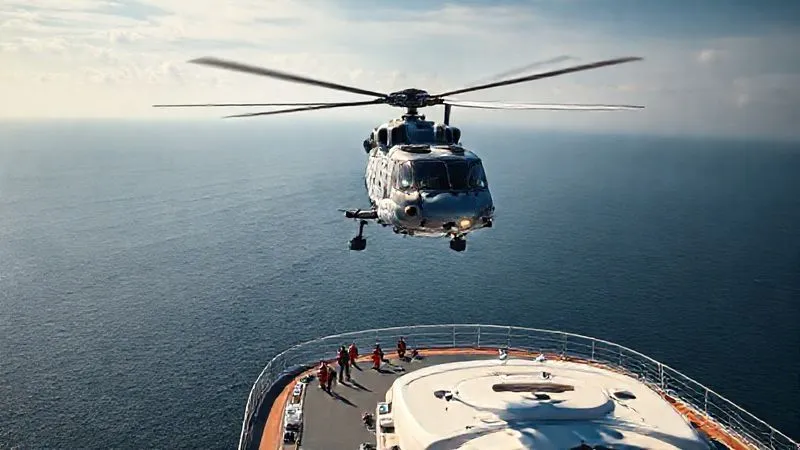
An evacuation can take several forms: a tender boat transfer to a nearby port with a hospital, a helicopter airlift (often coordinated with the Coast Guard or private air ambulance services), or in less urgent cases, disembarking at the next port of call. The decision for evacuation is made by the ship's captain in consultation with the medical team, often communicating with shoreside medical experts and your travel insurance company's assistance provider.
The process is complex, involving coordination between multiple entities, and can be time-consuming depending on the ship's location, weather conditions, and the availability of suitable medical facilities ashore. This is another critical area where robust travel insurance with high medical evacuation limits is indispensable, as the costs associated with these operations are staggering.
The Role of Captain and Medical Team in Decision-Making
The captain holds ultimate authority onboard and makes the final decision regarding an evacuation, always prioritizing the safety and well-being of passengers. The medical team provides expert clinical assessment and recommendations. Together, they weigh the severity of the patient's condition against the risks and logistics of an evacuation. Their decisions are made under immense pressure, always aiming for the best possible outcome for the patient.
For a deeper understanding of maritime safety and emergency procedures, official resources from organizations like the International Maritime Organization (IMO) provide frameworks, though specific cruise line protocols will vary.
Empowering Your Family: Communication and Preparation
Beyond the logistical steps, empowering your family with knowledge and a sense of preparedness is crucial. A calm, informed family is better equipped to handle any unexpected event.
Teaching Kids Basic Safety and Who to Talk To
Have an age-appropriate discussion with your children about what to do if they feel unwell or get hurt. Teach them to tell an adult immediately – either a parent, a crew member, or a kids' club staff member. Explain that the ship has doctors and nurses who can help. Knowing who to trust and how to communicate can reduce their anxiety and speed up response times.
Maintaining a Calm Demeanor for Everyone's Sake
Children are highly attuned to their parents' emotions. If you panic, they will likely panic too. Practice staying calm and reassuring, even if you're internally stressed. Your composure provides a sense of security and allows you to think more clearly and make better decisions. Remember, you've prepared for this, and you have a plan.

Frequently Asked Questions (FAQ)
Can I bring my own prescription medications on a cruise? Yes, absolutely. It's not only allowed but highly recommended. Always keep prescription medications in their original, labeled containers. Carry them in your carry-on luggage, not checked bags, in case your luggage is delayed or lost. Also, bring a copy of your prescription and a doctor's note, especially for controlled substances or if you have multiple medications.
How much does it cost to see a doctor on a cruise ship? Costs can vary significantly by cruise line and the nature of the visit, but generally, a consultation with the ship's doctor can range from $100 to $200. Additional charges apply for medications, tests (like X-rays or blood work), and specific treatments. These fees are usually charged directly to your onboard account, and you'll need to submit the receipts to your travel insurance for reimbursement.
What if my child has a severe allergic reaction? If your child has known severe allergies (e.g., to food, insect stings), ensure you carry an EpiPen or other prescribed emergency medication. Inform the cruise line and restaurant staff about the allergy well in advance and upon boarding. In case of a severe reaction, administer emergency medication if trained, and immediately call the ship's medical emergency number. Time is critical in anaphylaxis.
Does my regular health insurance cover me on a cruise? Most standard domestic health insurance plans offer very limited or no coverage once you leave your home country's waters. They almost never cover emergency medical evacuation from a ship. This is precisely why comprehensive travel insurance, with specific medical and evacuation coverage, is so vital for cruise holidays. Always check with your specific health insurance provider before you travel.
What's the protocol for medical evacuation from a cruise ship? If the ship's medical team determines a passenger requires care beyond their capabilities, they will consult with the captain and shoreside medical professionals. The captain makes the final decision for evacuation. This can involve a tender boat transfer to a port, or a helicopter airlift for more urgent or remote situations. Your travel insurance's emergency assistance team will be crucial in coordinating and covering the immense costs associated with such an operation.
Key Takeaways and Final Thoughts
Navigating family cruise ship medical emergencies doesn't have to be a source of dread. By adopting a proactive, informed approach, you can significantly mitigate risks and ensure your family's safety and well-being. My years in the travel industry have shown me that preparedness is the ultimate peace of mind.
- Prioritize Pre-Cruise Health Checks: Get your family physician's approval and organize all medical documents.
- Invest in Robust Travel Insurance: Especially for medical evacuation, it's non-negotiable.
- Understand Onboard Medical Capabilities: Know what the infirmary can and cannot do.
- Equip Yourself with Basic First Aid: For minor issues, but know when to call for professional help.
- Empower Your Family with Knowledge: Teach children what to do and maintain a calm demeanor.
Remember, a cruise is an incredible family adventure. By taking these expert-backed steps, you're not just preparing for the worst-case scenario; you're actively ensuring a smoother, safer, and more enjoyable journey for everyone. Sail smart, sail safe, and create those unforgettable family memories with complete confidence.
Recommended Reading
- Feeling Stuck? 7 Solo Travel Journeys That Spark Profound Career Shifts
- Unlock Luxury: 7 Strategies to Attract City Breakers to Niche Nightlife
- Unlock the Secrets: Your Ultimate Guide to Responsible Indigenous Travel Guidelines
- The Secret to Stress-Free Gourmet Cruises with Dietary Needs
- Uncover the Best Cooking Classes Abroad for Foodies





Your email address will not be published. Required fields are marked *