

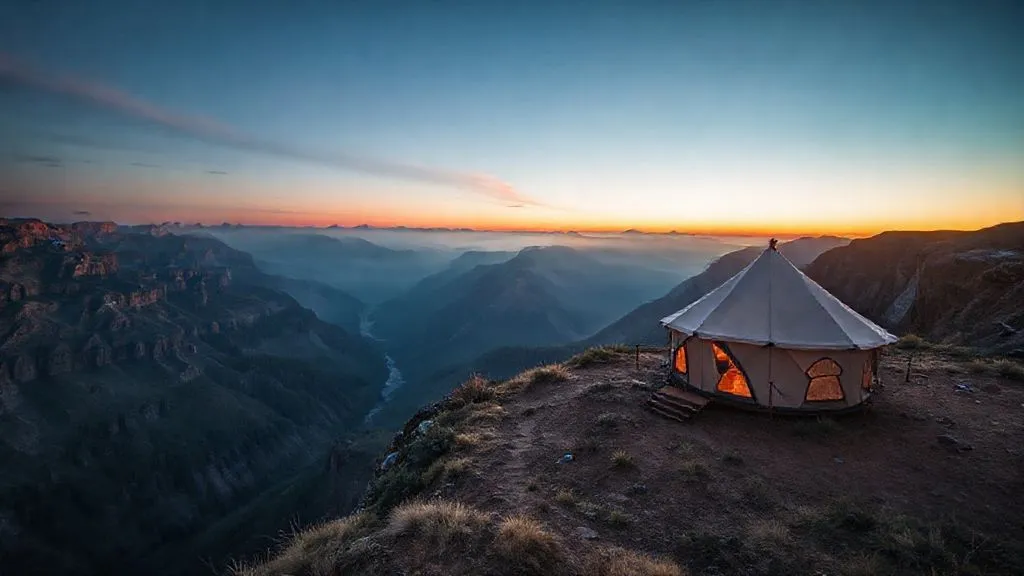
How to Overcome Logistical Challenges for Remote Luxury Scenic Glamping?
For over two decades in the travel industry, specifically within the burgeoning world of glamping, I've witnessed countless operators dream of establishing breathtaking retreats in the most remote, scenic locations. The allure is undeniable – pristine nature, unparalleled views, and an exclusive experience that commands premium prices. However, I've also seen these dreams falter, not due to lack of vision, but often because of underestimated, complex logistical hurdles.
The problem is clear: creating a truly luxurious and seamless guest experience in a remote, off-grid location is a monumental undertaking. It’s not just about pitching a fancy tent; it involves intricate planning for everything from power and water to waste, supplies, and staff in environments that actively resist conventional solutions. Many aspiring glamping entrepreneurs face significant operational bottlenecks, cost overruns, and ultimately, guest dissatisfaction when these challenges are not meticulously addressed.
In this definitive guide, I will share my accumulated expertise and proven frameworks to help you master these complexities. We’ll delve into actionable strategies, real-world insights, and innovative solutions, ensuring your remote luxury scenic glamping venture not only survives but thrives, delivering an unforgettable experience while maintaining operational excellence. You'll learn how to overcome logistical challenges for remote luxury scenic glamping with confidence and strategic foresight.
Mastering Site Selection: The Foundation of Remote Glamping Success
The journey to a successful remote luxury glamping site begins long before the first tent peg is driven. It starts with an exhaustive, strategic site selection process. I've often seen operators fall in love with a view, only to realize later that the land is completely unsuitable for development due to accessibility, environmental restrictions, or a lack of natural resources.
Accessibility vs. Seclusion: Finding the Balance
The paradox of remote glamping is balancing the desire for seclusion with the practical need for accessibility. Guests crave an escape, but they also expect a smooth journey. This means evaluating road access, proximity to major transport hubs, and the feasibility of creating a robust, all-weather approach to your site.
Consider the journey from the nearest paved road to your glamping site. Is it passable by standard vehicles? Will you need specialized 4x4 transport? What about during adverse weather conditions? These factors directly impact guest experience, operational costs, and emergency response times.
Environmental Impact Assessment and Permitting
Operating in scenic, often pristine, environments comes with a profound responsibility. Before any ground is broken, a comprehensive environmental impact assessment (EIA) is non-negotiable. This isn't just about compliance; it's about safeguarding the very beauty that draws your guests.
Navigating the labyrinth of local, regional, and national permitting can be daunting. I always advise engaging local environmental consultants early in the process. Their expertise is invaluable for understanding regulations, identifying potential ecological sensitivities, and streamlining the permit acquisition process. Ignoring this step can lead to costly delays, fines, or even project abandonment.
"The most sustainable glamping operations are built on a deep respect for their surroundings, integrating seamlessly rather than imposing upon the landscape."
Powering Paradise: Sustainable Off-Grid Energy Solutions
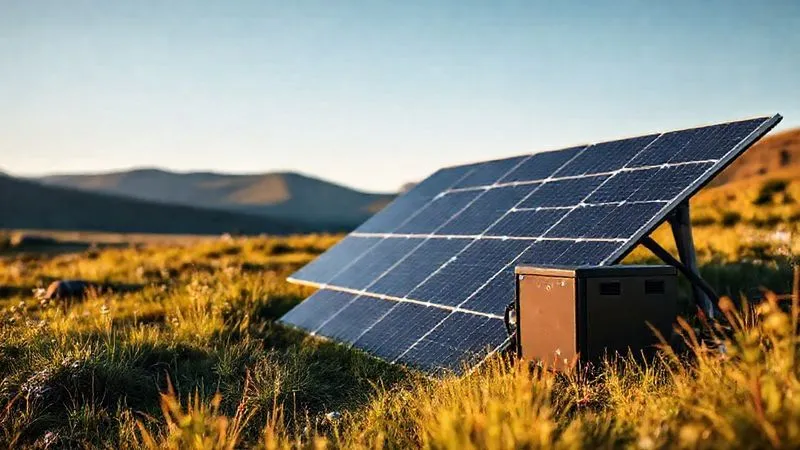
Reliable power is the backbone of any luxury experience, especially when you're miles from the nearest grid connection. Guests expect heating, cooling, lighting, and device charging. Traditional generators, while an option, are noisy, polluting, and expensive to fuel and maintain in remote locations. The future, and indeed the present, of remote luxury glamping lies in sustainable, off-grid energy systems.
Solar, Wind, and Hybrid Systems
Harnessing renewable energy sources like solar and wind is often the most viable and environmentally friendly solution. A well-designed solar photovoltaic (PV) array can provide ample electricity during daylight hours, while wind turbines can supplement power generation, especially in locations with consistent breezes.
For optimal reliability, I advocate for hybrid systems that combine multiple energy sources. For instance, a solar-wind hybrid backed by a small, efficient generator for peak demand or extended periods of low renewable output offers robust redundancy. According to a report by the International Renewable Energy Agency (IRENA), hybrid mini-grids are becoming increasingly cost-effective and reliable for remote electrification.
Battery Storage and Redundancy Planning
The key to consistent off-grid power is effective energy storage. Modern lithium-ion battery banks are far superior to older lead-acid options in terms of lifespan, efficiency, and depth of discharge. Sizing your battery bank correctly to cover your peak demand and provide several days of autonomy is crucial.
Beyond the primary system, always plan for redundancy. This could mean a backup generator, a small, portable solar array, or even manual options for critical functions. Power failures in a remote luxury setting are not just inconvenient; they can severely damage your brand reputation. Proactive planning helps to overcome logistical challenges for remote luxury scenic glamping related to power.
Water Wisdom: Sourcing, Purification, and Waste Management
Access to clean, potable water and effective wastewater management are non-negotiable for any hospitality venture, let alone a luxury one. In remote settings, this often means creating your own independent systems, which demand careful planning and robust engineering.
Potable Water Strategies for Remote Sites
Identifying a reliable water source is paramount. This could be a natural spring, a well, or rainwater harvesting. Each option comes with its own set of challenges and requirements. Spring water often requires filtration and UV treatment, while well water may need extensive testing for contaminants and mineral content.
Rainwater harvesting, particularly in regions with consistent rainfall, can be an excellent supplementary source. However, it requires significant storage capacity and a multi-stage filtration and purification system to ensure it meets drinking water standards. Regular testing of all water sources is absolutely critical for guest health and safety, as emphasized by the World Health Organization's guidelines for drinking-water quality.
Advanced Wastewater Treatment and Disposal
Disposing of greywater (from sinks and showers) and blackwater (from toilets) responsibly is perhaps the most critical environmental consideration. Simple septic tanks may not be sufficient or permissible in sensitive ecosystems. Advanced wastewater treatment systems, such as biofilters, constructed wetlands, or compact aerobic treatment units, are often necessary.
These systems treat wastewater to a high standard, often allowing it to be safely discharged back into the environment or even reused for non-potable purposes like irrigation. Implementing a closed-loop system where treated water is recycled minimizes your environmental footprint and demonstrates a commitment to sustainability, a core value for many luxury travelers.
| Water Source | Pros | Cons | Key Equipment |
|---|---|---|---|
| Natural Spring | Consistent, often pure | Requires testing, filtration, may need pumping | UV sterilizer, sediment filter, pump |
| Well Water | Reliable, deep source | Requires drilling, extensive testing for contaminants | Submersible pump, reverse osmosis, mineralizer |
| Rainwater Harvesting | Sustainable, free resource | Dependent on weather, large storage needed, multi-stage filtration | Large cisterns, pre-filters, carbon filters, UV |
Streamlining Supply Chains: From Farm to Tent
Managing supplies in a remote location is a logistical ballet. Everything from gourmet food and fine linens to cleaning supplies and spare parts needs to be ordered, transported, stored, and managed efficiently. I've seen businesses crippled by inefficient supply chains, leading to stockouts, spoilage, and exorbitant shipping costs.
Vendor Relationships and Bulk Purchasing
Establishing robust relationships with reliable vendors is paramount. Look for suppliers who understand the challenges of remote delivery and are willing to work with your specific schedule. Negotiate bulk purchasing agreements for non-perishable items to reduce delivery frequency and cost. Consider local sourcing where possible, supporting the community and reducing transport distances for fresh produce.
It’s not just about price; it's about reliability and quality. A slightly higher price for a vendor who consistently delivers on time and without issues is often a better investment than a cheaper option that causes constant headaches.
Inventory Management and Storage Solutions
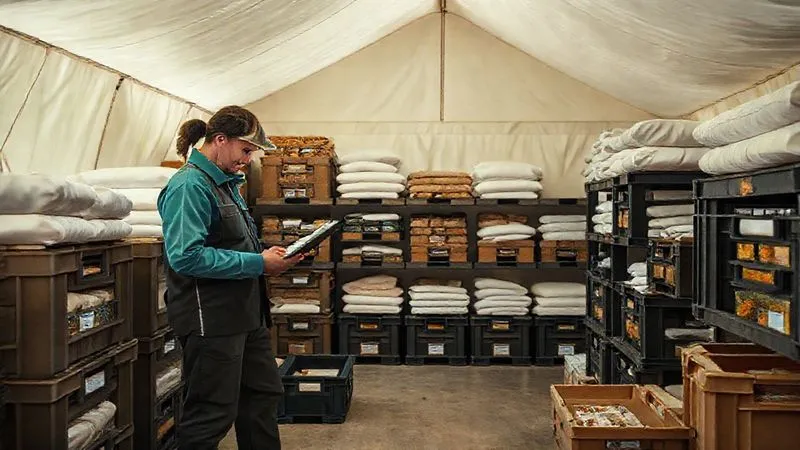
Effective inventory management is critical to prevent waste and ensure you always have what you need. Implement a robust inventory tracking system – even a simple spreadsheet can work wonders initially – to monitor stock levels, reorder points, and expiration dates. For remote sites, over-ordering slightly can be safer than running out, but this must be balanced with storage capacity and spoilage risk.
Dedicated, secure, and climate-controlled storage facilities are essential. Perishables require refrigeration and freezer capacity, while dry goods need protection from pests and moisture. Consider modular storage solutions that can be easily transported and assembled on-site, specifically designed to withstand the local climate conditions. This proactive approach helps to overcome logistical challenges for remote luxury scenic glamping by minimizing supply disruptions.
Recruiting and Retaining Remote Talent: Building Your Dream Team
A luxury experience is ultimately delivered by people. Finding, training, and retaining skilled staff for a remote glamping operation presents unique challenges. The isolation, the demanding nature of the work, and the need for versatility mean you can't just hire anyone.
Specialized Skills for Off-Grid Operations
Your team needs to be more than just hospitality professionals. In a remote setting, staff often wear multiple hats. Look for individuals with practical skills: basic maintenance, first aid, off-road driving, and a genuine love for the outdoors. They need to be adaptable, resourceful, and comfortable with the unique demands of living and working in an isolated environment.
Cross-training is invaluable. A front-of-house staff member who can also troubleshoot a minor solar panel issue or assist with water purification adds immense value. This multi-skilled approach reduces reliance on external contractors, which can be expensive and slow to respond in remote areas.
Creating a Supportive Work Environment
Retention is key. Remote work can be isolating, so fostering a strong team culture is crucial. Provide comfortable staff accommodation, reliable communication options (even if it's just satellite internet for off-hours), and opportunities for breaks and decompression. Invest in training and professional development, showing your team that you value their growth.
Regular team-building activities and clear communication channels help mitigate the challenges of isolation. Remember, happy staff lead to happy guests. Their well-being directly impacts the quality of the luxury experience you provide. Glamping Magazine often highlights the importance of staff welfare in remote operations.
Case Study: How High Peaks Glamping Thrived
High Peaks Glamping, a luxury site nestled deep in the Colorado Rockies, initially struggled with high staff turnover. Their remote location, while beautiful, made recruitment difficult, and staff often felt disconnected. By implementing a comprehensive staff welfare program, they transformed their operations.
They invested in upgrading staff accommodation, providing high-speed satellite internet for personal use, and instituting a rotation schedule that allowed for extended breaks in town. They also cross-trained all staff in basic maintenance and emergency protocols, empowering them with diverse skills. This resulted in a 60% reduction in staff turnover within 18 months and a significant improvement in guest satisfaction scores, proving that investing in your team is paramount to overcome logistical challenges for remote luxury scenic glamping.
Enhancing Guest Experience: The Remote Luxury Touch
Luxury is defined not just by amenities, but by seamlessness and personalized service. In a remote setting, delivering this requires meticulous planning to anticipate every guest need and potential issue.
Seamless Arrivals and Departures
The guest experience begins long before they arrive at your tent. Provide detailed, clear instructions for reaching your site, including options for transfers from nearest airports or towns. A personalized welcome upon arrival, perhaps with a refreshing drink and a brief orientation to the unique aspects of your remote location, sets the tone.
Departure should be just as smooth. Assist with luggage, confirm onward travel arrangements, and offer a small, thoughtful farewell gesture. Every touchpoint, from booking to departure, must reflect the luxury and exclusivity you promise.
Connectivity and Communication in the Wild
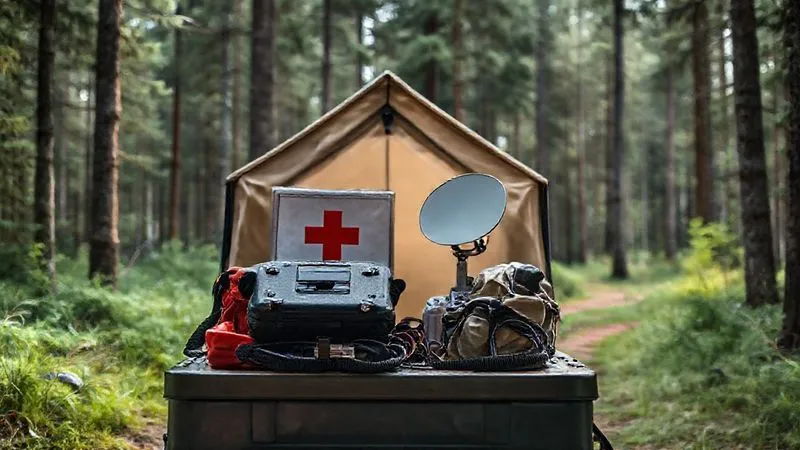
While guests seek to disconnect, they still expect a degree of connectivity, especially for emergencies or sharing their experiences. Providing reliable (even if limited) Wi-Fi access, perhaps in a communal lounge, or offering satellite phones for emergencies, can be a crucial amenity. Clearly communicate the level of connectivity available during booking to manage expectations.
| Service Aspect | Luxury Standard | Remote Challenge |
|---|---|---|
| Arrival Process | Personalized welcome, baggage assistance, detailed site orientation | Complex transfers, difficult terrain, limited signage |
| In-Tent Amenities | High-quality bedding, climate control, gourmet snacks, unique local touches | Power limits, supply chain for perishables, specialized maintenance |
| Communication | Responsive staff, seamless Wi-Fi in common areas, emergency contact | Limited cell signal, satellite internet costs, staff availability |
| Activities & Excursions | Curated, guided experiences with expert local guides | Access to guides, transport, weather dependency, safety protocols |
Safety First: Emergency Preparedness and Protocols
Operating in remote, natural environments inherently carries risks. From wildlife encounters to adverse weather, robust emergency preparedness is not just a best practice; it's a moral and legal imperative. I've always stressed that the safety of guests and staff should be the absolute top priority.
Medical Evacuation and Communication Plans
Develop a comprehensive emergency response plan that covers various scenarios, including medical emergencies, natural disasters (e.g., wildfires, floods), and security incidents. This plan must include clear communication protocols, designated emergency contact numbers, and established evacuation routes.
For medical emergencies, understand the nearest medical facilities, their capabilities, and the fastest means of transport (e.g., helicopter evacuation). Partner with local emergency services and ensure they are familiar with your site's location and access points. Regular drills with staff are essential to ensure everyone knows their role under pressure.
Wildlife Encounters and Natural Disaster Response
Educate both staff and guests on local wildlife. Provide clear guidelines on how to behave if an animal is sighted and what precautions to take (e.g., securing food, staying on marked trails). Implement measures like bear-proof food storage and secure tent structures where necessary. This foresight is key to overcome logistical challenges for remote luxury scenic glamping in a safe manner.
For natural disasters, closely monitor weather patterns and local advisories. Have contingency plans for sheltering in place or immediate evacuation. Ensure your infrastructure is built to withstand local environmental conditions, from high winds to heavy snow loads. As Forbes highlights in an article on luxury travel resilience, preparedness is a hallmark of high-end operations.
Leveraging Technology: Smart Solutions for Remote Operations
While glamping often evokes a back-to-nature feel, smart technology can be an invaluable ally in managing remote operations, enhancing efficiency, and improving the guest experience without detracting from the natural immersion. It's about working smarter, not harder, to overcome logistical challenges for remote luxury scenic glamping.
Remote Monitoring and IoT Integration
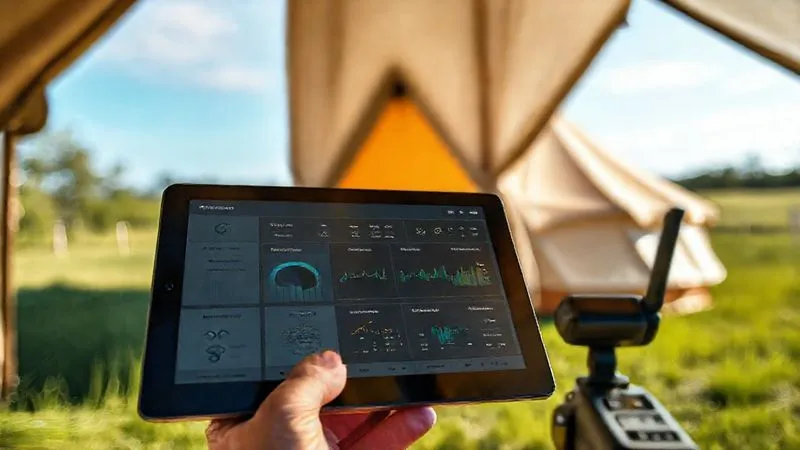
Internet of Things (IoT) devices can revolutionize remote management. Imagine monitoring your power system's battery levels, water tank levels, or even the temperature inside guest tents, all from a central dashboard. Smart sensors can detect leaks, track energy consumption, and alert staff to potential issues before they become critical.
This proactive monitoring allows for predictive maintenance, reduces the need for constant physical checks, and ensures systems are always running optimally. It’s an investment that pays dividends in operational efficiency and guest comfort. The McKinsey Digital team often discusses the ROI of IoT in various industries, and remote hospitality is a prime example.
Booking and Guest Management Systems
A robust online booking and property management system (PMS) is essential, even for a remote site. Cloud-based solutions allow you to manage reservations, check-ins, check-outs, and guest communications from anywhere with an internet connection. Look for systems that can integrate with your website, payment gateways, and even marketing tools.
Beyond bookings, these systems can store guest preferences, track special requests, and streamline communication, allowing you to provide that personalized luxury service that sets you apart. The less time spent on administrative tasks, the more time your staff can dedicate to enhancing the guest experience.
Frequently Asked Questions (FAQ)
What are the biggest initial investment costs for remote luxury glamping logistics? The most significant initial investments typically revolve around infrastructure: sustainable power systems (solar/battery banks), water sourcing and purification, advanced wastewater treatment, and robust access roads. These are foundational and critical for long-term operational viability and guest satisfaction.
How can I ensure my remote glamping site is environmentally sustainable? Sustainability starts with site selection and design to minimize disturbance. Implement renewable energy, closed-loop water systems (reusing treated greywater), responsible waste management (composting, recycling, minimal packaging), and use eco-friendly building materials. Regular environmental audits and staff training are also key.
Is it better to build permanent structures or use mobile glamping units in remote areas? This depends on the specific site and regulations. Permanent structures offer greater durability and luxury amenities but require more extensive permits and construction. Mobile units offer flexibility, lower initial impact, and easier relocation but may have limitations on amenities. Always check local zoning and environmental regulations first.
What are the key challenges in attracting and retaining staff for remote glamping? Key challenges include isolation, limited social life, and the demanding, multi-faceted nature of the work. Overcome these by offering competitive wages, comfortable accommodation, opportunities for skill development, reliable connectivity for personal use, and fostering a strong, supportive team culture with regular breaks.
How do I manage guest expectations regarding connectivity and amenities in a remote setting? Transparency is crucial. Clearly communicate the level of connectivity, available amenities, and the unique nature of the remote experience during the booking process and pre-arrival communications. Emphasize the opportunity to disconnect and immerse in nature, while ensuring emergency communication options are available.
Key Takeaways and Final Thoughts
Establishing and operating a remote luxury scenic glamping destination is undoubtedly challenging, but with strategic planning and an expert approach, it's an incredibly rewarding venture. The key to success lies in meticulously addressing each logistical hurdle, transforming potential problems into opportunities for innovation and exceptional guest experiences.
- Strategic Site Selection: Balance seclusion with practical accessibility and prioritize environmental responsibility from day one.
- Sustainable Infrastructure: Invest in robust, off-grid power and water systems for reliability and eco-friendliness.
- Efficient Supply Chains: Forge strong vendor relationships and implement smart inventory management to keep operations smooth.
- Empowered Team: Recruit versatile staff, cross-train them, and cultivate a supportive work environment to ensure retention.
- Seamless Guest Journey: Anticipate guest needs from arrival to departure, providing both luxury and necessary connectivity.
- Prioritize Safety: Develop comprehensive emergency plans and educate everyone on site-specific risks.
- Embrace Technology: Leverage IoT for monitoring and robust PMS for streamlined operations, enhancing efficiency without losing the natural charm.
By adopting these expert strategies, you're not just building a glamping site; you're crafting an enduring, sustainable, and truly luxurious escape. The path to overcome logistical challenges for remote luxury scenic glamping is paved with foresight, innovation, and a deep understanding of both the environment and the discerning traveler. Go forth and create your remote paradise, knowing you have the tools to make it a resounding success.
Recommended Reading
- Seamless Business Abroad: 7 Keys to Luxury World Tour Continuity
- 7 Proven Strategies: Funding Historical Railway Preservation Projects
- Sleep Soundly: How to Sleep on a Noisy Train for Business? (7 Tips)
- 7 Ways to Prevent Volunteer Travel's Local Harm & Boost Impact
- 7 Ways to Find Unique, High-Value Client Gifts on City Breaks?

Your email address will not be published. Required fields are marked *