

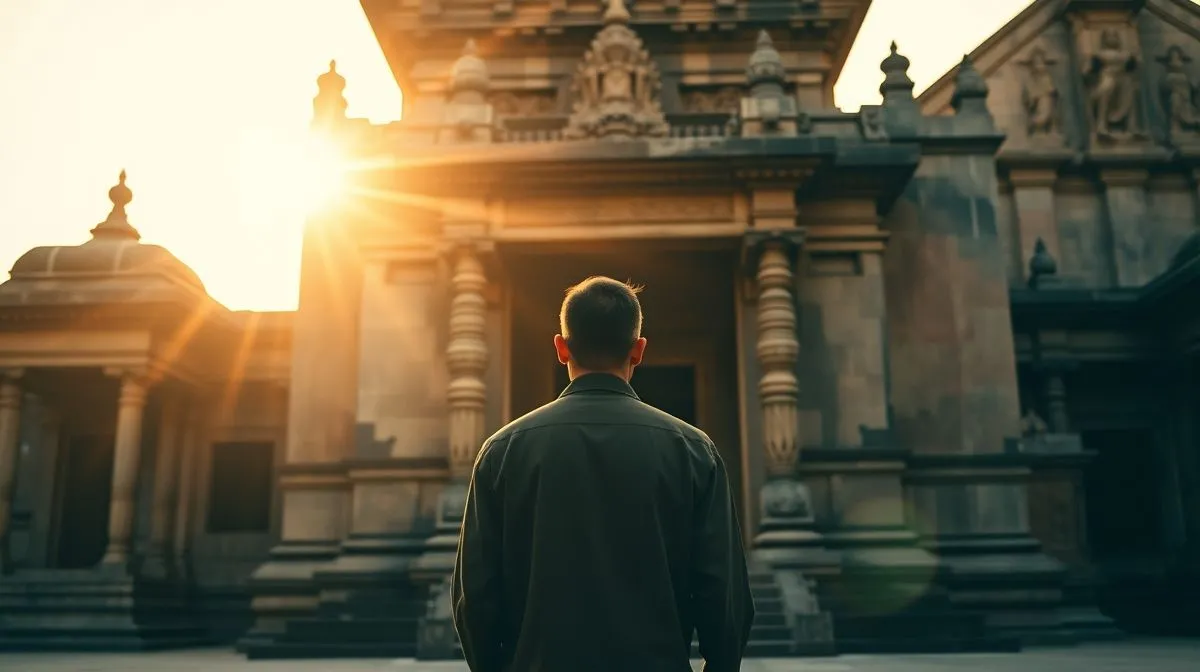
How to Plan a Respectful Religious Pilgrimage Trip: A Journey of Soul and Sensitivity
Have you ever felt the magnetic pull of a sacred place, a longing to connect with something ancient and profound? Pilgrimages, journeys undertaken for spiritual reasons, have been a cornerstone of human experience for millennia. From the bustling streets leading to Mecca to the serene paths winding towards the Camino de Santiago, these journeys offer a unique opportunity for introspection, devotion, and profound personal growth. Yet, embarking on such a trip requires more than just a passport and a prayer; it demands a deep understanding and commitment to respect.
The challenge many modern pilgrims face is navigating the delicate balance between personal spiritual quest and the imperative to honor the local customs, traditions, and sanctity of the sites visited. Without proper preparation and a conscious mindset, what should be a journey of reverence can inadvertently become a source of cultural misunderstanding or even disrespect. How can one ensure their pilgrimage contributes positively to both their inner world and the communities they encounter?
This comprehensive guide will illuminate the path forward, providing you with the essential knowledge and practical steps on how to plan a respectful religious pilgrimage trip. By the end of this reading, you will possess a framework for a journey that is not only spiritually enriching for you but also deeply mindful and appreciative of the sacred spaces and diverse cultures you will encounter.
Understanding the Essence of Pilgrimage: More Than Just Travel
Defining Pilgrimage in a Modern Context
A pilgrimage is fundamentally different from a typical tourist vacation. While both involve travel, pilgrimage is characterized by its intentional spiritual purpose. It’s a journey often undertaken to a holy site, shrine, or a place significant to one's faith, with the aim of seeking spiritual transformation, expressing devotion, or fulfilling a vow. It can be a solitary quest or a communal experience, but its core remains the pursuit of a deeper connection.
In today's interconnected world, the concept of pilgrimage has broadened. It can encompass traditional religious journeys, but also spiritual retreats, nature-based quests, or even self-discovery expeditions that hold personal sacred meaning. Regardless of its specific form, the underlying principle of reverence for the destination and its intrinsic value remains.
The Spiritual and Personal Significance
For many, a pilgrimage is a profound act of faith, a physical manifestation of their spiritual devotion. It offers a unique opportunity to step away from the routines of daily life, engage in deep reflection, and commune with the divine. The challenges faced during the journey often mirror inner struggles, providing lessons in perseverance, patience, and humility.
Beyond personal spiritual growth, pilgrimages often foster a sense of community among fellow travelers and a deeper appreciation for diverse expressions of faith. They can be transformative experiences, leaving an indelible mark on one's worldview and personal journey.
Why Respect is Paramount
The very nature of a pilgrimage dictates that respect is not merely a courtesy but a fundamental requirement. Sacred sites are often places of profound spiritual significance for millions, imbued with centuries of prayer, history, and tradition. Treating them with anything less than reverence can be deeply offensive to local communities and dilute the spiritual essence of your own journey.
Respect extends beyond the physical site to the people who inhabit and care for these places. This includes local worshippers, religious leaders, and the broader community whose lives are often intertwined with the sacred space. Understanding and honoring their customs, beliefs, and way of life is an integral part of a truly meaningful and ethical pilgrimage.
Phase 1: Pre-Departure - Laying the Groundwork for Respect
Researching Your Destination's Religious and Cultural Norms
Before you even book a flight, comprehensive research is your most powerful tool. Understanding the specific religious practices, cultural etiquette, and social customs of your destination is non-negotiable. This goes beyond just knowing basic greetings; it delves into appropriate dress codes, acceptable forms of address, gestures to avoid, and local sensitivities.
- Religious Doctrines: Familiarize yourself with the core tenets of the religion associated with your pilgrimage site. This includes understanding their sacred texts, key figures, and the significance of rituals you might witness.
- Cultural Etiquette: Learn about local customs regarding personal space, public displays of affection, photography, and interactions between genders. For instance, in many cultures, pointing with your finger or showing the soles of your feet can be considered highly offensive.
- Historical Context: A brief understanding of the history of the site and the region can deepen your appreciation and help you avoid inadvertent missteps related to historical conflicts or sensitivities. For a broad overview of cultural sensitivity, consider consulting resources like Wikipedia's page on Cultural Sensitivity.
Spiritual Preparation and Intention Setting
A pilgrimage is as much an internal journey as it is an external one. Take time before your departure to reflect on your intentions. Why are you undertaking this journey? What do you hope to gain or offer? Setting clear intentions can help you stay focused and grounded, ensuring your actions align with your spiritual goals.
- Meditation and Prayer: Engage in practices that align with your faith to prepare your mind and spirit for the journey.
- Reading Sacred Texts: Immerse yourself in relevant scriptures or spiritual writings to deepen your understanding of the sites you will visit.
- Humility and Openness: Cultivate a mindset of humility, recognizing that you are a guest. Be open to new experiences, even if they challenge your preconceived notions.
Practical Logistics with a Conscience
Your practical arrangements can also reflect your commitment to respect. Choose tour operators, accommodations, and transportation methods that prioritize ethical practices and support local communities. This is a crucial step in how to plan a respectful religious pilgrimage trip from a logistical standpoint.
- Local Guides: Whenever possible, hire local, certified guides. They not only provide invaluable insights into the history and significance of sites but also ensure your money directly benefits the local economy.
- Accommodation: Opt for guesthouses or hotels that are locally owned and demonstrate a commitment to sustainable and ethical tourism.
- Transportation: Consider public transport or walking where feasible, reducing your carbon footprint and offering more opportunities to interact with locals.
Packing with Purpose: Modesty and Practicality
Your packing list should be dictated by both practicality and respect for local customs. Modest clothing is almost universally required at religious sites. This typically means covering shoulders, knees, and sometimes even heads for women.
- Modest Attire: Pack loose-fitting clothing that covers most of your body. Long skirts, trousers, and shirts with sleeves are ideal. For women, a headscarf (or shawl) is often essential for temple or mosque visits.
- Comfortable Footwear: You'll likely be doing a lot of walking, and some sites may require removing shoes. Easy-to-slip-on footwear is a good choice.
- Essentials: Sun protection, a reusable water bottle, a small first-aid kit, and any necessary medications are crucial.
Phase 2: On-Site - Navigating with Grace and Awareness
Dress Codes and Demeanor at Sacred Sites
Once you arrive at your pilgrimage destination, adhering to local dress codes and maintaining an appropriate demeanor are immediate ways to show respect. Observe how local worshippers behave and try to emulate their reverence.
- Cover Up: Always err on the side of caution with clothing. If in doubt, cover more. Many sites offer coverings for rent or purchase if you arrive unprepared.
- Remove Shoes: Be prepared to remove your shoes before entering mosques, temples, or certain shrines. Look for designated shoe-storage areas.
- Silence and Reverence: Keep your voice low, avoid boisterous laughter, and refrain from engaging in loud conversations. Remember, these are places of worship and contemplation for others.
Photography Etiquette and Respect for Privacy
In our camera-ready world, it's easy to forget that not every moment is meant for a lens. Photography at sacred sites requires extreme sensitivity.
- Ask for Permission: If you wish to photograph individuals, especially local worshippers or religious figures, always ask for explicit permission first. A simple gesture or a polite query can go a long way.
- No Photos Zones: Respect signs indicating 'no photography' areas, particularly inside prayer halls or near sensitive artifacts. These rules are in place for preservation, privacy, or spiritual reasons.
- Be Discreet: If photography is allowed, be discreet. Avoid flash photography, especially during ceremonies, and do not obstruct others' views or worship.
Engaging with Local Communities and Religious Practitioners
Your interactions with the people you meet can significantly shape your experience and your impact. Approach these encounters with an open heart and a willingness to learn.
- Polite Greetings: Learn a few basic phrases in the local language, such as 'hello,' 'thank you,' and 'please.' These small efforts are greatly appreciated.
- Listen More Than You Speak: Be a curious observer and a respectful listener. Engage in conversations with genuine interest, but avoid debating religious or political topics unless explicitly invited.
- Support Local: Purchase goods and services from local vendors and artisans where possible. This directly benefits the community and fosters positive relationships. For more insights on responsible tourism, consider resources like the Center for Responsible Travel (CREST).
Understanding and Respecting Rituals and Ceremonies
Witnessing a religious ceremony can be a deeply moving experience. Your role as an observer is to be respectful and non-intrusive.
- Maintain Distance: Do not get too close to participants in a ceremony. Maintain a respectful distance and avoid interrupting the flow of the ritual.
- Follow Cues: Observe how local worshippers participate. If they sit, you sit. If they bow, you can stand respectfully. If you are unsure, it is better to remain still and observe.
- No Participation Without Invitation: Do not join in rituals or ceremonies unless explicitly invited and instructed on how to participate appropriately.
Ethical Considerations and Sustainable Pilgrimage
Supporting Local Economies Responsibly
A truly respectful pilgrimage extends beyond personal conduct to economic impact. Your choices can either empower or exploit local communities.
- Fair Prices: Be willing to pay fair prices for goods and services. Bargaining is common in some cultures, but avoid aggressively undercutting prices to the detriment of local livelihoods.
- Authentic Products: Seek out authentic, locally made crafts and products. This supports traditional artisans and helps preserve cultural heritage.
- Tip Appropriately: Understand local tipping customs and tip service providers fairly.
Environmental Stewardship: Leaving No Trace
Sacred sites are often natural wonders or ancient structures. Your visit should not contribute to their degradation.
- Waste Management: Carry out everything you carry in. Dispose of trash properly in designated bins, or take it with you until you find appropriate disposal.
- Conserve Resources: Be mindful of your water and energy consumption, especially in areas where resources are scarce.
- Stay on Paths: Stick to marked paths and trails to prevent erosion and damage to delicate ecosystems or historical structures.
Avoiding Exploitation and Misrepresentation
Unfortunately, some sacred areas can attract individuals or groups seeking to exploit pilgrims or misrepresent the local culture. Be discerning.
- Be Skeptical of Unsolicited Offers: Be wary of individuals offering unsolicited tours, 'special' blessings, or goods that seem too good to be true.
- Verify Credentials: If hiring guides or participating in specific ceremonies, ensure they are legitimate and respected within the community.
- Respect Sacred Objects: Never attempt to purchase or remove sacred artifacts or parts of historical structures. This is often illegal and deeply disrespectful.
The Role of Humility and Open-mindedness
Ultimately, the most important aspect of a respectful pilgrimage is the attitude you bring. Humility allows you to learn and grow, while open-mindedness enables you to appreciate differences.
- Release Expectations: While you may have intentions, be prepared for your journey to unfold differently. Embrace the unexpected.
- Acknowledge Your Privilege: As a traveler, you likely come from a position of relative privilege. Be mindful of this and act with gratitude.
- Continuous Learning: See every interaction as an opportunity to learn something new about the world and yourself.
Common Pitfalls and How to Avoid Them
The "Tourist" Mindset vs. The "Pilgrim" Mindset
One of the biggest mistakes pilgrims make is approaching a sacred journey with a purely tourist mindset. A tourist often seeks entertainment, convenience, and personal gratification, sometimes at the expense of local sensitivities. A pilgrim, by contrast, seeks spiritual growth, understanding, and connection, prioritizing reverence and respect.
To avoid this pitfall, constantly remind yourself of your purpose. Are you here to tick off a list of sights, or to engage with the sacred? Choose engagement. Slow down, observe, listen, and reflect. This shift in mindset is central to how to plan a respectful religious pilgrimage trip that truly resonates.
Language Barriers and Misunderstandings
While English is widely spoken in many tourist hubs, venturing into more remote or religiously significant areas may present language challenges. Misunderstandings can arise from misinterpretations of gestures, tone, or direct translations.
- Basic Phrases: As mentioned, learn essential phrases. Even a few words show effort and goodwill.
- Translation Apps: Utilize translation apps for complex conversations, but remember they are not always perfect.
- Patience and Body Language: Be patient. Use clear, simple body language. A smile and respectful demeanor often transcend language barriers.
Over-Commercialization of Sacred Spaces
Some popular pilgrimage sites face the challenge of over-commercialization, where the spiritual essence can be overshadowed by souvenir shops and tourist traps. This can be jarring for pilgrims seeking authenticity.
- Seek Authenticity: Look for opportunities to engage with genuine spiritual experiences rather than solely commercial ones. Attend local prayer services, seek out less-visited shrines, or engage in quiet contemplation away from crowds.
- Support Ethical Businesses: When purchasing souvenirs, choose those made by local artisans rather than mass-produced items.
Health and Safety with a Conscience
While personal health and safety are paramount, consider your impact on local resources and emergency services.
- Travel Insurance: Always have comprehensive travel insurance that covers medical emergencies and evacuation. This ensures you don't burden local healthcare systems.
- Food and Water Safety: Be diligent about food and water safety to avoid illness, which can strain local medical facilities.
- Local Laws: Be aware of and abide by all local laws, even those that seem minor. Ignorance is rarely an acceptable excuse.
Embracing the Transformative Power of Your Journey
Documenting Your Experience Respectfully
It's natural to want to capture memories of your pilgrimage. However, approach documentation with mindfulness.
- Journaling: A personal journal can be a powerful tool for reflection, allowing you to process your experiences without the need for a screen.
- Mindful Photography: If taking photos, do so with intention. Focus on capturing the essence and beauty, not just a 'trophy' shot. Always prioritize respect over a perfect photo.
Sharing Your Insights Thoughtfully
Upon your return, you may be eager to share your experiences. Do so in a way that continues to reflect the reverence of your journey.
- Educate Others: Use your experiences to educate friends and family about the cultures and faiths you encountered, fostering greater understanding.
- Avoid Generalizations: Be careful not to generalize or stereotype based on limited interactions. Highlight the diversity and richness you witnessed.
Post-Pilgrimage: Integrating the Lessons Learned
Reflecting on Your Experience
The pilgrimage doesn't end when you return home. The true work often begins as you integrate the lessons and insights gained into your daily life.
- Continued Reflection: Set aside time for quiet reflection, journaling, or meditation to process the profound experiences of your journey.
- Apply Lessons: Consider how the humility, patience, and reverence you practiced on your pilgrimage can be applied to your everyday interactions and spiritual practices.
Carrying Forward the Spirit of Respect
The respect cultivated during your pilgrimage should ideally extend beyond the journey itself. It can become a foundational principle for how you engage with all cultures, beliefs, and environments.
Embrace the idea that every place is sacred to someone, and every person deserves respect. This ongoing commitment to mindful engagement is the ultimate expression of a truly respectful religious pilgrimage.
Frequently Asked Questions (FAQ)
How important is dress code for religious sites? It is extremely important. Modest dress (covering shoulders, knees, and sometimes head for women) is almost universally required at religious sites as a sign of respect for the sanctity of the place and its worshippers. Always research specific requirements for your destination.
Can I take photos inside sacred buildings? It varies by site. Many allow photography without flash, but some strictly forbid it, especially during prayer times or in certain sensitive areas. Always look for signs, ask staff, or observe what others are doing. If in doubt, refrain from taking photos.
What if I don't understand the local customs? The best approach is to observe respectfully and politely ask if you are unsure. Learning a few basic phrases in the local language can also help. A humble and open demeanor will generally be well-received, even if you make a small unintentional mistake.
Should I bring gifts for local people? While well-intentioned, giving gifts to individuals, especially children, can sometimes create unintended issues like begging or dependency. It's often better to support local communities by purchasing goods from local artisans, eating at local restaurants, or donating to reputable local charities if you wish to contribute.
How can I ensure my trip is environmentally friendly? Practice 'leave no trace' principles: carry out all your trash, use a reusable water bottle, conserve water and energy, and stick to marked paths. Choose eco-friendly accommodations and transportation options when possible.
Recommended Reading
- Unveiling the Secret: How Geodomes Conquer Extreme Weather for Glamping
- Mastering Your First Art Festival: Essential Tips for Attendees
- The Ultimate Guide: How to Choose Ethical Nature Reserve Eco Tours Responsibly
- Cozy Cabin Glamping: Your Ultimate Cold Weather Escape Guide
- Unlock the Secret: How to Maintain a Clean Living Routine on Vacation
Conclusion
Embarking on a religious pilgrimage is a deeply personal and potentially transformative journey. By prioritizing respect – for the sacred sites, the local cultures, and the spiritual traditions – you elevate your experience from mere travel to a profound act of devotion and understanding. From meticulous pre-departure research to mindful on-site conduct and a commitment to sustainable practices, every step contributes to a pilgrimage that honors both your spiritual quest and the communities you encounter.
May your journey be filled with reverence, discovery, and a deep appreciation for the interconnectedness of faith, culture, and humanity. By applying the principles of how to plan a respectful religious pilgrimage trip, you not only enrich your own soul but also contribute to a world where spiritual journeys foster greater harmony and mutual respect.




Your email address will not be published. Required fields are marked *