


How to plan emergency medical evacuation from ultra-remote areas?
For over two decades navigating the world's most pristine and challenging landscapes, I've witnessed firsthand the awe-inspiring beauty of ultra-remote areas. But I've also seen the stark reality: a medical emergency in such a setting isn't just a crisis; it's a test of preparedness, resilience, and the very limits of human ingenuity. The margin for error shrinks to near zero when you're days from the nearest road, let alone a hospital.
The pain point for any serious adventurer or expedition leader is palpable: the fear of the unknown, the complexity of logistics, and the overwhelming responsibility of ensuring safety when traditional emergency services are hours, if not days, away. This isn't just about having a first-aid kit; it's about orchestrating a symphony of resources against the clock, in an environment that actively resists intervention. It’s a problem that keeps seasoned pros awake at night.
This article isn't just a guide; it's a comprehensive framework built on years of experience, hard-won lessons, and the collective wisdom of expedition veterans. I promise to equip you with actionable steps, expert insights, and a clear understanding of the frameworks needed to plan emergency medical evacuation from ultra-remote areas, transforming anxiety into confident preparedness. We'll delve into everything from pre-trip assessments to the critical role of technology and insurance, ensuring you're ready for the unthinkable.
Understanding the Unique Challenges of Remote Evacuation
Before we can plan, we must truly appreciate the adversary: the unique challenges presented by ultra-remote environments. These aren't your typical roadside emergencies; they are situations amplified by distance, terrain, and the sheer lack of infrastructure.
Geographic Isolation and Infrastructure Gaps
The defining characteristic of ultra-remote areas is their isolation. This means no roads, no cell towers, often no established trails, and certainly no nearby clinics or hospitals. Responding to an emergency here involves overcoming significant geographical barriers, which can include dense jungles, high-altitude mountains, vast deserts, or treacherous polar ice. The absence of infrastructure means every single resource needed for an evacuation – from medical personnel to specialized transport – must be brought in from afar, consuming precious time.
Time Sensitivity and Medical Resource Limitations
In many medical emergencies, particularly trauma or acute illnesses, time is a critical factor. The 'golden hour' for trauma patients, for example, is a concept often rendered irrelevant by the sheer distances involved in remote areas. Even with the best planning, reaching definitive medical care can take many hours, or even days. Furthermore, the medical resources available on-site are often limited to what your team can carry and what your wilderness first aid training allows. This stark reality underscores the importance of robust planning and immediate, effective self-care.
“In the wilderness, preparedness isn't just a virtue; it's the difference between a minor setback and a catastrophic failure.” – My personal mantra forged through challenging expeditions.
The Pillars of a Robust Evacuation Plan: Assessment & Preparation
A successful emergency medical evacuation begins long before you even set foot in a remote area. It’s founded on meticulous assessment and thorough preparation, building a resilient safety net for your expedition.
Comprehensive Risk Assessment: Knowing Your Terrain and Team
Every remote journey carries inherent risks, but these risks are not static. They vary wildly depending on the destination, the activities planned, the time of year, and the composition of your team. A comprehensive risk assessment involves identifying potential hazards (e.g., altitude sickness, animal encounters, river crossings, extreme weather), evaluating their likelihood and potential impact, and developing mitigation strategies. I always start by researching local conditions, consulting with experienced guides, and studying topographical maps and weather patterns extensively.
Medical Screening and Pre-existing Conditions
One of the most overlooked aspects of expedition planning is the thorough medical screening of all team members. Pre-existing conditions, even seemingly minor ones, can become critical liabilities in a remote environment. Does anyone have severe allergies? Known cardiac issues? Chronic conditions requiring specific medications? Ensure every participant undergoes a medical evaluation and provides a detailed medical history. This allows you to anticipate potential issues and carry appropriate medications or emergency protocols.
Training and Skill Development for Your Team
Your team is your immediate line of defense. Investing in their training is paramount. I've seen countless situations where basic skills made all the difference. This isn't just about one person being certified; it's about collective competence.
- Wilderness First Responder (WFR) or Wilderness EMT (WEMT) Certification: At least one, ideally more, team members should hold advanced wilderness medical certifications. These courses focus on prolonged patient care in remote settings.
- Basic Life Support (BLS) and CPR: Ensure all team members are certified in CPR and basic first aid. Refreshers are crucial.
- Navigation Skills: Proficient use of maps, compasses, and GPS devices is essential, especially if an evacuation route needs to be navigated on foot.
- Communication Device Operation: Everyone should know how to operate satellite phones, inReach devices, or other emergency communicators.
- Self-Reliance and Problem-Solving: Foster a culture of self-sufficiency. Team members should be able to improvise and adapt to unexpected challenges.
Communication Protocols: Your Lifeline to Help
In remote areas, communication isn't just important; it's your absolute lifeline. Without the ability to call for help, even the best medical plan is useless. This is where redundant systems and clear protocols become critical.
Satellite Devices and Redundancy
Forget cell service. You'll need satellite communication. This typically means a satellite phone (e.g., Iridium, Inmarsat) and/or a satellite messenger (e.g., Garmin inReach, Zoleo). I always carry both, if feasible. The satellite phone allows for two-way voice communication, while messengers offer text-based communication and often an SOS button with GPS tracking. Test these devices rigorously before departure, ensure batteries are charged, and carry portable charging solutions.
Establishing Clear Communication Chains
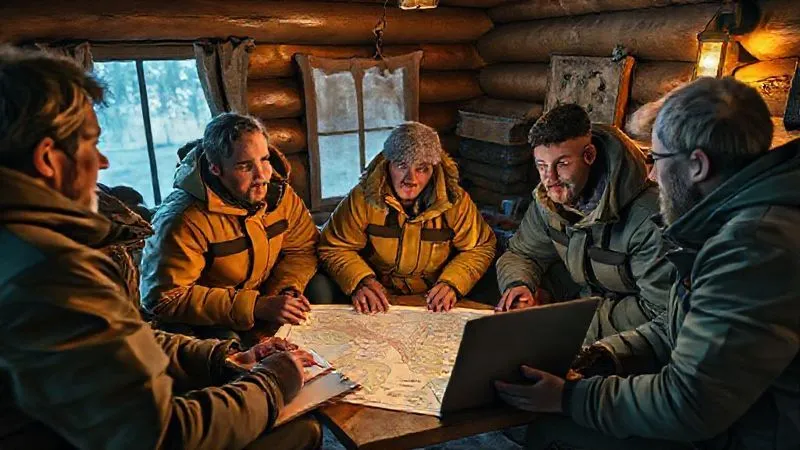
Who do you call first? What information do you provide? These questions need answers before an emergency strikes. Establish a clear communication tree: a primary contact (e.g., a trusted friend or family member who stays home), a secondary contact (e.g., your insurance provider's emergency line, a specialized medevac service), and local contacts if available. Provide them with your itinerary, team manifest, medical histories, and emergency protocols. Practice sending test messages.
Case Study: The Patagonian Predicament
In 2018, a small trekking group I was advising in a remote part of Patagonia faced a serious situation when one member sustained a debilitating ankle injury. Their primary satellite phone failed due to extreme cold. Fortunately, they had a Garmin inReach device. Despite the slow text-based communication, they were able to relay their precise GPS coordinates, the nature of the injury, and patient status to their emergency contact. This contact then coordinated with their pre-arranged medical evacuation insurance provider, initiating a helicopter rescue that arrived within 18 hours. This incident underscored the absolute necessity of communication redundancy and a well-briefed home contact.

Medical Evacuation Insurance: Non-Negotiable Coverage
This is not an optional extra; it is a fundamental component of any remote expedition. The costs associated with emergency medical evacuation from ultra-remote areas can be astronomical, easily reaching six figures. Without adequate insurance, you are exposing yourself and your team to immense financial risk.
Understanding Policy Nuances: Coverage, Exclusions, and Providers
Not all travel insurance is created equal, especially when it comes to adventure travel and remote areas. Standard policies often have exclusions for 'extreme sports' or 'high-altitude trekking.' You need a specialized policy that explicitly covers: search and rescue, emergency medical evacuation (including helicopter and fixed-wing aircraft), medical treatment at destination, and repatriation. Carefully read the fine print regarding:
- Coverage limits: Are they sufficient for a multi-stage evacuation?
- Geographic limits: Does it cover your specific destination?
- Activity exclusions: Are your planned activities (e.g., mountaineering, diving) covered?
- Pre-existing conditions: Are they covered, and what documentation is required?
- Direct payment vs. reimbursement: Does the provider pay upfront, or do you have to pay and claim back? Direct payment is always preferred.
The Cost of Evacuation: Why Insurance is Essential
Let's be blunt: a helicopter evacuation from a remote mountain range can cost upwards of $50,000 to $100,000 USD. A fixed-wing air ambulance from a remote country to your home country can easily exceed $250,000 USD. These are not costs an individual can typically absorb without severe financial hardship. According to a report by Global Rescue, the average cost of a medical evacuation from a remote international location can range from $75,000 to $300,000, depending on complexity and distance. This is why specialized insurance is not just a recommendation; it's a non-negotiable requirement. Learn more about typical evacuation costs here.
| Feature | Cost Range | Coverage Type | Limitations |
|---|---|---|---|
| Annual Policy (Basic) | $300 - $600 | Medical Evacuation only | Limited activities, lower limits |
| Annual Policy (Comprehensive Adventure) | $700 - $1500+ | Medical Evacuation, Search & Rescue, Repatriation, Medical Treatment | Higher limits, covers extreme activities |
| Single Trip (Specific Expedition) | Varies by trip duration/risk | Tailored for specific high-risk trips | Often includes higher deductibles |
| Membership Programs (e.g., Global Rescue) | $300 - $1000+ | Field Rescue, Medical Evacuation, Travel Security | May require separate medical insurance |
Assembling Your Evacuation Toolkit: Gear and Supplies
Your gear is an extension of your preparedness. Beyond your standard expedition equipment, a dedicated evacuation toolkit is essential, focusing on medical care, communication, and immediate survival.
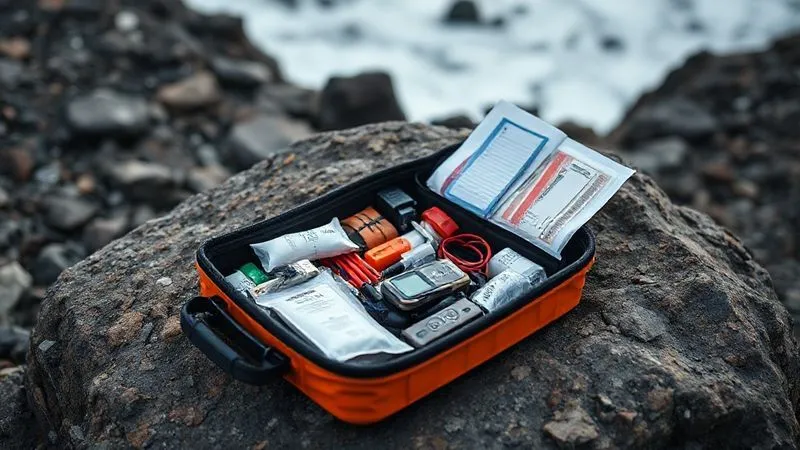
Advanced First Aid Kits and Trauma Supplies
This is far beyond a basic blister kit. Your kit should be tailored to the specific risks of your environment and the medical training of your team. It should include:
- Trauma Dressings: Israeli bandages, hemostatic gauze, chest seals, splints (SAM splints).
- Medications: Painkillers (prescription strength if allowed), antibiotics (with medical consultation), anti-diarrheals, anti-inflammatories, altitude sickness medication (e.g., Diamox), personal prescription medications for all team members.
- Diagnostic Tools: Pulse oximeter, thermometer, blood pressure cuff.
- Wound Care: Irrigation syringe, sterile gloves, wound closure strips, antiseptic wipes.
- Emergency Blanket/Bivy: For managing hypothermia.
Navigation and Tracking Devices
Beyond your primary GPS and maps, consider a backup handheld GPS, extra batteries, and a solar charger. A personal locator beacon (PLB) or satellite messenger with an SOS function should be carried by multiple team members, not just one. Ensure all devices are registered and tested.
Shelter and Survival Essentials
If an evacuation is delayed, you may need to hunker down for an extended period. Your kit should include:
- Emergency Shelter: Lightweight tarp, bivy sack, or emergency tent.
- Extra Layers: Warm, waterproof clothing.
- Water Purification: Filter, purification tablets.
- High-Energy Food: Emergency rations.
- Fire Starting Kit: Waterproof matches, lighter, fire starter.
- Headlamps/Flashlights: With extra batteries.
Pre-Arranged Evacuation Services and Local Contacts
While insurance is crucial for covering costs, having pre-arranged services and local contacts can significantly expedite the actual evacuation process. This is particularly true in regions with limited infrastructure.
Engaging Specialized Medevac Providers
For high-stakes expeditions, consider directly engaging specialized medical evacuation companies like International SOS, Global Rescue, or Remote Medical International. These organizations offer membership programs or bespoke expedition support, providing access to their global network of medical professionals, air ambulances, and logistical experts. They can offer real-time medical advice via satellite phone and activate rescue assets much faster than a standard insurance company's call center. Explore International SOS for comprehensive global assistance.
Leveraging Local Knowledge and Resources
In many remote regions, local communities possess invaluable knowledge of the terrain, weather patterns, and local resources. Establishing contact with local guides, village elders, or park rangers before your trip can be a game-changer. They might have access to local transport (e.g., mules, boats, local pilots), or be able to mobilize local search and rescue efforts more quickly than external agencies. Always respect local customs and offer fair compensation for their assistance.
“The most effective rescue often begins with a well-placed local contact.” – A lesson learned from years of operating in diverse cultures.
Scenario Planning and Drills: Practice Makes Perfect
A plan on paper is only as good as its execution under pressure. This is where scenario planning and regular drills become indispensable, transforming theoretical knowledge into practical readiness.
Developing Specific Action Plans for Common Scenarios
Don't just have a general 'emergency plan.' Develop detailed action plans for specific, high-probability scenarios relevant to your trip. For example:
- Severe Trauma (e.g., broken limb, head injury): What are the immediate steps? Patient stabilization, communication, shelter, preparing for transport.
- Acute Illness (e.g., severe infection, appendicitis): How will you monitor the patient? What medications can be administered? How quickly can evacuation be initiated?
- Altitude Sickness (AMS, HACE, HAPE): Descent protocols, medication administration, monitoring.
- Lost Person: Search grid, communication protocols, signaling techniques.
Regular Drills and Review Sessions
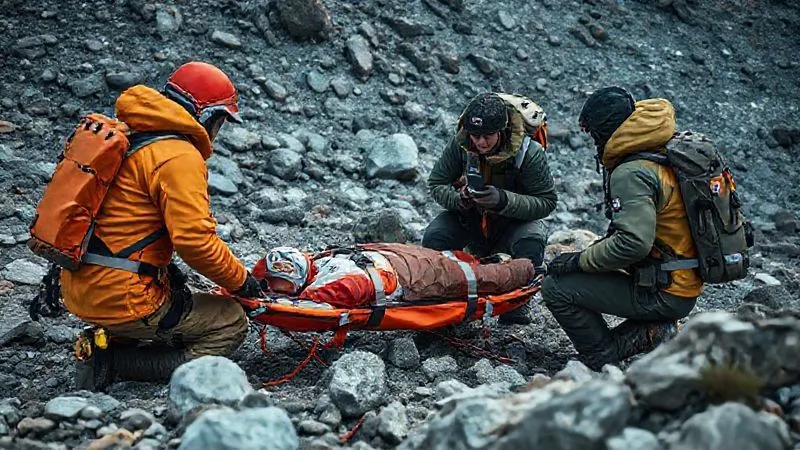
The best way to embed these plans is through practice. Conduct realistic simulations of emergency scenarios. Practice patient assessment, splinting, packaging a patient for transport, and using communication devices. After each drill, conduct a thorough debriefing: What went well? What could be improved? Are there any gaps in our gear or training? Regular review sessions, even without full drills, ensure the plan remains fresh in everyone's mind.
Legal and Ethical Considerations in Remote Evacuation
Beyond the practicalities, understanding the legal and ethical landscape of remote medical evacuation is crucial. These considerations can impact decisions made during a crisis and have long-term repercussions.
Consent, Liability, and Documentation
Before any trip, ensure all participants sign waivers and provide informed consent for medical treatment and evacuation. It's critical to have clear documentation of medical histories and emergency contacts. In an emergency, if a patient is incapacitated, having pre-signed consent or a clear medical directive can streamline decision-making. Understand the legal liabilities associated with leading an expedition and consider appropriate liability insurance if you are an organizer. Always document every step of an emergency response, from initial assessment to communication logs and treatment administered. This documentation is vital for insurance claims and post-incident reviews.
Post-Evacuation Support and Debriefing
The journey doesn't end when the patient is evacuated. Post-evacuation support for both the patient and the remaining team members is vital. This includes psychological support, logistical assistance for repatriation, and ensuring continuity of care. A thorough debriefing of the entire incident, involving all team members, is essential for learning and improving future plans. What could have been done better? What lessons were learned? This critical analysis contributes to the collective knowledge of safe remote travel.
Leveraging Technology for Enhanced Safety
Modern technology offers incredible tools that can significantly enhance safety and streamline emergency response in remote areas. Integrating these into your planning is a smart move.
Wearable Health Monitors and Telemedicine
Wearable devices like smartwatches can monitor vital signs, heart rate, and even detect falls. While not medical diagnostic tools, they can provide early warnings or critical data points. For more advanced support, telemedicine is rapidly evolving. Some specialized medevac providers offer direct access to doctors via satellite link, allowing for remote consultations, diagnosis, and guidance on treatment. This can be invaluable when definitive medical care is hours or days away. Explore resources from the Wilderness Medical Society for telemedicine guidelines.
Advanced Mapping and Weather Forecasting
Beyond basic GPS, utilize advanced mapping applications (e.g., Gaia GPS, CalTopo) that allow for offline maps, custom waypoints, and route planning. These can be crucial for identifying potential evacuation routes. Sophisticated weather forecasting apps and satellite weather services provide near real-time updates, allowing you to anticipate severe conditions that could complicate or delay an evacuation. Always download offline maps and weather data before losing internet access.
| Category | Tool | Benefit |
|---|---|---|
| Communication | Satellite Phone (Iridium/Inmarsat) | Voice communication, global coverage |
| Communication | Satellite Messenger (Garmin inReach/Zoleo) | Text, SOS, GPS tracking, 2-way messaging |
| Navigation | Offline Mapping Apps (Gaia GPS/CalTopo) | Detailed topo maps, route planning, offline access |
| Medical Monitoring | Wearable Health Monitors | Basic vital sign tracking, fall detection |
| Emergency Power | Portable Solar Chargers/Power Banks | Recharge devices in the field |
| Weather | Satellite Weather Services | Real-time weather updates for remote areas |
Frequently Asked Questions (FAQ)
What's the most common mistake people make when planning for remote medical evacuation? In my experience, the single biggest mistake is underestimating the complexity and cost, leading to inadequate insurance coverage or a reliance on generic travel insurance. Many also fail to conduct realistic drills or establish clear communication chains, assuming 'it won't happen to me.'
How often should I review and update my evacuation plan? You should review your plan before every major expedition or trip to a new remote area. Annually, conduct a comprehensive review, updating contacts, checking insurance policies, and refreshing team training. Any significant change in team members or equipment also warrants a review.
Are there specific regions that are harder for medical evacuation than others? Absolutely. High-altitude regions (e.g., Himalayas, Andes) present unique challenges due to weather, limited air density for helicopters, and specialized medical needs. Dense jungles (e.g., Amazon, Borneo) offer poor visibility and landing zones. Polar regions (e.g., Arctic, Antarctic) are extremely remote with harsh conditions and very limited infrastructure. Each requires tailored planning.
Can I rely on local authorities for rescue in remote developing countries? While local authorities are often willing to help, their capabilities in ultra-remote regions, particularly in developing countries, can be severely limited by lack of equipment, training, and resources. It's best to consider them a potential supplementary resource, not your primary evacuation plan. Always have private insurance or a specialized service as your main backup.
What's the role of a 'home contact' in an emergency? Your home contact is critical. They are the central point of communication, responsible for monitoring your progress, activating your emergency plan if you don't check in, and coordinating with your insurance provider or medevac service. Choose someone reliable, calm under pressure, and fully briefed on your itinerary and emergency protocols. They should have all your critical documents and contact numbers.
Key Takeaways and Final Thoughts
Planning for emergency medical evacuation from ultra-remote areas isn't a luxury; it's an absolute necessity for any responsible adventurer or expedition leader. It demands foresight, meticulous preparation, and a deep understanding of the unique challenges these environments present.
- Prioritize Comprehensive Risk Assessment: Know your environment, your team, and your potential vulnerabilities before you even pack your bags.
- Invest in Specialized Insurance: This is your financial safety net. Ensure your policy covers all aspects of remote medical evacuation and your planned activities.
- Build Redundant Communication: Satellite phones and messengers are non-negotiable. Practice using them and establish clear communication chains.
- Equip for Self-Sufficiency: An advanced first-aid kit, survival essentials, and trained team members are your immediate resources.
- Engage Expert Support: Consider specialized medevac providers and cultivate local contacts for expedited assistance.
- Practice, Practice, Practice: Scenario planning and regular drills are vital for effective execution under pressure.
- Embrace Technology: Leverage modern tools for enhanced monitoring, navigation, and weather intelligence.
Ultimately, the goal isn't just to react to an emergency, but to proactively mitigate its impact and ensure the safest possible outcome. By embracing these principles, you transform uncertainty into preparedness, allowing you to explore the world's wild places with confidence, knowing you've done everything in your power to safeguard yourself and your team. Stay safe out there, and may your adventures be well-planned and memorable.
Recommended Reading
- 5 Ethical Steps: How to Prevent Cultural Appropriation in Indigenous Tradition Tours?
- 7 Proven Steps: How to Prevent Over-Tourism Degrading Natural Wonders
- Space Tourism for All? The Future of Affordable Space Travel
- Mastering Luxury: How to Differentiate 5-Star Resorts for Discerning Clients
- Best Age for Disney World with Toddlers: Maximize the Magic!



Your email address will not be published. Required fields are marked *