

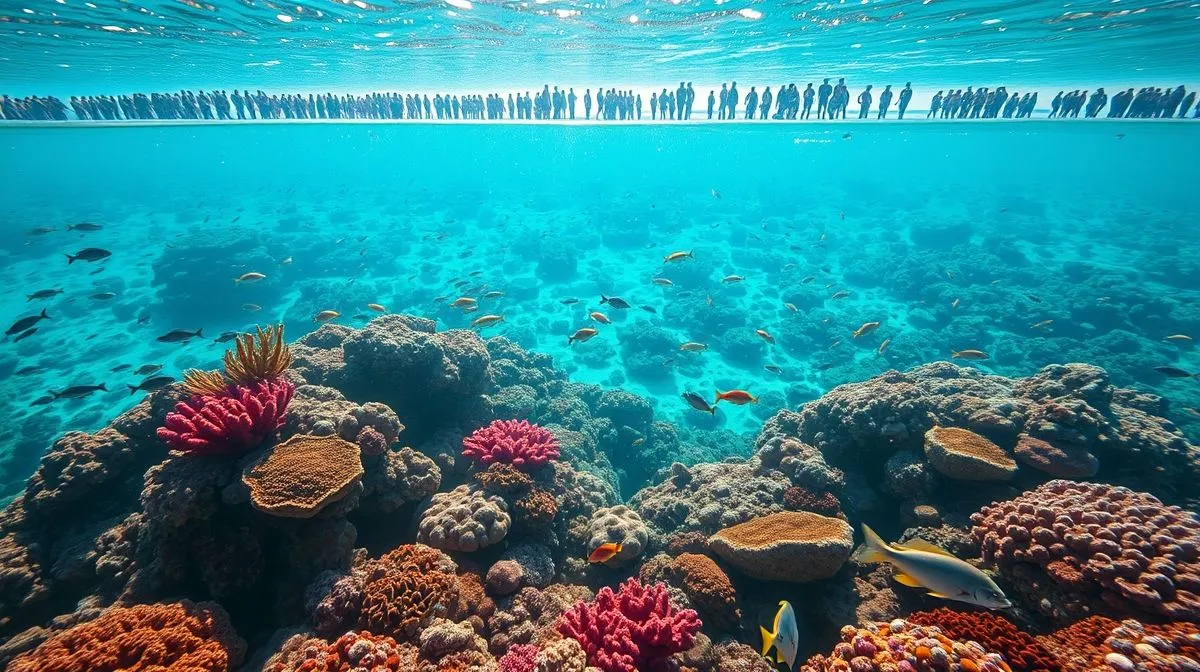
How to prevent over-tourism degrading natural wonder sites?
For over two decades in the eco-tourism and conservation sector, I've had the privilege of witnessing some of the most breathtaking natural wonders on Earth. I've also, regrettably, seen the subtle, insidious ways in which unchecked tourism can erode their very essence – from trampled ecosystems to overcrowded trails and cultural dilution. It’s a paradox: the very beauty that draws us also becomes vulnerable to our collective admiration.
The problem of over-tourism is no longer a theoretical concern; it’s a tangible threat. Iconic destinations, once pristine havens, are groaning under the weight of excessive visitor numbers, leading to ecological degradation, diminished visitor experience, and even resentment from local communities. We are, quite literally, loving our natural treasures to death, and the long-term consequences are dire for both nature and the future of sustainable travel.
In this definitive guide, drawing from my extensive experience and the latest industry insights, I will walk you through a comprehensive framework designed to address this critical challenge. You'll gain actionable strategies, backed by real-world examples and expert perspectives, on how to prevent over-tourism degrading natural wonder sites effectively and ensure their preservation for generations to come. This isn't just about managing numbers; it's about fostering a new paradigm of responsible stewardship.
Understanding Carrying Capacity: The Foundation of Sustainable Tourism
Before any intervention, we must first understand the limits. Carrying capacity isn't just an ecological term; it's a multi-faceted concept encompassing ecological, physical, social, and psychological dimensions. It's the maximum number of people that can visit a natural site at the same time, or over a specific period, without causing unacceptable deterioration of the physical, economic, socio-cultural environment, and without an unacceptable decrease in the quality of visitor satisfaction.
- Ecological Carrying Capacity: The maximum level of use that an environment can sustain without irreversible damage to its ecosystem.
- Physical Carrying Capacity: The maximum number of visitors that can physically fit into a specific area at a given time.
- Social Carrying Capacity: The level of tolerance of the local population for visitors and the level of crowding visitors are willing to tolerate.
- Psychological Carrying Capacity: The point at which the visitor's experience begins to decline due to overcrowding or environmental degradation.
In my experience, many destinations fail simply because they haven't honestly assessed these limits. It's a complex calculation, often requiring scientific study and community input, but it's the bedrock upon which all sustainable tourism planning rests. Without this understanding, any intervention is merely a band-aid.
"The first step in preserving a natural wonder isn't restricting access; it's understanding its intrinsic limits and designing a system that respects them." - Industry Expert Insight
Implementing Advanced Visitor Management Systems
Once limits are understood, effective management becomes paramount. This goes beyond simply putting up "no entry" signs; it involves sophisticated systems that control visitor flow, distribute demand, and enhance the visitor experience while protecting the site.
- Pre-booking and Time-Slot Reservations: This is perhaps the most direct method. By requiring visitors to book in advance for specific entry times, destinations can precisely control daily or hourly visitor numbers. This reduces bottlenecks, spreads out demand, and ensures a more enjoyable, less crowded experience. Think of national parks like Zion or popular attractions like Machu Picchu, which have successfully implemented such systems.
- Dynamic Pricing: Adjusting entry fees based on demand, time of day, or season can help redistribute visitor traffic. Higher prices during peak times can incentivize visits during off-peak hours, reducing pressure on the most vulnerable periods.
- Visitor Dispersal Strategies: Encourage visitors to explore lesser-known areas or alternative attractions to spread the load. This can involve promoting new trails, creating satellite visitor centers, or developing engaging content that highlights diverse regional offerings.
- Real-time Monitoring & Alert Systems: Utilizing sensors, camera analytics, and even mobile app data to track visitor density in real-time. This allows site managers to issue alerts, close specific areas temporarily, or redirect visitors when carrying capacity limits are approached.
Case Study: How Palau Safeguarded its Pristine Reefs
Palau, a small island nation in Micronesia, faced immense pressure on its world-renowned marine ecosystems due to increasing tourism. Rather than banning tourists, they implemented an innovative "Palau Pledge" at immigration, requiring all visitors to sign an oath to protect the environment. More significantly, they introduced a mandatory fee that directly funds conservation efforts and strictly limited visitor numbers to key dive sites. This proactive approach, combined with robust monitoring, has allowed them to maintain the health of their reefs and ensure a high-quality visitor experience, demonstrating how to prevent over-tourism degrading natural wonder sites through comprehensive management.
According to a report by the UN World Tourism Organization (UNWTO), visitor management systems are crucial for sustainable tourism development, particularly in sensitive natural areas. Their research emphasizes the need for integrated approaches that balance access with preservation.
Fostering Community-Led Conservation Initiatives
Local communities are not just stakeholders; they are often the frontline guardians of natural wonders. Their involvement is indispensable for long-term sustainability. When communities benefit directly from conservation and tourism, they become powerful advocates and active participants.
- Empowerment and Participation: Engage local communities in the planning and management of tourism. This includes involving them in decision-making processes, training them for tourism-related jobs (guides, hospitality, craft production), and ensuring a fair distribution of tourism revenues.
- Cultural Preservation: Over-tourism can erode local culture. Promote authentic cultural experiences that respect local traditions and provide economic benefit to community members, rather than commodifying or trivializing their heritage.
- Local Ownership & Management: Support the development of community-owned and operated tourism businesses. This ensures that profits remain local and that decisions are made with community well-being and environmental protection at heart.
- Education and Awareness: Work with local schools and community groups to foster a sense of pride and responsibility for their natural heritage. This builds a foundation of long-term stewardship.
As marketing guru Seth Godin often says, "People don't buy what you do; they buy why you do it." In eco-tourism, this translates to communities not just tolerating tourism, but embracing it as a means to a better, more sustainable future for their own people and environment.
Diversifying Tourism Offerings & Spreading Visitor Load
Concentrating all tourism activity on a few "hero" attractions invariably leads to over-tourism. A key strategy is to broaden the appeal and distribute visitors across a wider geographic area or a greater diversity of experiences.
- Developing "Secondary" Attractions: Identify and promote less-known but equally valuable natural or cultural sites in the region. This requires investment in infrastructure, marketing, and often, community development in these newer areas.
- Promoting Off-Peak Travel: Incentivize travel during shoulder seasons or even the off-season. This can involve offering discounts, special events, or unique seasonal experiences that highlight different aspects of the destination.
- Creating Themed Routes & Trails: Design multi-day itineraries that encourage visitors to explore a wider area, rather than just a single hotspot. This can be walking trails, cycling routes, or cultural discovery tours that span multiple communities or natural areas.
- Focusing on Niche Tourism: Develop specialized tourism products like birdwatching, astrotourism, geological tours, or sustainable adventure sports. These often attract smaller, more dedicated groups of visitors who are typically more respectful and interested in deeper engagement with the environment.
"A healthy tourism ecosystem is like a diverse forest; it thrives when there are many pathways, not just one beaten track." - Industry Expert Insight
Leveraging Technology for Sustainable Monitoring
Technology is a powerful ally in the fight against over-tourism. From remote sensing to AI-powered analytics, digital tools can provide invaluable data for informed decision-making and proactive management.
- GIS Mapping & Remote Sensing: Use Geographical Information Systems (GIS) and satellite imagery to monitor environmental changes over time, track visitor movement patterns, and identify areas under stress. This provides a visual, data-driven understanding of impact.
- IoT Sensors & Drones: Deploy sensors to monitor air and water quality, noise levels, and even visitor counts in real-time. Drones can be used for aerial surveys, tracking wildlife, or monitoring trail erosion in remote areas, providing data without intrusive human presence.
- AI-Powered Analytics: Analyze vast datasets from bookings, social media, and sensor readings to predict peak times, identify emerging trends, and optimize resource allocation. AI can help in forecasting visitor numbers and their potential impact with greater accuracy.
- Mobile Apps & Gamification: Develop visitor apps that provide real-time information on crowding, suggest alternative routes, educate visitors on responsible behavior, and even gamify sustainable actions through rewards or challenges.
A study published in the Journal of Tourism Management highlighted how digital transformation is increasingly vital for destination management organizations to achieve sustainability goals, particularly in managing visitor flows and impacts.
Educating Travelers and Local Stakeholders
Ultimately, behavior change is crucial. Educating both visitors and locals about the impacts of tourism and the importance of responsible practices is a long-term investment in sustainability.
- Pre-Arrival Information: Provide clear, compelling information to visitors before they even arrive. This includes guidelines on respectful behavior, environmental ethics, and cultural sensitivities. This can be done via websites, booking confirmations, or dedicated apps.
- On-Site Interpretive Signage & Programs: Use engaging signage, visitor centers, and guided tours to educate visitors about the unique ecology, history, and cultural significance of the site. Explain *why* certain rules exist (e.g., "stay on marked trails to protect fragile plants").
- Responsible Traveler Campaigns: Launch public awareness campaigns that promote ethical travel choices, such as reducing waste, conserving water, respecting wildlife, and supporting local businesses. The "Leave No Trace" principles are a fantastic example of this.
- Training for Tourism Professionals: Equip local guides, tour operators, and hospitality staff with the knowledge and tools to educate their clients on sustainable practices. They are often the most direct point of contact with visitors.
Case Study: The Galápagos Islands' Strict Visitor Education
The Galápagos Islands have long been at the forefront of conservation. Their success in managing tourism, despite being a bucket-list destination, is largely due to stringent visitor education. Before disembarking, tourists undergo mandatory briefings on rules and environmental ethics. Every visit to a natural site is accompanied by a certified naturalist guide who reinforces these principles, ensuring visitors understand their impact and the fragility of the ecosystem. This proactive education is key to how to prevent over-tourism degrading natural wonder sites of such ecological importance.
Developing Robust Policy & Enforcement Frameworks
Good intentions are not enough; they must be backed by clear policies and effective enforcement. This involves collaboration between government, industry, and local communities.
- Legislation & Regulations: Enact and enforce laws that protect natural areas from development, limit visitor numbers, control waste, and penalize destructive behavior. This might include specific zoning laws, protected area designations, or environmental impact assessment requirements for new tourism developments.
- Permitting & Licensing: Implement robust permitting systems for tour operators, guides, and businesses operating within or near natural wonders. This allows for quality control and ensures adherence to sustainable practices.
- Inter-Agency Collaboration: Foster strong partnerships between government ministries (tourism, environment, culture), local authorities, and law enforcement agencies to ensure coordinated policy development and consistent enforcement.
- Financial Mechanisms for Conservation: Implement tourism taxes, conservation fees, or carbon offset programs where the revenue directly supports the management and protection of the natural sites. This creates a sustainable funding stream.
According to research by the International Union for Conservation of Nature (IUCN), effective governance and policy frameworks are fundamental to the success of protected area management and the mitigation of tourism impacts.
Sustainable Funding Models for Conservation
All these strategies require significant resources. Long-term sustainability hinges on creating diversified and stable funding streams that support conservation and responsible tourism management.
- Visitor Fees & Levies: As mentioned, direct entry fees or dedicated conservation levies are a primary source. Transparency in how these funds are used is crucial for public and visitor acceptance.
- Private Sector Partnerships: Engage tourism businesses, hotels, and tour operators in direct financial contributions or in-kind support for conservation projects. Encourage corporate social responsibility initiatives.
- Grants & Philanthropy: Seek funding from national and international conservation organizations, foundations, and philanthropic individuals who are aligned with the mission of protecting natural wonders.
- Innovative Financing: Explore mechanisms like 'debt-for-nature' swaps, impact investments, or carbon credit schemes that generate revenue for conservation efforts while addressing other global challenges.
- Community Enterprise Development: Support local businesses that offer sustainable products or services, creating alternative income streams for communities that reduce reliance solely on direct tourism revenue from the natural site.
"Conservation is not a cost; it's an investment. Sustainable funding ensures that the dividend of natural beauty continues to pay for generations." - Industry Expert Insight
Frequently Asked Questions (FAQ)
Question: What's the main difference between eco-tourism and sustainable tourism? Eco-tourism is a specific type of sustainable tourism focused on responsible travel to natural areas that conserves the environment, sustains the well-being of the local people, and involves interpretation and education. Sustainable tourism is a broader concept that applies to all types of tourism, aiming to minimize negative impacts and maximize positive ones across environmental, social, and economic dimensions for present and future generations. While eco-tourism is always sustainable, not all sustainable tourism is necessarily eco-tourism.
Question: How can individual travelers truly contribute to preventing over-tourism? Individual travelers hold significant power. You can contribute by choosing responsible tour operators, staying in eco-certified accommodations, supporting local businesses directly, visiting during off-peak seasons, respecting local customs and natural rules (e.g., staying on marked trails, not touching wildlife), reducing your waste, and educating yourself about the destination before you arrive. Every conscious choice makes a difference.
Question: What role do local governments play in managing over-tourism? Local governments are absolutely critical. They are responsible for developing and enforcing land-use planning, zoning regulations, visitor quotas, and conservation policies. They also play a key role in infrastructure development (or limitation), waste management, public safety, and fostering community engagement. Their political will and capacity to collaborate with other stakeholders often dictate the success or failure of over-tourism prevention efforts.
Question: Are there specific technologies for monitoring visitor impact that are becoming widespread? Yes, several. GIS (Geographic Information Systems) mapping combined with drone imagery is becoming standard for monitoring ecological changes and visitor patterns. IoT (Internet of Things) sensors are increasingly used to track environmental parameters like air quality, water purity, and even noise levels in sensitive areas. AI-powered analytics can process large datasets from visitor counts, social media, and booking platforms to predict crowd surges and optimize resource allocation. Mobile apps are also being developed to provide real-time crowding information and guide visitors to less impacted areas.
Question: How long does it typically take for a natural site to recover from over-tourism once measures are put in place? The recovery timeline varies greatly depending on the type and severity of degradation, the resilience of the ecosystem, and the effectiveness of the implemented measures. Some impacts, like soil compaction or habitat disturbance, might show improvements within a few years with strict management. However, issues like species loss, coral bleaching, or significant erosion can take decades, or even centuries, to recover, and some damage may be irreversible. Proactive prevention is always far more effective than reactive recovery.
Recommended Reading
- Beyond Tourism: 7 Practical Steps to Extract Business Insights from City Cultural Events
- 7 Pillars: Sustainable Returns from Biodiversity Eco-Tourism?
- Master Your First White Water Rafting Trip: Essential Prep Guide
- Wheelchair Friendly Museums Near Me? Your Ultimate Accessibility Guide
- Space Patents: 7 Proven Strategies to Monetize Your Breakthroughs
Key Takeaways and Final Thoughts
- Know Your Limits: Comprehensive carrying capacity assessments are the non-negotiable first step.
- Manage Proactively: Implement advanced visitor management systems like pre-booking and dynamic pricing to control flow.
- Empower Locals: Engage and empower local communities as custodians and beneficiaries of tourism.
- Spread the Love: Diversify attractions and promote off-peak travel to distribute visitor load.
- Embrace Innovation: Leverage technology for real-time monitoring, data-driven decisions, and visitor education.
- Educate & Engage: Foster responsible traveler behavior through pre-arrival information and on-site interpretation.
- Policy is Power: Develop and enforce robust legislative frameworks and ensure sustainable funding.
The challenge of over-tourism degrading natural wonder sites is complex, but it is not insurmountable. As someone who has dedicated their career to the delicate balance between human appreciation and environmental preservation, I firmly believe that with strategic planning, collaborative effort, and a deep commitment to stewardship, we can safeguard our planet's most precious natural treasures. It requires a shift in mindset, from exploitation to reverence, ensuring that these wonders continue to inspire and thrive for generations to come. The time to act is now, not just for the sake of these sites, but for the future of travel itself.





Your email address will not be published. Required fields are marked *