

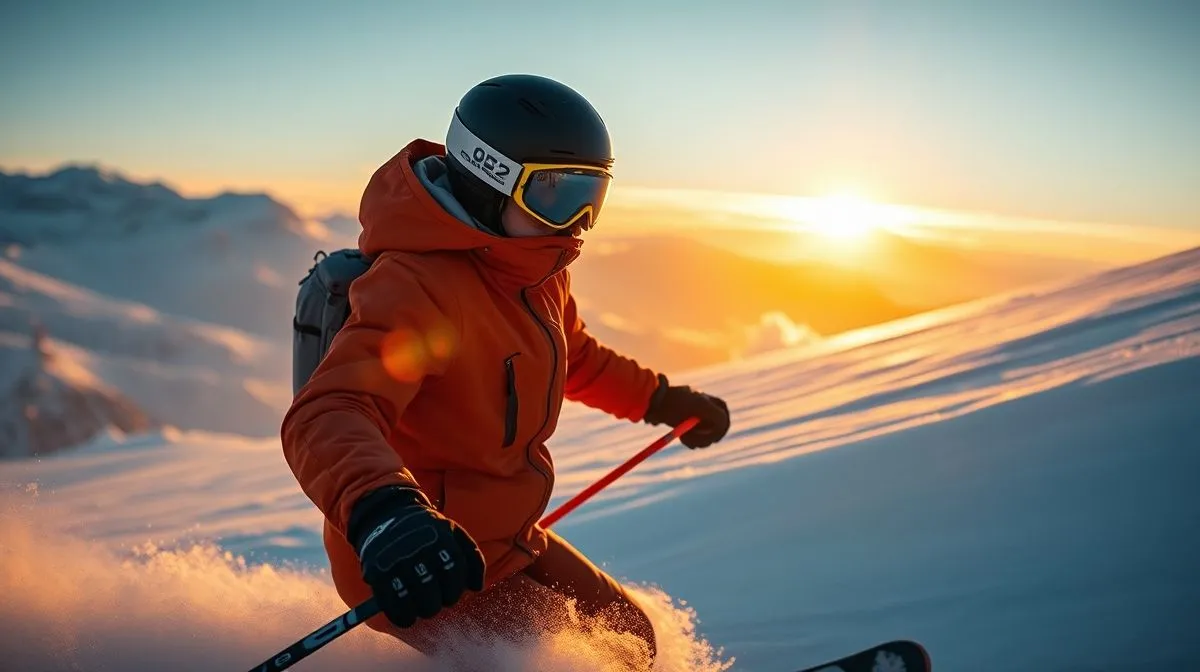
Navigating the Slopes Safely: How to Prevent Common Winter Sports Injuries?
Imagine the exhilaration: fresh powder underfoot, crisp mountain air invigorating your lungs, and the thrill of gliding down a pristine slope. Winter sports offer an unparalleled sense of freedom and adventure. Yet, beneath the joy lies a significant concern: the risk of injury. Every season, countless enthusiasts find their winter fun cut short by preventable accidents, transforming exhilarating moments into painful memories and lengthy recoveries.
So, what separates the seasoned, injury-free veteran from the novice sidelined with a sprained knee or a broken wrist? The answer often lies not in luck, but in meticulous preparation, smart decision-making, and a deep understanding of the inherent risks. The problem isn't just the sheer speed or challenging terrain; it's often the cumulative effect of fatigue, improper technique, inadequate gear, and underestimating the elements.
This comprehensive guide is designed to empower you. By the end of this reading, you will possess the knowledge and practical strategies to significantly reduce your risk and truly understand how to prevent common winter sports injuries. We'll delve into everything from pre-season conditioning to on-slope awareness, ensuring your winter adventures remain safe, enjoyable, and injury-free.
Understanding the Common Culprits: Types of Winter Sports Injuries
Before we can prevent injuries, we must first understand them. Winter sports, while diverse, share a common set of injury patterns, largely due to the dynamics of speed, impact, and falls on slick surfaces. Recognizing these can help you anticipate risks and take targeted precautions.
Sprains and Strains: The Silent Saboteurs
These are perhaps the most frequent visitors to the winter sports first-aid tent. A sprain involves the stretching or tearing of ligaments (the tough bands of fibrous tissue that connect bones), while a strain affects muscles or tendons (which connect muscle to bone). The knee, ankle, and wrist are particularly vulnerable.
- Knee Sprains: Especially common in skiing (MCL, ACL tears) due to twisting falls or bindings not releasing properly.
- Ankle Sprains: Frequent in snowboarding or ice skating, often from awkward landings or losing balance.
- Wrist Sprains/Fractures: Snowboarders are prone to these from trying to break a fall with an outstretched hand.
Fractures and Dislocations: High-Impact Consequences
More severe impacts or falls can lead to broken bones or joints popping out of place. These require immediate medical attention and longer recovery periods.
- Collarbone Fractures: Often result from direct impact to the shoulder, common in both skiing and snowboarding.
- Shoulder Dislocations: Can occur when falling directly on the shoulder or arm.
- Tibial Plateau Fractures: A serious knee injury where the shin bone breaks near the knee joint, often from high-speed impacts.
Head Injuries and Concussions: The Invisible Threat
Even seemingly minor falls can result in head trauma, ranging from mild concussions to severe brain injuries. The danger with concussions is that symptoms may not appear immediately, making them easy to overlook. Protecting your head is paramount.
For more detailed information on recognizing and managing concussions, consult reputable sources like the Centers for Disease Control and Prevention (CDC).
Pre-Season Preparation: Building a Resilient Body
The slopes are not the place to get in shape; they are the place to test your conditioning. One of the most effective ways to prevent common winter sports injuries is to start your physical preparation long before the first snowflake falls. A strong, flexible, and well-balanced body is your best defense against the rigors of winter sports.
Start Early: Conditioning Your Muscles
Focus on building strength and endurance in the muscle groups most utilized in your chosen sport. This means targeting your core, legs, and glutes, which provide stability and power.
- Leg Strength: Exercises like squats, lunges, and step-ups build powerful quadriceps, hamstrings, and glutes, crucial for absorbing impacts and maintaining control.
- Core Stability: Planks, Russian twists, and bicycle crunches strengthen your core, which is vital for balance and protecting your spine.
- Balance and Proprioception: Incorporate exercises like single-leg stands, wobble board exercises, or yoga. Improved balance helps you react quickly to uneven terrain and avoid falls.
Aim for a routine that includes strength training 2-3 times a week, focusing on compound movements that mimic the demands of skiing or snowboarding.
Flexibility and Warm-Up Routines: Priming for Performance
Cold muscles are stiff muscles, and stiff muscles are more prone to injury. Incorporating flexibility into your routine and performing a proper warm-up before hitting the slopes can dramatically reduce your risk.
- Dynamic Stretches: Before activity, focus on dynamic stretches like leg swings, arm circles, and torso twists. These increase blood flow and prepare your muscles for movement.
- Pre-Slope Warm-Up: Dedicate 10-15 minutes to a light cardio warm-up (e.g., brisk walking, marching in place) followed by dynamic stretches at the base of the mountain. This gets your heart rate up and muscles ready for action.
Even after a challenging run, a few minutes of gentle stretching can aid recovery and maintain flexibility throughout the day.
The Right Gear: Your First Line of Defense
Your equipment isn't just about performance; it's about protection. Using appropriate, well-maintained, and properly fitted gear is a cornerstone of injury prevention in winter sports. Don't compromise on safety for style or cost.
Helmets: Non-Negotiable Protection
This is arguably the single most important piece of safety equipment. Helmets significantly reduce the risk of head injuries, including concussions. Always wear a helmet, regardless of your skill level or the terrain.
- Proper Fit: Ensure your helmet fits snugly but comfortably, without wobbling or creating pressure points. It should sit low on your forehead, just above your eyebrows.
- Certifications: Look for helmets that meet safety standards (e.g., ASTM F2040, CE EN 1077).
- Replacement: Replace your helmet after any significant impact, even if there's no visible damage, as its protective integrity may be compromised.
Protective Eyewear and Sun Protection: Guarding Your Vision and Skin
Sunlight reflecting off snow can be incredibly intense, leading to eye strain and potentially long-term damage. Goggles or sunglasses with UV protection are essential. Don't forget sunscreen and lip balm, even on cloudy days, as UV radiation is stronger at higher altitudes.
Appropriate Clothing and Layering: Battling the Elements
Staying warm and dry is crucial for comfort and preventing conditions like hypothermia or frostbite, which can impair judgment and increase injury risk. Dress in layers to adapt to changing conditions:
- Base Layer: Wicking fabric (synthetic or merino wool) to pull moisture away from your skin.
- Mid-Layer: Insulation (fleece or down) for warmth.
- Outer Shell: Waterproof and windproof jacket and pants to protect against the elements.
Bindings and Boots: The Critical Connection
For skiers, properly adjusted bindings are vital. They are designed to release your boot from the ski during a fall, preventing rotational injuries to the knee. Get your bindings professionally set by a certified technician based on your weight, height, age, and skill level. For snowboarders, well-fitting boots and bindings ensure optimal control and support.
For more information on ski safety and equipment standards, refer to resources from organizations like the National Ski Areas Association (NSAA).
On-Slope Smarts: Practicing Safe Techniques
Once you're on the mountain, your behavior and awareness become your primary tools for injury prevention. Many incidents occur due to lack of attention, overconfidence, or disregard for safety protocols. Mastering safe techniques is key to knowing how to prevent common winter sports injuries.
Know Your Limits and Terrain: The Golden Rule
Never attempt runs or tricks beyond your current skill level. Start on easier slopes and gradually progress as your confidence and ability grow. Respect terrain park features, and if you're unsure, don't go. Understanding trail ratings (green, blue, black) and adhering to them is fundamental.
Maintaining Control and Awareness: The Art of Anticipation
Control your speed and direction at all times. Be able to stop or avoid people and obstacles. Always look uphill before starting down a slope or merging onto a trail. Maintain a safe distance from others, giving yourself ample space to react.
- The Skier/Rider Ahead Has the Right of Way: It's your responsibility to avoid them.
- Stay Alert: Avoid distractions like headphones that might limit your awareness of your surroundings.
- Fatigue Management: Take breaks when you feel tired. Most injuries happen when you're fatigued and your reaction time and judgment are impaired.
Ski Patrol and Resort Rules: Your Safety Net
Familiarize yourself with the resort's safety policies and the Skier/Snowboarder Responsibility Code. These rules are in place for everyone's safety. Obey all signs and warnings, and never venture into closed areas. Know how to contact ski patrol in case of an emergency.
Hydration, Nutrition, and Rest: Fueling Your Performance
Often overlooked, these fundamental aspects of health play a crucial role in injury prevention. Your body is a high-performance machine, and like any machine, it needs the right fuel and maintenance to operate safely and efficiently under stress.
Staying Hydrated in Cold Weather: A Deceptive Need
It's easy to forget to drink water when you're not sweating profusely in warm weather, but the dry, cold air at altitude can be incredibly dehydrating. Dehydration can lead to fatigue, muscle cramps, and impaired cognitive function, all of which increase your risk of injury.
- Drink Regularly: Sip water or electrolyte drinks throughout the day, even if you don't feel thirsty.
- Avoid Alcohol: Alcohol is a diuretic and impairs judgment, making it a dangerous choice on the slopes.
Fueling Your Body for Energy: Sustained Power
Winter sports burn a lot of calories. Provide your body with sustained energy through complex carbohydrates and lean proteins. Pack healthy snacks like nuts, fruit, or energy bars to keep your energy levels consistent.
Adequate Rest and Recovery: Recharge and Repair
Don't push yourself too hard. Getting enough sleep the night before a ski day is critical for reaction time and decision-making. If you're planning multiple days on the slopes, ensure you build in rest periods to allow your muscles to recover and prevent cumulative fatigue, a major contributor to late-day injuries.
Beyond the Slopes: Addressing Environmental Factors
While much of injury prevention focuses on personal preparedness and technique, external environmental factors can significantly influence risk. Being aware of and respecting these elements is vital for anyone engaging in winter sports, especially those venturing beyond groomed trails.
Understanding Weather Conditions: Nature's Unpredictability
Mountain weather can change rapidly and dramatically. What starts as a sunny morning can quickly turn into a whiteout with high winds and plummeting temperatures. Such changes can reduce visibility, alter snow conditions, and make navigation treacherous.
- Check Forecasts: Always check the local mountain weather forecast before heading out and throughout the day.
- Be Prepared: Carry extra layers, a small first-aid kit, and communication devices.
- Recognize Warnings: If conditions deteriorate, head to a safer area or call it a day.
Avalanche Awareness: The Backcountry's Hidden Danger
For those venturing into uncontrolled, off-piste, or backcountry terrain, avalanche awareness is not just recommended; it's absolutely essential. Avalanches are a significant and often fatal hazard. This requires specialized knowledge and equipment.
- Formal Training: Never go into avalanche terrain without proper training (e.g., AIARE Level 1 course).
- Essential Gear: Carry and know how to use an avalanche beacon, probe, and shovel.
- Check Forecasts: Always consult the local avalanche forecast (e.g., from the American Avalanche Association) and understand the current risk level.
Even in-bounds, some resorts might have areas prone to small slides; always obey signage and ski patrol instructions.
When Accidents Happen: First Aid and Emergency Preparedness
Despite all precautions, accidents can still occur. Knowing what to do in an emergency can make a critical difference in the outcome of an injury, minimizing its severity and ensuring prompt care. Being prepared is another crucial component of how to prevent common winter sports injuries from worsening.
Basic First Aid Knowledge: Immediate Response
Having a basic understanding of first aid can be invaluable. For minor sprains and strains, remember the R.I.C.E. protocol:
- Rest: Stop activity immediately.
- Ice: Apply ice to reduce swelling and pain.
- Compression: Gently wrap the injured area to provide support and reduce swelling.
- Elevation: Raise the injured limb above the heart, if possible.
For more serious injuries, prioritize keeping the injured person warm and comfortable while waiting for professional help.
Knowing When to Seek Professional Help: Don't Delay
If an injury involves significant pain, visible deformity, inability to bear weight, loss of consciousness (even briefly), or any suspected head, neck, or spinal injury, seek immediate medical attention. Do not attempt to move someone with a suspected serious injury unless absolutely necessary for their safety.
Emergency Contact Information: Have a Plan
Always carry a fully charged phone with emergency contacts programmed. Know the resort's emergency number, and if you're in the backcountry, ensure someone knows your itinerary and expected return time. Consider carrying a whistle to signal for help.
Frequently Asked Questions (FAQ)
Is skiing or snowboarding more dangerous? Neither sport is inherently more dangerous; the risk largely depends on skill level, terrain, conditions, and adherence to safety guidelines. Snowboarders tend to experience more upper body injuries (wrists, shoulders), while skiers often sustain lower body injuries (knees).
How important is a proper warm-up before hitting the slopes? Extremely important. A 10-15 minute dynamic warm-up increases blood flow to muscles, improves flexibility, and prepares your body for the physical demands of winter sports, significantly reducing the risk of strains and sprains.
Can I wear my everyday sunglasses instead of goggles? While sunglasses offer some UV protection, goggles provide superior protection against wind, snow, and glare, especially in rapidly changing conditions. They also offer better impact resistance.
What's the most common mistake people make that leads to injury? Pushing beyond their skill level or continuing to ski/ride when fatigued. Many injuries occur late in the day when judgment and muscle control are compromised. Knowing when to take a break or call it a day is crucial.
How often should I get my ski bindings checked? It's recommended to have your ski bindings professionally inspected and adjusted at the beginning of each season, or after any significant fall or change in equipment, weight, or skill level. This ensures they release correctly when needed.
Recommended Reading
- Wheelchair Tours for Visually Impaired: Unforgettable Experiences Await!
- Unlock the Secrets: What to Wear for Formal Dining at Luxury Resorts
- Unlock Peace of Mind: Your Guide to Preventing Child Abduction During Family Travel
- Unlock the Secrets: How to Plan the Perfect Après Ski Evening on a Budget
- Your Ultimate Guide: How to Select a Space Tourism Company for Your Journey
Conclusion
Winter sports offer an unparalleled blend of excitement, challenge, and natural beauty. By understanding how to prevent common winter sports injuries through diligent preparation, smart gear choices, responsible on-slope behavior, and a deep respect for the environment, you can significantly mitigate the risks. Remember, safety isn't just about avoiding accidents; it's about enhancing your experience, ensuring you can return to the slopes season after season, stronger and more confident. Embrace the thrill, but always prioritize your well-being. Your most memorable winter adventures will be the ones where you return home safe and sound, ready for the next run.

Your email address will not be published. Required fields are marked *