

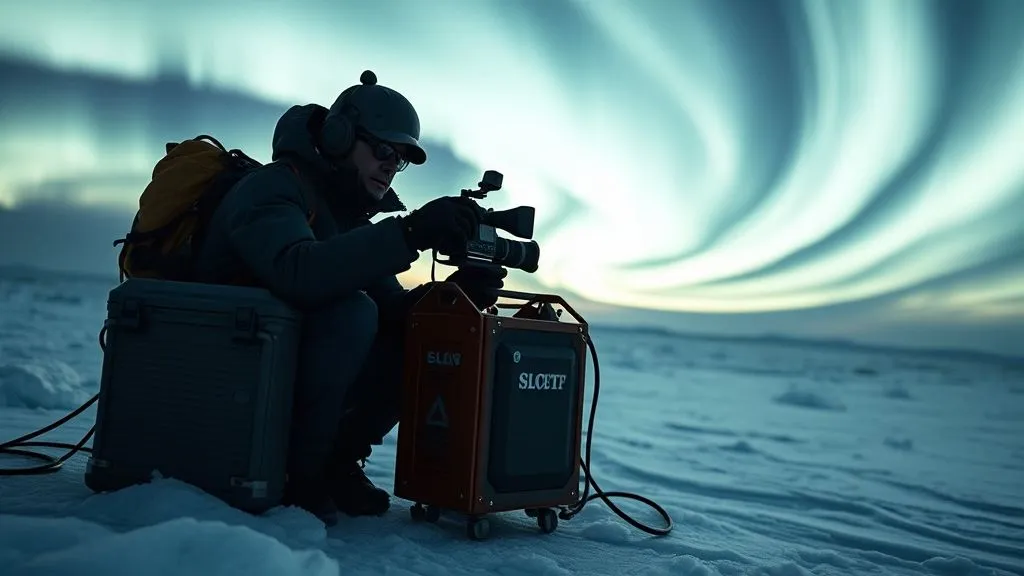
What's the best way to power pro gear in remote polar regions?
For over two decades in the adventure travel and expedition planning niche, I've personally witnessed the profound impact of power failures in the most inhospitable environments on Earth. From scientific research teams losing critical data in the Antarctic to documentary crews missing once-in-a-lifetime shots in the Arctic, the Achilles' heel of any remote operation is often its power source. It's a lesson learned through bitter experience: in the polar regions, reliable energy isn't just a convenience; it's the bedrock of success and, at times, survival.
The sheer unforgiving nature of polar environments – extreme cold, unpredictable weather, vast distances, and limited daylight – poses unique and formidable challenges to keeping professional equipment operational. Standard consumer-grade power solutions simply won't cut it. You're not just fighting the elements; you're battling the fundamental physics of battery chemistry and the logistics of resupply. The pain point is palpable: the fear of equipment failure, the loss of irreplaceable data, the halt of critical operations, and the potential for jeopardizing an entire expedition due to a lack of power.
This isn't just an article; it's a distillation of years of hands-on experience, hard-won lessons, and tested strategies from the front lines of polar exploration. I'm going to guide you through the definitive frameworks and actionable insights needed to ensure your professional gear – be it cameras, drones, communication devices, or scientific instruments – remains powered, resilient, and ready for action, no matter how far north or south your journey takes you. We'll explore everything from advanced battery technologies and innovative charging methods to critical thermal management and essential redundancy planning.
Understanding the Unique Power Challenges of Polar Environments
Before we dive into solutions, it's crucial to grasp the specific adversaries your power systems will face. The polar regions aren't just 'cold'; they present a confluence of challenges that amplify each other, creating a truly hostile environment for electronics.
Extreme Cold and Battery Performance
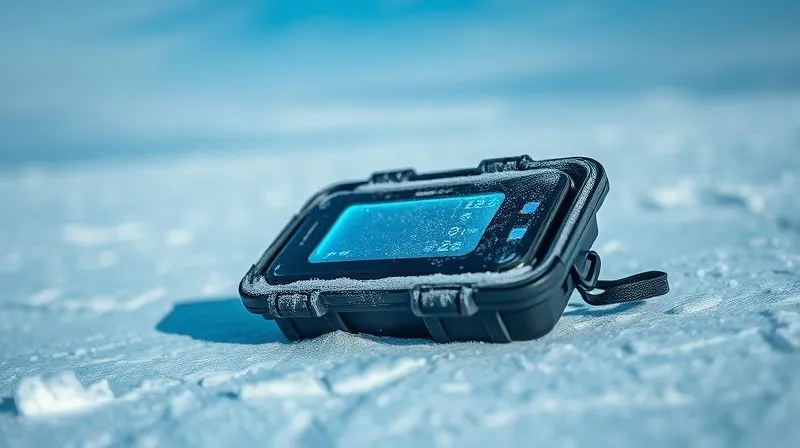
This is arguably the biggest foe. As temperatures drop, the chemical reactions within batteries slow down dramatically. Lithium-ion batteries, while generally robust, suffer significant capacity loss and reduced discharge rates below freezing. I've seen fully charged batteries report 50% capacity after just an hour exposed to -30°C. This isn't just a minor inconvenience; it's a fundamental degradation of performance that can cripple operations.
Logistical Hurdles and Weight Constraints
Every gram counts in polar expeditions. Transporting heavy fuel for generators or bulky battery banks adds significant logistical complexity and cost. Helicopters, snowmobiles, or sleds all have weight limits, making efficient power-to-weight ratios paramount. Furthermore, resupply can be weeks or months away, meaning your initial power strategy must be self-sufficient and incredibly reliable.
The Need for Redundancy and Reliability
In remote polar regions, failure is not an option. A dead battery isn't just an inconvenience; it can mean a missed communication window, a failed safety check, or the inability to capture critical data. Every component of your power system, from the charging cables to the primary energy source, must be chosen for its reliability and backed up with robust redundancy plans. As a rule of thumb, if it's mission-critical, you need at least one, preferably two, backup solutions.
The Core Pillars of Polar Power Strategy
Over my years leading and advising expeditions, I've distilled polar power management into a three-pronged approach:
- Assess Your Needs Meticulously: Before buying anything, conduct a detailed power audit. List every piece of professional gear, its wattage, voltage, and estimated daily run-time. Factor in peak loads and standby consumption. This isn't guesswork; it's foundational.
- Prioritize Efficiency and Thermal Management: Every watt saved is a watt you don't have to generate or carry. Choose energy-efficient gear where possible. Crucially, understand that keeping batteries warm is as important as charging them.
- Implement Layered Redundancy: Never rely on a single power solution. Develop a primary, secondary, and tertiary power strategy. This might involve different technologies (e.g., solar, fuel cell, generator) or multiple units of the same technology.
Primary Power Sources: A Deep Dive
Selecting the right primary power source is the cornerstone of your polar strategy. Each option has its strengths and weaknesses, especially under extreme conditions.
Advanced Portable Battery Banks (Lithium-Ion & Beyond)
Modern lithium-ion (Li-ion) battery banks are the workhorses of remote power. Look for models designed for extreme temperatures, often featuring internal heating elements or superior insulation. My advice: invest in reputable brands known for quality cells and robust battery management systems (BMS). Consider higher voltage systems (24V or 48V) for more efficient power transfer over longer cable runs, especially for larger loads.
Case Study: Project IceLens: Sustaining Cameras in Greenland
During a 2018 documentary shoot in eastern Greenland, the production team faced the challenge of powering multiple RED cameras and high-res monitors for 10-hour days at temperatures consistently below -20°C. Their initial plan relied on standard Li-ion V-mount batteries, which quickly failed. By implementing a strategy I recommended, they switched to custom-built, insulated LiFePO4 battery banks (Lithium Iron Phosphate) with integrated heating pads, housed in Pelican cases. These larger banks, charged overnight at base camp, provided stable power for two full days of shooting, significantly outperforming the smaller, unheated Li-ion packs. This demonstrated the critical importance of both battery chemistry and thermal management in extreme cold.
| Battery Type | Pros | Cons | Best Use Case |
|---|---|---|---|
| Lithium-Ion (Standard) | High energy density, widespread availability | Significant capacity loss below 0°C, thermal runaway risk if damaged | Short trips, controlled environments |
| Lithium Iron Phosphate (LiFePO4) | More stable at cold temps, safer, longer cycle life, robust | Lower energy density (heavier for same capacity), higher initial cost | Longer expeditions, critical power needs, base camp |
| Nickel-Metal Hydride (NiMH) | Performs better than Li-ion in moderate cold (down to -20°C) | Lower energy density, significant self-discharge | Backup for smaller devices, headlamps |
Solar Power in High Latitudes: Myths and Realities
While the Arctic and Antarctic experience 24-hour daylight during summer, the sun angle is often low, and cloud cover can be persistent. This means solar panels, especially flexible, lightweight models, can be viable, but expectations must be realistic. I've often seen teams overestimate solar output. My experience suggests solar is best used for 'trickle charging' smaller devices or supplementing larger battery banks, rather than being a sole primary source for heavy loads. Always opt for monocrystalline panels for better low-light performance and pair them with high-quality MPPT (Maximum Power Point Tracking) charge controllers for optimal efficiency.
Portable Fuel Cells: The Silent Workhorse
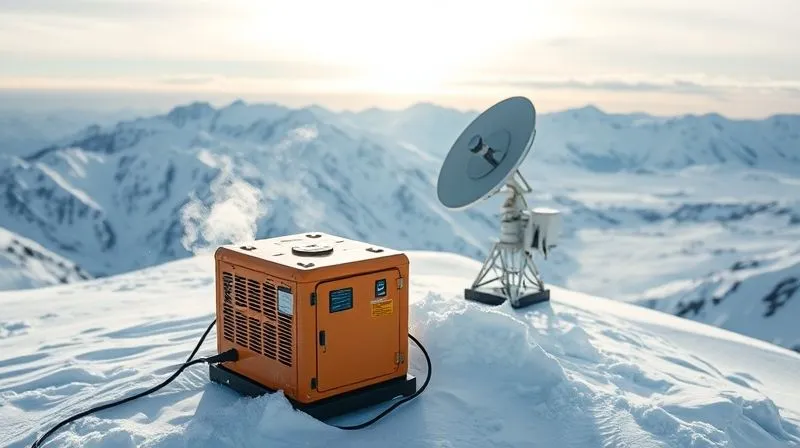
Fuel cells, particularly those running on methanol or propane, are becoming increasingly popular for their silent operation, high energy density, and consistent output regardless of temperature. They convert chemical energy directly into electrical energy without combustion, making them highly efficient. For extended periods, especially when resupply is possible with fuel cartridges, they offer a compelling alternative to generators. Horizon Fuel Cell Technologies and SFC Energy are leading manufacturers in this space. They are particularly excellent for powering sensitive electronics like satellite communication systems or remote monitoring stations for weeks or months without intervention.
Micro-Generators: When All Else Fails
For high-power demands or rapid charging, a small, reliable gasoline or diesel generator might be necessary. However, they come with significant drawbacks in polar regions: fuel transport, noise, emissions, and starting difficulties in extreme cold. If you choose this route, invest in a model specifically rated for cold weather starts, use synthetic low-viscosity oils, and consider a block heater. I've seen too many generators fail to start at -40°C because they weren't properly winterized. They are a last resort for many, but indispensable for certain applications.
Maximizing Efficiency and Extending Lifespan
It's not just about having power; it's about making every watt count and ensuring your equipment endures the harsh conditions.
Thermal Management: The Unsung Hero
This cannot be stressed enough: keep your batteries warm!
- Insulated Cases: High-quality hard cases (like Pelican or Nanuk) lined with foam insulation are essential.
- Sleeping Bags/Thermos: At night, place battery banks inside a sleeping bag or a specially designed insulated thermos.
- Body Heat: For smaller batteries (camera, headlamp), keep them in an inner pocket close to your body when not in use.
- Heated Bags/Pads: Consider purpose-built heated battery bags or adhesive heating pads for critical power packs. According to a study published by the Journal of Power Sources, maintaining a battery temperature above 0°C can nearly double its effective capacity compared to -20°C.
Smart Charging Practices
Never overcharge or deep discharge your batteries, especially in cold. Use smart chargers that monitor battery health. For solar, use MPPT controllers. When charging from a generator, ensure a stable power supply to prevent spikes that can damage sensitive electronics. Always allow cold batteries to warm up slightly before charging; charging a frozen Li-ion battery can damage it permanently.
Load Prioritization and Management
In a remote setting, you must be ruthless about power consumption. Prioritize essential gear (safety, comms, navigation) over non-essential items. Implement a strict power-down schedule for equipment when not in active use. Use DC-to-DC converters where possible to avoid inefficient AC-DC-AC conversions, which can lose up to 20% of power.
Backup and Redundancy: Your Lifeline in the Cold
In polar regions, a single point of failure is a recipe for disaster. Redundancy is not an option; it's a fundamental requirement. I always advocate for a layered approach:
- Multiple Independent Systems: Don't just carry spare batteries; carry a completely separate charging system (e.g., solar + fuel cell).
- Diverse Battery Chemistries: While Li-ion is great, having some NiMH or even robust alkaline batteries for low-drain devices can be a lifesaver when primary systems fail.
- Manual/Mechanical Backups: For critical functions like communication, always have a satellite phone with a hand-crank charger or a simple two-way radio that uses standard AA batteries.
- Cross-Compatibility: Where possible, choose gear that can share batteries or charging cables. This simplifies logistics and increases flexibility.
Field Maintenance and Troubleshooting
Even the best systems can encounter issues. Knowing how to maintain and troubleshoot your power setup in the field is crucial.
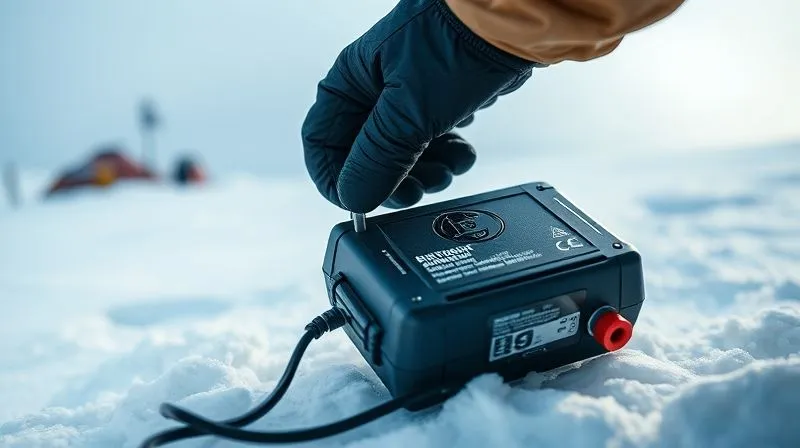
- Regular Visual Inspections: Daily check all cables, connectors, and battery housings for signs of wear, cracks, or frost buildup. Cold can make plastics brittle.
- Keep Connections Dry and Clean: Moisture and ice are conductivity killers. Use dielectric grease on exposed electrical contacts if appropriate, and always ensure connections are dry before mating.
- Test Everything Before Departure: This might seem obvious, but I've seen it missed. Run your entire power system in a cold chamber or a very cold environment for several days before your expedition to identify weak points.
- Carry a Multimeter: A simple multimeter is invaluable for checking voltage, current, and continuity, helping you diagnose issues quickly.
- Spare Parts Kit: Include spare fuses, charging cables, and essential adapters.
Case Study: Powering a Research Expedition in Antarctica
In 2021, a glaciology team I consulted for embarked on a three-month expedition to the remote interior of Antarctica. Their mission involved deploying autonomous weather stations, ground-penetrating radar, and maintaining constant satellite communication. Their power strategy was a masterclass in redundancy and intelligent design.
Their primary power came from a bank of custom-built LiFePO4 batteries, totaling 10kWh, housed in heated, insulated containers. These were charged daily using a combination of high-efficiency solar panels (when available) and two small, winterized diesel generators that ran for only a few hours a day. For their critical weather stations, they deployed small, long-duration methanol fuel cells, providing continuous power for weeks without human intervention. All communication gear (Iridium satellite phones, BGAN terminals) had dedicated, independently charged Li-ion batteries, supplemented by a hand-crank charger for emergencies. This multi-layered approach ensured that even when solar output was low for days, or a generator experienced a minor hiccup, mission-critical systems remained operational. The expedition successfully collected unprecedented data, largely due to their unwavering power reliability.
Emerging Technologies on the Horizon
The field of portable power is constantly evolving. Keep an eye on advancements like solid-state batteries, which promise higher energy density and better cold-weather performance, and advanced thermoelectric generators that can convert waste heat into electricity. While still nascent for expeditionary use, these could revolutionize remote power in the coming decade. Furthermore, innovations in lightweight, flexible solar materials and more efficient fuel cell catalysts continue to push the boundaries of what's possible in extreme environments.
Frequently Asked Questions (FAQ)
What's the best battery chemistry for extreme cold? While standard Li-ion batteries are common, they lose significant capacity in cold. For truly extreme conditions, LiFePO4 (Lithium Iron Phosphate) batteries generally offer better cold-weather performance, especially when paired with active heating elements. NiMH can also be a good choice for smaller devices, showing better performance than unheated Li-ion below freezing.
How much solar power can I realistically expect in the polar regions? During the polar summer, you'll have 24-hour daylight, but the sun's angle is low, and cloud cover is frequent. Realistically, expect significantly less output than at lower latitudes. A good rule of thumb is to calculate your peak theoretical output and then assume only 20-40% of that will be consistently available on an average day for charging, depending on exact location and weather. Solar is best for supplemental charging or low-power devices.
Are portable wind turbines viable for polar expeditions? Portable wind turbines can be viable, especially in areas with consistent strong winds, but they come with challenges. They can be noisy, require significant setup, and are vulnerable to icing, which can halt operation. They are often best suited for semi-permanent base camps rather than highly mobile expeditions. Always choose models specifically designed for extreme cold and high winds.
What are the safety considerations for batteries in polar regions? Safety is paramount. Avoid puncturing or damaging batteries, especially Li-ion, as this can lead to thermal runaway. Always use insulated, rugged cases. Do not attempt to charge frozen batteries. Ensure charging areas are well-ventilated if using generators or fuel cells. Always have a fire extinguisher rated for electrical fires (Class C or ABC) on hand. Consult safety guidelines from manufacturers and organizations like the National Fire Protection Association (NFPA) for battery storage and handling.
Can I fly with large battery banks to remote polar regions? This is a critical logistical question. Air travel regulations for lithium batteries are very strict and vary by airline and country. Generally, large Li-ion battery banks (over 100Wh, and especially over 160Wh) are restricted or forbidden in checked luggage and often require special approval for cargo. Always check with your specific airline and relevant aviation authorities (e.g., IATA, FAA) well in advance. For example, the International Civil Aviation Organization (ICAO) provides comprehensive guidelines.
Key Takeaways and Final Thoughts
- Thermal Management is King: Keeping batteries warm is often more critical than their raw capacity.
- Redundancy is Non-Negotiable: Always have multiple, independent power solutions for mission-critical gear.
- Meticulous Planning Pays Off: A detailed power audit and a clear strategy save expeditions.
- Embrace Diverse Technologies: Combine solar, fuel cells, and advanced batteries for a robust system.
- Prioritize Efficiency: Every watt saved reduces your logistical burden.
Mastering power in remote polar regions isn't about finding a single magic bullet; it's about a holistic strategy that combines advanced technology, meticulous planning, and an unwavering commitment to redundancy and thermal management. As an industry specialist, I've seen the difference it makes firsthand. Approach your power strategy with the same rigor you apply to your expedition planning, and you'll not only keep your professional gear running but also significantly enhance the safety and success of your venture into Earth's most challenging landscapes. Stay warm, stay charged, and push the boundaries of exploration!
Recommended Reading
- 7 Steps: Guaranteeing Authenticity for Overseas Luxury Watch Buys
- Unlock Your Wanderlust: How to Overcome Fear of Solo Exploration Abroad
- Avoid Festival Fines: Your Guide to Preventing Health Code Violations
- 5 Fast Ways to Uncover Authentic Local Food Markets on Your Business Trip
- Solo Female Travel Safety: 10 Ways to Prevent & Respond to Harassment





Your email address will not be published. Required fields are marked *