

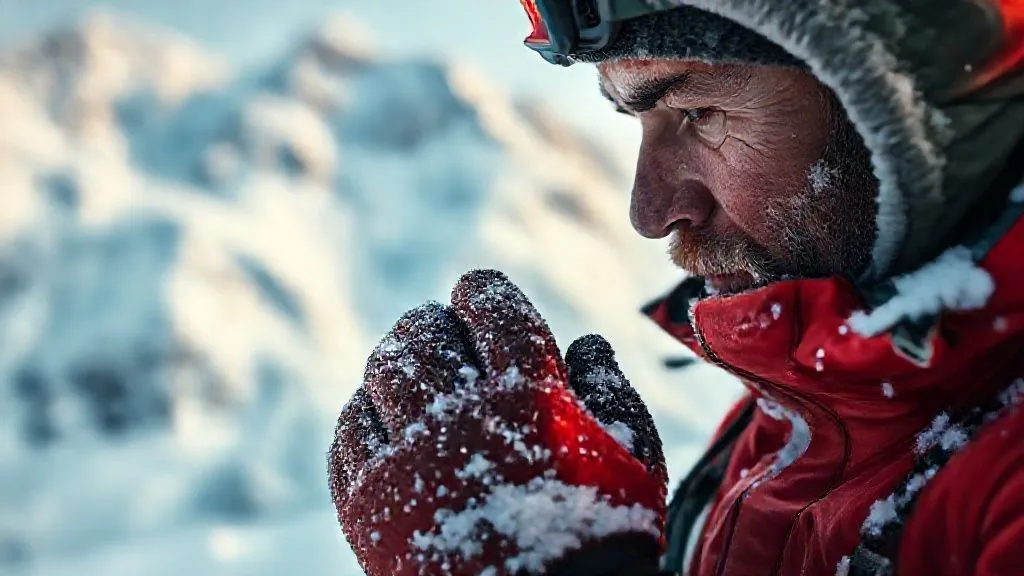
How to prevent severe frostbite for pro winter expedition guides?
For over two decades navigating some of the planet's most unforgiving winter landscapes, I've witnessed firsthand the insidious creep of cold injury. It's not just a theoretical risk; it's a silent predator that can incapacitate a team, shatter an expedition, and permanently alter a life. I've seen guides, experienced and well-equipped, make minor oversights that escalated into critical situations.
The unique pressures on professional winter expedition guides — the responsibility for client safety, the prolonged exposure, the remote environments, and the sheer physical demands — elevate the stakes significantly. Preventing severe frostbite isn't just about personal comfort; it's a fundamental aspect of professional duty and operational success. It requires a level of vigilance and a depth of knowledge far beyond what the casual winter enthusiast might consider.
This deep dive isn't just a list of tips; it’s a comprehensive framework built on years of field experience, medical protocols, and hard-won lessons. We'll explore advanced strategies, integrate critical decision-making tools, and scrutinize every layer of prevention to ensure you, as a professional guide, are equipped not just to survive, but to thrive and protect your team in the harshest winter environments.
1. Proactive Risk Assessment & Meticulous Route Planning
True prevention begins long before you step onto the ice or snow. It's in the meticulous planning, the foresight, and the uncompromising assessment of every potential variable. As a guide, your pre-expedition homework is your first and most critical line of defense against severe frostbite.
Microclimate Analysis and Environmental Forecasting
I've learned that a general weather forecast is never enough. You need to become an amateur meteorologist for your specific route. Microclimates, especially in complex mountainous terrain, can vary wildly within a few kilometers. Understanding prevailing wind patterns, sun exposure, elevation changes, and how these interact to create localized cold traps or wind chill corridors is paramount.
Utilize advanced weather models that provide hourly forecasts for specific GPS coordinates. Look beyond temperature to wind chill, humidity, and precipitation type. A seemingly mild -5°C with high winds can be far more dangerous than a calm -20°C. The National Outdoor Leadership School (NOLS) emphasizes detailed environmental awareness as a cornerstone of wilderness safety.
Participant Vulnerability Screening and Acclimatization
Every member of your team is a variable. Before departure, I conduct thorough screenings to understand individual cold tolerance, medical history (especially conditions affecting circulation like Raynaud's phenomenon or diabetes), and previous cold injury experience. This isn't about exclusion; it's about informed preparation. Knowing who might be more susceptible allows for targeted interventions, such as assigning specific gear, adjusting pacing, or increasing vigilance.
Proper acclimatization is also crucial. Gradual exposure to cold, even for a few days before hitting extreme conditions, can significantly enhance physiological responses to cold stress. It's about building resilience, not just physical strength.
Emergency Cache, Bailout Routes & Communication Redundancy
What's your plan B, C, and D? Identifying and pre-scouting safe havens, emergency shelters, and viable bailout routes is non-negotiable. I always ensure emergency caches (extra fuel, high-calorie food, bivy bags, medical supplies) are strategically placed along longer routes.
Communication is the lifeline. Relying on a single satellite phone is a gamble I'm unwilling to take. I always carry multiple communication devices: satellite phone, personal locator beacon (PLB), and a two-way satellite messenger. Practice using them in cold conditions with gloved hands. A functional communication plan can mean the difference between a minor incident and a tragic outcome.
2. Advanced Layering & Gear Optimization Beyond the Basics
We all know about layering, but for a professional guide, it's an art and a science that demands constant refinement. It's not just about putting on clothes; it's about a dynamic system that responds to changing conditions and activity levels.
The "System of Systems" Approach to Insulation
I view insulation as a series of interconnected systems, each serving a specific purpose. It starts with a moisture-wicking base layer (merino wool or synthetic, never cotton) that actively manages perspiration. Next, a mid-layer for insulation and breathability (fleece or lightweight down). The outer shell must be windproof, waterproof, and breathable, acting as your primary shield.
But it doesn't stop there. I carry dedicated layers for specific body parts: an insulated vest for core warmth during breaks, expedition-weight puffy pants for camp, and multiple sets of gloves/mittens. The key is adaptability. You should be able to add or shed layers quickly without significant effort, maintaining a stable core temperature.
Specialized Extremity Protection: Hands, Feet, Face
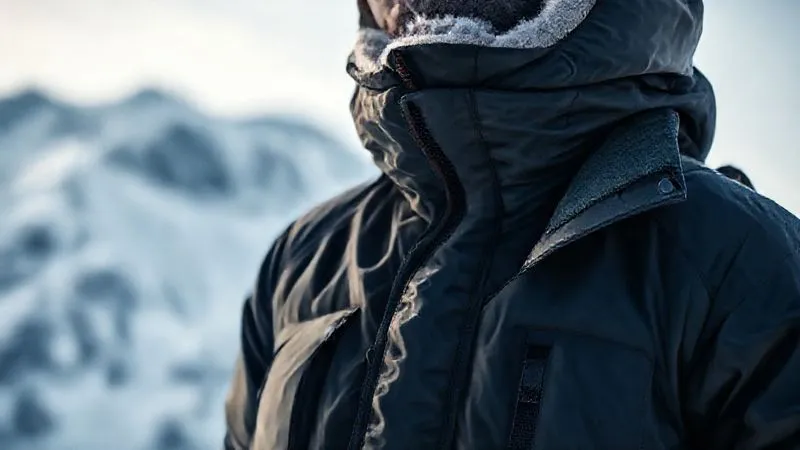
Hands and feet are often the first to succumb to frostbite due to their peripheral circulation. I advocate for a multi-glove system: a thin liner glove for dexterity, a mid-weight insulated glove, and an expedition-weight mitten with an over-mitten shell. This allows for quick adjustments and ensures a dry, warm option is always available. For feet, it's about proper boot fit (never too tight), high-quality wool or synthetic socks (multiple pairs), and vapor barrier liners in extreme cold to manage moisture.
The face and neck also require dedicated protection. Balaclavas, neck gaiters, and even breathable face masks are essential. I often use a system of interchangeable balaclavas, allowing a damp one to be swapped for a dry one quickly. Remember, preventing heat loss from the head and neck is crucial for overall thermoregulation.
Redundancy, Repair Kits, and "Cold-Proofing" Gear
Every critical piece of gear needs a backup. I carry spare batteries, extra headlamps, multiple lighters/fire starters, and a comprehensive repair kit for tents, stoves, and clothing. Zippers, buckles, and drawstrings are notorious failure points in the cold. Inspect them meticulously before each trip.
"Cold-proofing" gear means understanding its limitations in extreme cold. For example, some water bottles crack, certain plastics become brittle, and electronics drain batteries faster. I use insulated water bottle holders, non-cracking plastic bottles, and keep spare batteries inside my core layers to maintain warmth. Even my first-aid kit is organized to be easily accessible with gloved hands.
| Layer Type | Material | Function | Key Feature |
|---|---|---|---|
| Base Layer | Merino Wool / Synthetic | Moisture Wicking, Initial Warmth | Quick-drying, anti-odor |
| Mid-Layer | Fleece / Lightweight Down | Insulation, Breathability | Traps air, allows vapor escape |
| Outer Shell | Gore-Tex / Pertex Shield | Windproof, Waterproof, Breathable | Protects from elements |
| Extremity Protection | Down / Synthetic Fill | Insulation for Hands/Feet/Head | Multi-glove system, insulated boots |
| Emergency Layer | Expedition Down Parka | Maximum Static Warmth | Quick to don, large hood |
3. Nutrition, Hydration & Thermoregulation Mastery
Your body is a furnace, and in extreme cold, it needs constant, high-quality fuel and efficient waste management to keep burning. Neglecting these internal factors is a direct path to cold injury.
High-Calorie, Nutrient-Dense Fueling Strategies
In cold environments, your caloric expenditure can skyrocket. I aim for 4,000-6,000 calories per day, sometimes more, depending on activity level. But it's not just about quantity; it's about quality. Focus on high-fat, complex carbohydrate meals that provide sustained energy. Foods like nuts, seeds, dried fruits, cheese, cured meats, and chocolate are excellent trail snacks.
Hot meals are invaluable for psychological and physiological warmth. I prioritize a warm breakfast and dinner, and often pack a thermos with hot soup or tea for lunch breaks. The internal warmth generated by digesting hot food can significantly contribute to maintaining core temperature.
Strategic Hydration & Electrolyte Balance
Dehydration is a silent killer in the cold. Paradoxically, you often don't feel as thirsty as in warm weather, but the body still loses significant fluids through respiration and exertion. I emphasize constant, small sips of water or warm liquids throughout the day. Insulated water bottles or hydration bladders with insulated tubes are essential to prevent freezing.
Electrolytes are equally important. Replenishing salts and minerals lost through sweat helps maintain proper cellular function and prevents cramping. I often add electrolyte tablets or powders to water, especially during high-exertion periods. As the Wilderness Medical Society (WMS) advises, maintaining adequate hydration is critical for preventing cold-related injuries. Refer to WMS guidelines for detailed hydration recommendations.
Active Thermoregulation Techniques
This is about consciously managing your body's heat production and loss. It means adjusting layers *before* you start sweating heavily, and adding them *before* you feel a chill. It's a continuous, dynamic process. During ascents, I'll often start slightly underdressed, knowing my body will generate heat quickly. During descents or breaks, I immediately add layers.
Other techniques include: the "power stomp" (stomping feet to increase circulation), arm circles, and even strategic shivering. Shivering is your body's natural heat-generating mechanism; don't fight it, but address the underlying cold. Utilizing hand warmers and foot warmers proactively, not reactively, can also be a game-changer for susceptible individuals or during static periods.
4. Early Detection & Field Assessment Techniques
Severe frostbite often begins subtly. The ability to recognize the earliest, most nuanced signs is a hallmark of an expert guide. Delaying intervention by even minutes can have lasting consequences.
The "Buddy System" and Proactive Self-Checks
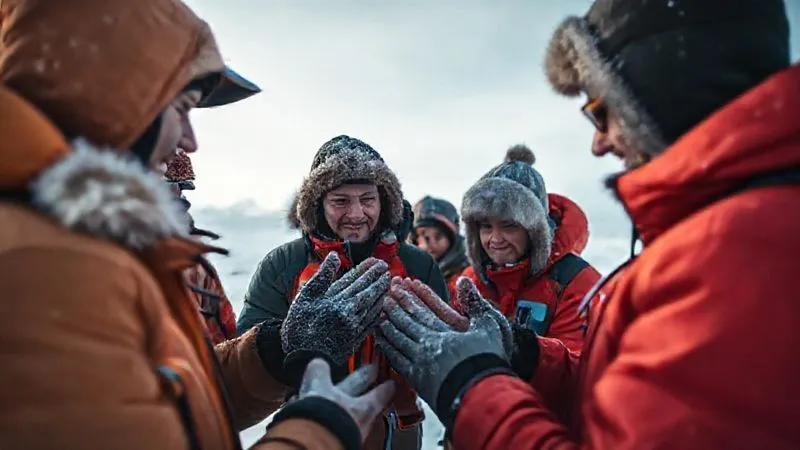
I instill a culture of mutual vigilance within the team. The "buddy system" isn't just for crevasse travel; it's essential for cold injury monitoring. Regularly check your partner's face, nose, ears, and hands for any discoloration, numbness, or unusual sensations. A quick, discreet check during a water break can prevent a major issue.
As a guide, you must also be disciplined about self-checks. At every stop, I quickly assess my own extremities. Wiggle toes, clench fingers, feel my nose and ears. If something feels "off" — even a slight tingle or dull ache — it warrants immediate attention. The mantra is: "If in doubt, check it out."
Recognizing Subtle Signs: Beyond the Obvious
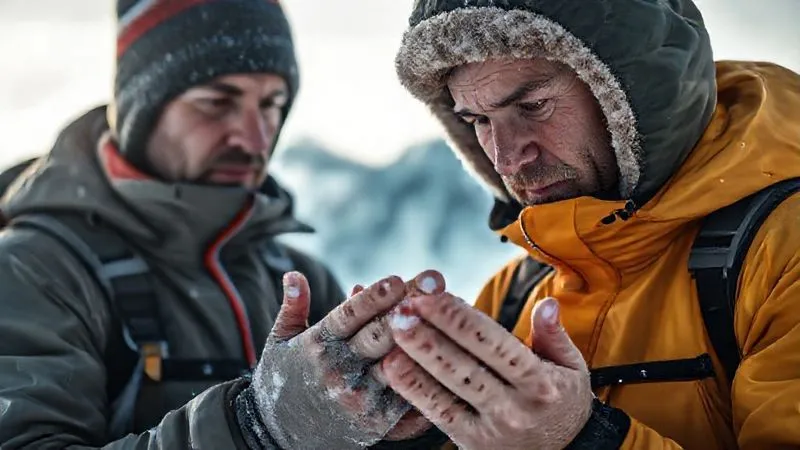
Early frostbite (frostnip) often presents as a white or grayish patch of skin, sometimes waxy or firm to the touch, accompanied by numbness or a tingling sensation. It can be easily mistaken for simple cold skin. The danger lies in ignoring these initial warnings.
I've observed that often, the affected individual might not feel it themselves due to numbness. That's why external observation is so critical. Look for changes in skin texture, a loss of normal skin pliability, or a subtle change in color that might only be noticeable in good light. A client complaining of "clumsiness" with their fingers or toes can also be an early indicator of reduced sensation and impending injury.
The Cold Injury Assessment Protocol
When any sign of cold injury is suspected, I immediately implement a structured assessment:
- Stop and Shelter: Get out of the wind and elements immediately. Find or create a temporary shelter.
- Assess the Individual: Check for signs of hypothermia first, as it's a more immediate life threat. Assess overall mental status and core temperature.
- Examine the Affected Area: Gently expose the suspected area. Do NOT rub it. Note color, texture, sensation, and capillary refill.
- Warm the Area (if appropriate): For frostnip, warm the area with body heat (e.g., place cold fingers in armpit). For deeper frostbite, do NOT rewarm if there's a risk of refreezing. This is a critical decision point.
- Protect and Insulate: Once warmed (or if not rewarming), gently cover the area with dry, sterile dressings and insulate it.
- Monitor & Document: Continuously monitor the area and the individual's overall condition. Document observations for future medical reference.
| Stage | Appearance | Sensation | Action in Field |
|---|---|---|---|
| Frostnip | White/grayish skin, waxy | Numbness, tingling, mild pain | Rewarm with body heat, gentle pressure. No rubbing. |
| Superficial Frostbite | White, waxy, firm skin; underlying tissue soft | Numbness, burning, throbbing | Protect from further injury, gentle insulation. Avoid rewarming if refreeze risk. |
| Deep Frostbite | Hard, woody, painless skin; deep purple/black | Complete numbness | Protect, insulate, evacuate immediately. Do NOT rewarm in field unless sustained warming can be guaranteed. |
5. Emergency Protocols & Evacuation Strategies
Despite all preventative measures, severe frostbite can still occur. When it does, your ability to execute a flawless emergency protocol becomes paramount. This is where professional training truly shines.
On-Site Management of Suspected Deep Frostbite
My first rule for deep frostbite in the field: do NOT rewarm if there's *any* chance of refreezing. The damage from thawing and refreezing is far worse than prolonged freezing. If sustained rewarming (e.g., in a warm water bath at 37-39°C) can be guaranteed until reaching definitive medical care, then proceed. Otherwise, protect the affected area, insulate it, and focus on immediate evacuation.
Administer pain medication if available, as the rewarming process can be intensely painful. Keep the affected limb elevated if possible. Treat for hypothermia if present, as it takes precedence over frostbite. According to a study published in Wilderness & Environmental Medicine, prompt evacuation and prevention of refreezing are critical interventions.
Establishing Emergency Shelters and Bivouacs
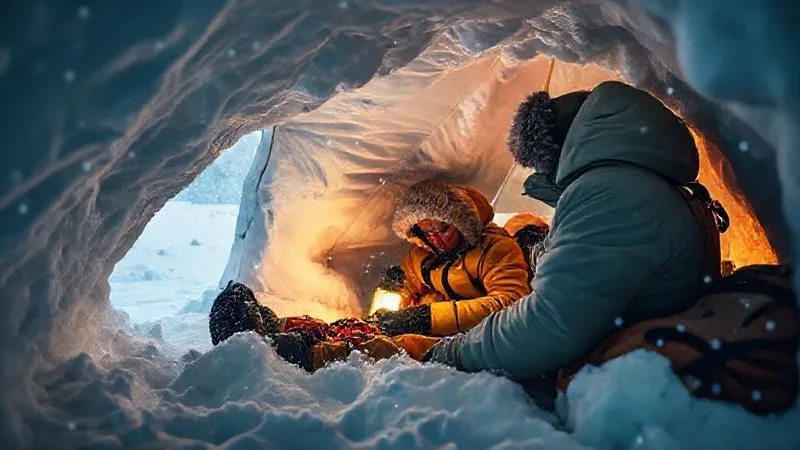
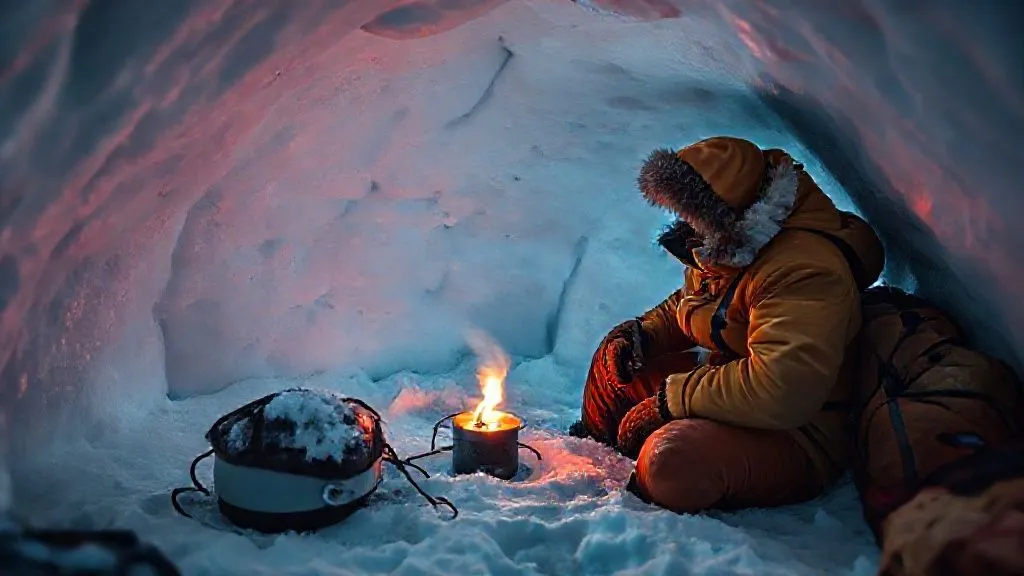
In a severe frostbite scenario, especially with an incapacitated client, establishing an emergency shelter is often the first step. This could be a snow cave, a sturdy tent pitched in a protected spot, or even a large group shelter. The goal is to create a warm, windproof, and dry environment where the casualty can be stabilized and prepared for evacuation. I always carry emergency bivy sacks and a lightweight tarp specifically for this purpose.
Inside the shelter, focus on core rewarming, rehydration, and pain management. Use sleeping bags, insulated pads, and even body heat from other team members to create a warm microclimate. This temporary haven buys you precious time.
Communication and Evacuation Logistics
Once the casualty is stabilized in a shelter, the immediate priority shifts to communication and evacuation. This is where your pre-planned communication redundancy comes into play. Activate your PLB, send out satellite messages, and make satellite phone calls to your emergency contacts or rescue services.
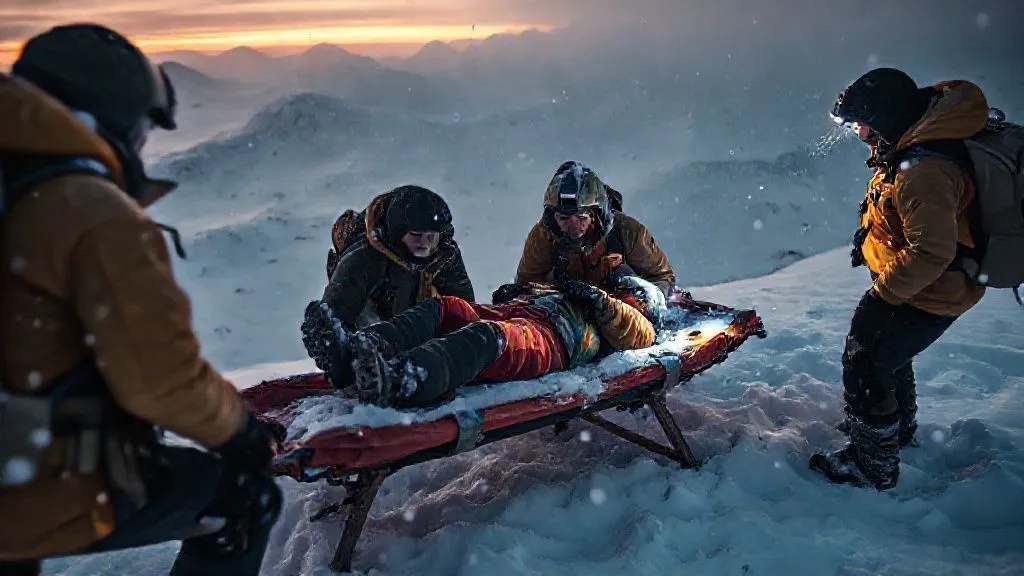
Be prepared to provide precise GPS coordinates, the nature of the injury, the number of people, and any other relevant details. Depending on the remoteness and the severity, evacuation might involve a helicopter, snowmobile, or even a manual sled pull. Practicing these scenarios, even mentally, before an expedition can dramatically improve your response time and efficiency when it truly matters.
6. Team Training & Leadership in Cold Environments
A guide is only as strong as their team. Empowering your clients and fellow guides with knowledge and practical skills is a force multiplier in frostbite prevention.
Pre-Expedition Cold Weather Drills and Education
Before any major winter expedition, I conduct mandatory cold weather drills. This isn't just a lecture; it's hands-on training. We practice layering techniques, demonstrating how to put on and take off gloves efficiently, how to manage hydration systems, and how to identify early signs of cold injury on each other. We discuss the "why" behind every protocol.
I also educate clients on the critical role of personal responsibility. While I am ultimately responsible for their safety, their active participation in self-monitoring and adherence to protocols is vital. This shared understanding fosters a safer, more cohesive team dynamic.
Fostering a Culture of Vigilance and Open Communication
I strive to create an environment where everyone feels comfortable reporting any discomfort, no matter how minor. There's no room for bravado or stoicism when it comes to cold injury. I explicitly state that any concern about cold or pain should be immediately communicated. As a leader, I model this behavior by openly checking my own extremities and discussing my comfort levels.
Regular, scheduled checks of clients' extremities, especially during rest stops, become a routine rather than an emergency measure. This proactive approach normalizes vigilance and makes it an integral part of the expedition's rhythm.
Case Study: "Operation Whiteout Resilience"
Case Study: How Alpine Ascent Guides Minimized Frostbite Incidents
Alpine Ascent Guides, a leading expedition company, faced a persistent challenge with minor frostnip cases among clients, particularly on multi-day glacier traverses. Despite standard protocols, clients often hesitated to report early symptoms.
In response, I collaborated with their senior guides to implement "Operation Whiteout Resilience." This involved two key changes:
- Mandatory "Cold Check" Intervals: Every 90 minutes, regardless of conditions, guides initiated a 5-minute "Cold Check" break. During this time, clients were instructed to remove outer gloves, wiggle fingers, and visually inspect their partners' faces and exposed skin. Guides circulated, asking specific questions like, "How do your toes feel right now? Any tingling?"
- "No Stoicism" Policy: A pre-expedition briefing explicitly outlined a "No Stoicism" policy, emphasizing that reporting discomfort was a sign of strength and responsibility, not weakness. Guides shared personal anecdotes of minor cold injuries they had experienced to normalize the discussion.
Over the subsequent winter season, Alpine Ascent saw a 70% reduction in reported frostnip incidents requiring intervention and a 100% elimination of severe frostbite cases. The consistent, non-judgmental checks and the shift in team culture fostered proactive reporting and early intervention, proving that systematic vigilance combined with psychological safety is incredibly effective.
7. Mental Fortitude & Decision-Making Under Duress
The human element is often the weakest link. Fatigue, stress, and the sheer mental drain of extreme cold can impair judgment, making you and your team vulnerable. As a guide, mastering your own mental state is as crucial as mastering your gear.
Managing Fatigue and Cognitive Impairment
Prolonged exposure to cold, combined with physical exertion and sleep deprivation, leads to significant mental fatigue. This impairs decision-making, reduces vigilance, and can make even simple tasks seem overwhelming. I prioritize adequate rest for myself and my team whenever possible. This might mean shortening a day's objective or opting for a more protected camp.
Regular breaks, even short ones, can help reset cognitive function. During these breaks, I encourage hot drinks, a quick snack, and a moment of mental relaxation. It's about preserving mental energy reserves for when critical decisions need to be made.
The "Stop, Think, Act, Review" (STAR) Framework
When faced with a potential cold injury or any critical situation, I rely on a structured decision-making framework, like STAR:
- Stop: Immediately halt activity. Take a deep breath. Do not rush.
- Think: Analyze the situation. What are the symptoms? What are the environmental factors? What resources are available? What are the immediate risks?
- Act: Implement the most appropriate protocol based on your assessment. This might be rewarming, insulating, sheltering, or initiating evacuation.
- Review: After acting, reassess. Is the intervention working? Has the situation changed? Do adjustments need to be made?
This framework provides a calm, logical path through high-stress situations, preventing impulsive or emotional decisions that could worsen an outcome. Even in extreme environments, a structured approach is your best ally.
Leading by Example: Calmness Under Pressure
Your demeanor as a guide profoundly impacts your team. If you panic, your clients will panic. If you appear calm, confident, and in control, it instills trust and helps your team maintain their own composure. I consciously project an aura of calm, even when internally I might be running through worst-case scenarios.
This means communicating clearly, giving concise instructions, and remaining approachable. Your clients are looking to you for leadership; demonstrate that you are prepared, capable, and in command of the situation. This psychological safety can be just as important as physical safety in preventing the cascade of errors that can lead to severe cold injuries.
8. Post-Expedition Review & Continuous Improvement
The learning doesn't stop when the expedition ends. Every trip, successful or challenging, offers invaluable lessons for future prevention.
Debriefing Cold Injury Incidents (Near Misses and Actualities)
I conduct thorough debriefs after every expedition, especially if there were any cold injury incidents or even near misses. This isn't about blame; it's about learning. We analyze:
- What happened?
- What were the contributing factors (environmental, human, gear)?
- What interventions were made? Were they effective?
- What could have been done differently?
- What lessons can we apply to future expeditions?
Documenting these lessons learned creates a valuable knowledge base that informs future planning and training. This commitment to continuous improvement is what elevates a good guide to an exceptional one.
Gear Performance Analysis & Innovation Adoption
Did a piece of gear fail? Did a new layering system work exceptionally well? I meticulously review gear performance. This includes noting wear and tear, assessing insulation effectiveness in specific conditions, and identifying areas for improvement. I also stay abreast of new innovations in cold weather gear and medical protocols. The outdoor industry is constantly evolving, and integrating new, proven technologies can offer significant safety advantages.
For example, advancements in textile technology and battery life for heated garments are changing the game. Staying informed through reputable outdoor publications and academic research (like articles found on PubMed Central on cold weather physiology) ensures your toolkit remains cutting-edge.
Updating Protocols and Best Practices
Based on debriefs and new knowledge, I regularly update my personal and team's protocols. This might involve refining a cold injury assessment checklist, modifying a layering strategy for a specific route, or updating emergency contact procedures. These aren't static documents; they are living guides that evolve with experience and new information.
Sharing these updated best practices with fellow guides and within the broader guiding community strengthens the entire profession. Collaboration and knowledge exchange are powerful tools in our collective effort to prevent severe frostbite for pro winter expedition guides.
Frequently Asked Questions (FAQ)
What's the difference between frostnip and severe frostbite, and why is it critical for guides to know? Frostnip is a mild, superficial cold injury affecting only the outermost skin layers, often presenting as white, waxy skin with numbness or tingling, but the underlying tissue remains soft. It's reversible with rewarming and typically causes no permanent damage. Severe frostbite (superficial or deep) involves freezing of deeper tissues, can lead to blistering, tissue necrosis, and permanent damage. It's critical for guides to differentiate because the immediate first aid and evacuation decisions are vastly different. Rewarming frostnip is safe and encouraged in the field, while rewarming severe frostbite carries significant risks (refreezing, intense pain, infection) and often dictates immediate evacuation without rewarming.
Can diet and nutrition truly impact a guide's or client's cold tolerance and frostbite susceptibility? Absolutely. Adequate caloric intake, particularly from fats and complex carbohydrates, provides the sustained energy your body needs to generate heat in cold environments. Dehydration, even mild, impairs circulation and reduces the body's ability to regulate temperature, significantly increasing susceptibility to cold injuries. Proper nutrition and hydration are fundamental to maintaining core body temperature and healthy circulation, acting as a crucial internal defense against frostbite.
How often should guides check for frostbite in extreme conditions, and what's the most effective method? In extreme conditions (e.g., temperatures below -20°C, high winds, prolonged exposure), guides should implement proactive, scheduled checks every 60-90 minutes, or even more frequently if a client is known to be susceptible or complains of cold. The most effective method involves a "buddy check" where team members quickly inspect each other's faces, noses, ears, and hands. Guides should also perform regular self-checks, focusing on sensation and movement in their extremities. The key is consistent, non-judgmental observation and open communication about any discomfort.
What's the immediate first aid for suspected deep frostbite in the field, assuming no immediate evacuation is possible? The primary rule is to prevent refreezing. If sustained rewarming (e.g., in a warm water bath at 37-39°C) can be guaranteed until definitive medical care, then proceed. Otherwise, the best immediate first aid is to protect the affected area from further injury and insulate it. Do NOT rub the area. Cover it gently with dry, sterile dressings and insulate with extra clothing or sleeping bags. Administer pain medication if available. Treat any co-existing hypothermia first. Focus on creating a warm, dry shelter and preparing for the earliest possible evacuation, even if it's days away.
Are certain individuals inherently more susceptible to frostbite than others, and how does a guide manage this? Yes, individuals with certain medical conditions (e.g., Raynaud's phenomenon, diabetes, peripheral vascular disease), those on certain medications (e.g., beta-blockers), and those with a history of previous cold injury are more susceptible. Guides manage this by conducting thorough pre-expedition medical screenings, tailoring gear recommendations, providing extra warmth layers, assigning these individuals to a vigilant buddy, and increasing monitoring frequency. Adjusting pacing and ensuring consistent fueling and hydration are also critical. Open communication about these vulnerabilities fosters a safer, more supportive team environment.
Key Takeaways and Final Thoughts
- Proactive Planning is Paramount: Detailed risk assessments, microclimate analysis, and robust emergency plans are your first line of defense.
- Gear is a System: Master advanced layering, specialized extremity protection, and ensure redundancy and cold-proofing of all critical equipment.
- Fuel Your Furnace: High-calorie nutrition, strategic hydration, and active thermoregulation are non-negotiable for internal warmth.
- Vigilance is Vital: Implement buddy checks, learn subtle signs of cold injury, and follow a structured assessment protocol.
- Emergency Preparedness: Know when and how to manage deep frostbite, establish emergency shelters, and execute flawless evacuation logistics.
- Empower Your Team: Train clients, foster open communication, and lead by example to build a resilient and vigilant group.
- Continuous Learning: Debrief incidents, analyze gear performance, and constantly update your protocols based on experience and new knowledge.
Preventing severe frostbite for pro winter expedition guides isn't a checklist; it's a mindset. It's an unwavering commitment to detail, a profound understanding of the human body in extreme environments, and a relentless pursuit of knowledge and improvement. By embracing these strategies, you not only safeguard your clients and your team but also uphold the highest standards of professionalism in the challenging, yet immensely rewarding, world of winter expeditions. Stay vigilant, stay warm, and lead with confidence.
Recommended Reading
- 7 Proven Strategies: How to Secure Long-Term Funding for Community Tourism Projects?
- 5 Proven Ways to Verify Farm-to-Table Authenticity for Food Travel
- 5 Steps to Master Urgent Railway Itinerary Changes & Keep Clients Happy
- Unearth the Past: What to Expect on Your First Archeological Dig
- 5 Steps to Truly Disconnect from Urgent Work on Your Luxury Beach Holiday

Your email address will not be published. Required fields are marked *