

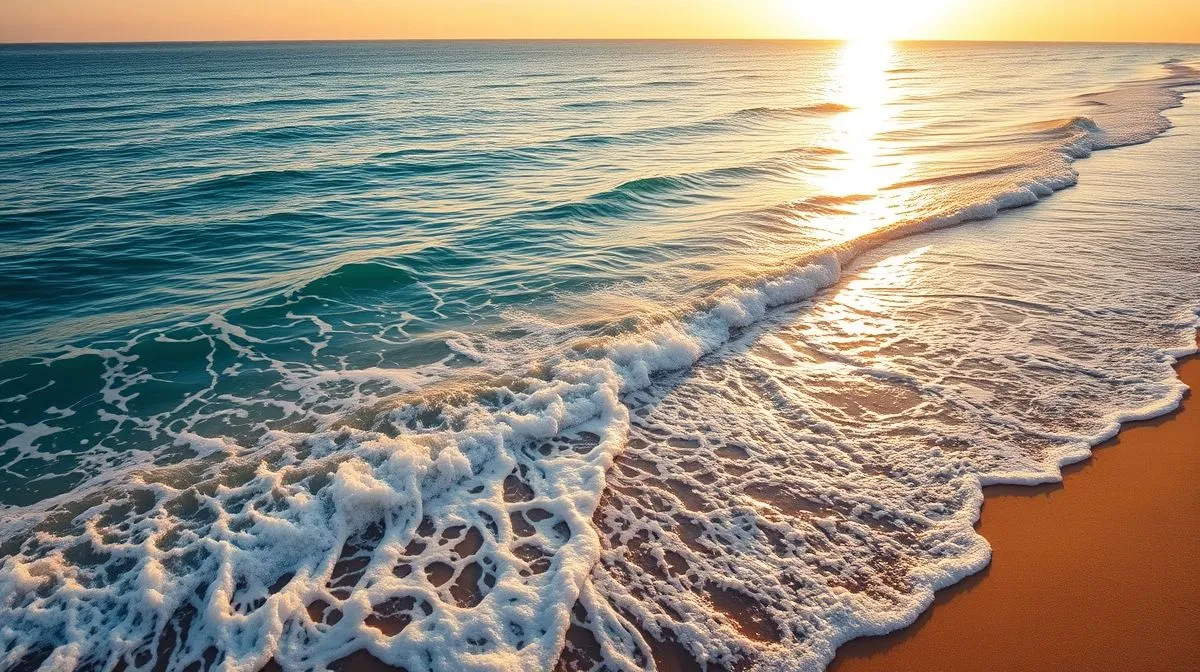
Unveiling the Secrets: What Factors Affect the Quality of Ocean Views?
Imagine standing on a balcony, the vast expanse of the ocean stretching before you. For some, this vision conjures images of boundless blue, crashing waves, and vibrant sunsets painting the horizon. For others, it might be a distant sliver of gray, partially obscured by power lines or buildings, leaving a sense of disappointment. Why is it that two properties, seemingly both 'oceanfront,' can offer such drastically different experiences?
The allure of an ocean view is undeniable, often commanding premium prices and inspiring dreams of coastal living. Yet, the term itself is remarkably broad, encompassing everything from panoramic vistas to a mere glimpse of the sea between rooftops. The problem, then, lies in understanding the nuanced elements that truly define and elevate an ocean view from ordinary to extraordinary.
This comprehensive guide will dissect the multifaceted elements that contribute to, or detract from, an ocean view's perceived quality. By the end of this reading, you will possess the knowledge to discern the truly spectacular from the merely adequate, empowering you to appreciate these natural masterpieces with a newfound depth of understanding and make informed decisions, especially if you're considering a coastal investment.
The Unseen Hand of Geography and Topography
The very land upon which you stand, or from which you observe, plays an instrumental role in shaping your ocean view. It's not just about being 'near' the water; it’s about how the land interacts with the sea.
Elevation and Vantage Point
One of the most immediate and impactful factors is elevation. A view from a cliffside perch or a high-rise condominium typically offers a broader, more expansive vista than one from sea level. Higher elevation often means seeing over immediate obstacles like dunes, other buildings, or even tall trees. It provides a panoramic sweep, allowing the eye to travel further along the coastline and out to the horizon, creating a sense of boundless freedom.
Distance from the Shoreline
While proximity might seem paramount, the ideal distance from the shoreline is a delicate balance. Too close, and your view might be dominated by sand or immediate breaking waves, potentially limiting the perception of the vast ocean. Too far, and the ocean might become a mere blue line on the horizon, losing its dramatic impact. A sweet spot often allows for a full appreciation of the waves, the beach, and the distant horizon without being overwhelmed by immediate detail or losing the sense of scale.
Coastal Orientation and Curvature
The way the coastline is shaped and its orientation relative to your position significantly impacts the view. A property on a concave curve of a bay might offer a sweeping view of the entire bay and its distant shores, whereas a property on a straight stretch might offer a more linear, less dynamic perspective. East-facing coasts offer stunning sunrises, while west-facing coasts are coveted for their sunsets. The direction your view faces determines the quality of light throughout the day and the visual phenomena you'll witness.
Natural Obstructions (Landforms, Vegetation)
Even in seemingly prime locations, natural elements can be significant view obstructors. Towering coastal bluffs, dense evergreen forests, or even large individual trees can block or significantly diminish an otherwise promising ocean view. These elements, while natural and often beautiful in themselves, can fragment the vista, creating a less immersive experience. Understanding the local flora and geological features is crucial for assessing an unobstructed view.
Atmospheric Conditions: Nature's Ever-Changing Canvas
The air itself, and the light passing through it, are perhaps the most dynamic factors affecting an ocean view. What you see one day might be entirely different the next, even from the same vantage point.
Clarity and Haze (Humidity, Pollutants, Salt Spray)
Atmospheric clarity is paramount. High humidity, airborne pollutants (like smog or industrial emissions), and even fine salt spray near the coast can create a hazy veil that obscures distant details and softens the vibrant blues and greens of the ocean. On a clear, crisp day, the ocean appears sharper, colors more vivid, and the horizon line distinct. Conversely, on a hazy day, the ocean might seem muted and distant, losing its captivating allure. For more on how atmospheric conditions impact visibility, you can explore resources like the EPA's information on visibility.
Weather Patterns (Fog, Rain, Cloud Cover)
Obvious, yet often underestimated, are the effects of local weather. Persistent fog can completely obliterate an ocean view for hours or even days. Heavy rain can turn the ocean into a blurry, gray expanse. While dramatic storm clouds can add a brooding beauty, continuous overcast skies can diminish the ocean's vibrant colors and reflective qualities. The ideal view often benefits from a mix of sun and scattered clouds, allowing for dynamic light play.
Light and Time of Day (Sunrise, Sunset, Midday Glare)
The angle and intensity of sunlight dramatically transform an ocean view. Sunrise and sunset often bathe the sky and water in spectacular hues of orange, pink, and purple, creating breathtaking, fleeting moments. Midday sun, especially when reflecting directly off the water, can create intense glare, making it difficult to look at the ocean directly. Overcast days, while less vibrant, can offer a softer, more uniform light that reveals subtle textures in the water.
Air Quality and Visibility
Beyond natural haze, human-induced air pollution can severely degrade an ocean view. Particles from industrial activities, vehicle emissions, or even distant wildfires can create a brownish or grayish cast, reducing visibility and diminishing the aesthetic appeal of the seascape. Areas with strong prevailing winds tend to have better air quality due to dispersion, whereas sheltered bays might accumulate pollutants, impacting long-term view quality.
The Dynamic Element: Water Quality and Marine Activity
An ocean view isn't just about the water's surface; it's about what's in it and on it, and how it moves. The living aspects of the ocean significantly enhance or detract from the visual experience.
Water Clarity and Color (Sediment, Algae, Depth)
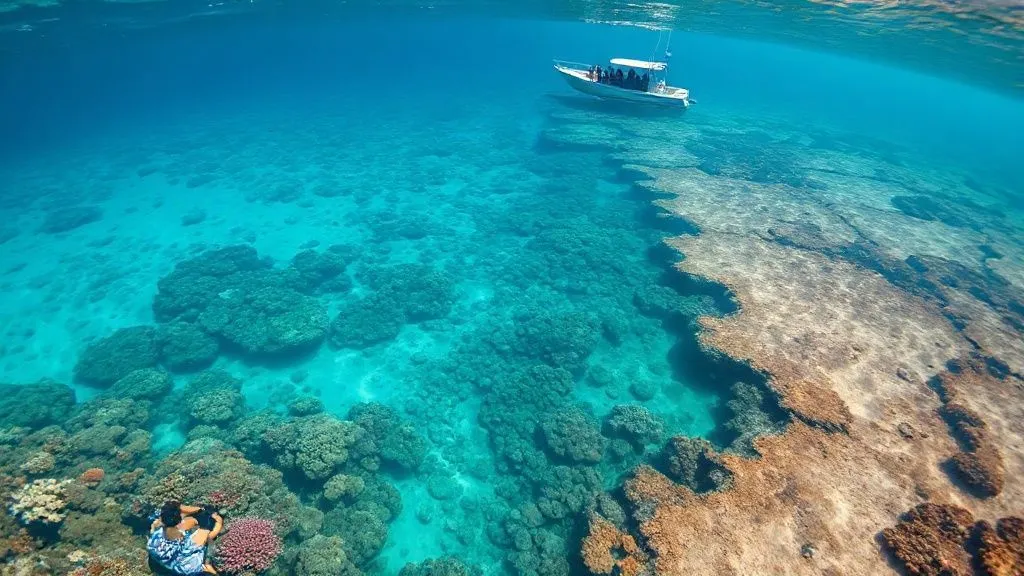
The color and clarity of the ocean water itself are critical. Pristine, clear waters, often found in tropical or less developed areas, reveal vibrant turquoise and deep blues. This clarity allows light to penetrate, highlighting reefs and marine life near the surface. Conversely, waters laden with sediment (from river runoff or coastal erosion), excessive algae blooms (red tides), or pollution can appear murky, brown, or even green, significantly diminishing the beauty of the view. The depth of the water also plays a role, with shallower areas often appearing lighter and more vibrant.
Presence of Marine Life (Whales, Dolphins, Seabirds)
For many, an ocean view is truly elevated by the presence of life. Spotting dolphins leaping, whales breaching, or even large flocks of seabirds diving for fish transforms a static panorama into a dynamic, living spectacle. These moments of natural wonder add immense value and excitement to the view, connecting the observer to the vibrant ecosystem of the sea. Marine ecosystems and their health are vital to these sightings; you can learn more about them from sources like NOAA Ocean Service.
Wave Patterns and Ocean Swell
The movement of the ocean itself is a captivating element. The rhythmic crashing of waves, the gentle lapping of the tide, or the powerful roll of ocean swells each create a distinct visual and auditory experience. A consistent, aesthetically pleasing wave pattern adds dynamic interest to the view, while flat, calm waters, though serene, might lack the energy many associate with the ocean. Conversely, excessively turbulent waters during a storm, while dramatic, might not be universally appealing for a prolonged view.
Tidal Changes and Shoreline Dynamics
The ebb and flow of tides can dramatically alter the appearance of the shoreline and, consequently, the view. At high tide, the water might reach closer to the property, creating a sense of immediate proximity to the sea. At low tide, vast expanses of sand, mudflats, or exposed rocks might become visible, changing the character of the view entirely. In some areas, extreme tidal swings can significantly reduce the perceived ocean view at certain times of the day.
Human Elements: Development and Preservation
While nature provides the canvas, human activity often paints the foreground. Our impact on coastal areas is a significant determinant of view quality.
Man-Made Obstructions (Buildings, Infrastructure)
One of the most common detractors from an ocean view is the presence of other buildings, power lines, cell towers, or even busy roads. These man-made obstructions can fragment the vista, introduce visual clutter, and detract from the natural beauty. A truly premium ocean view is often one that is entirely unobstructed by human structures, offering an uninterrupted connection with the natural environment. Urban coastal areas, while offering convenience, often suffer from this visual intrusion.
Light Pollution at Night
While a daytime view is paramount, a quality ocean view often extends into the night. Excessive light pollution from nearby towns, streetlights, or commercial properties can wash out the night sky, obscuring stars and the subtle glow of the moon on the water. A truly dark sky allows for stargazing and the unique experience of seeing the ocean under moonlight, creating a different but equally compelling visual experience.
Noise Pollution
Though not strictly a visual factor, noise pollution significantly impacts the overall sensory experience of an ocean view. Constant traffic noise, loud commercial activity, or even excessive human chatter can drown out the soothing sounds of the waves, diminishing the tranquility and immersive quality of the view. A serene ocean view often comes with the peaceful soundtrack of the sea.
Conservation Efforts and Protected Areas
Areas protected by conservation efforts, national parks, or marine reserves often offer superior ocean views in the long term. These designations help prevent overdevelopment, maintain natural coastal ecosystems, and preserve the pristine quality of the environment, ensuring that the view remains largely untouched by negative human impacts. Investing in or visiting such areas often guarantees a higher likelihood of an enduring, high-quality view.
The Intangible: Personal Perception and Expectation
Ultimately, the quality of an ocean view is also a deeply personal experience, filtered through individual preferences and expectations.
Subjectivity of Beauty
What one person finds beautiful, another might not. Some prefer the dramatic, rugged coastline with crashing waves, while others seek the calm, placid waters of a sheltered bay. Some are drawn to the vibrant activity of a bustling beach, while others crave the solitude of a remote, untouched shoreline. There's no single definition of the 'perfect' ocean view; it's highly subjective and tied to individual aesthetic preferences.
Emotional Connection and Nostalgia
Our personal histories and emotional connections can profoundly influence how we perceive an ocean view. A view that reminds someone of a cherished childhood vacation spot, or one that has been the backdrop to significant life events, will naturally hold a deeper, more profound meaning and be perceived as higher quality, regardless of its objective characteristics. This emotional resonance adds an invaluable layer to the visual experience.
Sensory Experience (Sound of Waves, Sea Breeze)
An ocean view is rarely just visual. The quality of the view is often enhanced by the accompanying sensory inputs: the rhythmic sound of waves, the scent of salt in the air, the feel of a gentle sea breeze. A view that engages multiple senses tends to be perceived as more immersive and higher quality, creating a holistic experience that transcends mere sight.
Beyond the Horizon: Long-Term Considerations
When assessing what factors affect the quality of ocean views, it's crucial to think beyond the immediate moment and consider the future.
Climate Change Impacts (Sea Level Rise, Erosion)
The long-term stability of an ocean view is increasingly influenced by global climate change. Rising sea levels can alter shorelines, potentially diminishing beach areas or increasing the risk of erosion, which can compromise the integrity of coastal properties and their views. Understanding the vulnerability of a specific coastal area to these changes is vital for a truly informed assessment. For data and reports on climate change, consider organizations like the Intergovernmental Panel on Climate Change (IPCC).
Seasonal Variations
An ocean view can change dramatically with the seasons. Winter storms might bring dramatic waves and stark landscapes, while summer offers calmer waters and lush coastal vegetation. Migratory patterns of marine life, changes in water temperature affecting clarity, and the angle of the sun all contribute to a dynamic view that evolves throughout the year. A truly high-quality view retains its appeal across these seasonal transformations.
Investment Value and Ocean Views
For many, an ocean view is not just about aesthetics but also about investment. Properties with truly exceptional, unobstructed ocean views tend to hold their value better and appreciate more significantly than those with lesser views. Understanding the various factors that contribute to view quality is therefore crucial for anyone considering coastal real estate, as it directly impacts market desirability and long-term financial returns. Research into coastal property valuation often highlights the premium placed on quality views.
Maximizing Your Ocean View Experience
Understanding these factors isn't just academic; it's practical. Here's how to apply this knowledge:
Strategic Property Selection
- Visit at Different Times: Assess the view during various times of day and in different weather conditions.
- Consider Elevation: Higher vantage points often offer superior breadth and depth of view.
- Research Future Development: Investigate zoning laws and potential construction that could obstruct your view.
- Check for Easements: Ensure there are no existing or planned public access points or easements that could impact privacy or view.
Landscaping and View Corridors
- Strategic Trimming: Pruning trees or shrubs can open up view corridors.
- Thoughtful Planting: Choose lower-growing or view-friendly vegetation near the immediate foreground.
- Architectural Design: Orient windows and outdoor living spaces to maximize the ocean vista.
Understanding Local Regulations
Local building codes, environmental protection laws, and community covenants can all impact the longevity and quality of an ocean view. These regulations might dictate building heights, tree removal, or even the type of lighting allowed, all of which indirectly affect the view. Being aware of these rules can prevent future disappointments.
Frequently Asked Questions (FAQ)
Does elevation always guarantee a better ocean view? Not necessarily. While higher elevation often provides a broader view, it can sometimes make the ocean feel more distant. The ideal elevation depends on the specific topography and what you want to see.
How does light pollution affect night ocean views? Light pollution from nearby towns or properties can significantly diminish the visibility of stars and the moonlit ocean, turning a potentially stunning nocturnal seascape into a dull, washed-out expanse.
Can an ocean view change over time? Yes, significantly. Factors like coastal erosion, sea level rise, new construction, changes in vegetation, and even shifts in marine ecosystems can alter an ocean view over years or decades.
What's the ideal distance for a premium ocean view? There's no single 'ideal' distance, as it depends on personal preference. However, many consider a distance that allows for clear visibility of waves breaking on the shore, the full expanse of the water, and a distinct horizon line, without being so close that the view is limited to just the immediate foreground.
Recommended Reading
- Unlock the Ultimate Packing List: What to Pack for a Luxury Ski Resort?
- Uncover the Soul: Where to Experience Traditional Music on Cultural Trips?
- The Ultimate Guide: How to Avoid Museum Fatigue on Your Cultural Trip
- Unlock the Secrets: Your Ultimate Guide to Respectful Participation in Religious Festivals
- Unforeseen Adventures: How to Prepare for Unexpected in Remote Travel?
Conclusion
The quality of an ocean view is a complex interplay of natural geography, ever-changing atmospheric conditions, the vibrant life within the sea, and the indelible mark of human presence. From the elevation of your vantage point to the clarity of the air, and from the color of the water to the absence of man-made obstructions, each element contributes to the overall splendor of the vista. By understanding these intricate factors that affect the quality of ocean views, you gain a deeper appreciation for these natural wonders, moving beyond mere surface beauty to truly comprehend the forces that shape these breathtaking panoramas. May your next encounter with the ocean be one of profound clarity and boundless appreciation.




Your email address will not be published. Required fields are marked *