

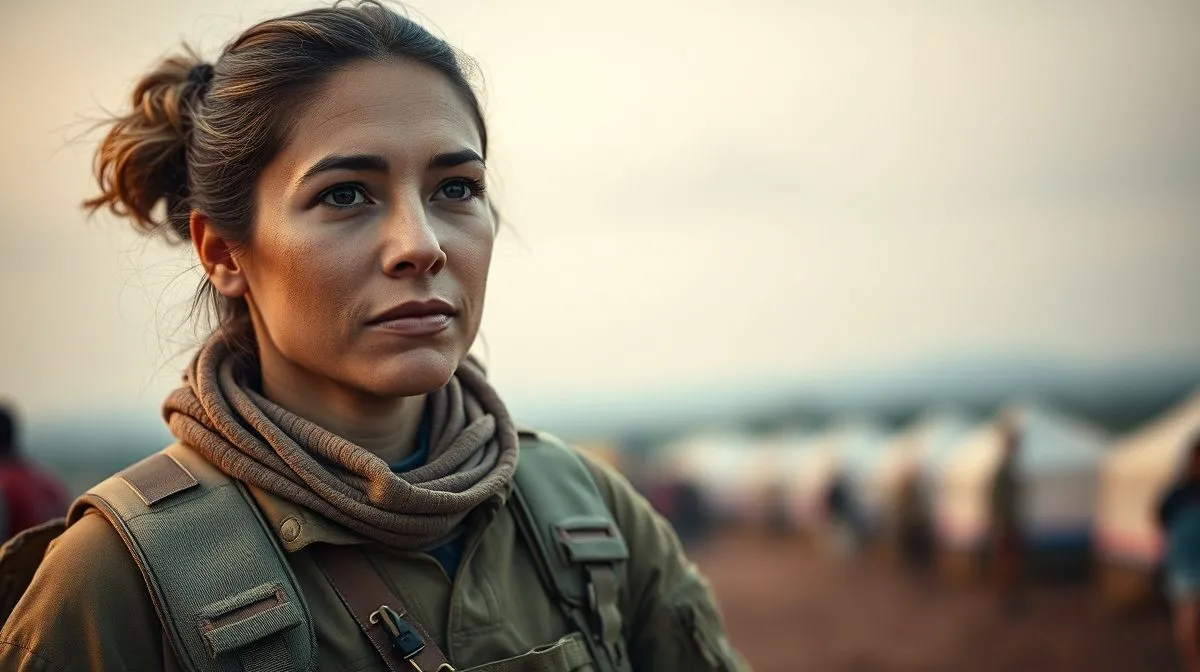
Is Humanitarian Aid Volunteering Safe for Solo Women?
Have you ever dreamed of making a tangible difference in the world, of extending a helping hand to those in dire need, perhaps in a remote corner of the globe? Many compassionate individuals, particularly women, feel a powerful calling to humanitarian aid work. It's a noble pursuit, yet for solo women considering this path, a significant question often arises: Is humanitarian aid volunteering safe for solo women?
This isn't merely a fleeting concern; it's a fundamental query rooted in practical realities and deeply personal anxieties. The landscapes of humanitarian work can be unpredictable, often occurring in regions grappling with conflict, natural disasters, or severe socio-economic challenges. For a woman embarking on such a journey alone, understanding the inherent risks, navigating cultural nuances, and ensuring personal security become paramount considerations that can feel overwhelming.
This comprehensive guide aims to demystify these concerns, providing a definitive roadmap for solo women aspiring to contribute to humanitarian efforts. We will delve into a nuanced understanding of potential risks, equip you with actionable safety strategies, and empower you with the knowledge to make informed decisions, ensuring your journey is not only impactful but also secure and fulfilling.
Understanding the Landscape: Risks and Rewards
The decision to volunteer in humanitarian aid is often driven by a deep sense of purpose. However, it's crucial to approach this calling with a clear-eyed understanding of the environments in which aid work takes place. These are frequently complex, challenging, and at times, volatile settings. For solo women, specific layers of consideration are added to the general risks faced by all volunteers.
Common Perceived Risks for Solo Women
While humanitarian aid organizations strive to ensure the safety of their personnel, certain risks are inherent to operating in vulnerable regions. For solo women, these can be amplified:
- Security Risks: This includes exposure to conflict zones, petty crime, kidnapping attempts, or general instability. While organizations have protocols, individual vigilance is key.
- Health Risks: Exposure to unfamiliar diseases, lack of access to quality medical care, and inadequate sanitation are common. For women, specific health needs can sometimes be overlooked.
- Cultural and Social Risks: Navigating different gender norms, potential for harassment or discrimination, and cultural misunderstandings can pose significant challenges.
- Logistical Challenges: Poor infrastructure, unreliable transport, and communication blackouts can leave volunteers feeling isolated and vulnerable.
The Unspoken Rewards of Solo Humanitarian Work
Despite the challenges, the rewards of humanitarian aid volunteering for solo women are profound and transformative. These experiences foster incredible personal growth, resilience, and a unique global perspective:
- Empowerment and Self-Reliance: Successfully navigating challenging environments builds immense confidence and self-sufficiency.
- Deep Cultural Immersion: Living and working closely with local communities offers unparalleled insights into diverse cultures and ways of life.
- Meaningful Impact: Directly contributing to alleviating suffering and improving lives provides an unmatched sense of purpose.
- Global Network: Connecting with like-minded individuals from around the world, building a diverse professional and personal network.
Pre-Departure Essentials: Building Your Safety Foundation
The cornerstone of a safe and successful humanitarian aid experience for solo women lies in meticulous preparation. Before you even pack your bags, there are critical steps to take that will significantly mitigate risks and enhance your overall security.
Thorough Research and Vetting Organizations
Choosing the right organization is perhaps the single most important decision. Not all organizations are created equal in terms of their safety protocols and support systems. Look for established, reputable NGOs with a proven track record.
- Check Accreditation: Verify if the organization is registered with relevant international bodies or local governments.
- Review Safety Policies: Inquire about their specific safety and security protocols for volunteers, especially solo women. Do they have clear emergency plans, communication systems, and evacuation procedures?
- Talk to Former Volunteers: Seek out testimonials or directly contact past volunteers to gain firsthand insights into their experiences, particularly regarding safety and support. Websites like Idealist or ReliefWeb often have volunteer reviews or forums.
- Understand the Mission: Ensure the organization's mission aligns with your values and that their work is genuinely beneficial to the local community, avoiding any potential ethical dilemmas that could inadvertently compromise safety.
Personal Safety Training and Skills
Investing in personal safety training can be invaluable. This goes beyond basic first aid and extends to situational awareness and self-defense.
- Situational Awareness Training: Programs that teach you to assess environments, recognize potential threats, and react appropriately can be life-saving.
- Basic Self-Defense: Learning a few practical self-defense techniques can boost your confidence and provide a last resort in dangerous situations.
- Cultural Sensitivity Training: Understanding and respecting local customs, dress codes, and social norms can prevent misunderstandings and enhance your acceptance within the community, which directly contributes to your safety.
- Language Basics: Even a rudimentary grasp of the local language can significantly improve your ability to navigate, communicate needs, and understand warnings.
Comprehensive Travel Insurance and Medical Preparedness
Never underestimate the importance of robust insurance and health planning.
- Specialized Travel Insurance: Ensure your policy covers emergency medical evacuation, repatriation, and high-risk activities often associated with humanitarian work. Standard travel insurance may not suffice.
- Medical Check-up and Vaccinations: Consult with a travel doctor well in advance to get all necessary vaccinations and discuss any pre-existing conditions. Carry a detailed medical history and a list of all medications.
- Emergency Contacts and Information: Have a readily accessible list of emergency contacts, including family, the organization's local office, and your embassy. Share your itinerary with trusted individuals back home.
On the Ground: Navigating Challenges Safely
Once you are deployed, your day-to-day actions and awareness become your primary shield. Staying safe as a solo woman volunteer in humanitarian aid requires constant vigilance, adaptability, and a proactive approach to personal security.
Situational Awareness and Local Customs
Your ability to observe, interpret, and adapt to your surroundings is critical. This involves more than just looking for danger; it's about understanding the rhythm and rules of the local environment.
- Blend In: Dress modestly and in a manner that respects local customs. Avoid flashy jewelry or overt displays of wealth. The goal is to be inconspicuous.
- Observe and Learn: Pay attention to how local women behave, where they go, and what activities they engage in. Mimic safe practices.
- Know Your Surroundings: Familiarize yourself with safe zones, emergency exits, and escape routes in your living and working areas. Understand local transportation options and their safety implications.
- Avoid Risky Behaviors: Steer clear of isolated areas, especially after dark. Limit alcohol consumption and avoid situations that could impair your judgment.
Communication and Emergency Protocols
Effective communication is a lifeline. Ensure you are always connected, within reason, and understand how to activate emergency procedures.
- Reliable Communication: Carry a charged phone or satellite device. Know the local emergency numbers and the organization's internal emergency contacts.
- Check-in Procedures: Adhere strictly to your organization's check-in and check-out protocols. Inform someone of your whereabouts and expected return time, especially when traveling alone.
- Emergency Signals: Be aware of any specific emergency signals or codes used by your organization or in the local community.
- Stay Informed: Keep abreast of local news, political developments, and any security advisories from your organization or embassy.
Trusting Your Instincts and Setting Boundaries
Your intuition is a powerful safety tool. Learn to listen to it and act decisively, even if it feels uncomfortable to do so.
- Listen to Your Gut: If a situation or an individual makes you feel uneasy, remove yourself from it. Your instincts are often your first and best line of defense.
- Saying No: Be prepared to politely but firmly decline invitations or requests that make you uncomfortable or seem unsafe, even from colleagues or community members.
- Personal Space: Be mindful of cultural norms regarding personal space, but also assert your own boundaries when necessary.
- Reporting Incidents: Report any suspicious activity, harassment, or security breaches to your organization immediately. This not only protects you but also future volunteers.
Choosing the Right Organization: A Critical Step
The safety of humanitarian aid volunteering for solo women hinges significantly on the integrity and competence of the organization you choose. A reputable organization will prioritize volunteer safety and have robust systems in place to support you.
Red Flags to Watch For
Just as there are good organizations, there are also those that are poorly managed, inexperienced, or even exploitative. Knowing what to avoid is as important as knowing what to seek:
- Lack of Transparency: If an organization is vague about its operations, funding, or safety protocols, proceed with extreme caution.
- No Clear Volunteer Vetting: A reputable organization will have a thorough application process, including background checks, interviews, and reference checks for volunteers. If they accept anyone without scrutiny, it's a warning sign.
- Unrealistic Promises: Be wary of organizations promising overly glamorous or simplistic experiences, especially if they downplay potential risks.
- Poor Communication: Difficulty getting clear answers to your questions, especially regarding safety, support, and logistics, indicates a lack of professionalism.
- Excessive Fees with No Clear Breakdown: While volunteer fees are common, ensure they are transparent and clearly allocated towards legitimate program costs, not just administrative overheads.
Reputable Organizations and Their Protocols
Many established international and local NGOs have decades of experience ensuring volunteer safety. They often adhere to international standards for humanitarian response and duty of care. When considering if humanitarian aid volunteering is safe for solo women with a specific organization, look for:
- Dedicated Safety & Security Teams: Larger organizations often have dedicated personnel or departments focused solely on risk assessment, security planning, and incident response for their staff and volunteers.
- Comprehensive Briefings: They should provide detailed pre-departure and in-country briefings covering local context, cultural norms, security threats, and emergency procedures.
- 24/7 Support: Access to emergency support and communication channels around the clock.
- Clear Codes of Conduct: Strict codes of conduct for both staff and volunteers, including policies against harassment and exploitation.
- Partnerships and Networks: Affiliation with major humanitarian networks (e.g., the UN Cluster System, Sphere Standards) often indicates adherence to best practices. For instance, the UN Refugee Agency (UNHCR) and Doctors Without Borders (MSF) are examples of organizations with robust safety frameworks.
The Psychological Toolkit: Mental Resilience and Well-being
Beyond physical safety, the mental and emotional well-being of solo women in humanitarian aid is paramount. The environments can be emotionally taxing, and being alone can sometimes amplify feelings of isolation or stress. Developing a robust psychological toolkit is crucial for sustained engagement and personal health.
Managing Stress and Trauma
Exposure to suffering, poverty, and sometimes violence can take a significant toll. Recognizing and addressing these impacts early is vital.
- Self-Care Practices: Prioritize sleep, nutrition, and regular exercise. Even small routines can provide a sense of normalcy and control.
- Stress Recognition: Learn to identify your personal signs of stress or burnout. These might include irritability, difficulty sleeping, or emotional detachment.
- Debriefing and Support: Participate in debriefing sessions offered by your organization. Seek professional psychological support if you experience persistent symptoms of trauma or distress. Many organizations provide access to mental health professionals.
- Mindfulness and Reflection: Engage in practices like journaling, meditation, or quiet reflection to process experiences and emotions.
Building a Support Network
Even as a solo volunteer, you don't have to be entirely alone. Building connections, both locally and internationally, can provide invaluable emotional support.
- Connect with Fellow Volunteers: Share experiences and support each other. These bonds can be incredibly strong and provide a unique understanding of your challenges.
- Maintain Contact with Home: Regular communication with family and friends can combat loneliness and provide a vital link to your regular life.
- Identify Local Allies: Foster positive relationships with trusted local community members or colleagues. They can offer insights, assistance, and a sense of belonging.
- Seek Mentorship: If possible, connect with experienced female humanitarian workers who can offer guidance and support based on their own journeys.
Real Stories, Real Solutions: Lessons from the Field
While theoretical advice is helpful, understanding how these principles apply in real-world scenarios can provide deeper insights. These hypothetical examples illustrate both the challenges and the effective strategies employed by solo women volunteers.
Case Study 1: Successful Navigation in a Culturally Sensitive Area
Maria, a solo volunteer from Spain, was deployed to a rural community in Southeast Asia to assist with a clean water project. The region had conservative cultural norms regarding women. Before her arrival, Maria thoroughly researched local customs, including dress codes and social interactions. She chose an organization known for its excellent cultural integration programs and local partnerships.
Upon arrival, Maria observed local women, adopting their modest dress and respectful demeanor. She avoided being out alone after dark and always informed her team leader of her movements. When invited to social gatherings, she attended with a trusted local colleague or another female volunteer. By demonstrating respect and adhering to local norms, Maria built trust within the community, which in turn enhanced her personal safety and effectiveness, proving that is humanitarian aid volunteering safe for solo women when cultural intelligence is prioritized.
Case Study 2: Learning from a Logistical Challenge
Sarah, a solo engineer from Canada, was working on a temporary shelter project in a post-disaster zone in South America. One day, heavy rains caused an unexpected landslide, cutting off the main road to her work site and isolating her small team. Her organization had a clear communication protocol, which Sarah diligently followed.
Despite feeling anxious, Sarah immediately activated her satellite phone to inform headquarters of their situation. She and her team had pre-packed emergency kits with food, water, and first-aid supplies. They set up a temporary shelter and waited for instructions. The organization's rapid response team, guided by Sarah's clear communication, was able to reach them within 24 hours via an alternative route. This incident highlighted the critical importance of reliable communication tools, emergency preparedness, and strict adherence to organizational protocols, even when working in seemingly stable environments.
Empowering Your Journey: Beyond Just Safety
While safety is a non-negotiable prerequisite, the journey of humanitarian aid volunteering for solo women extends far beyond simply avoiding harm. It's about empowering yourself to contribute meaningfully, to grow personally, and to leave a lasting positive impact on the world. It’s about transforming the question of “is humanitarian aid volunteering safe for solo women” into a confident “yes, with smart preparation and informed action.”
Contributing Meaningfully
Your skills, compassion, and unique perspective as a solo woman are invaluable. Focus on how you can best leverage your strengths to serve the community. Engage with local populations with genuine empathy and humility, understanding that you are there to support their self-identified needs, not impose your own solutions. Meaningful contribution often involves active listening, cultural exchange, and collaborative problem-solving.
Personal Growth and Global Impact
The challenges you overcome, the connections you forge, and the lives you touch will profoundly shape who you are. This experience will deepen your understanding of global inequalities, foster immense resilience, and equip you with skills applicable to countless aspects of life and career. Your individual efforts, when combined with those of countless others, contribute to a larger tapestry of global humanitarianism, making a tangible difference one community, one life at a time.
Frequently Asked Questions (FAQ)
What are the most common dangers for solo female volunteers? The most common dangers include general security risks like petty crime or political instability, health risks due to unfamiliar environments, and social/cultural risks such as harassment or discrimination due to gender norms.
How do I verify a humanitarian organization's safety record? You can verify by checking their registration and accreditation, reviewing their published safety protocols, looking for testimonials from past volunteers, and directly contacting former volunteers for their candid experiences. Prioritize organizations with clear communication and dedicated safety teams.
Should I tell people I'm volunteering alone? It's generally advisable to be discreet about your solo status, especially in public. However, always inform your organization's local office and trusted contacts back home about your exact whereabouts and itinerary. Share details only with those who genuinely need to know for your safety.
What specific self-defense training is recommended? Focus on practical, situational self-defense that emphasizes awareness, de-escalation techniques, and simple, effective escape maneuvers rather than complex martial arts. Many organizations offer or recommend specific safety training courses for field staff.
How can I deal with cultural differences affecting safety? Thoroughly research and respect local customs, particularly regarding dress codes, social interactions, and gender roles. Observe local women's behavior and emulate safe practices. When in doubt, consult with your organization's local staff or trusted community members. Avoiding isolated situations and maintaining clear boundaries are also key.
Recommended Reading
- Unlock Winter Fun: Your Guide to Non-Skiing Destinations
- The Ultimate Guide: How to Prepare for a Luxury Overnight Train Journey
- Unlock Hotel Accessibility: Best Ways to Confirm Features Before You Go
- The Ultimate Guide: How to Choose the Right Culinary Tour Operator for Your Dream Trip
- Ultimate Transcontinental Train Travel Planning Guide: Your Epic Journey Awaits!
Conclusion
The question of is humanitarian aid volunteering safe for solo women is not simple, but the answer is encouraging: with diligent preparation, informed choices, and a commitment to personal safety protocols, it can be a profoundly safe and rewarding endeavor. By thoroughly vetting organizations, investing in personal safety training, maintaining acute situational awareness, and building a robust psychological toolkit, solo women can confidently navigate the challenges and harness the immense power of their compassion. Your desire to make a difference is a powerful force; equip it with knowledge and empower it with preparedness, and you will not only contribute to a better world but also embark on a truly transformative personal journey.


Your email address will not be published. Required fields are marked *