

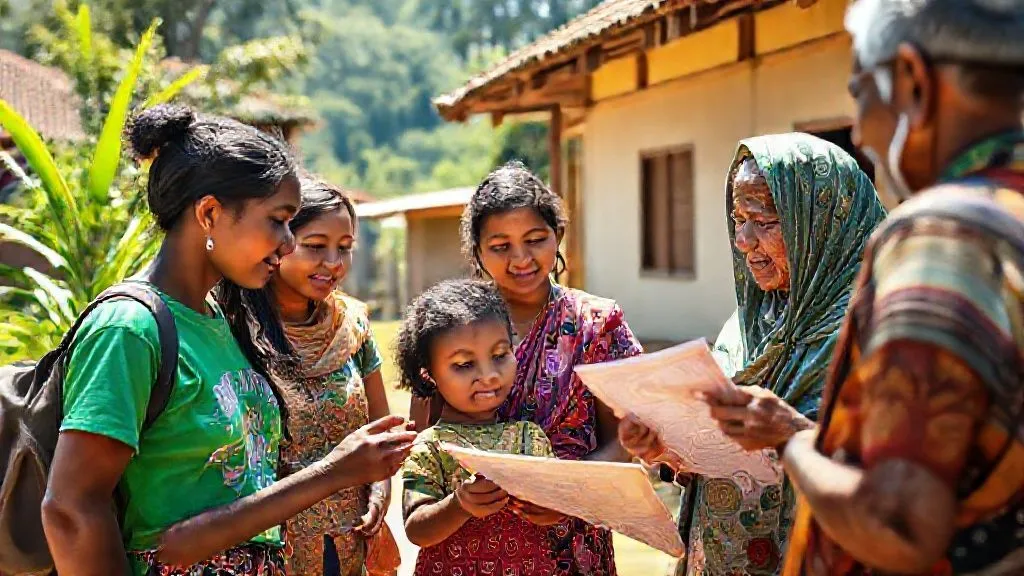
How to prevent youth voluntourism from causing local harm?
For over 15 years, navigating the intricate world of international development and ethical travel, I’ve witnessed the incredible potential of youth voluntourism. Yet, I’ve also seen firsthand how good intentions, without proper guidance and critical self-awareness, can inadvertently lead to significant local harm. It’s a paradox many well-meaning young people and their parents grapple with.
The allure of making a difference, gaining cultural immersion, and building a resume can overshadow the complex realities on the ground. Projects designed to help can sometimes foster dependency, undermine local economies, or even perpetuate harmful stereotypes. This problem isn't theoretical; it manifests in tangible ways, from displacing local labor to creating unsustainable infrastructure.
This article isn't about discouraging youth engagement; quite the opposite. It’s a definitive guide, born from years of experience, to equip young volunteers, their families, and sending organizations with the frameworks and actionable strategies needed. We’ll delve into how to prevent youth voluntourism from causing local harm, ensuring every journey contributes positively and ethically to the communities it touches.
Understanding the Roots of Harm: The 'White Savior' Complex and Dependency
Before we can prevent harm, we must understand its origins. Often, youth voluntourism falls prey to what’s termed the "white savior complex" – a mentality where volunteers, often from wealthier nations, believe they are uniquely positioned to "save" less fortunate communities. This mindset, while perhaps unconscious, can be deeply damaging, fostering dependency and undermining local agency.
In my early career, I observed a project where well-meaning high school students built a new school wing every summer. On the surface, it seemed beneficial. However, local construction workers were consistently out of jobs during these periods, and the community’s own capacity to manage and maintain the new structures was never truly developed. This created a cycle where the community became reliant on external, short-term aid rather than empowered to build their own sustainable solutions. This is a classic example of how to prevent youth voluntourism from causing local harm by first recognizing the unintended consequences of unexamined good intentions.
"True ethical volunteering isn't about what you do FOR a community; it's about what you do WITH a community, respecting their leadership and bolstering their inherent strengths."
Another common pitfall is the creation of "orphanage tourism," where children in vulnerable situations are exploited for emotional gratification and fundraising. This practice has been widely condemned by organizations like UNICEF, who advocate for family-based care, not institutionalization driven by foreign visitors. Understanding these systemic issues is the first critical step toward responsible engagement.
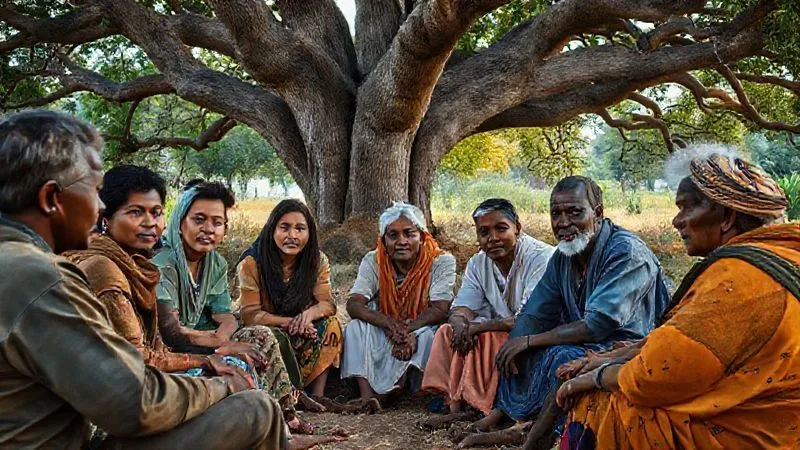
Prioritizing Community-Led Initiatives: Shifting the Power Dynamic
The most effective way to prevent youth voluntourism from causing local harm is to ensure that initiatives are genuinely community-led. This means that the projects, their goals, and their implementation are conceived and driven by the local community members themselves, not by external organizations or volunteers.
How to Identify Truly Community-Led Projects:
- Demand Clear Local Ownership: Ask who designed the project, who benefits directly, and who makes the ongoing decisions. If the answers don't center on local leaders and residents, be wary.
- Look for Long-Term Partnerships: Ethical organizations build enduring relationships, not one-off projects. They invest in local staff and infrastructure, ensuring continuity beyond a volunteer's stay.
- Verify Needs-Based vs. Volunteer-Driven Projects: A project should address an identified local need, not merely create an opportunity for volunteers to "do something." Is there a genuine gap that volunteers can fill without displacing local labor?
- Seek Transparency in Decision-Making: Reputable programs can articulate how local voices are integrated into planning and evaluation.
In my work with a community development NGO in Southeast Asia, we spent over a year just listening before proposing any projects. We learned that the community didn't need a new school building, as many assumed; they needed help developing a sustainable irrigation system for their rice paddies and training for local women in entrepreneurial skills. Our youth volunteers, once properly trained, then assisted with technical aspects of the irrigation system and co-facilitated workshops, always under the guidance of local experts. This approach fundamentally changes how to prevent youth voluntourism from causing local harm, moving from imposition to collaboration.
Thorough Pre-Departure Education: Beyond Basic Orientation
A superficial orientation is insufficient. To truly prevent youth voluntourism from causing local harm, comprehensive pre-departure education is non-negotiable. This goes far beyond packing lists and basic cultural dos and don'ts; it's about fostering critical thinking, cultural humility, and an understanding of global power dynamics.
Key Components of Ethical Pre-Departure Training:
- Historical and Socio-Political Context: Educate volunteers about the host country's history, its colonial past (if applicable), current political landscape, and socio-economic challenges. Understanding these complexities helps volunteers avoid simplistic narratives.
- Cultural Humility and Etiquette: Teach deep cultural sensitivity, including non-verbal communication, social hierarchies, and respectful interaction with elders and children. Emphasize listening and learning over leading.
- Ethical Photography and Storytelling: Discuss the ethics of taking and sharing photos, avoiding objectification or perpetuating stereotypes. Volunteers should seek explicit consent and prioritize dignity.
- Dependency and Aid Dynamics: Explain how well-intentioned aid can create dependency, displace local economies, and undermine self-sufficiency. Prepare volunteers to avoid these pitfalls.
- Personal Reflection and Bias Recognition: Encourage volunteers to examine their own biases, privileges, and motivations for volunteering. This self-awareness is crucial for ethical engagement.
I recall a group of university students who, after undergoing an intensive six-week pre-departure course, arrived in a rural African community. Instead of immediately trying to "fix" things, they spent the first week simply observing, participating in daily life, and asking questions. Their understanding of the local context and their self-awareness allowed them to integrate respectfully and contribute meaningfully to the community's existing agricultural initiatives, rather than imposing their own ideas. This deep preparation is fundamental to how to prevent youth voluntourism from causing local harm.

Skill-Matching and Long-Term Engagement: Real Contributions, Not Just Presence
One of the most common critiques of voluntourism, particularly youth voluntourism, is the mismatch between volunteer skills and actual community needs. Sending unskilled young people to build structures that local professionals could construct more safely and efficiently is a prime example of unintended harm.
Focus on Genuine Skill-Matching:
- Assess Volunteer Skills Honestly: Organizations must rigorously assess what skills (e.g., teaching English, basic carpentry, data entry, photography, social media management) a young person genuinely possesses.
- Match Skills to Verified Needs: Only deploy volunteers for tasks where their skills are genuinely needed and where they won't displace local labor. If the community needs a building, hire local builders. If they need English conversation practice, then a fluent English speaker can assist.
- Prioritize Training for Locally Identified Gaps: If a young person has no specific "hard skill" relevant to a project, focus on roles that support local leaders or develop soft skills like cross-cultural communication, research, or administrative support, always under supervision.
- Emphasize Long-Term Commitment (where possible): Short-term volunteer stints often have minimal impact. Encourage longer stays or repeat visits to build deeper relationships and contribute more substantially. For youth, even a short, well-planned visit focused on learning and cultural exchange can be valuable if it avoids direct, unskilled labor.
Case Study: How 'Global Bridges' Transformed Youth Voluntourism
Global Bridges, a non-profit facilitating youth travel, faced criticism for sending high school students on construction projects. After an internal review, they realized these projects often displaced local workers. By implementing a strict skill-matching protocol and shifting focus to community-identified needs, they transformed their approach. Students with strong English skills now co-facilitated language exchange programs in local schools, while those with tech aptitude helped set up community computer labs. For infrastructure needs, Global Bridges now funds local contractors and involves youth in project management oversight and documentation, rather than direct construction. This resulted in a 40% increase in positive community feedback and a significant reduction in local labor displacement, proving how to prevent youth voluntourism from causing local harm through strategic redesign.
| Volunteer Role | Potential Harm | Ethical Alternative |
|---|---|---|
| Construction (unskilled) | Displaces local labor, poor quality work, dependency | Fund local contractors, youth assist with project management/documentation |
| Teaching (unqualified) | Undermines local teachers, inconsistent education, language barriers | Co-facilitate language exchange, assist local teachers, provide educational resources |
| Orphanage Care | Child exploitation, attachment issues, institutionalization | Support family reunification, fund local social workers, advocate for child protection |
| Environmental Cleanup (uncoordinated) | Disrupts local waste systems, short-term impact | Participate in local conservation initiatives, support environmental education, data collection |
Ethical Fundraising and Financial Transparency: Where Does the Money Go?
The financial aspect of voluntourism is often opaque, leading to questions about exploitation and sustainability. To prevent youth voluntourism from causing local harm, financial transparency is paramount.
Principles of Ethical Financial Practices:
- Transparent Fee Breakdown: Volunteers and their families should receive a clear, itemized breakdown of costs. How much goes to accommodation, food, transportation, program administration, and crucially, to the local community or project?
- Direct Community Investment: A significant portion of the program fee should directly benefit the local community, whether through local employment, purchasing local goods and services, or direct project funding.
- Avoiding Exploitative Practices: Be wary of programs that charge exorbitant fees while offering minimal direct benefit to the host community. High fees for "unskilled labor" are a major red flag.
- Support Local Economies: Encourage volunteers to spend money locally (e.g., buying souvenirs from local artisans, eating at local restaurants) rather than relying solely on services provided by the volunteer organization.
I once investigated a program that charged volunteers thousands of dollars but paid its local staff meager wages and sourced all supplies from outside the community. This extractive model, unfortunately, is not uncommon. An ethical program, by contrast, prioritizes local employment, fair wages, and local procurement, ensuring that financial benefits circulate within the host community. This directly addresses how to prevent youth voluntourism from causing local harm by ensuring economic benefits are shared equitably.
According to a report by Tourism Concern, unethical voluntourism can exacerbate inequalities and create a 'dependency culture' because financial benefits often flow disproportionately to sending organizations rather than local communities.
Robust Safeguarding and Child Protection Policies
The safety and well-being of both young volunteers and the vulnerable individuals they interact with, especially children, must be the highest priority. Lack of stringent safeguarding policies can lead to severe harm.
Essential Safeguarding Measures:
- Comprehensive Background Checks: All volunteers, especially those working with children or vulnerable adults, must undergo thorough criminal background checks in their home country.
- Child Protection Training: Volunteers must receive explicit training on child protection, recognizing signs of abuse, appropriate boundaries, and reporting procedures.
- Clear Code of Conduct: A strict code of conduct outlining acceptable and unacceptable behaviors, particularly regarding interaction with children, must be enforced. This includes no unsupervised contact with children, no physical discipline, and no inappropriate photography.
- Local Supervision and Oversight: Volunteers should always be supervised by trusted local staff who are trained in safeguarding and fully understand local cultural nuances.
- Reporting Mechanisms: Clear, accessible, and confidential reporting mechanisms for any safeguarding concerns, for both volunteers and local community members, are essential.
I've advised numerous organizations on developing these policies. It's not enough to have them on paper; they must be actively implemented, regularly reviewed, and communicated effectively to everyone involved. This proactive approach is critical for how to prevent youth voluntourism from causing local harm, particularly when it involves vulnerable populations.
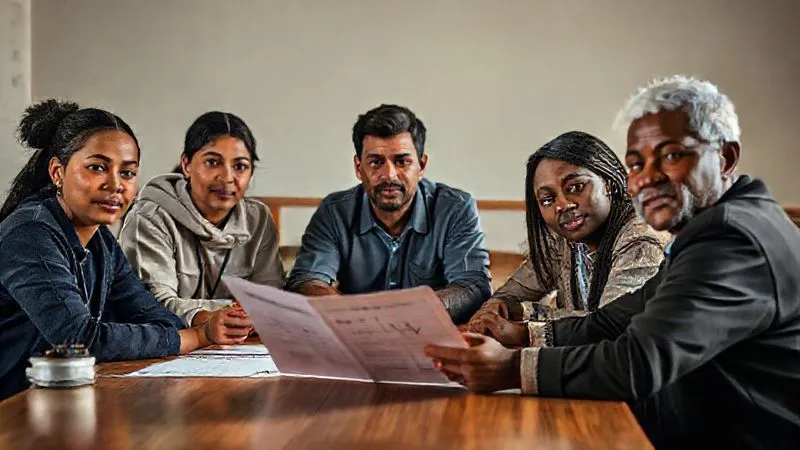
Post-Trip Reflection and Continuous Improvement
The learning journey doesn't end when the volunteer returns home. Post-trip reflection is crucial for consolidating lessons learned and for the organization to continuously improve its programs to prevent youth voluntourism from causing local harm.
Facilitating Meaningful Post-Trip Engagement:
- Structured Debriefing: Provide opportunities for volunteers to process their experiences, discuss challenges, and reflect on their impact. This can be through group sessions, journaling, or one-on-one discussions.
- Feedback Mechanisms: Collect detailed feedback from volunteers, host communities, and local partners. This feedback should be actively used to refine future programs.
- Long-Term Engagement Opportunities: Encourage volunteers to become advocates for ethical travel, share their insights responsibly, or continue supporting the community through fundraising or remote skill-sharing.
- Impact Assessment: Organizations should conduct regular, independent assessments of their programs' long-term impact on host communities, beyond anecdotal evidence.
I often guide returning volunteers through a "re-entry" process. We discuss reverse culture shock, the ethical implications of sharing their stories, and how to translate their experience into meaningful action at home. This transforms a short trip into a lifelong commitment to global citizenship, making it a powerful tool for how to prevent youth voluntourism from causing local harm in the long run.
Measuring True Impact: Beyond Anecdotes
Measuring the true impact of voluntourism is notoriously difficult, but it's essential for accountability and improvement. Simply counting volunteers or projects completed isn't enough; we need to assess the qualitative and quantitative changes in the community's well-being and capacity.
Key Metrics for Ethical Impact Measurement:
- Community Empowerment Index: Measure changes in local leadership, decision-making power, and community-led initiatives over time.
- Economic Impact: Track local employment generated by the program, local procurement rates, and any increase in local income streams directly attributable to volunteer activities.
- Capacity Building: Assess the transfer of skills to local individuals, the strengthening of local institutions, and the sustainability of project outcomes without ongoing external volunteer input.
- Social and Cultural Impact: Monitor changes in cultural understanding, reduction of stereotypes, and overall community satisfaction with the program. This often requires qualitative data collection through interviews and focus groups.
- Environmental Footprint: Evaluate the program's environmental impact, striving for carbon neutrality and promoting sustainable practices among volunteers.
As a seasoned professional, I advocate for a participatory monitoring and evaluation approach. This means involving community members themselves in defining success indicators and collecting data. This not only provides more accurate insights but also reinforces local ownership and ensures that the metrics truly reflect what matters to the community. This rigorous approach is the ultimate safeguard in how to prevent youth voluntourism from causing local harm, moving beyond good intentions to demonstrable positive change.
According to research published in the Journal of Community Practice, effective community development requires long-term commitment and genuine partnership, often highlighting the limitations of short-term volunteer interventions.

Frequently Asked Questions (FAQ)
Question: Is all youth voluntourism inherently bad? No, absolutely not. The core intention of helping others and fostering global understanding is noble. The challenge lies in ensuring that these intentions translate into genuinely beneficial outcomes without causing unintended harm. When structured ethically, with community leadership, proper preparation, and a focus on sustainable impact, youth voluntourism can be a profoundly positive experience for both volunteers and host communities. This article outlines precisely how to prevent youth voluntourism from causing local harm, transforming potential pitfalls into opportunities for growth.
Question: How can parents ensure their child's voluntourism trip is ethical? Parents should perform extensive due diligence. Research the sending organization thoroughly: check their transparency regarding finances, their partnership model with local communities, their safeguarding policies, and their pre-departure training. Ask specific questions about how local people are involved in project design and management. Look for testimonials from community leaders, not just past volunteers. Prioritize programs that emphasize learning and cultural exchange over direct, unskilled labor, and ensure they have robust policies for how to prevent youth voluntourism from causing local harm.
Question: What if a young volunteer doesn't have specific skills? Can they still contribute ethically? Absolutely. Not every volunteer needs to be a skilled engineer or teacher. Many ethical programs value enthusiasm, a willingness to learn, and cross-cultural communication skills. Roles can include assisting local staff with administrative tasks, helping with language exchange, documenting projects, or participating in environmental cleanups organized by local groups. The key is that the role supports existing community-led initiatives and doesn't displace local jobs. The focus shifts from "what can I build?" to "how can I support what's already being built?"
Question: How can youth volunteers avoid the "white savior" complex? Self-awareness and humility are key. Engage in thorough pre-departure education about global power dynamics, colonialism, and cultural sensitivity. Upon arrival, prioritize listening and observing over speaking and acting. Understand that you are a guest and a learner, not a rescuer. Respect local knowledge and leadership. Continuously reflect on your motivations and biases, and be open to feedback. The goal is solidarity and partnership, not charity. This critical self-reflection is a powerful tool in how to prevent youth voluntourism from causing local harm.
Question: What are the red flags to look out for in a voluntourism program? Several red flags indicate a potentially unethical program:
Being vigilant about these signs is crucial in knowing how to prevent youth voluntourism from causing local harm.
Key Takeaways and Final Thoughts
The journey to ethical youth voluntourism is not without its complexities, but it is undeniably worth the effort. As an industry specialist, I firmly believe that with conscious choices and robust frameworks, young people can engage globally in ways that are genuinely beneficial and respectful.
- Prioritize Community Ownership: Always seek programs where local communities define their own needs and lead the solutions.
- Invest in Education: Comprehensive pre-departure training on cultural humility, historical context, and ethical considerations is non-negotiable.
- Match Skills to Needs: Ensure volunteer tasks align with genuine community needs and the volunteer's actual abilities, avoiding displacement of local labor.
- Demand Transparency: Insist on clear financial breakdowns and ethical safeguarding policies.
- Foster Reflection & Learning: Encourage continuous self-assessment and use feedback to improve programs.
- Measure True Impact: Look beyond superficial metrics to assess long-term, sustainable community empowerment.
The aspiration to make a positive impact is commendable. By embracing these principles, we can empower the next generation of global citizens to engage thoughtfully, respectfully, and effectively. Let's transform youth voluntourism from a potential source of unintended harm into a powerful force for genuine, sustainable, and community-led development. The future of ethical global engagement rests on our collective commitment to these standards.
Recommended Reading
- 7 Pillars: Vetting Unique City Walking Tours for Elite Client Entertainment
- 5 Critical Steps: How to Quickly Find Your Urgent Train Connection Gate
- Unlock the Secret: How to Maintain Healthy Eating on Your Wellness Trip
- 5 Crucial Rules: Master Wine Etiquette for Global Business Dinners?
- 7 Pillars: Designing Impactful Cultural Immersion for Executive Travel




Your email address will not be published. Required fields are marked *