

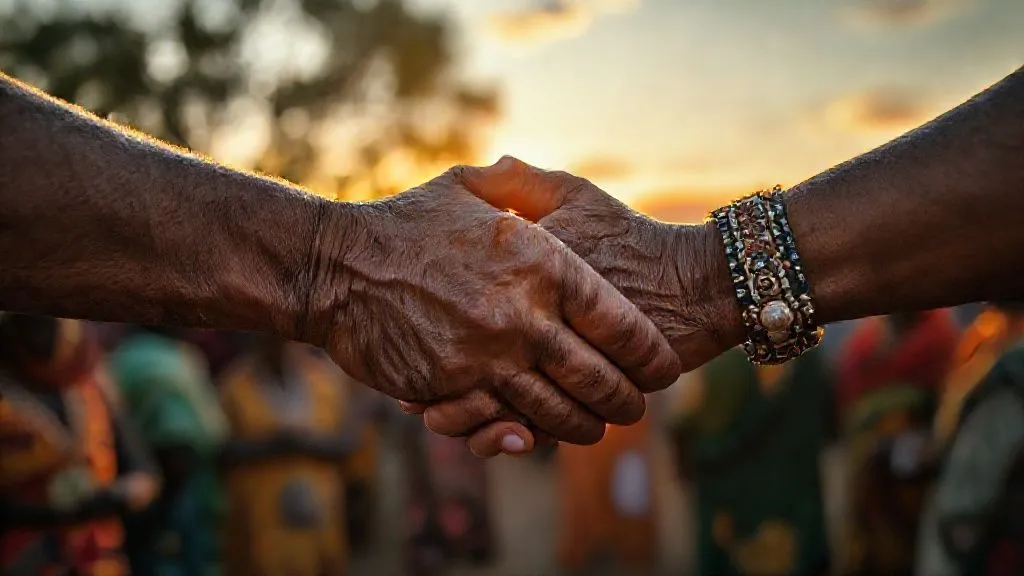
How to Recover Trust After Indigenous Cultural Misstep in Tourism?
For over two decades in the cultural travel sector, I've witnessed the transformative power of respectful engagement with indigenous communities. Conversely, I've also seen the deep, lasting damage that cultural missteps can inflict, not just on a tour operator's reputation, but more critically, on the trust and well-being of the communities themselves. These aren't mere business errors; they are ethical failures that ripple through generations.
The pain point for many in the tourism industry is profound: how do you mend a broken relationship, especially when the breach involves cultural insensitivity or exploitation? The road to recovery is often long, fraught with genuine challenges, and demands far more than a superficial apology. It requires a fundamental shift in perspective and practice.
This article isn't just about damage control; it's about genuine reconciliation and the path to building truly authentic, respectful, and sustainable partnerships. I'll provide a comprehensive framework, actionable steps, and insights drawn from years of experience to help you understand how to recover trust after indigenous cultural misstep in tourism, ensuring your future endeavors are built on a foundation of mutual respect and understanding.
Understanding the Depth of the Misstep: Beyond Surface Apologies
Before any recovery can begin, it's crucial to fully grasp the gravity and specific nature of the misstep. Many errors stem from ignorance, but their impact is just as real and damaging as intentional harm. Indigenous cultures are not monoliths; each community has its unique protocols, sacred sites, stories, and ways of being that demand specific respect.
The Nuance of Offense: Intent vs. Impact
One of the most common pitfalls I've observed is the focus on intent rather than impact. A tourism operator might genuinely believe they are promoting culture, yet their actions inadvertently commodify sacred rituals, misrepresent traditions, or exploit community members for profit without adequate consent or benefit. The community's experience of the misstep, regardless of your intention, is what truly matters.
“The journey to cultural competence begins not with knowing all the answers, but with understanding the depth of what you don't know, and being willing to learn from those whose knowledge is inherently different from your own.”
Common forms of indigenous cultural missteps include:
- Misappropriation: Using indigenous symbols, designs, or stories without permission or proper attribution, often for commercial gain.
- Commodification: Turning sacred ceremonies, traditional lands, or personal stories into marketable 'experiences' without genuine community control or benefit.
- Lack of Consent: Filming, photographing, or entering sacred spaces without explicit, informed consent from community elders or leaders.
- Environmental Disregard: Activities that harm indigenous lands, which are often intrinsically linked to cultural identity and spiritual practice.
- Economic Exploitation: Paying inadequate wages, failing to provide fair benefits, or creating dependency rather than genuine economic empowerment.
Step 1: Immediate, Sincere Acknowledgment and Apology
The very first, non-negotiable step is a swift, unequivocal acknowledgment of the harm caused and a sincere apology. This isn't about saving face; it's about demonstrating humility and respect for the affected community's feelings and rights. Delay or defensiveness will only deepen the wound.
Crafting a Genuine Apology: More Than Just Words
A genuine apology goes beyond a press release. It must be:
- Prompt: Address the issue as soon as it comes to your attention.
- Direct: Deliver the apology directly to the affected community leaders and members, ideally in person if feasible and appropriate.
- Specific: Clearly state what you are apologizing for, demonstrating that you understand the specific nature of the harm. Avoid vague statements.
- Unconditional: Do not include 'if' or 'but' clauses. Take full responsibility for your organization's actions or inactions.
- Empathetic: Express genuine regret for the pain, offense, or damage caused.
- Future-Oriented: Include a commitment to understanding and preventing similar missteps in the future.
An initial public statement can be made, but the most crucial apology is the one delivered directly to the community. This often requires navigating cultural protocols, which brings us to the next step.
Step 2: Active Listening and Deep Engagement with the Affected Community
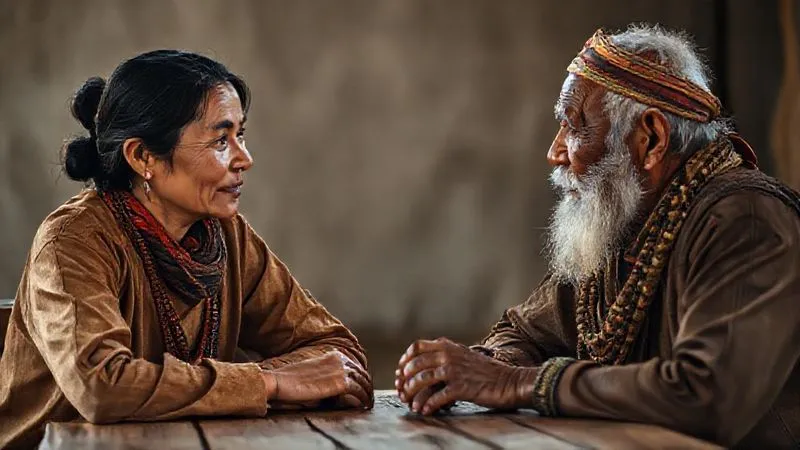
After the initial apology, the most critical phase is active listening. This means creating space for the community to share their experiences, feelings, and expectations without interruption or defensiveness from your side. It is not a negotiation, but a learning opportunity.
Establishing Safe Spaces for Dialogue
Engaging effectively requires sensitivity and respect for community-led processes. It's not about imposing your agenda but about being invited into theirs. This might involve:
- Seeking Guidance: Ask community leaders how they prefer to communicate and engage. Respect their chosen representatives and meeting formats.
- Being Present: Dedicate time and resources to be physically present, if welcomed, to build rapport and demonstrate commitment.
- Listening Without Defending: Your primary role is to absorb and understand. Resist the urge to explain away actions or justify past behaviors.
- Taking Notes (Respectfully): Keep detailed records of concerns, suggestions, and protocols shared, ensuring they are used for internal learning, not external leverage.
- Acknowledging Feelings: Validate the emotions expressed. Phrases like 'I hear your frustration' or 'I understand how deeply this has affected you' are crucial.
“True listening is not waiting for your turn to speak; it's about being fully present to understand another's reality, even when it challenges your own.”
This engagement process is often iterative and can take considerable time. Patience and persistence, coupled with genuine respect, are paramount. According to a report by the Indigenous Tourism Association of Canada (ITAC), genuine engagement is the cornerstone of sustainable indigenous tourism, emphasizing community control and benefit. Learn more about ITAC's principles here.
| Engagement Phase | Key Action | Expected Outcome |
|---|---|---|
| Initial Outreach | Seek community preferred communication methods | Openness to dialogue |
| Dialogue & Listening | Facilitate safe spaces for community voice | Clear understanding of harm and needs |
| Co-creation & Planning | Collaborate on solutions and future partnerships | Mutually beneficial agreements |
| Implementation & Monitoring | Execute agreed actions with community oversight | Tangible positive impact |
Step 3: Comprehensive Internal Review and Education
While external engagement is vital, parallel internal work is equally critical. A misstep is rarely the fault of a single individual; it often points to systemic gaps in understanding, training, or policy within the organization. This is where you prevent future occurrences.
Case Study: How 'Eco-Ventures' Realigned Its Values
Eco-Ventures, a mid-sized adventure tourism company, faced a severe trust crisis after one of its guides inadvertently led a tour group through a sacred indigenous burial ground, disrespecting ancient protocols. Their immediate apology was followed by deep listening sessions. Internally, they launched a 'Cultural Competency Initiative.' This involved:
- Mandatory Training: Collaborating with local indigenous educators to develop and deliver comprehensive cultural sensitivity training for all staff, from guides to administrative personnel.
- Policy Overhaul: Revising all tour itineraries and operational policies to include explicit protocols for engaging with indigenous lands and communities, requiring community sign-off on relevant sections.
- Resource Allocation: Dedicating a budget line item for ongoing cultural education and community engagement initiatives.
Within two years, Eco-Ventures not only recovered trust but became a recognized leader in ethical indigenous tourism, with their 'Cultural Competency Initiative' being adopted as a benchmark. This resulted in stronger community partnerships and a more informed, respectful team.
Your internal review should focus on:
- Identifying Root Causes: Was it a lack of training, outdated policies, a culture of disrespect, or poor communication?
- Staff Education: Implement mandatory, ongoing cultural sensitivity training developed in consultation with indigenous experts. This should cover history, contemporary issues, protocols, and ethical engagement.
- Policy Revision: Update your company's code of conduct, tour operator guidelines, marketing policies, and any other relevant documents to embed cultural respect and indigenous rights.
- Leadership Buy-in: Ensure that top leadership is not just supportive, but actively champions these changes, leading by example.
As marketing guru Seth Godin often says, "Trust is built on consistency." This applies not just to external communications, but to internal practices that shape your organization's ethical compass. Explore Seth Godin's insights on building trust and reputation.
Step 4: Empowering Indigenous Voices and Leadership
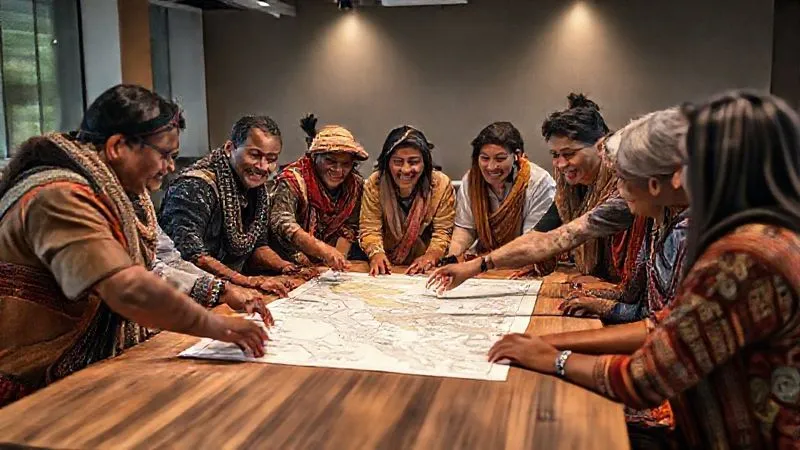
Genuine trust recovery and prevention of future missteps hinge on shifting power dynamics. It's not enough to consult; true partnership requires empowering indigenous voices to lead and shape the tourism experiences on their own terms.
Shifting Power Dynamics: From Consultation to Co-Creation
This critical step moves beyond merely asking for feedback to actively involving indigenous peoples in the decision-making, planning, and operation of tourism initiatives. This means:
- Co-Development of Products: Work with communities to design and develop tourism experiences that authentically represent their culture and stories, ensuring they retain intellectual property rights and cultural integrity.
- Indigenous Ownership & Management: Support and facilitate indigenous-owned and operated tourism businesses. This could involve mentoring, financial support, or preferential partnerships.
- Fair Benefit Sharing: Establish transparent and equitable revenue-sharing models that directly benefit the community, not just a few individuals. This should be determined by the community.
- Governance Inclusion: Invite indigenous representatives to sit on advisory boards or even your company's board of directors, providing a direct voice in strategic decisions.
- Capacity Building: Invest in training and skill development for community members, empowering them to manage, market, and lead their own tourism ventures.
This approach transforms the relationship from one of a service provider to a partner, fostering true economic and cultural self-determination. It's a powerful way to demonstrate that you understand how to recover trust after indigenous cultural misstep in tourism by putting their needs and sovereignty first.
Step 5: Implementing Concrete, Long-Term Restorative Actions
Apologies and good intentions are only the first steps. Tangible actions that address the harm caused and contribute positively to the community are essential for demonstrating commitment and rebuilding trust. These actions must be defined and led by the affected community.
Beyond Reparations: Investing in Community-Led Initiatives
Restorative actions can take many forms, depending on the nature of the misstep and the community's needs. They should be:
- Community-Driven: The community must determine what constitutes meaningful restoration. Do not impose solutions.
- Specific and Measurable: Clear objectives and outcomes should be established.
- Long-Term: Trust is rebuilt over time, so actions should reflect a sustained commitment, not a one-off gesture.
- Impactful: Focus on initiatives that address the specific harm or contribute to community well-being, cultural revitalization, or environmental protection.
“The true measure of a commitment to justice isn't just in acknowledging wrongdoing, but in the sustained, tangible efforts made to repair harm and prevent its recurrence, always guided by those who were harmed.”
Examples of restorative actions include:
- Financial Contributions: Direct financial support for community-led cultural preservation programs, language revitalization efforts, or youth education.
- Land Stewardship: Collaborating on environmental restoration projects on indigenous lands, guided by traditional ecological knowledge.
- Cultural Revitalization: Funding or assisting in the revival of traditional arts, crafts, dances, or ceremonies that may have been impacted.
- Infrastructure Development: Supporting community-identified needs such as clean water projects, health clinics, or educational facilities.
- Advocacy: Using your platform to advocate for indigenous rights, land claims, or cultural recognition on a broader scale.
These actions move beyond simply saying 'sorry' to actively participating in healing and empowering the community. A study by Deloitte on corporate social responsibility highlights the long-term benefits of genuine community investment for both reputation and social impact. Explore Deloitte's Global Impact Report here.
| Restorative Action Category | Example Initiative | Community Benefit |
|---|---|---|
| Cultural Preservation | Funding language immersion programs | Strengthened cultural identity |
| Economic Empowerment | Support indigenous artisan cooperatives | Sustainable livelihoods, self-determination |
| Environmental Stewardship | Collaborate on land restoration projects | Healthy ecosystems, spiritual connection |
| Education & Youth | Scholarships for indigenous students in tourism | Future leaders, skill development |
Step 6: Transparent Communication and Accountability
As you implement restorative actions and internal changes, it's vital to communicate your progress transparently. This isn't about self-promotion, but about demonstrating sustained commitment and accountability to both the affected community and the wider public.
Rebuilding External Trust: Sharing the Journey, Not Just the Destination
Transparency builds trust. It shows you're serious about change and willing to be held accountable. This involves:
- Regular Updates: Provide consistent updates to the affected community on the progress of agreed-upon actions.
- Public Reporting: Share your journey of learning and improvement on your website, in annual reports, or through dedicated impact reports. Be honest about challenges and successes.
- Acknowledging Community Leadership: Always credit the indigenous community for their guidance, collaboration, and leadership in the recovery process.
- Open Dialogue: Maintain channels for ongoing feedback from the community and other stakeholders.
- Third-Party Verification: Consider involving independent auditors or cultural experts to verify your claims and progress, adding an extra layer of credibility.
This open approach helps to regain public confidence and demonstrates to other tourism operators the seriousness required to operate ethically. It reinforces the message that you are committed to learning and growing, and understand how to recover trust after indigenous cultural misstep in tourism effectively and responsibly.

Step 7: Cultivating an Ongoing Ethic of Respect and Learning
Recovering trust is not a finite project with a clear endpoint; it's an ongoing commitment to an ethic of respect, humility, and continuous learning. True reconciliation requires a fundamental shift in organizational culture and a proactive approach to ethical engagement.
The Journey, Not a Destination: Continuous Improvement
To sustain trust and prevent future missteps, embed these principles into the DNA of your organization:
- Regular Cultural Audits: Periodically review your operations, marketing materials, and partnerships through a cultural lens, ideally with indigenous input.
- Continuous Education: Ensure ongoing training for all staff, staying informed about current issues and best practices in indigenous tourism and cultural rights.
- Support for Indigenous Initiatives: Actively seek out and support indigenous-led tourism ventures and cultural programs, even if they are not directly related to your core business.
- Advocacy and Allyship: Use your platform to advocate for indigenous rights and ethical tourism practices within the wider industry.
- Building Relationships: Foster deep, personal relationships with community members, moving beyond transactional interactions to genuine friendships and partnerships.
This long-term commitment is what truly distinguishes an organization that merely apologizes from one that genuinely transforms. It's about recognizing that indigenous cultures are living, evolving entities, and engaging with them is a privilege that demands continuous respect and adaptation. As the United Nations Declaration on the Rights of Indigenous Peoples (UNDRIP) affirms, indigenous peoples have the right to self-determination and to maintain, control, protect and develop their cultural heritage, traditional knowledge and traditional cultural expressions. Read the full UNDRIP document here.
Frequently Asked Questions (FAQ)
How long does trust recovery usually take? Trust recovery is not a quick process; it can take months, even years, depending on the severity of the misstep and the depth of the relationship with the community. It requires sustained effort, consistency, and patience. There's no fixed timeline, as it's ultimately determined by the community's readiness to re-engage and forgive. Focus on the quality and authenticity of your efforts, not just the speed.
What if the community doesn't want to engage? If the community is unwilling to engage immediately, respect their decision and give them space. Continue to demonstrate your commitment through internal changes, public acknowledgment of the misstep, and perhaps indirect support for community initiatives (if appropriate and non-intrusive). Reiterate your willingness to engage when they are ready, through their preferred channels. Sometimes, silence is a form of communication, indicating a need for time and genuine, visible change before re-engagement.
Can a misstep ever be truly forgiven? Yes, true forgiveness is possible, but it is earned, not demanded. It comes from consistent, genuine effort, deep humility, and tangible restorative actions over time. Forgiveness is a gift from the community, not an entitlement. Your role is to create the conditions under which forgiveness might eventually be offered, focusing on rectifying the harm and building a better future.
How do we prevent future missteps? Prevention is rooted in continuous education, strong ethical policies, genuine partnerships with indigenous communities, and a culture of humility within your organization. This includes mandatory cultural competency training, co-creating tours with communities, establishing clear consent protocols, and prioritizing community benefit over profit. It's about embedding respect at every level of your operation.
Is it better to avoid indigenous tourism altogether after a major misstep? Avoiding indigenous tourism entirely after a misstep can be another form of disengagement, denying communities potential benefits and your organization a chance to learn and contribute positively. The goal should be to engage responsibly, ethically, and respectfully, not to disengage. If you've made a misstep, the path forward is to learn, repair, and re-engage with integrity, guided by indigenous leadership, rather than retreating entirely.
Key Takeaways and Final Thoughts
Recovering trust after an indigenous cultural misstep in tourism is one of the most challenging, yet profoundly important, journeys an organization can undertake. It demands introspection, humility, and an unwavering commitment to ethical practice. Here are the critical takeaways:
- Acknowledge and Apologize Sincererly: Prompt, direct, specific, and unconditional apologies are the foundation.
- Listen Deeply: Prioritize understanding the community's perspective and pain without defensiveness.
- Transform Internally: Implement comprehensive education and policy changes within your organization.
- Empower Indigenous Voices: Shift power dynamics towards co-creation and community leadership.
- Act Restoratively: Undertake tangible, community-led actions to address harm and contribute positively.
- Communicate Transparently: Be open about your journey and accountable for your commitments.
- Commit to Ongoing Learning: Embed an ethic of continuous respect, humility, and improvement.
The path to recovering trust is a testament to resilience, integrity, and a profound respect for cultural diversity. It transforms a moment of failure into an opportunity for genuine growth, forging stronger, more equitable partnerships that benefit everyone involved. Embrace this journey not as a burden, but as a privilege to contribute to a more just and respectful world of travel. Your commitment to learning how to recover trust after indigenous cultural misstep in tourism will redefine your legacy and foster truly meaningful connections.

Recommended Reading
- Ultimate Guide: Best Luxury Hotel Amenities for Total Relaxation
- Unlock Your Adventure: How to Prepare for an Immersive Cultural Trip!
- Unforeseen Adventures: How to Prepare for Unexpected in Remote Travel?
- Best Time for Caribbean Ocean Cruises? Unveiling the Perfect Season
- Unlocking Safe Routes: Your Ultimate Guide to Assessing Avalanche Terrain for Backcountry Skiing





Your email address will not be published. Required fields are marked *