

How to Secure Exclusive VIP Access to Sold-Out International Art Exhibitions?
For over two decades in the vibrant, often enigmatic, world of cultural travel and art curation, I've witnessed countless enthusiasts dream of stepping into those coveted, hushed halls of a sold-out international art exhibition. The allure is undeniable: the first glimpse of a masterpiece, the quiet reverence before the crowds descend, the chance to converse with artists and gallerists who shape the cultural landscape. It’s a privilege, an experience that transcends mere viewing.
The problem, as many quickly discover, is that these truly exclusive moments are rarely advertised. The tickets vanish before they even hit public sale, the guest lists are meticulously curated, and the entry requirements often feel opaque, reserved only for the ultra-connected or the ultra-wealthy. This can lead to significant frustration, leaving even the most dedicated art lovers feeling perpetually on the outside looking in, yearning for a deeper, more intimate engagement with the art world.
But what if I told you that gaining that coveted VIP access isn't solely about immense wealth or a decades-long network? In this definitive guide, I will share the actionable frameworks, insider strategies, and nuanced approaches I've honed over my career to demystify how to secure exclusive VIP access to sold-out international art exhibitions. We’ll explore everything from cultivating genuine relationships to leveraging strategic partnerships, ensuring your next cultural journey is an unforgettable, truly privileged experience.
The Unseen Hurdles: Why VIP Access Seems Impossible
Before we dive into solutions, it's crucial to understand the landscape. The international art exhibition circuit is a high-stakes, high-demand environment. Major fairs like Art Basel, Frieze, and Documenta, along with blockbuster museum retrospectives, often sell out within minutes of tickets going live, sometimes even before the general public is aware they exist. This scarcity isn't accidental; it’s a carefully managed ecosystem designed to maintain prestige and exclusivity.
The primary reason for this rapid sell-out is the immense global interest combined with limited capacity. Venues have physical limits, and organizers intentionally restrict numbers for a more intimate, high-quality viewing experience. Furthermore, a significant portion of tickets and access passes are pre-allocated to sponsors, institutional patrons, VIP members, and established collectors, leaving a minuscule percentage for public consumption.
"In the art world, access isn't just about money; it's about perceived value, influence, and the strength of your connections. Understanding this hierarchy is the first step to navigating it successfully."
Many aspiring attendees make the mistake of thinking that simply being quick on the keyboard is enough. It’s not. Common misconceptions include:
- Believing all tickets are publicly available: A large percentage are never publicly listed.
- Underestimating demand: Global art enthusiasts are legion and highly motivated.
- Ignoring the 'soft power' of relationships: Personal connections often trump public sales.
- Waiting for official announcements: By then, it's usually too late for truly exclusive access.
Strategy 1: Cultivating Deep-Rooted Relationships in the Art World
In my experience, the single most powerful currency in the art world isn't money; it's relationships. Genuine, long-term connections open doors that no amount of frantic online refreshing ever will. This isn't about transactional networking; it's about building trust, demonstrating genuine interest, and becoming a recognized, valued member of the ecosystem.
Networking Beyond the Obvious
Think beyond just attending openings. Engage with local galleries, even if their artists aren't yet international superstars. Attend lectures, artist talks, and panel discussions. These are fertile grounds for meeting gallerists, curators, art consultants, and even artists themselves. Remember, every major player started somewhere, and their early connections are often the most enduring.
Here are actionable steps to cultivate these vital relationships:
- Become a Regular: Identify a few galleries or cultural institutions whose programming genuinely resonates with you. Visit frequently, get to know the staff, and show consistent support.
- Engage Thoughtfully: When you meet someone new, don't immediately ask for favors. Ask insightful questions about their work, their perspective on the art market, or the artist they represent. Show your passion and intellectual curiosity.
- Follow Up Strategically: A brief, personalized email after an event can reinforce a connection. Share an article related to your discussion or express continued interest in their work.
- Offer Value: Can you volunteer at a local art event? Share relevant insights from your own professional field? Reciprocity builds stronger bonds.
- Join Art-Focused Social Clubs/Groups: Many cities have private art clubs or societies that host exclusive events. These are often less formal than major exhibitions but offer excellent networking opportunities.
Case Study: How Maria Unlocked Art Basel VIP Access
Maria, a passionate but previously unconnected art lover from São Paulo, dreamed of attending Art Basel Miami Beach with VIP status. Instead of chasing public tickets, she focused for a year on building local connections. She regularly attended openings at a prominent São Paulo gallery, engaging thoughtfully with the owner and staff. She also joined a local contemporary art discussion group, where she met an art consultant. Through consistent, genuine interaction, she learned about the gallery's participation in a satellite fair during Art Basel week. The gallery owner, recognizing Maria's genuine passion and consistent support, offered her an invitation to their private opening and, crucially, a contact at a larger gallery participating in Art Basel itself. This led to an invitation to a pre-opening VIP day, securing her exclusive access not through a purchase, but through cultivated trust and relationship building.
This approach takes time, but its rewards are exponential and often lead to opportunities far beyond mere exhibition entry. As Forbes aptly notes, "networking in the art world is less about who you know, and more about who knows you, and what they know about your genuine interest."
Strategy 2: Leveraging Exclusive Memberships and Patronage Programs
While relationships are foundational, structured memberships offer a more direct, albeit often investment-heavy, route to exclusive access. Major museums, art institutions, and even some private galleries offer tiered membership programs that can unlock significant privileges, including early access, private viewings, and invitations to members-only events.
The Power of Museum and Gallery Affiliations
Think of institutions like The Metropolitan Museum of Art, Tate Modern, or the Louvre. Their highest tiers of membership often include reciprocal benefits with other major global institutions, meaning your membership in one can grant you VIP access or priority booking at another. These programs are designed not just for revenue, but to foster a community of dedicated supporters.
When considering such memberships, look beyond the basic 'free entry' perks. Focus on the benefits that explicitly mention:
- Preview Days: Access to exhibitions before the general public.
- Members-Only Events: Curator talks, private receptions, or gallery tours.
- Reciprocal Programs: Benefits at partner museums or international institutions.
- Concierge Services: Some high-tier memberships offer dedicated staff to assist with bookings.
- Invitation to Patron Circles: These are often the true gateway to exclusive, sold-out events.
It's vital to research the specific benefits carefully, as they vary widely. Here’s a comparative look at typical membership tiers:
| Membership Tier | Annual Cost (Est.) | Key Benefits |
|---|---|---|
| Friend/Supporter | $100-250 | Free general admission, discounts, member-only newsletter |
| Patron/Benefactor | $1,000-5,000 | Early exhibition access, private viewing invitations, reciprocal benefits at partner museums, concierge services |
| Director's Circle/Chairman's Club | $10,000+ | Exclusive VIP events, private dinners with curators/artists, priority access to sold-out events, international art fair passes, direct contact with leadership |
While the higher tiers represent a significant financial commitment, they directly address the problem of how to secure exclusive VIP access to sold-out international art exhibitions by embedding you within the institution's inner circle. This is particularly effective for major institutions with a global reach.
Strategy 3: Partnering with Luxury Travel Concierge Services and Art Advisors
For those who value efficiency and seamless experiences, engaging a specialized luxury travel concierge or an independent art advisor can be a game-changer. These professionals often possess the deep industry connections and logistical expertise required to navigate the complexities of international art events, securing access that would be nearly impossible for an individual.
Your Personal Expediter to the Art World
Luxury travel concierges, especially those with a cultural or art focus, have established relationships with major art fairs, galleries, and museums worldwide. They can often leverage these connections to obtain VIP passes, secure private viewing appointments, and even arrange bespoke experiences like studio visits with artists or exclusive dinners with gallerists.
Art advisors, on the other hand, typically focus more on collecting and investment, but their extensive networks are invaluable. They are constantly in communication with galleries, auction houses, and private collectors, and are often privy to pre-sale information and exclusive events long before they are announced publicly. If you’re considering acquiring art, an advisor can be your direct line to the most exclusive happenings.
When selecting a service, look for:
- Specialization: Do they have a proven track record in art-focused travel or cultural experiences?
- Global Network: Can they facilitate access in your target cities (e.g., London, Paris, New York, Hong Kong, Basel)?
- Testimonials: Do previous clients attest to their ability to secure exclusive access?
- Transparency: Understand their fee structure and what level of access they can realistically guarantee.
These services are not inexpensive, but for those seeking guaranteed, hassle-free VIP access to the world's most sought-after art events, they represent a highly effective investment. They possess the intricate knowledge of how to secure exclusive VIP access to sold-out international art exhibitions, essentially acting as your proxy in the competitive art world.
Many top-tier concierge services, like those offered by companies such as Quintessentially or American Express Centurion, include art and cultural access as a core benefit for their elite members. Their global reach and established rapport with institutions are unparalleled.
Strategy 4: The Strategic Art of Early Engagement and Pre-Sales
The art world operates on an anticipatory rhythm. By the time a major exhibition is officially announced to the general public, the most exclusive access slots, private viewings, and even many public tickets may already be gone. The key to securing VIP access often lies in engaging strategically long before the crowds even know what's coming.
Timing is Everything: From Whispers to Tickets
This strategy requires proactive research and a keen ear for whispers within the industry. It means following the right people and publications, understanding exhibition cycles, and sometimes, simply asking the right questions. Here’s how to get ahead of the curve:
- Follow Key Curators and Institutions: Many curators, museum directors, and even artists have active social media presences or personal newsletters where they might drop hints about upcoming projects before official announcements.
- Subscribe to Industry Newsletters: Beyond the major art news sites, seek out specialized newsletters from art market analysts, collector groups, or academic institutions. These often cover long-range exhibition planning.
- Monitor Grant and Funding Announcements: Major exhibitions often require significant funding. News of grants awarded to museums or galleries for specific projects can be an early indicator of a future blockbuster show.
- Engage with Art Fair Organizers: Sign up for newsletters from major art fairs (e.g., Frieze, Art Basel). They often announce participating galleries and special projects months in advance, which can signal upcoming artist retrospectives.
- Direct Inquiry (Politely): If you have an established relationship with a gallery or museum, a polite, well-timed inquiry about their long-term exhibition schedule can sometimes yield valuable insights.
Once you have early intelligence, you can then leverage your memberships (Strategy 2) or connections (Strategy 1) to position yourself for pre-sale opportunities. Sometimes, it’s as simple as being on the right email list for a ‘friends and family’ pre-sale that precedes the public announcement. This proactive approach is fundamental to understanding how to secure exclusive VIP access to sold-out international art exhibitions.
Strategy 5: Attending Satellite Events and Parallel Programs
While the main, sold-out exhibition often garners all the headlines, the surrounding ecosystem of satellite events, fringe fairs, and parallel programs offers a wealth of opportunities for exclusive access. These events, often coinciding with major art weeks, are frequently less crowded, more experimental, and can provide intimate experiences that rival the main show.
Beyond the Main Event: Unlocking Hidden Opportunities
During events like Art Basel, for instance, cities like Miami and Basel buzz with dozens of smaller, independent art fairs (e.g., Scope, Untitled, Liste). These often feature emerging artists, niche galleries, and experimental works. While they may not be the primary "sold-out" exhibition you initially sought, they are often where the next big names are discovered and where genuine connections can be forged with artists and gallerists who are more accessible.
Key types of satellite and parallel programs to look for:
- Independent Art Fairs: Often run concurrently with major fairs, showcasing emerging talent.
- Gallery Openings: Local galleries will often schedule significant openings to capitalize on the influx of art enthusiasts. These are excellent for networking.
- Artist Studio Visits: Sometimes organized by local art organizations or private groups during major art weeks.
- Panel Discussions & Lectures: Many institutions host public or ticketed talks that offer deep dives into the themes of major exhibitions, often featuring the curators or artists themselves.
- Pop-Up Exhibitions: Temporary, often experimental, shows in unconventional spaces that attract an engaged, insider crowd.
These parallel events often have more flexible entry policies, and attending them can lead to unexpected invitations to more exclusive gatherings. I've personally seen individuals gain access to private collector parties simply by making a strong impression at a smaller, less formal satellite event. It's a strategic detour that can lead directly to the heart of the art world, proving that understanding the periphery is crucial for how to secure exclusive VIP access to sold-out international art exhibitions.
Strategy 6: The Digital Edge – Advanced Alert Systems and Online Communities
In our increasingly digital world, technology plays a pivotal role in gaining an advantage. While personal connections remain paramount, leveraging digital tools for real-time information and community engagement can significantly boost your chances of securing exclusive access, especially for those hard-to-get tickets to sold-out international art exhibitions.
Harnessing Technology for Timely Information
Beyond general news alerts, there are specialized platforms and communities where insider information circulates rapidly. Think of these as your digital scouts, providing intelligence that can give you a precious head start.
- Specialized Art News Aggregators: Services like Artnet News, The Art Newspaper, and Artsy often have dedicated sections for upcoming exhibitions and occasionally leak early details. Set up custom alerts for specific artists, institutions, or exhibition types.
- Private Online Forums and WhatsApp Groups: Many art collectors and enthusiasts participate in private, invitation-only online forums or chat groups. Gaining entry to these (often through an existing connection) can provide real-time updates and even opportunities to acquire tickets from members who can no longer attend.
- Social Media Influencers and Curators: Follow influential art critics, curators, and prominent gallerists on platforms like Instagram and X (formerly Twitter). Their stories and posts often hint at upcoming events or share behind-the-scenes glimpses that can inform your strategy.
- Ticketing Alert Services: For exhibitions that *do* have public tickets, even if they sell out instantly, some third-party services or even browser extensions can monitor ticketing pages and send instant alerts when new blocks of tickets are released (e.g., due to cancellations). While not 'VIP' in the traditional sense, they can get you into a sold-out public event.
- NFT and Digital Art Communities: For those interested in new media art, many digital art platforms and NFT projects offer exclusive access to virtual exhibitions, private Discord channels, and even real-world events for token holders.
Combining these digital tactics with your offline networking efforts creates a powerful dual approach. You're not only building relationships but also arming yourself with the earliest possible information, which is critical for how to secure exclusive VIP access to sold-out international art exhibitions. Remember, information is power, and in the digital age, it travels fast.
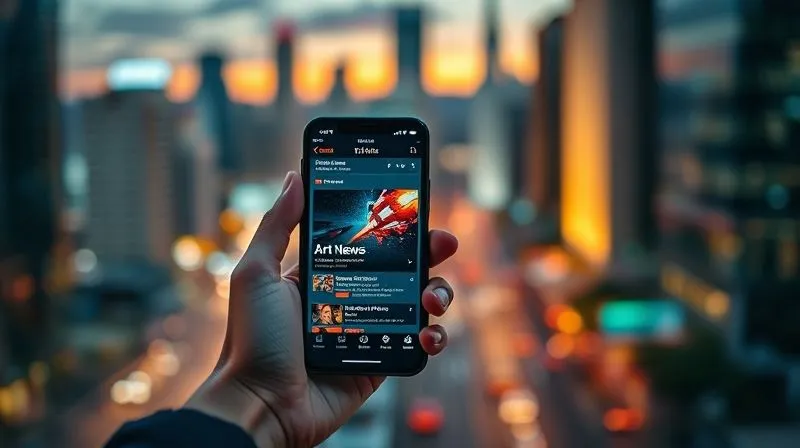
For more insights into leveraging technology in the art market, resources like Artnet News provide invaluable daily updates and analysis, often hinting at upcoming trends and events.
Strategy 7: Becoming a Recognized Contributor or Influencer
This strategy is perhaps the most ambitious but offers the most profound and sustainable form of exclusive access. By actively contributing to the art discourse – as a writer, a blogger, a podcaster, or a knowledgeable social media presence – you can shift from being an observer to a recognized participant. This elevated status often comes with direct invitations to events and exhibitions that are simply not available to the general public.
From Observer to Participant: Elevating Your Status
Galleries, museums, and art fair organizers are constantly seeking to expand their reach and engage new audiences. If you can demonstrate an ability to articulate insightful perspectives, review exhibitions compellingly, or simply generate genuine interest in art through your platform, you become a valuable asset. This isn't about having millions of followers; it's about having an authentic, respected voice.
Consider these avenues:
- Start an Art Blog or Podcast: Share your unique perspective on exhibitions, artists, and art trends. Consistency and quality are key.
- Write for Art Publications: Pitch articles to local or even national art magazines, online journals, or cultural blogs. Even small contributions can build your portfolio and credibility.
- Become an Engaged Social Media Commentator: Use platforms like Instagram, LinkedIn, or X (formerly Twitter) to share informed opinions, engage with artists and institutions, and build a reputation as a knowledgeable voice.
- Volunteer as a Docent or Educator: Directly engaging with art and the public in a formal setting at a museum or gallery can provide deep insights and introduce you to key staff and patrons.
- Support Emerging Artists: Actively seek out and promote emerging artists. Your early support and advocacy can build strong, lasting connections that pay dividends in access as their careers grow.
The credibility you build through these efforts can lead to press passes, invitations to private press viewings, and direct outreach from institutions seeking coverage or collaboration. This isn't a quick fix, but it's arguably the most rewarding path for how to secure exclusive VIP access to sold-out international art exhibitions, transforming you into an insider rather than just an attendee.
Platforms like The Art Newspaper are excellent examples of the kind of authoritative content that gains respect and influence in the art world. Aspiring contributors can learn much from their approach.
Frequently Asked Questions (FAQ)
Q: Is it truly impossible to get VIP access without a massive budget or decades of networking? A: While a large budget and extensive network certainly help, it's not impossible without them. As discussed, strategic relationship building, leveraging mid-tier memberships, and early engagement can open many doors. My case study on Maria demonstrates this. Consistency and genuine passion often outweigh sheer financial power.
Q: How long does it typically take to cultivate relationships strong enough for VIP access? A: This varies greatly depending on your existing connections and the intensity of your engagement. For truly deep-rooted relationships with significant gatekeepers, it could take 1-3 years of consistent effort. However, smaller, more immediate opportunities can arise much faster, within 6-12 months, especially by engaging with local galleries and smaller art organizations.
Q: Are there any ethical concerns with trying to "game" the system for VIP access? A: My strategies are not about "gaming" the system. They are about understanding how the art world genuinely operates and building authentic connections and value. Participating in memberships, supporting institutions, and contributing to the discourse are all ethical and recognized ways to become a more integral part of the art community, earning access through legitimate means, not illicit ones.
Q: What's the biggest mistake people make when trying to get VIP access? A: The biggest mistake I've seen is focusing solely on the "ticket" or "pass" rather than on the underlying relationships and value exchange. People often approach it transactionally or with an immediate expectation of return. The art world values genuine interest, respect, and long-term engagement. Patience and persistence, coupled with a strategic approach, are far more effective than aggressive, short-term tactics.
Q: Can these strategies apply to smaller, local art events as well? A: Absolutely, and in fact, they are often *more* effective at the local level. Building relationships with local gallerists, artists, and museum staff is an excellent starting point. Many international art world figures attend smaller local events to scout talent or stay connected to emerging trends, offering fantastic opportunities to make initial connections that can later scale to larger, international events.
Key Takeaways and Final Thoughts
Securing exclusive VIP access to sold-out international art exhibitions might seem like an elusive dream, but as we’ve explored, it is an attainable goal through a combination of strategic planning, genuine engagement, and persistent effort. It's less about a magic bullet and more about understanding the intricate ecosystem of the art world itself.
- Relationships are Paramount: Invest time in cultivating authentic connections with gallerists, curators, and fellow enthusiasts.
- Strategic Memberships Pay Dividends: Higher-tier institutional memberships offer direct routes to exclusive previews and events.
- Leverage Expert Assistance: Luxury concierges and art advisors can open doors with their established networks.
- Embrace Early Engagement: Proactive research and acting on early intelligence are critical.
- Explore the Periphery: Satellite events and parallel programs offer valuable, often overlooked, opportunities.
- Harness Digital Tools: Stay informed with specialized news, alerts, and online communities.
- Become a Contributor: Elevate your status by actively participating in art discourse.
My hope is that this guide empowers you to move beyond the frustration of missed opportunities and into a world of privileged art experiences. The journey requires patience, passion, and a willingness to engage authentically, but the rewards—unforgettable moments with art, artists, and the vibrant community that surrounds them—are immeasurable. Go forth, connect, and immerse yourself in the art world you've always dreamed of accessing.
Recommended Reading
- 7 Ways to Protect Indigenous Cultural Heritage from Tourism Appropriation
- Best Baking Classes While Traveling Abroad: A Delicious Journey
- Unlocking Global Flavors: How to Truly Appreciate Different Coffee Cultures
- Solo & Social: Your Guide to the Best International Festivals
- 7 Steps: Ethically Filming Sacred Rituals & Gaining Community Trust





Your email address will not be published. Required fields are marked *