

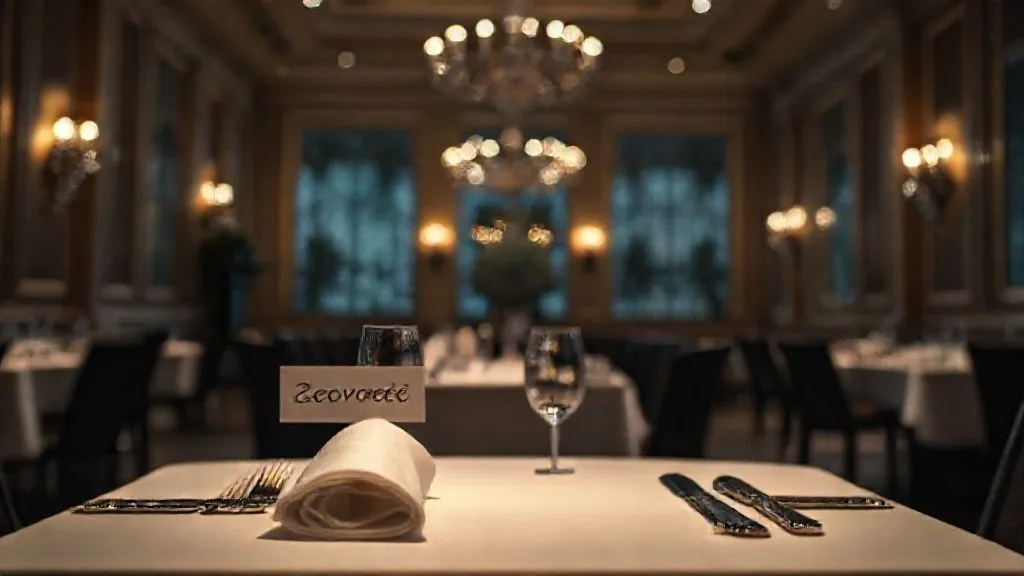
How to Secure Last-Minute Michelin Reservations for VIP Clients?
For over two decades in the luxury travel and high-stakes hospitality sector, I've received countless frantic calls. The scenario is always similar: a top-tier client, a critical business deal, an unexpected visit, and the urgent need for a table at a fully booked Michelin-starred restaurant tonight. It’s a challenge that separates the seasoned professionals from the novices.
The problem isn't just about finding an open slot; it's about understanding the intricate dance of exclusivity, reputation, and relationship management that governs the world of elite dining. Many agents, travel planners, and personal assistants hit brick walls, resorting to endless refreshing of online booking sites, only to be met with disappointment and the potential embarrassment of failing a VIP client.
In this definitive guide, I will share the actionable frameworks, insider strategies, and nuanced approaches I've honed over years of navigating this seemingly impossible terrain. You'll learn not just *what* to do, but *how* to cultivate the relationships and leverage the tactics that consistently unlock those coveted last-minute Michelin reservations for your most discerning VIP clients.
The Unspoken Rules of Michelin Reservations: Beyond OpenTable
Before we dive into tactics, it's crucial to understand the ecosystem. Michelin-starred restaurants operate on a different plane. They're not just serving food; they're curating an experience, upholding a reputation, and managing an incredibly high demand with limited capacity. The 'fully booked' status isn't always absolute; it often means the publicly available inventory is exhausted.
In my experience, many people make the mistake of treating a Michelin reservation like any other restaurant booking. They assume a simple phone call or a standard online request will suffice. This overlooks the deep-seated relationships, the intricate booking systems, and the premium placed on reputation within the hospitality industry. It’s a network-driven world, and understanding this is your first step to success.
Expert Insight: "A Michelin star isn't just about the food; it's about the entire theatrical production. Every seat is a stage, and every reservation is a carefully managed act. Public availability is merely the tip of the iceberg."
Cultivating Your Inner Circle: The Power of Relationships
This is, without a doubt, the most potent weapon in your arsenal. The ability to secure last-minute tables often hinges on the strength of your relationships with key individuals within the restaurant and hospitality industry. These aren't casual acquaintances; these are cultivated, mutually beneficial professional connections.
Building Rapport with Restaurant Management and Head Concierges
I've seen countless times how a personal relationship can open doors no amount of money or online searching ever could. This isn't about bribery; it's about trust, respect, and a history of positive interactions. Think of the General Manager (GM), the Maitre d', or the Head Concierge at top luxury hotels as your primary targets.
- Identify Key Personnel: Research the restaurant. Who is the GM? The Head Sommelier? The Maitre d'? Learn their names and roles.
- Start Early, Not Just When You Need Something: Visit the restaurant for your own dining or client meals when there isn't an urgent need. Introduce yourself. Be gracious, complimentary, and subtly establish your professional role.
- Be a Valued Partner: When you *do* get a reservation, ensure your client is impeccable. They arrive on time, are respectful, and ideally, spend well. A smooth experience reflects positively on you and strengthens your standing.
- Follow Up & Thank: A genuine, personalized thank-you note or email after a successful booking goes a long way. It reinforces the relationship and makes them more likely to assist you again.
- Reciprocity: If you have connections or can offer value in return (e.g., sending high-profile clients their way for future bookings, or insights into other luxury services), do so. It's a two-way street.
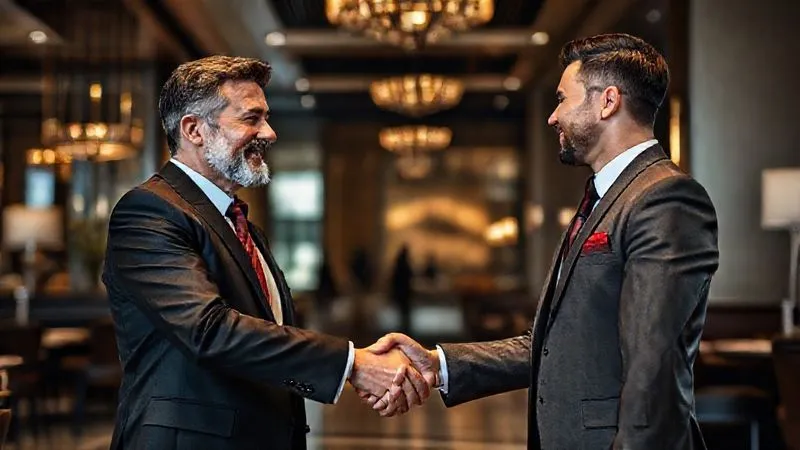
Case Study: How Elevate Concierge Secured a Critical Table
Elevate Concierge, a boutique firm I've advised, faced a monumental challenge. A major tech CEO, flying in unexpectedly from Tokyo, needed a table for four at a three-Michelin-starred restaurant in Paris for a crucial, last-minute deal closure. The restaurant was booked solid for months.
Instead of cold-calling, Elevate's lead concierge, Sarah, leveraged her pre-existing relationship with the restaurant's GM. Over the past year, Sarah had consistently sent well-behaved, high-spending clients to the restaurant and maintained a friendly, professional dialogue. Her approach wasn't demanding; it was a polite, urgent request, emphasizing the importance of the client and the potential for significant future patronage.
The GM, recognizing Sarah's reliability and the caliber of her clients, managed to reconfigure a chef's counter seating arrangement, slightly earlier than typical dinner service, to accommodate the CEO. This not only saved the day but solidified Elevate's reputation and further strengthened Sarah's bond with the restaurant. This resulted in a multi-million-dollar deal for the CEO and ongoing loyalty to Elevate Concierge.
Leveraging Technology and Data: Smart Scouting for Openings
While relationships are paramount, technology plays a crucial supporting role. You need to be aware of every potential avenue for an opening, and sometimes, that means being faster and smarter than the general public. This isn't about hacking systems; it's about optimizing legitimate tools.
Utilizing Online Reservation Platforms Strategically
Most Michelin restaurants use platforms like Tock, Resy, or OpenTable. While they show 'no availability,' this can change. Cancellations happen, especially for highly sought-after tables.
- Set Up Alerts: Many platforms offer notification services. Sign up for alerts for your desired date and party size. Be ready to act *immediately* when an alert comes through.
- Check Multiple Times a Day (Manually and Automated): Cancellations can occur at any hour. I've found that early mornings (when people sober up from late-night bookings) and late afternoons (when plans solidify for the evening) are prime times.
- Explore Different Party Sizes: Sometimes a table for 2 or 4 might open up, even if you need a table for 3. Book the available size and then immediately call the restaurant to see if they can adjust. Be prepared to pay for an 'empty' seat if necessary for a VIP.
- Third-Party Reservation Services: Companies like Concierge.ai or Tablelist (in some markets) specialize in finding and booking hard-to-get tables. They often have direct feeds or relationships that give them an edge.
The Art of the Strategic Follow-Up: Persistence Pays Off
Many give up after the first 'no.' An experienced specialist knows that 'no' often means 'not right now' or 'not through this channel.' Persistence, coupled with politeness and strategic timing, can yield surprising results.
Effective Communication Tactics for Urgent Requests
When you call, don't just ask if there's a table. Provide context, but keep it concise and respectful.
- Be Clear and Concise: State your request immediately: "I'm calling on behalf of [VIP Client Name/Organization] for a last-minute reservation tonight for [number] people."
- Offer Flexibility: "We're flexible on time between [earliest] and [latest], and open to bar seating, a chef's counter, or even private dining if available."
- Highlight the VIP Status (Delicately): "This is a particularly important client/occasion, and we would be immensely grateful for any consideration." Avoid sounding entitled.
- Call at Strategic Times: Often, the best time to call is mid-afternoon (2 PM - 4 PM) when lunch service has wound down, and dinner prep is underway, but before the evening rush. This is when GMs might have a moment to review cancellations or seating charts.
- Don't Harass: A strategic follow-up is not incessant calling. It's a polite check-in, perhaps once or twice a day, or a follow-up email if you've already spoken to someone specific.
Expert Insight: "The most effective follow-up isn't about being loud; it's about being consistently present and polite. It signals your seriousness without becoming a nuisance."
Crafting the VIP Profile: Making Your Client Irresistible
When you're asking a restaurant to bend rules or create space, you need to give them a compelling reason. This means presenting your VIP client in the best possible light, highlighting their value to the establishment.
What Information to Share (and How)
This isn't about bragging; it's about providing relevant details that make the restaurant understand the significance of the booking.
- Client's Profession/Influence: "Chairman of [Major Company]," "Award-winning author," "Globally recognized philanthropist." This hints at potential future business, media attention, or influential word-of-mouth.
- Special Occasion: A significant anniversary, a crucial business closing, a rare visit to the city.
- Previous Patronage: "They've dined with you many times before and always speak highly of the experience." If not, "They are eager to experience your renowned cuisine for the first time."
- Dietary Needs/Preferences (Briefly): Mention any *serious* allergies or critical dietary restrictions. Keep it concise; avoid a long list of minor preferences.
- Discretion: Assure the restaurant that the client values discretion and a seamless experience.
Present this information respectfully and concisely, ideally in a follow-up email after an initial phone call, or during a direct conversation with the GM.
| VIP Profile Element | Why it Matters | How to Communicate |
|---|---|---|
| Client's Influence | Future business, PR, word-of-mouth | 'Chairman of X Corp', 'Renowned artist' |
| Occasion Significance | Emotional connection, memorable experience | 'Crucial business deal', 'Milestone anniversary' |
| Previous Patronage | Demonstrates loyalty/potential for it | 'Frequent diner', 'First-time but highly anticipated' |
| Discretion Needs | Ensures comfortable experience for high-profile clients | 'Values privacy', 'Seeks a discreet table' |
The Ethical 'Workaround': What's Acceptable, What's Not
This is a delicate area. My philosophy has always been to operate with integrity. There are ethical 'workarounds' and then there are practices that can damage your reputation and the client's. The line is often drawn at direct payment for reservations or exploiting staff.
Navigating Concierge Fees and 'Table Brokers'
- Legitimate Concierge Services: Many high-end concierge services (like American Express Platinum Concierge or independent luxury firms) have established relationships and often secure tables through their network. They charge a service fee, which is entirely ethical. They are not buying tables; they are leveraging their network and expertise.
- 'Table Brokers' and Resale Market: Be extremely cautious. Some individuals or platforms attempt to resell reservations at inflated prices. This practice is often against restaurant policy and can lead to cancellations, embarrassment, and a blacklisting for you and your client. I strongly advise against engaging with these.
- Chef's Table/Private Dining: These are often booked separately and might have last-minute availability, especially if they require a minimum spend. They are a legitimate, albeit more expensive, option.
- Offering 'Flexibility Premium': Sometimes, expressing a willingness to dine at an unusual hour (e.g., 5:30 PM or 9:30 PM) or accept a less-desirable table (e.g., by the kitchen entrance) can open doors.
Contingency Planning: When Plan A Fails
Even with the best strategies and relationships, sometimes the impossible remains just that. A true expert always has a Plan B, C, and even D ready. This demonstrates foresight and ensures your VIP client is never left without an exceptional dining experience.
Alternative High-End Dining Solutions
- Sister Restaurants: Many Michelin-starred chefs own or consult for other high-end, often slightly less formal, restaurants. These often share similar culinary philosophies and service standards and might have availability.
- Luxury Hotel Restaurants (Non-Michelin, But Exceptional): Many five-star hotels boast incredible dining rooms that, while not Michelin-starred, offer impeccable service, exquisite food, and a high level of privacy. These are often easier to book last-minute, especially if your client is staying at the hotel.
- Private Chef Experience: For the ultimate last-minute luxury, consider arranging for a renowned private chef to cater a meal at your client's suite or residence. This offers exclusivity and bespoke service without the restaurant reservation hassle.
- Chef's Counter or Bar Seating: Sometimes, a full dining room means no tables, but there might be a few coveted seats at the chef's counter or an elegant bar area that offers the full menu. For some VIPs, this can be an even more unique and engaging experience.
Post-Reservation Protocol: Solidifying the Relationship
Your job isn't done once the reservation is confirmed. The post-reservation phase is critical for reinforcing your reputation and ensuring future success.
Maintaining Excellence and Building for the Future
I've always stressed the importance of follow-through. It’s what distinguishes a one-off success from a sustainable, long-term strategy.
- Confirm with the Client: Double-check all details with your VIP client (time, date, any special requests noted).
- Reconfirm with the Restaurant: A polite call on the day of the reservation, especially for a last-minute booking, confirms attendance and any final details.
- Gather Feedback: After the dining experience, discreetly ask your client for their feedback. This information is invaluable for future bookings and for providing constructive (and polite) feedback to the restaurant if needed.
- Send a Thank You: A personalized thank-you to the GM or Maitre d' (and anyone else who helped) after a successful booking is non-negotiable. It shows appreciation and strengthens your bond. According to a Harvard Business Review article on the psychology of gratitude, expressing thanks can significantly strengthen relationships and foster future cooperation.
- Document & Learn: Keep a detailed log of successful strategies, key contacts, and client preferences. This builds your internal knowledge base and streamlines future urgent requests.
Frequently Asked Questions (FAQ)
Question: Is it ethical to offer a gratuity or 'tip' to secure a last-minute reservation? While a gratuity for exceptional service is standard, offering a direct payment or 'bribe' specifically to secure a reservation when none exists is generally frowned upon and can be unethical. Focus on building genuine relationships and leveraging legitimate concierge services. However, if a reservation is secured through a concierge, a service fee for their expertise is entirely appropriate and expected.
Question: How far in advance should I *really* book a Michelin restaurant for a VIP client? For top-tier, 2-3 Michelin-starred restaurants, especially in major culinary cities, I advise booking 3-6 months in advance for peak times (weekends, holidays). For highly exclusive places like Noma or El Celler de Can Roca, it can be 12-18 months. Last-minute strategies are for emergencies, not standard practice. Planning is always superior.
Question: What if I don't have an established network with restaurant GMs? How do I start? Start small. Dine at these restaurants when you can, even for lunch. Be friendly, observant, and respectful. Introduce yourself as a professional in the luxury travel/concierge space. Follow them on LinkedIn. Send a thoughtful email after a dining experience. Building a network takes time and consistent effort, as highlighted by Forbes' insights on effective networking.
Question: Can I use a credit card's concierge service for these types of bookings? Absolutely. Premium credit card concierge services (e.g., Amex Platinum, Chase Sapphire Reserve) often have dedicated teams and established relationships with high-end restaurants. They can be a fantastic first line of defense, especially for clients who hold those cards. Their success rate for last-minute bookings often depends on their internal network and the specific restaurant.
Question: What's the best approach if the client is extremely private and doesn't want their name used? In such cases, you can use your company's name or a generic 'esteemed guest' reference initially, while still subtly conveying the importance of the booking. Once you've established a rapport with a key contact at the restaurant, you can then discreetly provide more specific (and confidential) details, reassuring them of your client's desire for privacy. Sometimes, booking a private dining room is the best solution for maximum discretion.
Key Takeaways and Final Thoughts
Securing last-minute Michelin reservations for VIP clients is undoubtedly one of the most demanding tasks in luxury hospitality. It's a testament to your resourcefulness, your network, and your ability to navigate the unspoken rules of an exclusive world. It's not about magic; it's about method, dedication, and a deep understanding of human relationships.
- Relationships are Gold: Cultivate genuine connections with restaurant management and luxury hotel concierges. This is your most valuable asset.
- Leverage Technology Smartly: Use alerts and strategic platform checks, but don't rely solely on them.
- Persistence with Politeness: A well-timed, respectful follow-up can often turn a 'no' into a 'yes.'
- Craft a Compelling VIP Profile: Give the restaurant a reason to accommodate your client, highlighting their value without entitlement.
- Always Have a Contingency: Plan B, C, and D ensure your client is always cared for, even if the impossible remains so.
- Follow Through: Post-reservation communication and gratitude cement your reputation for future success.
Remember, every successful last-minute booking isn't just a transaction; it's an opportunity to strengthen a relationship, enhance your reputation, and provide an unforgettable experience for your VIP client. Master these strategies, and you won't just be making reservations; you'll be crafting unparalleled moments of luxury and influence. As industry insiders often emphasize, the best experiences are often those meticulously planned, but the most memorable are sometimes those magically secured at the eleventh hour.
Recommended Reading
- Commercial Flight Chaos? Your 5-Step Guide to Urgent Private Jet Charters
- Unlock Your Potential: How to Train for Extreme Kayaking Expedition Travel
- 7 Pro Strategies: Make Unphotogenic Street Food Look Irresistible
- How to Maximize Budget Excursion Profits & Eliminate Client Complaints
- 7 Ways to Maximize Urban Park Visits on Short City Breaks


Your email address will not be published. Required fields are marked *