


How to Source Authentic Local Festivals for Unique Client Itineraries?
For over two decades in the niche world of festival travel, I've witnessed countless travel planners and agencies make a critical misstep: chasing the obvious, globally-marketed festivals. While popular, these often dilute the very essence of what makes a local celebration special. The true magic, the profound cultural immersion that clients crave, lies hidden in the less-trodden paths.
The challenge, I know, is immense. How do you move beyond the glossy brochures and superficial internet searches to uncover those genuine, soul-stirring local festivals? It's a pain point I hear repeatedly: the fear of recommending a 'tourist trap' instead of an authentic cultural experience, and the sheer difficulty in finding reliable information for truly unique client itineraries.
This article isn't just another guide; it's a deep dive into the strategies, tools, and ethical frameworks I've honed over years of dedicated exploration. I’ll share actionable steps, real-world analogies, and expert insights designed to empower you to confidently source authentic local festivals, transforming your client offerings from ordinary to extraordinary.
Beyond the Brochure: Redefining "Authentic" Festival Travel
When we talk about 'authentic' local festivals, we're not just looking for an event; we're seeking a living, breathing cultural expression. In my experience, authenticity isn't merely about age or origin; it’s about the festival's primary purpose and audience. Is it primarily for local community participation and cultural preservation, or has it been heavily adapted for external tourism?
The pitfalls of commercialized festivals are numerous. They often lead to overcrowded venues, inflated prices, and a diluted cultural experience where the focus shifts from tradition to entertainment. This can leave clients feeling disconnected, having witnessed a performance rather than participated in a genuine celebration.
Authenticity in festival travel is less about pristine preservation and more about genuine community engagement and the festival's intrinsic value to its participants, not just its spectators.
True authenticity means diving into the heart of a community’s traditions, understanding their stories, and respecting their customs. It means offering clients a chance to witness a celebration that holds deep meaning for the people who host it, providing an unparalleled opportunity for deep cultural immersion.

The Foundation: Building a Network of Local Insiders
The single most powerful tool for sourcing authentic festivals is a robust network of local insiders. These are the people on the ground, living and breathing the culture, who know about the celebrations that never make it into mainstream travel guides. I've seen this approach yield incredible results where traditional research methods consistently fail.
Leveraging Local Tourism Boards and Cultural Institutions
While often overlooked for 'hidden gems', local tourism boards, especially at regional or municipal levels, can be invaluable. They often maintain calendars of smaller, community-focused events that don't attract international attention. Similarly, cultural institutions, museums, and universities with anthropology or folklore departments can provide leads to lesser-known traditions.
Reach out directly, explain your mission to promote genuine cultural exchange, and ask for their recommendations beyond the obvious. Frame your inquiry as a partnership for sustainable tourism, rather than just seeking information. This collaborative approach often opens doors.
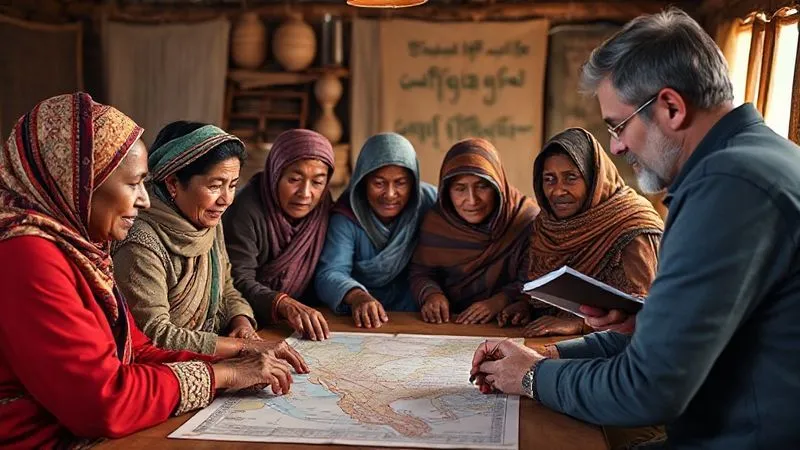
Connecting with Community Leaders and Artisans
This is where the real magic happens. Local elders, spiritual leaders, master artisans, and even small business owners in specific regions are custodians of cultural knowledge. They often participate in or organize the most authentic celebrations. Building relationships with these individuals requires patience, respect, and a genuine interest in their culture.
- Trust Building: Engage in conversations, attend local markets, and show genuine appreciation for their craft and heritage.
- Word-of-Mouth: Once you earn trust, they will often share information about upcoming festivals or traditions that are deeply embedded in their community life.
- Mutual Benefit: Consider how you can support their community, perhaps by featuring local artisans in your itineraries or contributing to cultural preservation efforts.
In my experience, these personal connections are gold. They not only provide information but also offer context and depth that no website ever could. This deep connection is crucial for how to source authentic local festivals for unique client itineraries.
Deep Dive Research: Unearthing Hidden Gems
While local networks are paramount, robust digital and academic research forms the backbone of any successful sourcing strategy. This isn't about quick Google searches, but rather a methodical, investigative approach to uncover cultural events off the beaten path.
Digital Archaeology: Social Media and Niche Forums
Beyond official tourism channels, the internet is a vast repository of community-generated content. I often start by exploring local Facebook groups, regional Instagram hashtags, and niche online forums dedicated to specific cultural practices or regions. Look for posts from local residents, not just travel influencers.
- Language-Specific Searches: Use local languages for your search queries. Google Translate can be a starting point, but consider hiring a local translator for more nuanced searches.
- Event Listings for Locals: Hunt for local event calendars, community newsletters, or university cultural department announcements. These are often in the local language and cater exclusively to residents.
- Geo-Specific Hashtags: On platforms like Instagram or Twitter, explore hashtags related to specific towns, villages, or even local cultural terms. This can reveal real-time activities and celebrations.
Academic Resources and Ethnographic Studies
For a truly deep understanding and to identify ancient or rarely performed rituals, academic resources are invaluable. University libraries often house ethnographic studies, folklore archives, and theses on regional cultures. These papers can detail specific festivals, their historical significance, and traditional dates, which might not be publicly advertised.
Look for publications by local universities or cultural research institutes. These often contain references to obscure traditions that are still celebrated in small communities. A great starting point is exploring UNESCO's Intangible Cultural Heritage lists, which often link to detailed descriptions and local organizations involved in their preservation. UNESCO Intangible Cultural Heritage is an excellent resource.
The Power of Local News Archives and Blogs
Old news articles or local community blogs can be a goldmine. They often report on annual festivals, village fairs, or traditional ceremonies that are not widely publicized. Search local newspaper archives (many are digitized) using keywords in the local language. Blogs by expatriates living in the region or by local cultural enthusiasts can also offer candid, insider perspectives on upcoming or past events.
Remember, the goal is to find information that isn't curated for the international tourist. This meticulous 'digital archaeology' is a crucial step in understanding how to source authentic local festivals for unique client itineraries.
Ethical Sourcing & Sustainable Practices: A Non-Negotiable Imperative
As an industry specialist, I cannot stress enough the importance of ethical sourcing and sustainable practices. True authenticity goes hand-in-hand with respect for the local community and environment. In my years, I've seen the damage done by exploitative tourism, and it's something we, as responsible travel planners, must actively avoid.
Ensuring Community Benefit and Respectful Engagement
When you identify a potential festival, ask critical questions: Who benefits financially? Is the community genuinely welcoming of outsiders, or are they tolerating them for economic gain? Prioritize festivals where tourism contributes positively to the local economy, supports local artisans, and empowers community members. Engagement should be respectful, observational, and never intrusive.
Avoiding Cultural Appropriation and Exploitation
It's vital to educate clients on appropriate behavior, dress codes, and photography etiquette. Festivals are not staged performances; they are often sacred or deeply meaningful events. We must ensure our presence doesn't diminish the cultural significance or exploit the local people for a 'photo opportunity'. This means avoiding practices that encourage locals to perform for money or alter their traditions for tourist appeal.
Responsible festival travel isn't just about finding the authentic; it's about preserving it for future generations and ensuring our clients' presence enriches, rather than diminishes, the local culture.
| Aspect | Consideration | Rating (1-5) |
|---|---|---|
| Community Benefit | Does the festival directly support local economy and artisans? | 4 |
| Cultural Preservation | Does it respect and preserve local traditions, avoiding commodification? | 5 |
| Environmental Impact | Are sustainable practices (waste, resources) in place? | 3 |
| Authenticity | Is it primarily for local participation, not just tourists? | 5 |
| Inclusivity | Are all community members welcome and represented? | 4 |
Vetting & Validation: Separating Fact from Fiction
Once you’ve identified potential authentic local festivals, the next critical step is thorough vetting. Information, especially for lesser-known events, can be scarce, outdated, or even misleading. My experience has taught me to be relentlessly skeptical and meticulous in this phase.
Cross-Referencing Multiple Sources
Never rely on a single source of information. Cross-reference every detail – dates, location, activities, and local contact information – across as many independent sources as possible. This includes local news archives, community websites, social media discussions, and direct communication with local contacts. Discrepancies are red flags that require further investigation.
Direct Communication with Organizers
Where possible, establish direct contact with festival organizers or community leaders. This is often the most reliable way to confirm details, understand the festival's nuances, and gauge its suitability for your clients. Be prepared for language barriers and cultural differences in communication styles. A local liaison or translator can be indispensable here.
Case Study: How Journeys Unbound Discovered the "Whispers of the Wind" Festival
Journeys Unbound, a bespoke travel agency, struggled to find a unique, genuinely local celebration in rural Mongolia for a client interested in nomadic culture. Initial online searches yielded only generic Naadam Festival dates. By applying the deep dive research techniques, they uncovered mentions of a smaller, regional 'Whispers of the Wind' festival focusing on horse whispering and traditional storytelling, found in an academic paper from a Mongolian university. They then leveraged a local contact, a cultural anthropologist, to confirm dates, logistics, and the festival's deep community roots. This direct vetting ensured the festival was truly authentic and not a tourist spectacle. The result? An incredibly unique client itinerary that delivered an unparalleled cultural experience, far exceeding the client's expectations and solidifying Journeys Unbound's reputation for authentic travel.
This rigorous vetting process is key to ensuring you deliver on the promise of authentic experiences. For more insights on responsible vetting, consider resources from organizations like the Global Sustainable Tourism Council: Global Sustainable Tourism Council.
Crafting the Itinerary: Integrating Festivals Seamlessly
Sourcing an authentic festival is only half the battle; integrating it into a cohesive, enriching itinerary is where your expertise truly shines. It’s about creating a narrative around the festival, not just slotting it in as a standalone event. This is how you transform a visit into a profound journey.
Pre-Festival Immersion: Workshops and Local Homestays
To deepen the client's experience, consider activities that prepare them for the festival. This could involve pre-festival workshops on local crafts, language basics, or culinary traditions. A short homestay in the community leading up to the event can also provide invaluable context and build connections, making the festival itself far more meaningful. This immersion helps clients understand the festival's significance.
Post-Festival Reflection: Local Cuisine and Artisan Visits
After the festival, allow for time to process the experience. This could involve enjoying local cuisine, visiting the workshops of local artisans whose crafts were featured in the festival, or engaging in discussions with community members. These activities help clients reflect on what they’ve witnessed and provide a gentle transition back from the intense cultural experience.
- Contextualize: Provide clients with background information on the festival's history, rituals, and significance before they arrive.
- Pacing: Avoid over-scheduling. Authentic festivals can be intense; allow for downtime and spontaneous exploration.
- Local Support: Arrange for local guides or hosts who can offer explanations, facilitate interactions, and navigate cultural nuances during the festival.
- Logistics: Pay meticulous attention to transportation, accommodation (which might be basic), and food, especially in remote areas.
Seamless integration ensures that the festival isn't just a highlight but an integral part of a richer, more meaningful travel narrative. This strategic approach elevates your ability to source authentic local festivals for unique client itineraries.
Client Communication & Expectation Management
When dealing with authentic, often remote, local festivals, managing client expectations is paramount. These experiences rarely align with the polished, predictable nature of mainstream tourism. Clear, honest communication builds trust and prepares clients for a truly immersive, albeit sometimes challenging, adventure.
Educating Clients on Cultural Nuances
Provide detailed pre-departure briefings on cultural etiquette, dress codes, photography guidelines, and local customs. Explain that these are not performances but genuine community celebrations, and respectful observation is key. Highlight the 'why' behind certain traditions to foster a deeper appreciation.
Managing Logistics for Remote Locations
Be transparent about accommodation standards, transportation challenges, and potential lack of modern amenities. Explain that part of the authenticity comes from experiencing life as locals do, which might mean simpler lodgings, shared facilities, or less predictable schedules. Prepare them for potential language barriers and the need for flexibility.
Authenticity often comes with a degree of unpredictability. Your role is to prepare clients for this beautiful reality, not to shield them from it.
By setting realistic expectations, you empower clients to embrace the experience fully, minimizing potential disappointments and maximizing their appreciation for the cultural immersion. This proactive communication is crucial when you source authentic local festivals for unique client itineraries.
| Topic | Key Message | Method |
|---|---|---|
| Cultural Sensitivity | Emphasize respectful observation, local customs, and appropriate attire. | Pre-departure briefing, detailed guide |
| Logistical Realities | Prepare for basic amenities, potential delays, and flexibility. | Detailed itinerary, contingency plans |
| Authenticity vs. Comfort | Set expectations that authentic experiences may lack luxury amenities. | Open discussion, transparent descriptions |
| Participation Level | Clarify opportunities for passive observation vs. active involvement. | Itinerary notes, optional activities |
| Responsible Tourism | Highlight the positive impact of their visit on the local community. | Educational materials, ethical guidelines |
Leveraging Technology: Tools for Discovery and Management
While personal connections and boots-on-the-ground research are irreplaceable, technology can significantly enhance your ability to source and manage authentic festival information. It acts as a powerful complement, not a replacement, for human interaction.
Geospatial Data and Mapping Tools
Tools like Google Earth Pro or specialized mapping software can help you visualize remote locations, identify travel routes, and even spot potential festival grounds. Satellite imagery can reveal patterns of settlement, agricultural cycles, or natural features that might influence local celebrations. Overlaying historical data or population density maps can also provide clues about potential cultural hubs.
These tools are particularly useful for understanding the geographical context of a festival and planning the logistics of getting clients to and from often remote venues. They help you piece together the puzzle of 'where' and 'how' a celebration unfolds.
CRM Systems for Festival Tracking
A robust Customer Relationship Management (CRM) system can be adapted to track festival information. Instead of just client data, you can create custom fields for festival dates (fixed or lunar-based), local contacts, logistical notes, cultural sensitivities, and even past client feedback. This centralized database becomes an invaluable asset over time, ensuring you don't lose vital information.
This systematic approach to data management allows you to build a proprietary library of authentic festivals, continually refined and updated with each new discovery. This structured data is key to consistently delivering unique client itineraries. For further reading on leveraging technology in travel planning, check out insights from industry leaders like Skift: Skift.

Frequently Asked Questions (FAQ)
How do I ensure the festival isn't just a tourist trap? The best way is through rigorous vetting: cross-reference information from local, non-tourism-focused sources (community blogs, academic papers), establish direct contact with local organizers, and ideally, have a trusted local contact confirm the festival's primary purpose and audience. Authentic festivals are primarily for locals; tourist activities are secondary or non-existent.
What if the festival dates aren't fixed or are hard to confirm? Many authentic local festivals follow lunar calendars, agricultural cycles, or specific religious observances, making dates variable. Your local network is crucial here. They can often provide projected dates or historical patterns. Be transparent with clients that dates may shift, and build flexibility into the itinerary. Always confirm closer to the travel date.
How can I manage client expectations for festivals in remote areas? Honest, detailed pre-departure communication is key. Explain that 'authentic' often means simpler accommodations, basic amenities, and potentially less predictable logistics. Emphasize the unique cultural reward outweighs the lack of luxury. Provide packing lists tailored to the environment and cultural context, and ensure they understand the importance of respectful behavior.
What are the biggest ethical considerations when sourcing local festivals? The primary considerations are ensuring community benefit, avoiding cultural exploitation or appropriation, and minimizing environmental impact. Ensure your presence doesn't commercialize or dilute the festival's meaning. Always seek permission before photography, dress respectfully, and contribute positively to the local economy.
Is it always necessary to visit a festival personally before recommending it? While a personal visit provides the deepest understanding and trust, it's not always feasible. If you cannot visit, rely heavily on your local network for on-the-ground verification, detailed reports, and recent photographs or videos. Build relationships with local tour operators or guides who can act as your eyes and ears, providing real-time insights and feedback.
Key Takeaways and Final Thoughts
Sourcing authentic local festivals for unique client itineraries is not a task for the faint of heart, but it is immensely rewarding. It demands patience, respect, meticulous research, and a genuine commitment to ethical tourism. The journey from a generic travel offering to a truly transformative cultural immersion is paved with these principles.
- Prioritize Local Networks: Build deep, respectful relationships with community leaders and cultural custodians.
- Research Relentlessly: Go beyond surface-level searches into academic papers, local archives, and niche online communities.
- Embed Ethics: Always ensure your sourcing benefits the local community and preserves cultural integrity.
- Vet Thoroughly: Cross-reference all information and establish direct contact with organizers.
- Manage Expectations: Prepare clients for the realities of authentic travel, emphasizing flexibility and cultural sensitivity.
By embracing these strategies, you're not just selling trips; you're curating unparalleled experiences that enrich lives and foster genuine cross-cultural understanding. This commitment to authenticity will not only differentiate your offerings but also contribute positively to the global tapestry of cultural exchange. Go forth, explore, and uncover the world’s hidden celebrations – your clients are waiting for the journey of a lifetime.
Recommended Reading
- 7 Proven Strategies: VIP Privacy on Popular Tropical Beaches
- 5 Proven Pathways: Unearthing Exclusive Villas for Elite Clients
- 7 Proven Strategies: Stop Kids Fighting on Long Family Drives
- Uncover the Soul: Where to Experience Traditional Music on Cultural Trips?
- 7 Steps to Truly Verify Accessibility for Senior Clients with Special Needs





Your email address will not be published. Required fields are marked *