

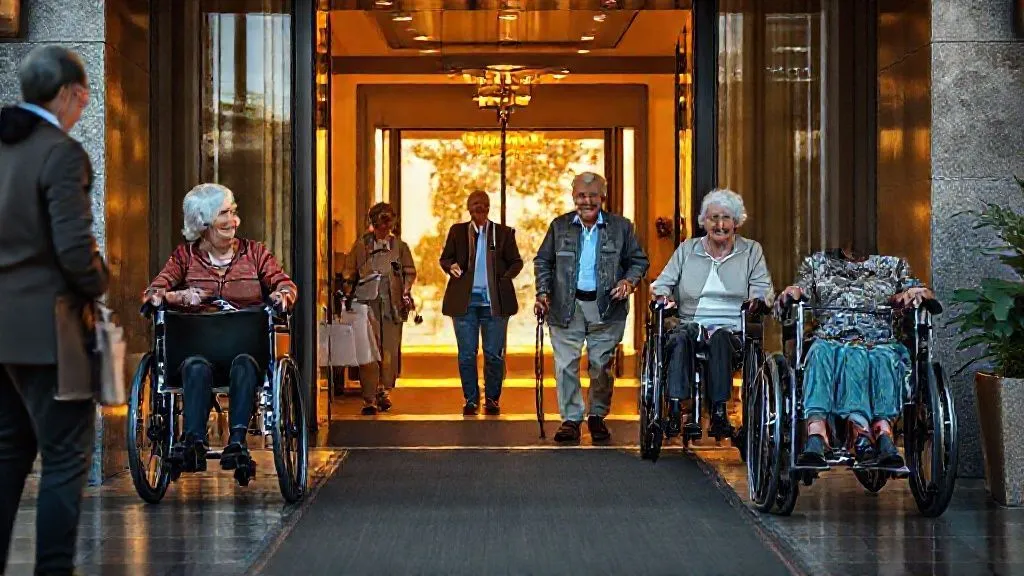
Verify True Accessibility for Senior Clients with Special Needs? Here's How.
For over 15 years in the accessible travel niche, I've seen countless families embark on what they believed would be a dream vacation, only to have it turn into a nightmare of unexpected barriers and profound disappointment. I recall a lovely couple, both in their late 70s, one using a power wheelchair, who arrived at a highly-rated 'accessible' resort in Mexico, only to find the accessible room was on the third floor with no working elevator, and the 'roll-in shower' had a 6-inch lip. Their faces, etched with exhaustion and frustration, are a memory that fuels my commitment to genuine verification.
This isn't just about minor inconveniences; it's about dignity, safety, and the fundamental right to experience the world without unnecessary struggle. The problem isn't always malicious intent; often, it's a profound misunderstanding of what 'accessible' truly means from the perspective of a senior with specific mobility or health needs. Many travel providers, with the best intentions, simply lack the granular understanding required, leading to promises that fall short of reality.
In this definitive guide, I will share my hard-won expertise and a robust, 7-step framework designed to meticulously verify true accessibility for senior clients with special needs. You'll gain actionable strategies, learn to ask the right questions, and discover how to leverage technology and on-the-ground resources to ensure every trip is not just possible, but truly enjoyable and barrier-free.
The Crucial Difference: 'Accessible' vs. 'Truly Accessible'
The term 'accessible' is thrown around quite liberally in the travel industry. What often passes for accessibility might meet minimal legal requirements, such as those stipulated by the Americans with Disabilities Act (ADA) in the US, but it frequently falls short of providing a genuinely comfortable, dignified, and independent experience for seniors with varied needs. I've found that legal compliance is merely the starting point, not the finish line.
True accessibility goes beyond a ramp or a grab bar. It encompasses the entire user journey: from airport assistance that actually materializes, to hotel staff trained in sensitivity and practical support, to excursions that genuinely accommodate mobility devices. It considers the height of a bed, the force required to open a door, the availability of a shower chair, and the gradient of a pathway. It's about foresight and empathy, anticipating challenges before they arise.
Ignoring this distinction leads to significant emotional and financial costs. A client's vacation can be ruined, leading to negative reviews, lost trust, and a damaged reputation. More importantly, it can deter seniors with special needs from traveling altogether, denying them enriching experiences. My mission, and what I hope becomes yours, is to bridge this gap between advertised accessibility and lived reality.
Beyond the Brochure: My 7-Step Framework to Verify True Accessibility
This framework is the culmination of years of navigating the complexities of accessible travel. It's designed to be systematic, thorough, and ultimately, foolproof.
Step 1: Deep Dive into Medical & Mobility Needs
This is where everything begins. You cannot verify accessibility if you don't fully understand what accessibility means for *that specific client*. I always conduct a detailed consultation.
- Comprehensive Needs Assessment: Go beyond asking 'Do you need a wheelchair?' Inquire about specific conditions (e.g., Parkinson's, limited dexterity, visual impairment, hearing loss, chronic pain), type of mobility aid (manual wheelchair, power chair, scooter, walker, cane), and any medical equipment (oxygen concentrator, CPAP machine, dialysis needs).
- Daily Living Activities: Understand their typical day. What are their challenges at home? Do they need assistance with bathing, dressing, or transfers? This provides critical insight into what to look for in accommodations and services.
- Emergency Protocols: Discuss their medical contacts, preferred hospitals, and any emergency medication. Ensure you have this information readily available and understand how to communicate it effectively.
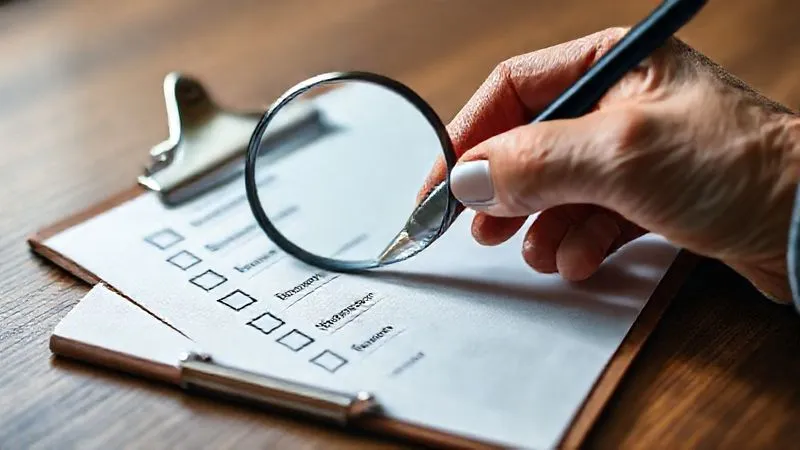
Step 2: The Pre-Arrival Accessibility Audit Checklist
Once you know the client's needs, you can create a tailored checklist. This isn't a generic list; it's customized for each trip. I've developed a comprehensive one over time, focusing on granular details.
- Entrance & Pathways: Are ramps gentle (not steeper than 1:12 ratio)? Are doorways wide enough (minimum 32 inches clear width, ideally 36+ for power chairs)? Are pathways clear, level, and non-slip?
- Room Specifics: Confirm bed height (ideally 20-23 inches from floor for easy transfers), clear floor space for maneuverability, light switch and thermostat accessibility, and emergency call buttons.
- Bathroom Details: This is often the biggest failure point. Is it a true roll-in shower with a seat and handheld nozzle? Are grab bars available by the toilet and shower, and are they reinforced? What is the toilet height? Is there adequate clear space for a wheelchair to turn?
- Public Areas: Are common areas (restaurants, pools, gyms, reception) accessible? Are elevators spacious and easy to operate?
Here’s a snapshot of critical features to verify:
| Feature | Standard Requirement | Senior/Mobility Needs | Verification Tip |
|---|---|---|---|
| Door Widths | 32 inches (minimum) | 36 inches (ideal for wheelchairs) | Request exact measurements, photos |
| Bathroom Grab Bars | Near toilet/shower | Reinforced, strategically placed, multiple options | Ask for placement diagrams, weight capacity |
| Shower Type | Tub with grab bars | Roll-in shower with seat, handheld nozzle | Confirm height of lip, availability of shower chair |
| Bed Height | Standard hotel bed | Adjustable or lower beds (20-23 inches from floor) | Specify preferred height, inquire about bed raisers/removers |
| Pathways/Ramps | ADA compliant slopes | Gentle slopes, non-slip surfaces, handrails on both sides | Request gradient information, confirm surface material |
Step 3: Direct Communication: Asking the Right Questions
Do not rely solely on website descriptions. I always pick up the phone. But it's not just about calling; it's about knowing *who* to call and *what* to ask. I bypass general reservations and ask for the general manager or the department responsible for accessibility.
- Specific, Granular Questions: Instead of 'Is your hotel accessible?' ask 'What is the clear width of the accessible room doorway?' or 'Does the roll-in shower have a lip, and if so, what is its height?' Ask about grab bar placement relative to the toilet, not just if they exist.
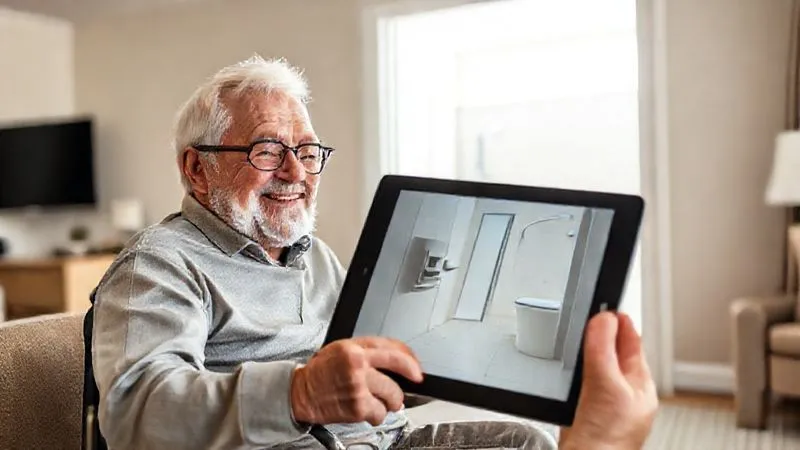
- Request Photos/Videos: Request recent, unedited photos or short video clips of the exact accessible room, bathroom, and relevant public areas. Emphasize that these are for a client with specific needs and visual verification is critical.
- Staff Training: Inquire about staff training regarding guests with disabilities. Are they trained in transfers, communication with visually/hearing-impaired guests, or handling medical emergencies?
Step 4: Leveraging Technology & Virtual Tours for Verification
Technology is an invaluable tool in your arsenal for initial verification and visual confirmation.
- Google Street View & Satellite Imagery: Use these to assess exterior pathways, entrance ramps, parking lot accessibility, and the proximity to accessible attractions.
- Hotel/Venue Virtual Tours: Many modern properties offer 360-degree virtual tours. While not always perfect, they can provide a good sense of space and layout. Look for actual accessible rooms, not just standard ones.
- Online Reviews & Forums: Scour reviews on sites like TripAdvisor, specifically looking for mentions of accessibility (both positive and negative) from other travelers with similar needs. Accessible travel forums can be goldmines of real-world experiences.
- Accessibility Apps: There are emerging apps specifically designed for finding and reviewing accessible locations. While still developing, they can offer valuable crowdsourced data.
Step 5: On-the-Ground Verification: Local Contacts & Scouts
Sometimes, nothing beats having eyes on the ground. This is where my network truly shines.
- Local Disability Organizations: Reach out to local disability advocacy groups or non-profits in the destination. They often have firsthand knowledge of truly accessible venues and can offer invaluable insights or even conduct site visits for a fee.
- Trusted Local Partners: If you have established relationships with local tour operators or concierges, ask them to personally inspect the facilities with your checklist in hand. Offer to compensate them for their time.
- Crowdsourcing on Social Media: Sometimes, a polite request in a relevant Facebook group for accessible travel can yield helpful information from individuals who have recently visited the location.
Step 6: Understanding Transportation Nuances
Getting to and from the destination, and navigating within it, is as critical as the accommodation itself.
- Air Travel: Understand airline policies for wheelchairs, oxygen, and personal care attendants. Pre-book assistance (WCHR codes) and confirm it with the airline 72 and 24 hours prior to departure. Ensure the client's mobility device dimensions are confirmed and that it can be safely stored.
- Cruise Ships: Accessible cabins vary wildly. Verify door widths, bathroom layouts, and balcony accessibility. Inquire about tender port accessibility versus direct docking, and accessible shore excursions. Major cruise lines often have dedicated accessibility departments; utilize them.
- Ground Transportation: Pre-arrange accessible taxis, vans, or private transfers. Confirm the vehicle type, ramp/lift functionality, and driver's familiarity with assisting seniors with special needs. Public transport in many cities is becoming more accessible, but always verify specific routes.
To ensure seamless transitions, here’s a summary of key transportation considerations:
| Mode of Transport | Key Considerations | Verification Steps |
|---|---|---|
| Air Travel | Wheelchair assistance, accessible lavatories, seat assignments, oxygen policies | Pre-book assistance (WCHR codes), confirm specific aircraft features, review airline's disability policy |
| Cruise Ships | Accessible cabins, gangway accessibility, shore excursion options, medical services | Confirm cabin dimensions, bathroom features, tender vs. port docking, review excursion accessibility |
| Ground Transfers | Accessible vans/taxis, space for equipment, trained drivers | Pre-arrange with verified accessible transport providers, confirm vehicle type and ramp/lift functionality |
| Trains/Buses | Ramp/lift access, designated seating, onboard accessible restrooms | Check specific route/vehicle accessibility, confirm station assistance, inquire about luggage handling |
Step 7: Contingency Planning and Support Systems
Even with the most rigorous verification, unexpected issues can arise. A robust contingency plan is vital for peace of mind.
- Emergency Contacts & Medical Information: Provide the client with a laminated card containing all emergency contacts, medical conditions, medications, and allergies in the local language if applicable. Keep a copy yourself.
- Local Medical Resources: Identify accessible hospitals, pharmacies, and urgent care clinics at the destination. Know how to contact emergency services.
- Backup Equipment & Repairs: Advise clients on bringing essential spare parts for mobility aids (e.g., extra battery, tire repair kit). Identify local repair shops for wheelchairs or scooters.
- Communication Plan: Establish a clear communication plan with the client for regular check-ins or in case of an emergency.
"True accessibility is not just about removing physical barriers; it's about building bridges of trust and understanding, ensuring every senior traveler can embark on their journey with confidence and joy."
Navigating Common Pitfalls: What Most Travel Agents Miss
Even experienced agents can stumble if they're not hyper-vigilant in this niche. I've seen these mistakes countless times.
- Assuming 'New' Means 'Accessible': A brand new hotel might have shiny new facilities, but if accessibility wasn't a core design principle, it might still have subtle barriers.
- Relying on Outdated Information: Accessibility features can change. A hotel might undergo renovations, or staff might turn over. Always verify current conditions.
- Language Barriers: When communicating with international properties, ensure that specific accessibility terms are understood. What 'accessible' means in one language might be different in another.
- Underestimating the 'Last Mile': Even if the flight and hotel are perfect, getting from the airport to the hotel, or from the hotel to an attraction, can be a major hurdle if not properly vetted.
- Not Factoring in Fatigue: Seniors, especially those with special needs, tire more easily. Pacing, shorter travel days, and opportunities for rest are crucial considerations often overlooked.
As Forbes highlights, the accessible travel market is booming, yet the industry still needs to significantly improve its offerings and verification processes.
The ROI of True Accessibility: Beyond Just Compliance
Investing this level of effort into verifying accessibility isn't just about being a good human being; it's smart business. The return on investment is substantial and multifaceted.
- Unwavering Client Loyalty: When you consistently deliver seamless, truly accessible experiences, you earn clients for life. They will trust you implicitly and refer others.
- Positive Word-of-Mouth & Reviews: Satisfied clients in the accessible travel niche are often passionate advocates. Their positive reviews and stories become your most powerful marketing tool.
- Access to a Growing Market: The senior population is growing, and with it, the demand for accessible travel. By specializing and excelling here, you tap into a lucrative and underserved market segment.
- Enhanced Reputation & Brand Authority: You establish yourself as a leading expert in a critical, ethical, and complex area of travel. This builds immense authority and trust within the industry and among consumers.
Case Study: A Seamless Alaskan Cruise for the Miller Family
The Miller family approached me with a significant challenge: planning an Alaskan cruise for their matriarch, Mrs. Miller, who relied on a power wheelchair and required specific dietary accommodations due to a medical condition. They had previously attempted a trip that ended in frustration due to miscommunicated accessibility needs.
I applied my 7-step framework rigorously. For Step 1, I had an in-depth consultation with Mrs. Miller and her daughter, detailing not only her mobility needs but also her specific dietary restrictions and medication schedule. For Step 2 & 3, I requested detailed photos and exact measurements of multiple accessible cabin options on several cruise lines, specifically focusing on bathroom roll-in shower dimensions and clear floor space. I spoke directly with the cruise line's accessibility coordinator, not just a general agent, to confirm gangway accessibility at each port and the availability of accessible tenders for specific shore excursions.
For Step 6, I pre-arranged accessible airport transfers and confirmed that the airline was fully aware of her power chair and assistance needs. Finally, for Step 7, I provided them with a comprehensive itinerary detailing accessible pathways, emergency contacts in each port, and even identified local medical facilities. The cruise line's culinary team was briefed months in advance on her dietary needs.
The result? The Miller family reported a truly magical, stress-free vacation. Mrs. Miller was able to participate in nearly all desired activities, her dietary needs were perfectly met, and the accessible cabin exceeded expectations. Her daughter wrote to me, saying, "This was the first time in years we truly relaxed. Your attention to detail made all the difference. We're already planning our next accessible adventure with you!" This success story reinforced the profound impact of genuine accessibility verification.
Empowering Seniors: Fostering Independence Through Verified Accessibility
The ultimate goal of verifying true accessibility for senior clients with special needs is to empower them. It's about giving them back their independence, their freedom to explore, and the joy of travel that many might believe is no longer an option. When accessibility is truly seamless, the focus shifts from navigating barriers to experiencing the destination itself.
I believe that every senior, regardless of their physical capabilities, deserves the opportunity to create new memories, visit loved ones, or simply enjoy a change of scenery. By becoming an expert in this niche, you don't just sell trips; you facilitate life-enriching experiences. You become a trusted advocate, a problem-solver, and a gateway to a world that might otherwise seem out of reach. This commitment elevates your role far beyond that of a mere travel agent.
Frequently Asked Questions (FAQ)
Q: What if a destination claims accessibility but I'm still unsure after my initial checks? A: If you have lingering doubts, it's crucial to err on the side of caution. Consider reaching out to local disability organizations or trusted on-the-ground contacts for a personal inspection. If that's not feasible, present your findings and concerns transparently to your client, offering alternative, more reliably verified destinations. Sometimes, it's better to pivot than to risk a ruined trip.
Q: How far in advance should I start planning accessible travel for seniors? A: For senior clients with special needs, I recommend starting planning significantly earlier than for typical travel. Ideally, 9-12 months in advance for complex international trips or popular cruises. This allows ample time for thorough verification, securing truly accessible accommodations and transportation, arranging medical equipment, and coordinating any necessary personal care services.
Q: Are there specific certifications I should look for in accessible accommodations or tour operators? A: While global universal certifications are still evolving, look for properties that explicitly state compliance with national accessibility standards (e.g., ADA in the US, EN 301 549 in Europe). Some organizations, like the Society for Accessible Travel & Hospitality (SATH), offer resources. Always cross-reference any claims with your own detailed verification process, as certifications alone don't always guarantee true user experience.
Q: What's the biggest mistake agents make regarding senior accessible travel? A: The single biggest mistake is making assumptions or relying on generic 'accessible' labels. Agents often fail to ask granular, specific questions about a client's individual needs and then don't follow up with meticulous, detailed verification. This leads to a disconnect between perceived accessibility and the client's actual experience.
Q: How do I handle unexpected accessibility issues that arise during a client's trip? A: Even with the best planning, issues can occur. Your role shifts to immediate problem-solving. First, remain calm and empathetic. Contact the property/provider directly, referencing your prior verification. Leverage your established contingency plan, utilizing local contacts for alternative solutions. Always communicate proactively with your client, offering support and finding the quickest, most dignified resolution. Having travel insurance that covers such disruptions is also vital.
Key Takeaways and Final Thoughts
Mastering the art of verifying true accessibility for senior clients with special needs is a journey, not a destination. It requires dedication, empathy, and an unwavering commitment to detail. Here are the critical takeaways:
- Beyond Compliance: True accessibility transcends minimal legal requirements, focusing on the holistic user experience.
- Client-Centric Approach: Begin with a deep understanding of each client's unique medical and mobility needs.
- Systematic Verification: Implement a rigorous 7-step framework, combining detailed checklists, direct communication, and technological tools.
- On-the-Ground Intelligence: Leverage local contacts and networks for invaluable firsthand verification.
- Robust Contingency: Always have a plan for unexpected challenges, ensuring client safety and peace of mind.
- Ethical & Profitable: This specialization builds immense trust, loyalty, and opens doors to a rapidly growing market.
As an industry veteran, I can confidently say that the satisfaction of enabling a senior client with special needs to experience the joy of travel is unparalleled. It's a testament to the power of thoughtful planning and genuine care. Embrace this challenge, refine your process, and become the trusted expert who truly understands how to verify true accessibility for senior clients with special needs, opening up a world of possibilities for those who deserve it most. Your dedication makes a profound difference.
Recommended Reading
- The Insider's Playbook: How to Find Private Luxury Seaside Escapes When All Seem Booked?
- 7 Proven Strategies: Halting Revenue Loss from Cruise Cancellations
- Mastering Space Law: A 5-Step Framework for Commercial Lunar Landers
- Ultimate Guide: How to Protect Delicate Local Crafts While Traveling
- 5 Proven Strategies: Break Your Language Plateau Abroad & Speak Fluently




Your email address will not be published. Required fields are marked *