

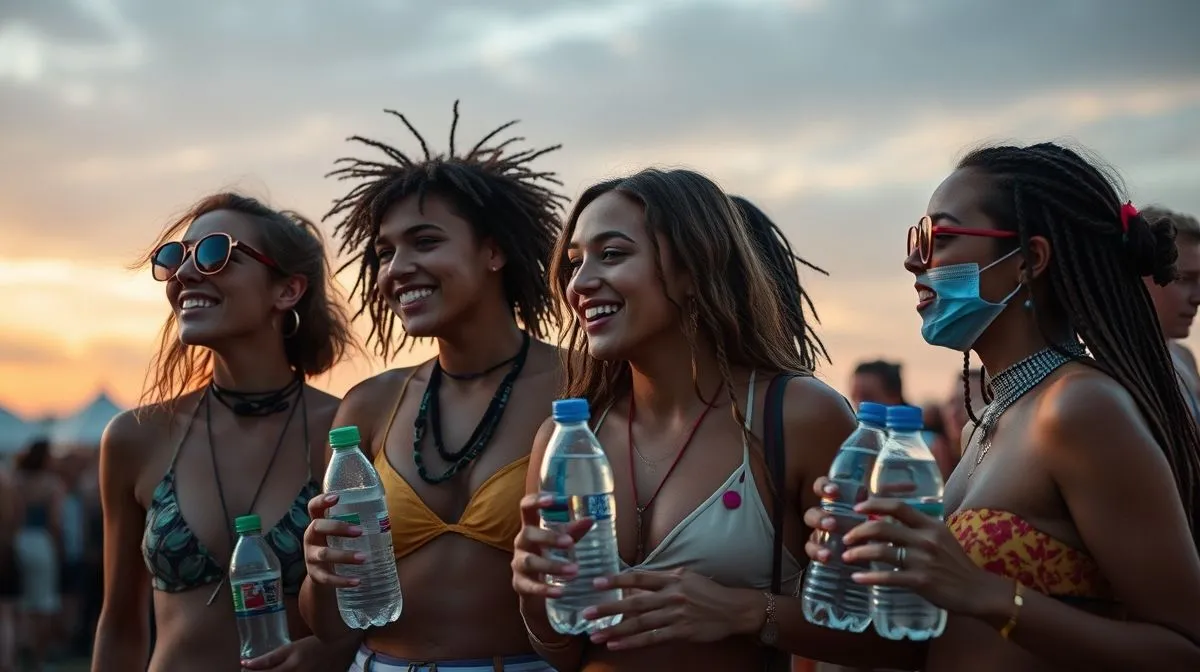
How to Stay Safe at Multi-Day Dance Festivals: Your Ultimate Guide
Imagine a world where music pulses through your veins, vibrant lights paint the night sky, and thousands of like-minded souls dance in unison. Multi-day dance festivals are more than just events; they are immersive experiences, temporary utopias where freedom and self-expression reign supreme. They offer an unparalleled escape, a chance to forge unforgettable memories and connections that last a lifetime.
However, beneath the dazzling spectacle and euphoric atmosphere lies a unique set of challenges. The prolonged exposure to large crowds, often intense physical activity, varying weather conditions, and the potential for substance use can pose significant risks to one's health and safety. The question then becomes: how do you navigate these exhilarating yet demanding environments without compromising your well-being?
This comprehensive guide is designed to equip you with the knowledge and practical strategies needed to not only survive but truly thrive at multi-day dance festivals. From meticulous preparation to on-site awareness and emergency protocols, we will explore every facet of festival safety, ensuring your experience is as secure as it is spectacular.
The Foundation of Festival Safety: Preparation is Key
The success of any multi-day festival experience, particularly concerning your safety, hinges significantly on the preparation you undertake before you even step foot onto the festival grounds. Think of it as building a strong foundation upon which your enjoyment can securely rest.
Researching Your Festival
- Understand the Rules: Every festival has its unique set of guidelines regarding what you can and cannot bring, re-entry policies, and prohibited items. Familiarize yourself with these to avoid confiscation or denied entry.
- Know the Layout: Study the festival map in advance. Identify locations of stages, medical tents, water stations, restrooms, and security checkpoints. This knowledge can save precious time in an emergency.
- Check Medical Services: Understand what medical services are available on-site, including first aid stations, emergency contact numbers, and any specific protocols for medical emergencies.
- Read Reviews and Forums: Sometimes, veteran attendees share invaluable insights on safety, logistics, and common pitfalls. Look for discussions on past experiences at the specific festival you're attending.
Packing Smart for Survival
Your packing list should prioritize health, comfort, and safety over fashion. Every item should serve a purpose in enhancing your well-being throughout the event.
- Hydration Pack/Reusable Water Bottle: This is non-negotiable. Staying hydrated is paramount.
- Compact First Aid Kit: Include band-aids, antiseptic wipes, pain relievers, blister treatment, allergy medicine, and any personal prescriptions.
- Layered Clothing: Festival weather can be unpredictable. Pack clothes you can easily add or remove to adapt to temperature changes, from hot days to cool nights.
- Earplugs: Protect your hearing! High-fidelity earplugs allow you to enjoy the music without damaging your ears. NIOSH information on noise and hearing loss prevention highlights the importance of this.
- Portable Phone Charger: Keep your phone charged for emergencies and to stay in touch with your group.
- Electrolyte Supplements: Replenish essential minerals lost through sweating, especially crucial for a multi-day event.
- Hand Sanitizer and Wet Wipes: Maintain hygiene, especially before eating.
- Comfortable Shoes: You will be on your feet for hours, walking and dancing. Invest in comfortable, broken-in footwear.
- Sun Protection: High SPF sunscreen, a wide-brimmed hat, and sunglasses are essential to prevent sunburn and heatstroke.
Setting Up Your Basecamp Securely
If you're camping, your tent is your sanctuary. Ensure it's a safe one.
- Strategic Placement: Avoid setting up in low-lying areas that might flood or directly under large, potentially unstable structures. Consider proximity to restrooms and water, but also aim for a spot that isn't overly exposed to constant foot traffic.
- Secure Valuables: Do not leave valuables unattended in your tent. Use a lock on your tent zipper (though this mostly deters opportunistic thieves, not determined ones). Consider using a fanny pack, a hydration pack with secure pockets, or an on-site locker service for essential items like IDs, money, and phone.
- Discreet Storage: If you must keep something in your tent, hide it well within your sleeping bag or under clothes, not in plain sight.
Mastering Hydration and Nutrition in the Heat of the Moment
The intense energy, dancing, and often warm weather at multi-day dance festivals create a perfect storm for dehydration and exhaustion. Prioritizing your body's basic needs is not just about comfort; it's about critical safety.
The Silent Threat: Dehydration
Dehydration is arguably the most common and dangerous health risk at festivals. It can lead to severe heatstroke, disorientation, and even collapse.
- Why It's Critical: Dancing in hot, crowded environments causes excessive sweating, leading to rapid fluid and electrolyte loss. Alcohol and certain substances also accelerate dehydration.
- Symptoms to Watch For: Early signs include thirst, dry mouth, infrequent urination, and fatigue. More severe symptoms include dizziness, confusion, rapid heartbeat, and headache.
- Prevention is Simple: Drink water constantly, even if you don't feel thirsty. Sip, don't chug. Aim for at least one liter of water per hour of activity in hot conditions. Utilize free water refill stations often. Supplement with electrolyte solutions to replace lost salts. For more comprehensive advice, consult CDC's guidelines on staying cool and hydrated.
Fueling Your Body Right
Your body needs energy to sustain hours of dancing and walking.
- Balanced Meals: Don't skip meals. Opt for options that provide sustained energy, like carbohydrates, proteins, and healthy fats. Many festivals offer diverse food vendors; make wise choices.
- Smart Snacking: Bring your own non-perishable snacks like granola bars, nuts, dried fruit, and protein bars. These are quick energy boosts and can save you money.
- Avoid Overconsumption of Alcohol/Caffeine: While tempting, excessive alcohol or caffeine can contribute to dehydration and fatigue, impairing your judgment and physical endurance. Pace yourself and intersperse alcoholic drinks with water.
Navigating the Crowd: Personal Security and Awareness
Large crowds, while exhilarating, can also present challenges to personal safety. Maintaining awareness and having a plan are crucial for minimizing risks.
Buddy System: Never Go Alone
One of the oldest and most effective safety rules is the buddy system.
- Stick Together: Always attend events in a group and commit to looking out for each other.
- Designate Meeting Points: Choose clear, easily identifiable meeting spots and set regular check-in times, especially if cell service is spotty.
- Emergency Contacts: Write down emergency contacts on a piece of paper or on your phone's lock screen in case your phone dies or is lost.
Protecting Your Valuables
The sheer number of people makes festivals a target for opportunistic thieves.
- Minimalism is Key: Bring only what you absolutely need. Leave expensive jewelry, excessive cash, and important documents at home.
- Secure Storage: Use a fanny pack worn in front of your body, a money belt, or a hydration pack with secure, zippered pockets. Avoid keeping wallets in back pockets.
- Locker Services: Many festivals offer lockers for rent. This is an excellent option for securing your most important items.
Being Aware of Your Surroundings
Situational awareness can help you avoid trouble before it starts.
- Trust Your Gut: If a situation or person feels off, remove yourself from it. Your intuition is a powerful safety tool.
- Identify Safe Zones and Staff: Know where security personnel, medical tents, and designated safe zones are. Don't hesitate to approach staff if you feel unsafe or witness something suspicious.
- Avoid Risky Situations: Be wary of overly aggressive or intoxicated individuals. If you feel threatened, seek help immediately. Understanding general emergency preparedness resources can help reinforce this proactive mindset.
Understanding Substances and Their Risks
While this guide does not condone illegal activities, it is crucial to address the reality of substance use at festivals from a harm reduction perspective to ensure your safety and that of others.
The Dangers of Unknown Substances
The illicit nature of many substances means there is no quality control, leading to highly unpredictable and dangerous outcomes.
- Never Accept From Strangers: Do not consume anything offered by someone you don't know and trust implicitly.
- Know the Risks: Be aware that substances can be mislabeled, contaminated, or dangerously potent. Mixing substances, including alcohol, can have fatal consequences.
- Harm Reduction Principles: If you or a friend choose to use, understand the principles of harm reduction: start with a very small amount, know what you're taking (if possible), and have a sober friend present. Be aware of the signs of overdose and know where to find medical help immediately.
Alcohol Consumption: Moderation is Key
Alcohol is widely available and consumed at festivals, but its effects can quickly become detrimental to safety.
- Pace Yourself: Alternate alcoholic drinks with water. Your body processes alcohol more slowly than you might think.
- Know Your Limits: Understand how alcohol affects you personally and stick to your limits. Impaired judgment is a significant safety risk.
- Never Leave Drinks Unattended: Drink spiking is a serious concern. Always keep an eye on your drink, and if you leave it, get a new one.
Prioritizing Your Physical and Mental Well-being
Multi-day festivals are marathons, not sprints. Sustaining your energy and mental clarity throughout the event is vital for a safe and enjoyable experience.
Resting and Recovering
Adequate rest is often overlooked but incredibly important for multi-day events.
- Prioritize Sleep: Even a few hours of quality sleep can make a huge difference. Consider earplugs and an eye mask if camping.
- Take Breaks: Step away from the main stages. Find a chill-out zone, sit down, or return to your campsite for a mental and physical reset.
- Listen to Your Body: If you feel exhausted, dizzy, or unwell, stop what you're doing and rest. Pushing through can lead to serious health issues.
Sun Protection and Environmental Hazards
The elements can be as challenging as the crowds.
- Sunscreen Application: Reapply high SPF sunscreen frequently, especially if you're sweating or in water.
- Seek Shade: Utilize shaded areas during peak sun hours to prevent overheating and sunburn.
- Dress for the Weather: Be prepared for all conditions – rain, wind, dust, and temperature drops. A bandana can protect against dust, and a light rain jacket is invaluable.
Mental Health Check-ins
The intensity of a festival can be overwhelming for some.
- Manage Overstimulation: If the lights, sounds, and crowds become too much, find a quiet space to decompress.
- Communicate with Friends: Talk to your friends if you're feeling anxious, overwhelmed, or unwell. Support each other.
- Mindfulness: Take moments to breathe, focus on the present, and ground yourself.
What to Do in an Emergency: Preparedness and Response
Despite all precautions, emergencies can happen. Knowing how to react swiftly and effectively is a crucial aspect of how to stay safe at multi-day dance festivals.
Locating Medical and Security Services
Before any incident occurs, familiarize yourself with where to find help.
- Identify Staff: Look for official festival staff, security personnel, and medical teams. They are there to help.
- Know Medical Tent Locations: These are clearly marked on festival maps. If you or a friend needs medical attention, head there immediately or flag down staff.
- Emergency Hotlines: Some festivals provide a dedicated emergency hotline number. Save it in your phone.
Emergency Contact Information
Ensure that in an emergency, vital information is accessible.
- ICE on Phone: Set up an 'In Case of Emergency' (ICE) contact on your phone's lock screen.
- Wristband Info: Some festivals offer wristbands where you can write emergency contact details.
- Physical Card: Carry a small card with your name, any medical conditions/allergies, and emergency contacts in your wallet.
Reporting Suspicious Activity
Your vigilance can protect yourself and others.
- "See Something, Say Something": If you witness anything suspicious, concerning, or that makes you feel unsafe (e.g., harassment, theft, someone in distress), report it immediately to the nearest festival staff or security.
- Trust Your Instincts: If a situation feels wrong, it probably is. Prioritize your safety and remove yourself from the situation.
Frequently Asked Questions (FAQ)
How do I prevent dehydration at a festival? The best way is to drink water consistently throughout the day, even if you don't feel thirsty. Use a hydration pack or reusable bottle and refill it often at free water stations. Supplement with electrolytes to replace lost minerals.
What should I do if I get separated from my friends? Before entering, designate a clear, easy-to-find meeting point and a specific time to meet if separated. Have each other's phone numbers memorized or written down. If cell service is poor, stick to your pre-arranged plan.
Is it safe to bring valuables to a multi-day festival? It's generally advised to bring only essential valuables. If you must bring them, utilize on-site locker services, or carry them in secure, front-worn bags like a fanny pack. Avoid leaving anything valuable unattended in tents.
How can I manage fatigue during a long festival? Prioritize sleep whenever possible, even if it's just a few hours. Take regular breaks from the main action, find quiet spaces to rest, and ensure you're consuming enough food and water. Listen to your body and don't push yourself beyond your limits.
What are the most common dangers at dance festivals? The most common dangers include dehydration, heatstroke, theft, injuries from falls or crowd surges, and risks associated with substance misuse. Being prepared, staying hydrated, being aware of your surroundings, and sticking with your group are key to mitigating these risks.
Recommended Reading
- Epic Family Friendly National Park Road Trips USA: Your Ultimate Guide
- High-Speed Rail Europe: Pro Travel Tips for Seamless Journeys
- Skydiving Risks: First Time Jumpers' Safety Guide Revealed!
- Treehouse Glamping: Is it Safe for Kids? Ultimate Safety Guide
- Space Tourism for All? The Future of Affordable Space Travel
Conclusion
Multi-day dance festivals offer an unparalleled experience of music, community, and freedom. By understanding and implementing the strategies outlined in this guide, you equip yourself with the knowledge to navigate these vibrant environments safely and responsibly. From meticulous pre-festival planning and smart packing to prioritizing hydration, maintaining situational awareness, and knowing how to respond in an emergency, every step contributes to a more secure and enjoyable adventure. Your well-being is the ultimate key to unlocking the full magic of these events. So, go forth, dance, connect, and remember: how to stay safe at multi-day dance festivals is a journey of proactive choices that enhance every beat of your festival heart.



Your email address will not be published. Required fields are marked *