

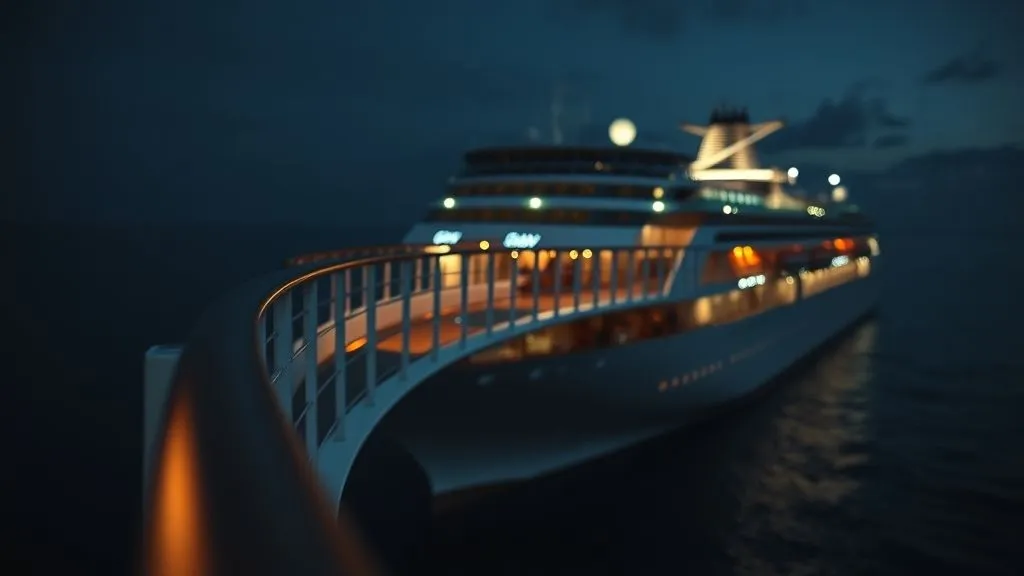
Managing Passenger Overboard Incidents: Best Practices for Cruise Lines?
For over two decades in the cruise industry, I've witnessed firsthand the profound impact of every single incident at sea. While rare, a 'man overboard' (MOB) situation is perhaps one of the most harrowing, carrying immense human tragedy and significant reputational fallout for cruise lines. It's a scenario that tests every facet of an operation, from technology to human response, demanding absolute precision and unwavering vigilance.
The pain point for cruise lines isn't just the incident itself, but the public perception, the legal ramifications, and the deep emotional toll on passengers, crew, and the families involved. The industry is under constant scrutiny, and rightly so, to ensure the highest standards of safety. We often talk about the glamour and adventure of cruising, but behind the scenes, there's a constant, complex effort dedicated to preventing and managing emergencies.
In this definitive guide, I will share the actionable frameworks, cutting-edge technological insights, and critical operational best practices that I believe are essential for cruise lines to effectively manage passenger overboard incidents. We'll explore everything from proactive prevention and advanced detection systems to rapid response protocols, crew training, and post-incident management, equipping you with a holistic understanding to enhance safety and trust.
Understanding the 'Man Overboard' Challenge: Beyond the Headlines
The term 'man overboard' conjures immediate images of panic and desperate searches. However, truly understanding this challenge requires looking beyond the sensational headlines and into the complexities of maritime operations. It's not just about falling off; it's about the conditions, the immediate aftermath, and the unforgiving vastness of the ocean.
From my vantage point, the primary challenge lies in the sheer scale of modern cruise ships and the dynamic environment of the open sea. A vessel carrying thousands of passengers and crew is a small city, and locating an individual in the water, especially at night or in rough weather, is an extraordinary feat. The motivations behind such incidents also vary, from accidental slips to intentional acts, each presenting unique detection and response considerations.
"In maritime safety, prevention is always the first line of defense, but preparedness for every eventuality is the ultimate measure of a responsible operation."
The Human and Reputational Stakes
Beyond the immediate search and rescue, the human element is paramount. The distress of the family, the shock of fellow passengers, and the psychological impact on the crew are profound. For the cruise line, the reputational damage can be immense, affecting bookings, brand loyalty, and stock performance. A single incident, poorly managed, can erode years of trust built through impeccable service.
This is why a comprehensive strategy for managing passenger overboard incidents is not merely a compliance issue; it's a moral imperative and a fundamental business necessity. It's about demonstrating a commitment to passenger welfare that extends beyond the brochure.
Proactive Prevention: Engineering and Design Innovations
The first and most critical step in managing passenger overboard incidents is to prevent them from happening at all. This begins long before a ship sets sail, in the design and engineering phases. Modern cruise ships incorporate numerous features aimed at deterring and preventing accidental falls.
I've observed a significant evolution in ship design over the years, driven by a commitment to safety and regulatory mandates. The height and design of railings, for instance, are meticulously regulated by international maritime organizations. These aren't just decorative elements; they are vital safety barriers.
Enhancing Physical Barriers and Deterrents
- Rail Height and Design: Ensure all external railings on passenger decks meet or exceed IMO (International Maritime Organization) and flag state requirements, typically a minimum of 1.1 meters (43 inches) for passenger areas. Design should discourage climbing.
- Anti-Climb Features: Incorporate designs that make it difficult for individuals to gain purchase and climb over railings, such as smooth surfaces or inward-sloping tops.
- Restricted Access Areas: Clearly mark and restrict access to crew-only areas or potentially hazardous zones with robust physical barriers and signage.
- Balcony Safety: For staterooms with private balconies, ensure balcony railings are of sufficient height and design, with no large gaps where small children could slip through. Regular inspections are critical.
- Lighting and Visibility: Maintain excellent lighting on all exterior decks, especially at night, to improve visibility and deter illicit activities.
These physical measures, while seemingly simple, form the backbone of a preventative strategy. They are the silent guardians, working 24/7 to keep passengers safe.
Real-time Detection: Leveraging Advanced Technology
Despite the best preventative measures, incidents can still occur. This is where advanced detection technology becomes paramount. The ability to detect an overboard incident in real-time, or as close to it as possible, dramatically increases the chances of a successful rescue.
When I started in this field, detection was largely reliant on human eyewitnesses or the discovery of a missing person much later. Today, thanks to significant technological advancements, we have tools that can provide near-instant alerts, a truly game-changing development for managing passenger overboard incidents.
Cutting-Edge MOB Detection Systems
- Thermal Imaging Cameras: These cameras can detect heat signatures, making them effective for spotting a person in the water, even at night or in low visibility. They are often integrated with AI for improved accuracy.
- Radar Systems: Specialized small target radar can track objects in the water around the ship, though distinguishing a person from debris can be challenging without advanced algorithms.
- Video Analytics (AI-Powered): Perhaps the most promising technology. AI-powered cameras can monitor deck perimeters 24/7. They are trained to recognize the specific patterns of a person going over a railing and falling into the water, triggering an immediate alert to the bridge.
- Sonar Systems: While primarily used for underwater mapping, some advanced sonar systems can detect objects near the surface, though their application for MOB detection is more niche.
- Wearable Technology (Future Potential): While not yet widespread for passengers, the concept of wearable devices that could signal an overboard event holds significant future potential.
The integration of these systems is key. A standalone camera is useful, but a network of cameras, radars, and thermal sensors feeding into a central AI-powered analytics system provides a robust, multi-layered detection capability. This holistic approach is what truly enhances our ability to respond effectively.
According to a report by the Cruise Lines International Association (CLIA), member lines are continuously investing in advanced safety technologies, with significant focus on enhancing overboard detection capabilities. This ongoing commitment is crucial for improving safety standards across the fleet.
| Technology | Pros | Cons |
|---|---|---|
| AI Video Analytics | High accuracy, real-time alerts, continuous monitoring, works in varied light conditions. | Potential for false positives, requires extensive camera coverage, data storage needs. |
| Thermal Imaging | Effective in darkness/low visibility, detects heat signatures. | Affected by environmental factors (rain, fog), lower resolution than optical, can be costly. |
| Small Target Radar | Wide area coverage, works in adverse weather. | Difficulty distinguishing person from debris, lower precision for small objects. |
Rapid Response Protocols: The Critical Golden Hour
Once an overboard incident is detected, every second counts. The 'golden hour' — the critical period immediately following an incident — can be the difference between a rescue and a recovery mission. Cruise lines must have meticulously planned and frequently practiced rapid response protocols.
In my experience, a well-drilled crew, clear lines of command, and immediate access to rescue equipment are non-negotiable. It's not enough to have a plan; the plan must be ingrained through constant repetition and simulation.
Essential Steps for Immediate Response
- Immediate Alert to Bridge: The moment an MOB detection system triggers or an eyewitness reports, the bridge must be alerted instantly.
- Sound General Emergency Signal: Initiate the ship's general emergency alarm (seven short blasts followed by one long blast on the whistle and ship's internal alarm system) to alert all crew.
- Deploy MOB Buoy/Marker: Release a man overboard marker (often with a light and smoke signal) from the wing of the bridge nearest the incident to mark the position in the water.
- Initiate Turn and Search Pattern: The ship's navigation officers must immediately initiate an appropriate turn (e.g., Williamson Turn or Scharnow Turn) to bring the vessel back to the estimated MOB position.
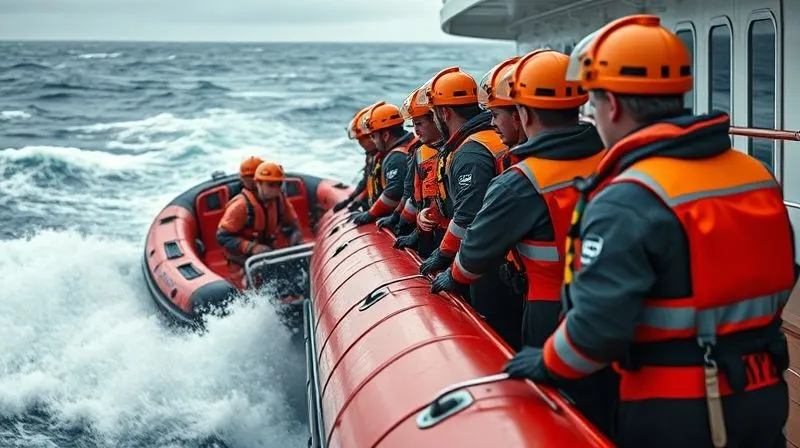
- Launch Rescue Boat: Simultaneously, a fast rescue craft (FRC) or tender should be prepared for immediate launch with a trained rescue team.
- Designate Spotters: Station trained crew members as spotters on both sides of the bridge wings and other high vantage points with binoculars.
- Utilize Ship's Surveillance: Review CCTV footage from the estimated time and location of the incident to confirm details and potentially identify the individual.
- Notify Authorities: Inform relevant maritime rescue coordination centers (MRCCs) and the ship's company designated person ashore (DPA).
Case Study: Swift Action Averts Tragedy
Case Study: 'Ocean Voyager's' Integrated Response Success
The 'Ocean Voyager', a fictional mid-sized cruise ship, faced a dire situation when an AI video analytics system detected a passenger going overboard at 03:17 AM. The system immediately alerted the bridge, pinpointing the location. Within 30 seconds, the General Emergency Signal was sounded, and an MOB buoy was deployed. The Captain initiated a Williamson Turn, and the pre-staged Fast Rescue Craft (FRC) was launched within 7 minutes. The FRC team, guided by the ship's bridge using radar and thermal imaging, located the passenger, who had been struggling in the water, just 18 minutes after the initial alert. The passenger, though hypothermic, was rescued and received immediate medical attention. This rapid, integrated response, honed through frequent drills, demonstrated the efficacy of combining advanced technology with highly trained human teams.
This case highlights that technology is only as good as the human response it enables. The synergy between automated systems and a well-drilled crew is what truly saves lives.
Crew Training and Drills: Building a Culture of Vigilance
No amount of technology can replace a well-trained, highly vigilant crew. Regular, realistic training and drills are the bedrock of effective overboard incident management. This isn't just about technical competence; it's about fostering a safety-first culture where every crew member understands their role and responsibilities.
I've always advocated for training that goes beyond theoretical knowledge. It must involve practical, hands-on simulations that mimic real-world stress and conditions. This builds muscle memory and confidence, which are invaluable in an emergency.
Comprehensive Training Program Components
- Initial and Refresher MOB Drills: Conduct frequent, unannounced drills simulating various MOB scenarios (day, night, different weather conditions) for all relevant departments (bridge, deck, medical, security).
- Rescue Boat Proficiency: Ensure all FRC and tender boat crews are highly proficient in launch, recovery, maneuvering, and rescue techniques, including resuscitation in the water.
- Spotter Training: Train designated spotters in effective scanning techniques, communication protocols, and the use of observation equipment.
- Bridge Team Management (BTM): Focus on decision-making under pressure, effective communication, and coordination between the Captain, navigating officers, and watchkeepers during an MOB event.
- First Aid and Hypothermia Treatment: All rescue personnel and medical staff must be expert in treating hypothermia and other injuries associated with cold water immersion.
- Psychological First Aid: Train crew members who interact with distressed passengers or the rescued individual in basic psychological first aid.
Crew training isn't a one-time event; it's a continuous process of learning, refining, and adapting. The investment in robust training pays dividends in preparedness and, ultimately, in saving lives.
Communication and Coordination: Internal and External Strategies
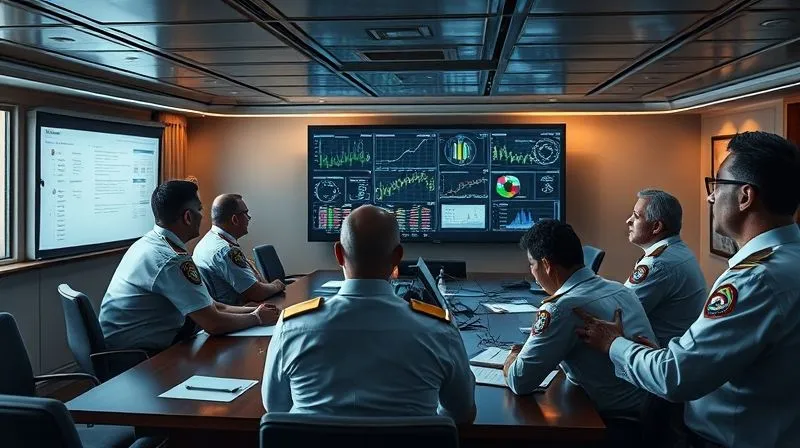
An overboard incident is not just a search and rescue operation; it's a crisis management event that demands flawless communication and coordination, both within the ship and with external authorities. Miscommunication can lead to delays, confusion, and potentially jeopardize the rescue effort.
From my perspective, transparency and clarity are paramount. Internally, every department needs to know its role. Externally, authorities require precise, timely information. Crafting and executing a robust communication plan is as critical as the physical rescue itself.
Key Communication and Coordination Pillars
- Internal Communication Matrix: Establish clear channels and protocols for communication between the bridge, engine room, security, medical center, and passenger services during an MOB incident. Use secure radio frequencies and designated reporting lines.
- Passenger Communication: Develop pre-approved, empathetic communication templates for informing passengers about the situation, minimizing panic, and advising them on what to do (e.g., stay in cabins, assist spotters if requested).
- External Authority Notification: Immediately notify the relevant Maritime Rescue Coordination Center (MRCC) in the region of the incident. Provide all necessary details: ship's position, time of incident, last known position of the person, weather conditions, and ship's actions.
- Company Shore-Side Support: Establish a dedicated shore-side crisis management team to support the ship, handle media inquiries, liaise with families, and coordinate with authorities. This team should be activated immediately.
- Media Management Plan: Have a pre-approved media response plan and designated spokesperson to manage public information, ensuring accuracy and sensitivity, especially important when managing passenger overboard incidents.
The ability to communicate effectively under pressure is a hallmark of a well-prepared cruise line. It's about controlling the narrative with facts and demonstrating competence and compassion.
"Effective communication and coordination are the cornerstones of any successful maritime emergency response, ensuring that all resources are mobilized efficiently and information flows accurately." - International Maritime Organization (IMO) principles.
Post-Incident Management: Support, Review, and Learning
The incident doesn't end when the person is recovered or the search is called off. The aftermath is a critical period for providing support, conducting thorough investigations, and implementing lessons learned. This phase is vital for continuous improvement and maintaining trust.
I've always stressed that every incident, regardless of outcome, is an opportunity to learn. A transparent and honest review process is essential to prevent future occurrences and refine existing protocols for managing passenger overboard incidents.
Comprehensive Post-Incident Actions
- Passenger and Crew Support: Provide immediate psychological counseling and support services for affected passengers, eyewitnesses, and crew members involved in the rescue operation.
- Incident Investigation: Conduct a thorough internal investigation, gathering all available evidence (CCTV, witness statements, sensor data, bridge log entries) to determine the cause, circumstances, and effectiveness of the response. This should be a candid, no-blame review aimed at learning.
- Regulatory Reporting: File all required reports with flag state authorities, port state control, and any other relevant international maritime bodies.
- Media and Public Relations Management: Continue to manage public perception with sensitive and factual updates, demonstrating accountability and commitment to safety.
- Lessons Learned Integration: Analyze the investigation findings to identify areas for improvement in prevention, detection, and response protocols. Update training materials, operational procedures, and technology investments accordingly.
- Family Liaison: Maintain compassionate and consistent communication with the family of the individual involved, providing support and information.
This cycle of incident, investigation, and improvement is fundamental to achieving excellence in cruise safety. It demonstrates a commitment to not just reacting to problems, but actively evolving to prevent them.
Regulatory Compliance and Industry Collaboration
Cruise lines operate within a complex web of international and national regulations. Adherence to these standards is non-negotiable, and often, industry collaboration pushes safety beyond the minimum requirements. This symbiotic relationship between regulation and innovation is crucial for managing passenger overboard incidents effectively.
I’ve witnessed the power of industry bodies like CLIA working hand-in-hand with regulators to set higher benchmarks. It’s a testament to the fact that safety is a collective responsibility, not a competitive differentiator.
Key Aspects of Compliance and Collaboration
- IMO SOLAS Convention: Adhere strictly to the International Convention for the Safety of Life at Sea (SOLAS) requirements, particularly chapters related to life-saving appliances and emergency procedures.
- Flag State Requirements: Comply with all specific regulations imposed by the ship's flag state (e.g., Bahamas, Panama, Malta).
- Port State Control Inspections: Be prepared for rigorous inspections by port state control officers who verify compliance with international conventions.
- CLIA Guidelines: Actively participate in and adopt best practices and safety guidelines promulgated by the Cruise Lines International Association (CLIA), which often exceed baseline regulatory requirements. Learn more about CLIA's safety initiatives.
- Technology Standards: Advocate for and adopt standardized performance requirements for MOB detection systems, ensuring interoperability and reliability across the fleet.
- Research and Development: Invest in and contribute to ongoing research and development in maritime safety, particularly in areas like AI-powered detection and autonomous rescue systems. Stay updated on maritime technology advancements.
By actively engaging with regulators and collaborating with industry peers, cruise lines can collectively elevate the safety bar, ensuring a safer environment for all passengers and crew. This proactive stance is fundamental to effectively managing passenger overboard incidents.
| Regulatory Body | Role in MOB Safety | Impact |
|---|---|---|
| IMO (International Maritime Organization) | Develops international conventions (e.g., SOLAS) setting minimum safety standards for ship design, equipment, and operations. | Global baseline for safety, mandates life-saving appliances and emergency procedures. |
| Flag States (e.g., Bahamas, Panama) | Enforce IMO conventions and implement national laws; oversee ship registration and certification. | Direct oversight of individual ships, conducts audits and inspections. |
| CLIA (Cruise Lines International Association) | Industry trade association that develops and promotes best practices, often exceeding regulatory minimums, and advocates for continuous safety improvements. | Drives industry-wide adoption of advanced safety technologies and operational excellence. |
Frequently Asked Questions (FAQ)
What are the primary causes of passenger overboard incidents? In my experience, incidents are generally attributed to a combination of factors, including accidental slips or falls (often exacerbated by alcohol consumption), intentional acts of self-harm, or reckless behavior. While precise statistics are hard to pinpoint due to varying reporting standards, the industry continually emphasizes passenger awareness and responsible conduct.
How effective are current man overboard detection technologies? Modern detection technologies, particularly AI-powered video analytics and thermal imaging, have significantly improved in effectiveness, offering near real-time alerts. However, no system is 100% foolproof. Their efficacy depends on comprehensive camera coverage, advanced algorithms, proper installation, and continuous maintenance. They are most effective when integrated into a multi-layered system and supported by vigilant human observation.
What role does passenger behavior play in preventing these incidents? Passenger behavior plays a significant role. Adherence to safety rules, responsible alcohol consumption, and avoiding risky behavior (like climbing railings) are critical. Cruise lines continuously educate passengers through onboard announcements, safety briefings, and signage. Ultimately, personal responsibility is a key component of overall safety.
Are cruise lines legally obligated to install MOB detection systems? While specific mandates for certain types of automated MOB detection systems have evolved and are subject to flag state and international regulations (e.g., IMO's SOLAS amendments regarding passenger ship safety measures), the broader obligation is to ensure the safety of life at sea, which implies employing all reasonable and practicable means. Many leading cruise lines have proactively installed advanced systems beyond minimum requirements due to industry best practices and a commitment to safety.
What is the typical survival rate for someone who goes overboard from a cruise ship? The survival rate is highly dependent on numerous factors, including water temperature, sea conditions, time of day, how quickly the incident is detected, and the individual's physical condition and ability to swim. In cold water, hypothermia sets in rapidly, significantly reducing survival time. Rapid detection and immediate rescue are paramount to increasing survival chances. Unfortunately, without swift action, the odds decrease dramatically.
How do cruise lines coordinate with external search and rescue authorities? Cruise lines follow established protocols for notifying the nearest Maritime Rescue Coordination Center (MRCC) immediately upon an overboard incident. The MRCC then takes charge of coordinating broader search and rescue efforts, potentially involving coast guard assets, naval vessels, and other commercial ships in the area. The cruise ship remains a critical asset in the initial search and provides all available information and resources to the MRCC. Explore U.S. Coast Guard search and rescue operations.
Key Takeaways and Final Thoughts
- Proactive Prevention is Paramount: Robust physical barriers and design choices are the first line of defense against overboard incidents.
- Technology is a Game-Changer: Advanced AI-powered detection systems provide critical real-time alerts, significantly improving response times.
- Human Element Remains Central: No technology replaces a highly trained, vigilant crew. Regular, realistic drills are essential.
- Flawless Communication is Key: Clear internal and external communication protocols are vital for effective crisis management.
- Continuous Improvement is Non-Negotiable: Every incident offers lessons for refining protocols and enhancing safety measures.
- Compliance & Collaboration Elevate Standards: Adhering to regulations and working with industry bodies drives collective safety advancements.
Managing passenger overboard incidents is one of the most serious responsibilities a cruise line faces. It demands a holistic approach, integrating cutting-edge technology with rigorous training, meticulous planning, and a deep-seated culture of safety. By embracing these best practices, cruise lines can not only meet but exceed expectations, ensuring the utmost safety and peace of mind for their passengers. The journey towards absolute safety is continuous, but with unwavering commitment, we can make every voyage as secure as it is memorable. Your dedication to these principles is what truly safeguards those who sail with you.
Recommended Reading
- Burnout Breakthrough: 7 Steps to Choosing Your Perfect Meditation Getaway
- Unlock Asia's Secrets: How to Book Sleeper Train Adventures with Ease
- Safeguard Your Beachfront Villa: 7 Climate Risk Protection Strategies
- 7 Steps to Quiet Your Professional Mind for Mindful Solo Travel
- Beat Burnout: 7 Steps to Your Executive Resort Island Escape

Your email address will not be published. Required fields are marked *