

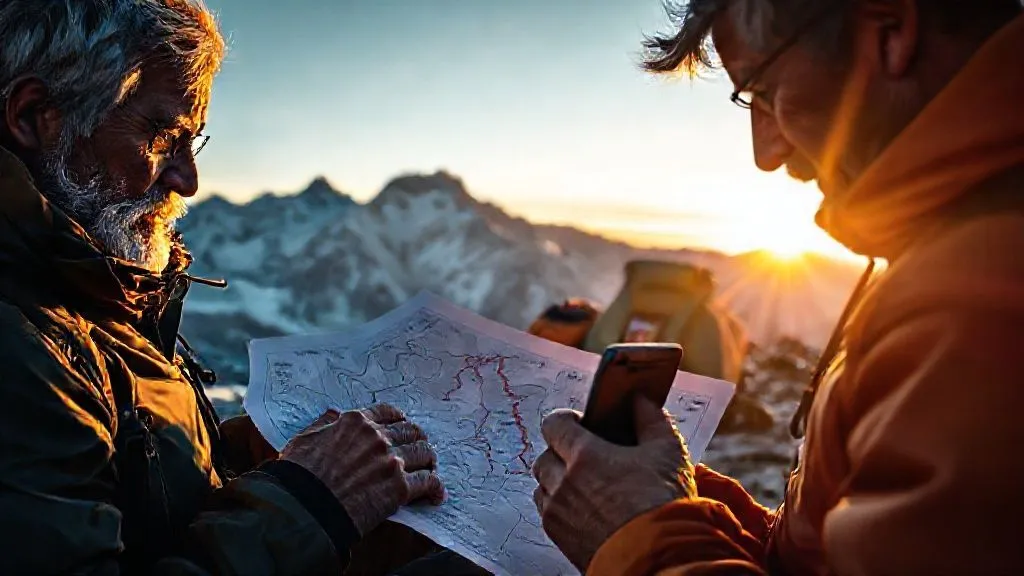
Managing vital logistics failure on remote high-altitude treks?
For over two decades navigating some of the world's most formidable mountain ranges, I've witnessed firsthand the fine line between a successful expedition and a desperate struggle for survival. It’s rarely the 'big' things that bring an adventure to its knees; more often, it's the insidious creep of logistical oversights – a misplaced resupply, a dead battery on a critical comms device, or a misjudged food cache. These seemingly minor blips, when compounded by the brutal realities of high altitude and extreme remoteness, can quickly escalate into life-threatening scenarios.
The unforgiving environment of high-altitude trekking leaves no room for error. When you're days from the nearest road, hundreds of miles from medical aid, and reliant on thin air and your own two feet, the failure of a single vital logistical component can unravel an entire expedition. I've seen teams turn back, suffer severe frostbite, or worse, due to failures that, with better planning and foresight, could have been entirely averted or effectively managed.
This comprehensive guide isn't just a list of tips; it's a framework born from hard-won experience and a deep understanding of expeditionary risk. We'll delve into actionable strategies, real-world case studies, and expert insights designed to equip you with the knowledge to not only prevent vital logistics failure on remote high-altitude treks but also to master the art of recovery when the unexpected inevitably strikes. Prepare to transform your approach to expedition planning, ensuring resilience and safety are at the core of every high-altitude journey.
The Unforgiving Reality: Why Logistics Fails on Remote Treks
The allure of remote high-altitude trekking often overshadows the intricate web of logistics required to support it. Unlike a stroll in the park, these expeditions operate on razor-thin margins, where every decision, every piece of gear, and every calorie counts. The environment itself is an active participant in testing your logistical prowess, from sudden weather shifts to unpredictable terrain.
Common Pitfalls in Expedition Planning
Many failures stem from fundamental errors in the planning phase. I've observed these recurring patterns:
- Underestimation of Conditions: Believing 'it won't happen to us' regarding extreme weather, whiteouts, or unexpected route closures.
- Communication Breakdown: Relying on a single communication device or failing to establish clear check-in protocols.
- Inadequate Gear Redundancy: Not carrying backup essentials like headlamps, water filters, or even critical tent poles.
- Insufficient Food & Fuel: Miscalculating caloric needs for high-altitude exertion or underestimating fuel consumption in extreme cold.
- Lack of Local Knowledge: Ignoring or not properly vetting local guides, porters, or support staff who are crucial for remote operations.
- Human Error & Fatigue: The mental and physical toll of high altitude can lead to poor decision-making, misplaced items, or forgotten tasks.
“In the mountains, the problem isn't always the mountain itself, but the unpreparedness of the human facing it. Logistics is the silent, essential backbone of that preparedness.”
Proactive Planning: Your First Line of Defense
The best way of managing vital logistics failure on remote high-altitude treks is to prevent it from happening in the first place. Proactive planning is not merely a task; it's a mindset that permeates every aspect of your expedition.
1. Comprehensive Risk Assessment and Mitigation
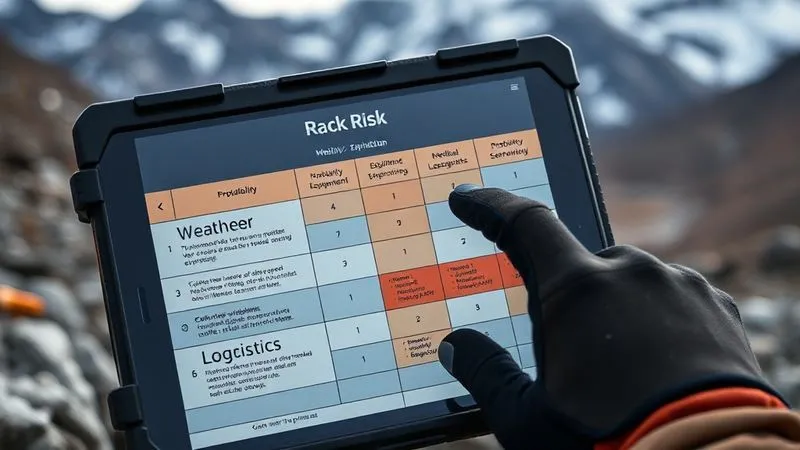
Before a single boot hits the trail, a thorough risk assessment is paramount. This isn't just about identifying dangers; it's about understanding probabilities and developing specific mitigation strategies.
- Identify All Potential Risks: Brainstorm everything from minor gear malfunctions to major medical emergencies, natural disasters, and political instability if trekking internationally.
- Assess Likelihood & Impact: For each risk, determine how likely it is to occur and what its potential impact would be on the expedition.
- Develop Mitigation Strategies: For high-likelihood, high-impact risks, create detailed plans to either prevent them or reduce their impact significantly. This includes alternative routes, emergency contacts, and evacuation plans.
- Assign Responsibilities: Clearly define who is responsible for monitoring specific risks and initiating mitigation actions.
- Review and Update: Risk assessments are living documents. Review them regularly, especially as conditions or team composition change.
A well-structured risk matrix, considering both probability and severity, can be incredibly insightful.
2. Redundancy in Every System: The 'Rule of Three'
I advocate for the 'Rule of Three' in critical systems. This means having a primary, a secondary, and a tertiary backup for anything vital. For example:
- Communication: Satellite phone (primary), personal locator beacon (PLB) or satellite messenger (secondary), a pre-arranged check-in schedule with an external contact (tertiary).
- Navigation: GPS device with pre-loaded maps (primary), paper maps and compass (secondary), smartphone with offline mapping apps (tertiary).
- Water Purification: Filter (primary), chemical tablets (secondary), boiling capabilities (tertiary).
- Light Source: Headlamp (primary), backup headlamp (secondary), small torch or phone light (tertiary).
This level of redundancy might seem excessive, but when a primary system fails miles from anywhere, a reliable backup is invaluable. It’s not about carrying three of everything, but ensuring multiple independent methods for critical functions. As I've always stressed, 'one is none, two is one, three is peace of mind' in remote environments.
3. Robust Communication Protocols
Effective communication is the lifeline of any remote expedition. Beyond simply having devices, it's about having a clear, practiced protocol. This includes:
- Device Familiarity: Everyone on the team must know how to operate all communication devices.
- Battery Management: Carry spare batteries and portable charging solutions (solar panels, power banks) for all electronics.
- Check-in Schedule: Establish a strict schedule for checking in with a designated contact person back home. This person needs clear instructions on when to initiate emergency protocols if contact is missed.
- Emergency Contact List: A laminated, waterproof list of all essential contacts (local authorities, emergency services, insurance, home contact) carried by multiple team members.
- Shortwave Radio (Optional): For truly extreme, multi-month expeditions, a shortwave radio can offer another layer of communication for weather updates or long-range contact.
Explore robust satellite communication solutions like those offered by Inmarsat or Iridium, which provide global coverage even in the most remote regions.
Building a Resilient Supply Chain in the Wild
Your supply chain on a high-altitude trek isn't just about food; it encompasses everything that sustains your team, from medical supplies to fuel and spare parts. A resilient supply chain is one that can absorb shocks and adapt to changing circumstances.
4. Strategic Cache Points and Resupply Logistics
For longer treks, strategically placed caches or planned resupply points are crucial. This requires meticulous planning:
- Location Selection: Choose secure, accessible, and weather-protected locations. Local knowledge is invaluable here.
- Contents & Packaging: Clearly label and waterproof all cache contents. Include a detailed manifest. Consider food, fuel, medical top-ups, and specialty items.
- Local Support: If using local porters or agencies for cache placement or resupply, ensure clear contracts, payment terms, and contingency plans for delays. I've seen situations where miscommunication with local teams led to critical supplies being delivered to the wrong location or not at all.
- Buffer Supplies: Always include buffer amounts in your caches – extra food, fuel, and medical supplies beyond your minimum needs.
Here's a simplified example of a resupply manifest structure:
| Resupply Point | Date | Items | Contact Person | Contingency |
|---|---|---|---|---|
| Namche Bazaar | Day 10 | Food Rations (3 days), Fuel (1L), First Aid Top-up, Spare Batteries | Sherpa Pemba | If closed, proceed to Phortse, contact Ang Nima |
| Everest Base Camp | Day 25 | High-Altitude Food (5 days), Oxygen Canisters (2), Medical Kit refill, Satellite Phone Recharge | Expedition Liaison | If delayed, activate emergency satellite phone protocol with home base |
5. Mastering Food and Water Independence
Running out of food or potable water can quickly debilitate a team. High-altitude environments demand increased caloric intake, often exceeding 4,000-5,000 calories per day for strenuous activity.
- Calorie Density: Prioritize lightweight, high-calorie foods. Dehydrated meals, nuts, dried fruits, and energy bars are staples.
- Variety: Ensure a varied diet to maintain morale and nutritional balance.
- Emergency Rations: Always carry an extra 1-2 days' worth of emergency rations (e.g., high-calorie bars, simple dehydrated meals) separate from your daily food bag.
- Water Sources: Identify reliable water sources along your route. Always assume water needs purification unless proven otherwise.
- Purification Methods: Carry multiple purification methods (filter, chemical drops, UV pen) and understand their limitations in extreme cold.
Understanding expedition nutrition is vital. A detailed guide like those found from the Wilderness Medical Society or similar bodies can provide excellent insights into caloric needs and dietary considerations for extreme environments.
Crisis Management: When the Unthinkable Happens
Despite the most meticulous planning, vital logistics failure on remote high-altitude treks can still occur. The true test of an expedition's resilience lies in its ability to manage crises effectively. This is where your contingency plans come into play.
6. Emergency Protocols and Evacuation Plans
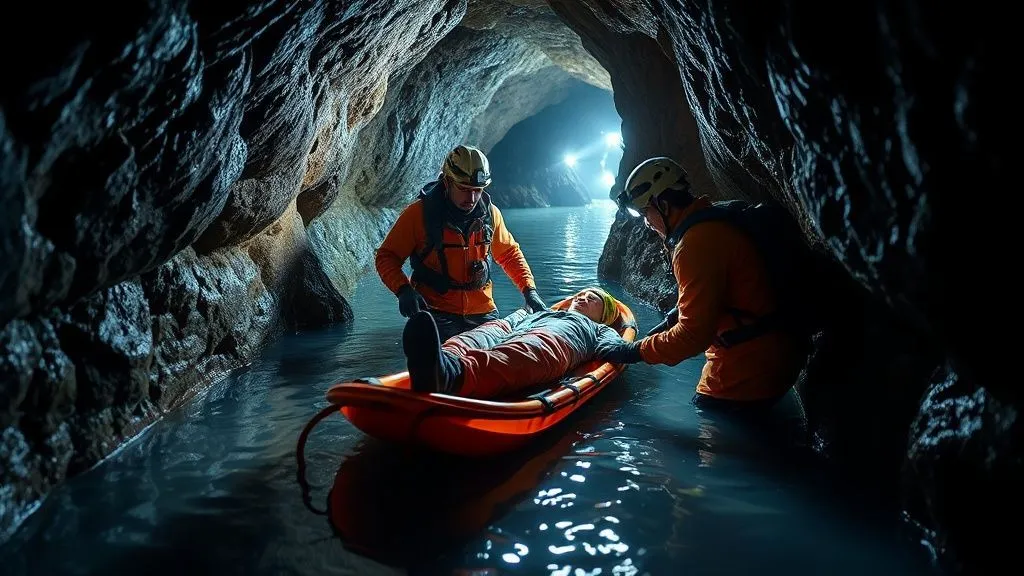
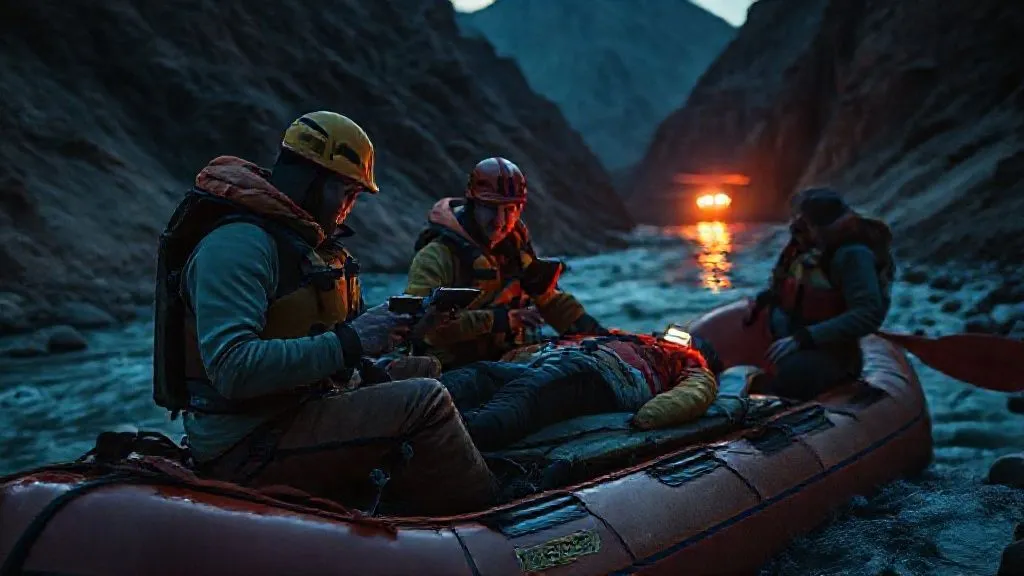
Every team needs a clear, rehearsed emergency action plan. This covers everything from minor injuries to full-scale medical evacuations.
- Immediate Assessment: What is the nature of the emergency? Who is affected? What resources are available?
- First Aid & Stabilization: Administer immediate first aid. Keep the patient warm and comfortable.
- Communication: Establish contact with your home base and, if necessary, local emergency services. Clearly state your location (GPS coordinates are critical), the nature of the emergency, and the condition of the affected person(s).
- Evacuation Decision: Based on the severity, location, and weather, decide on the best course of action: self-evacuate, call for local assistance, or initiate a full helicopter rescue.
- Team Roles: Assign specific roles during an emergency (e.g., medic, communications, camp manager, pathfinder).
Case Study: The Annapurna Whiteout
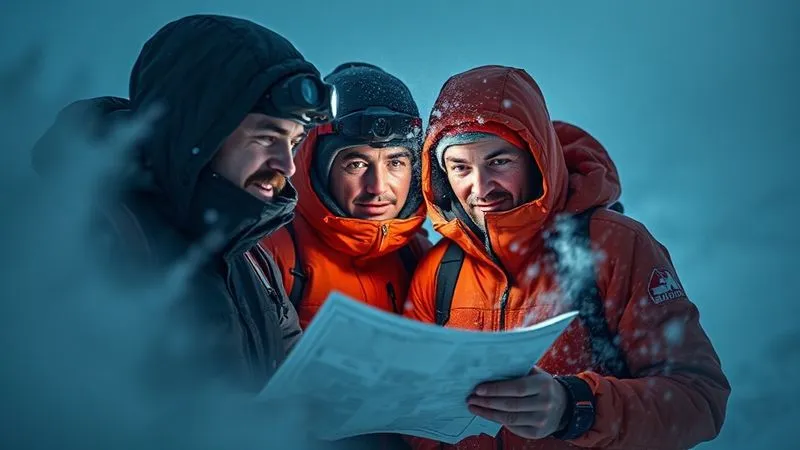
During a challenging traverse of the Annapurna Circuit, a small team of three faced a sudden, ferocious whiteout. Visibility dropped to near zero, and their primary GPS device failed due to extreme cold. Their pre-planned logistics contingency, however, kicked in. The team leader immediately deployed the backup satellite messenger, signaling their exact coordinates to their home contact. Simultaneously, another team member retrieved the laminated paper map and compass, which had been carefully waterproofed. Instead of panicking, they utilized their practiced 'shelter-in-place' protocol, digging a snow cave and conserving resources until the weather broke, all while maintaining periodic communication. This resulted in a safe, albeit delayed, arrival, averting what could have been a catastrophic logistics failure.
7. Team Training, Leadership, and Morale
No amount of gear or planning can replace a well-trained, cohesive, and resilient team. Human factors are often the weakest link in the logistical chain.
- Skills Training: Ensure all team members have basic wilderness first aid, navigation, and survival skills.
- Decision-Making: Practice scenario-based decision-making under stress. Who makes the final call in a crisis?
- Leadership: Strong, decisive leadership is crucial. A good leader can maintain calm, delegate tasks, and adapt plans when logistics go awry.
- Morale Management: High altitude and logistical challenges wear people down. Foster a positive team dynamic, encourage open communication, and address conflicts swiftly. A demoralized team is prone to errors and poor judgment.
“The mountains don't care about your plans. They care about your adaptability, your resilience, and the strength of your team's resolve.”
For further reading on the psychological aspects of expedition leadership and decision-making under duress, consider academic resources or articles from reputable business journals like Harvard Business Review on leadership in crisis.
Leveraging Technology for Enhanced Safety
While traditional skills remain paramount, modern technology offers incredible advantages in managing vital logistics failure on remote high-altitude treks.
Modern Tools for Navigation and Communication
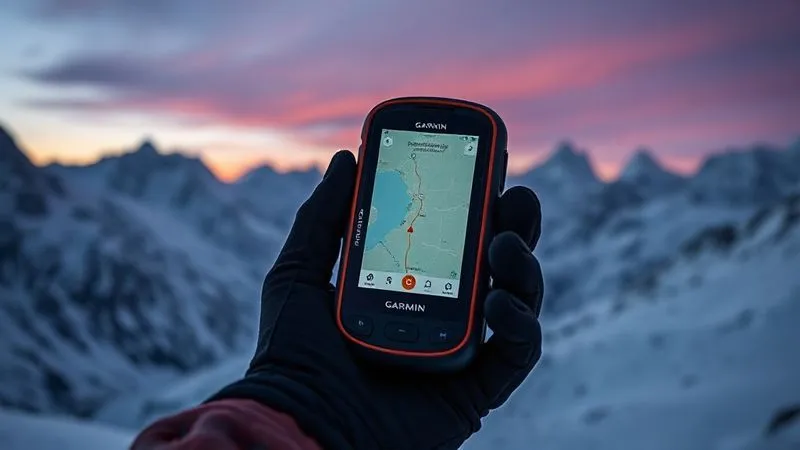
- Advanced GPS Devices: Beyond basic navigation, modern GPS units offer detailed topo maps, altimeter functions, and even two-way messaging capabilities.
- Satellite Messengers (e.g., InReach): These compact devices allow for text communication, tracking, and SOS signaling, often with better battery life than satellite phones.
- High-Resolution Satellite Imagery: Before your trek, study high-resolution satellite imagery (e.g., Google Earth Pro) to identify potential campsites, water sources, and alternative routes.
- Weather Forecasting Tools: Utilize satellite-based weather forecasting services specifically designed for mountain regions. These can provide crucial early warnings of storms or whiteouts.
- Drone Technology (Emerging): While not yet standard for trekkers, drones are increasingly used for reconnaissance, mapping, and even delivering light emergency supplies in some professional expeditions.
The Human Element: Beyond Gear and Plans
Ultimately, the success of managing vital logistics failure on remote high-altitude treks often boils down to the human spirit. The best gear and the most detailed plans can falter if the individuals operating them lack the mental fortitude and adaptability required.
Psychological Resilience and Decision-Making Under Duress
High altitude places immense physiological stress on the body, which in turn impacts cognitive function. Decision-making can become impaired, and judgment can be clouded by fatigue, hypoxia, and fear.
- Acclimatization: Proper acclimatization is not just physical; it's mental. Giving your body time to adjust reduces the mental fog that can lead to logistical errors.
- Stress Inoculation: Pre-expedition training that simulates stressful situations can help team members develop coping mechanisms.
- Self-Awareness: Knowing your own limits and the limits of your teammates is crucial. Be honest about fatigue or discomfort.
- Objective Assessment: In a crisis, strive for objective assessment. Take a moment, breathe, and review facts before making rash decisions.
- Optimism vs. Realism: Maintain a positive outlook, but temper it with a healthy dose of realism about the challenges ahead.
“The summit is optional, but returning home is mandatory. Remember that when your logistics are failing and difficult decisions must be made.”
For a deeper dive into human factors in extreme environments, research from journals like the Journal of Sport and Exercise Psychology or similar academic publications can offer valuable insights into resilience and performance under pressure.
Frequently Asked Questions (FAQ)
Q: How much extra food and fuel should I realistically carry as a buffer? A: For high-altitude remote treks, I strongly recommend carrying an extra 25-30% of your total planned food and fuel. This buffer accounts for unexpected delays due to weather, route changes, or unforeseen energy demands. It's a critical safety margin that can prevent a minor delay from becoming a major logistical crisis. Always distribute this buffer weight strategically among team members.
Q: What are the most common communication failures on remote treks, and how can they be prevented? A: The most common failures are dead batteries, device malfunction due to cold/impact, lack of line-of-sight for satellite signals, and relying on a single communication method. Prevent these by carrying multiple devices (Rule of Three), spare batteries/power banks, protecting devices from extreme cold and impact, understanding satellite signal requirements, and establishing strict check-in protocols with a reliable home contact.
Q: How do I vet local logistics support in remote areas to ensure reliability? A: This is crucial. Start by seeking recommendations from experienced trekkers or reputable expedition companies. Check online reviews, but also conduct thorough interviews. Ask for references from past clients, specifically regarding their handling of unexpected situations. Ensure clear, written contracts outlining services, payment terms, and contingency plans. A visit to their office or base of operations, if feasible, can also provide valuable insight into their professionalism and resources.
Q: What role does satellite weather forecasting play in managing logistics, and how accurate is it? A: Satellite weather forecasting is an indispensable tool. It allows you to receive crucial updates on storms, high winds, and precipitation patterns, enabling you to adjust your itinerary, plan for shelter, or even delay your departure. While not 100% accurate, especially in complex mountain terrain, modern satellite forecasts (e.g., from dedicated mountain weather services) are remarkably reliable for identifying major weather shifts days in advance. Integrate these forecasts into your daily planning and decision-making process.
Q: When should I make the difficult decision to turn back due to logistics issues? A: The decision to turn back is always difficult but paramount for safety. You should seriously consider turning back if you face a critical failure in your 'Rule of Three' redundancy (e.g., losing two out of three communication methods), if essential medical supplies are compromised, if food/fuel reserves drop below a safe buffer without immediate resupply options, or if a significant portion of the team is incapacitated or severely demoralized due to logistical strain. The overarching principle is 'when in doubt, turn around.' Your expedition goal is secondary to the safety and well-being of the team.
Key Takeaways and Final Thoughts
Managing vital logistics failure on remote high-altitude treks is not an afterthought; it is the foundation upon which safe and successful expeditions are built. From my years of experience, I’ve distilled the essence of expedition resilience into these critical pillars:
- Proactive Planning is Non-Negotiable: Detailed risk assessment and the 'Rule of Three' for critical systems are your first and best defense.
- Communication is Your Lifeline: Redundant devices and clear protocols keep you connected to help and information.
- A Resilient Supply Chain is Essential: Strategic caching, robust food/water planning, and reliable local support minimize vulnerabilities.
- Crisis Management Requires Practice: Rehearsed emergency protocols, a clear chain of command, and effective evacuation plans are vital when things go wrong.
- The Human Element is Paramount: A well-trained, cohesive, and mentally resilient team is often the ultimate determinant of success.
- Embrace Technology Wisely: Leverage modern tools for navigation, communication, and weather forecasting, but never at the expense of fundamental skills.
The mountains are a magnificent teacher, often in the harshest ways. By internalizing these strategies and fostering a culture of preparedness, you not only enhance your chances of success but, more importantly, ensure the safety of everyone involved. Remember, the journey itself, with all its challenges and triumphs, is the true reward. Plan meticulously, prepare thoroughly, and trek wisely.
Recommended Reading
- Mastering Baby's Sleep: 7 Strategies for International Business Travel
- 7 Strategies: How Skilled Volunteers Avoid Creating Local Dependency?
- 5 Ethical Pillars: How to Allocate Medical Resources on Volunteer Missions?
- Unveiling the Secrets: What Makes a Safari Truly Luxurious Experience?
- 7 Proven Strategies for Battling Burnout on Cross-Country Road Trips



Your email address will not be published. Required fields are marked *