

Preventing Toddler Meltdowns on a 10-Hour Family Road Trip?
For over two decades in the travel industry, specializing in family adventures, I've heard countless stories of road trip triumphs and, yes, the dreaded toddler meltdown. I've witnessed firsthand the sheer exhaustion and frustration that can engulf even the most prepared parents when a little one decides the backseat is their personal stage for a tantrum marathon. It's a rite of passage for many, a moment that tests the limits of patience and planning.
The problem isn't just a fleeting moment of noise; it's the ripple effect. A single, prolonged meltdown can derail an entire journey, turning what should be a memorable family experience into a stressful ordeal. Parents often feel helpless, trapped, and utterly defeated, questioning why they ever thought a 10-hour drive with a toddler was a good idea. The confined space, the lack of stimulation, the disruption of routine – it all conspires against tiny travelers and their grown-ups.
But here's the good news: it doesn't have to be this way. In this comprehensive guide, I'm going to share proven strategies, drawing from my extensive experience and insights from child development experts, to equip you with the tools for preventing toddler meltdowns on a 10-hour family road trip. We'll explore actionable frameworks, real-world solutions, and expert advice to transform your next long drive into a journey filled with calm, connection, and even joy.
The Psychology of the Toddler Traveler: Understanding Their World
Before we dive into solutions, it's crucial to understand the unique perspective of a toddler. Their world is one of immediate gratification, constant exploration, and a developing sense of self. A 10-hour road trip, from their point of view, is a bewildering, often frustrating experience that directly contradicts their fundamental needs.
Why 10 Hours Feels Like a Lifetime to a Toddler
Toddlers have incredibly limited attention spans, typically ranging from 3 to 5 minutes per year of age. This means a two-year-old might struggle to focus on a single activity for more than 6 to 10 minutes. Imagine being strapped into a confined space for 10 hours with such a short attention span! Their need for movement is primal; they are wired to run, jump, climb, and explore. Being restricted in a car seat for extended periods goes against every fiber of their being, leading to pent-up energy and frustration.
Furthermore, toddlers thrive on routine. Their days are often structured around meals, naps, and playtime, providing a sense of predictability and security. A long road trip shatters this routine, introducing unfamiliar environments, disrupted sleep, and irregular mealtimes. This unpredictability can be a significant source of anxiety and stress for them, often manifesting as irritability or, inevitably, a meltdown.
"A toddler's world is fundamentally about 'now.' They lack the cognitive ability to understand 'later' or 'we'll be there soon.' This makes long waits and confined spaces incredibly challenging for their developing brains and emotional regulation."
Sensory input also plays a huge role. While adults might enjoy the changing scenery, a toddler can become overwhelmed or under-stimulated. The constant hum of the road, the repetitive view, or even the subtle motion of the car can be disorienting or boring. Understanding these intrinsic challenges is the first step in empathetic and effective trip planning.
Masterful Pre-Trip Planning: Laying the Groundwork for Peace
The success of your 10-hour road trip with a toddler hinges almost entirely on meticulous pre-trip planning. This isn't just about packing bags; it's about strategizing every aspect of the journey to align with your toddler's needs and anticipate potential friction points. I've seen countless families underestimate this phase, only to pay the price in tears and frayed nerves later.
Strategic Timing: When to Hit the Road
One of the most impactful decisions you'll make is when to start your drive. For toddlers, whose sleep schedules are paramount, aligning your travel with their natural rhythms can be a game-changer. I often advise parents to plan significant driving blocks around nap times or even during the night, if feasible for the adults. A well-rested toddler is a happy toddler.
- Leverage Naptime: If your toddler has a predictable nap schedule, aim to start your longest driving segments just as they're due for a nap. This can give you 1-2 hours of peaceful driving.
- Early Morning Departure: Waking up slightly earlier than usual and hitting the road before dawn can offer several hours of quiet driving while your toddler finishes their night's sleep in the car.
- Overnight Driving (with caution): For some families, driving through the night, with one parent sleeping and the other driving, can be highly effective. This allows the toddler to sleep through most of the journey. Ensure the driver is well-rested before starting.
- Avoid Rush Hour: Getting stuck in traffic can quickly escalate frustration for both parents and toddlers. Plan your route to bypass major metropolitan areas during peak times.
The Art of the Car Prep: Comfort and Safety First
Beyond timing, ensuring the car itself is a comfortable and safe haven is non-negotiable. A properly installed car seat is paramount, but also consider factors that will make the long hours more bearable for your little one.
- Car Seat Check: Double-check that the car seat is installed correctly and is appropriate for your toddler's size and weight. A comfortable, secure fit prevents discomfort over long hours.
- Sun Protection: Portable sun shades for side windows can prevent glare and overheating, both of which can lead to irritability.
- Temperature Control: Ensure the backseat is adequately cooled or heated. Overheating or being too cold can quickly trigger discomfort.
- Easy Access Essentials: Keep a small bag with immediate necessities (wipes, a change of clothes, a favorite small toy, a water bottle) within arm's reach.
According to a study published by the Journal of Travel Research, families who meticulously plan their travel logistics, including timing and vehicle preparedness, report significantly higher satisfaction levels and fewer incidents of child distress during long journeys. This isn't just anecdotal; it's data-backed.
| Category | Action | Benefit |
|---|---|---|
| Timing | Align with nap/sleep schedule | Maximized peaceful driving |
| Vehicle | Install sun shades | Prevents glare/overheating |
| Vehicle | Car seat check & comfort | Ensures safety & reduces fidgeting |
| Essentials | Prepare 'grab bag' | Quick access to critical items |
The Entertainment Arsenal: Engaging Tiny Minds (Screen & Screen-Free)
Keeping a toddler engaged for 10 hours is like conducting a symphony with a very short-fused orchestra. You need a diverse repertoire, ready to switch instruments at a moment's notice. My philosophy is a balanced approach: strategic screen time complemented by a rich array of screen-free activities.
Curated Screen Time: Quality Over Quantity
While some parents prefer to avoid screens entirely, I've found that a thoughtful, limited approach to screen time can be a powerful tool in preventing toddler meltdowns on a 10-hour family road trip. The key is "curated" and "limited."
- Pre-Download Everything: Wi-Fi is unreliable on the road. Download favorite shows, movies, and educational apps onto a tablet or phone before you leave.
- Educational Content: Opt for age-appropriate, interactive, and educational content. Apps that teach colors, shapes, or simple puzzles can be engaging without being purely passive.
- Time Blocks: Don't let screen time be continuous. Use it as a strategic intervention. For example, "You can watch one episode after our first stop," or "Screen time for the last hour before lunch."
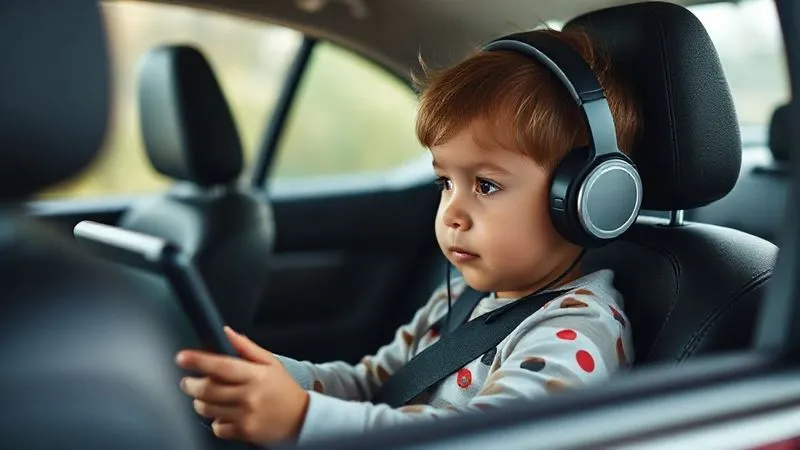
- Headphones: If your toddler will tolerate them, child-friendly headphones can create a personal bubble of entertainment without disturbing others in the car.
As child development expert Dr. Sarah Ockwell-Smith often emphasizes, "It's not about banning screens, but about managing them mindfully. When used strategically on a long journey, they can be a valuable tool for calm."
The Magic of Screen-Free Play: Old School Fun
Even with screen time, the bulk of engagement will come from non-digital activities. This is where creativity and preparation truly shine. These activities encourage imagination, fine motor skills, and sensory exploration, all vital for a toddler's development.
- Story Time: Pack several favorite board books or soft-cover books. You can read to them, or they can "read" to themselves.
- Simple Toys: Think small, quiet, and easily contained. Stuffed animals, small cars, chunky puzzles, pipe cleaners, or a Magna-Doodle. Rotate these toys to maintain novelty.
- Sensory Bags: A clear Ziploc bag filled with hair gel, glitter, and small plastic animals can provide endless squishy fun. Securely tape the bag shut!
- Sing-Alongs & Audiobooks: Create a playlist of their favorite songs or nursery rhymes. For slightly older toddlers, simple audiobooks can be captivating.
- "I Spy" and Observation Games: Engage them with the world outside the window. "I spy something blue," or "Can you see a red car?"
"The most effective way to prevent boredom, and thus meltdowns, is to constantly refresh the environment, even within the confines of a car. Novelty, however small, is a powerful tool for a toddler's developing brain."
Remember, the goal is not just to distract, but to genuinely engage. Be prepared to participate in their play, ask questions, and narrate what you see outside. Your interaction is often the best form of entertainment.
Fueling the Journey: Snacks, Hydration, and Mealtime Strategy
A hungry or thirsty toddler is a recipe for disaster on a long road trip. Just like adults, their mood and energy levels are intrinsically linked to their nutritional intake. Strategic fueling is a core component of preventing toddler meltdowns on a 10-hour family road trip.
Smart Snacking: Mess-Free & Healthy Options
When packing snacks, prioritize options that are relatively mess-free, easy for small hands to manage, and provide sustained energy. Avoid sugary treats that lead to energy spikes and subsequent crashes.
- Fruit Pouches: Excellent for hydration and fruit intake, with minimal mess.
- Cheerios or Puffs: Easy for toddlers to pick up and self-feed.
- Pre-cut Cheese Sticks or Cubes: Good protein source.
- Whole-wheat Crackers: Provides complex carbohydrates.
- Water Bottles with Spill-Proof Lids: Constant hydration is key.
- Small Thermos: Can keep cut fruit or yogurt cool.
Always pack more snacks and drinks than you think you'll need. Delays happen, and having extra provisions can be a lifesaver. A small cooler bag is essential for keeping perishable items fresh.
The Power of a Picnic Stop: Breaking the Monotony
While car snacks are convenient, nothing beats a proper stop for a meal. Planning for at least one substantial stop where everyone can get out of the car, stretch their legs, and eat a real meal is invaluable. This isn't just about food; it's about a change of scenery and a chance to burn off some energy.
Case Study: The Smith Family's Snack Success
The Smith family embarked on a 9-hour journey with their active 2.5-year-old, Leo. On previous trips, Leo would become irritable and refuse car snacks, leading to hanger-induced meltdowns. For this trip, Mrs. Smith implemented a "snack rotation" strategy. Every 1.5-2 hours, she would present a different, pre-portioned, mess-free snack from a cooler bag she kept within reach. She also ensured Leo's favorite spill-proof water bottle was always full. Instead of a single large lunch stop, they planned two shorter "picnic breaks" at rest stops with small grassy areas. During these stops, Leo could run, jump, and enjoy his meal outside the car. This systematic approach kept Leo consistently fueled and engaged, dramatically reducing hunger-related fussiness and allowing him to enjoy the journey without a single major meltdown.
This case study illustrates that variety and planned breaks are as important as the snacks themselves. The act of getting out, even briefly, can reset a toddler's mood.
The Power of the Pause: Strategic Stops for Sanity
Attempting a 10-hour drive straight through with a toddler is not just ambitious; it's often counterproductive. Strategic pauses are not just breaks from driving; they are essential components of preventing toddler meltdowns on a 10-hour family road trip. They allow for physical release, mental reset, and a much-needed change of environment.
Planning Pit Stops: More Than Just Gas and Bathrooms
Think of your stops as mini-adventures, not just necessary evils. Aim for a stop every 2-3 hours, or even more frequently if your toddler is particularly restless. The quality of the stop matters immensely.
- Seek Out Playgrounds: Websites and apps like "Playground Finder" or "Rest Stops with Playgrounds" can be invaluable. A 20-30 minute burst of running, swinging, and climbing can work wonders for burning off pent-up energy.
- Explore Local Parks: Instead of just a gas station, look for a nearby park. Even a simple walk in nature can be incredibly calming and stimulating.
- Roadside Attractions: Does your route pass by a quirky statue, a unique shop, or a point of interest? A quick photo op and a stretch can break the monotony.
- Picnic Areas: Combine your meal stops with a place where your toddler can explore safely outside the car.
- The "Emergency Stop": Be prepared to pull over safely if a meltdown is imminent or already in full swing. Sometimes, just stepping out of the car for a few minutes can de-escalate the situation.
As the American Academy of Pediatrics recommends for long-distance travel with children, "Frequent stops for active play and exploration are crucial for both physical and mental well-being." Ignoring this advice is often a direct path to an unhappy car ride.

Comfort & Routine: Recreating Home Away From Home
Toddlers find immense comfort in familiarity and routine. While a road trip inherently disrupts their usual environment, you can strategically introduce elements that mimic the security of home. This conscious effort is a significant factor in preventing toddler meltdowns on a 10-hour family road trip.
Familiar Comforts: Blankets, Stuffed Animals, and Lovies
Pack your toddler's favorite blanket, stuffed animal, or "lovey." These items provide a sense of security and familiarity in an otherwise new and changing environment. They can be particularly soothing during nap times or moments of distress.
- Favorite Blanket: A soft, familiar blanket can make the car seat feel more cozy and secure, especially for naps.
- Comfort Object: Whether it's a teddy bear, a special doll, or a security blanket, ensure their comfort object is easily accessible. It serves as an emotional anchor.
- Pillows: A small travel pillow can provide neck support and make napping more comfortable.
- Familiar Scents: Some parents even spray a familiar scent (like their own perfume or a calming essential oil they use at home) on a small cloth to provide sensory comfort.
These small additions can make a huge difference in a toddler's ability to relax and feel safe in the car.
Maintaining Sleep Schedules (As Much As Possible)
While perfect adherence to a home sleep schedule is unlikely, making an effort to maintain some semblance of it is vital. Overtired toddlers are notoriously prone to meltdowns.
- Darken the Windows: Use portable car window shades or even a dark cloth to create a dim environment conducive to sleep during nap times.
- White Noise: A portable white noise machine or a white noise app on your phone can block out road noise and create a calming sleep environment.
- Consistent Cues: Use your usual pre-nap or pre-bedtime cues, such as a specific lullaby, a quiet story, or a gentle back rub, to signal that it's time to rest.
- Flexibility: Understand that naps might be shorter or happen at slightly different times. The goal is to get some rest, even if it's not perfect.
According to child sleep experts at the Sleep Foundation, consistent sleep routines are crucial for a child's emotional regulation and cognitive development. Disrupting them significantly can lead to increased irritability and behavioral challenges.
| Routine Element | Action on Road | Benefit |
|---|---|---|
| Nap Schedule | Drive during usual nap time | Toddler sleeps, quiet driving |
| Bedtime Routine | Use familiar blanket/lovey | Sense of security, easier sleep |
| Meal Times | Frequent, healthy snacks; planned picnic stops | Prevents 'hanger' meltdowns |
| Playtime | Rotate toys, screen-free activities, playground stops | Engaged mind, physical release |
Dealing with the Inevitable: When Meltdowns Strike (And How to Recover)
Despite all the meticulous planning and expert strategies, toddlers are still toddlers. Meltdowns are a normal part of their development, especially when pushed outside their comfort zone. The key isn't necessarily to prevent every single one, but to be prepared for them and know how to effectively de-escalate and recover. This is where your expertise as a calm, authoritative parent truly shines.
Recognizing the Signs: Before the Tipping Point
Often, a full-blown meltdown doesn't come out of nowhere. Toddlers usually give subtle (or not-so-subtle) cues that they're nearing their limit. Being attuned to these signs allows you to intervene before things completely unravel.
- Increased Fidgeting: Constant shifting, kicking the seat, trying to unbuckle.
- Whining or Complaining: More frequent, drawn-out complaints about being bored, hot, or tired.
- Quiet Withdrawal: Sometimes, a toddler who suddenly becomes unusually quiet and still might be overstimulated or overwhelmed, on the verge of a shutdown or outburst.
- Irritability: Snapping at siblings, throwing toys, refusing comfort.
- Demands for "Out!": A clear indication they need a change of environment.
When you spot these signs, it's your cue to act proactively. Offer a new toy, suggest a song, or, ideally, plan for an immediate stop.
Expert De-escalation Techniques
Once a meltdown has begun, your immediate goal is to de-escalate the situation calmly and effectively. Yelling or becoming frustrated yourself will only add fuel to the fire.
- Stay Calm: Your calm presence is the most powerful tool. Take a deep breath. Model the behavior you want to see.
- Acknowledge Feelings: "I know you're feeling frustrated right now," or "It's hard to sit in the car for so long." Validating their emotions helps them feel heard.
- Offer Choices (Limited): "Do you want to listen to music or play with your car?" Giving a sense of control, even small, can be empowering.
- Distraction: A sudden, engaging new toy, a silly song, or pointing out something interesting outside can divert their attention.
- Physical Comfort (if possible): If you're pulled over, a hug, a gentle back rub, or a moment of physical closeness can be incredibly soothing.
- Pull Over Safely: If the meltdown is intense and unmanageable, and you're unable to focus on driving, find a safe spot to pull over. Getting out of the car, even for five minutes, can provide a complete reset for everyone.
"In moments of crisis, a parent's calm demeanor is the child's compass. If you lose your calm, they lose their direction. It's challenging, but essential for effective de-escalation." - As noted by parenting psychologists at the American Psychological Association.
Remember, a meltdown is not a reflection of your parenting; it's a phase of development and a sign that your toddler is overwhelmed. Your empathetic response teaches them emotional regulation and trust.

Frequently Asked Questions (FAQ)
How much screen time is too much for a 10-hour road trip? While the American Academy of Pediatrics recommends limiting screen time for toddlers, a long road trip is a unique circumstance. Instead of a hard numerical limit, focus on quality and strategic breaks. Aim for short, intermittent bursts (e.g., 20-30 minutes at a time) of educational or engaging content, interspersed with screen-free activities and active breaks. The goal is to prevent boredom and overstimulation, not to continuously entertain with screens.
What if my toddler gets motion sickness in the car? Motion sickness can definitely trigger meltdowns. Start by ensuring good ventilation and avoiding strong odors. Offer light, bland snacks (like crackers) rather than heavy or greasy foods. Keep their gaze fixed on the horizon if possible, or distract them with a story rather than a screen. Consult your pediatrician about child-safe over-the-counter motion sickness remedies before the trip, as some can cause drowsiness. Always have a "barf bag" and a change of clothes readily available.
How do I manage diaper changes on the road, especially in remote areas? Preparation is key. Always have a well-stocked diaper bag with plenty of diapers, wipes, changing pad, and disposal bags. Plan your stops to coincide with rest areas or gas stations that have family restrooms. If you're in a remote area, a large blanket spread out in the trunk or on the ground next to the car can serve as an impromptu changing station. Dispose of soiled diapers properly and promptly to avoid odors.
Should I drive at night to avoid toddler meltdowns entirely? Driving at night can be an effective strategy as toddlers often sleep through much of the journey. However, it requires careful consideration for the adults. Ensure you have at least two well-rested drivers who can switch off, or that the sole driver is genuinely accustomed to and comfortable with night driving. Driver fatigue is a serious safety hazard. If you're not a night owl, the risk might outweigh the benefit of a sleeping toddler.
What's the single most important tip for a successful 10-hour road trip with a toddler? In my experience, the single most crucial tip is to embrace flexibility and manage your own expectations. No road trip with a toddler will be perfect. There will be unexpected delays, changes in mood, and moments of challenge. Your ability to adapt, stay calm, and find humor in the chaos will be your greatest asset. A relaxed parent often leads to a more relaxed child. Focus on the journey as part of the adventure, not just the destination.
Key Takeaways and Final Thoughts
Navigating a 10-hour family road trip with a toddler is undoubtedly a significant undertaking, but it is far from an impossible mission. By approaching the journey with a strategic mindset, a deep understanding of your toddler's needs, and an arsenal of well-prepared tools and techniques, you can genuinely transform potential chaos into cherished memories. The core of preventing toddler meltdowns on a 10-hour family road trip lies in proactive planning, empathetic engagement, and realistic expectations.
- Understand Your Toddler's World: Acknowledge their limited attention span, need for movement, and reliance on routine.
- Plan Meticulously: From timing your departure to prepping the car and packing the right essentials, preparation is your best defense.
- Diversify Entertainment: Balance curated screen time with a rich array of engaging, screen-free activities.
- Fuel Strategically: Prioritize healthy, mess-free snacks and planned meal breaks to keep hunger at bay.
- Embrace the Pause: Frequent, quality stops for active play and exploration are non-negotiable for physical and mental resets.
- Create Comfort & Routine: Introduce familiar objects and try to maintain some semblance of their home schedule.
- Be Prepared for Meltdowns: Learn to recognize early signs and equip yourself with calm de-escalation techniques.
Remember, every family road trip is a unique adventure, and while challenges may arise, your resilience and preparation will guide you through. Embrace the journey, celebrate the small victories, and know that with these strategies, you are well-equipped to create a positive and memorable travel experience for your entire family. Happy travels!
Recommended Reading
- Best Baking Classes While Traveling Abroad: A Delicious Journey
- 7 Proven Strategies: Fund Safe, Budget Student Travel Programs
- Burnout to Breakthrough: 7 Spiritual Paths for Executive Renewal
- Unlocking Executive Potential: 5 Glamping Retreats for Peak Performance
- Cozy Cabin Glamping: Your Ultimate Cold Weather Escape Guide





Your email address will not be published. Required fields are marked *