

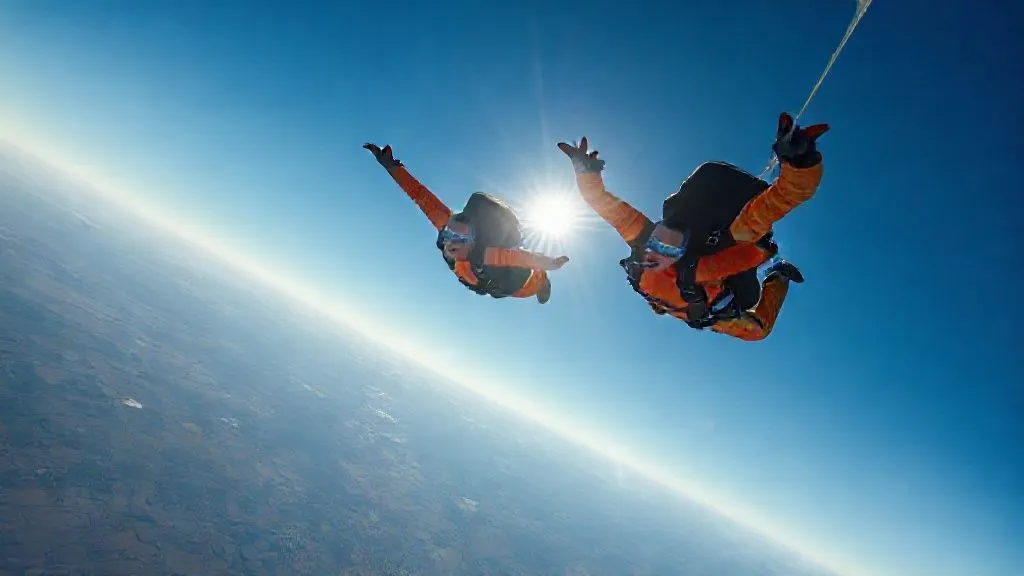
Reducing Risk of Mid-Air Collisions at Busy Skydiving Centers: An Expert's Perspective
For over two decades in the adventure travel sphere, particularly within the exhilarating world of skydiving, I've witnessed the sport evolve dramatically. From smaller, intimate dropzones to the bustling hubs we see today, the sheer volume of jumpers and aircraft has multiplied. While this growth is a testament to skydiving's enduring appeal, it has also introduced complex challenges, none more critical than the escalating risk of mid-air collisions. I've seen firsthand how a lapse in protocol, a moment of complacency, or a lack of coordinated effort can turn a beautiful skydive into a terrifying incident.
The problem isn't theoretical; it's a tangible, growing concern for every skydiver, instructor, and dropzone operator. Busy airspace, multiple aircraft, diverse experience levels, and the inherent speed of freefall and canopy flight create a high-stakes environment where precise planning and execution are paramount. The fear of a mid-air incident, whether during freefall or under canopy, casts a long shadow, potentially deterring new participants and undermining the joy and freedom that define our sport.
This article isn't just a discussion of the problem; it's a deep dive into actionable, experience-backed solutions. Drawing from my years of operational insight and safety advocacy, I'll lay out a comprehensive framework for significantly reducing the risk of mid-air collisions at even the busiest skydiving centers. We'll explore everything from advanced jump run planning and canopy traffic management to cutting-edge technology and, crucially, fostering a proactive safety culture. Prepare to gain insights that will empower you to make your dropzone, or your next jump, demonstrably safer.
The Evolving Landscape of Dropzone Congestion: A New Reality
The sport of skydiving has never been more accessible or popular. This surge in participation, while fantastic for the industry, has inevitably led to increased congestion in the skies above our dropzones. What was once a relatively sparse environment has, in many places, become a dynamic, multi-layered airspace teeming with activity. Larger aircraft, capable of carrying 20+ skydivers, make multiple rotations an hour, alongside smaller planes for specialty jumps, creating a complex aerial dance that demands meticulous choreography.
In my experience, many dropzones have grown organically, often without fundamentally re-evaluating their operational models to match the increased traffic. This oversight can create vulnerabilities. We're no longer just managing a handful of individuals; we're orchestrating the movements of dozens, sometimes hundreds, of skydivers and multiple aircraft simultaneously. The 'old ways' of doing things, while perhaps adequate for lower volume, simply don't scale effectively to today's bustling environments.
"The greatest risk isn't the unknown, but the failure to adapt our known protocols to new, higher-demand realities." - An experienced Dropzone Operator.
Several factors contribute significantly to this heightened congestion and the associated risks:
- Increased Skydiver Numbers: More licensed jumpers and tandem students means more bodies in the air.
- Larger Aircraft: Modern turbine aircraft allow for rapid turnaround and higher skydiver capacity per load.
- Diverse Jump Types: Tandems, student progression, experienced belly flyers, freefliers, wing suiters, and canopy pilots all have different exit points, fall rates, and flight patterns.
- Limited Airspace: Many dropzones operate within specific, often constrained, air traffic control (ATC) parameters or proximity to other airfields.
- Weather Windows: Favorable weather often concentrates jump activity into shorter, more intense periods.
Pre-Jump Briefing Reinforcement: Beyond the Basics
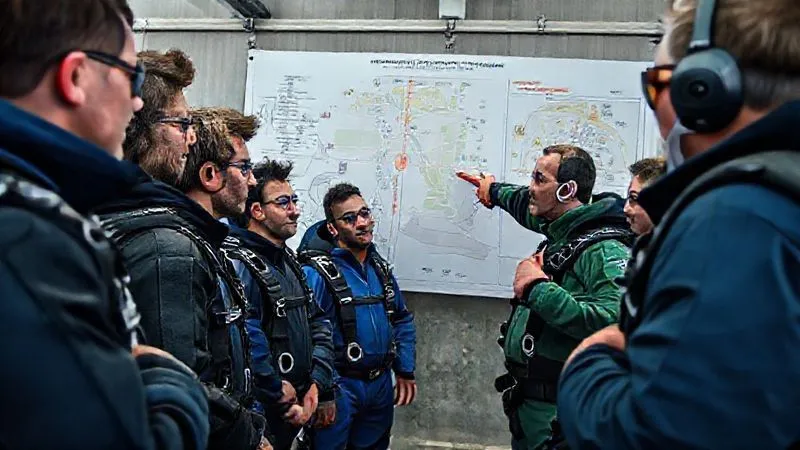
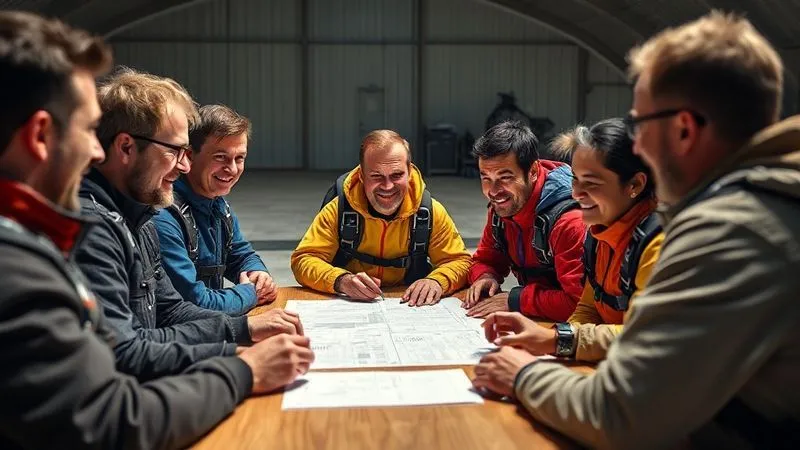
A comprehensive pre-jump briefing is the bedrock of safety at any dropzone, but at busy centers, it needs to be elevated from a routine checklist to a critical, interactive safety session. It's not enough to simply state the rules; jumpers must understand the 'why' behind them, especially concerning traffic management. I've often observed briefings where experienced jumpers tune out, assuming they know it all. This complacency is a significant risk factor.
Standard Briefing Gaps
Many briefings focus heavily on emergency procedures, which are vital, but often gloss over the nuances of traffic separation. Key areas often underserved include:
- Detailed explanation of the current day's specific jump run and exit points.
- Expected freefall separation techniques for different group sizes and disciplines.
- Clear communication on canopy pattern entry and traffic flow, especially for high-performance canopies.
- Emphasis on looking before you leap, both in the door and upon deployment.
Enhancing Situational Awareness
To truly reduce collision risk, every skydiver needs to develop acute situational awareness. This means not just knowing their own plan, but understanding the broader traffic picture. During briefings, I advocate for:
- Visual Aids: Use maps or diagrams to show jump run, exit points, and designated landing patterns.
- Interactive Q&A: Encourage questions and challenge assumptions, particularly from experienced jumpers.
- Scenario-Based Discussions: Present hypothetical traffic conflicts and discuss best responses. "What if you deploy low and see another canopy directly above you?"
- Review of Incident Reports: Anonymized summaries of past near-misses can be powerful learning tools, without inducing fear.
Jump Run Design & Aircraft Separation: The Master Plan
The jump run is the aerial highway, and its design is paramount for safe traffic flow. At busy centers, this isn't a casual decision; it's a strategic masterpiece orchestrated by experienced manifest staff and pilots. The goal is to create maximum horizontal and vertical separation between exiting groups and deploying canopies. Poor jump run planning is, in my professional opinion, one of the leading contributors to proximity incidents.
Optimizing Exit Orders and Group Sizes
Manifesting loads effectively is an art. It involves balancing skydiver preferences with safety imperatives. My approach is always to prioritize separation:
- Discipline-Based Sequencing: Group similar disciplines (e.g., tandems, students, belly, freefly, wingsuit) together, then separate these groups by altitude, exit point, or time.
- Altitude Separation: Ensure sufficient vertical separation between groups exiting at different altitudes (e.g., tandems at 10,000 ft, experienced at 13,000 ft).
- Horizontal Separation: Varying exit points along the jump run, ensuring groups drift downrange or cross-wind in a predictable manner, away from subsequent groups.
- Time Delays: Implementing mandatory delays between group exits, even within the same pass, to allow for greater freefall and deployment separation.
Aircraft Flight Paths & Holding Patterns
It's not just about the skydivers; the aircraft themselves need a clear, predictable flight path that avoids both exiting jumpers and deploying canopies. This requires close coordination between the pilot and the ground crew/manifest. Pilots should be briefed on the specific jump run plan for each load. Holding patterns for subsequent loads must be designed to keep aircraft clear of the active jump run and landing areas. According to the FAA Aeronautical Information Manual, pilots have a responsibility to see and avoid other aircraft, and this extends to skydivers as well, but proactive planning minimizes reliance on last-minute evasive actions.
| Scenario | Typical Exit Altitude | Target Deployment Zone | Minimum Separation from Next Group |
|---|---|---|---|
| High Altitude Exit (Experienced) | 13,500 ft AGL | Upwind of Dropzone | 30-45 seconds |
| Mid Altitude Exit (Tandem/Student) | 10,000 ft AGL | Directly over Dropzone | 60-90 seconds |
| Low Altitude Exit (Specialty) | 7,000 ft AGL | Downwind of Dropzone | 45-60 seconds |
Canopy Management: The Crucial Phase
While freefall collisions are rare, mid-air collisions under canopy are unfortunately more common, especially at busy dropzones. This is often due to a lack of awareness, poor pattern discipline, or simply too many canopies in the same airspace. I've seen too many experienced jumpers treat the canopy flight as a solo endeavor, forgetting they are part of a larger traffic pattern. This phase demands as much, if not more, attention to safety protocols as freefall.
High-Altitude Traffic Patterns
Upon deployment, skydivers typically have several thousand feet of altitude to manage their canopy and assess traffic. This is a critical window for establishing separation. I always emphasize:
- Immediate 360-Degree Check: As soon as your canopy is open and steerable, scan your entire surroundings for other canopies, especially above and below.
- Holding Areas: Designate specific high-altitude holding areas or 'stacks' for jumpers to gain separation before entering the main landing pattern. This is especially useful for large loads.
- Altitude Awareness: Maintain awareness of your altitude and the altitudes of other canopies. Use audible altimeters as a backup.
Landing Pattern Discipline
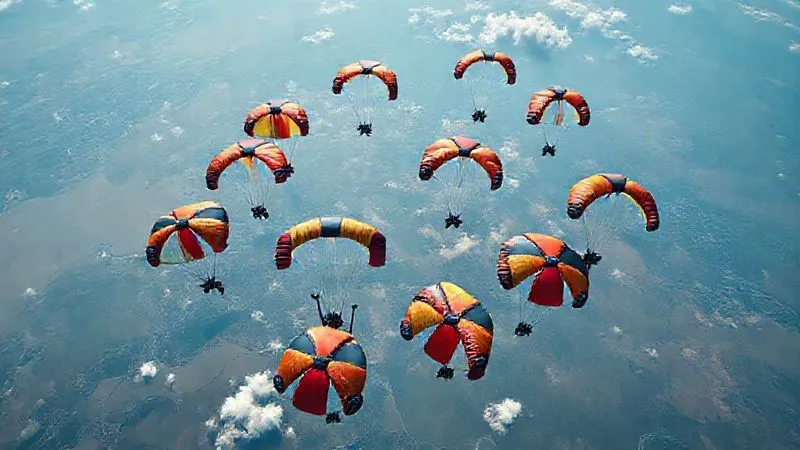
The landing pattern is where the highest density of canopies occurs, making strict adherence to a defined pattern non-negotiable. This is where most canopy collisions happen. Every dropzone must have a clear, easily understood, and consistently enforced landing pattern. Key elements include:
- Standardized Pattern Direction: Always land into the wind, but ensure everyone flies the same pattern (e.g., left-hand or right-hand turns only).
- Predictable Entry Points: Jumpers should enter the pattern at a designated altitude and position, avoiding direct flight over the landing area.
- Spacing and Sequencing: Emphasize maintaining ample distance from other canopies, and prioritize the canopy below you. "The lower canopy always has the right of way" is a cardinal rule.
- Emergency Landings: Brief on alternative landing areas and procedures for off-field landings to avoid conflicting with the main pattern.
Case Study: Safe Skies Dropzone's Canopy Protocol Success
Safe Skies Dropzone, a high-volume operation in the Midwest, faced increasing canopy proximity incidents. Their solution involved a multi-pronged approach: mandatory "Canopy Traffic Management" mini-briefings for every load, led by a dedicated safety officer; clear visual markers on the ground delineating pattern entry and turn points; and a strict "no flying directly over the packing area" rule. Within six months of implementing these, coupled with immediate debriefing of any close calls, they reported a 70% reduction in canopy-related incident reports, fostering a significantly safer and more confident jump environment for their community. This demonstrates the power of consistent enforcement and clear communication.
Technology & Equipment Innovations for Enhanced Safety
While human factors and robust protocols remain paramount, technology offers powerful tools for reducing risk. The skydiving industry has always embraced innovation, and collision avoidance is an area ripe for technological assistance. I believe future advancements will play an increasingly vital role in supplementing our existing safety measures, especially as dropzones continue to grow in volume.
GPS Tracking & Telemetry
Imagine knowing the precise location and altitude of every skydiver and aircraft in real-time. While not yet universally deployed, systems using GPS and telemetry are emerging. These could provide:
- Manifest Oversight: Real-time visualization for manifest and air traffic controllers to monitor separation and identify potential conflicts.
- Post-Jump Analysis: Data for debriefing, allowing jumpers to review their flight path relative to others, identifying areas for improvement.
- Automated Alerts: Future systems could potentially provide audible or visual alerts to jumpers if they are on a collision course with another tracked object.
Visual and Audible Warning Systems
Many skydivers already use audible altimeters, which are crucial. However, the next generation of warning systems could be more sophisticated:
- Heads-Up Displays (HUDs): Integrated into helmets, these could display relative bearing and altitude of nearby canopies.
- Proximity Sensors: While challenging to implement on every rig, research into lightweight, reliable proximity sensors could offer direct warnings.
- Enhanced Visual Aids: Brighter, more reflective materials on canopies and jumpsuits to increase visibility, especially in varied lighting conditions.
As USPA (United States Parachute Association) often emphasizes, the first rule of safety is "see and avoid." Technology can augment our ability to see and, crucially, to be seen. While not a replacement for vigilance, these tools provide valuable layers of protection.
Pilot & Ground Crew Coordination: The Unsung Heroes
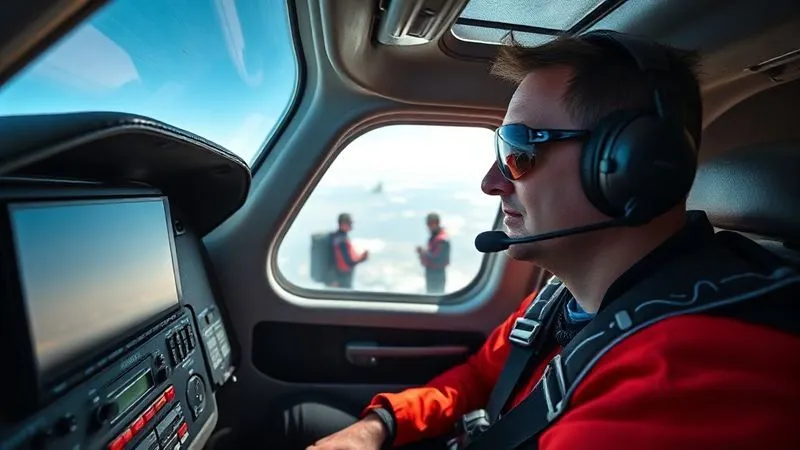
Behind every safe skydive is a symphony of coordination between the pilot, manifest, and ground crew. They are the unsung heroes, often operating under immense pressure to maintain flow while ensuring safety. A breakdown in their communication loop can have cascading effects that directly impact mid-air collision risk. I've always stressed that the pilot isn't just a driver; they are an integral part of the safety team, with unique insights into the airspace.
Air-to-Ground Communication Protocols
Clear, concise, and standardized communication is vital. This includes:
- Pre-Flight Briefings: Pilot, manifest, and load organizers review the jump run, exit plan, and any special instructions for the load.
- In-Flight Updates: Pilot provides real-time updates on winds, cloud cover, and any unexpected air traffic. Manifest communicates any changes to the exit order or skydiver count.
- Post-Jump Debriefs: Pilot provides feedback on jump run accuracy, skydiver separation, and anything observed from the air that could improve future operations.
Emergency Procedures & Drills
Regular drills for various scenarios are crucial. What happens if:
- An aircraft experiences an in-flight emergency?
- A skydiver deploys early or off-course?
- Unexpected weather rapidly moves in?
These drills should involve the pilot, manifest, and ground crew, ensuring everyone knows their role and can execute it seamlessly under pressure. This proactive preparation builds muscle memory and reduces reaction time when it matters most. It's about establishing a robust, resilient system that can adapt to unforeseen circumstances.
Continuous Training & Debriefing: The Learning Loop
The pursuit of safety is an ongoing journey, not a destination. At busy skydiving centers, where dynamics are constantly shifting, continuous training and robust debriefing processes are non-negotiable. This applies to everyone involved: jumpers, instructors, pilots, and ground staff. Complacency is the enemy of safety, and a culture of continuous learning is its antidote. As a mentor, I constantly remind my students that every jump is an opportunity to refine their skills and awareness.
Regular Drills and Scenarios
Beyond theoretical discussions, practical application is key. Dropzones should implement:
- Freefall Separation Drills: Practicing specific break-off procedures and tracking away from groups.
- Canopy Pattern Drills: Dedicated loads where jumpers focus solely on pattern entry, spacing, and simulated conflict resolution under canopy.
- Emergency Scenario Training: Regular refreshers on reserve procedures, cutaways, and off-field landings, ensuring muscle memory is sharp.
Post-Jump Debriefs & Feedback
Every jump, especially at a busy dropzone, should be considered a learning opportunity. A structured debriefing process fosters accountability and continuous improvement:
- Immediate Self-Assessment: Encourage jumpers to reflect on their jump, focusing on separation, awareness, and pattern adherence.
- Peer Feedback: Foster an environment where jumpers can offer constructive criticism to each other regarding safety practices.
- Instructor/Load Organizer Feedback: Experienced staff provide direct observations and guidance, highlighting best practices and areas for improvement.
- Incident Review: Any near-miss or deviation from protocol must be thoroughly reviewed, not as a blame game, but as a systemic learning opportunity.
According to safety research, a strong safety culture that encourages open reporting and learning from incidents, rather than punitive measures, leads to a significant reduction in accidents. This is a core principle echoed by organizations like the Flight Safety Foundation, which advocates for a non-punitive reporting culture.
Fostering a Culture of Safety & Accountability
Ultimately, all the protocols, technologies, and training in the world mean little without a deeply ingrained culture of safety and personal accountability. At busy dropzones, this culture must permeate every level, from the most seasoned instructor to the newest student. It’s about collective responsibility and a shared commitment to keeping everyone safe. I've always believed that the most effective safety measures are those embraced and actively championed by the community itself.
Peer Mentorship and Oversight
Encourage experienced jumpers to mentor newer ones, not just in skill development, but in safety protocols. This includes:
- Role Modeling: Experienced jumpers consistently demonstrating impeccable safety habits.
- Gentle Correction: A culture where a senior jumper can politely remind a junior jumper about pattern adherence without judgment.
- Designated Safety Ambassadors: Volunteers who actively observe and provide feedback on safety practices.
Incident Reporting and Analysis
A robust, non-punitive incident reporting system is critical. Jumpers must feel comfortable reporting near-misses or observations of unsafe practices without fear of reprisal. This data is invaluable for identifying trends, weak points in protocols, and areas requiring additional training. True safety leadership involves transparently sharing these findings with the community and implementing changes based on data, not just anecdote. As studies on aviation safety often conclude, proactive reporting is a cornerstone of accident prevention.
Frequently Asked Questions (FAQ)
Q: What's the single most impactful change a busy dropzone can make to reduce collision risk? In my experience, the most impactful change is implementing and rigorously enforcing a standardized, predictable canopy landing pattern. While freefall separation is crucial, most mid-air incidents occur under canopy. A clear, well-briefed, and consistently flown pattern dramatically reduces ambiguity and the likelihood of conflicts. This must be coupled with zero tolerance for deviations.
Q: How can new skydivers best contribute to reducing mid-air collision risk? New skydivers can contribute significantly by being highly disciplined. This means paying absolute attention during briefings, diligently practicing what they're taught (especially break-off and canopy patterns), maintaining acute situational awareness, and not being afraid to ask questions or seek help if they feel unsure about traffic. Always prioritize safety over ego or performance.
Q: Are there specific technologies that are becoming standard for collision avoidance in skydiving? While not yet "standard" in the same way an AAD (Automatic Activation Device) is, audible altimeters are virtually universal and critical for altitude awareness. Beyond that, GPS-enabled devices that track flight paths for debriefing are gaining traction. The future may hold more sophisticated visual/audible proximity warning systems, but these are still in early stages of adoption for individual skydivers. Aircraft transponders and ADS-B are standard for aircraft, aiding ATC in keeping jump planes separated from other general aviation traffic.
Q: What role does the Manifest/Load Organizer play in preventing collisions? The Manifest and Load Organizer roles are absolutely critical. They are the architects of the jump run. Their responsibilities include: ensuring proper skydiver separation on the load (by experience, discipline, and exit order), communicating clear exit points to the pilot and jumpers, managing the flow of aircraft, and adapting to real-time changes in wind or other factors. A skilled manifest is a safety linchpin.
Q: How can a dropzone balance efficient turnaround times with enhanced safety measures? This is the perpetual challenge at busy centers. The key is efficiency through planning and standardization, not through rushing. Streamlined manifest processes, clear communication channels, well-defined jump runs that account for multiple loads, and a culture that values safety over speed are essential. Investing in larger, faster aircraft can also help, as they reduce the time spent flying to altitude, allowing more time for separation planning without sacrificing overall volume. It's about working smarter, not just faster.
Key Takeaways and Final Thoughts
Reducing the risk of mid-air collisions at busy skydiving centers is a multifaceted challenge that demands a holistic, proactive approach. It's not about implementing one single solution, but rather integrating a robust set of protocols, technologies, and cultural norms. From my vantage point, having seen the sport grow and adapt, I can confidently say that the most successful dropzones are those that prioritize safety not as a burden, but as an intrinsic value that enhances the entire experience.
- Prioritize Proactive Planning: Meticulous jump run design, manifest sequencing, and aircraft separation are non-negotiable.
- Reinforce Briefings: Elevate pre-jump briefings to interactive safety sessions, emphasizing situational awareness.
- Master Canopy Management: Strict adherence to standardized landing patterns is crucial for preventing incidents under canopy.
- Leverage Technology: Utilize tools like audible altimeters and explore emerging GPS/telemetry systems for enhanced oversight.
- Foster Collaboration: Seamless communication between pilots, manifest, and ground crew is the backbone of safe operations.
- Embrace Continuous Learning: Regular drills, structured debriefs, and a non-punitive incident reporting culture are vital for ongoing improvement.
- Cultivate a Safety Culture: Instill a collective sense of accountability and peer mentorship throughout the skydiving community.
The exhilaration of skydiving should never be overshadowed by preventable risks. By committing to these expert-backed strategies, dropzone operators, instructors, and skydivers alike can work together to ensure that our skies remain as safe as they are thrilling. Let's continue to push the boundaries of what's possible, but always with an unwavering commitment to the safety of every single individual who steps out of that aircraft. Blue skies and safe landings!
Recommended Reading
- 7 Steps to Craft Truly Unique City Break Rooftop Bar Tours
- Airport Accessible Transport Fails? 7 Steps to Regain Control
- 7 Steps: Ethically Sourcing Unique Coffee Beans from Your Travels
- Unlocking Unique Family Adventures: How to Find Child-Friendly Gems Abroad
- Unlocking City Secrets: Your Ultimate Guide to Hidden Gems in Vibrant City Breaks


Your email address will not be published. Required fields are marked *