

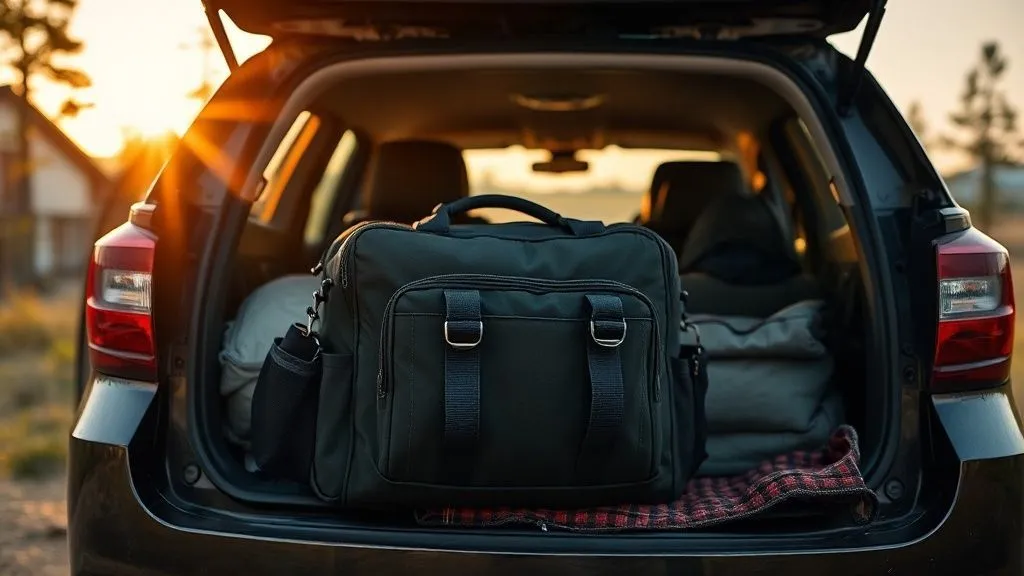
Secure Expensive Camera Gear During Solo Car Camping Trips?
For over two decades, I’ve chased sunrises and starry nights with a camera in hand, exploring remote corners of the globe from the confines of my trusty vehicle. I’ve seen countless breathtaking landscapes, but I’ve also witnessed the heartbreaking reality of theft, both my own and fellow adventurers'. The fear of losing your prized photographic equipment can overshadow the joy of the journey, especially when you're out there all alone.
The solo car camping experience offers unparalleled freedom and connection with nature, a perfect canvas for photographers. However, it also presents a unique vulnerability: who’s watching your back, and your gear, when you’re away from the vehicle or fast asleep? Expensive camera bodies, lenses, and drones are not just tools; they're significant investments and often extensions of our creative vision, making them prime targets for opportunistic thieves.
This comprehensive guide isn't just a list of tips; it's a battle-tested framework born from years of real-world experience and countless hours spent refining security protocols. I'll share actionable strategies, from stealth vehicle modifications to advanced tech solutions and critical operational security practices, ensuring you can secure expensive camera gear during solo car camping trips and focus on capturing those unforgettable moments, not worrying about your kit.
Understanding the Risks: Why Solo Car Camping Demands Extra Vigilance
Solo car camping is an incredible adventure, offering solitude and direct access to stunning locations. Yet, this very isolation, combined with the often-unattended nature of a parked vehicle, creates specific security challenges for photographers.
The Allure and the Vulnerability
The freedom to pull over anywhere and capture a fleeting moment is what draws many of us to car camping photography. Unfortunately, this also means we often find ourselves in remote, unwatched areas or popular but unguarded trailheads, making our vehicles potential targets.
- Isolation: Being alone means no one else is there to deter potential thieves or raise an alarm if something goes wrong.
- Visibility of Gear: Even a quick glance into a vehicle can reveal expensive equipment, signaling an opportunity for theft.
- Time Away: Whether you're hiking, exploring, or simply sleeping, there are extended periods when your vehicle and its contents are unattended.
- Opportunistic Crime: Many thefts are not pre-planned but occur when an easy target presents itself, especially in popular tourist spots or less-regulated camping areas.
"In my years on the road, I've learned that security isn't about eliminating risk entirely – that's impossible. It's about making your setup such a hard target that a thief moves on to easier prey. Your goal is deterrence, not invincibility."
According to a report by the FBI's Internet Crime Complaint Center (IC3), property crime, including theft, remains a significant concern, emphasizing the need for proactive protection, especially for high-value items like camera gear.
The Foundation of Security: Strategic Vehicle Selection & Modification
Your vehicle isn't just transport; it's your mobile fortress. The choices you make regarding your rig and its setup form the very first, and arguably most crucial, layer of defense for your expensive camera gear during solo car camping trips.
Choosing the Right Rig for Discreet Photography
When I advise photographers on car camping, I always emphasize the importance of blending in. A flashy, obviously custom-built overland rig can scream "expensive gear inside."
- Stealth Factor: Vans (especially older, less conspicuous ones) and SUVs often offer better concealment than pickup trucks or overt RVs. They don't immediately advertise "camping vehicle."
- Window Coverage: Tinted windows, magnetic window covers, or even simple curtains are essential. The less visible your interior, the less appealing your vehicle is as a target.
- Secure Storage Bays: Look for vehicles with built-in storage compartments, or consider creating custom ones. Factory under-seat storage or deep cubbies can be invaluable.
- Robust Locking Systems: Ensure your vehicle's doors, tailgate, and any external storage compartments have strong, reliable locks. Upgrading to aftermarket security systems can also be a wise investment.
Case Study: Sarah's Stealth Sprinter Build
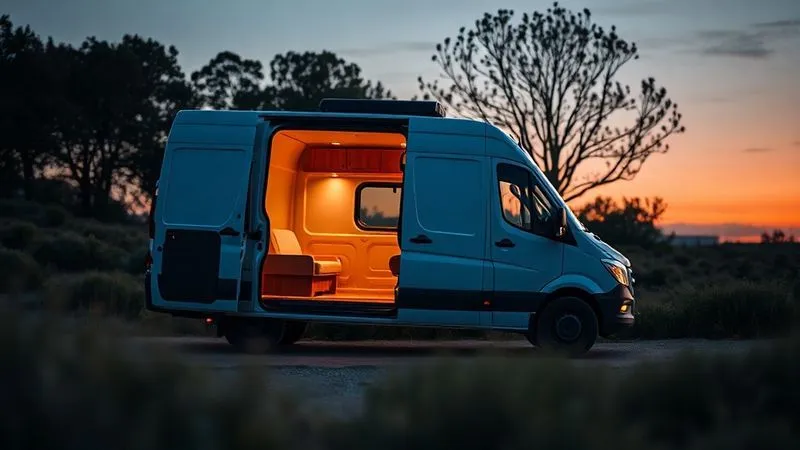
Sarah, a wildlife photographer I met on a trip through Patagonia, faced the constant challenge of securing her multiple camera bodies and long lenses. Her solution was brilliant: a seemingly ordinary white Mercedes Sprinter van. Inside, however, she had built a false floor with hidden, lockable compartments beneath it. When parked, her van looked like any commercial vehicle, but her gear was safely tucked away, inaccessible without specific knowledge.
DIY Modifications for Enhanced Security
Even if you don't have a dedicated "stealth" vehicle, there are modifications you can make to significantly improve security.
- Install a False Floor or Wall: Create a hidden compartment in the back of your SUV or van. This can be as simple as a plywood platform covered with carpet, allowing you to store gear underneath.
- Bolt Down a Safe/Locker: Purchase a small, sturdy safe or a lockable storage box and physically bolt it to the vehicle's frame. This makes it impossible for a thief to simply grab and go.
- Upgrade Window Security: Consider security film for windows, which makes them much harder to smash. Or, for fixed windows, install internal grates or bars for extreme protection.
- Alarm System with Motion Sensors: A quality aftermarket alarm system with internal motion sensors can detect intruders even if they gain access to the interior.
Layered Defense: Physical Security Solutions for Your Gear
Once your vehicle is optimized for security, the next step is to focus directly on securing the expensive camera gear itself. This involves employing a layered approach, making it progressively harder for a thief to access or remove your equipment.
Fortifying Your Camera Storage Onboard
Simply tossing your camera bag into the back seat is an open invitation for theft. Dedicated, secure storage is paramount.
- Lockable Cases: Invest in robust, hard-shell camera cases (e.g., Pelican or similar brands) that can be locked. These protect against impact and deter quick grabs.
- Stealth Bags/Wraps: When not in a hard case, use camera bags that don't scream "expensive camera inside." Avoid branded bags; opt for discreet backpacks or even canvas wraps.
- Security Cages/Safes: Small, portable safes designed for vehicles or even dedicated camera safes can be bolted down or secured with heavy-duty cables.
- Under-Seat Storage: Utilize hidden spaces like under-seat compartments or custom-built drawers that are out of sight and ideally lockable.
Here's a comparison of common physical security solutions:
| Solution | Pros | Cons |
|---|---|---|
| Hard-Shell Lockable Case | Impact protection, strong deterrent, often waterproof | Bulky, can be heavy, still portable if not anchored |
| Vehicle Safe (Bolted) | Extremely secure, hidden, permanent fixture | Installation required, limited capacity, fixed location |
| Security Cable Lock | Flexible, secures multiple items, relatively lightweight | Can be cut with heavy-duty tools, requires anchor point |
| Discreet Camera Bag | Blends in, less obvious target | Offers no physical theft protection, only concealment |
Anchoring and Concealment Techniques
Even the best case is useless if it can simply be walked away with. Anchoring your gear, or its container, is crucial.
- Cable Locks: Use heavy-duty steel cable locks to secure your camera cases to a fixed point within your vehicle, such as a seat frame, cargo anchor points, or even the vehicle's chassis.
- Hidden Compartments: As mentioned earlier, truly hidden compartments are the gold standard. Gear that isn't seen can't be stolen.
- Decoy Items: Sometimes, leaving a cheap, older camera bag or a non-valuable item visible can act as a decoy, distracting from your actual hidden gear.
- Layered Concealment: Don't just hide your gear; hide the fact that you're hiding anything. Cover your secured items with blankets, groceries, or ordinary camping gear to make the interior look unremarkable.
"Think like a thief. What would they look for? How quickly could they grab it? If you can answer those questions and create obstacles at every turn, you're well on your way to securing your your gear."
Smart Tech & Surveillance: Leveraging Modern Gadgets
In today's world, technology offers powerful tools to augment your physical security measures. Integrating smart gadgets can provide real-time alerts and tracking capabilities, significantly improving your ability to secure expensive camera gear during solo car camping trips.
Portable Alarms & Sensors
These devices can act as an early warning system, alerting you to tampering or unauthorized entry.
- Door/Window Sensors: Small, wireless sensors can be placed on your vehicle's doors, windows, or even on your camera cases. They trigger an alarm if opened.
- Motion Sensors: Infrared motion detectors can be placed inside your vehicle to detect movement when you're away or asleep.
- Vibration Sensors: These attach directly to items or surfaces and trigger an alarm if they detect significant vibration, indicating an attempt to move or open something.
- Personal Alarms: Carry a loud personal alarm. If you feel threatened or suspect tampering, a loud siren can often scare off potential intruders.
GPS Tracking & Remote Monitoring
The ability to track your gear or vehicle remotely provides a crucial layer of recovery potential.
- GPS Trackers for Gear: Tiny, discreet GPS trackers can be hidden inside your camera bag or even attached directly to a valuable lens. Many offer real-time tracking via a smartphone app.
- Vehicle GPS Trackers: For your vehicle itself, a hidden GPS tracker can be invaluable for recovery in case of theft. Some even offer geofencing alerts.
- Portable Security Cameras: Small, battery-powered security cameras with motion detection and cloud storage can be placed inside your vehicle. They can send alerts and record footage if triggered.
When selecting these devices, prioritize long battery life, reliable connectivity (cellular or satellite for remote areas), and ease of concealment. Ensure you test them thoroughly before heading out on a trip.
For advanced vehicle security and tracking, companies like LoJack offer integrated systems that can assist in vehicle recovery, showcasing the power of professional tracking technology.
Operational Security (OPSEC): Your Best Defense Strategy
Beyond physical and technological barriers, your behavior and decision-making play a critical role in preventing theft. Operational Security (OPSEC) is about minimizing your vulnerability through smart practices and a vigilant mindset, especially when you need to secure expensive camera gear during solo car camping trips.
The Art of Discretion: Blending In and Staying Low Profile
The less attention you draw to yourself and your vehicle, the safer your gear will be.
- Avoid Flaunting: Don't display your expensive camera gear openly. Keep it packed away when not in active use.
- Discreet Setup: When setting up camp, do so efficiently and without attracting undue attention. Avoid sprawling out with all your gear visible.
- Camouflage Your Vehicle: As discussed, a stealthy vehicle is key. Avoid decals or accessories that scream "adventure traveler with expensive toys."
- Research Your Spots: Before committing to a campsite or parking spot, do some research. Read reviews, check crime statistics for the area if available, and trust your gut feeling.
Trip Planning & Reconnaissance: Forethought Prevents Fore-Loss
A well-planned trip is a secure trip. Your security starts long before you even leave your driveway.
- Pre-Trip Research: Investigate your intended camping spots. Are they known for petty crime? Are they well-lit, or completely isolated?
- Scout Locations: If possible, arrive at your intended overnight spot during daylight hours. Assess the surroundings, look for escape routes, and note any suspicious activity.
- Vary Your Routine: Don't be predictable. Change up your parking spots, don't always leave at the same time, and avoid establishing a clear pattern.
- Inform Someone: Always let a trusted friend or family member know your itinerary, including your planned stops and estimated times.
- Trust Your Gut: If a place feels off, it probably is. Don't hesitate to move on to a different location, even if it means altering your plans. Your safety and your gear's security are paramount.
"The most sophisticated security system in the world won't protect you if you openly invite trouble. Your awareness and discretion are your first and most effective lines of defense."
This approach aligns with general safety advice from organizations like the U.S. Department of State's travel advisories, which consistently emphasize situational awareness and careful planning as key to personal security.
Emergency Protocols: What to Do If the Unthinkable Happens
Despite all precautions, theft can still occur. Having a clear, calm plan of action for what to do if your expensive camera gear is stolen is just as crucial as prevention. Preparedness can significantly impact recovery efforts and mitigate financial losses.
Immediate Actions Post-Theft
Time is of the essence when a theft occurs. Acting quickly and systematically can increase the chances of recovery.
- Ensure Personal Safety: First and foremost, verify that you are safe and out of immediate danger. If you suspect an intruder is still present, prioritize your safety over property.
- Do Not Disturb the Scene: If your vehicle was broken into, avoid touching anything until law enforcement has had a chance to examine it for fingerprints or other evidence.
- Call Law Enforcement: Immediately contact the local police or sheriff's department. Provide them with all the details: location, time of discovery, description of stolen items (including serial numbers), and any suspicious observations.
- Report Serial Numbers: If you have registered your gear's serial numbers with services like Lenstag or The Stolen Camera Finder, report the theft there immediately. This flags your gear as stolen if it appears online.
- Notify Insurance: Contact your insurance provider as soon as possible to report the incident and initiate the claims process.
- Check Local Pawn Shops/Online Marketplaces: Keep an eye on local pawn shops, Craigslist, eBay, and Facebook Marketplace for your stolen items. Provide police with any leads.
Insurance and Documentation: Your Financial Safety Net
Preventing theft is one thing; recovering from it financially is another. Proper documentation and insurance are non-negotiable for anyone traveling with expensive gear.
- Dedicated Gear Insurance: Standard home or auto insurance policies often have limitations on high-value items, especially when used for professional purposes or away from home. Invest in a dedicated photography equipment insurance policy.
- Detailed Inventory: Maintain a meticulous inventory of all your camera gear. Include brand, model, serial number, purchase date, and estimated value. Store this list digitally (cloud storage) and physically (separate from your gear).
- Photographic Evidence: Take photos of your gear, especially showing serial numbers. This serves as proof of ownership and condition.
- Cloud Backups: Regularly back up your photos and videos. Even if your camera is stolen, your precious memories won't be lost.
Here’s a quick checklist for your insurance and documentation:
| Task | Status |
|---|---|
| Purchase dedicated gear insurance | Complete |
| Create detailed gear inventory (serial numbers) | Complete |
| Photograph all gear (with serials) | Complete |
| Store documentation securely (cloud & physical) | Complete |
| Understand insurance policy deductible & coverage | Complete |
| Register gear with theft recovery services (e.g., Lenstag) | Complete |
Mindset & Preparedness: The Solo Camper's Edge
Ultimately, securing your expensive camera gear during solo car camping trips isn't just about the tools and techniques; it's about cultivating a mindset of preparedness and constant awareness. This mental framework is perhaps the most powerful asset a solo adventurer can possess.
Cultivating Situational Awareness
Being aware of your surroundings, understanding potential threats, and trusting your instincts are critical skills for solo travel.
- Observe and Assess: When you arrive at a new location, take a few minutes to observe. Who else is around? Are there any signs of recent activity? What's the general vibe?
- Identify Exit Routes: Always know how you would quickly and safely leave a location if necessary. This applies to your vehicle and your person.
- Trust Your Intuition: If a situation feels off, it usually is. Don't try to rationalize away a bad feeling. Err on the side of caution.
- Avoid Predictable Patterns: Don't always leave your vehicle at the same time or return at the same time. Vary your routine to make it harder for anyone to 'scope out' your movements.
The Importance of Practice and Drills
Just like any skill, security protocols become second nature with practice. Don't wait for an emergency to test your systems.
- Security Drills: Practice quickly securing your gear, deploying your alarms, and covering your windows. Time yourself. The faster and smoother you can execute these steps, the more effective they'll be under pressure.
- Emergency Scenarios: Mentally walk through "what if" scenarios. What if you hear a strange noise outside your vehicle? What if your alarm goes off? Having a plan, even if it's just mental, reduces panic.
- Gear Familiarity: Know your camera gear inside and out. The quicker you can pack it up, attach a cable lock, or hide it, the better.
Frequently Asked Questions (FAQ)
Q: Is it better to hide my camera gear inside the vehicle or take it with me when I hike away from my car? A: This is a common dilemma. For short hikes where you can keep your bag within sight, taking it is often safer. For longer, more strenuous hikes, or when you need to leave the vehicle unattended for extended periods, a well-secured, hidden compartment inside your vehicle is generally preferable. The key is making it extremely difficult to access and ensuring it's out of sight. Never leave it visible.
Q: How do I choose the best GPS tracker for my camera gear, especially in remote areas? A: For remote areas, you'll need a tracker that doesn't rely solely on cellular networks. Look for satellite-based GPS trackers or those with hybrid connectivity (cellular + satellite). Consider battery life, real-time tracking capabilities, geofencing features, and the subscription costs for satellite service. Discreet size and ease of concealment are also critical.
Q: Should I remove my expensive lenses from the camera body when storing them overnight? A: For long-term storage or during bumpy travel, yes, it's often recommended to separate the body and lens to reduce stress on the lens mount. However, for overnight storage during car camping, if your gear is in a well-padded, secure case, leaving them assembled for quicker deployment might be acceptable. The primary concern here is theft, so focus more on the security of the case itself and its anchoring.
Q: What are the legal implications of using security cameras or motion sensors in my car camping setup? A: Generally, using security cameras inside your private vehicle for your own property protection is permissible. However, be mindful of privacy laws if your camera's field of view extends significantly outside your vehicle into public spaces or other people's campsites. Always prioritize recording your own property and deterring theft, rather than monitoring others without their consent. Check local regulations if you have specific concerns.
Q: Can leaving a dog in the car deter thieves, or does it create other problems? A: A barking dog can certainly be an effective deterrent, making a thief think twice about breaking in. However, leaving a dog alone in a car, especially in varying temperatures, poses significant welfare risks for the animal. Extreme heat or cold can be fatal. If you're relying on a dog for security, ensure their safety and comfort are absolutely paramount, and never leave them unattended for extended periods or in unsafe conditions.
Key Takeaways and Final Thoughts
Securing expensive camera gear during solo car camping trips is a multi-faceted challenge, but one that is entirely manageable with the right blend of preparation, technology, and a vigilant mindset. It's not about paranoia; it's about smart, informed decision-making that allows you to fully immerse yourself in your adventure, knowing your valuable equipment is protected.
- Layered Defense is Key: No single solution is foolproof. Combine vehicle modifications, physical locks, smart tech, and operational security for maximum protection.
- Concealment is Paramount: Out of sight, out of mind. The less visible your gear, the less appealing it is as a target.
- Be Proactive, Not Reactive: Invest in security measures and plan your trips with safety in mind *before* you encounter a problem.
- Documentation and Insurance are Your Safety Net: In the unfortunate event of theft, these will be invaluable for recovery and financial compensation.
- Trust Your Gut: Your intuition is a powerful tool. If a situation or location feels unsafe, move on.
Go forth and explore, capture stunning images, and embrace the freedom of the open road. With these strategies firmly in place, you can secure expensive camera gear during solo car camping trips, allowing you to focus on the moments that truly matter, confident that your creative tools are safe and sound.
Recommended Reading
- 5 Solo Travel Strategies: Reclaim Your Edge & Conquer Executive Burnout
- Mitigate Zip Line Liability: 7 Steps for Corporate Team Events
- 7 Serene Escapes: Your Proven Path to Burnout Prevention & Clarity
- Mastering Multi-Day Off-Road Expeditions: Your Ultimate Route Planning Guide
- 7 Essential Metrics: How to Measure Environmental Impact of Volunteer Trips?

Your email address will not be published. Required fields are marked *