


How to Mitigate Risks of Non-Cruise Line Shore Excursions?
For over two decades in the cruise travel industry, I've witnessed countless travelers embark on incredible journeys, exploring the world's most captivating destinations. While the structured, cruise-line-provided shore excursions offer undeniable convenience and a perceived layer of safety, I've also seen a growing desire for more authentic, flexible, and often more affordable independent adventures.
This pursuit of unique experiences, however, often comes with a set of distinct challenges and potential pitfalls. The freedom of booking non-cruise line excursions, while exhilarating, introduces concerns about safety, reliability, and the daunting prospect of being left behind by your ship.
In this definitive guide, I will share my expert insights and provide you with a comprehensive, actionable framework to confidently navigate the world of independent shore excursions. You'll learn how to mitigate risks of non-cruise line shore excursions, ensuring your adventures are not only memorable but also safe and stress-free.
Understanding the Allure and the Underlying Risks of Independent Excursions
The appeal of venturing beyond the cruise line's offerings is strong, and for good reason. Travelers often seek deeper cultural immersion, smaller group sizes, and the flexibility to tailor their day. These independent tours often connect you directly with local operators, providing a more authentic experience away from the bustling crowds.
The Appeal: Flexibility, Authenticity, Cost Savings
Booking directly with local providers can open doors to unique experiences not available through the cruise line. Whether it's a private cooking class in Italy, a secluded beach tour in the Caribbean, or a personalized historical walk, these options offer unparalleled customization. Moreover, independent excursions can often be significantly cheaper, allowing you to stretch your travel budget further.
The Hidden Dangers: Lack of Vetting, Time Constraints, Emergency Protocols
While the benefits are clear, the risks associated with non-cruise line excursions cannot be overlooked. Unlike cruise-sponsored tours, where the cruise line assumes a degree of responsibility, independent bookings shift the onus largely onto the traveler. This means you become responsible for vetting operators, understanding local conditions, and managing your time effectively.
"The freedom of independent shore excursions is a double-edged sword: it offers unparalleled discovery but demands a heightened sense of personal responsibility and diligent preparation. Never assume the same safety nets exist as with cruise-provided options."
Common risks include:
- Missing the Ship: This is arguably the biggest fear. Independent tours don't have the same communication channels with the ship, and delays, however minor, can have dire consequences.
- Substandard Safety: Local operators may not adhere to the same stringent safety standards as those vetted by major cruise lines, especially concerning equipment maintenance, vehicle safety, or guide qualifications.
- Fraud or Misrepresentation: Unfortunately, some operators may overpromise and underdeliver, or worse, be outright fraudulent, leaving you stranded or out of pocket.
- Lack of Emergency Support: In case of an accident, injury, or medical emergency, an independent operator may not have the same robust emergency protocols or access to immediate assistance as a cruise line.
- Language Barriers: Communication can become a significant challenge in an emergency, especially in non-English speaking destinations.

The Proactive Planning Playbook: Research and Vetting
Mitigating risks of non-cruise line shore excursions begins long before you even step foot off the ship. Thorough research and meticulous vetting of your chosen operators are paramount. This is where your inner detective needs to shine.
Step 1: Deep Dive into Operator Reputation
Start by scouring the internet for reviews and testimonials. Websites like TripAdvisor, Viator, and Cruise Critic forums are invaluable resources. Look for consistent positive feedback, paying close attention to comments about reliability, safety, communication, and professionalism.
- Read Recent Reviews: Prioritize reviews from the last 12-18 months. An operator's quality can change over time.
- Check Multiple Platforms: Don't rely on a single source. Cross-reference reviews across different travel sites and forums.
- Look for Specifics: Generic praise is less useful than reviews detailing specific positive (or negative) experiences, especially concerning punctuality, vehicle condition, and guide knowledge.
- Engage in Forums: Ask questions in cruise-specific online communities. Fellow cruisers are often happy to share their experiences and recommendations.
For deeper insights, I often consult specialized travel review sites such as TripAdvisor, where you can filter by activity and read detailed accounts.
Step 2: Confirming Credentials and Safety Standards
Once you've identified a promising operator, it's time to dig into their official standing. This step is critical for ensuring they are legitimate and operate safely.
- Business Registration: Look for evidence that the company is a legally registered business in their country. A professional website often lists this information.
- Insurance Coverage: Inquire directly about their liability insurance. A reputable operator will carry comprehensive insurance to cover their clients in case of an accident. Ask for proof or policy details if you feel it's necessary.
- Licenses and Certifications: For activities like diving, snorkeling, or specific adventure sports, ensure guides and equipment are certified by relevant international bodies (e.g., PADI for diving).
- Vehicle Maintenance: If transportation is involved, ask about their vehicle fleet, maintenance schedules, and driver qualifications. Old, poorly maintained vehicles are a significant red flag.
- Emergency Protocols: A professional operator should have clear emergency procedures in place, including communication methods, first aid capabilities, and evacuation plans.
| Criteria | Cruise Line Excursion | Independent Excursion |
|---|---|---|
| Operator Vetting | Pre-vetted, high standards, liability assumed | Requires traveler's due diligence, variable standards, personal liability |
| Insurance Coverage | Often included or easy add-on, comprehensive | Must be confirmed with operator and personal travel insurance |
| Time Management | Guaranteed return to ship, ship will wait | Traveler's responsibility, no guarantee ship will wait |
| Emergency Support | Robust protocols, medical assistance, communication with ship | Varies widely, may be limited, relies on local services |
Safeguarding Your Journey: Insurance and Emergency Preparedness
Even with the most thorough vetting, unforeseen circumstances can arise. This is where a robust safety net, primarily in the form of comprehensive travel insurance and a personal emergency plan, becomes indispensable for how to mitigate risks of non-cruise line shore excursions.
Comprehensive Travel Insurance: Your Safety Net
Standard health insurance often doesn't cover international incidents, and certainly not missed cruise departures. A dedicated travel insurance policy is not just recommended; it's a non-negotiable for independent explorers. When selecting a policy, pay close attention to the details.
- Medical Coverage: Ensure it covers emergency medical treatment and, crucially, emergency medical evacuation. This can be astronomically expensive without insurance.
- Trip Interruption/Cancellation: This covers unforeseen events that might force you to miss parts of your trip or cancel it entirely.
- Missed Connection/Departure: Some policies specifically cover costs incurred if you miss your cruise departure due to an insured event, which is vital for independent excursions.
- Baggage Loss/Delay: While not directly related to excursions, it's a common travel concern.
- Activity-Specific Coverage: If you plan on engaging in adventure sports (e.g., zip-lining, scuba diving, white-water rafting), confirm these activities are covered, as many standard policies exclude them.
I always advise my clients to review policies from reputable providers like those highlighted by consumer watchdogs or travel advocacy groups. A good starting point for understanding travel insurance options can be found on sites like Forbes Advisor's travel insurance guide.
Building Your Emergency Toolkit
Beyond insurance, personal preparedness is key. Think about what you'd need if you were suddenly separated from your group or faced an unexpected delay.
- Local Contacts: Have the local emergency numbers (police, ambulance) programmed into your phone.
- Embassy/Consulate Information: Know the location and contact details for your country's embassy or consulate in the region.
- Communication Plan: Inform someone on the ship (if possible, or a trusted contact at home) of your itinerary and expected return time. Consider a local SIM card or an international roaming plan for reliable communication.
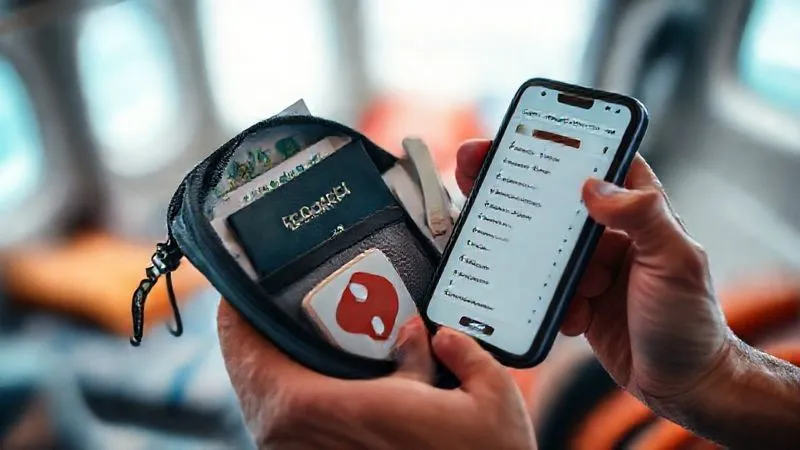
- Copies of Documents: Carry photocopies or digital images of your passport, visa (if applicable), cruise boarding pass, and insurance policy. Leave originals in a secure place on the ship.
- Basic First Aid: A small kit with band-aids, antiseptic wipes, pain relievers, and any personal medications is always prudent.
- Emergency Cash: A small amount of local currency can be a lifesaver for unexpected taxi rides or minor emergencies.
On the Ground: Smart Choices and Situational Awareness
Once you've disembarked, your actions and awareness play a critical role in how to mitigate risks of non-cruise line shore excursions. This isn't about paranoia, but about being an informed and responsible traveler.
Communication is Key
Before you even leave the port, ensure you have a clear understanding with your independent tour operator. Confirm meeting points, times, and what to do if you get separated. Exchange contact numbers and ensure your phone is working. It's also a good practice to discreetly inform the ship's guest services about your independent plans, including the tour operator's name and your expected return time, though they hold no responsibility for independent bookings.
Trust Your Instincts
Your gut feeling is a powerful safety tool. If a situation feels off, if a guide seems unprofessional, or if a vehicle looks unsafe, don't hesitate to voice your concerns or even walk away. No excursion is worth compromising your safety. Avoid isolated areas, especially alone, and be wary of overly aggressive touts or unsolicited offers that seem too good to be true.
Respect Local Customs and Laws
Ignorance of local laws or customs is not an excuse. Research the cultural norms of your destination. Dress appropriately, especially when visiting religious sites. Be aware of local laws regarding alcohol consumption, photography, or even public displays of affection. Respecting the local culture not only enhances your experience but also helps you avoid unwanted attention or legal issues.
"Your greatest asset on an independent shore excursion is your own situational awareness. Be present, observe your surroundings, and never hesitate to prioritize your safety over social politeness or a perceived obligation to a tour."
Case Study: Sarah's Smart Shore Adventure in Santorini
Case Study: How Sarah Mastered Independent Excursions in Santorini
Sarah, a seasoned cruiser, dreamed of a personalized photography tour in Santorini, away from the crowded cruise line buses. She knew the risks but was determined to mitigate them. Months before her trip, she extensively researched local photography guides on TripAdvisor, focusing on those with consistent 5-star reviews mentioning punctuality and local knowledge. She found 'Santorini Lens Adventures,' a small, family-run business.
Sarah contacted them directly, confirming their business registration and liability insurance. She explicitly discussed their emergency protocols and their plan for getting her back to the ship well before 'all aboard' time, building in an extra two-hour buffer. She purchased a comprehensive travel insurance policy that covered missed cruise departures and medical emergencies, and she made sure her international roaming was active. On the day, she carried a printout of her cruise ship's all-aboard time, the local port agent's number, and a copy of her passport. Her guide, Maria, was exceptional, and thanks to Sarah's meticulous planning, she enjoyed a breathtaking, personalized tour, capturing stunning photos, and returned to the ship with plenty of time to spare, having saved a significant amount compared to the cruise line's group tour.
This resulted in an unforgettable, stress-free experience that truly enriched her cruise.
Mastering Logistics: Timing and Transportation
The single biggest fear for independent cruisers is missing the ship. This fear is legitimate, and meticulous planning around timing and transportation is crucial for how to mitigate risks of non-cruise line shore excursions.
The Golden Rule: Buffer Time
Always, always, always build in a significant buffer. My personal recommendation is to aim to be back at the port at least 2-3 hours before the stated 'all aboard' time. This accounts for unexpected traffic, vehicle breakdowns, protests, weather delays, or even a simple miscommunication. Do not rely on your tour operator's assurance that they'll get you back on time; they might not fully grasp the cruise ship's strict schedule or the implications of a delay.
Consider the travel time to and from your excursion, the duration of the activity itself, and then add your buffer. If a tour ends at 3 PM and all aboard is 4:30 PM, that's a red flag. You need more breathing room.
Reliable Transportation Options
Your choice of transport to and from your excursion is as important as the excursion itself. Opt for pre-booked, reputable services rather than hailing random taxis, especially in unfamiliar ports.
- Pre-booked Private Transfers: Often the safest and most reliable. Confirm the company's reputation and ensure they have your ship's departure time.
- Licensed Taxis: In some ports, licensed taxis are a good option. Confirm the fare before you depart or ensure the meter is used. Have the port address written down in the local language.
- Public Transportation: While often the cheapest, public transport can be unpredictable with schedules, crowded, and prone to delays. Use it only if you are confident in local systems and have ample buffer time.
- Rental Cars: Only for the adventurous and those comfortable driving in foreign countries with different road rules and signage. Ensure you have appropriate international driving permits and insurance.
| Transportation Type | Risk Level | Pros | Cons |
|---|---|---|---|
| Cruise Line Shuttle | Low | Guaranteed return, familiar, safe | Limited flexibility |
| Pre-booked Private Car/Tour | Medium-Low | Flexible, personalized, comfortable | Requires vetting, higher cost |
| Licensed Taxi | Medium | Convenient, moderately priced | Potential for overcharging, variable quality |
| Public Bus/Train | Medium-High | Very affordable, authentic experience | Unpredictable schedules, language barriers, security risks |
| Rental Car | High | Ultimate flexibility | Navigating unfamiliar roads, different laws, parking, insurance liability |
Financial Prudence: Payments and Cancellations
Protecting your wallet is another vital aspect of how to mitigate risks of non-cruise line shore excursions. Financial security ensures that even if something goes wrong, you're not left with a significant monetary loss.
Secure Payment Methods
Whenever possible, pay for your independent excursions using a credit card. Credit card companies offer significant consumer protection against fraud, non-delivery of services, or disputes. Avoid paying large sums in cash, especially in advance, as this leaves you with little recourse if the service isn't delivered.
Be wary of operators who insist on cash-only payments or unconventional transfer methods. A reputable business will offer secure online payment gateways or accept major credit cards.
Understanding Cancellation Policies
Life happens, and sometimes plans change. Before booking, thoroughly read and understand the operator's cancellation policy. Look for flexibility, especially for cancellations due to weather, port changes (a common cruise occurrence), or personal emergencies. Some operators offer full refunds up to 24-48 hours before the tour, while others have stricter non-refundable policies.
Ensure you receive a written confirmation of your booking and any payment, clearly outlining the services, dates, times, and cancellation terms. For more on protecting your purchases, resources like the FTC's guide on disputing credit card charges can be helpful.
Leveraging Technology for Enhanced Safety
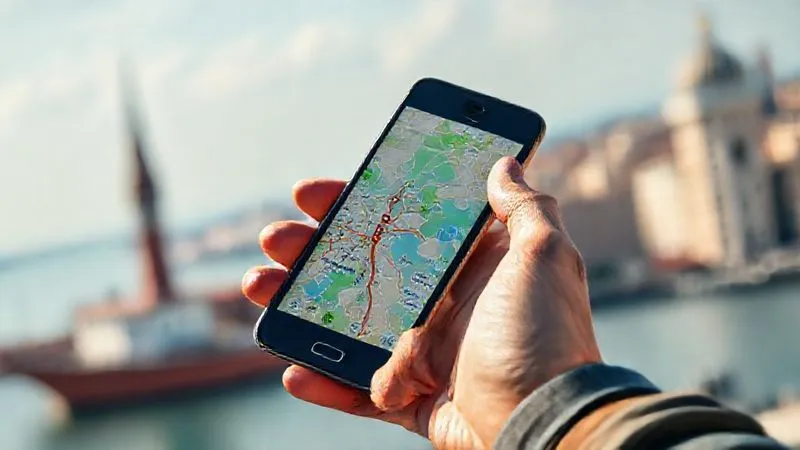
In today's interconnected world, your smartphone can be a powerful tool for enhancing safety and mitigating risks during your independent shore excursions. Don't underestimate its potential.
Essential Apps for Travelers
Before you depart, load your phone with useful travel apps:
- Offline Maps (e.g., Google Maps, Maps.me): Download maps of your port cities so you can navigate even without an internet connection.
- Translation Apps (e.g., Google Translate): Essential for communicating in non-English speaking destinations, especially in an emergency.
- Ride-Sharing Apps (e.g., Uber, Lyft, local equivalents): If available and reputable in your port, these can offer a safer, more transparent alternative to local taxis, with GPS tracking and cashless payments.
- Emergency Contact Apps: Many phones have built-in emergency features (e.g., SOS functions) that can alert contacts or emergency services with your location.
- Currency Converters: Handy for managing your budget and avoiding overpaying.
Digital Copies of Important Documents
Beyond physical copies, store digital versions of your passport, visa, cruise documents, and insurance policy in a secure cloud storage service (e.g., Google Drive, Dropbox) or email them to yourself. This provides an additional layer of backup in case physical documents are lost or stolen. Ensure your phone is password-protected and consider a "find my phone" feature.
Frequently Asked Questions (FAQ)
Is it really cheaper to book independently, and is the saving worth the risk? Often, yes, independent excursions can be significantly cheaper, sometimes by 30-50% or more, especially for private tours or specialized activities. The saving can be substantial. However, whether it's 'worth the risk' is a personal decision based on your risk tolerance and, crucially, your preparedness. If you follow the mitigation strategies outlined in this guide, the perceived 'risk' can be managed down to an acceptable level, making the savings and unique experiences well worth it.
What if my independent tour runs late and I miss the ship? This is the nightmare scenario. If you've followed my advice on buffer time, the chances are significantly reduced. However, if it happens, your travel insurance that covers 'missed cruise departure' is your first line of defense. Immediately contact your cruise line's emergency number (usually on your daily planner or boarding pass) and your travel insurance provider. You'll likely need to arrange your own travel to the next port of call, which can be expensive and logistically challenging, but insurance can help cover these costs.
How do I verify a local tour operator's insurance? The most direct way is to ask the operator for proof of their liability insurance. A reputable company will be transparent and willing to provide this information, often in the form of a certificate of insurance. You can also cross-reference their business name with local tourism boards or industry associations, which sometimes list registered and insured operators. If they are hesitant or refuse to provide proof, consider it a significant red flag.
Should I tell the cruise line about my independent excursions? While you are not obligated to, I highly recommend discreetly informing guest services about your plans, including the operator's name and your expected return time. They will explicitly state they hold no responsibility, but having this information on file can be marginally helpful in extreme emergencies. More importantly, inform a trusted travel companion or family member on the ship.
Are there any destinations where independent excursions are particularly risky? Yes, some destinations carry higher inherent risks due to political instability, high crime rates, poor infrastructure, or lax safety regulations. Always check government travel advisories for your home country before cruising. In certain regions, it might be prudent to stick to cruise-line-vetted excursions for an added layer of security and logistical support. Researching the specific port's safety reputation on travel forums is also a good practice.
Key Takeaways and Final Thoughts
Embarking on independent shore excursions can unlock some of the most memorable and authentic experiences of your cruise vacation. The key is not to avoid them, but to approach them with an informed and prepared mindset. By understanding how to mitigate risks of non-cruise line shore excursions, you transform potential pitfalls into manageable considerations.
- Research Rigorously: Vet operators thoroughly, checking reviews, credentials, and safety standards.
- Insure Wisely: Secure comprehensive travel insurance that covers medical emergencies, evacuation, and missed cruise departures.
- Plan for Emergencies: Create an emergency toolkit with contact numbers, document copies, and communication plans.
- Be Situationally Aware: Trust your instincts, respect local customs, and communicate clearly.
- Prioritize Buffer Time: Always aim to be back at the port well in advance of your ship's departure.
- Use Secure Payments: Opt for credit cards for transactions to leverage consumer protection.
- Leverage Technology: Utilize apps for navigation, translation, and emergency contacts.
Remember, the world is waiting to be explored beyond the gangway. With careful planning, a proactive approach, and a healthy dose of situational awareness, you can confidently step off the ship and create your own incredible, safe, and truly unforgettable adventures. Happy cruising, and may your independent explorations be as boundless as the ocean itself!
Recommended Reading
- Eco-Tour Operators: 7 Ways to Verify Ethical Wildlife Sanctuary Standards
- 7 Pro Strategies: How to Avoid Burnout & Stay Productive at Multi-Day Festivals
- High-Altitude Evacuation: 7 Steps for Remote Wilderness Rescue
- Powering Off-Grid Glamping Eco Pods: 7 Cost-Effective Strategies
- How to Vet Culturally Authentic Folk Dance Groups for Tours: 7 Expert Steps





Your email address will not be published. Required fields are marked *